Yo, what’s up, world travelers? Ami here, reporting for duty. So, when you picture Japan, what’s the first thing that pops into your head? Is it the neon-drenched scramble of Shibuya, the serene, golden glow of a Kyoto temple, or maybe a steaming bowl of life-changing ramen? All solid choices, for real. But what if I told you there’s a side of Japan that looks like it was ripped straight out of a fantasy epic? A place where the earth itself flexes with a 300-million-year-old glow-up, hiding a whole other universe right under your feet. Bet. I’m talking about Akiyoshidai Quasi-National Park in Yamaguchi Prefecture, a spot so surreal, so aesthetically on point, it’ll have your camera roll working overtime and your jaw permanently on the floor. This isn’t just a park; it’s a full-blown experience. Up top, you’ve got Japan’s biggest karst plateau, a sprawling sea of limestone sculptures piercing a grassy canvas. It’s giving major alien planet vibes. And down below? Akiyoshido Cave, a subterranean wonderland that’s been serving jaw-dropping looks for literal eons. It’s this epic duality, the sun-soaked, wide-open space versus the cool, mysterious depths, that makes Akiyoshidai an absolute must-stan destination. It’s the kind of place that reminds you how wildly creative our planet can be. It’s low-key one of Japan’s most spectacular natural landscapes, and we’re about to dive deep. You ready?
To fully appreciate this epic duality of landscapes, you should read our complete guide to Akiyoshidai and Akiyoshido.
The Surface Level Slay: Vibing with Akiyoshidai Plateau
The Aesthetic: What You See is What You Get (and It’s Epic)
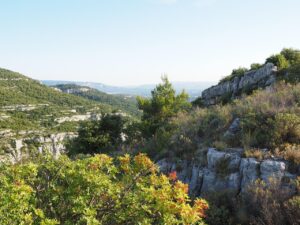
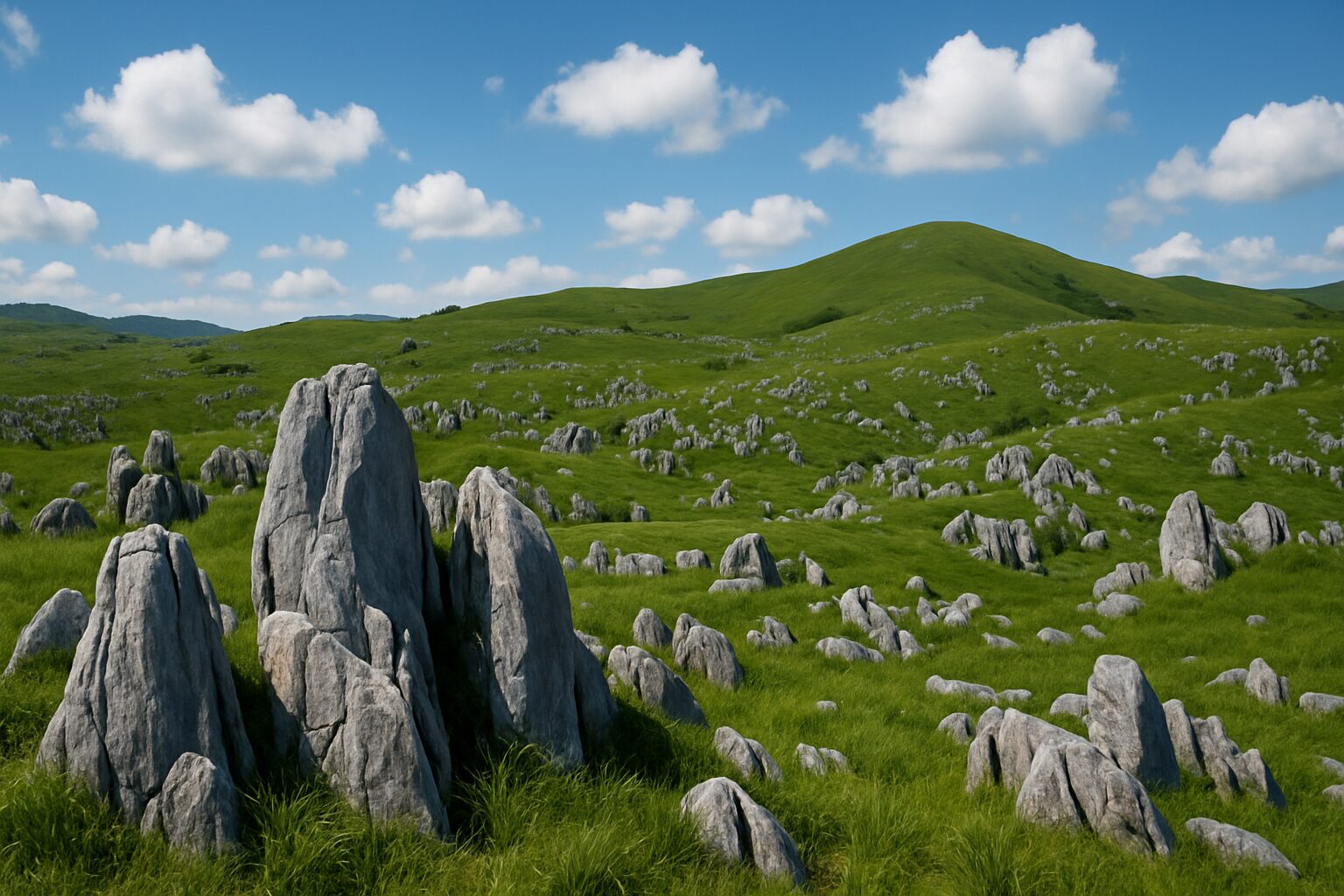
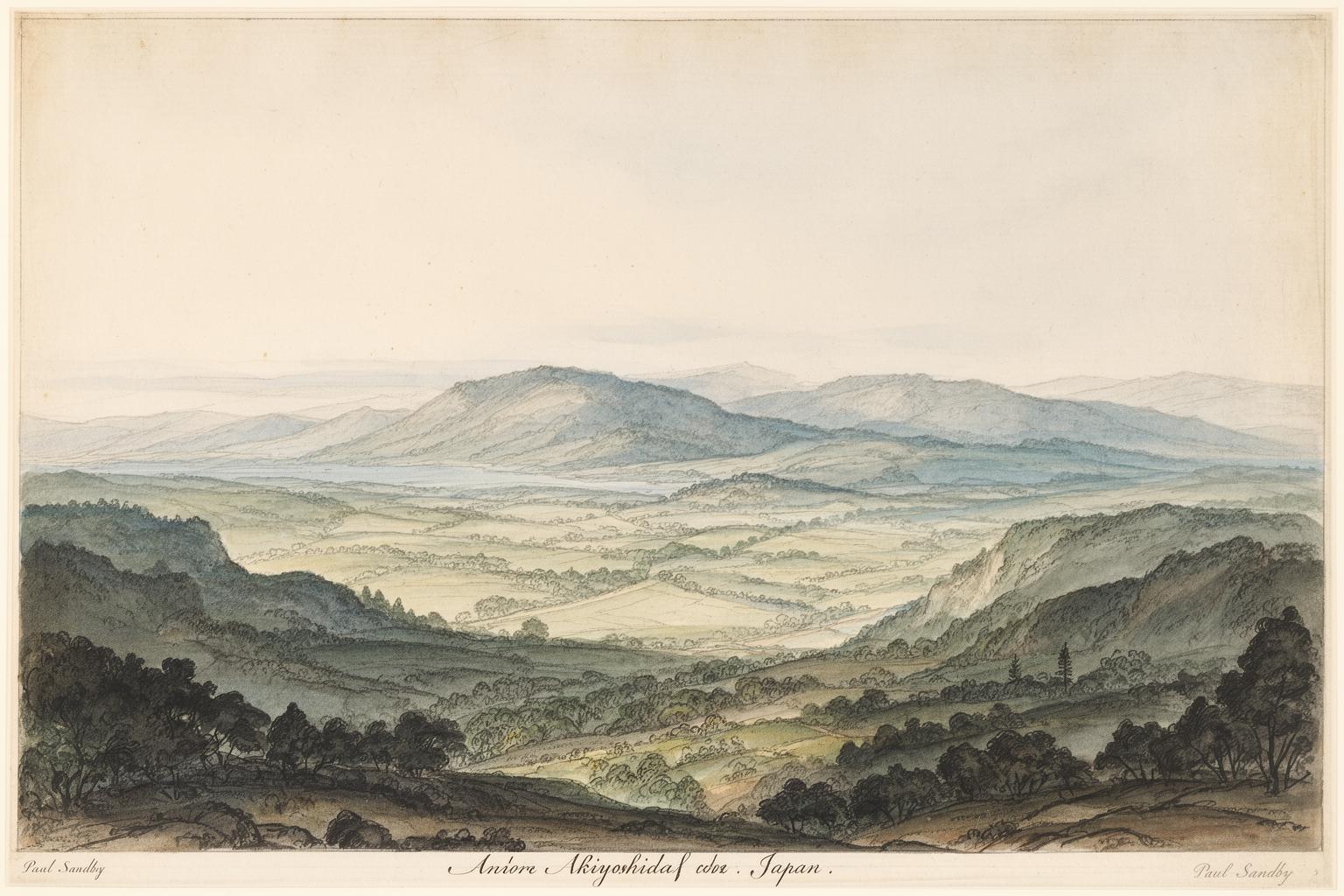
Let’s just get this out of the way: the first time you see the Akiyoshidai Plateau, your brain will need a moment to catch up. Seriously, it’s a total system reboot. Forget everything you thought you knew about Japanese scenery. This is a vast, rolling stretch of green peppered with thousands of white and grey limestone pinnacles called karren. They jut out from the earth like ancient, weathered teeth or abstract sculptures crafted by Mother Nature herself. From the Akiyoshidai Karst Observatory, you get a mind-blowing panoramic view that extends all the way to the horizon. It feels endless. The scale is staggering, making you feel beautifully small in the best way. The atmosphere is serene yet charged with a powerful, ancient energy. It’s the kind of quiet that feels loud, you know? The wind whispers through the tall grass, and the clouds cast shifting shadows across the landscape, making the entire scene feel alive and breathing. The rock formations are wild; none are alike. Some are sharp and jagged, others smooth and rounded by centuries of rain. You could easily spend hours lost in their shapes, imagining what they resemble. A dragon’s spine? A field of sleeping giants? The possibilities are endless. It’s a photographer’s dream, obviously, but even your phone camera will capture something magical. The contrast between the soft, organic green of the grasslands and the hard, geological white of the limestone is a visual masterpiece. It’s raw, unfiltered beauty that needs no editing. It’s just… there. And it’s truly breathtaking.
Seasonal Glow-Ups: Akiyoshidai’s Year-Round Drip
One of the coolest things about Akiyoshidai is that it doesn’t stick to one look. It offers a completely different vibe each season, so there’s never a bad time to visit. It has range, and we have to respect that.
In spring, from April to May, the entire plateau gets a major glow-up. The dormant winter grass is replaced by a vibrant, almost electric green. It’s a fresh, hopeful color that blankets everything. Popping up between the limestone rocks are charming little wildflowers. You’ll spot delicate purple clovers, bright yellow buttercups, and maybe even some rare local orchids if you’re lucky. The air is fresh and mild—perfect for a long, leisurely hike. The contrast of new life blossoming against the ancient, unchanging stone is just… chef’s kiss. It’s a visual symbol of resilience and rebirth, and it’s a seriously beautiful time to be there.
Summer brings a deeper, richer emerald green to the plateau. Under the strong summer sun, the whole area feels vibrant and full of life. Yes, it can get hot, so early morning or late afternoon visits are best. But the reward is huge. Picture dramatic summer clouds rolling across a piercing blue sky, with lush green fields below. The sound of cicadas provides a steady, rhythmic soundtrack for your walk. It’s sensory overload in the best way. This is when the plateau feels most alive, brimming with energy. Pro tip: bring a hat and plenty of water because the sun on this open plateau is intense.
Then autumn arrives, and Akiyoshidai truly shines. From October to November, the green grass turns into a sea of silvery, golden pampas grass, or susuki. When the sun hits during the golden hour just before sunset, the entire landscape literally glows. It’s an ethereal, nearly dreamlike scene. The tall, feathery grass plumes sway in the cool autumn breeze, catching the light and shimmering like a field of precious metal. The air turns crisp and clear, and the vibe is peaceful with a hint of melancholy. It’s undeniably one of the most romantic and photogenic moments you can experience in Japan. Walking through rustling pampas grass as the sun sets over limestone pinnacles will become a core memory.
And then winter comes. You might expect it to be bleak, but you’d be wrong. Winter strips the plateau down to its raw, structural beauty. The landscape becomes a stunning monochrome blend of white stone and pale ochre dormant grass. Occasionally, a dusting of snow transforms the scene into a minimalist winter wonderland. It’s stark, quiet, and incredibly powerful. The highlight of winter is the Yamayaki, or mountain burning, held on the third Sunday of February. This annual controlled burn of the entire plateau is a wild, dramatic spectacle. A huge wall of fire sweeps across the grasslands, sending smoke plumes into the winter sky. It sounds intense—and it is—but it’s a tradition over 600 years old, meant to prevent forest overgrowth and preserve the unique grassland ecosystem. Watching the flames dance over the hills is a primal, visceral experience. From the ashes, fresh spring grass is born. It’s a powerful cycle, and witnessing it is unforgettable.
Getting Your Steps In: Hiking Trails for Every Mood
Akiyoshidai is basically a massive outdoor playground for anyone who loves walking. You don’t have to be a hardcore hiker to enjoy it; there are trails for every fitness level and mood, from a quick scenic stroll to a more immersive half-day hike. The paths are generally well-marked and easy to follow, weaving you between the limestone formations for an up-close encounter with the geology.
The most popular trail starts right at the Akiyoshidai Karst Observatory. It’s a paved, accessible route offering some of the plateau’s most iconic views. Perfect if you’re short on time or want just a taste of the landscape without committing to a long trek. You can do a short loop in under an hour and still feel you’ve had a fulfilling experience. Here you really grasp the scale of the place, with endless photo opportunities in every direction.
For those up for more, several longer, unpaved nature trails branch off and lead deeper into the heart of the karst. This is where the real magic happens. You’ll leave the bigger crowds behind and enter a world of silence, broken only by the wind and crunch of your footsteps. The trails wind through valleys and gentle slopes, offering constantly changing views of the limestone karren. You can literally feel the history as you walk, touching cool, rough rock surfaces that were once part of a tropical coral reef. My top safety tip: wear proper footwear. Think sneakers with good grip or hiking boots. The ground can be uneven, and the limestone surprisingly sharp or slippery, especially after rain. Leave cute but impractical shoes for the city. This is nature’s runway, and you have to respect the terrain. Also, stick to marked paths. The area is vast, and it’s easy to get lost if you stray. Bring water, snacks, and a charged phone. Basic stuff, but it makes all the difference.
Dropping Down Low: The Subterranean Universe of Akiyoshido Cave
The Grand Entrance: That Initial “Whoa” Moment
So, you’ve already taken in the breathtaking views of the plateau. Now it’s time to literally shift your perspective and head underground into Akiyoshido Cave. The main entrance offers a complete vibe change. You descend a staircase into a lush, green basin, and as you go deeper, you begin to notice it: the air cools noticeably and carries a damp, earthy aroma. You hear the faint, echoing drip of water. Then you see it. The entrance to Akiyoshido isn’t some tiny hole in the earth—it’s a massive, dramatic arch carved into the cliff face, about 24 meters tall and 8 meters wide. A clear, blue-green river flows from its dark mouth, crossed by a picturesque red bridge. It’s a stunning scene that feels like a portal to another realm. The first blast of cool, 17°C air coming from inside the cave is a refreshing shock, especially on a hot summer day. It’s as if the planet itself is breathing on you. You pause at the threshold, peering into the darkness, feeling a surge of anticipation. You’re about to step out of time into a world that has been forming, drop by patient drop, for hundreds of thousands of years. This is a true adventure, and it begins right here.
A Whole New World: Exploring the Main Cavern
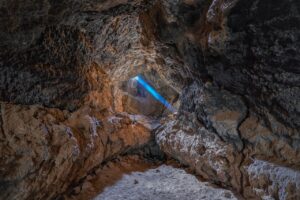
Entering Akiyoshido Cave is like stepping into a natural cathedral. The scale is vast, and the noises from outside instantly fade, replaced by the gentle symphony of dripping water and the soft murmur of an underground river. The main tourist path is a one-kilometer, well-lit, paved walkway that makes the experience accessible and safe. You’re not squeezing through tight spots; you’re strolling through a majestic subterranean hall. The trail follows the river, surrounded by breathtaking formations rising from the floor and hanging from the ceiling, all illuminated to highlight their stunning textures and shapes.
The real highlights are the iconic limestone formations, each given poetic Japanese names. The first to stop you in awe is the Hyakumaizara or “Hundred Plates.” This mind-blowing series of terraced rimstone pools resembles a giant’s collection of delicate porcelain saucers cascading down the cavern floor. Each “plate” has a raised calcite rim, and the still pools of water act as perfect mirrors reflecting the cave ceiling above. The sheer number and flawless symmetry feel almost intentionally designed, not just naturally formed. You can hear the water trickling from one plate to the next, the sound echoing throughout the vast space. It’s the cave still growing, still creating.
Further along, you’ll encounter the Koganebashira, or “Golden Pillar.” This colossal stalactite, towering over 15 meters high, hangs like a magnificent frozen waterfall of rock. Its surface glows with a golden-brown hue and a waxy texture, shaped by millennia of mineral-rich water dripping down its length. So massive and majestic, it feels like a central pillar supporting the entire cavern. You’ll find yourself gazing upward, humbled by its age and grandeur.
Then there’s Do no Fuji, or “Cave Fuji,” a gigantic stalagmite rising from the floor that remarkably resembles Japan’s iconic Mount Fuji. It’s a perfect example of nature’s artistry—a massive calcite cone built over countless centuries. Seeing this familiar shape in such an otherworldly setting is a surreal and wonderful moment. These are just the highlights; the walk is filled with countless other amazing formations—delicate, straw-thin stalactites, massive flowstone curtains, and otherworldly shapes that spark your imagination. The entire experience is a continuous flow of wonder.
The Adventure Course: Taking Your Cave Experience Up a Notch
If you’re feeling adventurous and want to get off the main paved path, there’s the Adventure Course. This optional side-quest carries a small extra fee, but trust me, it’s worth it. Here you get a more hands-on caving experience. The lights dim, the path disappears, and you find yourself climbing steep, slippery ladders, squeezing through narrower passages, and using your hands to steady yourself on damp rock. They provide a small flashlight, adding to the explorer vibe. It’s not wildly difficult, but it certainly gets your heart racing. You feel a genuine connection to the cave, touching the rock’s texture and navigating its raw form. It’s a fun challenge that makes you feel like you’ve truly earned your explorer badge. From a safety perspective, good, grippy shoes are essential. You’ll be climbing metal ladders and stepping on wet surfaces, so traction is key. This short but thrilling detour adds another exciting layer to the Akiyoshido experience. Rejoining the main path at the end leaves you with a rewarding buzz of accomplishment.
The Elevator Exit: Returning to Reality
After exploring the main cavern, you have two options. You can either return the way you came and exit through the grand main entrance or take the elevator. The elevator is located near the far end of the tourist route and lifts you about 80 meters straight up, bringing you to the surface near the Karst Observatory. The transition is striking. One moment you’re in the cool, dark, timeless world of the cave; the next, you’re blinking in bright sunlight, surrounded by the open sky and the green expanse of the plateau. It’s disorienting but also a fantastic way to experience the stark contrast between the two worlds of Akiyoshidai. A pro tip: you can actually use the elevator as your entrance. Buy your ticket at the top, ride the elevator down into the cave’s heart, then walk the one-kilometer path out to the main entrance. This option offers a mostly downhill hike and lets you finish your tour with that breathtaking view of the entrance archway. Either way, the journey between surface and underworld is an experience in itself.
Beyond the Main Event: Unlocking Akiyoshidai’s Hidden Gems
While Akiyoshido Cave is undoubtedly the star attraction, the Akiyoshidai area boasts a whole lineup of other fascinating spots well worth your time. If you have a full day to spare, exploring these lesser-known caves and museums will deepen your appreciation of this unique region. It’s perfect for travelers who enjoy digging beneath the surface—those who understand that sometimes the B-sides are the best tracks.
Kagekiyodo Cave: The Underrated Gem
If Akiyoshido is the blockbuster hit, Kagekiyodo Cave is the indie flick beloved by true enthusiasts. Located a few kilometers from the main cave, it offers a rawer, more adventurous spelunking experience. The cave carries an epic legend—it’s named after Kagekiyo, a Heike (Taira) clan general who is said to have hidden here after his clan’s defeat in the 12th century. Right from the start, it has a compelling historical story. Upon arrival, you’ll rent rubber boots and a helmet equipped with a headlamp, hinting at the unique experience ahead. The initial section is lit and includes a walkway, but soon the lights fade out. Beyond this point, it’s just you, your headlamp, and the darkness. You’ll wade through shallow, ankle-deep streams of cold, clear water and navigate solely by your beam of light. The immersion is intense—the darkness absolute, silence profound except for your splashing footsteps. You truly feel like an explorer discovering the cave for the first time. The route is safe and well-marked, yet the sense of adventure feels completely authentic. If you want something a bit off the beaten path with a great story to tell, Kagekiyodo is an absolute must.
Taishodo Cave: The Vertical Marvel
The third cave in the Akiyoshidai trio is Taishodo. The smallest of the three, it still impresses with its unique vertical layout and vivid formations. Rather than a long, horizontal journey, your exploration involves moving mostly up and down. You’ll climb series of spiral staircases and walkways connecting various cavern levels. It’s like navigating a multi-story underground apartment complex crafted by nature. Taishodo is renowned for its colorful formations, which are beautifully accentuated by creative lighting. Its standout feature is the Tenjo no Kawa — the “River in the Ceiling” — a dark, winding pattern resembling a riverbed high above. You’ll also encounter formations named “Lion Rock” and the “Giant’s Curtain,” inspired by their distinctive shapes. One area dubbed the “Road to Heaven” is illuminated with multicolored lights, adding a slightly kitschy yet undeniably fun atmosphere and perfect photo ops. Taishodo offers a different cave experience—more compact, more vibrant, and with a delightful, maze-like vibe. Visiting all three caves—Akiyoshido, Kagekiyodo, and Taishodo—provides a remarkable overview of the geological diversity hidden beneath the plateau.
Akiyoshidai Science Museum & GeoPark Center
For anyone intrigued by the natural wonders here, a stop at the Akiyoshidai Science Museum is a must. Don’t worry—it’s not a dusty, dull museum. Instead, it’s thoughtfully designed and highly engaging, connecting all the dots and enriching your entire Akiyoshidai experience. Here, you’ll get the complete lowdown on the region’s geology and ecology. Interactive displays and clear exhibits explain how the landscape formed, beginning with its origins as a coral reef 300 million years ago. You can view fossils of ancient sea creatures—crinoids, corals, fusulinids—embedded in the plateau’s limestone. Seeing these tiny, ancient remains alongside the vast landscape gives you a deep sense of time. You realize that the rock beneath your feet literally consists of ancient life. The museum also showcases the unique plants and animals native to the plateau and provides context for cultural traditions like the Yamayaki fire festival. Next door, the Mine Akiyoshidai Karst Plateau Geopark Center offers additional maps and information. Spending an hour here will elevate your trip from merely admiring fascinating rocks to gaining a full understanding of the epic, eons-long story behind this extraordinary place.
Practical Deets & Pro-Tips for a Flawless Trip
Getting There: The Journey to Another World
Akiyoshidai is situated in Yamaguchi Prefecture, in the western region of Japan’s main island, Honshu. It’s slightly off the usual tourist route of Tokyo-Kyoto-Osaka, which is genuinely part of its appeal. The trip itself adds to the adventure. The simplest way to reach Akiyoshidai is by taking the Sanyo Shinkansen (bullet train) to Shin-Yamaguchi Station. This station is a major hub, with direct connections from cities like Hiroshima, Osaka, and even Tokyo (though the latter involves a longer journey). Upon arrival at Shin-Yamaguchi Station, you have two primary options for the final leg of the trip. The most popular and budget-friendly choice is to take the bus. Look for the Bocho Bus that goes straight to the Akiyoshido Bus Center. The ride lasts about 45 to 60 minutes and drops you off right at the entrance to the main shopping street leading to the cave. The buses run fairly regularly, but it’s wise to check the timetable in advance, especially for the last return bus. The other option, and my personal favorite for the freedom it provides, is renting a car. Rentals are available near Shin-Yamaguchi Station. Having a car lets you explore the entire Akiyoshidai area at your own pace. You can easily visit the three different caves, discover scenic viewpoints not accessible by bus, and perhaps explore other nearby attractions like the charming old castle town of Hagi. Parking is ample at all major sites. The drive itself is lovely, taking you through tranquil Japanese countryside.
Timing is Everything: When to Go & How Long to Stay
As mentioned, Akiyoshidai is a year-round destination, each season offering its own unique atmosphere. However, if I were to choose the absolute best times, I’d recommend spring (April-May) and autumn (October-November). The weather during these months is usually mild and comfortable, ideal for hiking on the plateau. Spring brings fresh green grass and blooming wildflowers, while autumn showcases the breathtaking golden pampas grass. Summer is also beautiful with its deep greens, but be prepared for heat and humidity. Winter is colder and the landscape more stark, but it has the unique highlight of the Yamayaki fire festival in February, a truly unforgettable event. Regarding the length of your stay, the main attractions—the Karst Observatory and Akiyoshido Cave—can be enjoyed in a solid half-day visit, which is suitable if you’re on a tight schedule. However, to fully appreciate the area without rushing, I highly recommend dedicating a full day. This allows time for a proper hike on the plateau, a thorough exploration of Akiyoshido Cave (including the Adventure Course), and visits to at least one other cave such as Kagekiyodo. If your schedule permits, spending a night in the region is an excellent idea. There are some accommodations near Akiyoshidai, or you could stay in nearby cities like Yamaguchi City or, even better, the historic coastal town of Hagi, which is stunning and rich in samurai heritage.
What to Pack: The Akiyoshidai Fit Check
For a day at Akiyoshidai, your outfit should combine style with practicality. The key is layering. The temperature on the plateau can fluctuate significantly depending on the season and time of day, while inside Akiyoshido Cave it remains a steady, cool 17°C (about 62°F) year-round. Even on a hot summer day, you’ll want a light jacket, cardigan, or hoodie to wear inside the cave. In cooler months, a warmer jacket is essential. The most important part of your attire, however, is your footwear. I can’t stress this enough: wear comfortable, closed-toe shoes with good traction. Sneakers, trail runners, or light hiking boots are ideal. You’ll be walking extensively on both paved and unpaved surfaces, and the limestone can be uneven and slippery. Avoid heels, wedges, or flimsy sandals entirely. For the plateau, especially in summer, a hat, sunglasses, and sunscreen are must-haves since there is very little shade. Bringing a reusable water bottle is also wise to stay hydrated. A small backpack is perfect for carrying your layers, water, snacks, and souvenirs. Being well-prepared allows you to focus on enjoying the stunning scenery without discomfort.
Fueling Up: Local Eats to Complete the Vibe
Exploring this remarkable landscape is sure to work up an appetite. Fortunately, the area around the Akiyoshido Cave entrance features a lively street lined with restaurants, cafes, and souvenir shops where you can recharge. It’s an excellent place to sample some local Yamaguchi specialties. One must-try is anything made with natsumikan, a type of Japanese summer orange famous in the region. The natsumikan soft-serve ice cream is perfect for cooling down after a hike, offering a delightful blend of sweet and tangy flavors. You’ll also find natsumikan juices, jellies, and other sweets in the souvenir shops. For a more filling meal, watch for kappa soba. Its name comes from the kappa, a mythical water creature from Japanese folklore, but the dish itself is a delicious bowl of soba noodles topped with meat, egg, and other ingredients, often served on a hot kawara roof tile, a local specialty. It’s a unique and flavorful regional dish. There are plenty of other options too, from classic ramen and udon to set meals highlighting local fish and vegetables. Enjoying a meal here is a great way to complete your Akiyoshidai experience and truly savor the local culture.
The Deeper Story: A 300-Million-Year-Old Glow-Up
From Coral Reef to Karst Plateau
One of the most astonishing aspects of Akiyoshidai is its origin story, which is truly epic and spans over 300 million years. Standing on the grassy plateau, surrounded by limestone peaks, try to imagine this: you’re standing on an ancient coral reef. Indeed, during the Paleozoic Era, this entire region was a shallow, warm sea near the equator. Over millions of years, the skeletons and shells of countless sea creatures such as corals, fusulinids, and crinoids accumulated on the seabed, forming a massive limestone platform. If you look closely, you can still spot fossils of these creatures embedded in the rocks across the plateau. It’s amazing to touch a rock and see the delicate, intricate patterns of sea life from hundreds of millions of years ago. So, how did this seafloor end up on a plateau 400 meters above sea level? Plate tectonics. The oceanic plate beneath the reef eventually moved and subducted under the continental plate, and in the process, the coral reef was scraped off and added to the landmass that would become Japan. This process, called an accretionary prism, lifted the huge limestone block high above the water. Once exposed to the elements, the real transformation began. Rainwater, naturally slightly acidic, seeped into the cracks of the limestone. Over millions of years, this acidic water slowly dissolved the calcium carbonate in the rock, shaping the remarkable landscape we see today. Above ground, it formed the sharp pinnacles and sinkholes of the karst plateau. Below ground, it carved vast caverns adorned with stalactites and stalagmites. Every feature of Akiyoshidai stands as a testament to the slow, patient, and immensely powerful forces of geology and time.
Humans and the Karst: A Shared History
Akiyoshidai’s story is not only geological but also deeply connected with human history. Evidence shows that prehistoric people, dating back to the Jomon period, used the caves as shelters and living spaces. It’s fascinating to imagine ancient humans seeking refuge in the same caverns that tourists now explore. The relationship between humans and the plateau has persisted for centuries. The grasslands seen today are not entirely natural, as they would eventually revert to forest if left undisturbed. The open grassy landscape is maintained through human activity, most notably the annual Yamayaki fire festival. For over 600 years, local communities have burned the dead winter grass. This practice, called hiire, served multiple purposes: creating good grazing land for cattle, clearing shrubs and pests, and promoting fresh grass growth. This tradition has shaped the unique ecosystem of the plateau—a vast grassland that supports various rare plants and insects. So when admiring the scenery, remember that you are witnessing a landscape created by a long-standing partnership between nature and people. It is a living cultural landscape, a testament to a sustainable way of life that has preserved this remarkable scenery for generations. This human aspect adds a rich layer to Akiyoshidai’s story, connecting you not only to deep geological time but also to the profound cultural history of the region.
A Final Word: Catching the Akiyoshidai Feeling
So, what’s the final assessment of Akiyoshidai? It’s an outright masterpiece. A place of striking contrasts and deep beauty. It’s the sensation of warm sunlight on your face as you stand on the wide, open plateau, and the chill of ancient air on your skin as you descend into the earth’s hidden depths. It’s a journey spanning millions of years, from a tropical sea to an underground cathedral. This place is more than just a scenic view; it has a soul. It reminds us of the planet’s immense power, patient craftsmanship, and vast memory. Traveling is about gathering moments that change your perspective, and Akiyoshidai offers plenty of them. It’s discovering a fossil in a rock, watching the sunset turn the pampas grass to gold, and the instant your headlamp cuts through the pitch darkness of a wild cave. It’s a place that lifts you out of daily life and connects you to something much larger and far older. If you’re seeking a side of Japan that’s wild, stunning, and truly unforgettable, Akiyoshidai must be on your list. It’s an experience that will stay with you long after you’ve left. So go ahead, find your own “whoa” moment. You won’t regret it. Bet.