Alright, let’s have a real talk. When you picture Japan, what comes to mind? Is it the neon-drenched streets of Tokyo? The serene temples of Kyoto? Maybe a steaming bowl of life-changing ramen? All solid choices, no cap. But what if I told you there’s a part of Japan that looks less like a travel brochure and more like a scene straight out of an epic fantasy film? A place where you can wander across a sweeping, alien-like landscape in the morning and then descend into the literal belly of the earth in the afternoon. Fam, I’m talking about Akiyoshidai Plateau and Akiyoshido Cave in Yamaguchi Prefecture. This place is a whole mood, a geological masterpiece that’s been millions of years in the making, and honestly, it’s one of the most high-key stunning, low-key famous spots I’ve ever taken my little adventurers to. It’s a world of stark contrasts: a sun-drenched, windswept sea of ancient limestone above ground, and a colossal, water-carved cathedral of darkness and mystery below. It’s an adventure that rewrites your entire definition of Japan’s landscape, and if you’re chasing that ‘wow’ factor, this is it. This is the real deal.
To fully appreciate this geological masterpiece, you should learn more about the fascinating Akiyoshidai karst landscape.
The Vibe Above: Cruising Akiyoshidai Plateau

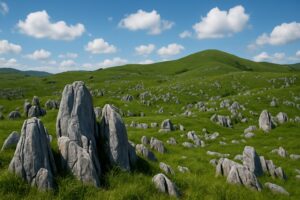
Stepping onto the Akiyoshidai Plateau for the first time feels like a genuine cinematic moment. Your mind briefly glitches because the vastness is simply overwhelming. Forget what you know about Japan’s thickly forested mountains; this is something altogether different. Before you stretches an endless sea of rolling green grassland, interrupted by clusters of stark white, almost bone-like limestone pinnacles rising from the ground. They resemble a herd of stony sheep grazing on the hills or fossilized remains of some ancient giant creature. Locals call this terrain a Karst plateau, the largest in Japan. It formed over 350 million years as coral reefs transformed into limestone, then slowly and patiently dissolved by rainwater. The atmosphere is incredibly peaceful yet powerfully prehistoric. You feel small in the best possible way. For the kids, it was pure enchantment. The vast openness invited them to run freely, feel the breeze, and play hide-and-seek among rocks older than dinosaurs. The profound sense of freedom up here is a perfect antidote to crowded city life.
Hiking Trails for Days (Literally)
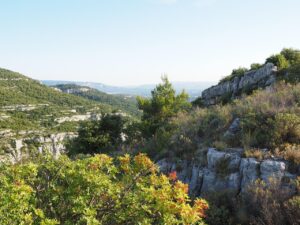
The best way to truly experience Akiyoshidai is by hiking. Fortunately, the area is crisscrossed with some of the most picturesque and well-maintained trails you could hope for. You don’t need to be an expert trekker; there’s a path for every pace and energy level. Easy paved routes near the observatory are ideal for a leisurely stroll with a stroller or for little legs that tire quickly. These loops offer a fantastic introduction to the Karst landscape without requiring too much effort. But if you’re up for more, you can explore further along trails that become raised wooden boardwalks or simple dirt paths winding through the heart of the limestone fields known as karren. Walking among them feels like wandering through a natural sculpture garden. The seasonal changes here are truly spectacular. In spring, the plateau bursts into electric green dotted with wildflowers. Summer brings a rich, lush vibrancy. Autumn paints the grasses in golden and russet hues. Winter, however, has a special highlight: the Yamayaki. Every February, locals conduct a controlled burn of the dead winter grass. It’s a dramatic, fiery spectacle that covers the plateau in black ash, encouraging new spring growth. Seeing photos is one thing, but witnessing the scale of the fire and community effort in person is something else entirely. It’s a powerful testament to the deep bond between the people and this ancient land.
That Sweet Observatory Viewpoint
Before hitting the trails or the cave, make sure your first stop is the Akiyoshidai Karst Observatory. Perched perfectly on a hill, it offers an unparalleled panoramic view of the entire plateau. Here, you’ll get your bearings and capture that jaw-dropping photo guaranteed to make everyone on your feed envious. The panorama from the observatory deck is breathtaking, revealing the vast scale and one-of-a-kind beauty of the landscape. You can see the limestone pinnacles scattered across rolling hills, creating a striking pattern unique to this place. There’s a visitor center with a cafe, perfect for a coffee or a ridiculously delicious Natsumikan soft-serve ice cream (a local citrus that’s a must-try). The gift shop is filled with local treats and souvenirs. It’s the ideal hub to begin or conclude your plateau adventure, gear up for what’s ahead, or simply sit back and soak in the immense, tranquil beauty. It’s also a great spot to check the weather and decide which hiking trail suits your mood. Honestly, we spent a solid half-hour just standing there, pointing out various formations and trying to fathom the immense timescale before us.
The Main Event: Plunging into Akiyoshido Cave
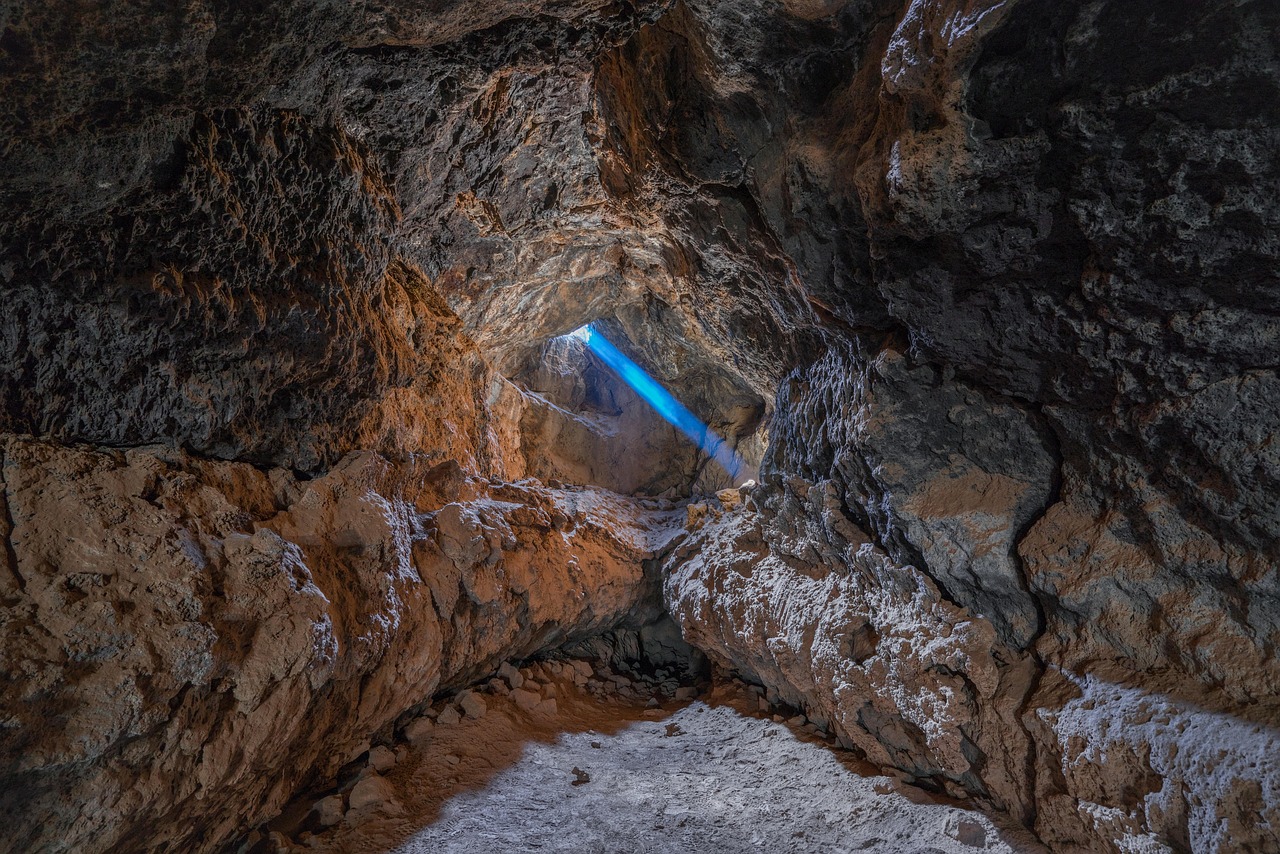
As awe-inspiring as the plateau is, it’s really just the opening act. The main event, the true headliner, lies hidden beneath your feet. Akiyoshido Cave is more than just a cave; it’s an underground empire. This is one of Asia’s largest and longest limestone caves, and exploring it feels like stepping onto another planet. The main entrance itself is pure spectacle: you walk along a path and suddenly encounter a vast, gaping archway carved into the hillside, with a stunning, crystal-clear blue river flowing out. The cool, damp air hits you instantly, carrying the ancient, earthy scent of wet stone and deep time. It’s an invitation to a different world, and the electric anticipation builds as you approach that dark opening. The sheer scale is hard to grasp until you’re standing right there, evoking the feeling of a tiny explorer about to uncover a lost realm—which, in a way, you are.
What’s the Temperature Down There? A Handy Tip
Here’s advice you’ll appreciate, especially if you’re traveling with family. Inside Akiyoshido Cave, the temperature remains a steady 17 degrees Celsius (about 62 degrees Fahrenheit) year-round. Every single day. It doesn’t matter if it’s a blistering 35-degree summer day or a frosty 5-degree winter afternoon outside; the cave maintains its own climate. This makes the cave a perfect summer escape from the heat and a surprisingly mild refuge in winter. But—and this is crucial—it means you need to come prepared. On a hot summer day, that 17-degree air can feel downright chilly after being in the sun. A light jacket, cardigan, or hoodie is absolutely essential. We saw many people in shorts and t-shirts shivering as they went through. Staying comfortable is key to fully enjoying the mind-blowing scenery, so dress in layers. Trust me on this one.
The Underground Walk of Wonders
The standard tourist route through the cave is about a kilometer long, paved, well-lit, and highly accessible. You follow a raised walkway that winds alongside and crosses the underground river, leading you through enormous caverns and past some of the most incredible geological formations you’ll ever witness. The scale of the main chamber is staggering—it’s large enough to fit a jumbo jet. The soundscape is equally mesmerizing; the steady, gentle dripping of water echoes throughout, a sound that has been patiently shaping this subterranean world for hundreds of thousands of years. The formations have poetic names that spark the imagination. The undisputed highlight is the Hyakumai-zara, or “One Hundred Plates,” a breathtaking series of terraced limestone pools called rimstone dams that cascade down a slope like a frozen, milky-white waterfall. Each shallow pool holds perfectly still water, reflecting the cave ceiling above. It looks delicate, intricate, and utterly surreal. Then there’s the Kogane-bashira, or “Golden Pillar,” a colossal 15-meter-tall stalagmite that gleams under the spotlights, its surface shimmering as if made of precious metal. Another giant is the Do-no-oh, or “King of the Cave,” a massive, gnarled flowstone column that appears to support the roof of the world. Around every corner, new wonders unfold—from delicate, straw-thin stalactites to vast, curtain-like formations. It’s sensory overload in the best way imaginable, a constant stream of ‘no way’ and ‘look at that!’ moments.
Low-Key Gems and Side Quests Around Akiyoshidai

While the main plateau and the standard cave tour are already impressive, if you have the time and a taste for more adventure, the Akiyoshidai area offers some fantastic side quests that are definitely worth exploring. Many visitors come, see the main attractions, and leave, but venturing a little further rewards you with even more unique experiences. It’s a wonderful way to complete your trip and truly feel like you’ve explored beyond the popular highlights.
The Adventure Course: Take Your Caving to the Next Level
About halfway through the main Akiyoshido Cave tour, you’ll notice a small sign for the “Adventure Course.” For a modest extra fee (a few hundred yen), you can break off from the main route and try some genuine spelunking. This isn’t for everyone, though. You’ll be given a flashlight, and the path immediately becomes narrower and more rugged. You’ll be squeezing through tight spaces, climbing steep metal ladders, and navigating solely by your torchlight. It’s a brief detour but an absolute thrill. It offers a completely different view of the cave—darker, more mysterious, and far more hands-on. Our older child thought it was the coolest part of the tour. It’s a fantastic option for adventurous families or anyone wanting to feel a little like Indiana Jones for ten minutes. Just make sure you have sturdy, grippy shoes!
More Caves? Absolutely! Kagekiyodo and Taishodo
Akiyoshido may be the most famous, but it’s not the only cave in the area. A short drive away are two other public caves that offer distinctly different experiences. Kagekiyodo Cave is rich in history and legend, reputedly a refuge for the surviving Heike clan members in the 12th century. The lighting here is more subdued, the path rougher, and the atmosphere wilder and more untamed than Akiyoshido. It feels like a genuine wild cave, which makes for an exciting contrast. Then there’s Taishodo Cave, the smallest of the three, which compensates for its size with brilliant color. The mineral formations here are vividly red and orange, earning it the nickname “Gokuraku,” or Paradise. Visiting these smaller caves offers a broader appreciation of the area’s geological diversity. You can purchase a combination ticket for all three caves, which is a great deal if you want to spend a full day exploring.
Dive into Science at the Akiyoshidai Museum of Natural History
If the plateau and caves have sparked your curiosity (and how could they not?), a visit to the Akiyoshidai Museum of Natural History is an excellent way to connect the dots. Situated near the observatory, this museum provides a clear explanation of the science behind what you’ve experienced. It delves into the geology of Karst landscapes, revealing how the plateau was formed from an ancient coral reef. The exhibits include fossils found locally—evidence of the ancient marine life that once thrived here. You’ll also find displays about the unique plants and animals that inhabit the plateau. Though not large, the museum is very well-curated and adds a great deal of context. It transformed our day of sightseeing into an engaging science lesson, with the kids especially fascinated by the fossil exhibits. It truly enhances the entire experience.
The Practical Deets: How to Get There and Not Get Lost
Alright, let’s get straight to the point. Akiyoshidai is situated in Yamaguchi Prefecture, located in the Chugoku region of western Honshu. It’s a bit off the usual tourist path of Tokyo-Kyoto-Osaka, which is honestly a big part of its appeal. It feels like a hidden gem. Getting there takes a bit of planning, but it’s definitely achievable.
Getting to the Middle of Nowhere (ish)
The easiest and most flexible way to reach Akiyoshidai is by car. Renting a car allows you to explore the area at your own pace, including other caves and viewpoints. There is ample parking near the Akiyoshido Cave entrance and the observatory. If you’re using public transportation, your trip will likely start at Shin-Yamaguchi Station, a major stop on the Sanyo Shinkansen line. From there, you need to take a Bocho Bus heading to Akiyoshido. The ride takes about 40 to 60 minutes, depending on the route. Buses aren’t very frequent—usually one or two per hour—so it’s crucial to check the timetable ahead of time. A smart tip is to photograph the return schedule at the bus stop when you arrive to avoid being stranded. The journey itself is quite scenic, winding through the Japanese countryside, offering a lovely way to experience a different side of the region.
Choosing Your Entrance: Three Ways In
Akiyoshido Cave has three entrances, and knowing about them can greatly enhance your visit. The main entrance, called the Akiyoshido Entrance, is the well-known one where the river flows out. This is where the main bus stop, restaurants, and souvenir shops are concentrated. Most visitors start and finish here. Then, on the opposite side of the cave, there’s the Kurotani Entrance, a smaller option ideal if you’re parking nearby or want to begin your walk from a different spot. But the real highlight, especially for families or those with mobility challenges, is the Elevator Entrance. Midway through the cave tour, an elevator takes you directly to the surface, emerging onto the plateau just a short walk from the observatory. This is a fantastic feature because it lets you do a one-way trip through the cave without backtracking. A popular approach is to enter through the main entrance, walk through the cave, take the elevator up to the plateau, explore the grasslands and observatory, then walk back down to the main entrance area. This breaks up the walk and lets you enjoy both areas seamlessly.
Fueling Up: What to Eat in Karst Country
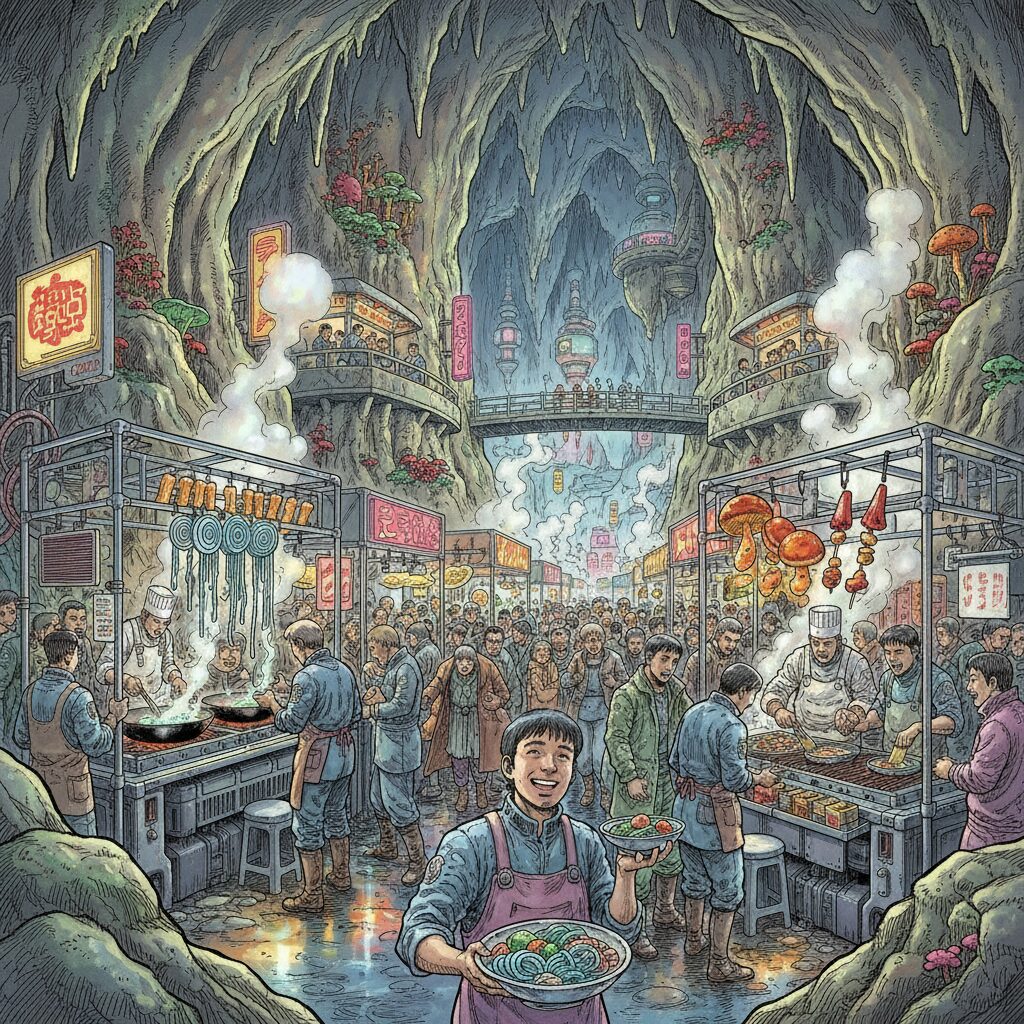
After all that walking and exploring, you’ll definitely work up an appetite. Near the main Akiyoshido entrance, there’s a street filled with restaurants and food stalls ready to recharge you. The undeniable local specialty you’ll find everywhere is Kappa Soba. Don’t worry—it has nothing to do with the mythical water imps. The name “kappa” is just a regional oddity. The soba noodles are a vibrant green because they are kneaded with Natsumikan, the local citrus I mentioned earlier. This gives the noodles a subtle, refreshing tang. It’s a fun and unique dish to try. Speaking of Natsumikan, its flavor is featured in everything here, from juices and jams to cakes and, most notably, soft-serve ice cream. Enjoying a cone of the sweet and tangy Natsumikan ice cream is the perfect treat after coming out of the cool cave. You’ll also find other common Japanese dishes like udon, ramen, and curry rice. It’s mostly simple, hearty food made to satisfy hungry tourists, and it definitely hits the spot.
When’s the Best Time to Go? A Seasonal Breakdown
Akiyoshidai is a genuine year-round destination, with each season presenting its own unique atmosphere. Spring, from March to May, is arguably the best time to visit. The weather is mild and ideal for hiking, as the plateau transforms into a vibrant green carpet dotted with colorful alpine flowers. It feels lively and full of energy. Summer, from June to August, can be quite hot and humid on the exposed plateau. However, this is when the cave becomes a true refuge, offering a refreshing escape with its constant, natural air-conditioning. The contrast between the scorching heat outside and the coolness inside the cave is an experience in itself. Autumn, from September to November, is another beautiful season for hiking. The grasses on the plateau turn a lovely golden brown, and the surrounding trees add bursts of autumn color. The crisp, clear air provides stunning views. Winter, from December to February, is the quietest time of year. The plateau lies dormant and brown, possessing a stark, minimalist beauty of its own. The highlight, of course, is the Yamayaki fire festival in February, a powerful and unforgettable event that makes a winter visit truly worthwhile. Regardless of when you go, the cave itself remains unchanged—a timeless wonder waiting to be explored.
Final Thoughts from a Fellow Traveler
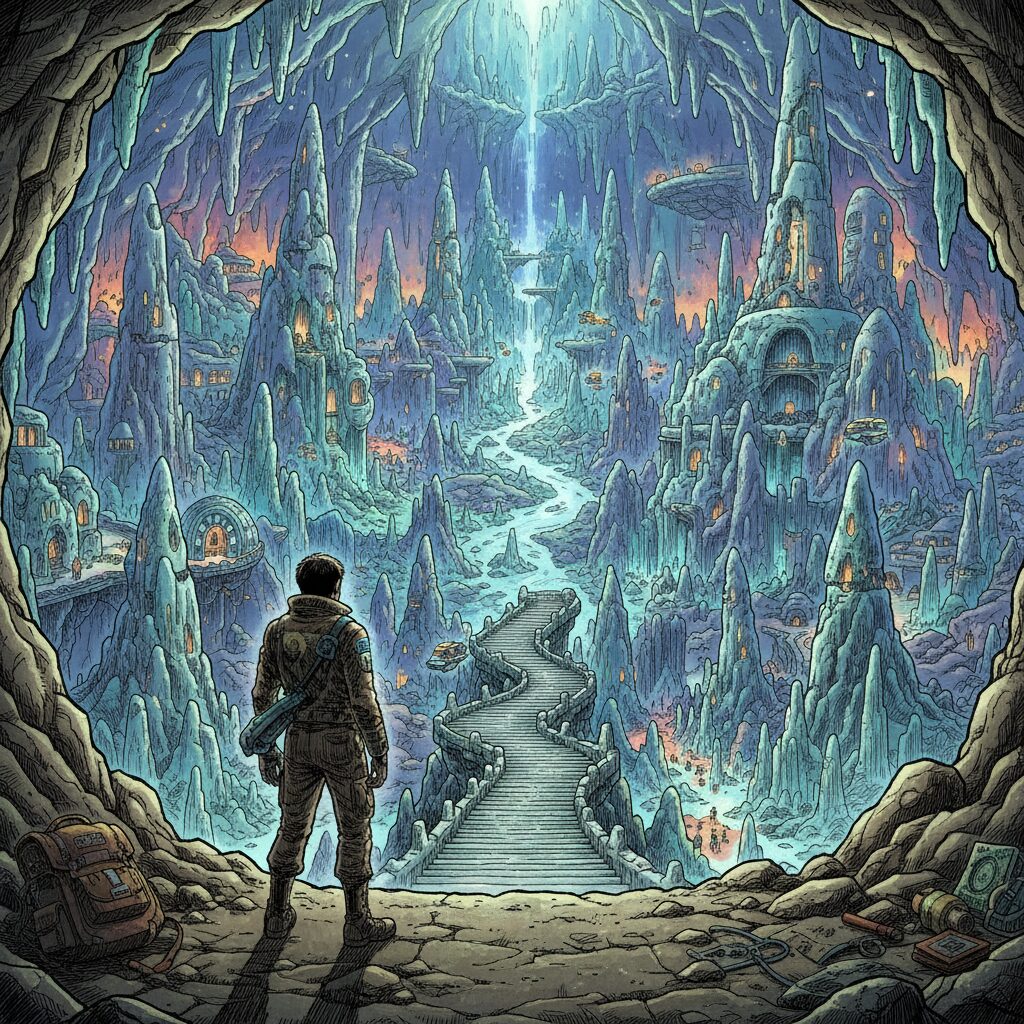
Some places you visit are simply beautiful, while others truly transform your perspective. Akiyoshidai and Akiyoshido clearly belong to the latter. This is a place of striking duality. Standing on the plateau connects you to the sky, the wind, and a vast, visible history etched in stone. Descending into the cave takes you away from that world, into a hidden, subterranean realm ruled by darkness, water, and ancient time. It’s a journey that challenges your sense of scale, light, and time. For families, it’s the ultimate natural playground—an ideal spot for running wild, igniting curiosity, and experiencing genuine awe and discovery together. It serves as a reminder that some of the planet’s greatest wonders aren’t found in famous cities or museums, but are sculpted into the landscape itself, awaiting exploration. So if you want to venture off the beaten path in Japan and encounter something truly magical, choose Akiyoshidai. It’s an adventure that will linger with you long after you’ve resurfaced. No need to thank me now.