Yo, what’s up. It’s Hiroshi. So, you’ve been scrolling, right? You’ve seen it. That electric green, sometimes blue, sometimes pink drink, fizzing away in a tall, elegant glass. A perfect scoop of vanilla ice cream is melting just so, crowned with a single, almost unnaturally red cherry. It’s everywhere, from city pop aesthetic posts to travel feeds. And you’re probably thinking, “Okay, it’s a cream soda. Cute. But… what’s the big deal?” You see it in these super old-school, wood-paneled cafes that look like a movie set from the 70s, and then you see it in brand-new, minimalist spots. It seems to bridge generations, styles, and vibes in a way that’s kinda confusing. Is it just a photogenic sugar rush, or is there something deeper going on? You get the feeling this isn’t just about a drink. And you’re right. It’s not. That glowing glass of melon soda is a time machine. It’s a liquid symbol of a bygone era’s dreams, a taste of nostalgia (even for a past you never lived), and a key to understanding the whole “Showa retro” wave crashing over Japan right now. It’s way deeper than just ice cream and fizz. So grab a seat, let’s order one, and get into the real story behind Japan’s iconic cream soda. It’s a whole mood, a piece of cultural code hiding in plain sight. Let’s break it down.
This nostalgic mood is part of a broader cultural fascination with retro aesthetics, much like the unique allure of Japan’s love hotels.
Not a Cafe, It’s a Kissaten: Decoding the Vibe
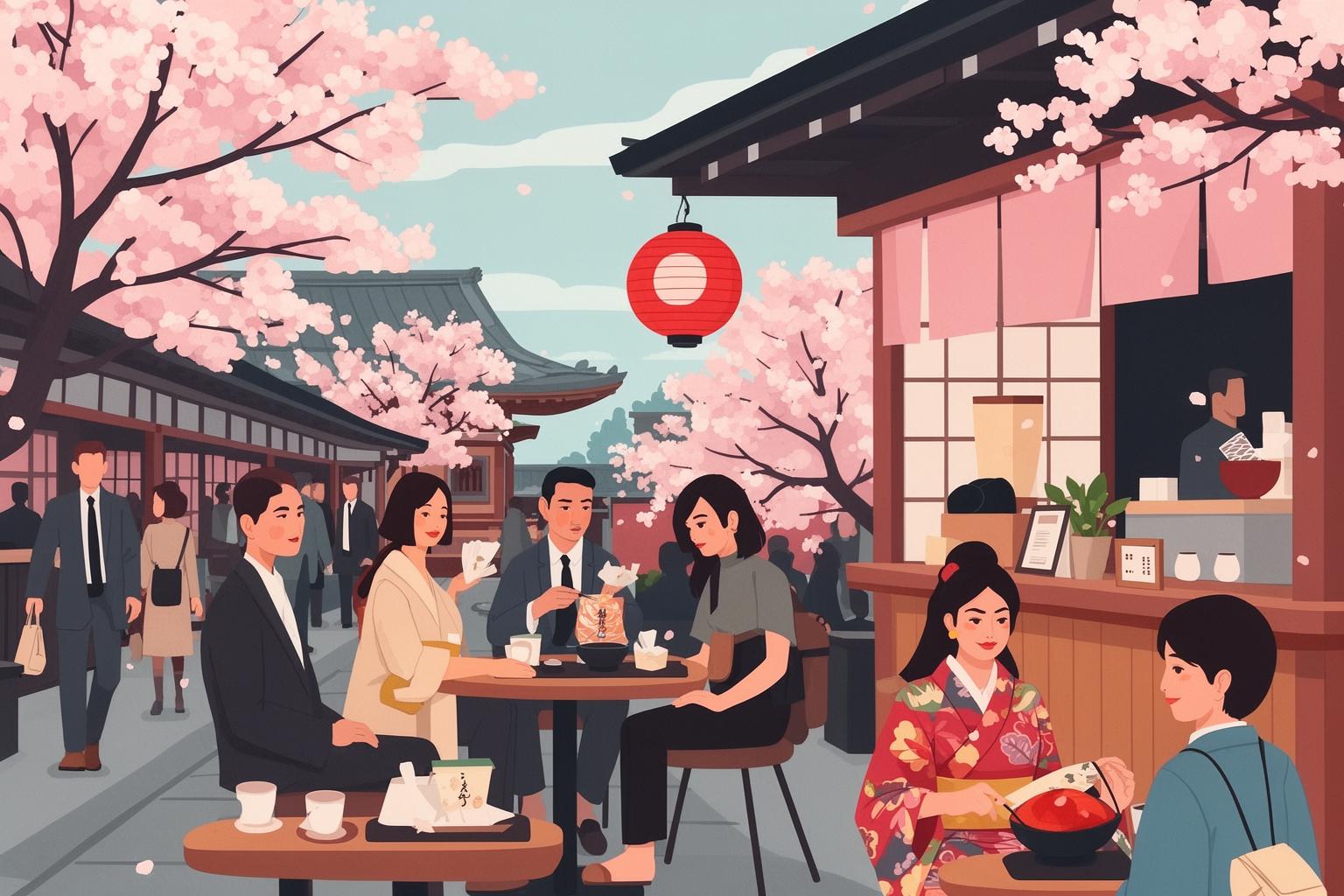
First things first, we need to set the scene correctly. That cream soda you see didn’t originate in a bright, airy, minimalist coffee shop with Wi-Fi and power outlets. Its true home is the kissaten (喫茶店). And a kissaten is not just a café. Trying to grasp what a kissaten is by comparing it to Starbucks is like trying to understand a vinyl record by comparing it to a Spotify playlist. Both deliver the goods, yes, but the experience, intention, and entire culture surrounding them are worlds apart. The kissaten is a relic, a living fossil from Japan’s Showa Era (1926-1989), and to appreciate the cream soda, you first have to understand the kissaten.
The Showa Era Hangout Spot
Imagine Japan in the 60s and 70s. The post-war economic miracle is in full swing. Cities are bustling, salaries are rising, and there is a tangible energy of ambition and change. Yet, homes tend to be small, and offices are strict. People needed a “third space”—a place that was neither home nor work—where they could just be. This was exactly the role the kissaten played. They were sanctuaries. You’d push open a heavy wooden door with a tinkling bell and step out of the chaotic city into a different realm. The air was dense with the aroma of dark-roast coffee brewed through a syphon and, almost invariably, stale cigarette smoke. The lighting was dim, filtered through stained glass lamps or thick velvet curtains that shut out the world beyond. The furniture was substantial: dark wood paneling, worn leather or vinyl booth seats you could sink into, maybe a small brass lamp on each table. There was no upbeat pop music. Instead, you’d hear the quiet murmur of conversations, the clinking of spoons against thick ceramic cups, and classical or jazz music softly playing from a vintage sound system in the corner. This wasn’t a spot for a quick caffeine fix. It was a destination. It was a place for salarymen to dodge work, for students to debate philosophy for hours over a single cup of coffee, for writers to wrestle with their manuscripts, and for couples to hold quiet, serious talks. It was a moody, atmospheric, and unmistakably adult environment.
The “Master” and the Ritual
At the helm of this world was not a mere barista but the ma-sutaa (マスター), the Master. Typically an older man, often dressed sharply in a waistcoat and tie, he was the heart and soul of the place. The Master didn’t just serve coffee; he curated the entire experience. He chose the music, carefully sourced the coffee beans, and applied his unique roasting and brewing techniques. The kissaten was his stage, his life’s work. Service was not about speed or bubbly friendliness but about precision and ritual. You didn’t simply grab a coffee; you were welcomed into the Master’s world for a time. An unspoken code of conduct prevailed: no loud talking, no rushing, respect for the space. This deliberate, almost ceremonial atmosphere is the exact opposite of the modern grab-and-go coffee culture. It was about slowing down, savoring the moment, and finding a serene nook in a rapidly modernizing world. It is within this dark, sophisticated, adult-oriented setting that the vividly bright, cheerful, and almost childlike cream soda was born. And that’s the first hint that this drink is more than it appears. It’s a paradox.
The Cream Soda Paradox: A Splash of Pop in a Moody World
So, you find yourself seated in a dim, smoky, and serious kissaten, listening to Bach or Miles Davis. The atmosphere feels intellectual, perhaps a bit melancholic. Then the Master sets before you… this extraordinary item. A towering glass filled with neon green liquid, bubbling vigorously, topped with a scoop of ice cream and a cherry that resembles a tiny red stoplight. It’s a complete aesthetic contradiction—a splash of pure, unfiltered pop art amid a world of brown leather and dark wood. What is this psychedelic kids’ drink doing in such an adult sanctuary? The answer is rooted in the dreams and ambitions of Showa Era Japan.
A Taste of the “American Dream”
Following World War II, American culture surged into Japan like a tidal wave. Movies, music, fashion, and especially food embodied a world that was vibrant, modern, and prosperous. This represented the “American Dream,” which captivated Japan. Soda fountains, with their gleaming chrome and cheerful ambiance, became powerful symbols of this new era. Items like Coca-Cola, ice cream sundaes, and milkshakes were seen as exotic, indulgent luxuries. The cream soda emerged as Japan’s unique interpretation of American soda fountain culture, adapted and refined for a Japanese palate. It was an affordable luxury—a way for everyday people to taste the fantasy of a brighter, sweeter, more colorful future. Its boldly artificial colors and flavors were part of the charm. This was not an attempt to mimic nature, but to create something fresh, exciting, and distinctly man-made. It stood as a symbol of progress and hope, a sweet escape from the daily routine, served in places where people sought just that… an escape. The contrast was intentional. This drink was a small, edible burst of joy—a splash of Technicolor in a monochrome world.
The Holy Trinity: Melon Soda, Vanilla Ice Cream, and a Single Red Cherry
Let’s be honest, the classic cream soda’s composition is a masterpiece of careful design. It’s more than a random mix of ingredients; it’s a thoughtfully crafted visual and textural experience. First, the soda itself. While strawberry, lemon, or blue curaçao flavors exist, melon reigns supreme. Why melon? Its flavor is sweet, slightly tangy, and unmistakably artificial—nothing like a real melon. But the color—that iconic, jewel-toned, fluorescent green—is everything. It’s visually electric. It grabs your attention. It’s pure fantasy. Next, the ice cream. Almost always a perfect, firm scoop of vanilla—not soft-serve, as its firmness is crucial. It sits delicately atop the ice cubes, creating a floating island in a sea of green. The magic unfolds as it gradually melts, sending creamy white clouds swirling through the soda, altering both color and texture with each sip. It’s an interactive delight. Lastly, the cherry. Not just any cherry, but a bright red, syrupy maraschino cherry, often with its stem intact. It’s the final flourish, a single contrasting point of color that completes the visual harmony. It serves as decoration, a gem, and a promise of sweetness to come. Every element is intentional, crafting a perfect, self-contained world within a glass. This meticulous presentation, transforming something simple into an object of beauty, is a pinnacle of Japanese aesthetic.
Why We’re Still Vibing with It: The “Showa Retro” Boom
Alright, that clarifies the history. But that was many decades ago. So why are young people in Japan—those who never lived through the Showa Era—now suddenly so fascinated by this old-fashioned drink? Stroll through trendy Tokyo neighborhoods like Koenji or Shimokitazawa, and you’ll find youngsters dressed in retro Showa-style clothing, queuing for a table at a kissaten. The reason is a powerful cultural phenomenon: the “Showa Retro” craze, driven by a unique form of Japanese nostalgia.
Natsukashii: Nostalgia for a Period You Never Experienced
There’s a Japanese term, natsukashii (懐かしい), often translated as “nostalgic,” but it carries a deeper meaning. It’s a gentle, bittersweet affection for the past—a warm, fuzzy feeling that can be sparked by a song, a scent, or a flavor. For older generations, sipping a cream soda in a kissaten evokes genuine natsukashii—it revives real memories of their youth. But for my generation, it’s something different. We feel a kind of second-hand nostalgia, a yearning for a time we’ve only encountered through vintage movies, anime, and family photo albums. The Showa Era appears to us as a golden age—more analogue, more tangible, more… real. In a world of digital polish, fast fashion, and constant online interaction, the Showa aesthetic—the warm hues of film photography, the groovy basslines of City Pop, the solid, well-crafted clothing—feels authentic and stylish. It embodies a slower, more intentional way of living. The cream soda, with its colorful, imperfect, and unabashedly analogue charm, has become the emblematic drink of this retro wave. Enjoying one is a way to connect with an idealized past, to experience natsukashii for an era we never actually lived through.
From Classic to “Neo-Kissaten”
This trend has created an intriguing divide in the world of kissaten. On one side, there are the genuine, original kissaten, often still run by the same elderly Master who opened the shop 50 years ago. They are priceless cultural gems, but can feel somewhat daunting. Smoking might still be permitted, the Master may be a bit gruff, and regular patrons might give you a curious look. These places aren’t trying to be retro; they simply are retro, preserving a legacy. On the other side, we have the rise of “neo-kissaten” (or neo-kissa). These new venues, launched by young entrepreneurs enamored with the Showa vibe, retain core elements—the dark wood, vintage-style furnishings, classic menus—but infuse them with a modern twist. The music may still be vinyl, but it’s curated for a younger crowd. They are almost always smoke-free. Most importantly, they’re designed with social media in mind. The lighting is better, the presentation more polished, and the cream sodas often come in a vibrant array of inventive new colors and flavors. These neo-kissaten don’t just preserve the past; they celebrate a style. They are love letters to the Showa era, making its aesthetic approachable and cool for a new generation. This contrast explains why in modern Japan you can experience two very different types of “kissaten.”
So, Is It Actually… Good? The Real vs. The Expectation
This is the big question, isn’t it? After all this cultural exploration, you might be wondering if this drink is actually tasty. You see the pictures, grasp the history, but in the end, is it worth ordering? The answer is… it depends entirely on what you’re after. If you expect a complex, artisanal, farm-to-table beverage, you’re likely to be disappointed.
It’s Not About the Taste (Though It Can Be!)
The honest truth is that the classic melon cream soda is a simple delight. The soda itself is unapologetically artificial. It’s sweet, fizzy, and tastes like, well, “melon soda” flavor—a taste category all its own. The ice cream is typically plain vanilla. There are no delicate notes of Tahitian vanilla bean or hints of elderflower. But that’s the point. It’s not intended to be a gourmet experience. The joy of a cream soda is not primarily in its complex flavor profile. The joy lies in the spectacle. It’s in the vibrant color, the fizz and bubbles, the satisfying clink of the long spoon against the thick glass. It’s in the ritual of scooping the perfect bite of melted ice cream and soda. It’s in the feeling of being transported back in time, whether to your own childhood or a nostalgic vision of Japan’s past. You are drinking in an atmosphere, a feeling, a piece of cultural history. The simple, sweet, nostalgic taste is merely the soundtrack to that experience. It’s comfort food in a glass.
Beyond the Green: A Rainbow of Sodas
While green melon soda is the undisputed icon, it’s only the beginning. The kissaten menu often presents a beautiful, colorful array. The second most popular choice is typically strawberry, with its lovely pinkish-red hue. Then there’s Blue Hawaii, a stunning tropical-ocean blue often flavored with pineapple or curaçao syrup. Lemon or orange offers a classic citrusy yellow, and sometimes grape appears in a deep purple. Watching a group of friends order different colored cream sodas is like witnessing a pop art installation on a table. Neo-kissaten have taken this even further, experimenting with new colors and flavors like peach, sakura, or even coffee-flavored cream sodas. The drink has become a canvas for creativity, but the basic formula—bright soda, vanilla ice cream, cherry on top—remains a constant, a tribute to the original that started it all.
The Cream Soda as a Cultural Shortcut
Ultimately, Japan’s fascination with cream soda goes far beyond just a sweet, fizzy beverage. It serves as an ideal, accessible gateway to grasping some profound aspects of Japanese culture. It’s more than a sugar rush; it’s a cultural shortcut. When you order one, you’re not merely getting a drink—you’re receiving a story. You’re tasting the optimism and American ambitions of the post-war Showa Era. You’re encountering the Japanese aesthetic of careful presentation, where even a simple drink can be transformed into a small work of art, a fundamental element of the kawaii mindset. You’re sensing the powerful allure of natsukashii, that distinctive mix of sweet and melancholic nostalgia that influences much of modern Japanese pop culture. And you’re observing a captivating cultural dialogue, as a new generation lovingly reimagines the symbols of their parents’ and grandparents’ youth, making them fresh and appealing once again. The modest cream soda tells a tale of economic prosperity, cultural evolution, and the lasting strength of memory. So, the next time you spot that glowing green glass on your feed or a menu in a quiet Tokyo nook, you’ll understand. It’s not just a trend. It’s not just for the ‘gram. It’s a fizzy, sweet, and utterly enchanting time machine—a whole vibe captured in a single, perfect glass.