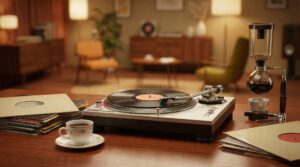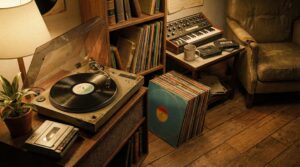
Yo, let’s talk about a vibe that’s so profoundly, specifically Japanese it feels like stepping into another dimension. Forget the neon-drenched hustle of Shibuya Crossing for a sec. We’re going underground, metaphorically and sometimes literally, into a world where time slows down, the air is thick with the smell of dark roast coffee and old wood, and the only thing that matters is the sound. I’m talking about Meikyoku Kissa, Japan’s classical music cafes. These aren’t your average coffee shops where you grind out some work on your laptop. Nah, these are sanctuaries, time capsules dedicated to the pure, unadulterated experience of listening to classical music on audio systems so vintage and powerful they could make a grown audiophile weep. It’s a whole mood, a cultural treasure that offers a legit escape from the sensory overload of modern life. Imagine a place where the main rule is silence, where your phone is an unwelcome guest, and where the centerpiece of the room isn’t a communal table but a pair of monolithic speakers that look like they were handcrafted for giants. This is a journey into a subculture that has quietly thrived for decades, a testament to a deep appreciation for craftsmanship, patience, and the profound power of music. It’s a trip, and one you absolutely need to take.
For a different but equally immersive audio experience, explore the world of Japan’s time-capsule jazz kissas.
The Birth of a Vibe: A Trip Down Memory Lane
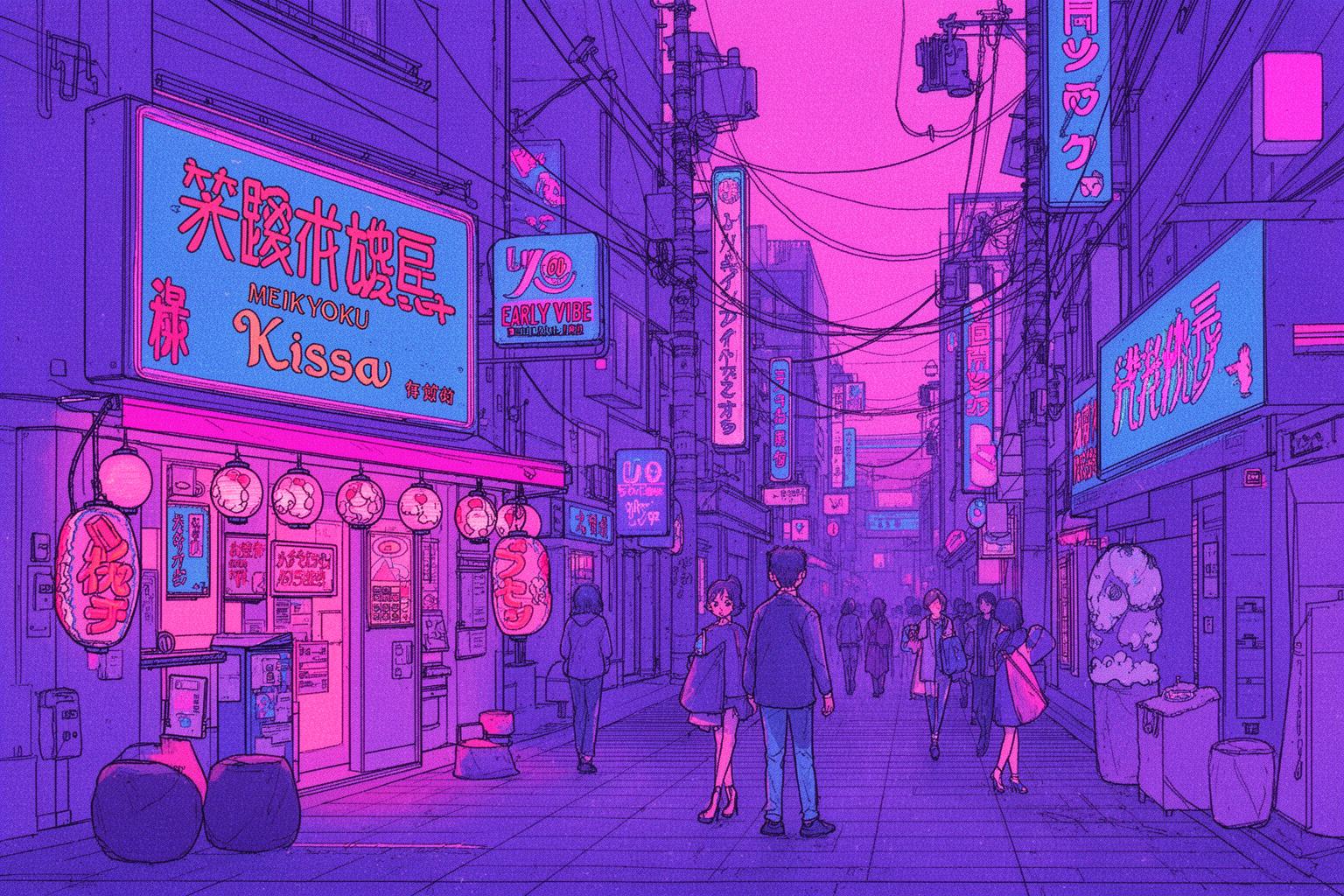
To truly understand what Meikyoku Kissa are all about, you need to rewind the clock. We’re traveling back to the Showa era, particularly the years following World War II. Japan was undergoing intense rebuilding and cultural transformation. For the average person, owning luxury items was merely a distant dream, including things we now take for granted like a high-quality stereo system and an extensive record collection. Classical music LPs, especially imported ones from Europe, were prohibitively expensive. A single record could cost a significant portion of a person’s monthly income. So, how did a generation of young, intellectually curious students and artists immerse themselves in the works of Bach, Beethoven, and Mozart? The answer was the Meikyoku Kissa.
These cafes were more than just businesses; they were cultural institutions. They served as public listening rooms, providing a democratic solution to an economic barrier. Passionate owners, often obsessive audiophiles themselves, invested their life savings to create the ultimate sound space. They imported top-of-the-line turntables, massive horn speakers from brands like JBL and Altec Lansing, and powerful tube amplifiers glowing with a warm, inviting light. They meticulously built libraries containing thousands of classical records. For the price of a single cup of coffee, you could enter this incredible world of sound. You could sit for hours, nursing that one drink, and listen to a full symphony, concerto, or opera. It was a haven for students, writers, and thinkers who gathered not to socialize but to share a communal experience in respectful silence. These were places for study, contemplation, and pure sonic escapism. In a time before the Walkman and Spotify, these kissas were the only way for many to explore the rich tapestry of Western classical music. They acted as social equalizers and cultural incubators, all enveloped in a cloud of coffee steam and orchestral grandeur. The fact that many of these establishments still exist today, largely unchanged, is a minor miracle. They stand as defiant monuments to a bygone era, preserving not only the music but the very act of deep, intentional listening.
The Sound is the Sanctuary: Inside the Audiophile’s Dream
At the core of every Meikyoku Kissa is, without question, the sound system. This isn’t mere background music; it’s the main attraction. Entering one of these cafes is like stepping into a temple where sound is worshipped. The first thing you’ll almost always notice are the speakers. Forget subtle bookshelf models or sleek, modern soundbars—these are colossal, furniture-sized monoliths that dominate the space with an imposing presence. Often vintage horn speakers, they feature huge, flared openings that resemble giant wooden flowers crafted to amplify sound. They may be custom-built masterpieces, the life’s work of the cafe’s owner, or legendary units from the golden era of hi-fi. Their massive scale is deliberate; they are built to move vast amounts of air and reproduce the sound of a full orchestra with breathtaking realism and dynamic range.
Behind these giants are the electronics that give life to the sound. Vintage tube amplifiers, their vacuum tubes glowing with a warm amber light, are common. Audiophiles claim that tube amps provide a warmer, more natural, and emotionally captivating sound compared to solid-state models. It’s a sound that feels less like a recording and more like a live performance. The source is typically a turntable—a heavy, precisely calibrated device, often with a gracefully curved tonearm, responsible for delicately retrieving the microscopic details etched into vinyl grooves. The whole setup forms a carefully curated analog ecosystem. The owner, known as the ‘master,’ acts as conductor of this sonic experience—DJ, curator, and sound engineer all at once. They select the day’s music, carefully cueing records from their vast floor-to-ceiling collections. Watching the master handle a record is a lesson in reverence—the gentle cleaning with a velvet brush, the precise drop of the needle, the brief silence before music blossoms. The sound is unlike anything familiar. It’s not just loud, but immersive. It possesses texture, weight, and a tangible presence in the room. You feel the cello’s low notes resonate in your chest, the crisp attack of a violin string, the expansive acoustic space of the concert hall where the music was recorded. It’s an all-encompassing experience that demands your full attention. In a world dominated by compressed MP3s and tinny earbuds, the Meikyoku Kissa powerfully reminds us what it truly means to listen.
The Unspoken Rules: Mastering Meikyoku Kissa Etiquette
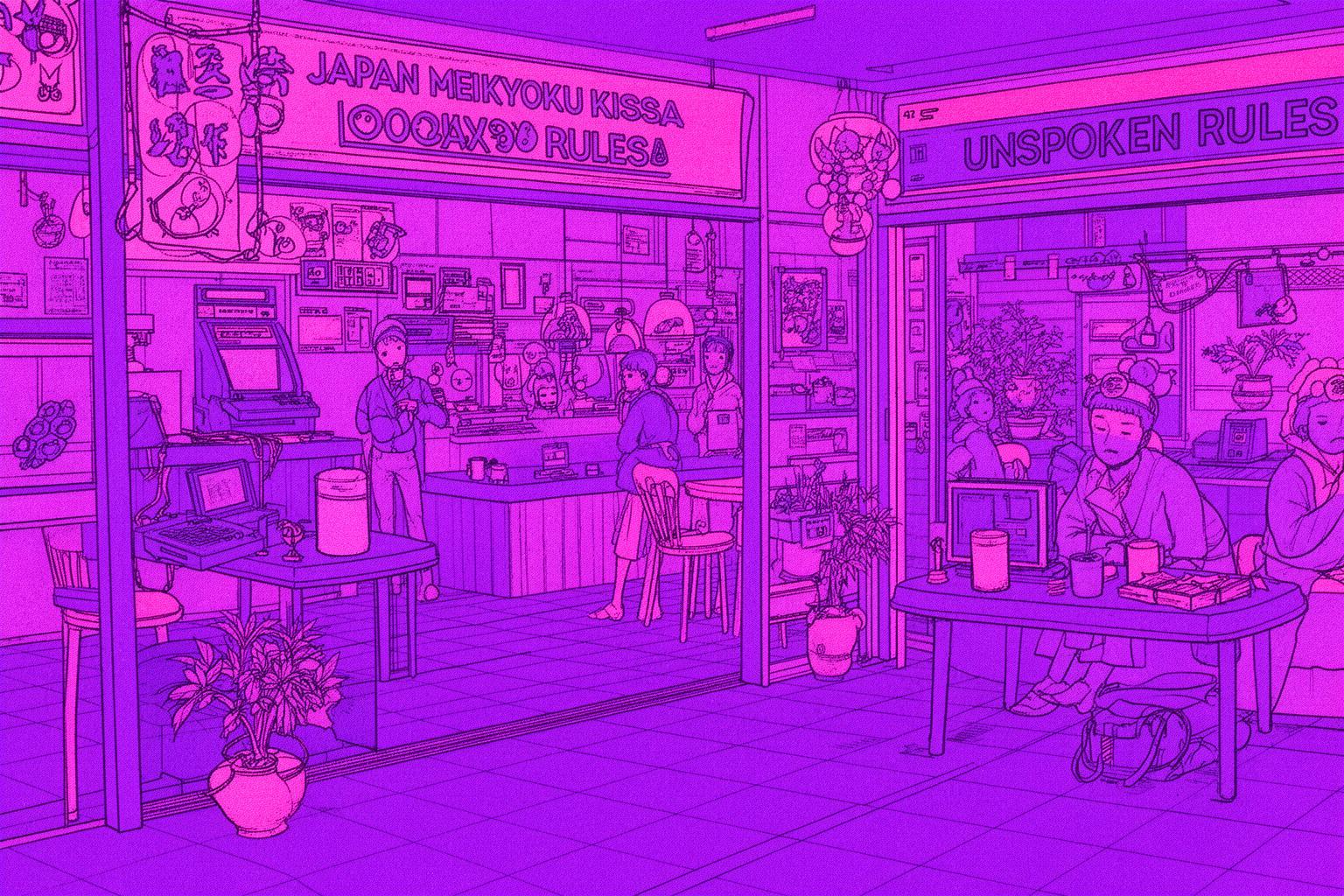
Visiting a Meikyoku Kissa for the first time can be a bit intimidating since it follows social rules that are completely different from those of a typical cafe. However, once you grasp the etiquette, you’ll understand how it preserves the unique atmosphere. These aren’t mere suggestions—they form the foundation of the experience, so it’s wise to familiarize yourself with them beforehand.
The most crucial rule, which defines the entire establishment, is silence. This is non-negotiable. You do not speak. You do not whisper to your companion about the music. Your phone should be set to silent mode, and taking calls is absolutely prohibited. The aim is to create an environment as quiet as a concert hall, where the only sound is the music flowing from the speakers. This silence enables a deep, personal connection with the music, free from outside distractions. Although it may feel unusual at first to sit among strangers without exchanging words, you quickly adjust and discover a profound sense of peace in the shared, silent reverence. The silence isn’t awkward; it’s intentional.
Upon entering, a staff member or the master will quietly guide you to a seat. The menus are typically simple, and your order covers the admission fee. You’re expected to order at least one item, usually coffee or tea. This is your ticket to sit and listen for as long as you like. There’s no need to rush. The coffee is often brewed with great care, sometimes using an elaborate siphon method, meant to be enjoyed throughout a symphony. Consider the price, which may be slightly higher than a regular cafe, as a contribution toward maintaining the exceptional audio equipment and record collection.
Photography is another key aspect of etiquette. The general rule is: don’t. Flashes are strictly forbidden, and the shutter sound of a camera can be a disruptive intrusion in this sonic sanctuary. Many establishments have clear signs banning photography. It’s seen as disrespectful to other patrons and to the master’s carefully curated environment. You are there to listen, not to document for social media. If you really want a keepsake, you might discreetly snap a silent photo of your coffee, but never take pictures of people or the main room without permission—and be prepared for a refusal.
In some Meikyoku Kissa, you might have the chance to request a piece of music. This is a truly special cultural feature. There may be a shelf with record catalogs and small paper slips where you can browse the collection, write down the composer, piece, and conductor you wish to hear, and hand the slip to the master. There’s no guarantee your selection will be played immediately, or at all, depending on the mood the master wants to create. But the anticipation, the hope that your chosen piece will soon fill the room, is a unique and wonderful thrill. It’s a way to engage with the experience and add your own note to the day’s symphony.
A Tour of Titans: Legendary Meikyoku Kissa You Can’t Miss
While Meikyoku Kissa are scattered throughout Japan, a few legendary venues in Tokyo have become pilgrimage sites for audiophiles and music lovers worldwide. These establishments are the giants, the standard-bearers of this culture.
Meikyoku Kissa Lion (Shibuya, Tokyo)
You can’t discuss this scene without beginning with Lion. Hidden away in a back alley of the hyper-modern Shibuya district, Lion reigns supreme. Stepping inside feels like entering a baroque cathedral dedicated to sound. The interior is dark, cavernous, and ornately decorated with carved wood, velvet seats, and classical busts. The centerpiece of this sanctuary is the front wall, entirely dominated by a custom-built speaker system of monumental scale. The speakers are so massive they seem architectural. All seating, including the second-floor balcony, faces forward in orderly rows, just like in a concert hall. There’s no pretense of this being a social space; you are here to confront the music. The master curates the playlist, and conversation is strictly, almost fiercely, forbidden. The sound is immensely powerful and detailed, delivering a truly physical experience. Visiting Lion is less like going to a cafe and more like attending a sacred ritual. It’s an essential, unforgettable Tokyo experience.
Kissa Violon (Asagaya, Tokyo)
If Lion is a grand cathedral, Violon in the laid-back Asagaya neighborhood is a cozy, subterranean chapel. True to its name, the theme revolves around string instruments. The space is adorned with cello and violin motifs, and the speakers themselves are housed in enormous cello-shaped enclosures. This quirky, charming touch reflects the owner’s profound love for music. The ambiance is warm and intimate—a basement retreat that feels worlds away from the streets above. The sound system, centered on massive Western Electric speakers, delivers a rich, warm, and deeply resonant audio ideal for chamber music and string quartets. Violon is somewhat more relaxed than Lion, but the fundamental rule of silence remains firmly enforced. It’s a wonderful place to lose yourself for an afternoon, especially if you appreciate the resonant tones of stringed instruments.
Meikyoku Kissa Koku (Kyoto)
To demonstrate that this culture goes beyond Tokyo, a visit to Koku in Kyoto is essential. Koku offers a different ambiance, one that feels distinctly Kyoto. Situated in a residential area, it exudes a more academic and intellectual vibe. The master is renowned for his extraordinary depth of knowledge and his vast record collection, which includes many rare and historic recordings. The interior is simpler than the Tokyo giants, resembling a scholar’s study, yet the focus on sound remains equally intense. The equipment is top-notch, and the acoustics are meticulously managed. Koku is a destination for the serious connoisseur. Patrons often follow along with musical scores as they listen, creating an atmosphere of profound concentration. It’s a fantastic place to experience how the Meikyoku Kissa concept has been adapted with a unique regional character, blending an intense listening experience with the refined, scholarly air of Japan’s ancient capital.
Chatei Hatou (Shibuya, Tokyo)
Though not strictly a Meikyoku Kissa (whispering is permitted here), Chatei Hatou deserves mention as an ideal introduction for newcomers. It is one of Tokyo’s most beautiful traditional kissaten, sharing the same reverent, hushed ambiance. The emphasis here is more on exquisite coffee and the stunning interior, featuring dark wood, antique clocks, and beautiful pottery. Classical music plays softly, serving as a background rather than the sole focus. For those not yet ready for the strict silence of Lion, Hatou offers a gentle taste of that old-world, contemplative cafe culture. It provides an opportunity to ease into a quiet, reflective cafe experience before diving fully into the deep world of Meikyoku Kissa. It acts as a bridge between the modern cafe and the classical music sanctuary.
More Than Just Coffee: The Art of the Kissa Menu
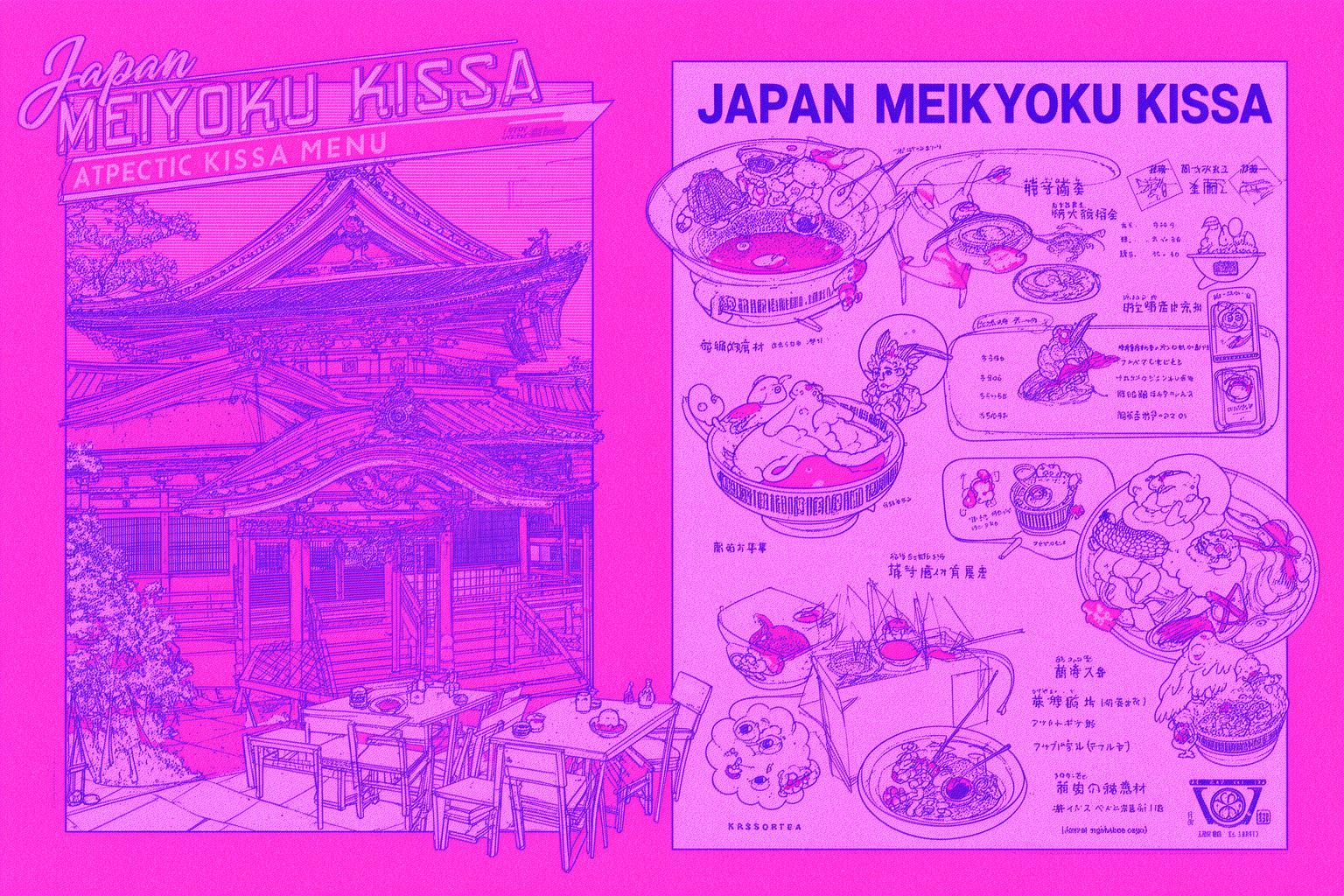
While music is undeniably the star of the Meikyoku Kissa, what you drink plays a crucial role in the supporting cast. The menu is an essential part of the ritual, a grounding element within a deeply cerebral experience. The offerings are usually simple, classic, and crafted with a level of care and precision that reflects the owner’s approach to their audio equipment.
The undisputed centerpiece of the kissa menu is coffee. But this isn’t the quick, milky latte you grab on your way to work. This is serious, traditional Japanese coffee. The most iconic preparation method you’ll encounter is the siphon. It’s a beautiful, theatrical display of science, involving two glass chambers, a halogen heat source or open flame, and the principles of vacuum and vapor pressure. Watching the master brew siphon coffee is a performance in its own right. The water defies gravity, rising into the upper chamber to blend with the coffee grounds, then dramatically descending back down as a perfectly clean, aromatic brew. The result is an incredibly smooth, nuanced, and delicate coffee. It’s a drink that invites slow, deliberate sipping, making it the ideal companion for a long classical piece. Even if it’s a simple pour-over, you can be confident it’s prepared with a steady hand and profound respect for the beans.
Beyond coffee, the menu often includes a selection of nostalgic classics. You might find a fine black tea, served in a delicate porcelain cup. Or perhaps a vibrant cream soda, with a scoop of vanilla ice cream floating in a jewel-toned sea of green melon soda—a taste transporting you back to Showa-era childhood. Fresh juices are also frequently offered. What you typically won’t find is an extensive food menu. The focus remains on listening, and the noise from cutlery or strong cooking aromas would be distracting. At most, you might encounter a slice of simple pound cake or a thick slice of Japanese toast (‘shoku-pan’) served with butter and jam. The food is meant to provide sustenance, not to be the highlight. It’s all part of the philosophy: everything in the cafe should enhance, and never detract from, the musical experience.
Finding Your Frequency: How to Make the Most of Your Visit
So, you’re ready to dive in. You know the history, you know the rules. But how do you truly get the most out of this uniquely special experience? It’s about shifting your mindset and embracing a slower rhythm.
First and foremost, go solo. While bringing a friend is an option, the experience is arguably most profound when you’re alone. A Meikyoku Kissa is a space for introspection—a dialogue between you and the music. Going alone eliminates the urge to whisper or interact, allowing you to fully immerse yourself in the soundscape without any social distractions. In our hyper-connected world, it’s a rare chance to be genuinely alone with your thoughts in a shared space.
This brings us to the next point: disconnect completely. Don’t just silence your phone—put it away. The glow of a screen distracts not only you but everyone around you. The temptation to scroll contradicts the very purpose of the Meikyoku Kissa. Instead of your phone, bring a book or a journal. Many visitors use the time to read, write, or simply close their eyes and let the music carry them away. This is your opportunity for a true digital detox, allowing your mind to focus on a single, beautiful stimulus.
Be patient. The music here isn’t a playlist of three-minute songs. The master often plays full symphonies, which can last over an hour. You may arrive in the middle of a movement—don’t worry about it. Find your seat, order your drink, and settle into the flow. Let the music envelop you without judgment or expectation. The magic of the experience unfolds gradually. Allow yourself to be still and present. Take in the details of the room: the patina on wooden tables, the way light catches dust motes dancing in the air, the towering shelves filled with thousands of vinyl spines, each a universe of sound waiting to be explored. This is an exercise in mindfulness, rewarded with a deep sense of peace and clarity. A rainy afternoon or a cold winter day makes for the perfect visit, turning the café into a cozy refuge from the elements—a sonic womb where you can recharge your spirit.
A Quick Guide for First-Timers
Feeling ready but want a quick cheat sheet? Here it is. When it comes to attire, there’s no strict dress code. The atmosphere is casual but respectful—think library, not nightclub. As for what to bring, a book is your best companion. It gives you something to focus on during quiet moments and signals your understanding of the space’s contemplative nature. Plan to stay at least an hour to fully absorb the experience. A single cup of coffee grants you generous listening time. And don’t worry about any language barrier; the menu is usually straightforward, and pointing works perfectly fine. The entire experience is designed to transcend language—music does all the talking. Walk in with an open mind, a quiet demeanor, and a readiness to simply listen.
In a world that constantly clamors for our attention, the Meikyoku Kissa offers a radical alternative: a quiet place to get lost in something beautiful. It’s more than just a coffee shop with a specific playlist; it’s a living museum, a meditation hall, and a tribute to a time when art and community were valued in a different way. Seeking out one of these vinyl-filled sanctuaries means discovering a hidden corner of old Japan, a place where the needle drops, and the rest of the world fades away. It reminds us that sometimes, the most profound experiences aren’t found in noise and spectacle but in the depths of a shared, reverent silence. Find one, order a coffee, and just let the music play—you won’t regret it.