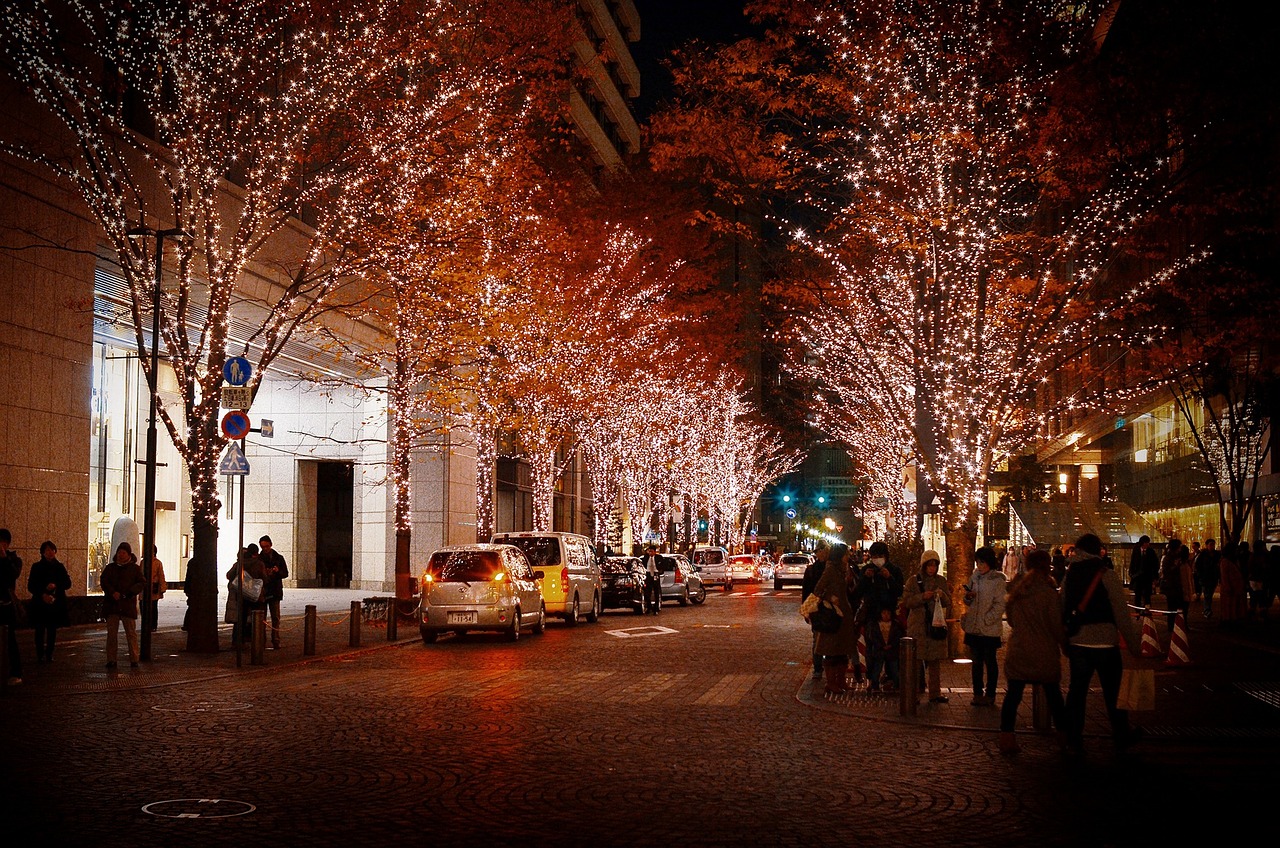
Yo, what’s the deal? Let’s talk Tokyo. When you picture this city, your brain probably jumps straight to the neon-drenched chaos of Shibuya Crossing or the sky-high towers of Shinjuku. It’s all about that futuristic, high-energy vibe, right? And look, that Tokyo is absolutely lit, a whole experience you gotta see to believe. But what if I told you there’s another side to this megacity? A place where the clock seems to tick a little slower, where the air is thick with the scent of grilled goodies and nostalgia, and where friendly neighborhood cats are the real local celebrities. Fam, allow me to introduce you to Yanaka Ginza, the shopping street, or shotengai, that’s serving up a major dose of Showa-era realness. This isn’t some theme park replica of old Japan; this is the real deal, a living, breathing artery of local life tucked away in the city’s east. Stepping onto this 170-meter stretch is like hitting a rewind button, dropping you into a version of Tokyo that’s all heart, all community, and, most importantly, all about the grub. The street food game here? Absolutely fire. It’s a culinary pilgrimage that’s low-key one of the best things you can do in the city. This is where you come to understand the soul of shitamachi, the old downtown culture of Tokyo. It’s a place that feels deeply familiar, even if you’ve never been. It reminds me of the communal warmth of Beijing’s old hutongs, where life spills out onto the streets and every shopkeeper knows your name. Yanaka Ginza is that vibe, but with a uniquely Tokyo twist. It’s less about the grand spectacle and more about the simple, perfect moments: biting into a crispy croquette, watching the sunset from a famous flight of stairs, and feeling like you’ve stumbled upon a beautiful secret. Bet. So, get ready to ditch the tourist traps and dive into something legit. We’re about to take a deep dive into the flavors and feels of Yanaka Ginza. Scope the map below to get your bearings, and let’s get this show on the road.
If you’re looking for more unique destinations beyond Tokyo’s nostalgic streets, consider visiting the incredible Aogashima double volcano.
The Vibe Check: Stepping into a Time Machine
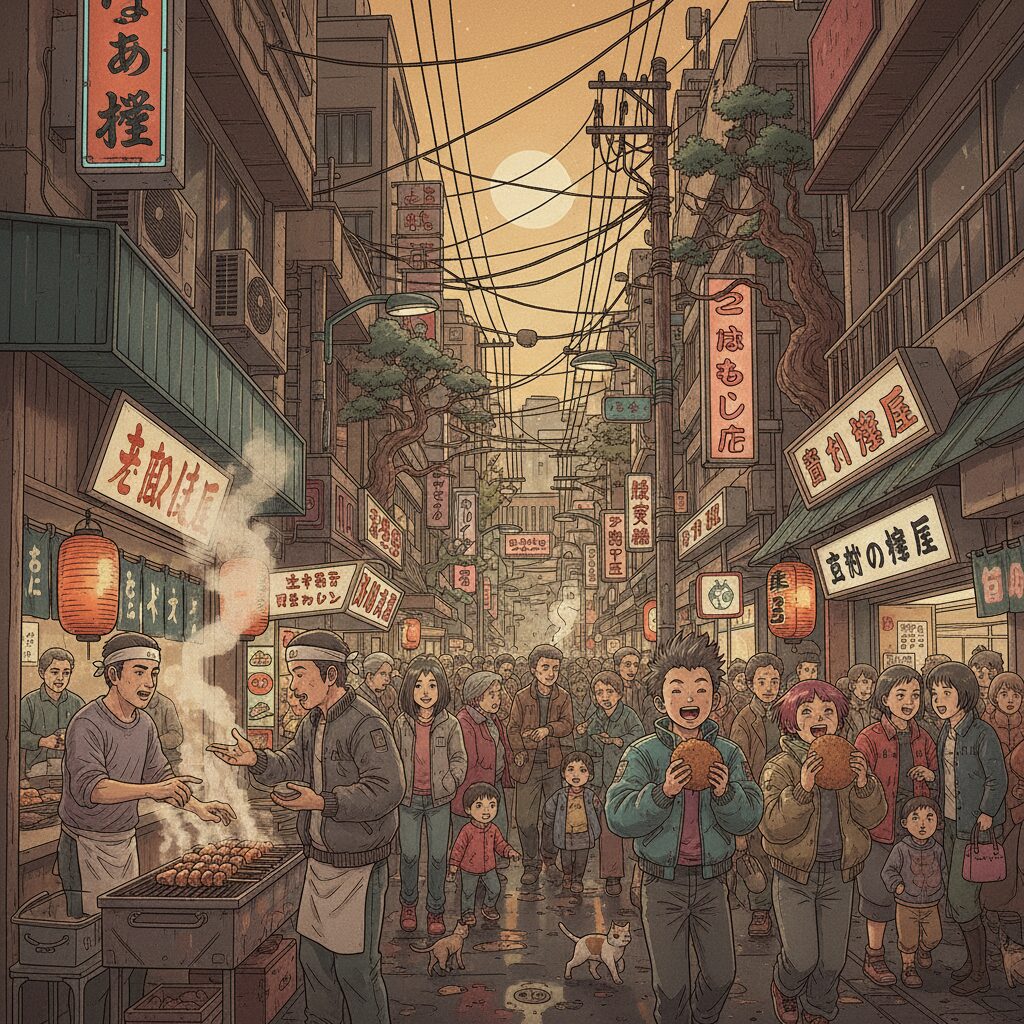
First, let’s set the scene. Walking towards Yanaka Ginza, usually from the direction of Nippori Station, you instantly sense a change. The concrete jungle softens, replaced by smaller buildings, residential homes with potted plants, and a rare quietness in central Tokyo. Then you spot them: the Yuyake Dandan, a gentle stone staircase leading down into the heart of the action. The name is poetic, meaning “Sunset Steps,” and it truly lives up to its reputation. From the top, you get an iconic, cinematic view straight down the entire shopping street. The street is bordered by vintage signs, fluttering banners, and strings of red lanterns. It’s a photographer’s dream, especially during golden hour when the scene is bathed in a warm, nostalgic glow. It’s a moment both epic and intimately beautiful.
Once you descend the steps, you’re immersed. The sensory experience is incredible. The air is filled with a rich blend of smells: the sweet, smoky char of yakitori grilling over coals, the savory aroma of simmering oden broth, the deep-fried goodness of croquettes, and the subtle sweetness of red bean paste from a nearby confectionery. The sounds are just as captivating. You hear cheerful, rhythmic calls of shopkeepers—”Irasshaimase!”—welcoming everyone. The sizzle of oil, locals chatting as they shop, and the laughter of children enjoying sweet treats fill the air. This isn’t a sterile museum but a vibrant, bustling community hub. You’ll see grandmas heading home with daikon radishes peeking from their bags, salarymen grabbing quick snacks, and couples strolling hand-in-hand.
And then there are the cats. Oh, the cats. Yanaka is famously known as Tokyo’s “Cat Town,” and these felines are the area’s unofficial mascots. You’ll see them lounging in sunbeams, perched on rooftops, or relaxing near shops, completely unfazed by the human buzz. Locals cherish them, and their presence adds to the relaxed, laid-back vibe. It’s a clear sign that this is a place that values a slower, more deliberate pace of life. Cat-themed merchandise, snacks, and artwork are everywhere you look. This entire area, part of a district affectionately called “Yanesen” (combining Yanaka, Nezu, and Sendagi), survived the heavy bombings of World War II and the relentless modernization that transformed the rest of the city. What you’re experiencing is a genuine piece of history, a snapshot of the Showa period (1926-1989) that feels priceless and authentic. The vibe is flawless, no doubt about it.
The Main Event: A Culinary Crawl That Slaps
Alright, let’s dive into the main attraction: the food. Street food in Yanaka Ginza isn’t about fancy, high-concept dishes. It’s about genuine, soul-satisfying snacks made with care, often using recipes handed down through generations. It’s affordable, delicious, and meant to be enjoyed right on the spot. This is a journey of small bites, a flavor marathon where every stop is a winner. So, loosen your belt and let’s get started.
For the Meat Lovers: The Savory Tale
If you love meat, Yanaka Ginza is basically paradise. The butcher shops here don’t just sell raw meat; they’re experts in deep-fried delights, crafting some of Tokyo’s most legendary street snacks.
The GOAT: Menchi Katsu
First up, the undisputed champion and heavyweight titleholder of Yanaka Ginza street food: menchi katsu. This isn’t just a snack; it’s an institution. Imagine a golden-brown patty of minced beef and pork, mixed with sweet, finely chopped onions, coated in crispy, jagged panko breadcrumbs, and fried to perfection. The exterior is explosively crisp, while the inside is piping hot, incredibly juicy, and packed with savory flavor. Popular spots like Niku no Suzuki and Niku no Sato serve these, often drawing lines that move quickly—and it’s absolutely worth the wait. Served in a small paper wrapper, the first bite is a revelation. The grease, the savory meat, the sweet onion—it’s a symphony of textures and tastes. This is the kind of food that makes you close your eyes and savor every moment. A simple masterpiece that truly hits the spot.
The Classic: Yakitori
As you stroll down the street, your nose will lead you to a yakitori stand. Seeing skewers of chicken grilled over binchotan charcoal is a quintessential Japanese experience. The smoky aroma is irresistible. Yakitori, meaning “grilled bird,” offers a world of flavors. You can choose momo (thigh meat), juicy and tender, or negima, which alternates chicken pieces with sweet, slightly charred scallions. Then there’s tsukune, savory chicken meatballs often glazed with a thick, sweet soy-based sauce called tare. You can also go simple with shio (salt) seasoning to let the chicken and charcoal flavors shine. Grabbing a few freshly grilled skewers and finding a spot to enjoy them is the perfect pit stop. It’s simple, satisfying, and pure Japanese comfort food.
The Humble Hero: Korokke
Don’t overlook the korokke, Japan’s take on croquettes. While menchi katsu steals the spotlight, the humble potato korokke is its equally delicious, comforting cousin. Inside is a fluffy, creamy mashed potato mixture, sometimes with a little ground meat or veggies, all wrapped in that same glorious panko crust. A staple in butcher shops and delis across Japan, the ones in Yanaka Ginza rank among the best. It’s a warm, carb-filled hug in food form. Incredibly cheap—often a bit over 100 yen—it’s the ideal budget-friendly snack to keep you going as you explore. It’s a prime example of B-kyu gurume (B-class gourmet), simple but deeply loved everyday fare. It’s a vibe.
Seafood & More: Catch of the Day
Though meat dominates, there’s a rich variety of treats from the sea and earth as well. This diversity makes the food crawl here especially fun.
Festival Feels: Ikayaki
For a true festival feel, seek out ikayaki—a whole squid grilled on a skewer. It’s a striking sight. The squid, usually marinated in a sweet and savory soy-based sauce, is grilled until tender with slightly charred edges. The texture is delightfully chewy, and the flavor bursts with umami. It may look intimidating, but it’s an incredibly tasty and satisfying snack. Walking Yanaka Ginza with a giant grilled squid skewer in hand is a power move, a true dive into local food culture.
Hidden Gems from the Deli
Keep an eye out for local sozai-ya (delis). These shops offer an extensive variety of prepared side dishes that locals buy to complement home-cooked meals. You might find tempura sweet potatoes, fried fish cakes (satsuma-age), or simmered vegetables. One of the best ways to discover new favorites is simply pointing at whatever looks intriguing. It’s a delicious game of chance and a great way to taste authentic Japanese home-style flavors.
Sweet Endings: The Dessert Drop
After all that savory goodness, you’ll want something sweet to balance it out. Yanaka Ginza delivers with a fantastic selection of traditional Japanese desserts, or wagashi.
Cat Paws and Red Beans: The Wagashi Scene
The cat theme returns in full force here. Be sure to stop at Yanaka Shippoya, known for their yaki-doonatsu—baked donuts shaped like charming cat tails, each with a unique flavor and cute cat-inspired name. Lighter than fried donuts, their texture resembles firm cake. Flavors range from classic chocolate and caramel to Japanese staples like matcha. They’re an almost-too-cute-to-eat edible souvenir.
For something more traditional, look for shops selling manju and daifuku. Manju are steamed buns often filled with sweet red bean paste (anko). Soft, fluffy, and deeply comforting, they’re classic treats. Daifuku are soft mochi (pounded glutinous rice) cakes typically filled with anko as well. The chewy, pillowy mochi combined with the sweet filling is an absolute classic. A seasonal must-try is ichigo daifuku (winter and spring), which hides a whole fresh strawberry inside. The mix of sweet bean paste, tart strawberry, and chewy mochi is next-level delicious.
The Perfect Circle: Imagawayaki
Another must-have sweet is imagawayaki. These thick, round, batter-based cakes are cooked in special cast-iron molds. Watching them being made is mesmerizing: batter poured in, filling (usually anko or thick custard) added, and the two halves fused impeccably together. Served piping hot, with a slightly crispy exterior and molten sweet center, they’re the perfect warm treat on a cool day—a simple pleasure that hits all the right notes.
The Crunch Factor: Senbei
If you’re not in the mood for something very sweet, look for senbei (rice cracker) shops. These aren’t your typical packaged crackers. In Yanaka Ginza, shops grill them by hand right before your eyes. As they toast over charcoal, they’re basted with soy sauce, which sizzles and caramelizes, creating an irresistibly fragrant and savory snack. Available in all shapes and sizes, with flavors ranging from classic soy to chili, seaweed, or even sugar-glazed, their satisfying crunch and deep umami flavor are truly addictive.
Beyond the Bites: Soaking in the Yanesen Vibe
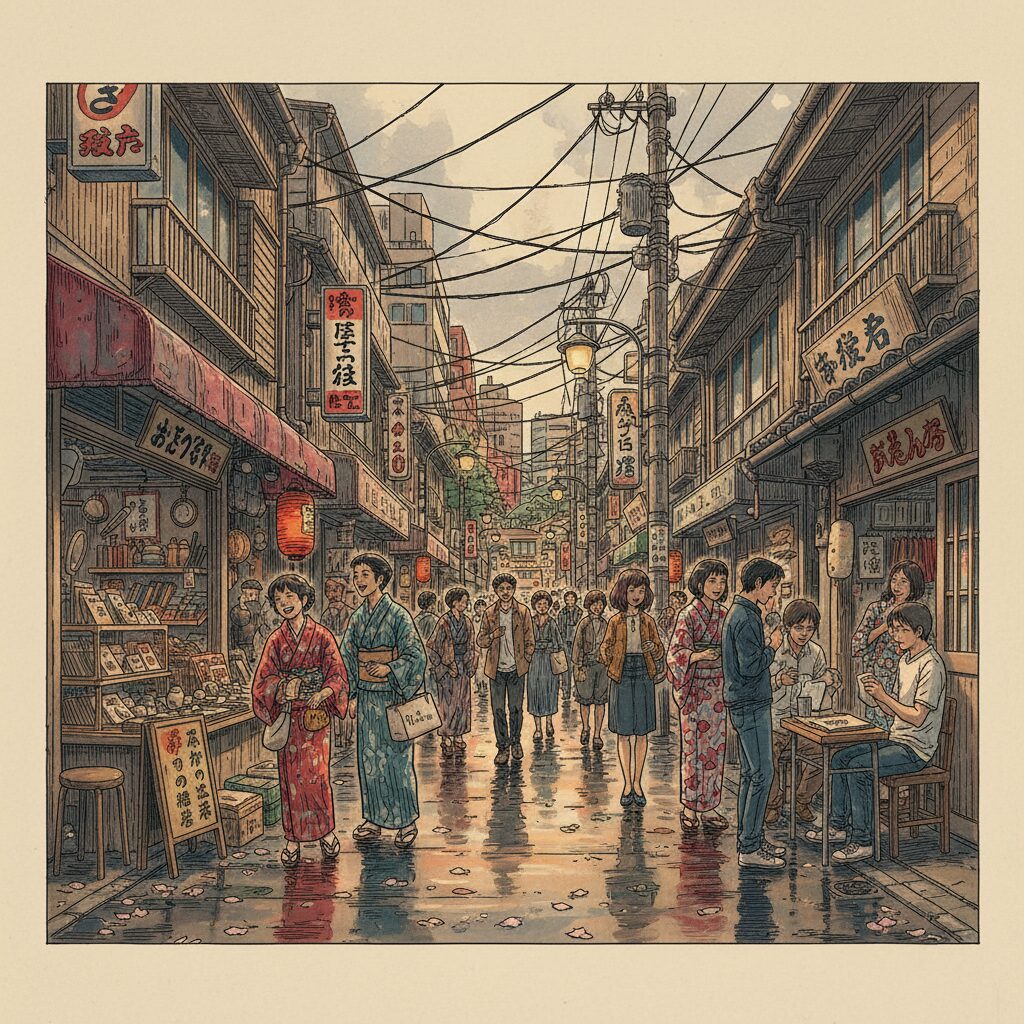
While the food is incredible, visiting Yanaka Ginza just to eat means you’d be missing out on much more. The true charm of this area comes from absorbing its atmosphere and wandering through the nearby Yanesen district. This neighborhood is a treasure trove of temples, quiet lanes, and traditional culture.
What to Do Between Snacks
First and foremost, spend some time at Yuyake Dandan. We’ve mentioned the view, but it’s also a fantastic spot for people-watching. Grab a snack, settle on the steps, and simply observe the world around you. It’s the social heart of the area, where locals pause to chat and relax. As the sun sets, street lights and lanterns flicker on, casting a magical, cinematic glow over the street. It’s a truly special Tokyo moment.
Just a short walk from the shopping street lies Yanaka Cemetery. While a cemetery may not seem like an obvious tourist spot, this one is far from ordinary. It’s expansive, historic, and incredibly peaceful, resembling a beautiful park. The main avenue is lined with cherry trees, and during the spring sakura season, it becomes one of the most stunning—and surprisingly uncrowded—places to view blossoms. It’s ideal for a quiet, reflective stroll to burn off some street food calories. Many renowned Japanese artists, writers, and actors are buried here, adding to its historical significance.
For spiritual culture, the Yanesen area is peppered with numerous temples and shrines. One of the most well-known is Nezu Shrine, a bit of a walk but well worth the effort. It boasts a beautiful hillside covered in blooming azaleas come spring and, most famously, a picturesque path of vermilion torii gates that rivals Kyoto’s Fushimi Inari—though on a smaller, more intimate scale. It’s a stunning spot that feels far removed from the city’s hustle and bustle.
Finally, the best advice is simply to get lost. Step off the main street of Yanaka Ginza and explore the narrow lanes and alleys. This is where the neighborhood’s true character shines. You’ll discover tiny art galleries, artisan workshops producing traditional crafts, ancient temples hidden behind modest walls, and charming old wooden houses. This neighborhood rewards curiosity, with every corner revealing something new and delightful.
The Pro-Gamer Moves: How to Hack Yanaka Ginza
Ready to explore Yanaka Ginza like a seasoned pro? Here are the essential tips and tricks to ensure your visit is smooth, delicious, and completely stress-free. Consider this your logistics lowdown.
Getting There: The Logistics Lowdown
Getting to this charming corner of old Tokyo is incredibly easy. The two most convenient stations are JR Nippori Station and Sendagi Station on the Tokyo Metro Chiyoda Line. From Nippori Station, head out through the West Exit. It’s a pleasant five-minute walk that brings you right to the top of the Yuyake Dandan steps, giving you a perfect grand entrance. From Sendagi Station, the distance is about the same, but you’ll arrive at the opposite end of the shopping street. Both routes are straightforward, so just choose whichever line works best for you.
Timing is Everything, Fam
The best time to enjoy Yanaka Ginza is on a weekday afternoon. Weekends tend to get crowded with both locals and tourists, while weekdays are much more relaxed. Aim to arrive around 2 or 3 PM. This allows you plenty of time to stroll leisurely, sample a variety of snacks without rushing, and explore the nearby area. Then, as late afternoon approaches, find a spot at the Yuyake Dandan to watch the famous sunset. This is your golden hour plan. One key point to keep in mind: Yanaka Ginza isn’t a late-night destination. Most small, family-run shops close relatively early, typically around 6 or 7 PM. So don’t plan for a late dinner here; this is all about daytime and early evening vibes.
The Etiquette Edit
Japan has its own unique social customs, and following them will make your visit smoother and show respect for local culture. Here’s what you need to know for your food adventure.
First, cash is king. While Tokyo is growing more credit card-friendly, many of the small, old-school vendors in Yanaka Ginza accept cash only. Make sure you have enough yen on hand to cover your snacking spree. It’s just easier for everyone.
Second, the no walking-while-eating rule. In Japan, it’s generally seen as impolite to eat while walking. When you buy a snack, proper etiquette is to step aside, stand near the shop where you bought it, and finish it there. Many shops provide a small bench or designated spot for customers to eat. This keeps the streets clean and reflects local custom. It also gives you a chance to slow down and truly savor what you’re eating.
Finally, let’s talk trash. Public trash bins can be surprisingly hard to find in Japan. The general rule is to carry out what you carry in. However, with street food, the best practice is to finish your snack near the stall and then politely hand the wrapper, skewer, or paper bag back to the shopkeeper. They usually have a trash bin behind the counter and will gladly dispose of it for you. This simple gesture shows a lot of respect. Leave no trace, squad.
A Final Word: The Afterglow

When you leave Yanaka Ginza, you carry with you a certain feeling—a warmth and a connection to something authentic and lasting. In a city that’s always rushing toward the future, this neighborhood offers a beautiful, gentle reminder of the past. It stands as a tribute to the power of community, tradition, and the simple pleasure of a perfectly crafted snack. The food here is more than just nourishment; it’s a story, a taste of history, a piece of the local spirit wrapped up in paper.
Visiting Yanaka Ginza feels like discovering a wonderful secret. It offers a glimpse of Tokyo filled with heart, character, and quiet charm. It’s a place that shows that the most memorable travel moments aren’t always the biggest or loudest, but the ones that feel most genuine. From the first crisp bite of a menchi katsu to the stunning view from the Sunset Steps, the experience stays with you long after you’ve gone. So, when you find yourself in Tokyo, make the time. Come hungry, come curious, and let the timeless charm of Yanaka Ginza weave its spell. It’s a vibe that’s truly unforgettable.