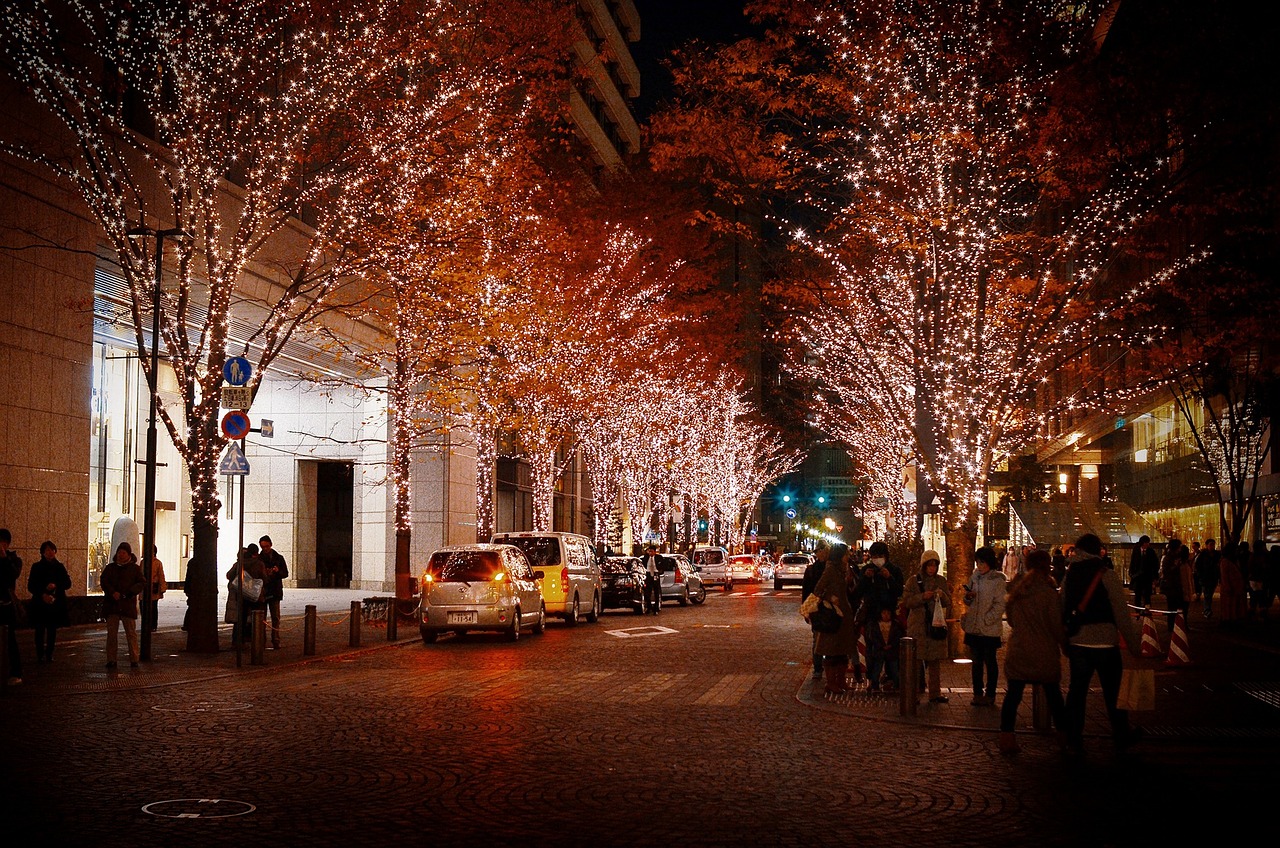
Yo, let’s spill the tea. When you picture Tokyo, your mind probably jumps straight to those iconic, high-octane scenes, right? We’re talking the Shibuya Scramble, a human river flowing under a neon sky. We’re talking the futuristic skyscrapers of Shinjuku that look like they’ve been ripped from the pages of a cyberpunk manga. It’s loud, it’s electric, and it’s a whole mood. But what if I told you there’s another Tokyo? A Tokyo that’s traded in the glowing billboards for paper lanterns, the high-speed trains for leisurely strolls, and the thumping bass of a nightclub for the gentle sizzle of a street-side grill. This isn’t some far-flung, off-the-grid secret. It’s a legit neighborhood, a pocket of pure, unfiltered nostalgia hiding in plain sight. Welcome to Yanaka Ginza, the city’s living, breathing time capsule. This ain’t your average tourist spot; it’s a full-on sensory deep dive into the Showa Era, a period from the 1920s to the 80s that defines Japan’s retro aesthetic. Yanaka Ginza is the beating heart of a district known as Yanesen—an area comprising Yanaka, Nezu, and Sendagi—that miraculously dodged the major bombardments of World War II and the relentless wrecking ball of modern development. What’s left is a low-key, impossibly charming labyrinth of narrow streets, traditional wooden houses, ancient temples, and a shopping street that feels like it’s been lovingly preserved in amber. This is where you come to slow down, to breathe, and to taste the Tokyo of yesterday. It’s where grandmas still haggle for daikon radishes, where cats reign as the unofficial mascots, and where the most important decision you’ll make all day is which freshly fried snack to devour next. Forget your jam-packed itinerary for a second. In Yanaka, the only agenda is to wander, and the real magic is found in getting completely, wonderfully lost. This is your guide to doing it right.
If you’re looking to experience a different side of Tokyo’s vibrant culture after the sun sets, discover the city’s best cozy izakayas and local bars.
The Vibe Check: What Yanaka Ginza Actually Feels Like
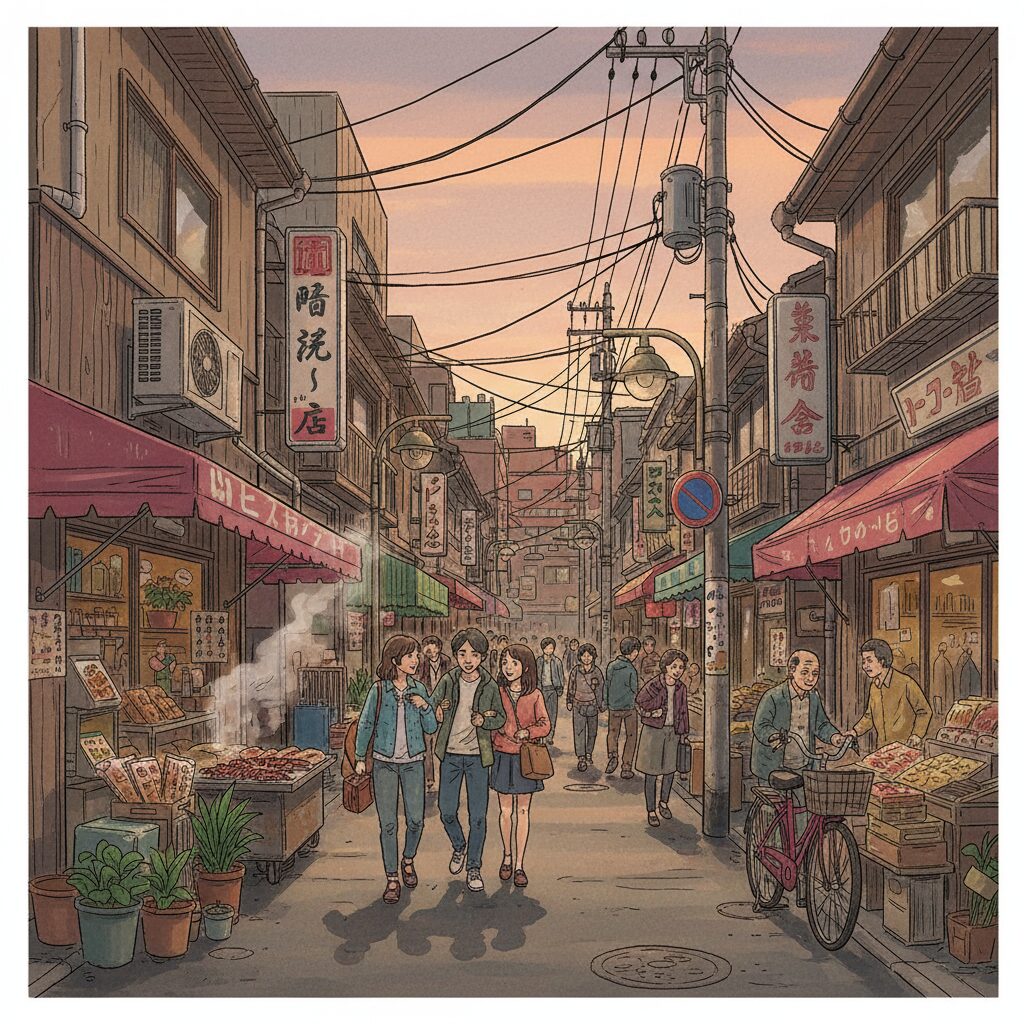
Before discussing what to do, we first need to talk about the feel. Stepping into Yanaka Ginza is like turning down Tokyo’s volume to a whisper. The city’s relentless, hectic buzz softens into a warm, gentle hum. The air itself changes—rich with the mingling scents of dashi broth, sweet soy sauce, and the deep, irresistible aroma of something frying. Your senses are the first to undergo a full reset here. The soundtrack isn’t the sharp jingle of a pachinko parlor; it’s the friendly calls of shopkeepers shouting “Irasshaimase!” (Welcome!), the rhythmic tap of knives on cutting boards, and the distant, melodic toll of a temple bell. This is a place that moves at a human pace, a rhythm governed by sunlight and conversation rather than train schedules and deadlines.
The visual scene is a complete sensory trip. Forget sleek glass and steel; this world is made of weathered wood, faded awnings, and hand-painted signs bearing charmingly retro fonts. The buildings cluster closely, none taller than a few stories, forming a cozy, intimate corridor. Red and white paper lanterns sway gently in the breeze, casting a soft, warm glow that grows even more magical as the sun sets. You’ll find shopfronts piled high with colorful produce, glistening fresh fish on ice, and delicate sweets arranged like tiny jewels in glass cases. It’s not staged for Instagram; it’s simply authentic. This is a working shopping street, a shotengai, that has served its community for generations. You’ll spot elderly residents on their daily grocery runs, exchanging gossip with the tofu maker they’ve known for fifty years, alongside wide-eyed travelers discovering it all for the first time. This blend of genuine daily life and gentle tourism creates a vibe that’s both welcoming and deeply respectful. There’s an unspoken understanding here: you’re a guest in someone’s neighborhood, and the best way to enjoy it is to observe, participate, and soak in the unhurried atmosphere. It’s the ultimate chill-out spot in a city that rarely pauses for breath.
Getting There & Getting Started: The Logistics Drop
So, you’re sold on the vibe, but how do you actually reach this retro paradise? It’s much easier than you might think. Yanaka is surprisingly central, making it an ideal retreat when the urban chaos becomes overwhelming. Your main access point is Nippori Station, a very convenient stop on the JR Yamanote Line—the green loop line that circles central Tokyo. If you’re coming from Shinjuku, Shibuya, or Tokyo Station, you can simply hop on the Yamanote and get there without any confusing transfers. It’s a direct route. Once you arrive at Nippori Station, exit via the West Exit. You’ll immediately notice the change in atmosphere as you leave the modern station behind.
Another great option is Sendagi Station on the Tokyo Metro Chiyoda Line (the dark green one). This brings you to the opposite end of Yanaka Ginza street, offering a fresh perspective on the area. It’s a good choice if you’re coming from places like Omotesando or Otemachi. From either station, it’s just a short five-minute walk to the main attraction. The walk itself is part of the charm, as you wander through quiet residential streets lined with traditional houses and small, hidden temples. My advice? Don’t just rush from the station to the shopping street. Take your time. Explore the side alleys. This entire neighborhood is like a treasure map.
Now, let’s talk about the grand entrance. If you come from Nippori Station, you’re in for a treat. You’ll arrive at the top of a stone staircase that offers the most iconic, picture-perfect view of Yanaka Ginza: the Yuyake Dandan stairs. The name literally means “Sunset Stairs,” and believe me, it’s well deserved. This spot is famous for a reason. Standing at the top, you get a panoramic, cinematic view looking down the entire 170-meter stretch of the shopping street, complete with its classic archway and lively crowds. As afternoon light fades, the sun sets right at the end of the street, casting a warm, golden, almost sepia-toned glow over the scene. It’s breathtaking. It’s the kind of view that makes you stop and just stare. Photographers, both amateur and professional, gather here to capture the perfect shot. This is the official welcome to Yanaka, the gateway that transports you from the 21st century into the heart of old Tokyo. Standing there, feeling the buzz of the street below and watching the sky painted in hues of orange and pink, you know you’re about to experience something truly special.
Fueling the Adventure: A Deep Dive into Yanaka Ginza’s Street Food Scene
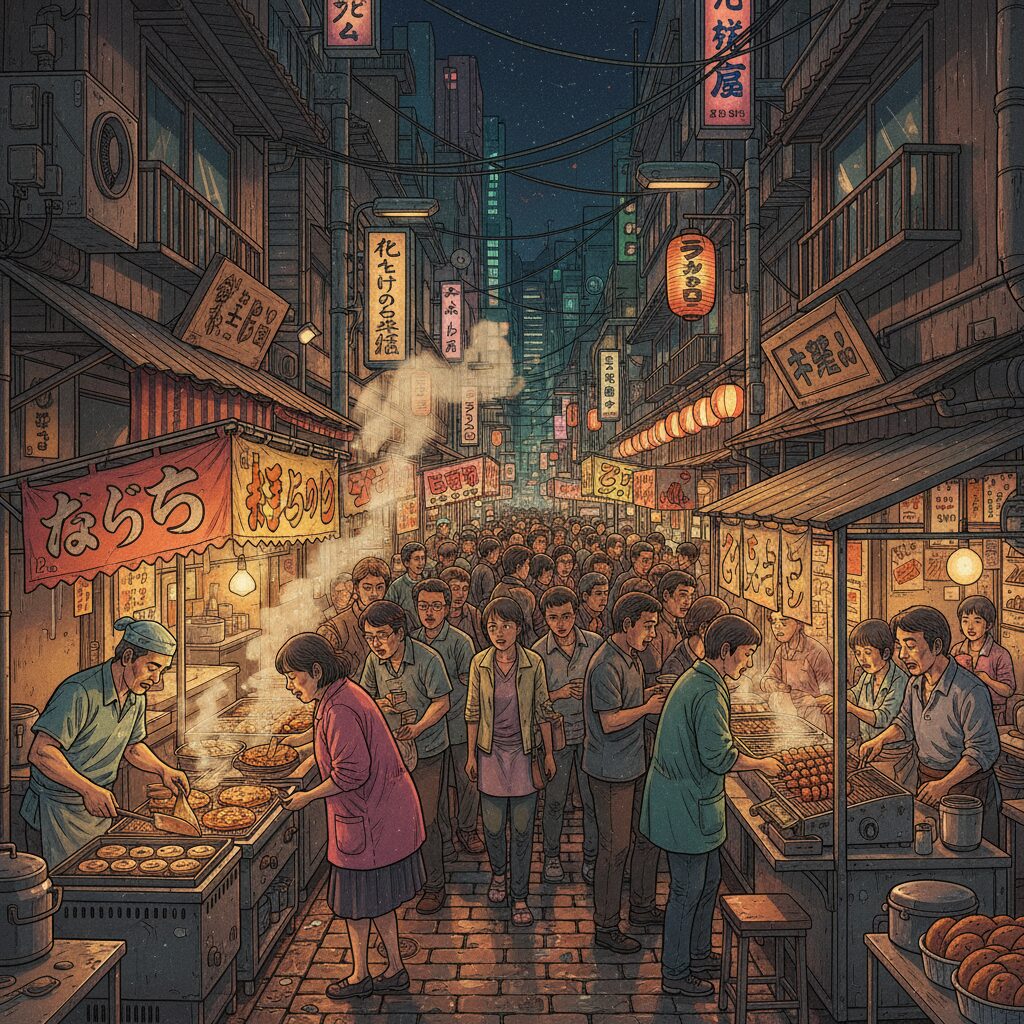
Let’s be honest, one of the main reasons you’ve come here is for the food. Yanaka Ginza is a true standout when it comes to tabe-aruki, the delightful Japanese tradition of strolling and snacking. This isn’t the place for an elaborate sit-down meal. Instead, it’s a culinary playground where you create your own progressive dinner, one delicious handheld bite at a time. The secret is to arrive with a completely empty stomach and an adventurous mindset, because you’ll want to sample everything. The air is a symphony of tempting aromas, each one drawing you in a different direction.
First, you must pay tribute to the king of Yanaka snacks: the menchi katsu. This is a deep-fried patty of minced meat (usually a blend of beef and pork) and onions, coated in an incredibly crispy layer of panko breadcrumbs. It’s the ultimate comfort food, and several shops on the street have perfected their version. Places like Niku no Suzuki are legendary, often with a line of excited customers stretching out the door. Don’t be discouraged; the line moves quickly and the payoff is absolutely worth it. They serve it piping hot, wrapped in simple paper. That first bite is a revelation—the crunch of the panko gives way to a steaming, juicy, flavor-packed center. It’s savory, slightly sweet from the onions, and utterly addictive. This snack will spoil all other fried foods for you. It’s the MVP, without question.
Closely related to the menchi katsu is its humble yet equally delicious cousin, the korokke, or croquette. These are creamy mashed potato patties, sometimes mixed with a bit of meat or vegetables, breaded and deep-fried to golden perfection. They’re simpler than menchi katsu but just as satisfying. Eating one is like biting into a warm, crispy cloud of potato. Every butcher shop and deli on the street offers its own version, and at around 100 yen each, it’s a small investment in pure happiness.
As you continue along, you’ll inevitably be drawn in by the smoky, enticing scent of grilling. That’s the call of the yakitori stalls. Skewers of chicken, green onions, and other treats are grilled over charcoal and glazed with a sweet and savory tare sauce. It’s a simple pleasure, but one that’s flawlessly executed here. The slight char from the grill adds a layer of complexity that’s simply irresistible.
But it’s not just about savory flavors. Yanaka Ginza also caters to those with a sweet tooth. For something uniquely Yanaka, you absolutely must visit Yanaka Shippoya. This tiny donut shop specializes in cat tail-shaped donuts. Yes, you read that correctly. Each “tail” features a different flavor, with adorable cat-themed names like Tora (a classic cinnamon sugar) or Mike (a maple flavor). They’re baked rather than fried, giving them a wonderful, slightly dense and chewy texture. They’re almost too cute to eat, but you’ll get over that quickly. It’s the perfect blend of Yanaka’s two great passions: food and cats.
For a more traditional sweet treat, look for shops offering daifuku, soft mochi rice cakes filled with sweet red bean paste, or manju, steamed buns with various fillings. On hot summer days, the move is to find kakigori, or shaved ice. This isn’t the crunchy, icy snow cones of childhood memories. This is Japanese-style shaved ice, where the ice is shaved into impossibly thin, fluffy ribbons that melt in your mouth like fresh snow. It’s topped with artisanal syrups, ranging from classic strawberry to more intricate flavors like matcha with condensed milk and adzuki beans. The famous Himitsudo is nearby—a shop so renowned for its kakigori that people line up for hours. It’s truly an experience.
More Than Just a Snack Run: Exploring the Shops and Culture
While your stomach may be your primary guide on your Yanaka adventure, be sure to let your eyes and curiosity lead the way as well. This street is a living museum of traditional Japanese commerce, where craftsmanship and personalized service still hold sway. Peering into the various shops is like unlocking a series of treasure chests, each unveiling a different aspect of local life and culture.
You’ll discover stores that have been family-run for generations, their interiors rich with the patina of time. Some specialize in bamboo crafts, offering everything from intricate baskets and utensils to delicate ear picks. You could spend hours admiring the skill and precision behind each piece. Pottery shops line the street with shelves filled with beautiful, rustic ceramics—tea cups, bowls, and sake flasks that make perfect, meaningful souvenirs. Unlike mass-produced trinkets, these items tell a story and evoke a strong sense of place.
This is also where locals come to shop for daily necessities, giving the street its genuine, lived-in atmosphere. Greengrocers display perfectly stacked pyramids of seasonal fruits and vegetables, their vibrant colors contrasting with the wooden storefronts. Fishmongers showcase the day’s catch on beds of ice, deftly handling their sharp knives with practiced grace. You’ll find tofu shops offering fresh tofu made daily, as well as stores with vast arrays of tsukemono (Japanese pickles) kept in large wooden barrels. Even if you don’t purchase anything, simply watching this daily commerce unfold is captivating.
For a touch of tradition, step into one of the many green tea shops. The air inside is fragrant with the grassy, toasty aroma of roasted tea leaves. Shopkeepers, often masters of their craft, are eager to explain the differences among sencha, gyokuro, and hojicha. They’ll let you smell various leaves and help you find the perfect blend. Buying tea here is more than a transaction; it’s a small cultural lesson. The same holds true for the local sake shops, which frequently stock bottles from small, independent breweries you won’t find in big department stores. It’s a chance to discover a new favorite while supporting local artisans.
The Cult of the Cat: Feline Friends of Yanaka
No discussion of Yanaka would be complete without mentioning its most famous residents: the cats. This neighborhood, quite simply, is obsessed with them—and it’s a beautiful thing. Cats are the unofficial spirit animals of Yanaka, appearing everywhere—not just as real, furry creatures but also in art, signage, and countless themed goods. This feline fascination stems from the area’s history and geography. Yanaka is home to a vast cemetery and dozens of temples, places that have long provided refuge to stray cats. Over time, these cats became an essential part of the neighborhood’s character.
Your visit to Yanaka will likely become a game of cat-spotting. You’ll notice them lounging lazily in sunbeams on temple steps, perched regally atop walls, or weaving gracefully through shoppers’ legs. They are the calm, vigilant guardians of the old town, treated by locals with a blend of affection and reverence. But the cat theme extends far beyond the living animals. The community has wholeheartedly embraced this feline identity. As you stroll down Yanaka Ginza, be sure to look up. Seven wooden cat statues, each in a unique pose, perch on the rooftops of several shops. Finding all seven is a delightful scavenger hunt that encourages you to observe the details of your surroundings.
The shops brim with cat-themed merchandise that stands apart from typical souvenirs. Think elegantly designed tenugui cloths adorned with cat patterns, clever stationery, handcrafted cat figurines, and, naturally, a variety of snacks shaped like cats or their paws. From the cat-tail donuts at Yanaka Shippoya to cat-shaped senbei (rice crackers), the theme is everywhere. It’s a charming, whimsical touch that adds another layer of magic to the neighborhood. For cat lovers, Yanaka is truly heaven on earth.
Beyond the Shopping Street: Wandering the Yanesen Area
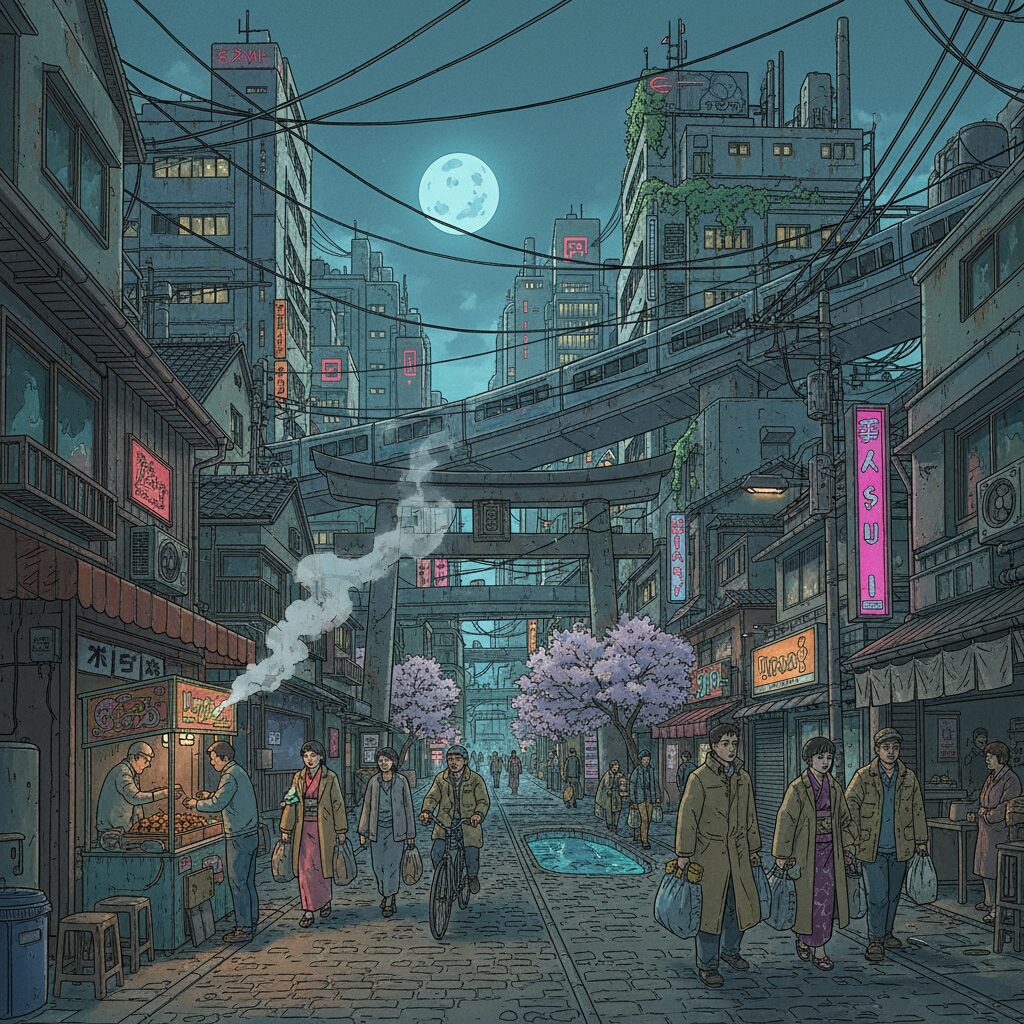
Yanaka Ginza is the highlight of the area, but it would be a mistake to limit your visit to just that one street. This shopping street serves as the gateway to the broader Yanesen district, one of Tokyo’s best-kept secrets for atmospheric exploration. The true charm of this neighborhood lies in setting aside the map and letting curiosity guide you through its winding, narrow alleyways. Here, you’ll discover the genuine spirit of old Tokyo.
Just a short walk from the lively Yanaka Ginza is the serene Yanaka Cemetery, or Yanaka Reien. While visiting a cemetery may not sound like a typical tourist activity, this is far from an ordinary graveyard. It resembles a beautiful, expansive park, filled with ancient trees and moss-covered tombstones. Sakura-dori, the main path, is lined with cherry trees that create a stunning tunnel of pink blossoms in spring. It’s a favored spot for hanami (cherry blossom viewing), but remains wonderfully peaceful throughout the year. This place offers quiet reflection and serves as a poignant reminder of the historical layers within this modern city. Many renowned Japanese artists, writers, and actors are buried here, enhancing its cultural significance.
The Yanesen area also boasts an impressive concentration of temples and shrines, with some estimates numbering over seventy. You could easily spend a whole day temple-hopping. One must-see is Tennoji Temple, known for its tranquil atmosphere and a large, seated bronze Buddha statue dating back to the 17th century. Yet, the true standout attraction is Nezu Shrine, one of Tokyo’s oldest and most beautiful shrines. It is famous for its vibrant azalea garden, which bursts into color in late April and early May. Even outside azalea season, Nezu Shrine is stunning with its lush greenery, a picturesque pond, and most famously, a winding path lined with hundreds of vivid red torii gates. It’s often compared to a smaller-scale version of Kyoto’s iconic Fushimi Inari Shrine and offers fantastic photo opportunities. Walking through that tunnel of red gates feels like stepping into another world.
For an authentic taste of Showa-era culture, be sure to visit a classic kissaten. These traditional Japanese coffee shops are a world apart from the sleek, minimalist cafes found elsewhere. A kissaten is all about the atmosphere: dark wood paneling, velvet chairs, classical music playing softly, and the gentle bubbling of a siphon coffee maker. It’s a place to sit, read, and savor a carefully brewed cup of coffee. The historic Kayaba Coffee, housed in a charming two-story wooden building from 1916, is an iconic example. Lovingly restored, it serves legendary egg sandwiches alongside excellent coffee. Finding a quiet corner here is the perfect way to rest your feet and soak up the neighborhood’s timeless ambiance.
A First-Timer’s Playbook: Pro Tips for Nailing Your Yanaka Ginza Trip
Alright, you’re all set to go. To ensure your trip is a perfect 10/10, here are a few insider tips to keep in mind. First and foremost: bring cash. You’re stepping back in time, and that includes how you pay. Many of the small, family-run shops and food stalls on Yanaka Ginza only accept cash. Although Japan is becoming more card-friendly, these traditional establishments stick to their old ways. Having plenty of yen on hand will save you from the awkward moment of missing out on that life-changing menchi katsu you’ve been craving.
Second, come hungry. I can’t emphasize this enough. The sheer variety of snacks is astonishing, and you’ll want to try as many as you can. Avoid eating a big meal before you arrive. Think of your visit as a snacking marathon, not a sprint. Pace yourself, share with friends, and let yourself be drawn in by the tempting aromas drifting from every storefront.
Third, wear comfortable shoes. This is a walking neighborhood through and through. The main street is easy to stroll along, but the real charm is in exploring the surrounding Yanesen area, with its hilly streets, temple grounds, and winding alleys. You’ll be on your feet for hours, so leave the fancy shoes at home and choose something that lets you wander freely.
Fourth, be a respectful visitor. Keep in mind that Yanaka Ginza isn’t just a tourist spot; it’s a vibrant residential neighborhood where people live and work. Be mindful of your noise, avoid blocking storefronts or sidewalks, and always ask permission before photographing people or inside private shops. The true charm of Yanaka is its authenticity, which depends on visitors being considerate.
Finally, timing is key. Most shops on Yanaka Ginza follow old-school hours, opening around 10 or 11 AM and closing surprisingly early, often by 5 or 6 PM. To enjoy the full experience, the best time to visit is in the afternoon, from about 2 PM onward. This is when the street buzzes with activity, the food stalls are in full swing, and you can conclude your visit by watching the sunset from the top of the Yuyake Dandan stairs—a perfect, golden-hour ending to an ideal day.
The Final Takeaway

In a city that is constantly reinventing itself and racing toward the future with unstoppable energy, Yanaka Ginza remains a beautiful, defiant link to the past. It’s more than just a place to visit; it’s a place to experience. It offers a warm, nostalgic embrace that recalls the simple, timeless joys of life: a friendly chat, a delicious taste, a stunning sunset. Visiting here allows you to connect with a quieter, more intimate side of Tokyo and witness a community that cherishes tradition and human connection above all else. So, when the neon lights of the bustling city begin to feel too bright and the pace too hectic, you’ll know where to turn. Head to Yanaka, take a deep breath, and simply wander. Let the old-world charm cast its spell. You’ll leave with a full stomach, some unique souvenirs, and a renewed appreciation for Tokyo’s gentle, enduring spirit.