Alright, so you’ve done the Tokyo thing. You’ve navigated the Shibuya Scramble without getting swallowed whole, you’ve felt the zen at Meiji Jingu, and you’ve probably eaten a bowl of ramen so good it made you question all your life choices. You’ve got the Suica card down, you can say “arigatou gozaimasu” without a sweat, and you’re back for more. You’re not a tourist anymore; you’re a returnee. And for you, my friend, the real Tokyo is waiting, tucked away in the smoky, lantern-lit arteries of the city: the yokocho.
Think of yokocho—literally “side alleys”—as the city’s living, breathing speakeasies, minus the passwords and plus a whole lot of sizzling meat on sticks. These are the narrow, often ramshackle lanes crammed with tiny bars and eateries that have defied the wrecking ball of modernity. They are fragrant, chaotic, and utterly intoxicating time capsules, whispering tales of a bygone Showa-era Japan. This isn’t the slick, polished Tokyo of skyscrapers and concept stores. This is the city with its tie loosened, slouched on a tiny stool, nursing a highball and sharing a laugh with a stranger. For the repeat visitor, mastering the yokocho is the ultimate level-up. It’s about moving from a spectator to a participant, learning to slip through the cracks of the metropolis and finding the warm, glowing heart within. This guide is your key. It’s about learning to navigate these labyrinths not as a tourist with a checklist, but as a shadow, observing, absorbing, and for a few hours, belonging. Let’s go get lost.
To fully immerse yourself in this nostalgic atmosphere, you might also enjoy exploring the Shibuya-kei music scene, another cultural gem from a similar era.
The Yokocho Vibe Check: More Than Just Food and Bevs
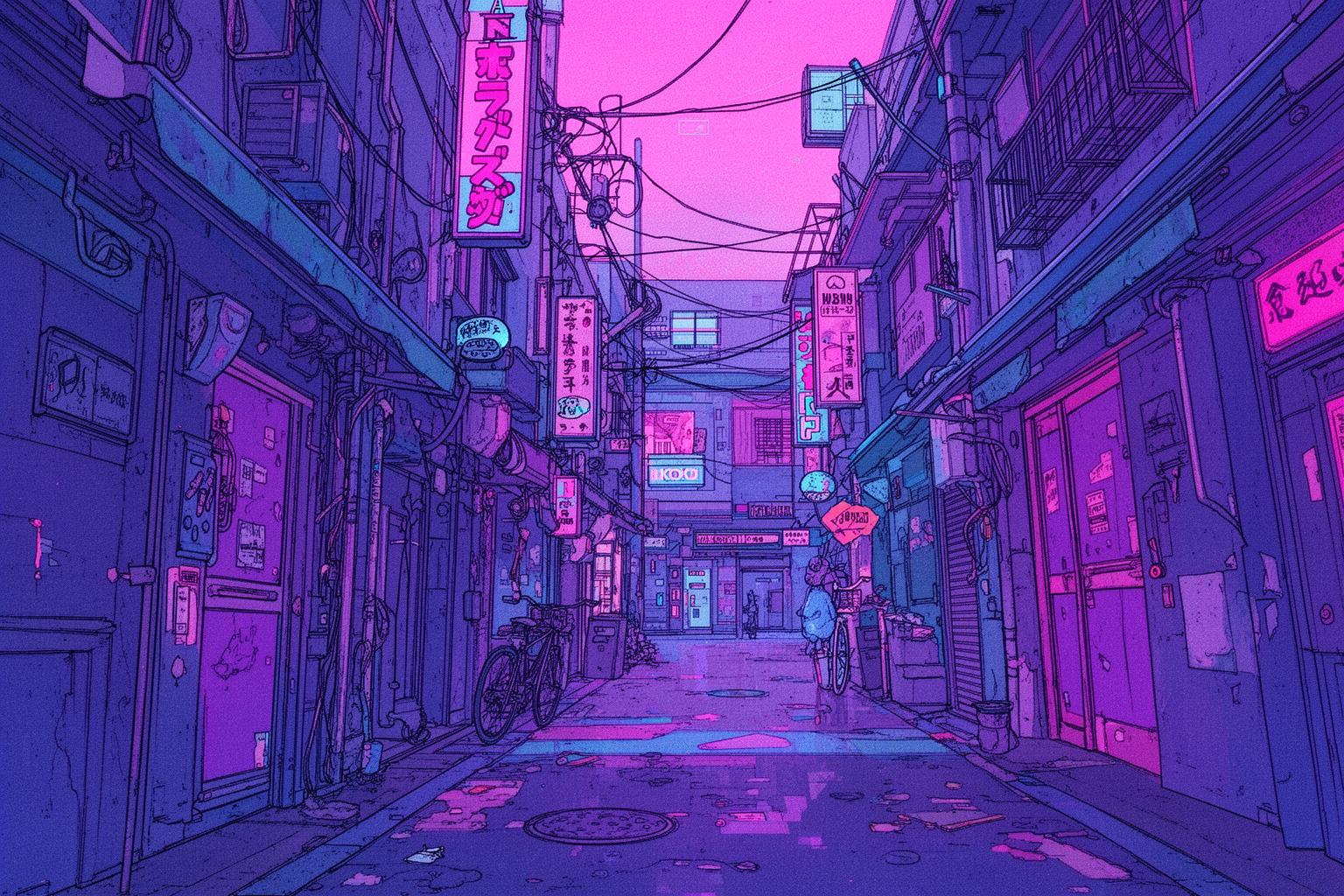
Before you even slide open your first creaky door, you need to grasp the vibe. A yokocho isn’t just a restaurant district; it’s a snapshot of Japanese social history. Many of these narrow alleys emerged from the black markets of post-war Japan—rough places born of necessity that gradually transformed into sanctuaries for the working class. They were the original after-work relaxation spots for the waves of “salarymen” who helped rebuild the nation. In these tight quarters, social hierarchies dissolved beneath the warm glow of paper lanterns and the influence of inexpensive, potent shochu. The boss and the new hire sat side by side on a stool, sharing yakitori and venting about the train.
Entering a yokocho is a full sensory experience, in the best sense. The first thing that strikes you is the aroma—a rich blend of grilled chicken skin, savory dashi broth, aged wood, and the sweet sharpness of sake. It’s the scent of years of good times absorbed into the very walls. Then you hear the sounds. It’s nothing like the quiet hush of a fancy restaurant. Instead, it’s a lively mix of clattering plates, the sizzle and pop of food hitting a hot grill mere inches away, the rhythmic clinking of glasses, and waves of loud Japanese chatter and laughter. Your glasses steam up from the heat rising off a simmering pot of motsuni. You’ll squeeze past patrons, exchanging apologetic smiles and nods as you look for a seat. This closeness isn’t a flaw; it’s the essence. In a city of 14 million, where public life often feels like a performance of polite distance, the yokocho is where masks come off. It’s a forced but welcome intimacy that creates a rare sense of community, even if only for a night. The regulars, or “jouren,” form the heart of any good yokocho bar, and gaining their temporary acceptance is the real reward.
Leveling Up: Beyond the Golden Gai Gateway
For most visitors, “Shinjuku yokocho” brings to mind one of two places: the sprawling, smoky Omoide Yokocho or the cinematic maze of Golden Gai. And they’re renowned for good reason. Both offer incredible, atmospheric experiences and are essential rites of passage. Yet for the seasoned traveler, they serve as gateways rather than final destinations. Think of them as the tutorial level—you’ve completed it, mastered the basics, and now it’s time to explore further. Let’s revisit these classics through the eyes of a pro before venturing beyond.
Omoide Yokocho (Memory Lane): The Classic Reboot
Often nicknamed “Piss Alley” for reasons best forgotten (don’t worry, modern plumbing exists now), Omoide Yokocho is the ultimate yakitori experience. This dense tangle of alleys next to Shinjuku Station’s west exit feels like stepping back in time. The air is thick with smoke—so much so that you’ll carry the scent on your jacket for days, a savory souvenir. Tiny stalls, some seating no more than half a dozen people, line the alleys, packed shoulder-to-shoulder with grills blazing right in front of you.
For repeat visitors, the best tactic is to avoid the busiest main alley. Slip into one of the smaller, parallel lanes. Look for a spot not overwhelmed by tourists clutching guidebooks. Peek inside, make eye contact with the “taisho” (the master or owner), and offer a hopeful gesture. The menu is yakitori, yakitori, and more yakitori. This is your chance to be bold. Venture beyond the standard chicken thigh (momo). Try the crispy skin (kawa), the chewy heart (hatsu), or the surprisingly tasty cartilage (nankotsu). Order a big, frosty mug of “nama biiru” (draft beer) and watch the master expertly flip skewers and season with salt (shio) or a sweet soy glaze (tare). The charm of Omoide Yokocho lies in its humble, focused dedication to doing one thing exceptionally well.
Shinjuku Golden Gai: The Labyrinth of Tiny Bars
If Omoide Yokocho centers on food, Golden Gai is all about drinks and atmosphere. This preserved block of post-war buildings is truly a wonder. Six impossibly narrow alleys hold over 200 bars, each a unique world squeezed into a space the size of a walk-in closet. In the ’60s and ’70s, it was a haunt for writers, filmmakers, actors, and artists. That creative, bohemian vibe lingers on, even as it’s become a major tourist draw.
Your first visit might have been overwhelming, but now you know the ropes. You understand the “charge” system. Most Golden Gai bars have a cover charge, or “sekiryo,” usually between ¥500 and ¥1000. This often comes with a small snack called “otoshi.” It’s not a rip-off; rather, it ensures patrons settle in for a drink or two, preserving the intimate atmosphere. As a repeat visitor, you can be more selective. Instead of picking the first bar with an English sign, take your time. Stroll through the alleys, peer through tiny windows. Each bar has a theme—punk rock, vintage films, a particular whiskey, or the owner’s quirky collection of curios. Seek out a place where the vibe draws you in. Is the music good? Does the crowd seem intriguing? Don’t hesitate to try a bar on the second floor, accessed by a staircase so steep it’s practically a ladder. The aim isn’t to find the “best” bar, but to discover your bar for the night. Have a drink, enjoy a chat if the mood strikes, then move on. It’s a marathon of small, delightful experiences.
The Pro-Tier Yokocho: Where the Locals Actually Vibe
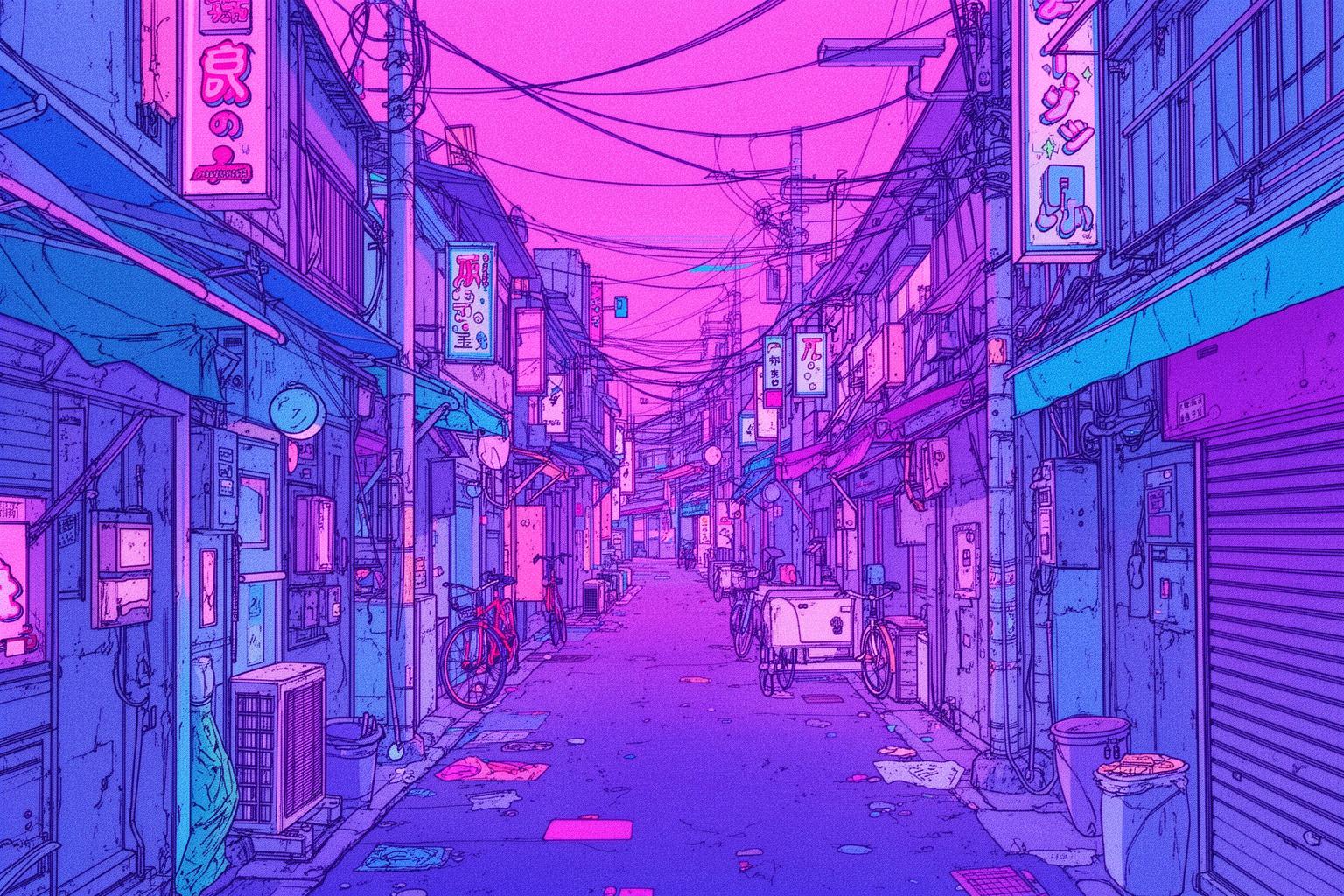
Okay, you’ve paid your respects to the towering giants of Shinjuku. Now it’s time to vanish into the alleys where you’re more likely to find yourself beside a local graphic designer or a group of off-duty chefs rather than another traveler. This is where your Japanese adventure truly deepens.
Ebisu Yokocho: The Millennial Glow-Up
Don’t let the Showa-era purists mislead you; newer yokocho can be just as vibrant. Take Ebisu Yokocho, for example. Situated just a few stops from Shibuya on the Yamanote line, this isn’t an outdoor alley but a covered arcade inside an old market, alive with the energy of Tokyo’s younger, trendier crowd. It’s loud, lively, and an absolute blast. The atmosphere leans less toward smoky nostalgia and more toward neon-lit retro-chic. It’s the perfect blend for those who appreciate the yokocho concept but prefer to avoid the intense smoke or awkward silence of older spots.
The real appeal here is the incredible variety of food packed into one place. You’re not confined to yakitori alone. You can jump from a stall specializing in juicy, seared beef sushi to another devoted entirely to inventive mushroom dishes. There’s a spot for thinly sliced pork offal (kashira), another for fresh oysters, and even a wine bar. You can create a multi-course meal just by strolling a few feet. It’s a communal dining experience on a grand scale. You’ll witness groups of friends sharing plates from different stalls, shouting “kanpai!” amid the lively clamor. It’s the yokocho spirit reimagined for a new generation, proving that the essence of shared food, drink, and laughter remains timeless.
Harmonica Yokocho (Kichijoji): A Daytime Labyrinth
For a truly distinct vibe, venture beyond the city center to the cool, more laid-back neighborhood of Kichijoji. Just outside the station’s north exit lies Harmonica Yokocho, a maze of alleys named for the rows of tiny shops resembling the reeds of a harmonica. What makes this area special is its dual nature. By day, it’s a bustling Showa-era market (shotengai) filled with fishmongers, butchers, flower shops, and tiny eateries serving lunch sets. The air carries scents of fresh produce and simmering broth.
But come dusk, the magic unfolds. Market shutters close, and within those same spaces, lantern-lit bars and izakayas emerge like nocturnal creatures. A famous standing-room-only gyoza joint attracts long lines. A taiyaki (fish-shaped cake) stand that sold sweets during the day begins serving them with ice cream and a side of sake. Tiny bars, barely noticeable in daylight, suddenly glow invitingly. Exploring Harmonica Yokocho at night feels like uncovering a secret layer of the city. It’s beloved by locals, and being in Kichijoji—often voted one of Tokyo’s most desirable neighborhoods—gives it a distinct, community-driven atmosphere. You’re not just a visitor; you’re a guest in their neighborhood hangout.
Nonbei Yokocho (Drunkard’s Alley), Shibuya: The Hidden Escape
This one’s for the true shadows. Just a stone’s throw from the overwhelming sensory overload of Shibuya Scramble is a tiny, nearly invisible portal back to the 1950s: Nonbei Yokocho. Comprised of only two parallel lanes running alongside the Yamanote Line tracks, this spot epitomizes intimacy. It’s darker, quieter, and more authentically old-school than its larger Shinjuku counterparts. The constant rumble of trains overhead serves as a reminder of the modern city you’ve just escaped.
Many bars here are legendary, run by the same families for generations. They’re incredibly small—some seating just four or five people. This isn’t a place for loud groups. It’s where you come alone or with one companion, to enjoy a quiet drink and absorb the history. The hosts often have personalities as rich as their drinks, and if you’re respectful and quiet, you might find yourself engaged in conversation, limited though it may be by language barriers, with them or regulars. Scoring an empty seat here feels like a small triumph. It’s a surreal feeling to sip a carefully crafted cocktail in a hushed, wooden bar, then step outside and be plunged back into Shibuya’s neon chaos. It’s the ultimate yokocho contrast.
Deep Dives for the Fearless: Oimachi & Tateishi
Ready for the final challenge? For those eager to stray far from the tourist trail, there are yokocho realms waiting in neighborhoods seldom visited. Head to Oimachi Station, a major transit hub in Shinagawa, and you’ll discover a sprawling, gritty network of alleys east of the station. Here, there are no English menus and no concessions for visitors. It’s a raw, unfiltered world of standing bars, offal specialists, and cheap, potent drinks catering to the local working crowd. Similarly, venture out to Tateishi in Katsushika ward, a neighborhood that feels frozen in time since 1965. Its yokocho and shopping arcades cater fiercely to local patrons. These areas demand a bit more confidence, a willingness to communicate through gestures, and a genuine eagerness to experience Japan without a safety net. The reward is an experience of unmatched authenticity.
Mastering the Art of the Yokocho Crawl: Your Shadow Playbook
Knowing where to go is only half the challenge. The other half lies in knowing how to conduct yourself. Navigating a yokocho like a shadow means respecting the unwritten rules and appreciating the culture of these distinctive spaces. It’s about blending in, not standing out.
The Unspoken Rules of the Game
First and foremost, Cash is King. Never assume you can pay with a card. Many of these establishments have operated the same way for decades, and credit card terminals are not part of the setup. Come prepared with plenty of yen, especially smaller bills and coins, to avoid awkward moments when it’s time to pay.
Next, think small. Go in a small group or go home. The ideal size for a yokocho crawl is two people. Three is pushing it. Four is a crowd. These places are physically very small, and accommodating a large group is simply not possible. Finding four seats together is not only difficult but also disruptive to the flow of the bar. The yokocho experience is intimate, best shared with one companion or enjoyed solo.
Understand the unstated expectation: The One-Drink, One-Dish Minimum. You’re not just paying for food and drink; you’re essentially renting a very small, valuable piece of real estate for a short time. It’s generally expected that each person orders at least one drink and one food item. Lingering over a single glass of water for an hour is a serious faux pas. This system keeps the business viable and the seats turning over.
Embrace the Otoshi/Sekiryo (The Cover Charge). When you sit down, you’ll often receive a small appetizer you didn’t order. This is the otoshi, tied to the seating charge (sekiryo). It’s not a trick, but a standard part of izakaya and yokocho culture across Japan. Consider it a welcome snack and the price of admission to the experience.
Finally, know when to move on. Don’t Linger. The magic of a yokocho crawl lies in the crawl itself. The idea is to have a drink or two, a couple of skewers, and then move on to the next spot. These venues are not for long, leisurely dinners. Settle up, thank the taisho, and slip back into the alley to explore more hidden gems. This high turnover keeps the alleys lively and allows more people to enjoy the limited space.
Reading the Room (Literally)
Choosing a spot can be intimidating. The best approach is simple: just peek inside. Is it completely full? Move on. Are there a couple of empty seats? Perfect. What’s the vibe? Is it lively and cheerful or quiet and contemplative? Does it seem like a private gathering of regulars or a more open atmosphere? Trust your instincts. A welcoming vibe is palpable, even from the doorway.
Don’t let the language barrier hold you back. Your two best tools are “Sumimasen!” (“Excuse me!”—used to get attention) and pointing. Menus often have pictures, or you can point to what someone next to you is eating and say “kore, hitotsu kudasai” (“one of those, please”). A smile and some polite gestures go a long way. The people who run and frequent these places aren’t there to judge your Japanese skills; they’re there to relax and generally appreciate respectful visitors making an effort to enjoy their culture.
Engaging with others is an art. Don’t push it, but be open. If the taisho or a neighbor makes eye contact and smiles, smile back. A simple “Oishii!” (“Delicious!”) when you enjoy something can be a great icebreaker. If someone raises their glass to you, raise yours and say “Kanpai!” (“Cheers!”). These small moments of connection turn a yokocho visit from a meal into a memorable experience.
What to Eat, What to Drink, and How to Not Look Like a Total Tourist
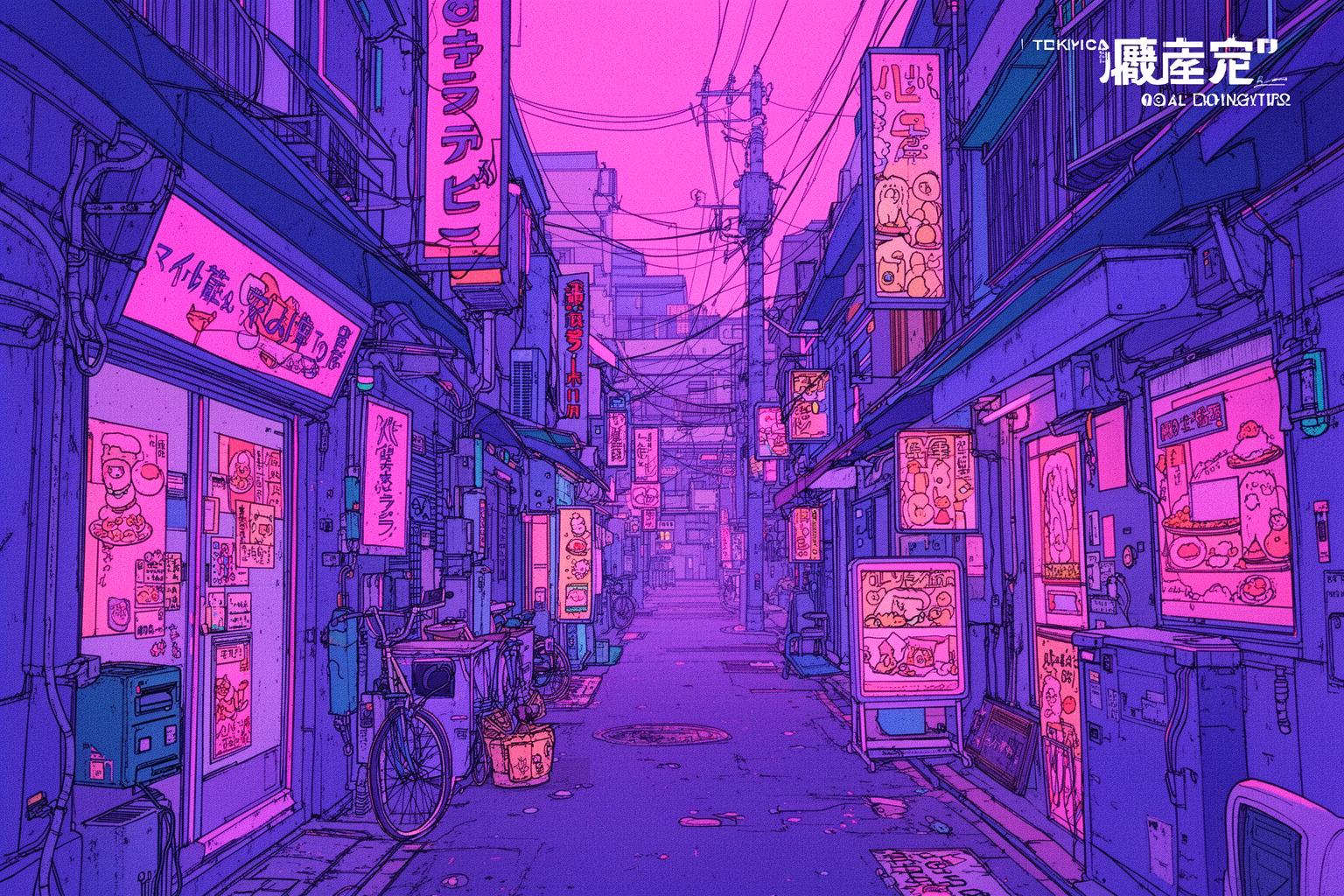
Now comes the best part. While the atmosphere is the centerpiece, the food and drink are absolutely indispensable. And knowing what to order can make you feel less like you’re guessing and more like you belong.
The Holy Trinity: Yakitori, Motsuni, and Highballs
If a yokocho stall has a menu, it almost certainly features these three items. They form the foundation of the entire culture.
Yakitori is far more than just “chicken on a stick.” It’s a culinary craft. When ordering, you’ll often be asked “shio?” or “tare?”—your choice of seasoning: simple salt or a sweet and savory soy-based glaze. A smart choice is to get a mix. Be adventurous with your selections. Negima (thigh and leek) and Tsukune (minced chicken meatball) make great starters, but the true heart of yakitori lies in the other parts. Kawa (crispy skin), Hatsu (chewy, rich heart), Sunagimo (gizzard, with a delightful crunch), and Bonjiri (juicy, fatty tail) are all essential tastes to experience.
Motsuni/Nikomi is the ultimate comfort food of yokocho. It’s a hearty, slow-simmered stew, typically made with beef or pork offal (motsu), vegetables like daikon radish and carrots, and konjac jelly, all cooked in a rich miso or soy-based broth. Each shop has its own secret recipe, passed down through generations. Served in a small bowl and often topped with a mound of chopped green onions, it’s savory, warming, and deeply satisfying. It pairs perfectly with a cold beer or a glass of shochu.
Drinks are the social glue. While “nama biiru” is a great start, the quintessential yokocho drink is the Highball. It’s simple: Japanese whisky (usually a reliable, basic one like Suntory Kaku) mixed with super-fizzy soda water over ice, often garnished with a twist of lemon. It’s clean, refreshing, and dangerously easy to drink. You’ll also find locals enjoying Sake (rice wine), served hot (atsukan) or cold (reishu), and Shochu, a distilled spirit made from barley, sweet potatoes, or rice. Ordering shochu “mizuwari” (with cold water) or “oyuwari” (with hot water) is a distinctly local choice.
Beyond the Basics
While the trinity is vital, keep an eye out for other yokocho staples. Simple dishes often shine. Look for grilled fish, especially Shishamo (smelt, often full of roe) or Hokke (mackerel). Agedashi Tofu (deep-fried tofu in a savory dashi broth) is always a hit. And don’t overlook the Japanese Potato Salad. It’s nothing like the kind at a Western BBQ; it’s creamier, often combining mashed and chunky potatoes, carrots, cucumber, and that unmistakable tang of Kewpie mayo. It provides the perfect, cool contrast to all the hot, grilled fare.
The Afterglow: Why Yokocho Will Keep Calling You Back
As you finally step out of the alley and return to the bright, orderly streets of modern Tokyo, you’ll notice a subtle shift. The smoke will still cling to your clothes, the taste of tare and whisky will linger on your tongue, and the warm buzz of conversation will still echo in your ears. You didn’t just have a meal; you stepped back in time. You discovered a crack in the facade of one of the world’s most futuristic cities and entered a world that is deeply human, messy, and beautiful.
For the repeat visitor, this is the ultimate reward. It’s the feeling that you’ve moved beyond the surface and connected with the true pulse of the city. Each yokocho tells a different story, each tiny bar a distinct chapter. They will keep drawing you back, not only for the incredible food and drink but for the sense of discovery, the thrill of finding a new favorite six-seat bar, and the simple, profound joy of sharing a small space with strangers in the heart of the night. You sought an authentic experience, and you left as a shadow, a fleeting part of Tokyo’s most intimate and enduring tradition.