Yo, what’s the deal, fellow travelers? James Walker here, your resident historian who’s swapped dusty archives for the electric hum of Tokyo’s streets. You’ve done the temple run, you’ve seen the serene gardens, and you’ve mastered the Shinkansen. You’re a repeat visitor, a connoisseur of the Japan experience, and now you’re hungry for something more. You’re searching for the pulse, the raw, unfiltered creative energy that makes this city a living, breathing organism. You’re looking for a vibe that’s less ‘wabi-sabi’ and more ‘WHAM-BAM, thank you ma’am!’ Well, fam, let’s talk Decora. Forget everything you know about subtlety. We’re about to cannonball into a swimming pool filled with neon paint, plastic charms, and pure, unadulterated joy. Decora fashion isn’t just an outfit; it’s a declaration of independence. It’s a vibrant, clattering, sparkling scream of happiness in the heart of Harajuku, Tokyo’s legendary youth culture district. It’s the aesthetic of a childhood fever dream made manifest, a wearable art form that chooses optimism as its primary weapon. This is your guide to understanding, appreciating, and maybe even diving headfirst into the glorious, chaotic rainbow of Decora. This is where you trade your sensible travel-wear for a mountain of hair clips and become the main character of your own Tokyo story. Get ready, because we’re going deep. The journey starts here, in the epicenter of it all.
If you’re craving a different kind of Tokyo time capsule after this explosion of color, consider slipping into the melancholic nostalgia of a Showa-era coffee shop.
What Even IS Decora? The Vibe Check on a Tokyo Legend
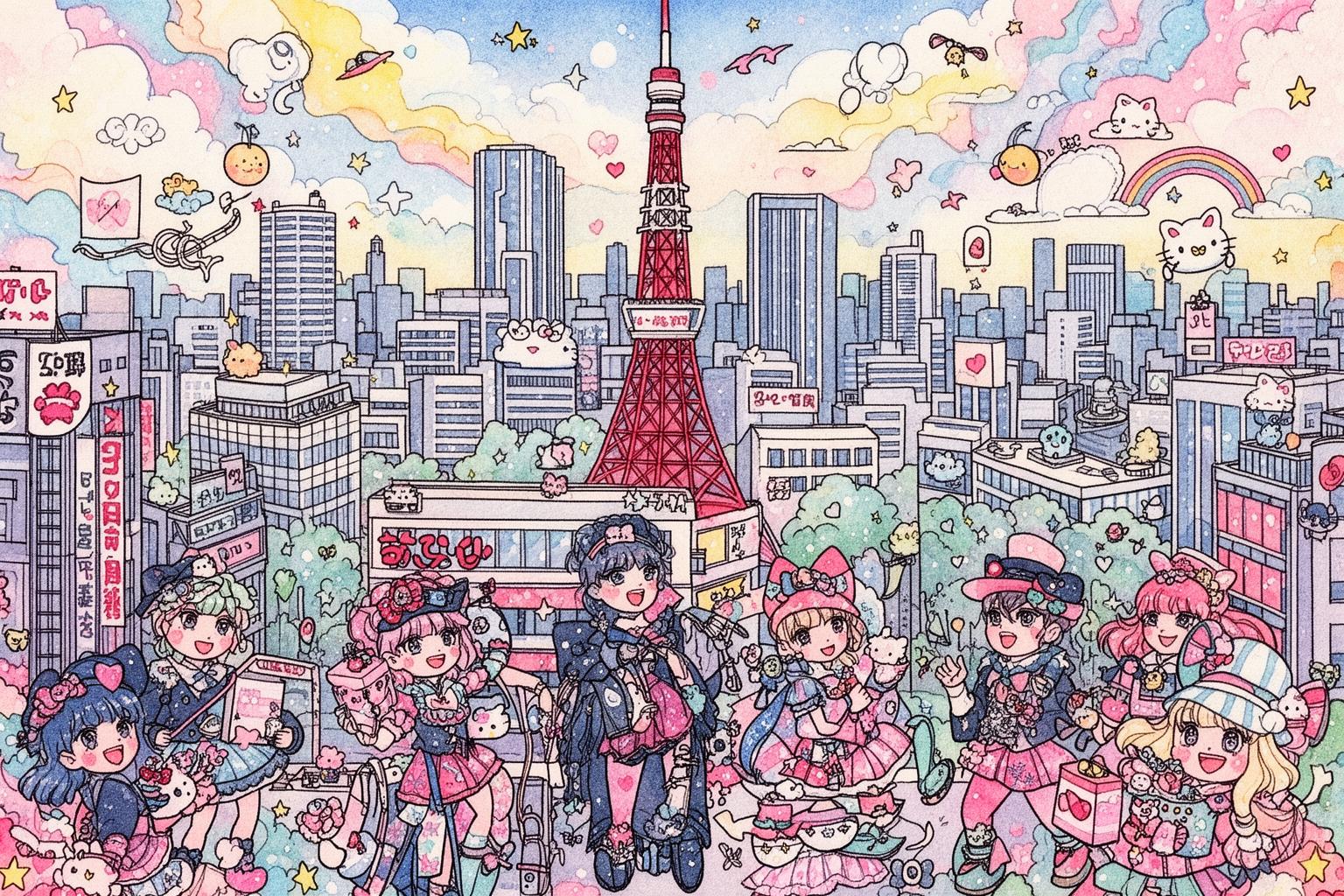
Alright, let’s get the lowdown. Before you can nail the look, you need to understand the lingo and the logic. The term itself, ‘Decora,’ is a direct abbreviation of the English word ‘decoration.’ And honestly? That says it all. It’s not about crafting a silhouette or following conventional trends. It’s about using your body as a canvas for decoration. It’s a maximalist philosophy, essentially the opposite of the minimalist, Marie Kondo-inspired aesthetic also known from Japan. If minimalism asks, “Does this spark joy?” Decora responds by grabbing every joyful thing within a five-mile radius and attaching it to itself. The core idea is a childlike obsession with collecting and showcasing cute, colorful items. It’s a visual expression of pure, uninhibited happiness.
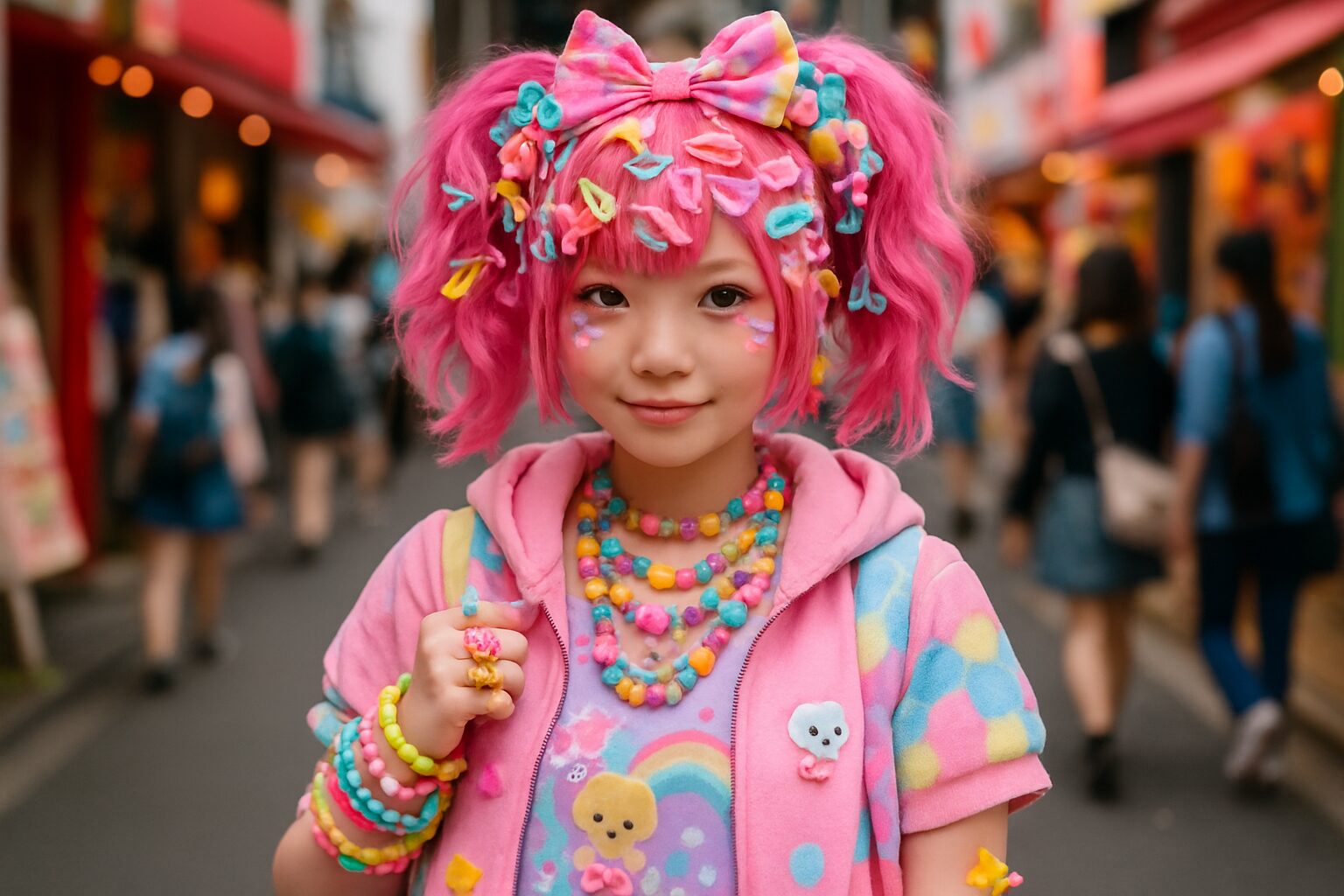
So, what does this look like in practice? Let’s break down the components of a classic Decora outfit. It starts with layers—lots of layers. Picture a brightly colored t-shirt, perhaps with a retro cartoon character, layered over a long-sleeved shirt featuring a clashing pattern. On top of that, a neon pink hoodie. On the bottom, patterned leggings beneath a frilly tutu, paired with mismatched knee-high socks and chunky leg warmers. It sounds excessive, and that’s exactly the point. The aim is to create a soft, playful silhouette that blurs the body’s contours, turning it into a moving collage of colors and textures. The color palette is key. Imagine highlighter pens coming to life and throwing a party. We’re talking shocking pinks, electric yellows, lime greens, and sky blues, often combined in a single outfit. Pastels are also prominent, giving rise to a softer, dreamier version called ‘Pastel Decora.’
But the true essence of Decora, the heart of the style, lies in the accessories. This is where the ‘decoration’ really shines. Hair is a major focus. The classic look involves covering the fringe and front sections of hair with an avalanche of plastic hair clips—dozens of tiny stars, colorful hearts, plastic bows, little animal faces, all layered in a dense, overlapping cascade. It’s a ‘hairpocalypse’ of cuteness. Then there’s the face. A signature element is a brightly colored Band-Aid worn across the bridge of the nose, often decorated with characters or sparkles. Under the eyes, you’ll find a burst of colorful stickers—stars, hearts, teardrops, you name it. It’s about decorating the face with the same playful freedom as a child’s art project. Jewelry is just as intense, with multiple strings of colorful plastic beads, candy-like pendants, and chunky charms around the neck. Arms are piled high with beaded bracelets, rubber bangles, and friendship bracelets to the point where bending an elbow becomes a challenge. Every surface is a potential decoration spot. Bags are often plushie backpacks or totes adorned with keychains and badges. The sound of a Decora wearer walking is a gentle, melodic clatter of plastic—a symphony of kawaii.
It’s important to distinguish Decora from its Harajuku neighbors. People often lump all Harajuku styles together, but they are distinct worlds. Lolita fashion, for example, centers on historical European aesthetics, focusing on specific silhouettes like bell-shaped skirts and an air of elegance and modesty. Fairy Kei shares a pastel palette with some Decora looks but leans more toward a dreamy, 80s fantasy vibe with motifs like unicorns and clouds. Decora is the wild child of the bunch. It’s less about a defined silhouette and more about the joyful chaos of accumulation. It’s loud, playful, unabashedly childlike, and completely indifferent to conventional fashion rules. That, right there, is its true power.
The Historical Context: From Post-War Rebellion to a Global Subculture
As a historian, I can’t help but get excited about the origins of these phenomena. Subcultures don’t emerge out of nowhere; they are responses to the surrounding world. The story of Decora is closely linked to the narrative of late 20th-century Japan. The style began to emerge in the late 1990s, and to understand why, one must examine the preceding decades. Japan’s post-war economic miracle shaped a society that valued conformity, diligence, and collective identity. However, by the 1990s, the economic “bubble” had burst, ushering in a period of stagnation. For the youth of that time, the expectation of a secure, lifelong career was disappearing. This uncertainty created room for them to question the values of their parents and to develop new identities.
Harajuku became the experimental stage for this transformation. After World War II, the area housed Washington Heights, a residential complex for American military personnel, which exposed local Japanese youth to American culture, fashion, and music, planting the seeds for Harajuku’s emergence as a cultural crossroads. By the 1970s, creative boutiques began appearing. The pivotal moment came in the 1980s with the creation of “Hokoten” (short for “Hokousha Tengoku,” or “Pedestrian Paradise”), when Omotesando’s main street was closed to traffic every Sunday. This transformed the area into a large open-air stage where young people could gather, showcase their unique styles, and perform, free from the restrictions of school uniforms and societal norms.
From this fertile environment, Decora was born. One of its earliest and most influential figures was idol Tomoe Shinohara, who debuted in the mid-1990s with a vibrant, DIY, and heavily accessorized style. Her fans, known as “Shinorer,” started to emulate her look, laying the foundation for the Decora aesthetic. It was a grassroots movement based on cheap, accessible materials. This was not high fashion; it was something children could create themselves using items from 100-yen shops and their own toy boxes.
The movement was famously documented and propelled to global awareness by one individual: Shoichi Aoki. In 1997, he launched the magazine FRUiTS. Unlike typical fashion magazines filled with professional models and studio shoots, Aoki went to the streets of Harajuku with his camera and captured what real kids were wearing. He photographed them front-on, including brief descriptions of their outfits and inspirations. FRUiTS became a bible for street style enthusiasts worldwide, revealing a side of Japan that was creative, rebellious, and fiercely individualistic. It celebrated the DIY ethos and the idea that fashion is a tool for personal expression rather than merely a display of wealth. Decora kids were frequently featured, and their colorful, layered outfits became an enduring hallmark of Harajuku style.
This historical perspective is essential. Decora wasn’t just children playing dress-up; it was a subtle form of rebellion. In a society often rigid and demanding, Decora was a radical choice to embrace joy. It rejected the sleek, serious adult world of responsibility and carved out a personal space of color and happiness amid the grey concrete metropolis. As the internet grew, images from FRUiTS and other sources spread rapidly, inspiring youth from London to Los Angeles. Decora evolved into a global subculture, proving the universal appeal of using fashion to loudly express personality. Today, the style is experiencing a major revival, driven by a new generation on platforms like TikTok and Instagram, drawn to its Y2K roots and unapologetically positive message. The spirit of those original Harajuku pioneers lives on—one plastic hair clip at a time.
The Heartbeat of Harajuku: Where to Vibe and Where to Buy
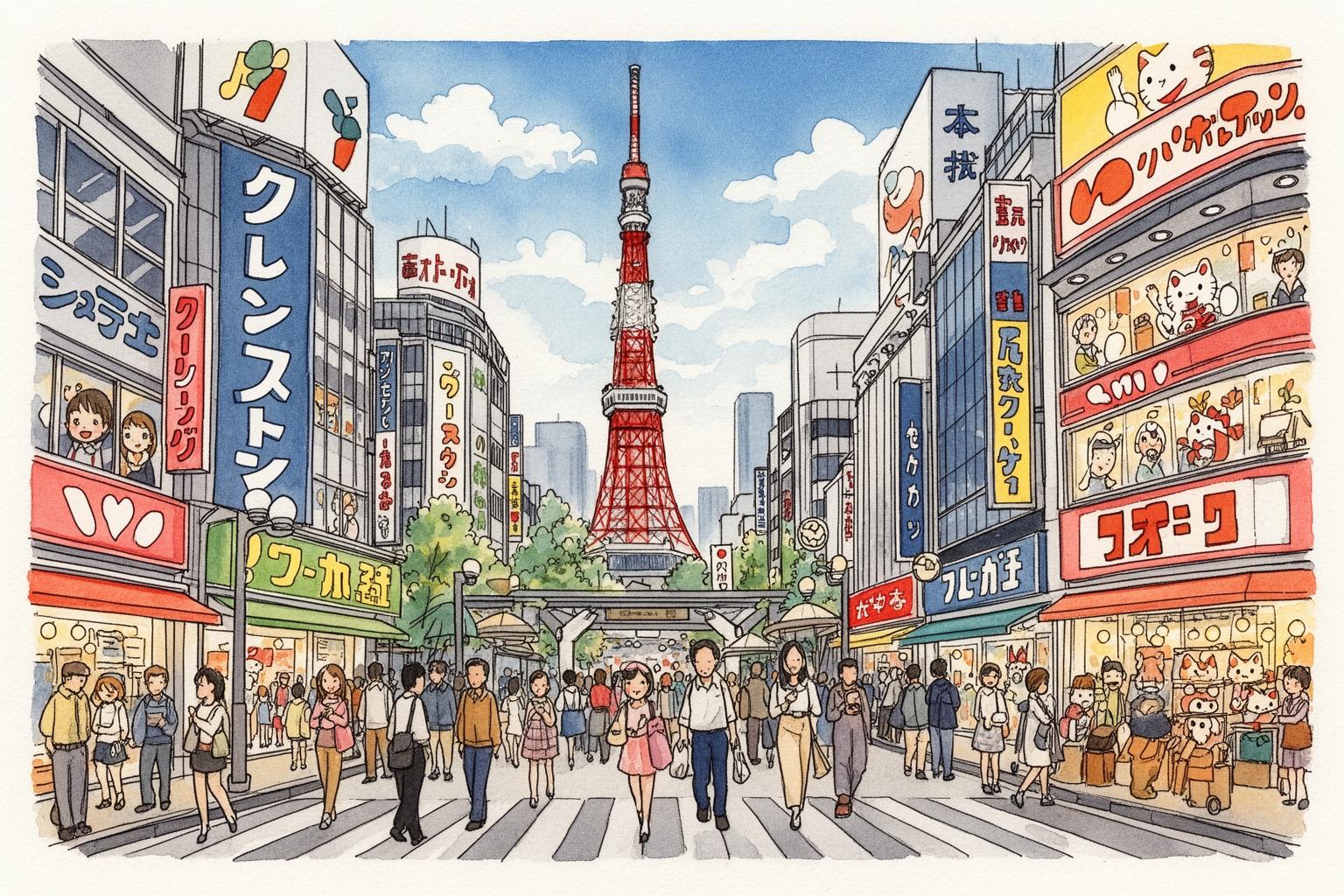
So, you’re inspired and ready to dip your toes into the vibrant world of the rainbow river. The first and most iconic pilgrimage site is, naturally, Takeshita Street in Harajuku. Stepping onto this narrow, pedestrian-only lane is a complete sensory overload—in the best way possible. It’s a chaotic crush of people, the air saturated with the scent of sweet crepes and caramelized sugar, and every storefront vying for your attention with a riot of colors and J-pop tunes. This is the epicenter of tourist-friendly kawaii culture, and where you’ll discover the fundamental pieces for creating a Decora outfit.
Your initial stop should be ACDC Rag, a Harajuku institution. It’s loud, chaotic, and delightfully inexpensive. The racks overflow with wildly patterned hoodies, pastel tutus, printed leggings, and tees featuring everything from gloomy bears to eyeball-studded monsters. The style here blends various subcultures—a dash of punk, a pinch of goth, and a whole lot of neon. It’s the ideal spot to find bold, statement base layers to build your look around. Don’t count on high-end fabrics, but for the price and dramatic visual impact, it’s unbeatable.
For the lifeblood of Decora—the accessories—head straight to Paris Kids. This tiny shop is a treasure trove, with walls literally covered from floor to ceiling in cards of jewelry and hair accessories. We’re talking hundreds, maybe thousands, of options: plastic heart-shaped rings, candy-colored beaded necklaces, cartoon character earrings, and most importantly, an endless supply of the small, colorful plastic hair clips that define the style. You can grab a handful for just a few hundred yen. The sheer density of adorable items is overwhelming; navigating the narrow aisles is part of the charm. Here, you can truly go wild and buy more accessories than any sane person would ever need—that’s exactly the point.
While not a strictly Decora shop, 6%DOKIDOKI is indispensable when discussing Harajuku’s colorful aesthetic. Founded by legendary artist Sebastian Masuda, this store is more than a shop—it’s the embassy of his “Sensational Kawaii” philosophy. The interior itself is an art installation, a psychedelic blitz of pinks, purples, and yellows. The items here are wearable art—think transparent heart-shaped bags filled with colorful toys or accessories resembling melting ice cream cones. Prices are higher than elsewhere on the street, but visiting is worthwhile to appreciate the artistic and conceptual depth behind kawaii culture. It pushes cute into a realm that’s both theatrical and thought-provoking.
Beyond these key spots, Takeshita Street boasts many other valuable stores. Multiple WEGO outlets offer trendy, affordable basics in a spectrum of colors, perfect for layering. You’ll also find plenty of shoe stores selling chunky platform sneakers essential to the look. Don’t overlook the ‘character goods’ shops, packed with merchandise from Sanrio, Pokémon, and other beloved franchises. A plushie keychain of Cinnamoroll or a Pochacco tote bag makes for a perfect finishing touch.
After braving the glorious chaos of Takeshita, I suggest exploring the surrounding area. Ura-Harajuku, or “back Harajuku,” including the famed Cat Street, has a more relaxed vibe with vintage stores like Kinji. Thrifting here is a fantastic way to find unique pieces to personalize your Decora style. A vintage ’80s sweater or a quirky patterned dress can be the perfect canvas for layering and accessories. For an even deeper dive into Decora’s raw materials, venture further into Tokyo. Nakano Broadway, an otaku paradise, is a multi-story complex filled with shops selling vintage toys, anime cells, and character goods. It’s the perfect spot to find rare stickers or a retro plush no one else has. And never underestimate Japan’s 100-yen shops like Daiso or Seria. These stores are goldmines for craft supplies, colorful stickers, fun socks, and other decorative bits to customize your outfit. At its core, Decora is a DIY style, and these shops are your best allies.
Becoming the Rainbow: How to Assemble Your First Decora Fit
Alright, you’ve done your research, filled your shopping bags, and now it’s time for the magic to unfold. The hotel room floor is scattered with a vibrant mess of neon fabrics and plastic treasures. Where do you even start? Putting together a Decora outfit for the first time can feel overwhelming, but remember the golden rule: there are no rules. This is about joy, not perfection. However, for those who appreciate a bit of guidance from an old hand, here’s a narrative walkthrough.
Let’s begin with the foundation. Forget beige, forget navy. Choose something bright. Maybe that electric yellow t-shirt with the goofy dinosaur on it. Put it on. Now, consider contrast and texture. That pink and white striped long-sleeved shirt you grabbed? Wear it underneath, letting the sleeves peek out. Just like that, you’re creating visual interest. For your legs, maybe some pastel purple leggings. Comfortable, right? Great. Now, pull on that fluffy, rainbow-colored tutu skirt over the leggings. It feels ridiculous and wonderful all at once. That’s the vibe you want.
Next, layer up. It might be chilly, or you simply want more volume. Throw on that lime green zip-up hoodie, but leave it unzipped. Let it hang open to showcase the t-shirt beneath. The colorful chaos is the point. Now for the extremities. Slip on a pair of those wild, mismatched socks—one with strawberries, one with stars. Perfect. Then, add some colorful, striped arm warmers. You’ve become a vibrant, soft sculpture of fabric. Don’t forget the shoes. Those chunky platform sneakers are more than just for height; they make a statement. They anchor the playful, almost cartoonish proportions of your outfit.
With the clothing base set, it’s time for the crucial step: face and hair. This is what transforms your look from merely colorful clothing into true Decora. Sit before a mirror. Take a deep breath. Start with the face. The iconic nose Band-Aid. Choose a good one—maybe pink, maybe glittery. Place it right across the bridge of your nose. Now, the stickers. Peel off some sparkly stars and place a few under each eye, like tiny constellations of joy. Add more on your cheeks if you’re feeling bold. The makeup is usually simple and sweet—a touch of pink blush, a bit of glittery eyeshadow. It’s about looking fresh and doll-like.
Now, the hairpocalypse, the grand finale. Take your fringe, or the hair around your face, and start clipping. Don’t overthink placement. One pink bow here, a yellow star there, a little blue heart beside it. Overlap them. Build a dense, textured crown of plastic. The more, the better. When you think you’ve added enough, add five more. The sheer, delightful absurdity is what makes it work. Shake your head slightly. Do you hear that gentle clinking? Congratulations, you’ve achieved peak Decora hair.
Finally, the accessorizing frenzy—your victory lap. Drape two, no, three beaded necklaces around your neck, letting them hang at varying lengths. Now, your arms. Start stacking bracelets, mixing plastic bangles with beaded ones. Push them up your forearms; they should feel substantial. Grab all those keychains and plushies and attach them to your hoodie’s zipper, skirt loops, and backpack. Your bag shouldn’t just carry items; it should be a creature of its own, covered in friendly faces. Take a final look in the mirror. You’re no longer merely a person in clothes. You are a walking, talking, clattering installation of happiness. You are the rainbow. And you’re ready to hit the streets of Harajuku.
The Social Scene: Finding Your Crew and Capturing the Moment
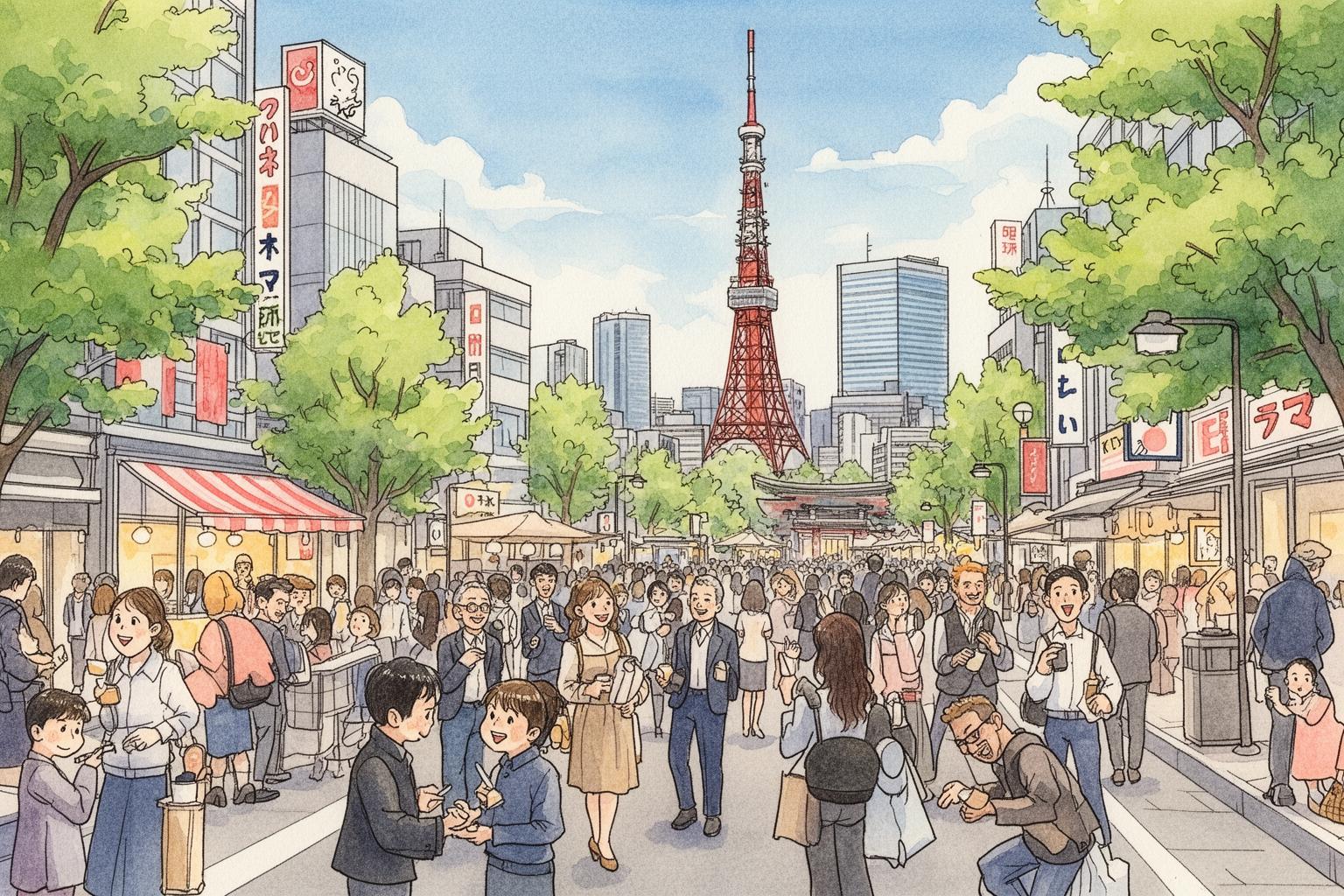
Wearing a full Decora outfit is quite an experience, and it’s often best enjoyed with others. Although the style is deeply personal, it has always been part of a communal subculture. So, where can you go to see and be seen? The historic heart of the Harajuku street style scene is the Jingu Bashi, or Harajuku Bridge, which links the train station to the Meiji Shrine. For decades, this spot served as the unofficial Sunday runway. Kids dressed in every imaginable style—from Lolita to Punk to Decora—gathered here to hang out, show off their outfits, and be photographed. While the crowd on the bridge isn’t as large as it was in the 90s and 2000s, the spirit remains. On most weekends, you’ll still find groups of fashionably dressed youths congregating, making it a fantastic place for people-watching and soaking up the vibe.
Nearby Yoyogi Park is another favorite gathering place. Its open spaces provide the perfect setting for fashion meetups and photoshoots, with lush greenery that makes Decora’s neon colors stand out even more. You might come across organized events like the Harajuku Fashion Walk, where dozens of participants dressed in diverse styles parade through the area in a vibrant, moving celebration of creativity. These events are warm and inviting, offering a great chance to meet like-minded people.
In the 21st century, the ‘scene’ has become as digital as it is physical. Social media, especially Instagram and TikTok, has taken over as the new FRUiTS magazine. It’s where people share their looks, connect, and find inspiration. Following hashtags like #decorafashion, #harajukufashion, and #jfashion opens up a worldwide community of enthusiasts. It’s an excellent resource to see how the style is evolving and to gather ideas for your own outfits. If you feel confident, posting your own look can be a wonderful way to connect with others even before you arrive in Japan.
This brings us to a crucial topic: etiquette. This is non-negotiable. If you see someone wearing an amazing outfit and want to take their photo, you must ask for permission first. These aren’t paid models or tourist attractions; they are people expressing themselves. Taking a picture without consent is rude and intrusive. The right way to approach is with a smile. Learn a simple Japanese phrase like, “Sumimasen, shashin ii desu ka?” (“Excuse me, may I take a photo?”). Even if your pronunciation isn’t perfect, the effort is greatly appreciated. Offer a genuine compliment, such as, “Your style is so cool!” or “I love your hair clips!” Most people who put so much effort into their look are happy to be photographed, but only if treated with respect. If they decline, thank them and move on. It’s that straightforward.
Another wonderful way to engage with the culture is by joining one of its most cherished social rituals: taking purikura. These Japanese photo booths are unlike the dull passport booths you might know. Purikura is an experience. You and your friends squeeze into a booth, pose for a series of photos against a green screen, then move to a decorating station where you use touchscreens to add stickers, glitter, text, and playful filters to your images. These machines are famous for automatically enlarging your eyes and smoothing your skin, creating an adorable, idealized version of yourself. It’s a fun, lighthearted, and quintessentially Japanese activity. A sheet of purikura stickers makes the perfect souvenir from your day in Harajuku, a tangible keepsake of your transformation into a rainbow warrior.
The Philosophy of Decora: More Than Just Clothes, It’s a State of Mind
We’ve explored the what, the where, and the how. But to truly grasp Decora, we need to delve into the why. From a historian’s perspective, this is the most captivating aspect. Why do people opt to dress in such a loud, unconventional way that inevitably grabs attention? I believe the answer lies in its role as both a form of armor and a source of radical, self-created joy.
In a world that often feels monotonous, stressful, and overwhelmingly gray, choosing Decora is an act of defiance. It’s like painting your own personal bubble of happiness and carrying it with you everywhere. The layers of clothing, the jingle of charms, the wall of hair clips—they form a protective shield. It’s a way of saying, “The adult world with its anxieties and demands can’t reach me right now. I’m in my own world of color and cuteness.” It takes tremendous confidence to walk out looking like a human candy store, and assembling and wearing that look is itself an act of self-empowerment.
Decora is also deeply intertwined with the rich cultural concept of ‘kawaii.’ Western audiences often simplify kawaii as just ‘cute,’ but this drastically understates its complexity. In Japan, kawaii is a powerful and nuanced aesthetic. It expresses a sense of preciousness, vulnerability, and innocence. It celebrates the small, the charming, and the non-threatening. In a high-pressure society, embracing kawaii provides psychological comfort—an emotional return to the simpler joys of childhood. Decora is perhaps the most intense and literal embodiment of this. It’s about surrounding yourself with the objects and colors that once brought you pure happiness—cartoons, toys, stickers, sweets. It’s wearable nostalgia, a way to physically manifest wonder and playfulness.
Moreover, Decora celebrates individuality within a culture that often prioritizes the group. The style is inherently DIY and deeply personal. While certain elements are common, no two Decora outfits are identical. Each person curates their own mix of charms, clips, and stickers, telling a unique story. One wearer might be covered in Pokémon, another obsessed with 80s Sanrio characters. This personal touch is essential. It’s a visual autobiography crafted in plastic and neon. It’s a way to externalize your inner world and show exactly what you love without saying a word. It’s the ultimate main character energy—a deliberate choice to be the protagonist of your own vivid, whimsical narrative.
So, when you spot a Decora kid in Harajuku, don’t just see the clothes. See the philosophy. See the courage it takes to be unapologetically yourself. See the conscious decision to embrace joy in a world that often leans toward cynicism. See the art, community, and quiet rebellion. Decora isn’t merely a fashion trend; it’s a brightly colored, plastic-fantastic manifesto for a happier, more playful way of life.
There you have it—a deep dive into one of Tokyo’s most iconic and joyful subcultures. Decora is more than just a passing teen fad; it’s a rich, meaningful cultural movement with history, philosophy, and a global community. It reminds us that fashion can be more than functional or flattering—it can be fun, it can be art, and it can serve as a powerful tool for self-expression. For those who think they’ve seen all of Harajuku, its rainbow riot offers a fresh way to experience Tokyo. It’s an invitation to step out of your comfort zone, to play, and to connect with the city’s creative pulse. Whether you go all out with a head full of clips or simply add a few colorful charms to your bag, I encourage you to embrace the Decora spirit. Choose joy. Choose color. Choose to be your own walking, sparkling work of art. The world could always use a little more kawaii.