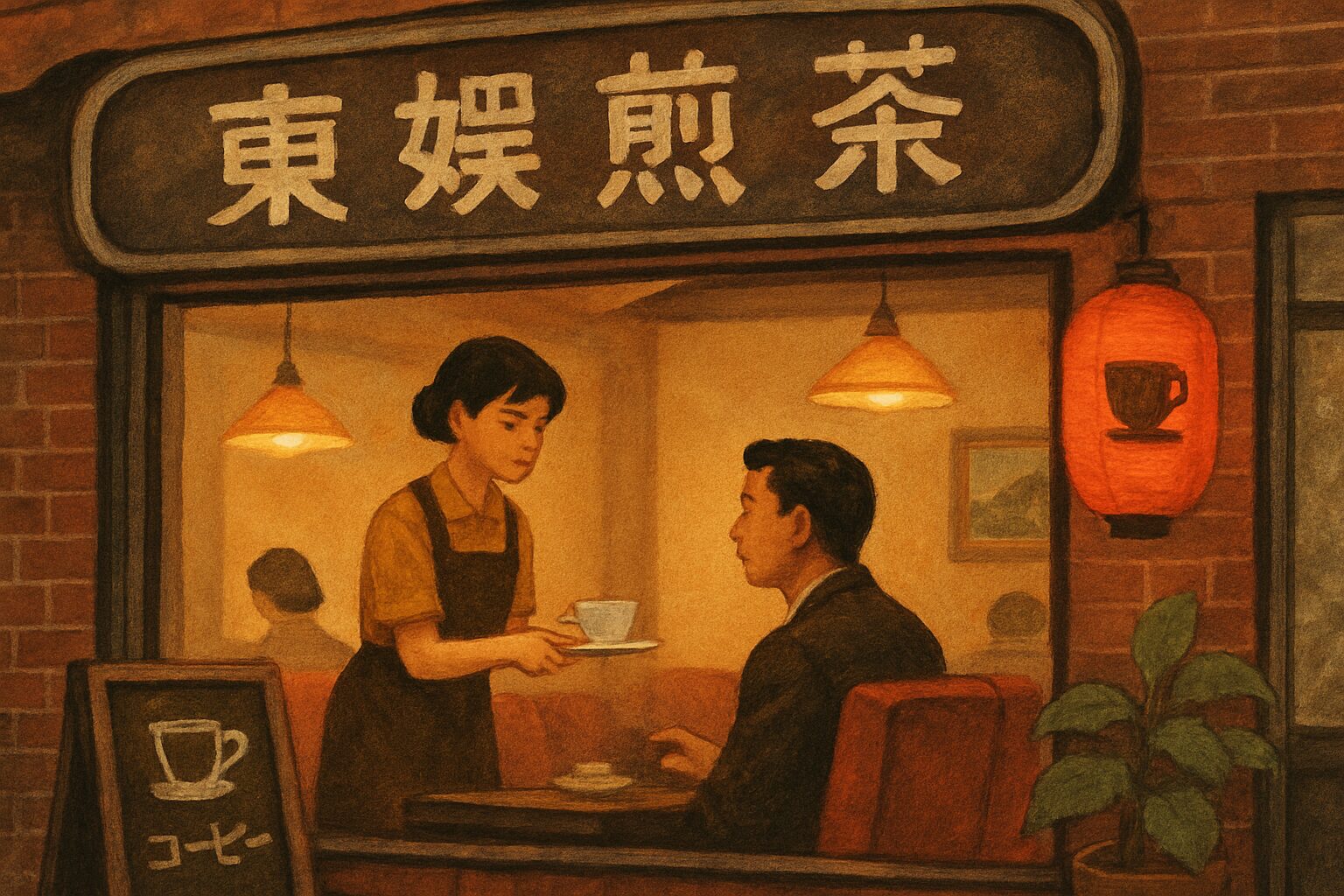
What’s up, global fam! Megumi Hara here, your go-to Tokyo event planner, ready to spill the tea—or in this case, the siphon-brewed coffee—on one of Tokyo’s most slept-on cultural treasures. We’re about to take a deep dive, and I mean a deep dive, into the world of Junkissa. Forget everything you know about minimalist, third-wave coffee joints with their sleek white walls and oat milk lattes. That’s cool and all, but we’re going on a different kind of journey. We’re hitting rewind and stepping into a whole other dimension, a place where time slows down and the vibe is pure, unadulterated nostalgia. Junkissa (純喫茶) are Japan’s OG coffee houses, the cultural heartbeats of the Showa Era (1926-1989). Think of them less as cafes and more as living, breathing time capsules. They’re sanctuaries of vinyl seats, the gentle, rhythmic clink of a silver spoon against a porcelain cup, and the rich, intoxicating aroma of carefully brewed coffee, sometimes mingling with the faint, phantom whisper of tobacco smoke from decades past. It’s a whole mood, a cinematic experience set to a soundtrack of hushed conversations, the rustle of a newspaper, and distant classical music. These spots are the absolute antithesis of Tokyo’s frenetic, neon-drenched energy. They are urban sanctuaries, sacred spaces where you can escape the relentless scroll, the endless notifications, and the pressure to always be moving. They are the physical embodiment of “iykyk” (if you know, you know) culture, hiding in plain sight down narrow alleyways and on the second floors of unassuming buildings. I’m here to be your guide, your senpai in the art of kissa-crawling, giving you the ultimate lowdown on the most iconic, atmospheric, and soul-stirring Junkissa that’ll make you feel like you’ve been cast as the protagonist in a vintage Japanese film. Get ready to find your perfect melancholic hideaway, a place to think, to dream, to just be. But first, let’s get you oriented. Most of these gems are scattered throughout the heart of the city, each with its own unique story. Peep the map below to get a feel for the landscape where these portals to the past are waiting for you.
If you’re captivated by this nostalgic Showa-era atmosphere, you might also enjoy exploring Japan’s charming retro candy stores for another dose of vintage charm.
The Soul of Showa: What’s the Vibe with Junkissa?
Before we teleport into specific locations, let’s get the vibe check right. What exactly is a Junkissa? The name itself holds the key. In Japanese, 「純喫茶」 (jun-kissa) literally means “pure coffee shop.” This distinction was crucial in the past because it set these places apart from the broader “kissaten” (喫茶店), which might also serve alcohol and have a more bar-like feel. A Junkissa was a sanctuary devoted to the art of coffee, conversation, and quiet reflection. They were the original “third place,” existing somewhere between home and work, deeply connected to the spirit of the Showa Era. The Showa period was a time of profound change for Japan. It started amid burgeoning modernism, plunged into the chaos of war, rose from the ashes through a period of remarkable post-war recovery, and then soared into an unprecedented economic boom. It was an era of vast social and cultural shifts, with the Junkissa serving as a stage for much of this drama. In the 1950s and 60s, these coffee houses became the unofficial living rooms and offices for an entire generation. They were democratic spaces where struggling artists could mingle with university professors, where novelists furiously scribbled manuscripts fueled by endless cups of coffee, and where “salarymen” (office workers) could steal moments of peace before returning to the corporate grind. This is where the iconic “Morning Service” or “Mōningu Sābisu” originated. For the price of a single coffee, you’d receive a full breakfast set—typically a slice of thick, fluffy toast (shokupan), a hard-boiled egg, and sometimes a small side salad. It was a ritual, a modest, affordable luxury that became a staple of urban Japanese life. The aesthetic of a classic Junkissa is a mood board in itself. It’s a fascinating fusion of Japanese sensibility and deep admiration for Western, especially European, design. Think heavy, dark wood paneling soaked in decades of conversation, plush velvet or leather chairs in rich jewel tones like burgundy and forest green, ornate Tiffany-style lamps casting a warm, intimate glow, and perhaps even some stained glass. The air is thick with the rich aroma of coffee, brewed with meticulous care using a siphon—a dramatic, scientific-looking apparatus of glass globes and open flames that feels like pure alchemy. At the heart of every great Junkissa is the “Master.” Often a quiet, dignified figure of a certain age, the Master is the guardian of the establishment’s soul. They may speak little, but their presence is everything. They’ve dedicated a lifetime to perfecting their craft—from the precise grind to the exact siphon brewing time. Watching a Master at work is a kind of meditation. Their movements are deliberate, efficient, and filled with quiet reverence for the process. They are the silent conductors of the Junkissa’s serene symphony, ensuring the atmosphere remains a perfect, undisturbed sanctuary. Stepping into one of these places is a sensory experience that hits all at once—a beautiful assault on the senses that immediately grounds you in the present while transporting you to the past.
The Labyrinth of Logs: Saboru in Jimbocho
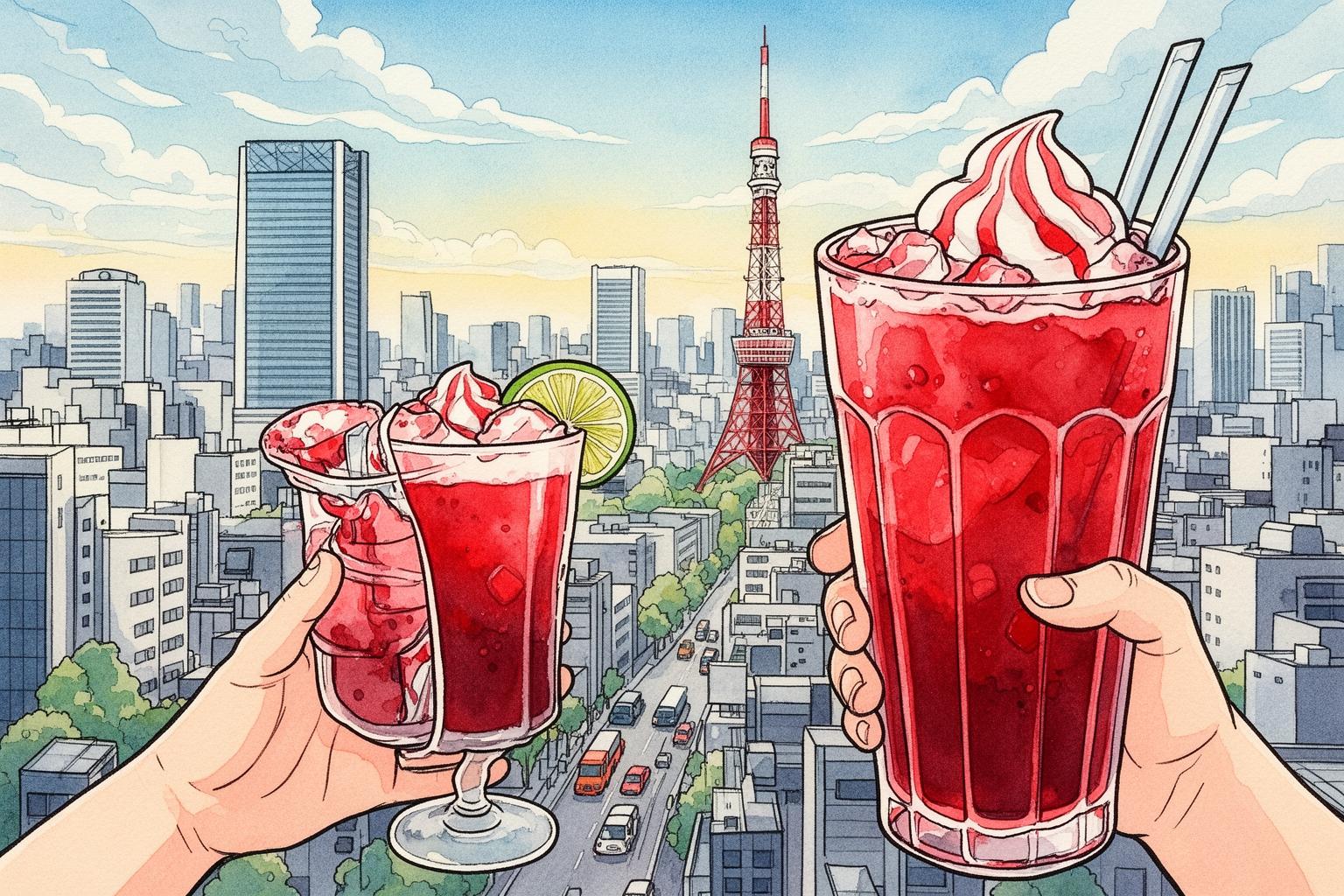
Our first stop is a true legend, a name revered by kissa enthusiasts: Saboru. Tucked away in the heart of Jimbocho, Tokyo’s famous book district, Saboru offers more than just coffee—it’s an experience. The setting is ideal; what better backdrop for a time-capsule cafe than a neighborhood steeped in the aroma of old paper and haunted by literary legends? Saboru actually consists of two adjoining spots: Saboru and Saboru 2, each presenting a unique yet connected atmosphere. The name “Saboru” is a playful slang term meaning “to skip class” or “to slack off,” reflecting its history as a favorite refuge for nearby university students. Let’s begin with the original Saboru. You’ll recognize it instantly by its entrance, a wild tangle of ivy nearly engulfing the rustic wooden facade. Descend a few steps, and you enter what feels like a subterranean log cabin or an enchanted cave. The air shifts—cool, dimly lit, and filled with the scent of aged wood and roasted coffee. The interior is mesmerizing: a chaotic yet charming collection of carved wooden totem poles, folksy art, and countless names and messages scratched into the woodwork by patrons over six decades. The lighting is dark and atmospheric, with small lamps casting warm amber pools that make the space feel intimate, even when crowded. The layout is cramped and maze-like, creating an utterly magical ambiance, as if you’ve stumbled upon a secret society. The menu at the original Saboru sticks to classic kissa staples, but the true highlight, the must-order item, is the strawberry juice. This isn’t ordinary juice—it’s served in a tall, vintage parfait glass, thick and pulpy with fresh strawberries so dense you need a spoon to enjoy it. It’s sweet, nostalgic, and iconic. Next is Saboru 2, the sister cafe. While the original Saboru caters to drinks and quiet conversations, Saboru 2 is the lunchtime destination. The atmosphere here is a bit brighter but still rustic. This is the place for another Saboru classic: Napolitan spaghetti. A beloved soul food from the Showa era, this uniquely Japanese pasta dish features thick spaghetti pan-fried with onions, green peppers, and sausage, all tossed in a sweet and tangy ketchup-based sauce. At Saboru 2, it’s served as a towering plateful—a hearty, carb-filled comfort meal. It’s not gourmet, nor is it meant to be; it’s an honest, comforting hug in a bowl. Some practical tips for visiting Saboru: be ready for lines, especially during busy times, as these spots are very popular. Bring cash, as credit cards are not accepted. And don’t overlook the quirky touches, like the vintage red public phone nestled in a tiny underground booth. Saboru is more than a cafe; it’s a living museum, a tribute to the passage of time, where every scratch on the table tells a story.
Red Velvet & Russian Tea: Lad리오 in Jimbocho
Just a short stroll from the rustic chaos of Saboru, you’ll discover another Jimbocho staple offering a distinctly different flavor of Showa nostalgia: Ladrio. If Saboru serves as a student’s secret refuge, Ladrio is the refined salon of an intellectual. It radiates a European, almost Parisian vibe, steeped in history and quiet academic elegance. Established in 1949, Ladrio occupies a special place in Japanese coffee history, widely recognized as the first Junkissa in the country to serve Wiener Kaffee—a rich, dark coffee topped with a generous swirl of whipped cream. In post-war Japan, still finding its footing, this represented the height of Western sophistication, a small taste of a distant, luxurious world. Entering Ladrio feels like stepping into a perfectly preserved period drama. The first thing that captivates you is the color: a deep, intoxicating crimson. The high-backed chairs, upholstered in lush red velvet, beckon you to settle in for hours. The walls are paneled with dark, polished wood, and the space is softly lit by antique lamps and exquisite stained-glass fixtures. The atmosphere is hushed and reverent. The air itself seems charged with creative and intellectual energy, a legacy left by the countless writers, publishers, and academics from the surrounding book district who have made this their sanctuary over the decades. Classical music plays at just the right volume—present enough to create a serene backdrop but never loud enough to interrupt thoughts or conversations. While Wiener Kaffee is a must-try for its historical significance, Ladrio offers another equally captivating signature drink: the Russian Tea. Served in a delicate glass cup, it’s hot black tea accompanied by a small bowl of strawberry jam. The traditional way to enjoy it is by stirring a spoonful of jam into the tea, letting its sweetness and fruity aroma infuse the brew—a comforting, elegant ritual perfectly suited to the café’s old-world charm. The clientele at Ladrio offers an intriguing cross-section of Jimbocho life—silver-haired professors poring over manuscripts, students cramming for exams, and solitary patrons lost in books, newspapers, or their own daydreams. It’s a space that encourages quiet contemplation. This isn’t the place for lively gatherings; it’s a sanctuary to bring your favorite novel, a journal, or simply your thoughts, allowing the timeless atmosphere to weave its magic. Ladrio is a masterclass in ambiance, a reminder that sometimes the greatest luxury lies in a beautiful, quiet room and a simple, well-crafted drink.
Downtown Charm & The Perfect Egg Sando: Kayaba Coffee in Yanaka
Let’s change direction and journey from the scholarly quarter of Jimbocho to the quaint, old-fashioned neighborhood of Yanaka in eastern Tokyo. Yanaka is truly special. It’s one of the rare parts of the city that mostly escaped the firebombings of World War II, preserving a wonderfully authentic “shitamachi” (downtown) atmosphere. Its narrow lanes, traditional shops, and historic temples provide a glimpse into a slower, more community-focused Tokyo. At the heart of this area lies a cherished institution: Kayaba Coffee. Kayaba Coffee is visually captivating even before you enter. It resides in a classic two-story “machiya,” a traditional wooden townhouse built in 1916 during the Taisho Era. With its tiled roof and wooden lattice windows, it stands as a beautiful example of architectural heritage. But what truly makes it special is the story behind it. Kayaba Coffee was a neighborhood staple for decades before closing in 2006. The local community, deeply saddened by the loss of their beloved spot, came together to revive it, leading to its reopening in 2009 with the original spirit intact but renewed vitality. This strong sense of community is palpable. The atmosphere inside contrasts sharply with the dim, heavy-wooded junkissa found in central Tokyo. It’s brighter, airier, and feels more like a cozy home. The first floor houses a classic coffee counter and a few small tables, maintaining the quintessential kissa layout. However, the real highlight is the second floor, where guests remove their shoes and sit on “zabuton” cushions placed on tatami mats. This uniquely Japanese experience—enjoying siphon coffee while seated on the floor—is absolutely essential. Now, let’s talk about the menu, because Kayaba Coffee serves what many regard as one of Tokyo’s most perfect dishes: the Tamago Sando, or egg sandwich. This is no ordinary egg salad sandwich. Kayaba’s version features a thick, fluffy, golden omelet cooked with a hint of dashi (Japanese soup stock), nestled between two slices of exceptionally soft and slightly sweet Japanese milk bread (shokupan). A thin layer of karashi (Japanese mustard) adds a subtle, zesty kick. The result is a masterpiece of texture and flavor—creamy, savory, slightly sweet, with a gentle tang. It is pure, simple comfort and joy. Paired with their expertly brewed siphon coffee, it’s a meal that feels both nostalgic and timeless. Kayaba Coffee beautifully bridges the era of Taisho and Showa, balancing tradition with revival. It’s a place deeply rooted in its community, warm and inviting, perfect for a leisurely breakfast or a mid-afternoon respite. To make the most of your day, I highly recommend exploring the surrounding Yanaka area. Stroll through the lively Yanaka Ginza shopping street, sample some local treats, and take a serene walk through the expansive, historic Yanaka Cemetery nearby. Kayaba is more than just a coffee shop; it’s the perfect starting point for an unforgettable journey into Tokyo’s charming past.
For the Coffee Connoisseur: Café de l’Ambre in Ginza
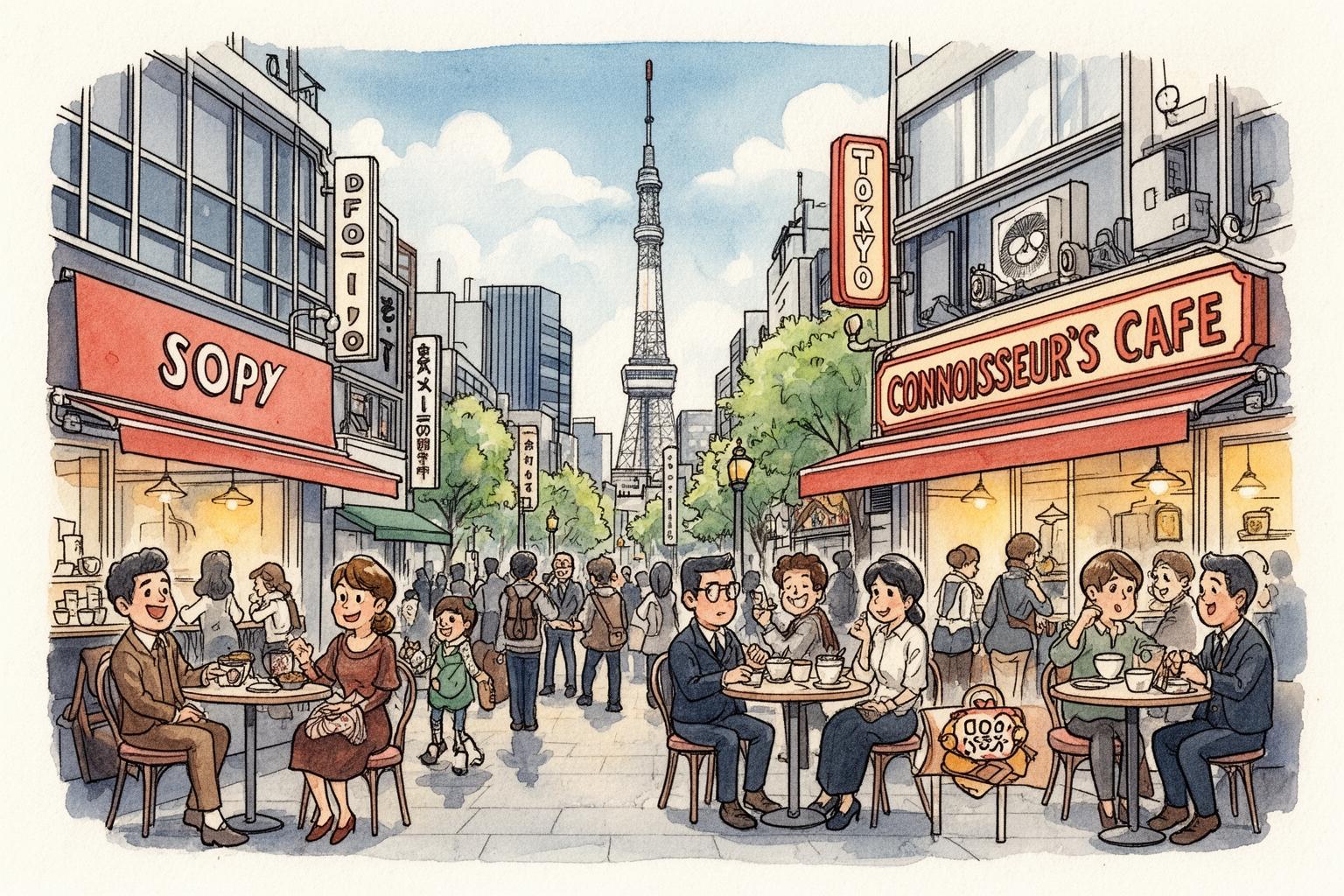
Alright, it’s time to get serious. For all the coffee purists out there—those who see coffee not merely as a drink but as an art form—we’re heading to the glamorous district of Ginza. Yet our destination is worlds apart from the dazzling department stores and luxury boutiques. Tucked away on a side street is Café de l’Ambre, a place best described as a temple dedicated to coffee. This is no casual, cozy Junkissa; it is a true pilgrimage site. Established in 1948, Café de l’Ambre was the lifelong passion project of its founder, the legendary Ichiro Sekiguchi, who presided over it until his passing at the remarkable age of 103. His unwavering devotion to the coffee bean permeates every corner of the establishment. The philosophy here is simple yet profound: coffee, and only coffee. There is no food on the menu—no Napolitan, no toast, no parfaits. Milk and sugar are not readily available on the counter, though you may request them. The focus is entirely, almost religiously, on the pure, unadulterated taste of the coffee itself. What truly distinguishes L’Ambre is its obsession with aged coffee beans. Long before “single-origin” became a trend, Sekiguchi-san sourced high-quality beans worldwide and aged them in-house. On the menu, you might encounter beans dating back to the 1970s or even earlier. Why age coffee? Much like wine, aging, when done properly, mellows the acidity, softens harshness, and develops deep, complex, and uniquely rich flavors. It’s a rare and captivating approach to coffee you are unlikely to find anywhere else. The atmosphere inside is intense and immersive. The space is long, narrow, and dimly lit, with walls stained brown from decades of coffee roasting. The air is thick with the potent aroma of freshly ground and brewed beans. The best spot is at the long wooden counter, where you can watch the baristas, moving with the precision and grace of surgeons, perform their craft. They employ the nel drip (cloth filter) method, a meticulous process demanding great skill to master. The menu can seem intimidating, a lengthy list of beans with various origins, ages, and flavor profiles. Don’t hesitate to ask for a recommendation. The staff are experts—simply describe what you usually enjoy, whether bitter, acidic, fruity, or earthy, and they will guide you to the perfect cup. Visiting Café de l’Ambre is far from a casual social outing. It is a meditative experience—a place to come alone, to sit in quiet reverence, and have your perception of coffee utterly transformed. For any true lover of the bean, a visit to Ginza is incomplete without paying homage to this extraordinary institution.
Showa Gorgeous in Ueno: Galant
After the intense, scholarly atmosphere of our earlier stops, let’s conclude our tour on a note of pure, unfiltered fun. We’re heading to Ueno, a lively hub famous for its expansive park, world-class museums, and the vibrant energy of the Ameya Yokocho market. At the heart of it all is Galant, a Junkissa that captures the glamorous, slightly kitschy charm of the Showa era. While other Junkissa evoke quiet melancholy, Galant celebrates faded glory. Opened in 1977, during the later Showa years, it perfectly reflects the confident, boom-time aesthetic. This place is truly a feast for the eyes. The décor is the main attraction—a stunning fusion of textures and styles. Look up, and you’ll find ornate, glittering chandeliers that wouldn’t look out of place in a European ballroom. The walls are a vibrant mosaic of patterned tiles, dark wood, and textured stucco. Plush, dark leather booths provide seating, while a dramatic spiral staircase commands the center of the room. It feels less like a quiet coffee shop and more like the set of a 1970s spy thriller or a vintage yakuza film. The vibe at Galant is always lively. Thanks to its prime location near Ueno Station and the Ameyoko market, it’s a constant bustle of shoppers taking breaks, local old-timers enjoying their daily coffee, and tourists admiring the retro décor. This makes it an ideal spot for people-watching. Grab a window booth and watch the vibrant chaos of Ueno unfold before you. The menu is a greatest-hits collection of Junkissa classics, all served with playful indulgence. This is the perfect place to order that towering Chocolate Parfait you’ve been craving—a magnificent layering of ice cream, whipped cream, chocolate sauce, and fruit in a tall, elegant glass. Or perhaps you’re in the mood for the iconic green Melon Cream Soda, a fluorescent, fizzy delight crowned with a perfect scoop of vanilla ice cream. They also offer a full food menu featuring favorites like Omurice (omelet rice) and, naturally, Napolitan spaghetti. Galant isn’t for quiet, deep reflection. It’s a place to embrace the lively, slightly gaudy spirit of a bygone era. It’s fun, occasionally loud, and unapologetically, wonderfully retro. After a long day exploring the vast grounds of Ueno Park or immersing yourself in art at the Tokyo National Museum, sinking into one of Galant’s leather booths with a sweet treat is the perfect way to rest your feet and recharge. It’s a glorious, glittering tribute to the flamboyant spirit of late-Showa Tokyo.
Junkissa 101: Your Cheat Sheet for a Vibe Check
Ready to dive into the world of Junkissa? That’s the spirit! To ensure your experience is a perfect 10/10, here’s a handy cheat sheet of pro tips and cultural etiquette. Think of this as your Junkissa 101, helping you navigate these timeless spaces like a local.
Cash is King
This is a major point. Many Showa-era establishments have blissfully avoided the digital age, meaning credit cards and sometimes even digital payment apps aren’t accepted. It’s a cash-only environment. Always make sure to carry enough yen to cover your bill. This adds to the charm, encouraging you to slow down and enjoy the simple, analog act of paying with physical money.
The Smoking Section
This is an essential detail that can be a deal-breaker for some. The Showa Era was a smoker’s paradise, and many Junkissa have maintained that tradition. Some offer designated smoking areas, while others allow smoking throughout the entire space. The faint, lingering aroma of tobacco is often considered part of the authentic ambiance. If you’re sensitive to smoke, it’s wise to check online reviews or peek inside before settling in. While some places have become non-smoking in recent years, it’s best to be prepared.
The Art of Ordering
While you can get by with English and gestures, knowing a few key phrases will enhance your experience and show respect. Here are the essentials: “Kōhī” (coffee, typically hot black coffee, usually the house blend), “Aisu Kōhī” (iced coffee), “Buraddo Orenji Jūsu” (blood orange juice), and of course the two classics: “Kurīmu Sōda” (cream soda, typically the iconic green melon flavor unless otherwise specified) and “Naporitan” (the legendary ketchup spaghetti). A simple “Sumimasen” (Excuse me) will get the staff’s attention, and “Arigatou gozaimasu” (Thank you very much) upon leaving is always appreciated.
Mindful Photography
In the Instagram era, it’s tempting to capture every beautiful detail of these aesthetically stunning spaces—and you should! But it’s important to be considerate. These are quiet, intimate places, not professional photo studios. It’s generally fine to take a quick, discreet photo of your coffee and nearby surroundings. However, avoid using flash, turn off any loud shutter sounds on your phone, and refrain from extensive photoshoots that might disturb other guests enjoying the peace. If you want to photograph the broader interior or the staff, always ask for permission first. Respect the sanctuary.
Take Your Time
This is perhaps the most important rule. Junkissa culture is the opposite of a modern grab-and-go coffee run. The whole point is to linger. You’re paying not just for coffee, but for the time and space to sit, think, read, write, or daydream. The staff won’t rush you out. It’s perfectly acceptable to order one drink and occupy a table for an hour or two. This is the ultimate luxury in fast-paced Tokyo: permission to be still. So put your phone away, open a book, or simply watch the world go by. Let the atmosphere soak into your soul. That is the true Junkissa experience.
A Final Sip
Exploring Tokyo’s Junkissa offers much more than a good cup of coffee. It’s about discovering hidden gateways to the past, tucked within an endlessly modern city. These establishments are more than cafes; they are treasured cultural heritage sites, lovingly maintained by their dedicated Masters. They serve as living museums filled with the stories and spirits of millions of conversations, ideas, and quiet moments that have unfolded within their walls. They provide a profound glimpse into a different Japan—a slower, more deliberate, and perhaps more romantic way of life. This list is just a starting point, highlighting a few of my personal favorites tested over time. The real magic lies in the thrill of discovery. I encourage you to wander unfamiliar streets, peek through unassuming doors, and find your own special Junkissa. Nearly every neighborhood has one, patiently waiting with velvet seats and siphon brewers. Finding these quiet corners of history is one of the most rewarding experiences you can have in Tokyo—a beautiful reminder that even at the heart of the future, history is always brewing just beneath the surface.