What’s up, world-travelers! It’s Sofia, and today we’re diving headfirst into the electric, chaotic, and absolutely iconic heart of Tokyo: Shibuya Crossing. If Tokyo is a living, breathing entity, then Shibuya Crossing is its wild, untamable, and relentlessly pumping heart. You’ve seen it in movies, you’ve seen it all over your Insta feed, but let me tell you, nothing—and I mean nothing—prepares you for the sheer sensory explosion of experiencing it in real life. This isn’t just a place where streets meet; it’s where a million different stories, styles, and energies collide every single day in the most beautifully organized chaos you’ll ever witness. It’s a tidal wave of humanity set against a backdrop of towering screens that splash neon dreams across the sky. Standing on the edge, waiting for the lights to change, feels like you’re on the precipice of a major pop-culture event, and when that little green walking man lights up, you become part of the spectacle. It’s more than an intersection; it’s a performance, a statement, and the ultimate Tokyo vibe check. Getting ready to jump into the world’s most famous scramble? Bet. Let’s get this bread and figure out how to navigate this legendary spot like a pro.
After experiencing the electric chaos of Shibuya, you might want to explore another iconic Tokyo district known for its unique themed cafes in Akihabara.
The Vibe Check: What is Shibuya Crossing, Even?
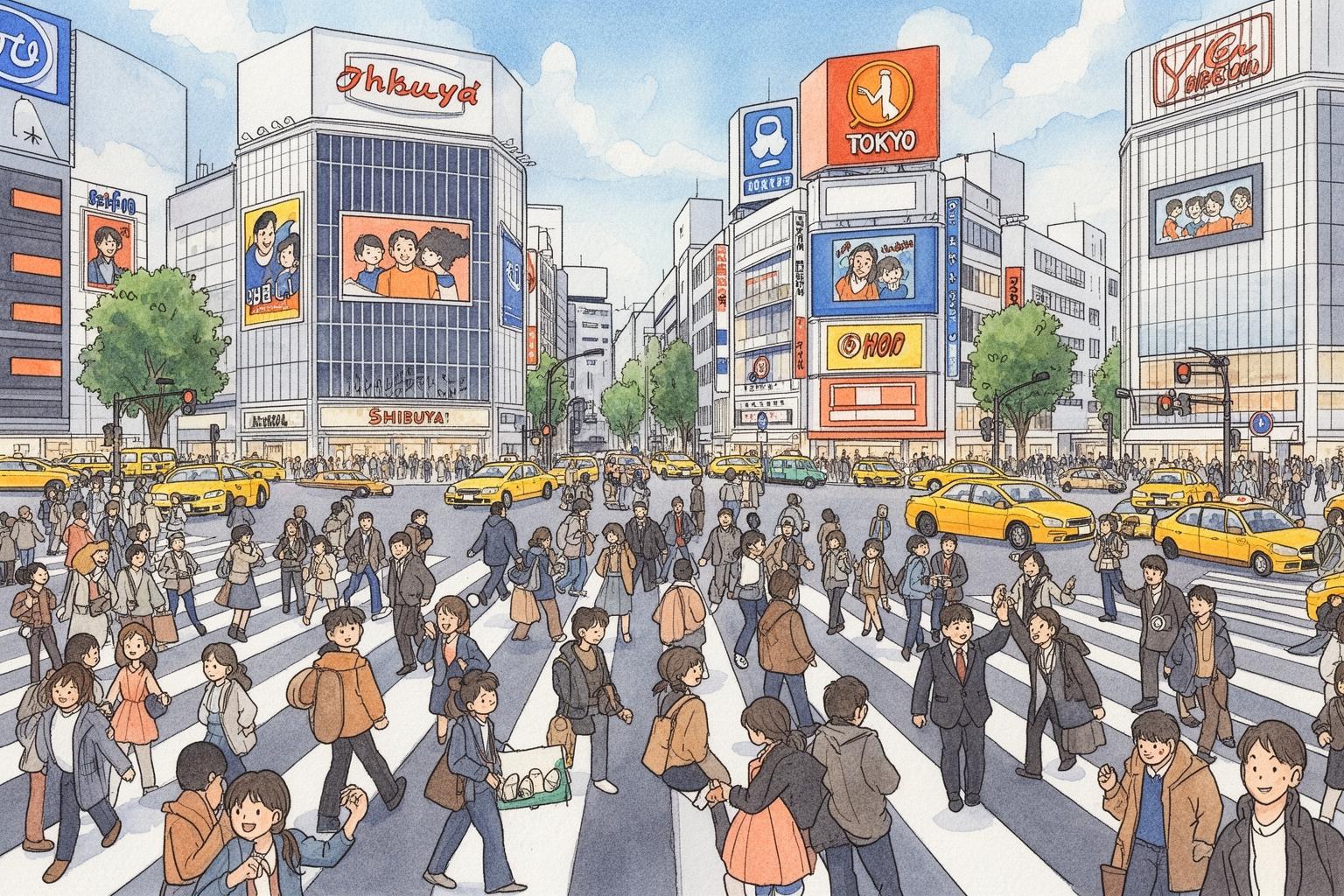
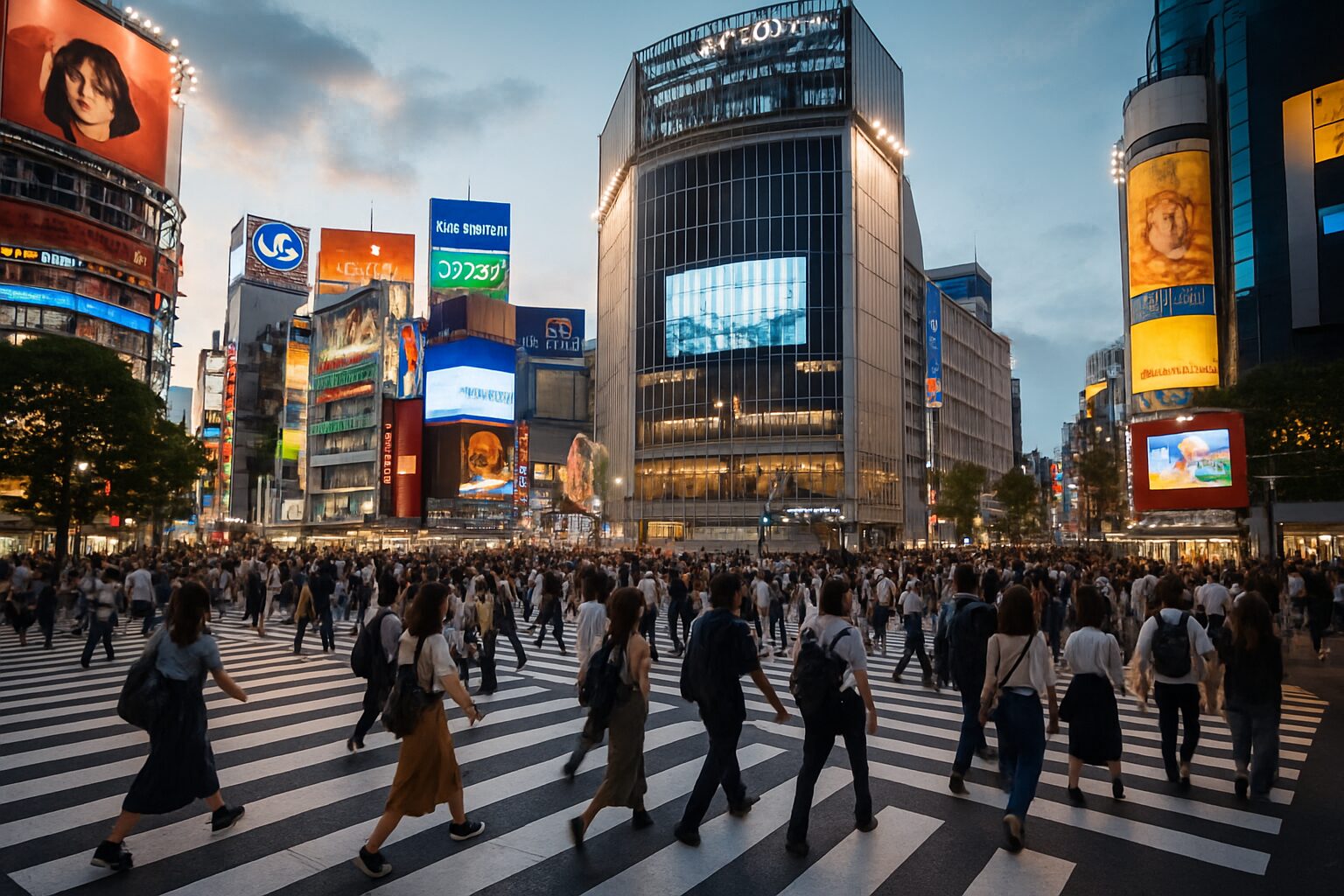
Alright, let’s break it down. At its core, Shibuya Crossing is a huge intersection outside Shibuya Station, one of Tokyo’s busiest transit hubs. What makes it such a unique experience is the “scramble” format. When the traffic lights turn red for cars, they simultaneously turn green for pedestrians in all directions. This means you can either walk straight or cut diagonally across the entire intersection. For about 45 seconds, it transforms into a pedestrian-only zone. And by pedestrian zone, I mean a flood of people. On a busy day, up to 3,000 people can pour into the crossing at once. It might sound chaotic, right? But the amazing part is, it works. It’s a mesmerizing dance of people weaving around each other, a collective flow where everyone seems to instinctively know where they’re headed. There are no collisions, no pushing—just a smooth, continuous river of humanity.
The atmosphere is electric. You’re surrounded by enormous video screens that wrap around the buildings, flashing ads for the latest J-pop artists, fashion labels, and tech gadgets. The sounds form a symphony of city life: the distinctive jingles of the crosswalk signals, the rumble of trains arriving at the station, overlapping chatter from thousands of conversations, and bass-heavy music spilling out from the iconic Shibuya 109 building. It’s a full sensory overload in the best way. This place is so visually striking that it’s become a popular filming location to represent modern Tokyo. It has had starring roles in movies like Lost in Translation, where you see a quiet, contemplative glimpse of the chaos, and The Fast and the Furious: Tokyo Drift, where it serves as the backdrop for some wild driving scenes. It’s a cultural landmark that perfectly captures the energy of contemporary Japan: high-tech, densely populated, incredibly efficient, and endlessly fascinating.
A Trip Back in Time: The OG Shibuya Story
Before becoming the neon-lit spectacle we know today, Shibuya was a much quieter place. Its transformation into a global icon is a story in itself, centered around the station. But you can’t discuss Shibuya’s history without sharing the tale that will truly bring tears to your eyes: the legend of Hachiko. Seriously, have some tissues ready. Hachiko was an Akita dog who belonged to Hidesaburo Ueno, a professor at the University of Tokyo, during the 1920s. Every day, Hachiko accompanied his owner to Shibuya Station and waited patiently to greet him upon his return from work. It was their daily ritual. However, in 1925, Professor Ueno suffered a cerebral hemorrhage at work and tragically passed away, never returning to the station. In an incredible act of loyalty, Hachiko continued to visit the station every day at the exact time his owner’s train was due, waiting for a friend who would never come back. This continued for nearly ten years, making him a familiar figure to local commuters who fed and cared for him. His story of steadfast devotion became a national sensation and a symbol of loyalty and faithfulness in Japan. Today, the Hachiko Memorial Statue, located right outside the Shibuya Station exit named after him, stands as one of Tokyo’s most popular meeting spots. It’s the emotional heart of this futuristic district, a touching reminder of a simple, beautiful story amid the bustling rush.
From that point, Shibuya’s growth exploded. The introduction of various train lines transformed the station into a major transportation hub. Yet, its reputation as a youth culture center was solidified in the 1970s and ’80s. This era saw the opening of the iconic Shibuya 109 building, which became the undisputed mecca for a new wave of youth fashion. This venue gave rise to the gyaru subculture, characterized by tanned skin, bleached hair, and dramatic makeup, boldly challenging traditional Japanese beauty standards. For decades, 109 was the epicenter of trends, with its charismatic shop staff, known as charismaclerk, becoming fashion icons themselves. Although trends have evolved, Shibuya continues to be a place where young people gather to express themselves, to see and be seen. It’s a living museum of street style, showcasing every subculture imaginable—from gothic Lolita to hypebeast streetwear—all thriving within a few city blocks. Shibuya’s history isn’t just about buildings and train lines; it’s about generations of youth who have made it their own, continually reinventing its identity and keeping its energy endlessly youthful.
Conquering the Crossing: Your Main Character Moment
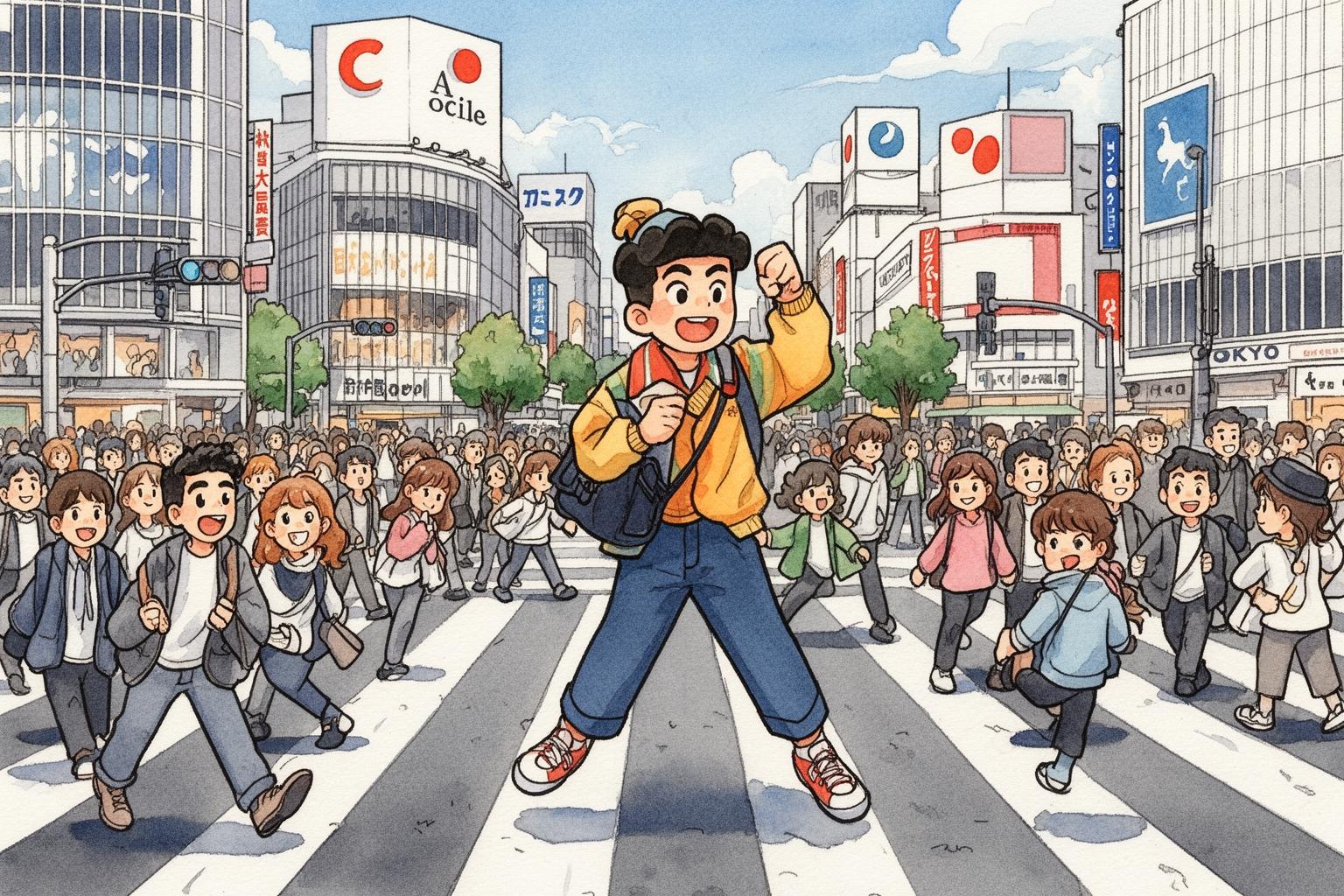
Alright, it’s time. You’ve arrived and are ready to step into the scramble for your main character moment. Here’s how to do it right.
The Prep: Mastering the Arrival
First things first, you need to get here. Shibuya Station is a beast—a sprawling maze of JR lines, subway lines, and private railways. It can be overwhelming for first-timers. The trick is to know your exit. The one you want is the Hachiko Exit (Hachiko-guchi). Keep following the signs for it relentlessly. As you near, you’ll feel the energy shift. The crowds thicken, the sounds grow louder, and then you burst out of the station—and BAM—you’re there. The crossing stretches out before you. Take a moment by the Hachiko statue to soak it all in. Watch a cycle or two of the lights changing to get a sense of the rhythm of the place.
The Countdown: The Anticipation Builds
Find your spot on the curb. You’ll notice everyone else doing the same, a crowd swelling like water behind a dam. You’ll hear the iconic jingle signaling the walk sign is about to appear. Each crossing in Japan has its own jingle, and Shibuya’s is legendary. The traffic lights for cars all turn red, and for a brief moment, there’s an eerie silence—the calm before the storm. The anticipation is electric. You look across at the other groups gathering, ready to surge toward you. It’s like a movie scene where two armies prepare to charge. Your heart quickens. This is it.
The Walk: Joining the Human River
Then, the little green walking figures light up, and the world bursts into motion. Don’t hesitate. Step off the curb and flow with the crowd. The feeling is surreal. You’re enveloped by hundreds—maybe thousands—of people, yet somehow you feel in your own bubble. You can cross straight ahead or take the famous diagonal path cutting through the heart of the intersection. My advice? Go diagonal. It’s the full, raw Shibuya experience. Just keep walking at a steady pace. Don’t stop suddenly to take a photo—that’s rookie number one and will cause a human traffic jam. People have an incredible ability to flow around each other, so just trust the process. Look up at the giant screens, take in the stunning diversity of people sharing this moment, and feel the energy surge through your veins. The crossing lasts only about 45 seconds to a minute, but it feels like a whole experience packed into that brief time.
The Aftermath: The View from the Other Side
Once you reach the other side, turn around and watch the intersection you just conquered. See the last few stragglers cross before the pedestrian lights start flashing, signaling the end of the scramble. Then, the traffic lights turn green for cars, and a stream of buses, taxis, and cars glide through the now-empty street. The contrast is astonishing. The intersection transforms from chaotic pedestrian plaza to a normal city street in the blink of an eye. You did it. You’ve officially taken part in the world’s most famous human ballet.
Level Up Your Insta Game: The Best Views of the Scramble
Walking the scramble is one thing, but capturing its grand scale is another. For that perfect, jaw-dropping photo or time-lapse, you need to get elevated. Shibuya is packed with incredible vantage points, from the ultra-famous to the under-the-radar hidden gems. Here’s my personal ranking of the best spots to capture that iconic shot.
The Classic: Starbucks at Tsutaya Building
This is hands-down the most iconic view of Shibuya Crossing, and for good reason. The Starbucks on the second floor of the Tsutaya building boasts a massive wall of windows that looks directly out over the entire intersection. It’s the quintessential shot you’ve seen countless times. The atmosphere here is always buzzing. It’s perpetually packed with people from all over the world, all competing for one of the prized window seats.
How to Slay It: Scoring a seat here is competitive. Don’t expect to walk in and find an empty window spot easily. The best approach is to purchase your drink (a Japan-exclusive Frappuccino, naturally), then patiently wait nearby. Be respectful, but be ready to snap up a spot the moment one opens. Early weekday mornings offer a slightly better chance. The view is iconic any time of day, but it truly shines at night when neon lights reflect off the wet pavement on a rainy evening. It’s pure cinematic magic.
The Boujee View: Shibuya Sky
For the ultimate, premium panoramic view, Shibuya Sky is the place to be. This open-air observation deck atop the Shibuya Scramble Square skyscraper soars 230 meters above the crossing. The view is absolutely breathtaking. You see not just the crossing, but the entire city sprawled out in every direction. On a clear day, you can even spot Mount Fuji. The crossing looks like a tiny, intricate pattern of ants scurrying below.
How to Slay It: This experience comes with a price (tickets are cheaper if you book online ahead), but it’s 100% worth it. The best time to visit is just before sunset. You get to see the crossing in daylight, watch the sky explode with color as the sun sets, then witness city lights flicker on one by one, transforming Tokyo into a glittering galaxy. The rooftop features stunning glass corners called the “Sky Edge,” perfect for photos that make it look like you’re floating above the city. There are also comfy hammocks for cloud-watching and a chic indoor bar for enjoying a cocktail with the view. It’s a full-on luxury experience.
The Rooftop POV: MAGNET by SHIBUYA109
For a more affordable and accessible rooftop view, head to the MAGNET by SHIBUYA109 building, next to the main 109 tower. Its rooftop, “Mag’s Park,” includes an observation deck known as the “Crossing View.” It’s not as high as Shibuya Sky, but its lower vantage point offers a more intimate and dynamic view of the scramble. You’re close enough to see crowd details and really feel the energy.
How to Slay It: There’s a small entrance fee, but it’s very reasonable. The highlight is the dedicated photo service, with a camera set up to take a wide-angle shot of you with the entire crossing behind — perfect for group photos. The deck is enclosed by a chain-link fence, which can be tricky for clean shots, but with some creativity in angles, you can get fantastic, gritty, urban-style photos. It’s a great, less-crowded alternative to the Starbucks chaos.
The Secret Freebie: Shibuya Mark City Walkway
This is my favorite insider tip for a great, totally free view. A pedestrian walkway connects Shibuya Station with the Shibuya Mark City complex. This elevated, glass-enclosed tunnel runs right alongside the crossing, offering a perfect side-on perspective. It’s a transient space—mostly used by commuters—so it’s rarely crowded with tourists.
How to Slay It: To find it, look for signs to the Keio Inokashira Line inside Shibuya Station; the walkway is part of that route. You can stand by the large windows and watch several rounds of the scramble undisturbed. It’s an ideal spot for setting up a tripod and shooting a long time-lapse video. The glass may produce some glare, so try cupping your lens to reduce reflections. It’s a relaxed, no-fuss location that feels like a true local secret.
The Chic Alternative: L’Occitane Cafe
Right beside the Tsutaya building is the L’Occitane store, which features a lovely cafe on its upper floors. It offers a very similar view to Starbucks but with a totally different vibe. It’s much quieter, more spacious, and has a chic, French provincial atmosphere. It’s perfect for escaping the crowds while still enjoying the view.
How to Slay It: The menu is more extensive than Starbucks, with proper meals, desserts, and herbal teas. It’s a bit pricier, but you’re paying for the ambiance and comfort. It’s an excellent spot for a relaxed lunch or afternoon tea break with a five-star view. The windows are huge, and because it’s less well-known than its neighbor, getting a good seat is generally easier. It’s my go-to when I want the view without the hustle.
Beyond the Scramble: Unlocking Shibuya’s Side Quests
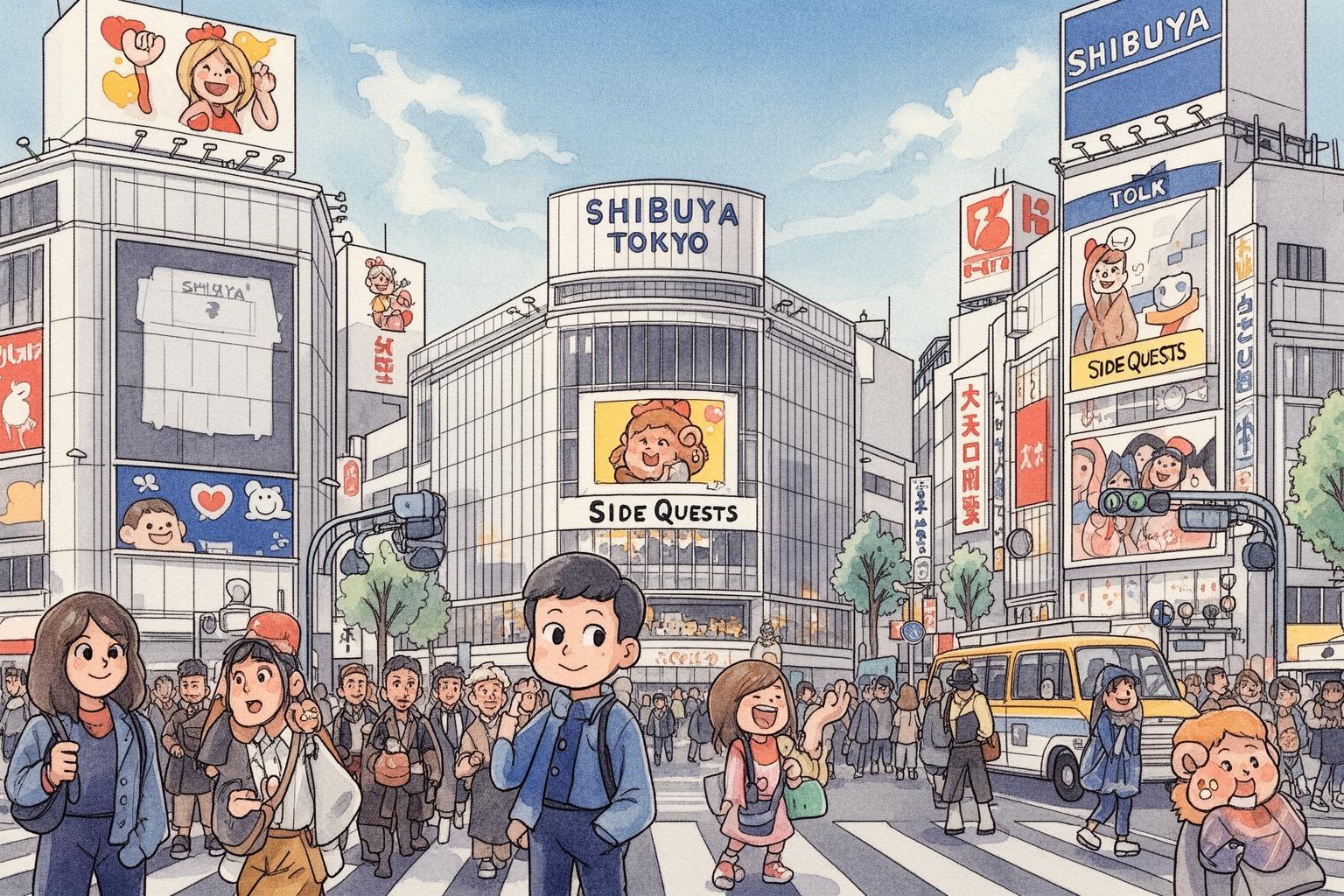
Shibuya is far more than just its iconic intersection. That famous crossing serves as the gateway to an expansive district brimming with some of Tokyo’s best shopping, dining, and entertainment. After taking in the bustling crowds, venture into the surrounding streets to uncover the true heartbeat of this vibrant neighborhood.
Retail Therapy Realness
Shibuya is a shopper’s paradise, catering to tastes ranging from high fashion to quirky souvenirs and everything in between. Each street and building has its own distinct character.
Shibuya 109
This cylindrical tower stands as the unmistakable symbol of Shibuya’s youth fashion culture. Stepping inside feels like entering a completely different world. The music blares, the styles are daring, and the energy is contagious. Filled with dozens of boutiques showcasing the latest trends for young Japanese women, it’s worthy of a visit even if the fashion isn’t your style, just to experience the vibe. The enthusiastic and fashion-forward staff alone are an attraction.
Shibuya Parco
Reopened in 2019 after extensive renovation, Shibuya Parco is the stylish, more refined counterpart to 109. This beautifully designed complex combines luxury brands, innovative Japanese designers, and pop culture bliss. The sixth floor is a must-see for geeks and gamers, hosting the Nintendo Store, Pokémon Center Shibuya (featuring a life-sized Mewtwo in a tank!), and the Shonen Jump Store. The basement offers a lively and delicious food hall, while the rooftop garden provides a relaxing retreat.
Center Gai (now Basketball Street)
This bustling pedestrian street extends from the crossing and is packed with fast-fashion outlets, drugstores, arcades, and eateries. Always crowded and buzzing, it’s the perfect spot for people-watching and immersing yourself in the pulse of young Tokyo.
The Mega Stores
Shibuya boasts some of Tokyo’s most impressive flagship stores. You can’t miss Mega Don Quijote, a sprawling discount store selling everything imaginable—from Japanese snacks and unusual Kit Kat flavors to electronics, cosmetics, and costumes. It’s a chaotic labyrinth and a quintessential Japanese experience. Music enthusiasts should visit the nine-story Tower Records, a sanctuary for physical media with an extensive collection of CDs and vinyl, plus a café and event space. For fans of design and stationery, Loft and Tokyu Hands offer multiple floors filled with high-tech pens, beautiful notebooks, quirky home goods, and DIY craft supplies. It’s easy to lose track of time in these stores.
Fueling Up: Where to Eat & Drink
Exploring all day will surely work up an appetite. Fortunately, Shibuya is a food lover’s paradise, offering countless options for every palate and budget.
Quick & Iconic
For a classic, simple Japanese meal, ramen or sushi are always reliable choices. Ichiran Ramen is famous for its “ramen focus booths,” where you sit in a private cubicle to savor your tonkotsu ramen without distractions. You customize everything—from noodle firmness to broth richness—on a small form, ensuring the perfect bowl tailored just for you. For a playful and futuristic sushi dining experience, try Uobei, where you order via tablet and sushi arrives on a miniature bullet train conveyor belt. It’s affordable, fast, and highly entertaining.
Deep Dive Dining: Nonbei Yokocho
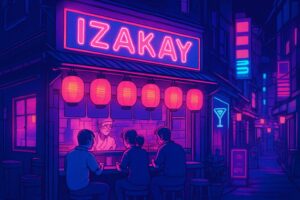
For a change of scene, step away from the neon lights to find Nonbei Yokocho, or “Drunkard’s Alley.” This tiny, atmospheric alley near the train tracks feels like stepping back into post-war Japan. It’s lined with quaint, lantern-lit izakayas, some seating only five or six people. Yakitori—charcoal-grilled chicken skewers cooked right before you—is the main attraction here. The ambiance is smoky, intimate, and deeply authentic, making it an ideal spot to enjoy a beer, a few skewers, and friendly conversation with locals.
Cafe Hopping & Street Snacks
Shibuya overflows with fantastic cafés, from large chains to tiny artisanal coffee shops tucked away in side streets. It’s also famous for trendy street snacks. You’ll find numerous stalls selling Harajuku-style crepes (filled with treats like strawberries, cream, cheesecake, and ice cream), takoyaki (grilled octopus balls), and bubble tea in every imaginable flavor. Grabbing a snack and settling down to watch the crowds is a quintessential Shibuya pastime.
The Night is Young: Shibuya After Dark
When night falls, Shibuya’s energy intensifies. It’s one of Tokyo’s premier nightlife hotspots, offering something for everyone.
Karaoke Culture
Karaoke in Japan is a unique experience. Instead of singing in front of strangers, you rent private rooms for your group. Major chains like Karaoke Kan and Big Echo have large venues in Shibuya, where you can rent rooms by the hour and often opt for all-you-can-drink packages. It’s an ideal way to unwind and live out your J-pop star dreams.
Music & Clubbing
Shibuya is a vital center for music, home to legendary clubs like WOMB, Contact Tokyo, and Sound Museum Vision, attracting world-class DJs spinning everything from techno and house to hip-hop. Numerous smaller “live houses” showcase emerging Japanese rock and indie bands, offering a great opportunity to experience the local music scene.
Arcade Adventures
Japanese arcades, or “game centers,” are huge fun. Spots like Taito Station are multi-level playgrounds filled with the latest rhythm and fighting games, plus an overwhelming number of UFO catchers (claw machines) featuring adorable prizes. They’re loud, colorful, and enjoyable even for those who aren’t hardcore gamers.
The Ultimate Shibuya Cheat Sheet: Pro Tips for First-Timers
Navigating Shibuya can feel overwhelming, but with a few tips, you’ll be moving through like a local in no time.
Timing is Everything
The crossing is impressive around the clock, but the atmosphere shifts significantly depending on when you visit. For the largest crowds and the most frenetic energy, head there on a Friday or Saturday night. The sea of people is absolutely massive. For a somewhat more manageable yet still impressive vibe, a weekday evening works well. Daytime offers a different appeal, allowing you to better appreciate the architecture and street style. And a rainy day is a hidden gem: the scramble turns into a swirling sea of colorful umbrellas, while the wet streets reflect neon lights beautifully, perfect for striking photos.
Navigating the Labyrinth
I can’t emphasize this enough: Shibuya Station is vast and confusing. Before you arrive, check a map and identify which exit you need. The Hachiko Exit is your main target for the crossing, but other exits lead to different parts of the neighborhood. Don’t hesitate to use Google Maps on your phone and look for the yellow signs indicating key exits and train lines. Allow extra time if you need to catch a specific train.
Scramble Etiquette 101
There are some unspoken rules for the scramble. The most important is to keep moving. Avoid stopping in the middle of the intersection for selfies, as it interrupts the flow and is generally frowned upon. If you want a photo of yourself in the crossing, have a friend on the sidewalk take it or record a quick video as you walk. Stay aware of your surroundings but also trust the crowd—people will naturally move around you. Just go with the flow.
Cash is Still Kinda King
Though Tokyo is becoming more card-friendly, Japan remains largely a cash-based society. Major department stores, restaurants, and train stations accept cards, but smaller shops, ramen spots, and izakayas in areas like Nonbei Yokocho often take cash only. It’s wise to carry a good amount of yen just in case.
The Real Shibuya: More Than Just a Crossing
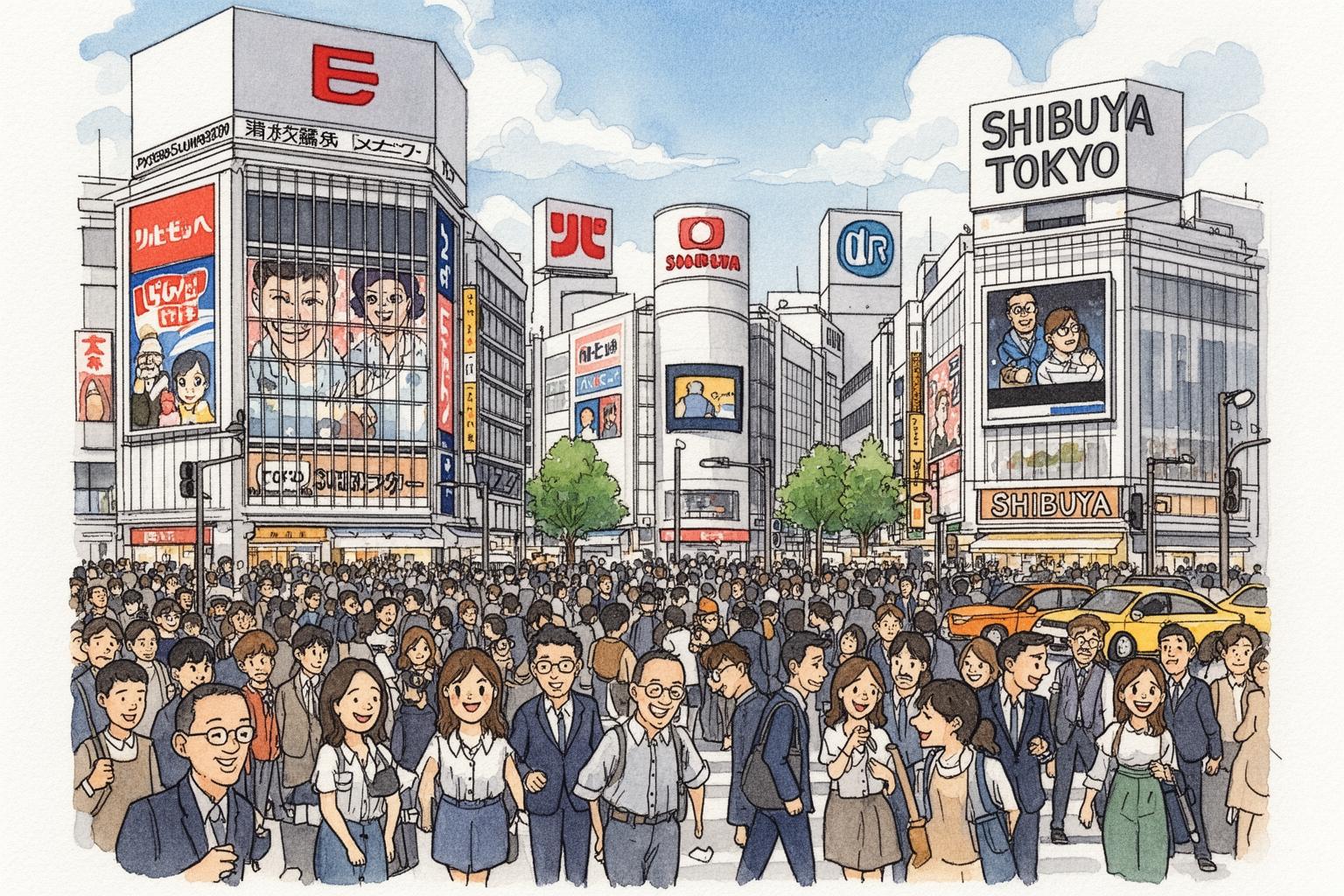
After spending so much time here, you begin to realize that Shibuya Crossing is more than just a place; it’s a living emblem of Tokyo itself. It embodies the city’s relentless drive forward. The skyline surrounding the station is constantly changing, with old buildings being demolished and shiny new skyscrapers rising in their place. It’s a neighborhood that refuses to remain static, always reinventing itself and staying at the forefront of what’s next.
Yet, it is also a place of beautiful harmony. It is where the heartfelt loyalty of Hachiko’s story coexists with the fast-moving, ever-changing world of youth trends. It’s a place where thousands of people move together in a chaotic dance without ever colliding. It perfectly represents Japanese society: a profound respect for order and community existing within a framework of intense, high-energy urban life. The crossing is not merely something to observe; it’s something to experience. It’s the energy of a million dreams, ambitions, and destinations converging in one spectacular, fleeting moment, again and again.
Your Shibuya Story Starts Now
Here it is—the ultimate insider’s guide to fully mastering your Shibuya experience. It may seem overwhelming from afar, but trust me, immersing yourself in the heart of the scramble is one of the most thrilling and memorable experiences you can have in Tokyo. It’s a place to connect with the vibrant, pulsating energy of one of the world’s greatest cities. So charge your camera, choose a standout outfit, and get ready to become part of the scene. Find your favorite viewpoint, wander through the maze of backstreets, savor some incredible food, and let the amazing energy of Shibuya sweep you away. Your Tokyo adventure awaits, and its epicenter is right here. Go create some magic—you’ll love it.