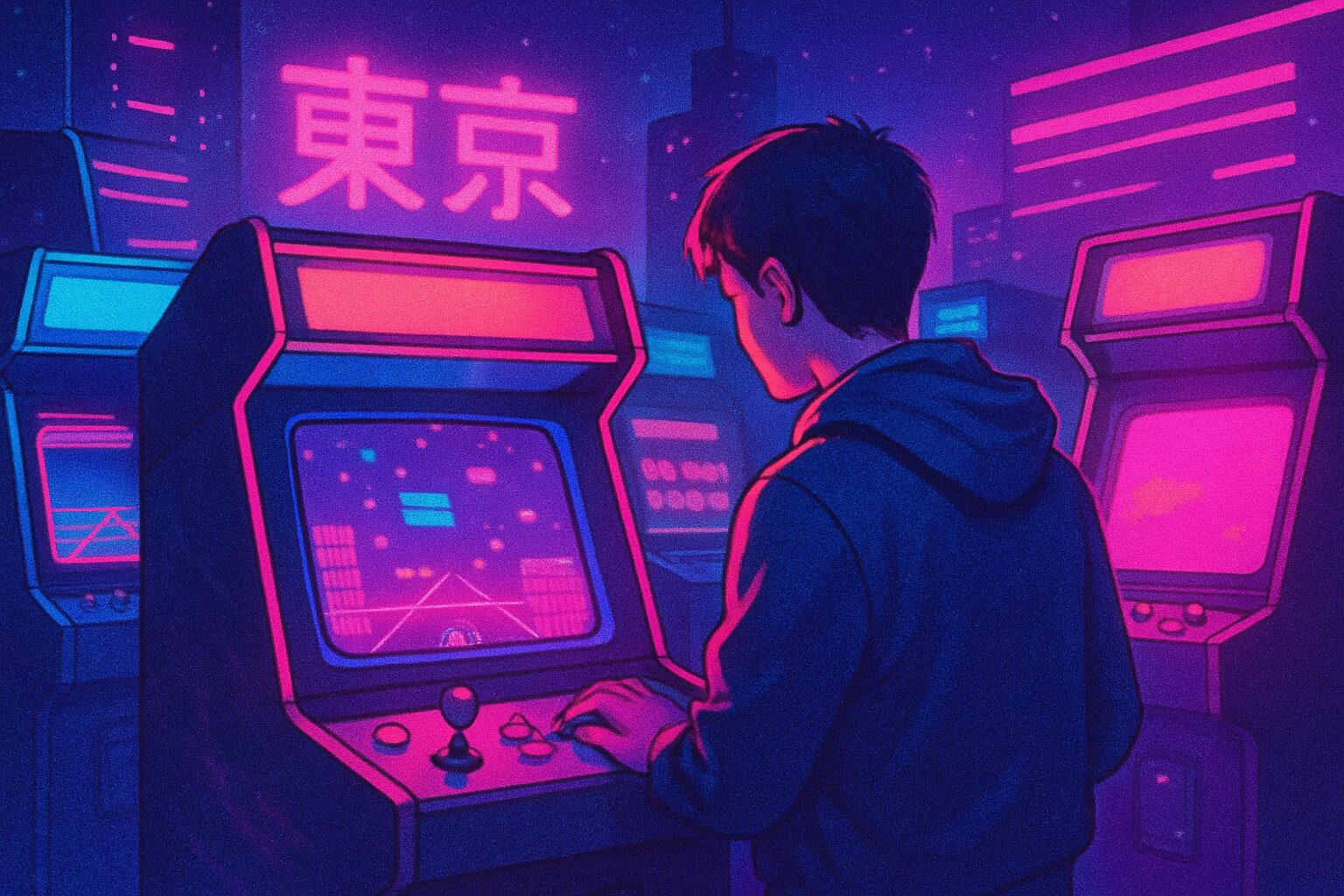
Alright, let’s get real for a sec. You’ve probably seen pics of Japan, right? The serene temples, the next-level food, the cherry blossoms that look like they’ve been ripped straight from an anime. And that’s all legit, it’s a whole vibe. But what if I told you there’s another side to this country, a pulsating, neon-drenched dimension where the soundtrack is a chaotic symphony of electronic beats and clattering coins? A place where you can become a hero, not by climbing a mountain, but by climbing a leaderboard. I’m talking about the Japanese arcade, or as the locals call it, the ge-sen (game center). Forget everything you think you know about those sticky-floored arcades from your childhood. This is a different beast entirely. It’s a cultural institution, a social hub, and for some, a legit training ground. Stepping into a major Tokyo arcade is like being isekai’d into a video game world. It’s sensory overload in the best way possible—a full-on JRPG-style adventure waiting to happen. You don’t just play games here; you grind, you level up, you pick your class, and you embark on a quest for the ultimate prize: the high score. It’s where salarymen, students, and even families like mine come to blow off steam, test their skills, and be part of something electrifying. This isn’t just a place to kill time; it’s a place to feel alive. So, grab your wallet full of 100-yen coins, because we’re about to log in and start our first quest in the heart of Electric Town, Akihabara.
After conquering the arcades, continue your journey into Tokyo’s vibrant nightlife by exploring the city’s atmospheric izakayas.
The Vibe Check: What’s a Japanese Arcade Even Like?
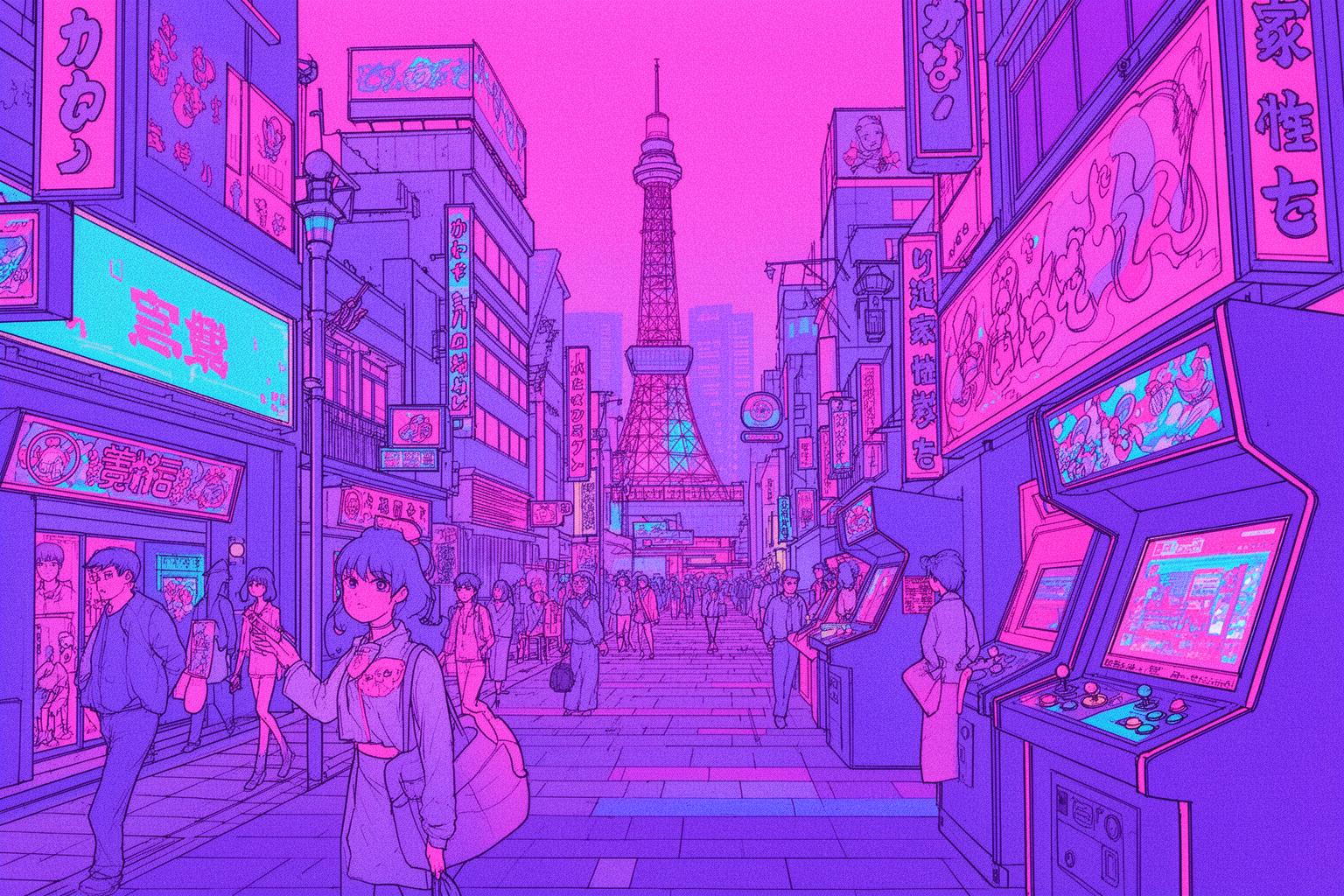
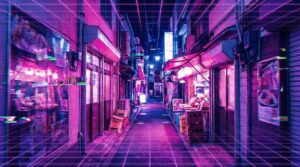
First and foremost: the vibe is everything. The moment those automatic doors slide open, you’re met with an overwhelming wall of sound. It’s not just noise; it’s a carefully crafted chaos. Every machine competes for your attention, blasting its own unique theme song, attract mode dialogue, and explosive sound effects. All of it merges into a singular, high-energy hum that pulses right through your chest. It’s the anthem of fun. Then there are the lights—neon signs, flashing LEDs, and the mesmerizing glow of countless screens—it’s like stepping into a cyberpunk city street. A distinct scent lingers in the air, a blend of electricity, clean plastic, and occasionally a faint trace of cigarette smoke from a designated corner, though thankfully those are becoming increasingly rare. Many modern arcades are completely non-smoking, which is a huge win for families.
Unlike the arcades I grew up with in Australia, mostly the domain of teenagers on weekends, Japanese arcades are truly multi-generational. You’ll spot high school students in uniform absolutely crushing a rhythm game. A few machines away, a salaryman in a sharp suit executes flawless combos in a fighting game, his briefcase resting dutifully at his feet. Couples on dates try their luck at crane games, aiming to win giant plushies, while serious pros, who have clearly logged thousands of hours, focus intensely on their chosen machines. It’s a place of deep concentration. Watch the players on music games; many wear gloves to enhance their performance, their fingers a blur across the buttons. Observe the fighting game regulars, their faces calm, their inputs precise and deliberate. It’s more than a hobby; for many, it’s a craft they relentlessly strive to perfect. There’s a quiet respect among players, an unspoken acknowledgment of the dedication required to excel.
The layout itself invites exploration. Most arcades span multiple stories, with each floor feeling like a distinct world or a new level in your quest. The ground floor is almost always home to the loudest, most eye-catching machines: the crane games or UFO catchers. This serves as the welcome lobby, designed to lure you with its siren call of cute and collectible prizes. As you move upward, you’ll find different genres. One floor might be dedicated entirely to rhythm and music games, another to fighting games where you can hear smack talk and button mashing. Higher floors might host card games, racing simulators, or medal games—hybrids of slot machines and intricate mechanical devices. Some even feature a retro floor, a quiet sanctuary where the bleeps and bloops of 8-bit classics transport you back in time. It’s a vertical adventure, and the only way to experience it fully is by ascending floor by floor.
Choosing Your Class: A Guide to Arcade Game Genres
In any quality JRPG, the first step is choosing your character class. The ge-sen experience follows the same pattern. Will you be a button-mashing warrior, a graceful bard riding the rhythm, or a clever treasure hunter? There’s a playstyle for everyone. The variety is staggering, so let’s explore the main ‘classes’ available for your arcade journey.
The Rhythm Game Bard: Masters of Music and Motion
Without a doubt, this is one of the most captivating scenes in any Japanese arcade. The rhythm game area is a dazzling display of light, sound, and extraordinary coordination. Forget tapping on a plastic guitar; this is a whole different level. Players often bring their own gloves and towels, moving with precision and speed that’s truly impressive. They’re not just playing a game—they’re putting on a performance.
The Dance of the Hands: maimai and Chunithm
maimai machines are hard to miss—they resemble giant, futuristic washing machines with a circular touchscreen encircled by buttons. Players do more than tap; they slide, swipe, and slap the screen in a beautifully choreographed routine. Watching a pro is like witnessing a percussionist and dancer combined. Nearby, you’ll find Chunithm cabinets, which feature a flat touch-slider panel plus motion sensors overhead. Players slide their hands and also lift them to hit ‘air notes’ detected by sensors. This elegant, almost ethereal game demands a unique flow. The community is vast and welcoming, often encouraging spectators to share in the excitement of a flawlessly played song.
The Primal Beat: Taiko no Tatsujin
A true classic and perfect for beginners and kids, Taiko no Tatsujin (Taiko Master) is delightfully simple: hit the center of a big drum for a ‘don’ (red note) and the rim for a ‘ka’ (blue note). That’s it. Yet this simplicity is what makes it brilliant. It boasts an enormous song list—from J-Pop and anime themes to classical and video game tunes. Drum striking in time with the music is pure joy: loud, physical, and impossible not to smile at. My kids love it, and honestly, so do I. It’s both a full-body workout and a rhythm challenge.
The DJ Booth: Sound Voltex and beatmania IIDX
Enter the realm of serious audio wizards. These games simulate being a DJ or music producer. beatmania IIDX is a legendary series featuring a piano-like keyboard and a turntable, famous for its extreme difficulty and devoted fanbase. Sound Voltex (SDVX) adds analog knobs (lasers) to twist along winding paths on screen, alongside various button presses. These games prioritize lightning-fast finger dexterity and reading complex charts over physical movement. Players often display intense focus, eyes locked on cascading notes. It perfectly showcases the depth and complexity rhythm games can achieve.
The Fighting Game Warrior: The Arena of Honor
If rhythm games are concert halls, the fighting game section is a gladiatorial arena. The vibe is tense and laser-focused, where modern warriors prove their skills in digital combat. The relentless clicks of arcade sticks form a percussive soundtrack to the action. This culture is steeped in tradition and unspoken etiquette.
Central to the experience is the ‘winner stays on’ format. You drop your 100 yen coin on the machine’s dashboard to queue your challenge. When your turn comes, you face off against the reigning champion. It’s a simple yet dramatic system that sparks instant rivalries. Losing means stepping aside; winning lets you face the next contender. This raw, competitive thrill is something online play just can’t match.
You’ll find all the iconic titles here—latest Street Fighter, Tekken, and Guilty Gear installations among them. The competition is fierce. Veteran players have spent years mastering combos, frame data, and matchups. Watching two experts battle is like witnessing a blitz chess match, with every move calculated and every combo a bold statement. Don’t be discouraged! The community is often welcoming and eager to challenge newcomers. Though they won’t go easy, it’s part of the learning curve. For a truly intense experience, visit renowned fighting game arcades like HEY (Hirose Entertainment Yard) in Akihabara, a revered haven for the genre.
The Crane Game Treasure Hunter: The Art of the Claw
Step onto the first floor and enter the dazzling, chaotic world of UFO catchers. Likely the most accessible and frankly addictive part of any Japanese arcade, the sheer range of prizes is staggering. Forget plain teddy bears—here you’ll find high-quality, limited-edition anime figures, massive bags of exclusive snacks, quirky household goods, and huge, huggable plush toys. Many prizes are Japan-exclusive, making them perfect souvenirs.
This isn’t a game of luck, but of physics and strategy. Each machine is a puzzle. You must gauge the claw’s strength, prize position, and how other items are arranged. Often the goal isn’t to pick up the prize directly, but to nudge, roll, or push it toward the chute. It takes practice and a new mindset. My early tries were failures, but watching locals taught me tricks like hooking a tag, tilting the box, or bouncing the prize off a wall—a real eye-opener.
For families or beginners, my pro tip is to watch first. Learn from others and look for machines where prizes are near the edge—these ‘hot’ machines tend to pay out. Don’t hesitate to ask staff for help! If a prize gets stuck, they often reset or move it to an easier spot as a service, known as sa-bisu. It’s an incredibly fun way to pass the time, and the joy of seeing your prize drop into the chute is unbeatable. Walking out with a giant, goofy Kirby plushie you won yourself is a quintessential Japan arcade memory.
The Racing Game Pilot: The Need for Speed
The roar of engines and screeching tires often marks the racing game area. These aren’t your average sit-down racers, but immersive simulation pods. Games like Wangan Midnight Maximum Tune and Initial D The Arcade dominate. You sit in a realistic bucket seat, clutch a force-feedback steering wheel, and use a six-speed H-pattern shifter with pedals. Massive screens and booming sound make you feel like you’re tearing through the Shuto Expressway or winding mountain roads.
What ties these into the JRPG grind is the card system. You buy a special IC card (like Wangan Midnight’s Bana Passport) for a few hundred yen. This card acts as your driver’s license, garage, and save file. Each race earns points and lets you tune your car—upgrading the engine, changing wheels, adding aero parts, and customizing the paint. Progress is saved on the card for your next session. You can even race against ‘ghosts’—recordings of other players’ best runs. This system creates a deep sense of ownership and progression. You’re not just racing a single track; you’re on a long-term mission to build the ultimate street racer. It’s a brilliant mechanic that keeps you coming back, coin after coin, to keep grinding and leveling up your ride.
The Epicenters of Arcade Culture: Where to Grind
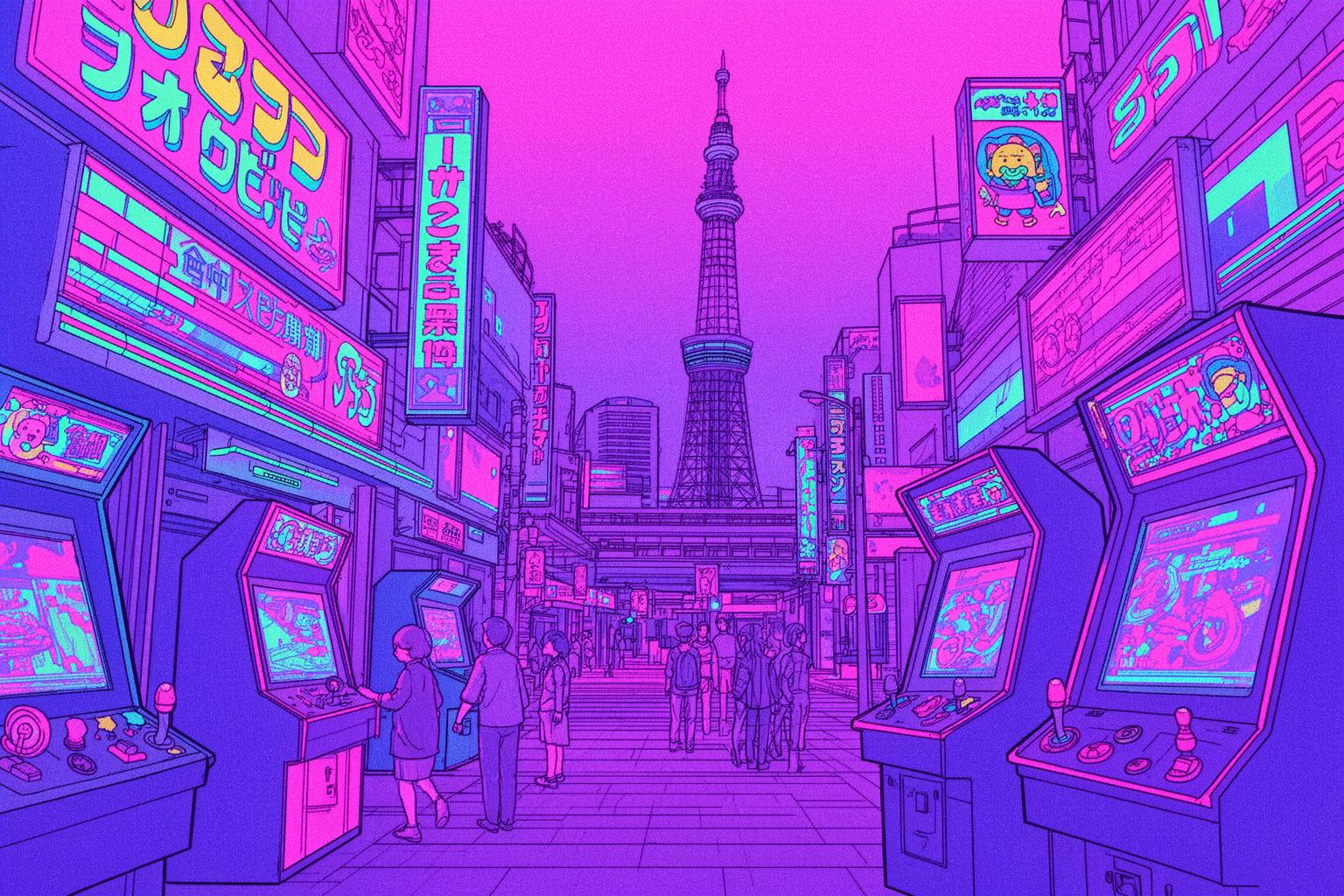
Arcades can be found in almost every Japanese city, but certain districts are revered as sacred grounds for gamers. These locations showcase the culture at its strongest, feature the fiercest competition, and boast buildings that stand as towering monuments to the joy of gaming.
Akihabara: The Holy Land
To be honest, you can’t discuss Japanese arcades without beginning in Akihabara. It is the global epicenter of anime, manga, and gaming culture. Stepping out of Akihabara Station feels like entering another world. The buildings are covered with massive anime advertisements, and the streets are filled with fellow otaku and curious tourists. The arcades here aren’t just structures; they are landmarks—multi-story giants where each floor offers a new adventure.
GiGO Akihabara
For decades, the iconic SEGA logos defined the Akihabara skyline. Although SEGA has sold its arcade division, its spirit continues under the name GiGO (Get into the Gaming Oasis). These vast buildings provide a comprehensive arcade experience, featuring everything from rows of the latest UFO catchers on the ground floor to dedicated floors for rhythm games, fighting titles, and retro classics. GiGO Akihabara Building 3 is a must-visit—a towering tribute to arcade gaming attracting players from around the globe. Its scale can be overwhelming, but it’s the best way to appreciate the wide variety modern arcades offer.
Taito Station
Another giant in the arcade world, Taito Station is easily recognizable by its bright red color scheme and the iconic Space Invaders logo. Like GiGO, it hosts a vast selection of games spread across multiple floors. Taito is known for excellent in-house titles, especially rhythm games like Groove Coaster, and a strong presence of crane games featuring prizes based on Taito’s own characters. The Akihabara Taito Stations are always lively and an excellent starting point for your arcade journey.
HEY (Hirose Entertainment Yard)
For the more discerning arcade enthusiast, HEY is a hallowed spot. While it includes modern titles, HEY is particularly renowned for its impressive collection of shoot ’em ups (or ‘shmups’) and classic fighting games. The second floor is like a museum celebrating the art of dodging bullet-hell patterns. The atmosphere is serious and focused. Here, some of the world’s best players perform flawless runs on exceptionally challenging games. Even if you’re not a shmup fan, it’s worth visiting just to watch these masters in action. It’s a living piece of arcade history.
Shinjuku: The Urban Jungle
If Akihabara is the specialized otaku haven, Shinjuku represents the bustling metropolitan center where arcades are integral to the city’s entertainment scene. The arcades here have a different vibe—sleeker, faster-paced, catering to the throngs passing through the world’s busiest train station. Large Taito Stations and GiGOs stand near station exits, ideal for a quick game before heading out into the neon-lit streets of Kabukicho. The player base is diverse, including locals, commuters, and tourists. Prize games are always on trend, reflecting current fads. It’s a great place to experience Tokyo’s everyday arcade culture.
Ikebukuro: The Otome & Cosplay Hub
Just a few stops north of Shinjuku on the Yamanote Line, Ikebukuro presents another distinct flavor of arcade culture. Known as a center for female otaku culture, especially around the famous Otome Road, the arcades here reflect this unique identity. While all the major game genres remain, there’s a clear difference in UFO catcher prizes and collaborative games, often featuring merchandise from popular anime and games targeted at a female audience. The atmosphere is more relaxed and fashion-forward, with many cosplayers and stylish fans gathering. It beautifully demonstrates how arcades cater to the communities around them, making each district’s scene uniquely vibrant.
The Grind is Real: Mastering the System
Alright, you’ve chosen your class and your starting zone. Now it’s time to get familiar with the game mechanics. Success isn’t just about skill; it’s about mastering the system. This is how you go from a casual player to a dedicated arcade grinder.
The Currency of the Realm: 100 Yen Coins
Your lifeline in the arcade is the 100-yen coin (roughly a dollar, give or take). Nearly every game costs ¥100 per play. Some newer, more complex games might charge ¥200, but the hundred-yen coin remains the standard. Your first priority is to have a good stock of these coins. No need to lug a bag of change from home—every arcade has change machines. These machines are indispensable—they can break down ¥1,000, ¥5,000, and sometimes even ¥10,000 bills into neat stacks of hundred-yen coins. Make this your first stop when you enter. Having a mound of coins ready makes you feel like a high-roller ready to take on the challenge.
Your Save File: The Almighty IC Card
This is the single most crucial tip for anyone aiming to enhance their arcade experience. This feature transforms the arcade into a JRPG. For most modern games—especially rhythm, racing, and card games—you can purchase a dedicated IC card. The main options are Bandai Namco’s Bana Passport, SEGA’s Aime, and Konami’s e-amusement pass. The good news is that most of these cards are now compatible across different machines; an Amusement IC card works on most supported devices regardless of the manufacturer. You can buy one from a vending machine inside the arcade for around ¥300-¥500.
What does it do? Everything. When you tap your card on the machine’s reader before playing, it loads your profile. It saves your name, high scores, progress, character customizations, unlocked songs, and tuned-up car. It’s your persistent identity in the arcade world. It helps you track your improvement, compete on online leaderboards, and unlock exclusive content. It’s the difference between a one-time play and a long-term journey. If you plan to visit an arcade more than once, getting one of these cards is a total game-changer. It elevates the experience from simply ‘playing a game’ to ‘building your character’.
Arcade Etiquette 101: Don’t Be a Noob
Like any subculture, arcades have a set of unspoken rules. Following them shows respect and makes your experience much smoother.
- The Queue: If someone is playing and you want to go next, don’t stand right behind them breathing down their neck. For fighting games, place your ¥100 coin on the control panel’s ledge to indicate you’re next. For other games, there’s usually a clear line or a row of stools for waiting players. Just hang back and wait your turn patiently.
- Respect the Zone: When someone is playing, especially a high-level game, give them space. Their concentration is intense. Don’t talk to them, touch their machine, or block their view. It’s fine to watch (called being a gyarari or spectator), but keep a respectful distance.
- Leaving Your Post: Sometimes players need to take quick breaks to get change or use the restroom. They might leave a personal item, like a glove or phone, on the seat or control panel. This universally signals ‘I’ll be right back, this spot is taken.’ Never touch their belongings or take their machine.
- One Player, One Machine: Unless it’s explicitly a two-player game like Mario Kart or a co-op shooter, it’s one person per machine. Don’t have a friend try to ‘help’ you on a solo rhythm game. It’s just not done.
- Keep it Clean: Don’t leave empty drink cans or snack wrappers on the machines. Trash cans are everywhere. Keep the space tidy for the next player.
Beyond the High Score: The Culture of Ge-sen
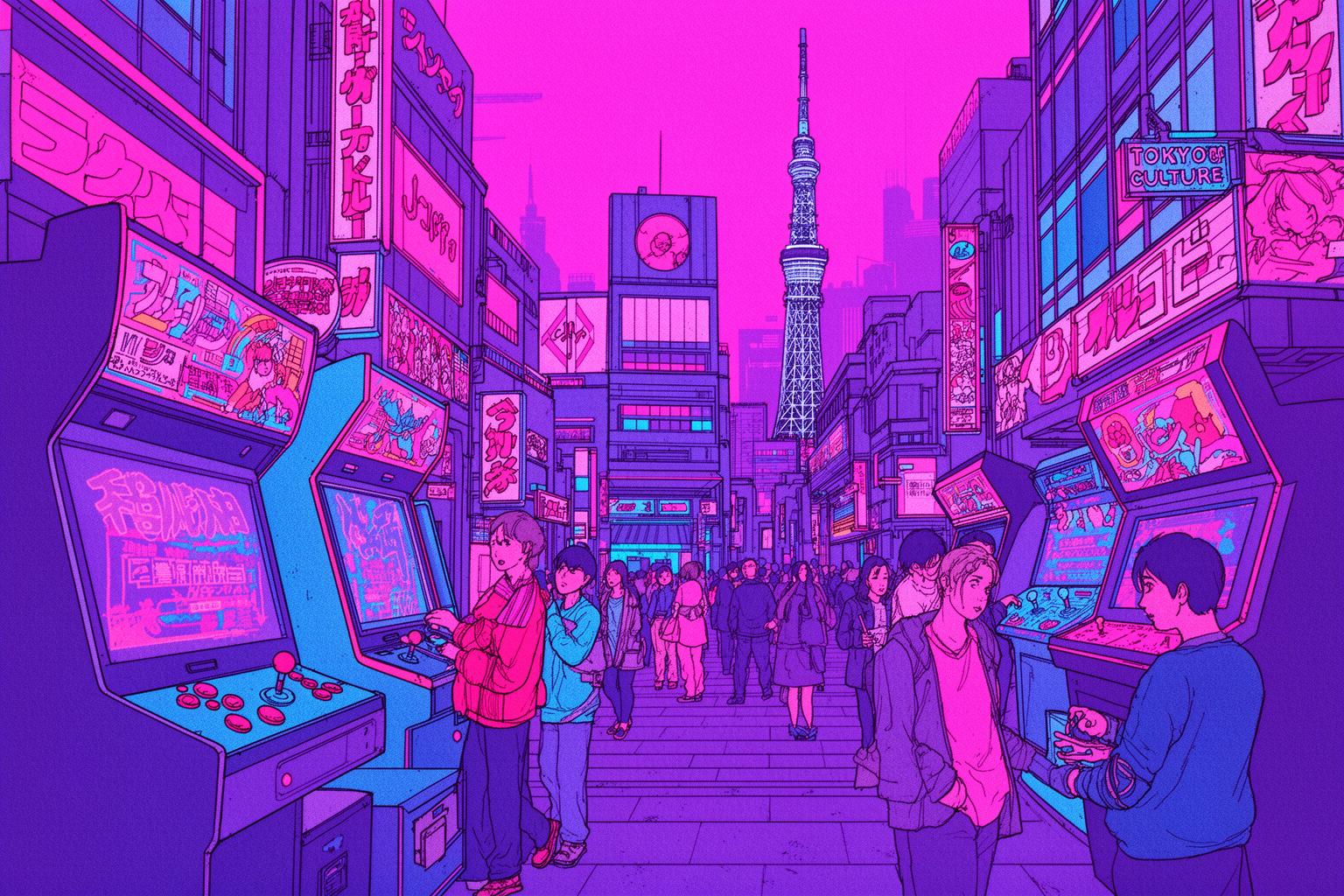
What truly sets Japanese arcades apart is not just the games themselves, but the culture that has developed around them. For many, the ge-sen serves as what sociologists refer to as a ‘third place’—a vital social space separate from home and work. It’s a spot where people with a shared passion come together to compete, connect, and gather. You’ll find players exchanging tips between matches, cheering one another on during challenging songs, or simply hanging out and watching the experts play.
The gyarari culture plays a significant role in this. The presence of spectators adds a subtle theatrical aspect to the experience. A skilled player isn’t just playing for themselves; they’re performing for the small crowd that has formed. A flawlessly executed combo or a full combo on an incredibly difficult song often draws quiet nods of approval or even spontaneous, respectful applause. It’s a community that acknowledges and celebrates talent and dedication.
Arcades are also deeply intertwined with the broader otaku culture. Special events and collaborations are a constant. A new anime season can bring a fresh batch of prizes to the UFO catchers. A popular mobile game might inspire a limited-time crossover event in a rhythm game, featuring new songs and characters to unlock. This keeps the arcade scene vibrant and ever-changing, always offering players new objectives to pursue. It’s a living, breathing ecosystem that mirrors the latest trends in Japanese pop culture.
Your Quest Awaits
Entering a Japanese arcade is more than a nostalgic experience; it’s a total cultural immersion. It’s a place filled with remarkable skill, contagious energy, and pure, unfiltered fun. Whether you’re a veteran gamer eager to challenge some of the world’s best, a family seeking an incredibly fun way to spend an afternoon, or a curious traveler wanting to explore a different side of Japan, the ge-sen has something for everyone. It can be loud and intense, but it’s undeniably amazing.
So next time you’re in Japan and spot those glowing doors, don’t just pass by. Step inside. Grab some change, choose a game that catches your eye, and give it a try. You might not hit the high score on your first attempt, but you’ll have stepped into one of the most thrilling, lively, and uniquely Japanese experiences out there. Your adventure is just beginning—now go out there and start earning some EXP.