Yo, what’s good, future Japan explorers! Big up yourselves for tuning in. James Walker here, and trust me, we’re about to embark on a proper deep dive into the Land of the Rising Sun. Forget everything you think you know. This ain’t just about anime, sushi, and samurai, though that’s all part of the glorious tapestry. Japan is a whole mood, a living, breathing paradox that will get under your skin in the best way possible. It’s where thousand-year-old Shinto shrines stand peacefully in the shadow of neon-drenched skyscrapers, where meticulous tradition coexists with mind-bending futuristic tech. For the first-timer, it’s an absolute sensory overload, a cultural whirlwind that can be both exhilarating and a tad bewildering. But that’s the beauty of it, isn’t it? This guide, my friend, is your ultimate cheat code, your VIP pass to navigating this incredible country. We’re going to break down the essentials, from the unwritten rules of social etiquette that’ll have you blending in like a local, to the must-see spots that will absolutely wreck your Instagram feed. We’ll explore the spiritual heart of ancient capitals, get lost in the electric maze of modern megacities, and chow down on food so good it’ll make you want to write poetry. This is more than just a travel plan; it’s a cultural primer designed to help you not just see Japan, but feel it, understand it, and connect with its soul. So, grab a cuppa, get comfy, and let’s get this show on the road. Your epic Japanese adventure starts right here, right now. Let’s get it.
To truly experience Japan’s breathtaking extremes, consider venturing beyond the main islands to explore the wild volcanic paradise of Aogashima.
The Vibe Check: Decoding Japanese Culture and Etiquette
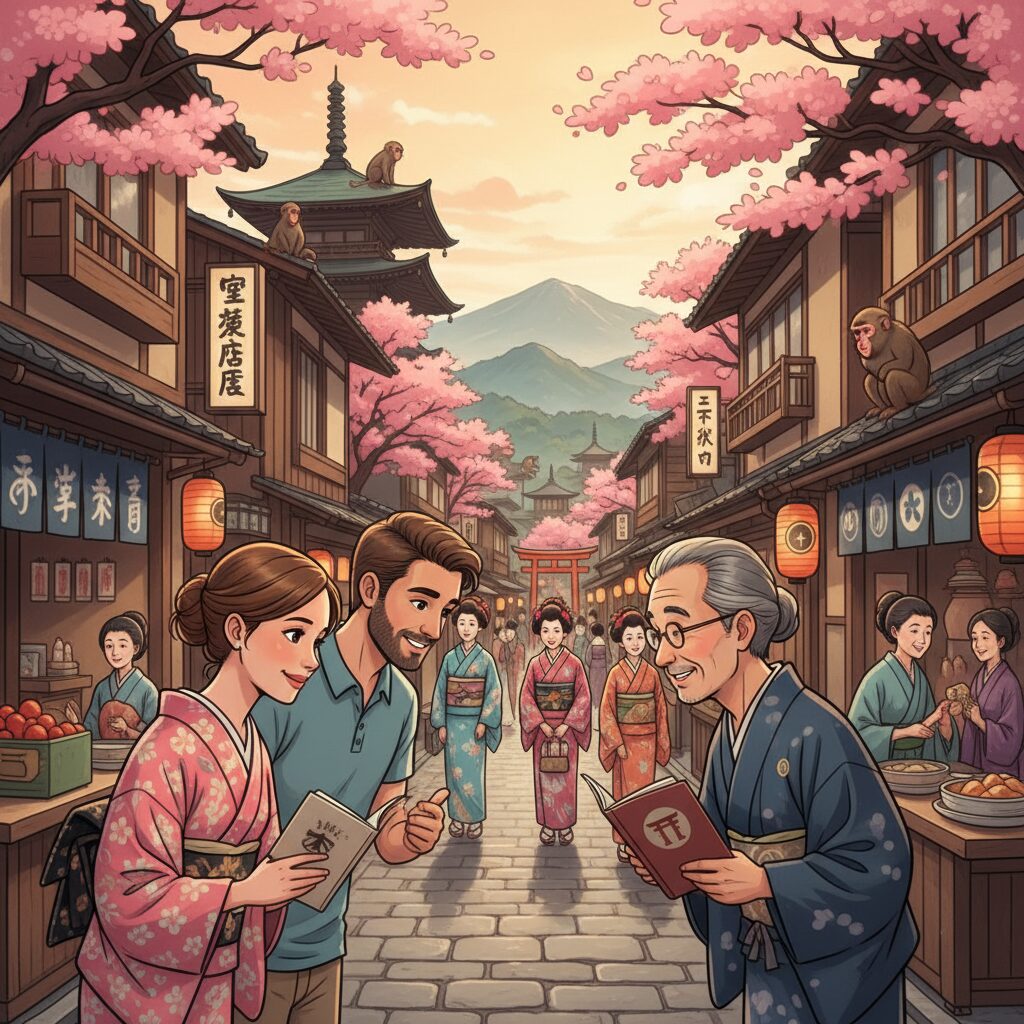
Before you even consider booking that flight or packing your suitcase, it’s important to have an honest conversation about the cultural framework that shapes this country. Japan functions on a wonderfully intricate system of respect, harmony, and unspoken rules. Understanding this system is what separates a clueless tourist from a savvy traveler. It’s not about being flawless; it’s about demonstrating effort, and that effort will be reciprocated with warmth and kindness a hundredfold. This foundation underpins your entire trip, forming the very fabric of daily life that makes Japan so distinctly, well, Japanese.
The Art of the Bow: More Than Just a Nod
First on the list is the bow, or ‘o-jigi’. Historically, this gesture is deeply embedded in Japan’s hierarchical social structures, serving as a physical expression of respect and humility. But for you as a visitor, it’s a simple yet powerful tool. You’ll encounter it everywhere: a shopkeeper thanking you, a train conductor stepping onto a carriage, two businesspeople greeting each other. There’s no need to perfect the 90-degree ‘saikeirei’ bow used for formal apologies. A modest nod or a slight inclination from the waist when someone bows to you suffices. It acts as a non-verbal “thank you” or “hello” that transcends language. When checking into your hotel, receiving change at a convenience store, or thanking a local for directions, a small bow will be genuinely appreciated. It shows you’re engaged and mindful, not merely a passive observer. It’s a small gesture carrying immense cultural significance, creating an instant connection between you and the locals.
The Genkan Rule: Shoes Off, Respect On
This is a crucial rule you must never break. In Japan, the outside world is regarded as unclean, while the inside space is pure. The ‘genkan’, or entryway, marks the sacred boundary between the two. When entering a Japanese home, a traditional ‘ryokan’ inn, many temples, and even certain restaurants or clinics, you are expected to remove your outdoor shoes. Usually, there will be a small step up from the genkan to the main floor—that’s your visual cue. Do not, under any circumstance, step onto the raised wooden or tatami floor with outdoor shoes on; it’s a serious faux pas. Typically, you’ll find a shoe rack or cabinet and slippers ready for you. Proper etiquette is to slip off your shoes in the genkan, step up onto the main floor in your socks, then turn around to place your shoes neatly on the rack with toes pointing outward, ready for your exit. Then slip into the provided slippers. But there’s another nuance! When visiting the restroom, you’ll often find a separate pair of ‘toilet slippers’. You switch from your house slippers to these and must remember to switch back upon leaving the restroom. Walking back into the main living area wearing toilet slippers is a common and amusing mistake foreigners make. This system reflects the Japanese notion of cleanliness and the separation of spaces.
Chopstick Chronicle: The Dos and Absolute Don’ts
Using chopsticks, or ‘ohashi’, is a skill worth practicing before your trip. While many places offer forks, embracing local utensils is part of the experience. More importantly, you should know the taboos, as improper chopstick use can be seen as disrespectful or even offensive. The most critical no-no is sticking chopsticks vertically into your rice bowl. This is called ‘tate-bashi’ and is only done at funerals as an offering to the deceased. It’s a serious cultural mistake that will make those around you uncomfortable. Similarly, don’t pass food directly from your chopsticks to someone else’s (‘hiroi-bashi’), as this is also related to funeral rituals. Instead, place the food on their small plate for them to pick up. Other things to avoid include pointing at people with chopsticks, spearing food like a fork, or licking the ends. Rest your chopsticks on the ‘hashioki’ (chopstick rest) when not in use. Mastering these simple rules shows great respect for the dining culture and the history embedded in these simple tools.
The Sound of Silence: Public Transport Etiquette
Japanese trains, particularly in large cities, are marvels of punctuality and efficiency. They also uphold public peace. One of the first things you’ll notice is the quietness. People avoid loud conversations, and most importantly, talking on mobile phones is a significant taboo. If you must answer a call, be brief and speak quietly or, better yet, get off at the next stop to finish the conversation. Texting is fine, and listening to music with headphones is acceptable (just watch for sound leakage), but broadcasting your conversation to a carriage full of passengers is frowned upon. This isn’t legally enforced but is a social contract centered on ‘wa’ (harmony) and respect for shared space. You’ll see signs reminding passengers to switch phones to ‘manner mode’. Embrace the silence. It’s a chance to observe daily life, read a book, or simply enjoy a surprisingly peaceful journey through a bustling metropolis. The journey itself becomes part of your travel experience—a moment of collective calm in a fast-paced world.
Cash is Still King: The Yen in Your Pocket
While Japan is a futuristic marvel in many respects, its approach to digital payments can feel surprisingly old-fashioned. Major hotels, department stores, and chain restaurants will accept credit cards. However, you’ll find many smaller venues—charming local eateries, market stalls, temple entrance counters, small souvenir shops—are cash-only. Don’t assume you can use your card everywhere. It’s absolutely essential to carry a good amount of yen with you at all times. The good news? Japan is incredibly safe, so carrying cash is hardly a security risk. You can withdraw yen from ATMs widely available at 7-Eleven, Family Mart, and Lawson convenience stores, which generally accept foreign cards. Having cash on hand will save you from awkward situations and let you fully enjoy the local scene, whether grabbing a snack from a street vendor or purchasing a unique craft from a small-town artisan without hesitation.
Tokyo: The Neon-Soaked Heart of Modern Japan
Tokyo is more than just a city; it’s a vast, vibrant organism, a constellation of interconnected worlds. Here, you can feel the immense presence of 37 million people and still find a serene sanctuary in a hidden shrine just around the bend. For first-time visitors, it can feel like stepping onto a futuristic movie set. Its scale is almost unimaginable—a dense urban jungle of glass and steel connected by the world’s most intricate and efficient public transportation network. Your visit will be a whirlwind of iconic sights, sounds, and tastes. This is a city that never rests, always reinventing itself while fiercely preserving the flames of its past.
Shibuya Crossing: The Human Scramble
Let’s begin with the iconic image of Tokyo etched into the world’s imagination: Shibuya Crossing. Functionally, it’s merely a set of pedestrian crossings, but in reality, it’s a breathtaking display of organized chaos—a living symbol of Tokyo’s incredible density and civility. Stand at a corner and watch. The traffic lights stop the flow of cars, and from every direction, a wave of humanity floods the intersection. During peak hours, up to 3,000 people cross simultaneously in a mesmerizing dance of commuters, shoppers, and tourists moving with perfect, unspoken coordination, never colliding. Giant video screens cover the surrounding buildings, their neon glow casting a futuristic light over the scene. For the best vantage point, head to the second floor of Starbucks in the Tsutaya building. Grab a coffee, find a window seat, and watch the spectacle unfold below—it feels like witnessing the city’s very heartbeat. The most dazzling experience is at night when the lights are brightest, but even crossing by day is a memorable Tokyo rite of passage. It’s not just a pedestrian crossing; it’s an experience that epitomizes the vibrant, relentless energy of modern urban Japan.
Shinjuku: A Tale of Two Cities
Shinjuku perfectly embodies Tokyo’s dual nature. It houses the world’s busiest train station, a vast complex channeling millions of people daily. On the west side, you find a district of sleek skyscrapers, including the Tokyo Metropolitan Government Building. Take the free elevator to the observation deck for a breathtaking panoramic view of the sprawling city; on clear days, you might even glimpse the majestic outline of Mount Fuji in the distance. This is the polished, corporate Tokyo.
Cross to the east side, and you enter a totally different world. This is the entertainment district, a chaotic, thrilling maze of neon signs, bustling eateries, and lively bars. At its core is Kabukicho, Tokyo’s famous (and once notorious) red-light district. Though much cleaner now, it still pulses with raw, electric energy. Nearby, Golden Gai is a network of six tiny, narrow alleys packed with over 200 miniature, atmospheric bars—some seating just a handful of patrons. It’s a preserved slice of post-war Tokyo, worlds away from the gleaming towers nearby. For a moment of calm amid the chaos, escape to Shinjuku Gyoen National Garden. This expansive park beautifully blends English Landscape, French Formal, and traditional Japanese garden styles. It’s the perfect refuge from the city’s sensory overload—a place to breathe, reflect, and appreciate the Japanese dedication to meticulously crafted nature.
Akihabara: The Electric Town Dream
Welcome to the global center of ‘otaku’ (geek) culture. Akihabara, or ‘Akiba’ as locals call it, assaults the senses in the most delightful manner. Its main street, Chuo Dori, is lined with colossal electronics stores like Yodobashi Camera—multi-story emporiums packed with the latest gadgets, cameras, and home appliances. Yet Akiba’s real essence lies in its side streets, where a dizzying array of shops cater to anime, manga, video games, and collectible fans. ‘Game centers’ pulse with rhythm games and claw machines, while gachapon halls brim with capsule toy machines dispensing every imaginable trinket. Maid cafes, where waitresses clad in elaborate costumes serve customers as ‘masters’ and ‘mistresses,’ add a uniquely surreal touch to the Akiba experience. Historically, Akihabara evolved from a post-war black market for radio parts to the electronics hub it is today, later morphing into the anime and manga mecca. Even if you’re not a hardcore fan, the passion and energy of these subcultures are fascinating to witness. It’s a vibrant, sometimes bizarre, yet utterly unforgettable corner of Tokyo.
Asakusa: A Stroll Through Old Tokyo
To discover a different side of Tokyo, one that reflects its Edo-period heritage, visit Asakusa. The district’s spiritual center is Senso-ji, a lively and popular Buddhist temple founded in the 7th century. It is Tokyo’s oldest and one of its most important temples. Before reaching the main hall, you walk through the Kaminarimon (Thunder Gate) with its massive red paper lantern—an iconic photo spot. Beyond lies Nakamise-dori, a bustling shopping street that has served temple visitors with snacks and souvenirs for centuries. Here, you can sample traditional treats like ‘age-manju’ (deep-fried sweet buns) or ‘kibi dango’ (sweet millet dumplings). The atmosphere is festive and vibrant. As you approach the temple hall, you’ll find a large incense burner; wafting its smoke over yourself is believed to bring good health. Senso-ji is a living place of worship, not a sterile museum—locals and pilgrims pray, make offerings, and draw ‘omikuji’ (paper fortunes). The surrounding area is wonderful to explore, with traditional craft shops, old-fashioned eateries, and rickshaw drivers eager to offer tours. It provides a vivid and colorful glimpse into Tokyo’s rich history and enduring spiritual life.
Kyoto: The Imperial Soul of Japan
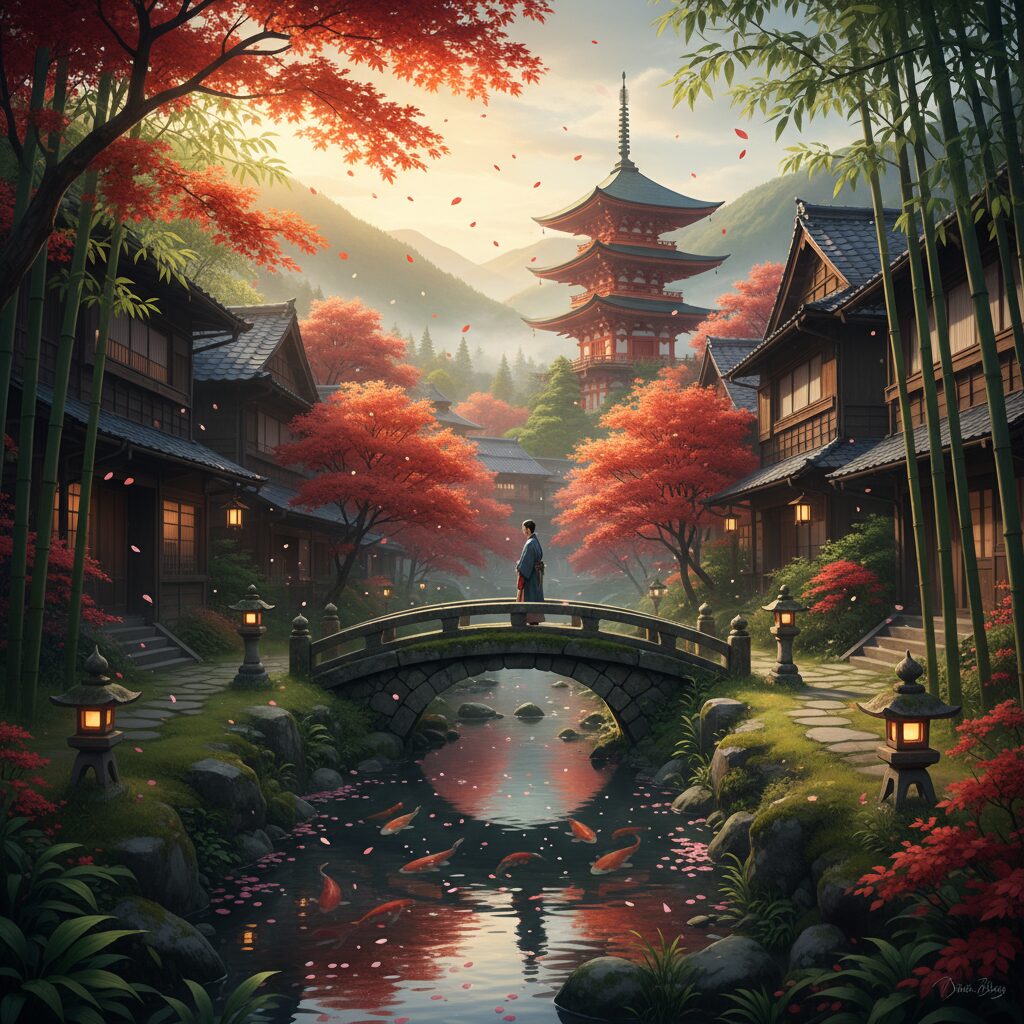
If Tokyo represents Japan’s futuristic forefront, Kyoto stands as its ancient, spiritual core. For more than a thousand years, from 794 to 1868, it served as Japan’s imperial capital, home to the emperor and the heart of Japanese culture, art, and religion. Preserved from the devastating bombings of World War II, the city still holds an extraordinary wealth of historical heritage. With over 1,600 Buddhist temples, 400 Shinto shrines, palaces, and gardens, Kyoto is a city where history vividly lives on. The atmosphere here contrasts sharply with Tokyo’s—it is slower, more refined, and filled with a palpable sense of timeless elegance. Exploring Kyoto feels like peeling away the layers of Japanese history, as each temple and garden tells tales of shoguns, emperors, monks, and artisans. Without question, it is an essential stop for any first-time visitor seeking to grasp the cultural soul of Japan.
Kinkaku-ji: The Golden Pavilion
Get ready to be mesmerized. Kinkaku-ji is one of Japan’s most iconic landmarks—a breathtaking Zen Buddhist temple with its top two floors entirely covered in gold leaf. The pavilion appears to float above Kyoko-chi (Mirror Pond), its dazzling reflection shimmering on the water’s surface. The sight is spectacular, especially on sunny days when the gold gleams against the blue sky and the lush greenery around it. Historically, the structure was originally a retirement villa for Shogun Ashikaga Yoshimitsu in the late 14th century, later transformed into a temple after his death. The current building is a faithful reconstruction, as the original was tragically burned down by a novice monk in 1950—an event immortalized in Yukio Mishima’s renowned novel. The surrounding garden is a Muromachi-period masterpiece, a carefully designed landscape meant for strolling and contemplation. Walking the path around the pond offers varied views of the golden pavilion. It is a place of sublime beauty, perfectly blending architecture and nature to embody a distinct Japanese aesthetic of refined elegance.
Fushimi Inari Shrine: The Path of a Thousand Gates
Another of Kyoto’s most visually striking and spiritually powerful sites is Fushimi Inari Taisha. Dedicated to Inari, the god of rice and sake, this Shinto shrine is renowned for its thousands of vivid vermilion ‘torii’ gates. These gates form a network of trails ascending sacred Mount Inari. Each gate is a donation from a Japanese business or individual, as Inari is also revered as the patron of commerce. The donor’s name and the date of the donation are inscribed on the back of each gate. Walking through these densely packed red tunnels is a surreal, almost hypnotic experience. The main path can be crowded, especially near the mountain’s base, but as you climb higher, the crowds thin and the atmosphere grows more magical. Sunlight filters through gaps between the gates, casting intricate patterns of light and shadow on the stone path. Along the way, you’ll pass smaller sub-shrines and stone fox statues—foxes are believed to be Inari’s messengers. You don’t need to hike the full 2-3 hour round trip to the summit; even a 30-45 minute walk offers a full, unforgettable experience with beautiful city viewpoints. The best times to visit are early morning or late afternoon to avoid large crowds and capture the best light for photography.
Kiyomizu-dera: The Temple on the Cliff
Perched on the slopes of Otowa Mountain, Kiyomizu-dera, which means “Pure Water Temple,” is one of Kyoto’s most celebrated landmarks. Its most notable feature is its vast wooden stage that projects from the main hall, 13 meters above the hillside below. Remarkably, this entire platform was built without a single nail, showcasing the extraordinary craftsmanship of traditional Japanese carpenters. The view from the stage is breathtaking, offering a sweeping panorama of Kyoto, especially stunning during the cherry blossom season in spring and the autumn foliage period. Situated below the main hall is the Otowa Waterfall, where three separate streams pour into a pond. Visitors can use long-handled ladles to drink from these streams, each said to grant a different blessing: longevity, academic success, or fortunate love. Drinking from all three is considered greedy, so choose carefully! The walk up to the temple through the Higashiyama district is an integral part of the visit, with the narrow, preserved streets of Ninenzaka and Sannenzaka lined with traditional shops, cafes, and restaurants. This charming area evokes a strong sense of stepping back in time.
Gion: In the Footsteps of the Geisha
Gion is Kyoto’s most renowned geisha district, characterized by beautifully preserved wooden ‘machiya’ (traditional townhouses) and exclusive ‘ochaya’ (teahouses). Strolling through its streets, especially along the Shirakawa Canal or on the atmospheric Hanamikoji Street, feels like entering a movie set. The magic is most palpable in the early evening when lanterns light up and you may be lucky enough to see a ‘geiko’ (Kyoto’s term for geisha) or a ‘maiko’ (apprentice geiko) gracefully heading to an appointment. It is vital to respect the district’s etiquette—geiko and maiko are not tourist attractions but highly skilled artists on their way to work. Chasing them, blocking their path, or taking intrusive photos is strictly prohibited and widely frowned upon. Signs throughout the district remind visitors to be courteous. The best way to appreciate their artistry is by attending a cultural performance or booking a private dinner, arranged through high-end hotels or specialized tour operators. Even without spotting a geiko, Gion remains a must-visit for its stunning architecture and its palpable air of history and refined culture.
Venturing Beyond the Golden Route
While the Tokyo-Kyoto-Osaka corridor, often called the Golden Route, provides a fantastic introduction to Japan, the country has so much more to discover. To genuinely appreciate the wide range of Japan’s landscapes and cultures, it’s worthwhile to explore beyond the usual spots. Whether you’re after world-class cuisine, an impactful history lesson, or a soothing soak in a volcanic hot spring, these destinations offer a deeper, more detailed understanding of this captivating nation.
Osaka: The Nation’s Kitchen
Just a short bullet train ride from Kyoto is Osaka, a city with a character all its own. If Kyoto is elegant and reserved, Osaka is bold, lively, and outspoken. This vibrant port city is known for its warm, approachable people and, most notably, its exceptional food scene. The local ethos, called ‘kuidaore’, roughly means “eat until you drop,” and the city certainly lives up to that. At the heart of Osaka’s culinary and nightlife scene is Dotonbori, a dazzling, neon-bright street along a canal. It’s a sensory delight, with enormous, quirky signs—a giant moving crab, a huge octopus, the iconic Glico Running Man—all competing for attention. This is the perfect place to try Osaka’s signature street foods. Enjoy a plate of ‘takoyaki’ (battered octopus balls), savor ‘okonomiyaki’ (a savory cabbage pancake with various fillings), and sample ‘kushikatsu’ (deep-fried skewers of meat and vegetables). Beyond food, Osaka Castle is an impressive reconstruction of a historically significant fortress, and the Shitennoji Temple is one of Japan’s oldest. Still, the true charm of Osaka lies in immersing yourself in its lively, fun-loving vibe and indulging in some of the best food in Japan.
Hiroshima: A Message of Peace and Resilience
Visiting Hiroshima is a deeply moving and essential experience for anyone wanting to grasp modern Japan. The city, nearly destroyed by the atomic bomb in 1945, has emerged as a vibrant, contemporary metropolis and a powerful emblem of peace. The focal point of a visit is the Peace Memorial Park, a spacious, green area in the city’s center that was once Hiroshima’s commercial and political hub. Within this park stands the A-Bomb Dome, the skeletal remains of one of the few buildings left near the bomb’s hypocenter, now a UNESCO World Heritage site and a stark reminder of the tragedy. The Hiroshima Peace Memorial Museum is thoughtfully curated but emotionally intense. It doesn’t shy away from showing the horrific suffering caused by the bomb, yet its core message is one of peace and nuclear disarmament. It is a solemn but vital visit. A short train and ferry trip from Hiroshima leads to the beautiful island of Miyajima, home to the Itsukushima Shrine with its famous ‘floating’ torii gate, which appears to float on the water at high tide. The island, inhabited by wild deer and featuring scenic hiking trails, offers a tranquil and picturesque contrast to the emotional weight of the Peace Park.
Hakone: The Quintessential Mountain Escape
For iconic, postcard-worthy views of Mount Fuji, Hakone is the destination. This charming mountain resort town, part of the Fuji-Hakone-Izu National Park, is easily accessible for a day trip or overnight stay from Tokyo. Hakone presents a delightful blend of natural beauty, exceptional art, and relaxing ‘onsen’ (hot springs). A popular way to explore is the ‘Hakone Loop’, a circular route that combines various modes of transport such as a mountain railway, cable car, ropeway, and even a pirate ship cruise across Lake Ashinoko. The ropeway over the Owakudani valley is especially breathtaking, passing over steaming volcanic vents emitting sulphurous fumes. Here, you can try ‘kuro-tamago’, black eggs boiled in the hot spring water, which are said to add seven years to your life. Hakone also boasts several outstanding museums, notably the Hakone Open-Air Museum, which exhibits a vast collection of sculptures by artists like Picasso and Henry Moore, set against a stunning mountain backdrop. After a day of exploration, nothing beats soaking in a mineral-rich onsen bath at a traditional ‘ryokan’, a quintessential Japanese experience.
Nailing the Logistics: Your Practical Toolkit
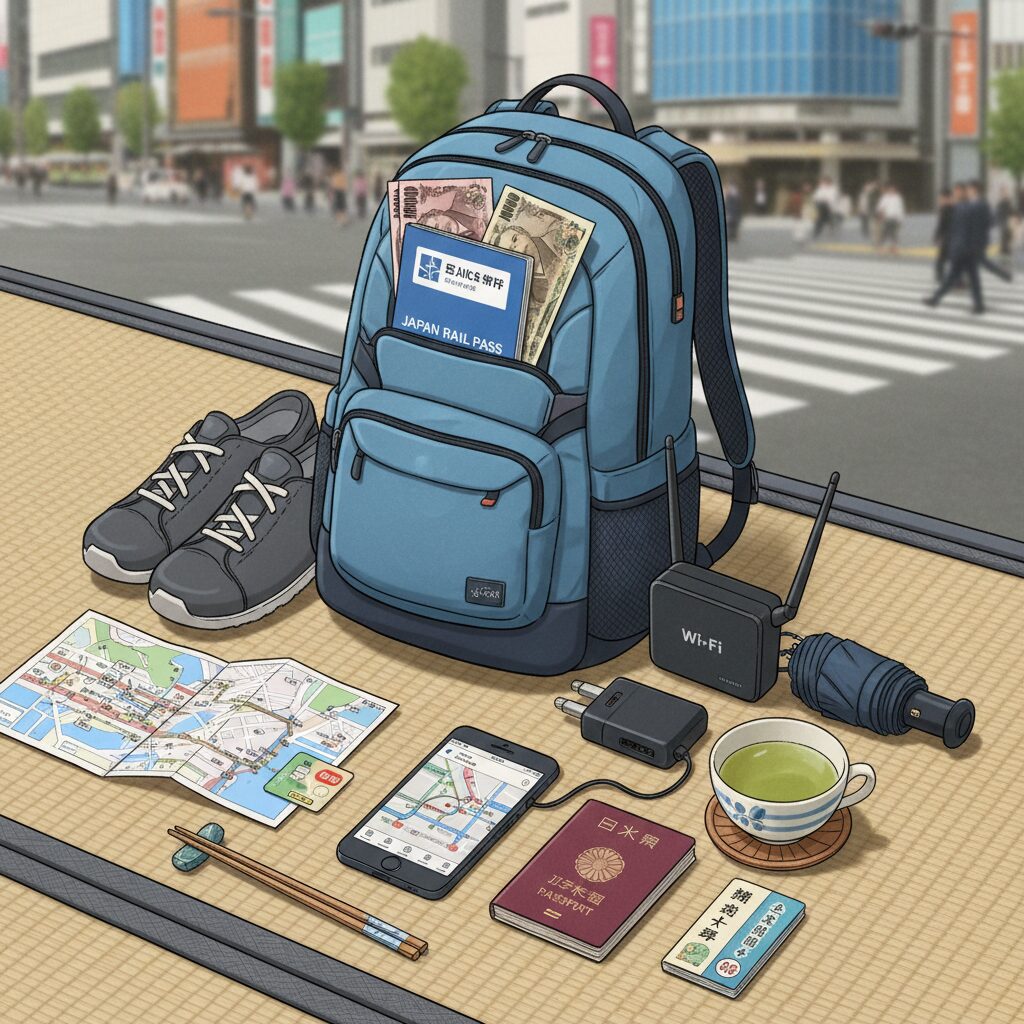
Navigating Japan is surprisingly straightforward, thanks to its outstanding infrastructure and the generally helpful nature of its people. However, a bit of planning and a good understanding of the key systems will make your trip much smoother and more enjoyable. Think of this as the essential software update you need before you arrive.
The Japan Rail Pass: Should You Buy It?
The Japan Rail (JR) Pass has traditionally been the golden ticket for foreign tourists, offering unlimited travel on most JR trains, including the famous ‘Shinkansen’ (bullet trains), for a set duration. It used to be an excellent value if you planned to travel between multiple cities, such as a round trip from Tokyo to Kyoto. However, after a significant price increase in October 2023, the economics have shifted. The pass is no longer an automatic bargain; you now need to undertake substantial long-distance travel to make it worthwhile. For instance, a 7-day pass may only be cost-effective if you’re doing something like a Tokyo-Kyoto-Hiroshima round trip within that timeframe. For those focusing on just one or two cities or taking slower, shorter train trips, buying individual tickets is now almost always cheaper. Use an online JR Pass calculator to enter your itinerary and compare costs with the pass price. If you decide to buy one, you must purchase an exchange order online from an official vendor prior to arriving in Japan. After landing, you exchange this voucher for the actual pass at a major JR station.
The Shinkansen Experience
Whether you use a JR Pass or purchase individual tickets, riding the Shinkansen is an iconic Japan experience. These trains are more than transportation; they represent Japan’s technological advancement and post-war progress. They are renowned for their remarkable speed (up to 320 km/h), punctuality (delays are measured in seconds), comfort, and cleanliness. The experience is smooth and well-organized. Platforms have clear markings indicating where carriage doors will open, and passengers queue neatly. Inside, seats are spacious, recline generously, and face the direction of travel. It’s a quiet, smooth ride that lets you enjoy the scenery of the Japanese countryside comfortably. Sampling an ‘ekiben’ (a special bento box sold at train stations) during your journey is a beloved tradition. On the Tokyo to Kyoto/Osaka route, aim for a right-hand side seat (Seat E in most cars) for the chance to see Mount Fuji on a clear day.
Staying Connected: Pocket Wi-Fi vs. SIM Card
Staying connected is essential for using navigation apps like Google Maps, translation tools, and sharing your experiences. You have two main options: renting a pocket Wi-Fi device or purchasing a travel SIM card. A pocket Wi-Fi is a compact, portable modem that creates a personal Wi-Fi hotspot, allowing multiple devices (phone, laptop, tablet) to connect simultaneously. This is ideal for groups or families. You can pre-order it online and have it delivered to your arrival airport or first hotel for easy pickup. At the end of your trip, simply place it in a prepaid envelope and drop it in a mailbox. Alternatively, a data-only SIM card gives your phone direct data access by replacing your home SIM. This option is often slightly cheaper and means one less device to carry and charge. The downside is you usually can’t make traditional phone calls (though messaging apps like WhatsApp or Skype work fine), and it works on only one device. Both options are reliable and offer excellent high-speed coverage nationwide.
Where to Stay: Hotels, Ryokans, and More
Japan provides a wide range of accommodations to match every budget and travel preference. Western-style hotels abound, from luxury international chains to affordable and practical business hotels like APA Hotel or Toyoko Inn, which offer clean, compact rooms at reasonable prices. Hostels are great for budget travelers and a chance to meet others. For a truly unique cultural experience, however, a stay in a ‘ryokan’—a traditional Japanese inn—is a must. Staying in a ryokan immerses you in Japanese hospitality, or ‘omotenashi’. You’ll sleep on a comfortable ‘futon’ laid out on a ‘tatami’ (straw mat) floor, wear a ‘yukata’ (a casual cotton kimono), and often enjoy communal bathing in an ‘onsen’. The highlight is often the food: an exquisite multi-course ‘kaiseki’ dinner and a traditional Japanese breakfast, both featuring seasonal, local ingredients beautifully presented. A ryokan stay is more than just lodging; it’s a core cultural experience every first-time visitor should consider.
A Taste of Japan: A Culinary Crash Course
Let’s be honest, for many people, food is one of the primary reasons to visit Japan. Japanese cuisine, or ‘washoku’, is recognized as a UNESCO Intangible Cultural Heritage—and with good cause. It offers incredible diversity, regional specialties, and an almost obsessive dedication to quality and seasonality. It goes far beyond the sushi and ramen you might be familiar with at home. Get ready for a culinary adventure that will both delight and surprise you at every turn.
Beyond the California Roll: The Art of Sushi and Sashimi
First, let’s discuss sushi. The sushi you encounter in Japan, especially at a dedicated ‘sushi-ya’, can be a revelation. It’s about the perfect harmony between the ‘shari’ (vinegared rice, regarded by chefs as the most crucial element) and the ‘neta’ (the topping, usually seafood). The fish quality is paramount, often sourced fresh that same morning from markets like the famous (and now relocated) Tsukiji, now Toyosu. For an unforgettable experience, try an ‘omakase’ meal, where the chef chooses what you eat. They serve a sequence of the day’s finest seasonal selections, piece by piece. When eating ‘nigiri’ sushi (a slice of fish on a bed of rice), tradition dictates turning it upside down and dipping the fish side—not the rice—into the soy sauce. It’s best eaten in a single bite. For the freshest and most exciting experience, visiting the outer market at Toyosu for a sushi breakfast is a Tokyo institution.
The Soul in a Bowl: A Deep Dive into Ramen
Ramen is Japan’s ultimate comfort food—a deceptively complex and deeply satisfying dish. It’s a world unto itself, with countless regional variations. The four main soup bases are ‘shio’ (salt-based, light and clear), ‘shoyu’ (soy sauce-based, brown and tangy), ‘miso’ (soybean paste-based, rich and complex), and ‘tonkotsu’ (pork bone-based, creamy and opaque). The noodles themselves vary in thickness, texture, and curl. Typical toppings include ‘chashu’ (braised pork belly), ‘menma’ (bamboo shoots), ‘negi’ (scallions), and a soft-boiled ‘ajitama’ (marinated egg). Many ramen shops operate using a ticket machine system: you insert money, select your desired ramen and any extras, then hand the ticket to the chef. Don’t hesitate to slurp your noodles—it’s not just acceptable but encouraged, as it cools the noodles and enhances their flavor. From the rich Tonkotsu ramen of Fukuoka to the miso ramen of Sapporo, pursuing regional ramen specialties is an incredibly tasty adventure.
More Than a Meal: The Izakaya Experience
An ‘izakaya’ is a Japanese-style pub—a casual spot for after-work drinks and food. It’s a quintessential Japanese social experience. The menu typically offers a wide range of small, tapas-style dishes perfect for sharing. You’ll find everything from ‘yakitori’ (grilled chicken skewers) and ‘karaage’ (Japanese fried chicken) to fresh sashimi, salads, and grilled fish. The atmosphere is often lively, informal, and sometimes rowdy. It’s a fantastic way to sample many different Japanese dishes in one sitting. Upon entering, you’ll usually be served a small appetizer called ‘otoshi’, which also serves as a cover charge. Ordering is simple: catch the staff’s attention by saying ‘sumimasen!’ (excuse me) and order a few dishes along with your drinks—beer, sake, highballs, and ‘shochu’ are all popular choices. It’s the perfect way to spend an evening eating, drinking, and soaking up the local vibe.
The Unsung Hero: Convenience Store (Konbini) Food
It might sound surprising, but you absolutely must try food from a Japanese convenience store. Forget what you know about convenience stores back home. In Japan, ‘konbini’ like 7-Eleven, Family Mart, and Lawson are treasure troves of high-quality, delicious, and incredibly affordable food. They are a lifesaver for travelers on a budget. You can find everything from excellent ‘onigiri’ (rice balls with various fillings), sandwiches with the crusts oddly removed (‘sando’), bento boxes with complete meals, legendary fried chicken (‘FamiChiki’), and a wide variety of noodles, salads, and baked goods. They also offer excellent coffee machines and a dizzying array of drinks. A konbini breakfast of an onigiri, a yogurt drink, and a hot coffee makes for a cheap, quick, and genuinely tasty start to your day. Don’t overlook the konbini—they are an essential and wonderful part of daily life in Japan.
The Grand Finale: A Few Last Words
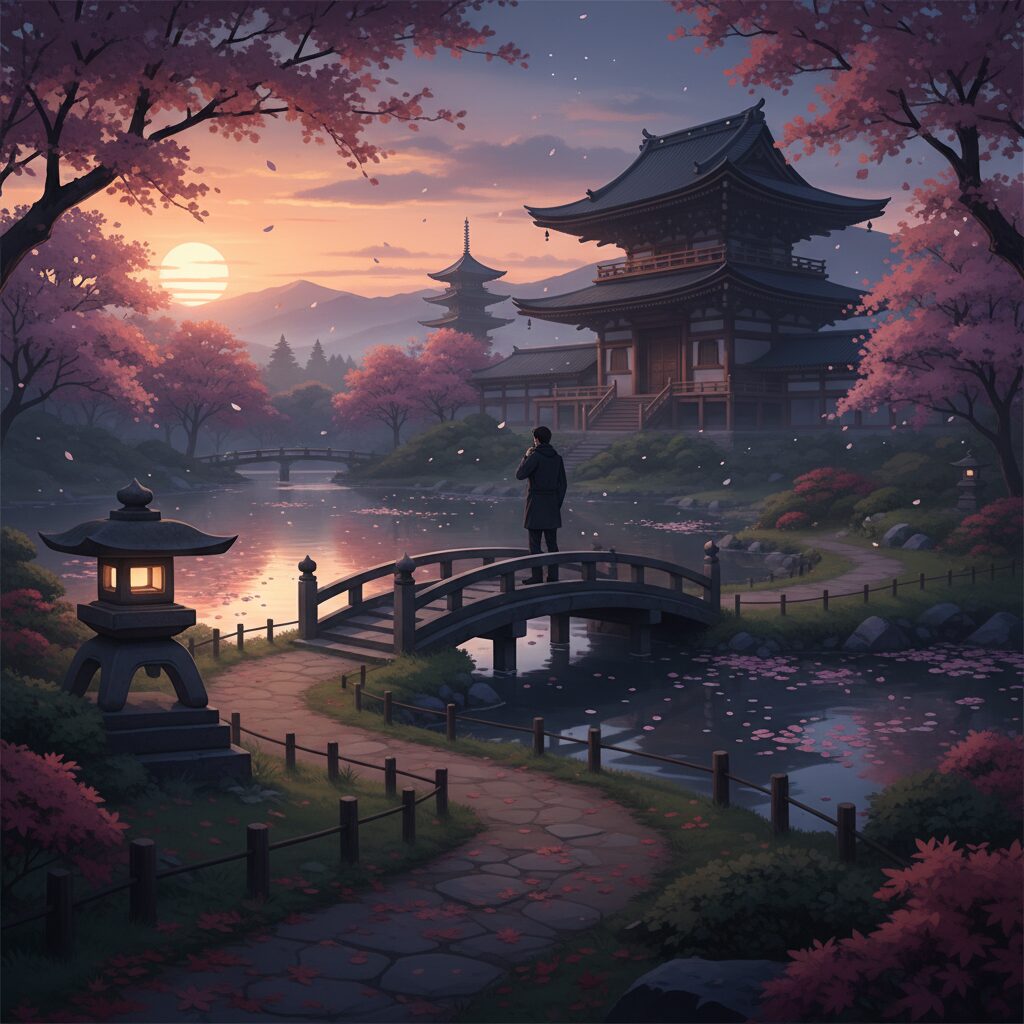
So there you have it: a whirlwind overview and a foundational guide for your first unforgettable trip to Japan. We’ve explored the neon-lit streets of Tokyo, the tranquil temples of Kyoto, examined the nuances of etiquette, and outlined the logistical challenges. But keep in mind, this is only the beginning—a mere glimpse of what this endlessly captivating country has in store. The true magic of Japan unfolds in the unplanned moments: wandering aimlessly through a hidden Kyoto alley, finding a tiny, perfect ramen shop run by an elderly couple, sharing a laugh with a local despite the language barrier, or being moved by a moment of serene beauty in a quiet temple garden.
Japan is a land that will challenge your perceptions, delight your senses, and touch your soul. It is a place of striking contrasts—intense, vibrant energy alongside profound, meditative calm; deeply rooted tradition paired with relentless innovation. It operates on a rhythm all its own. Stay open, stay curious, and remain respectful. Welcome moments of confusion as part of the journey. Try the unusual food. Attempt a few Japanese phrases—even a simple “arigato gozaimasu” (thank you very much) will earn you a warm smile. This is more than a vacation; it’s an education and an experience that will linger long after you’ve returned home. So go ahead, book that ticket. An incredible adventure awaits you in the Land of the Rising Sun. Travel well, stay safe, and get ready to be utterly captivated. Peace out.