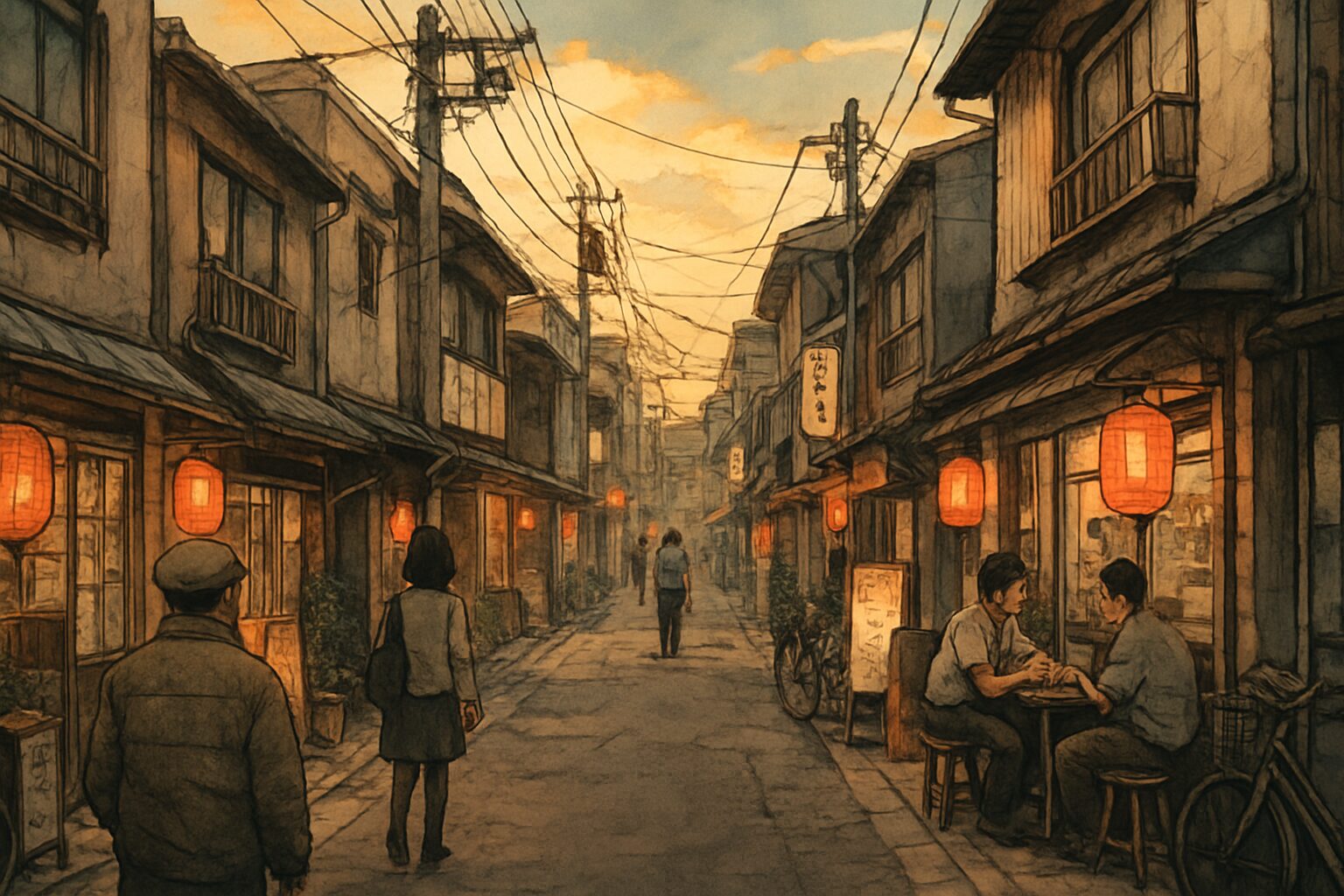
Yo, what’s up, world travelers? You’ve done the scramble, seen the tower, ridden the Yamanote line until it’s a blur. You’ve seen Tokyo. Or have you? If you’re back for round two, or three, or ten, and you’re craving something real, something with a heartbeat that thumps to a different drum, then it’s time we talked about Shitamachi. Forget what you know. We’re peeling back the chrome and concrete to find the warm, wooden core of this city. Shitamachi, literally the “low city,” isn’t just a place on a map. It’s a vibe, a time-slip, a living museum where the air tastes different, seasoned with history, soy sauce, and the laughter of folks who’ve known these streets for generations. This is the Tokyo of merchants and artisans, of corner temples and bathhouses, where the pace slows to a human rhythm. It’s the city’s nostalgic mixtape, playing a track that’s all heart, no gloss. Ready to ditch the tourist traps and find the soul of the metropolis? Let’s get it.
For a different kind of Tokyo energy after exploring Shitamachi, experience the electrifying pulse of the city at the iconic Shibuya Crossing.
The Real Feel: What is Shitamachi, Anyway?
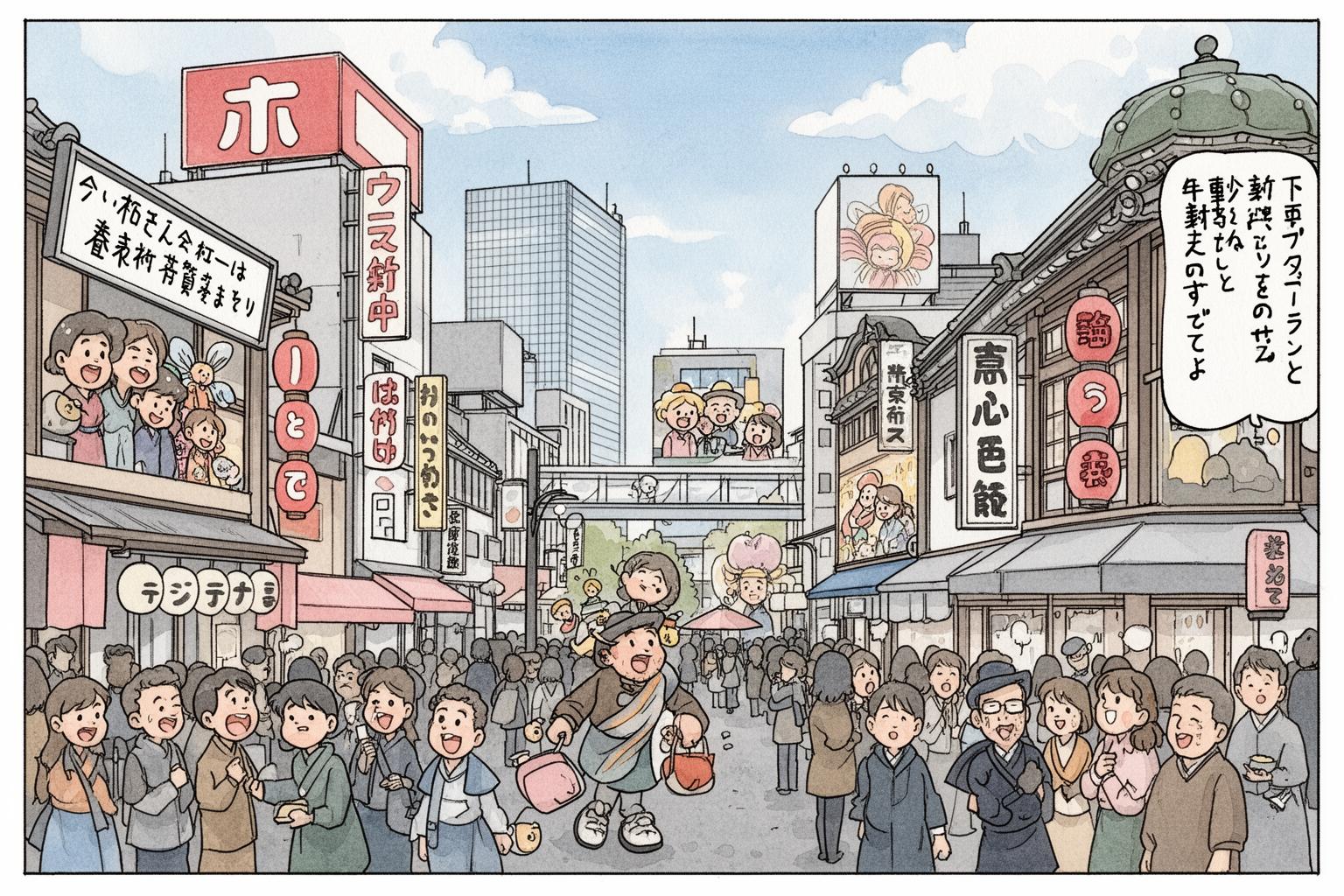
Before we dive in, let’s clarify the definition. Shitamachi isn’t just one neighborhood; it’s a concept, a cultural geography encompassing a broad stretch of eastern Tokyo—places like Asakusa, Ueno, Yanaka, Ryogoku, and Kiyosumi-Shirakawa. Historically, this area was the flat, low-lying land near the Sumida River, inhabited by common folk: artisans, merchants, entertainers. While samurai and aristocrats resided on the Yamanote—the “high city”—life down here was gritty, communal, and lively. And that spirit? It remains alive in the very DNA of these streets.
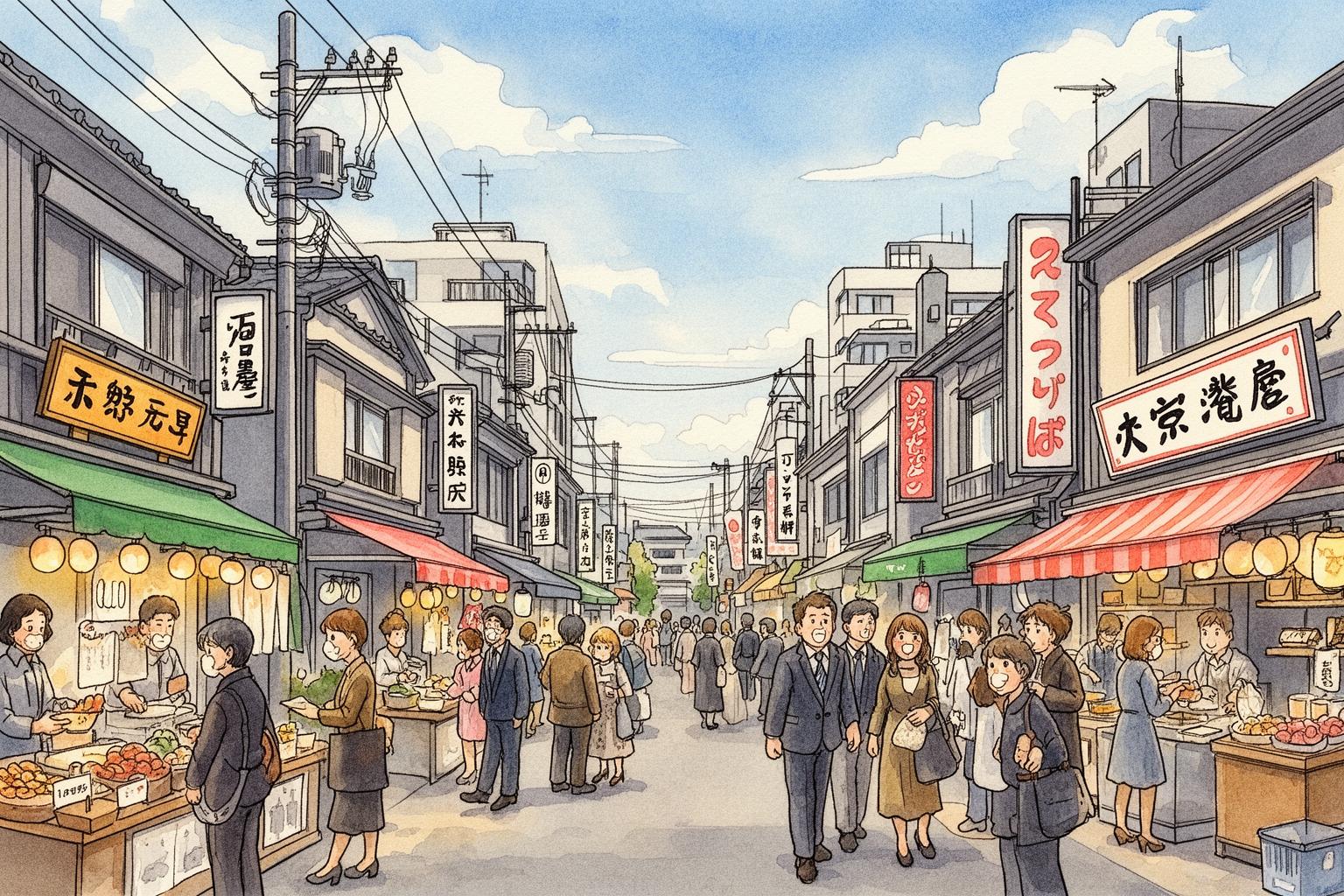
Stepping into Shitamachi feels like turning down the city’s volume. The skyscrapers fade into the background, replaced by two-story wooden houses with tiled roofs and doorways decorated with potted plants. The air is rich with the aromas of grilled unagi, sweet dango, and the faint, clean scent of incense from a nearby neighborhood temple you might have nearly overlooked. You’ll hear the click of a shopkeeper’s abacus, the rumble of a solitary tram, and the warm greetings—“Irasshaimase!”—that come across less as corporate scripts and more as sincere welcomes. It’s a sensory delight of the finest kind. The aesthetic here is shibui—simple, understated, and quietly beautiful. It’s found in a weathered wooden counter, a meticulously raked temple garden, or a hand-painted sign faded just so. This is a human-scale world where connections happen face-to-face, not screen-to-screen. It’s about the warmth of ninjo, a nuanced concept of human feeling, empathy, and communal responsibility. You sense it when a shop owner offers you tea as you browse, or when locals pause to chat in the middle of a shopping arcade. It’s a powerful counter to the anonymity of modern urban life.
Asakusa: More Than the Main Drag
Everyone knows Asakusa. It’s the heavyweight champion of Shitamachi, with Senso-ji Temple and its giant red lantern, the Kaminarimon, as the main attraction. And yes, you definitely should see it. Aim to arrive early, like sunrise early. The temple grounds are open 24/7, and witnessing the vast complex bathed in soft morning light, with only a few elderly locals paying their respects, is a truly spiritual experience. Nakamise-dori, the famous shopping street leading to the temple, is a ghost town at this hour, its shutters adorned with beautiful scenes from local festivals. This is the real Asakusa, before the tourist crowds flood in.
Once you’ve done that, it’s time to go off the beaten path. Slip into the side streets. Seriously, just pick a direction and explore. West of the temple lies the Rokku entertainment district, a shadow of its former self but steeped in Showa-era nostalgia. This was once Tokyo’s Broadway, bustling with cinemas and theaters. Today, you’ll find retro comedy clubs and the occasional horse-betting parlor, but the atmosphere of a bygone golden age is unmistakable. Wander through Hoppy Dori, or “Hoppy Street,” where izakayas spill onto the pavement. By midday, it’s packed with locals drinking Hoppy (a cheap beer-like beverage mixed with shochu) and grilling their own food. The energy is electric, loud, and unapologetically local. It’s a show in itself.
Then there’s Kappabashi, just a short walk away. Known as “Kitchen Town,” this wholesale district supplies everything a restaurant could need. Even if you’re not a chef, it’s worth visiting. The streets are lined with shops selling hyper-realistic plastic food models (sampuru), a uniquely Japanese art form. You can buy a perfect-looking bowl of ramen or a slice of sushi that will never spoil. Other stores specialize solely in chopsticks, noren curtains, or Japanese knives sharp enough to slice reality. It’s a surreal and fascinating glimpse into the machinery of Japan’s legendary food culture. Don’t miss the giant chef’s head statue perched atop a building—it’s the area’s unofficial mascot.
For a touch of high culture, stop by the Asakusa Culture Tourist Information Center, designed by renowned architect Kengo Kuma. The building itself is a masterpiece, resembling a stack of wooden-roofed houses, and the observation deck on the top floor offers a stunning free view of the entire Senso-ji complex and the Tokyo Skytree. It’s the perfect place to get your bearings and admire the striking contrast of old and new that defines this part of the city.
Yanesen: The Ultimate Neighborhood Stroll
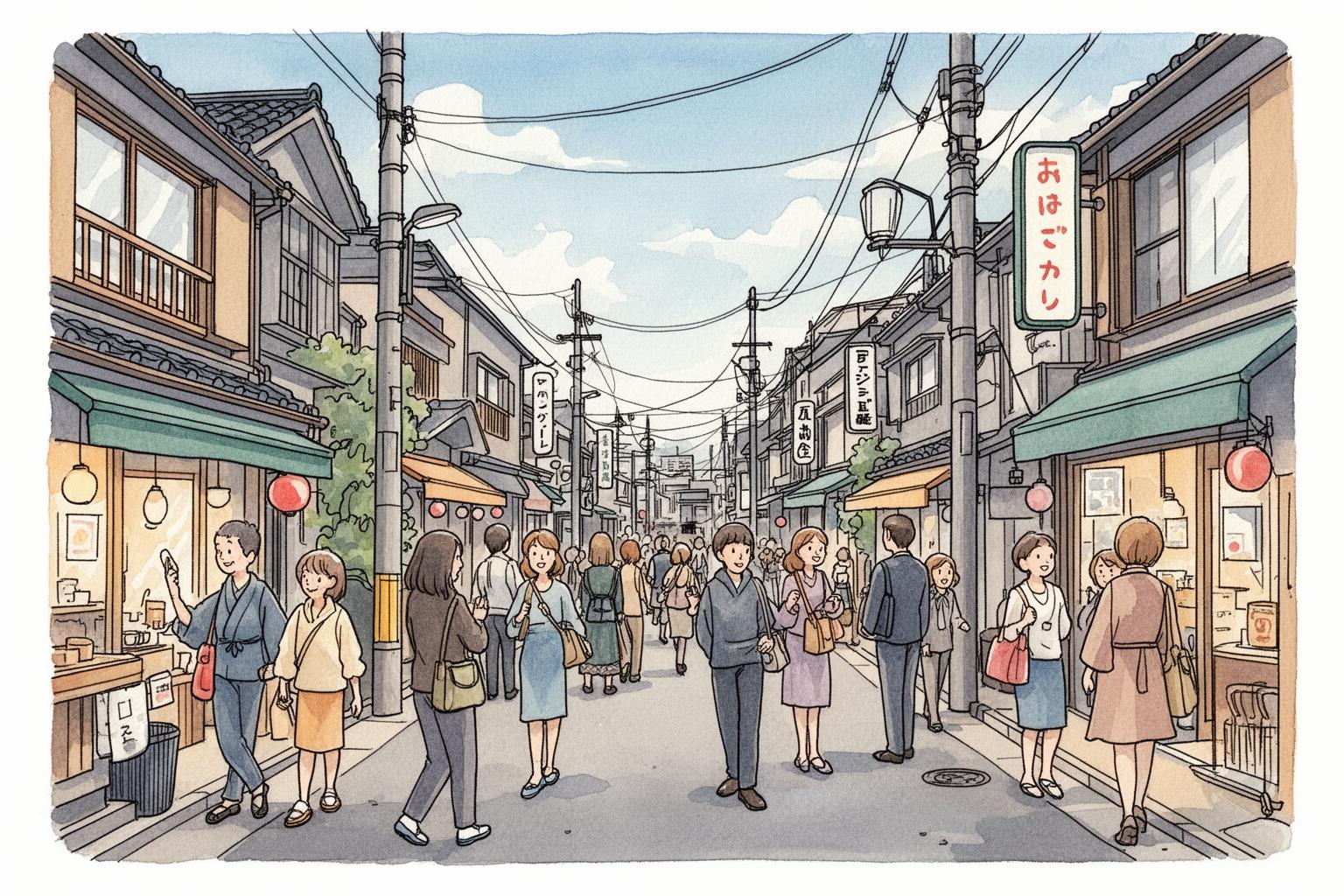
If Asakusa is the vibrant heart of Shitamachi, then Yanesen is its relaxed soul. This nickname refers to the area covering three neighborhoods: Yanaka, Nezu, and Sendagi. Remarkably, this part of Tokyo escaped the firebombings of World War II, preserving much of its pre-war layout and architecture. The result is a maze of narrow alleys, hidden temples, and a pace of life that seems decades removed from the rest of the city.
Your main destination here is Yanaka Ginza, a shopping street that epitomizes retro charm. Although it’s only about 170 meters long, it’s filled with long-established mom-and-pop shops. Big brand stores are nowhere to be found. Instead, you’ll encounter butchers selling freshly fried menchi-katsu (minced meat cutlets) that locals queue up for, small stalls offering handmade senbei (rice crackers), and shops specializing in everything from bamboo crafts to green tea. The atmosphere is warm and unpretentious. The staircase descending to the street, called Yuyake Dandan or “Sunset Steps,” is a popular spot to watch the sun set, bathing the street in a golden glow. It’s truly magical.
However, the true charm of Yanesen is in getting lost. Venture beyond the main street into the residential lanes, where you’ll find a quiet world of wooden homes, tiny shrines tucked between buildings, and a surprising number of cats. Yanaka is renowned for its feline inhabitants, who are treated like local celebrities. You’ll spot them lounging on temple walls, napping on shop counters, and featured in cat-themed souvenirs throughout the area. It adds to the sense that you’ve stepped into a Studio Ghibli film.
Don’t overlook Yanaka Cemetery. While it might sound grim, it’s one of the most beautiful and tranquil places in Tokyo. The main road, Sakura-dori, is lined with cherry trees that form a stunning pink tunnel in spring. This is a place for quiet reflection, a vast green oasis where you can stroll among the graves of famous artists, writers, and even the last Tokugawa shogun. It feels more like a historical park than a cemetery.
For a dose of culture, visit the Asakura Museum of Sculpture, the former home and workshop of sculptor Fumio Asakura. The building is a beautiful mix of Western and Japanese styles, featuring a lovely interior courtyard and a rooftop garden with panoramic views. Alternatively, explore Nezu Shrine, one of Tokyo’s oldest shrines. With its row of vermilion torii gates reminiscent of Kyoto’s Fushimi Inari and a vast azalea garden that bursts into color in late April, it’s a breathtaking spot often overlooked by tourists.
Ueno and Ameyoko: A Symphony of Chaos
Ueno is another key Shitamachi area, best known for Ueno Park, a vast green space housing some of Tokyo’s finest museums—the Tokyo National Museum, the National Museum of Nature and Science, and the Tokyo Metropolitan Art Museum, among others. It also hosts Ueno Zoo and the picturesque Shinobazu Pond, covered with lotus leaves. You could easily spend days just exploring the park.
However, the true beating heart of Ueno’s Shitamachi spirit lies just outside the park’s south gate: Ameya Yokocho, or Ameyoko for short. This is one of Tokyo’s last great open-air markets, a whirlwind of sights, sounds, and aromas packed beneath the JR train tracks. The history here is fascinating. Ameyoko began as a black market for American goods (Ame-ya can mean “American shop”) and candy (ame also means candy) in the post-World War II chaos. That rebellious, anything-goes spirit still thrives today.
The market is a full sensory experience. Vendors shout their offers over the roar of passing trains. The air is a vibrant mix of scents: fresh seafood from the fishmongers, grilling yakitori, exotic spices from Asian grocery stores, and the sweet aroma of fresh fruit. You can find everything here, from inexpensive T-shirts and knock-off sneakers to fresh tuna, Japanese sweets, and matcha powder. It’s the place for bargain hunting, people-watching, and immersing yourself in an atmosphere that’s 100% raw Tokyo. Don’t hesitate to engage with the vendors. Sample the street food—a skewer of fruit, a takoyaki ball, or maybe some grilled squid. This isn’t a spot for quiet observation; it’s one for active participation. It’s loud, it’s crowded, and it’s absolutely fantastic.
Venture further into the alleys branching off the main street. You’ll discover tiny restaurants serving the same menu for half a century, standing-only bars filled with office workers, and shops specializing in the most niche products you can imagine. Ameyoko is neither curated nor polished. It’s a living, breathing entity, constantly evolving yet always true to its chaotic origins. It offers the perfect contrast to the calm, orderly Japan seen elsewhere, and remains an essential part of the Shitamachi experience.
Ryogoku and Kiyosumi-Shirakawa: Sumo, Art, and Coffee
Heading further east, we arrive at Ryogoku, the undisputed heart of the sumo world. The entire neighborhood revolves around Japan’s national sport—you can feel it in the atmosphere. The main landmark is the Ryogoku Kokugikan, the national sumo stadium. If you’re fortunate enough to be in town during one of the three annual Tokyo tournaments (held in January, May, and September), securing tickets is an absolute must. The ritual, the strength, and the roar of the crowd create an unforgettable cultural experience. Even without a tournament, the area is worth exploring. You’ll spot young wrestlers in traditional yukata strolling down the street, and the neighborhood is dotted with heya, or sumo stables, where wrestlers live and train. Some stables welcome visitors to watch the intense morning practice (asa-geiko), though you’ll need to arrange this in advance and adhere to strict rules of conduct. It offers a rare and fascinating glimpse inside a closed world. After exploring, you should eat like a wrestler. The area is famous for chanko nabe, the hearty, protein-rich hot pot sumo wrestlers consume to bulk up. There are dozens of restaurants, many run by retired wrestlers, each boasting their own secret recipe. It’s delicious, communal, and the perfect way to end a sumo-themed day.
Just a short hop from Ryogoku is Kiyosumi-Shirakawa, a neighborhood that has undergone an impressively cool transformation. Historically a warehouse and lumber district along the river, it has maintained its quiet, industrial-chic vibe. But in recent years, it has become Tokyo’s premier coffee destination. It started when the American specialty coffee roaster Blue Bottle chose this unassuming neighborhood for its first Japan outpost, attracted by the large warehouse spaces ideal for roasting. Since then, a whole ecosystem of independent roasters, artisanal cafes, and coffee shops has sprung up. You can spend an entire day cafe-hopping, sampling incredible coffee from around the world, prepared with meticulous Japanese precision. The cafes themselves are often stunning, occupying beautifully restored industrial spaces with minimalist aesthetics.
But coffee isn’t the only draw here. The neighborhood is also home to the Museum of Contemporary Art Tokyo, one of the city’s finest art museums, and the remarkable Kiyosumi Gardens. This is one of Tokyo’s most beautiful traditional landscape gardens, a masterpiece from the Meiji era. It’s designed for strolling, featuring a large central pond surrounded by carefully placed rocks, pine trees, and teahouses. The reflection of the greenery on the still water is mesmerizing. The contrast between this tranquil, classical garden and the hip, modern coffee scene just a few blocks away perfectly captures the dynamic energy of today’s Shitamachi—a place where tradition and innovation don’t just coexist, but enrich each other.
Practical Tips for the Shitamachi Explorer
Exploring Shitamachi is less about following a strict itinerary and more about embracing a particular mindset. Your best companion is a comfortable pair of shoes, as you’ll be doing plenty of walking. These neighborhoods are best enjoyed on foot, allowing you to uncover hidden gems tucked between the well-known sites.
Cash remains king in many of the smaller, traditional shops and eateries in these areas. While larger establishments accept cards, it’s wise to carry some yen for that tasty street food or a unique keepsake from a small artisan store. It’s more convenient and demonstrates respect for their business customs.
Timing matters. To witness the spiritual essence of a place like Asakusa, visit at dawn. To soak in the vibrant energy of Ameyoko, head there in the late afternoon. For the warm glow of Yanaka Ginza during golden hour, aim for sunset. Each neighborhood has its own pace, and aligning with it will transform your experience. Keep in mind that many small, family-run shops in areas like Yanesen often close early—by 6 or 7 PM—and may shut down one day a week, so a bit of planning is beneficial.
Most importantly, be a considerate observer. These areas aren’t just tourist spots; they are lively, residential communities. Locals are going about their everyday lives. Avoid blocking narrow streets with large groups, be respectful when photographing shops or homes, and always ask permission before taking photos of people. A simple smile and nod can make a big difference. The charm of Shitamachi lies in its authenticity, and as visitors, we have a duty to help preserve that. Learn a few basic Japanese phrases—“Konnichiwa” (Hello), “Arigato gozaimasu” (Thank you), “Sumimasen” (Excuse me)—and use them. Your effort will be warmly welcomed and often lead to more genuine interactions.
The Journey Continues
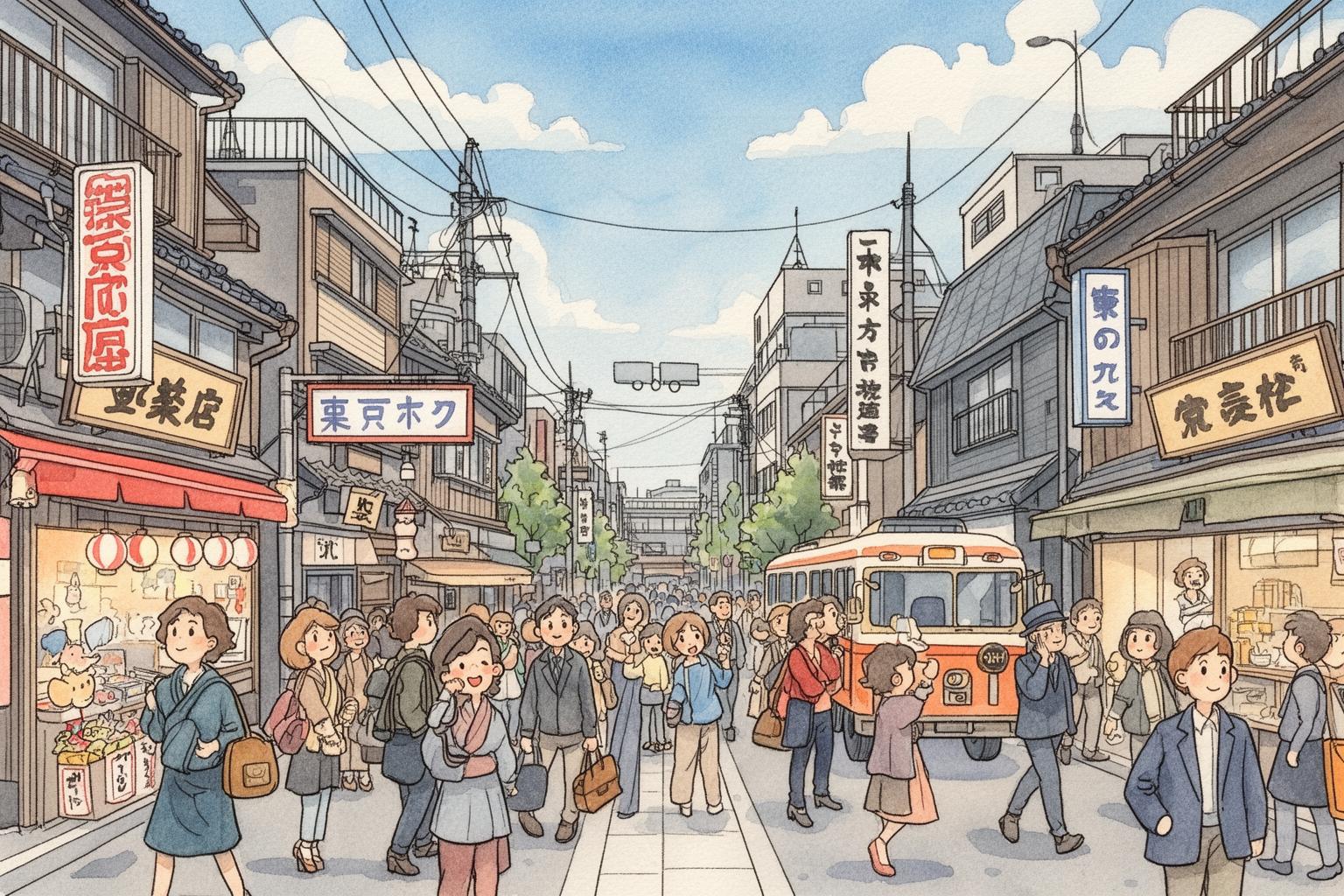
Exploring Shitamachi is more than simply ticking off sights from a list. It’s about experiencing the texture of a different Tokyo. It’s about recognizing that beneath the futuristic skyline lies a city with deep roots, a strong community spirit, and a resilient, creative heart. It reminds us that progress doesn’t have to erase the past. In these neighborhoods, history is alive on every corner, in every conversation, and in every savory bite. So on your next visit, venture off the beaten path. Wander these streets, get a little lost, and discover a Tokyo that exists not for tourists, but for itself. It’s a journey that lingers long after you leave, a quiet rhythm echoing in your heart, drawing you back to explore even more.