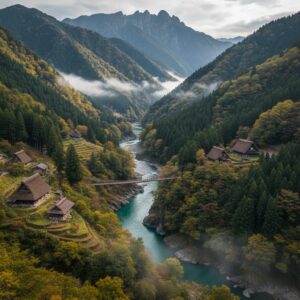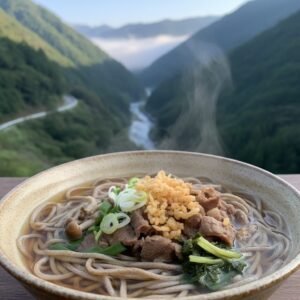
Yo, let’s get real for a second. We’ve all seen those picture-perfect shots of Japan—the neon-drenched streets of Tokyo, the serene temples of Kyoto. It’s all fire, no doubt. But what if I told you there’s a different kind of magic brewing deep in the mountains of Shikoku, a place that’s not just a feast for the eyes but a full-on reset for the soul? I’m talking about Kamikatsu, a town in Tokushima Prefecture that’s quietly staging a revolution. This ain’t your typical tourist trap. This is a legit, world-famous zero-waste town where the community is rewriting the rules on how to live. But here’s the plot twist: this epicenter of eco-consciousness is also an untapped paradise for adrenaline junkies. We’re talking about trading recycling bins for wetsuits and plunging into pristine, emerald-green canyons. It’s a vibe that’s both wildly exhilarating and profoundly mindful. You come here to slide down waterfalls and leave with a whole new perspective on your place in the world. It’s the ultimate combo of thrill and chill, a place where adventure and sustainability aren’t just buzzwords—they’re a way of life. This is the story of Kamikatsu, where getting back to nature means jumping right into its heart. Bet.
If you’re looking for more hidden gems in Tokushima, be sure to explore the breathtaking Iya Valley.
The Zero-Waste Soul: More Than Just Recycling
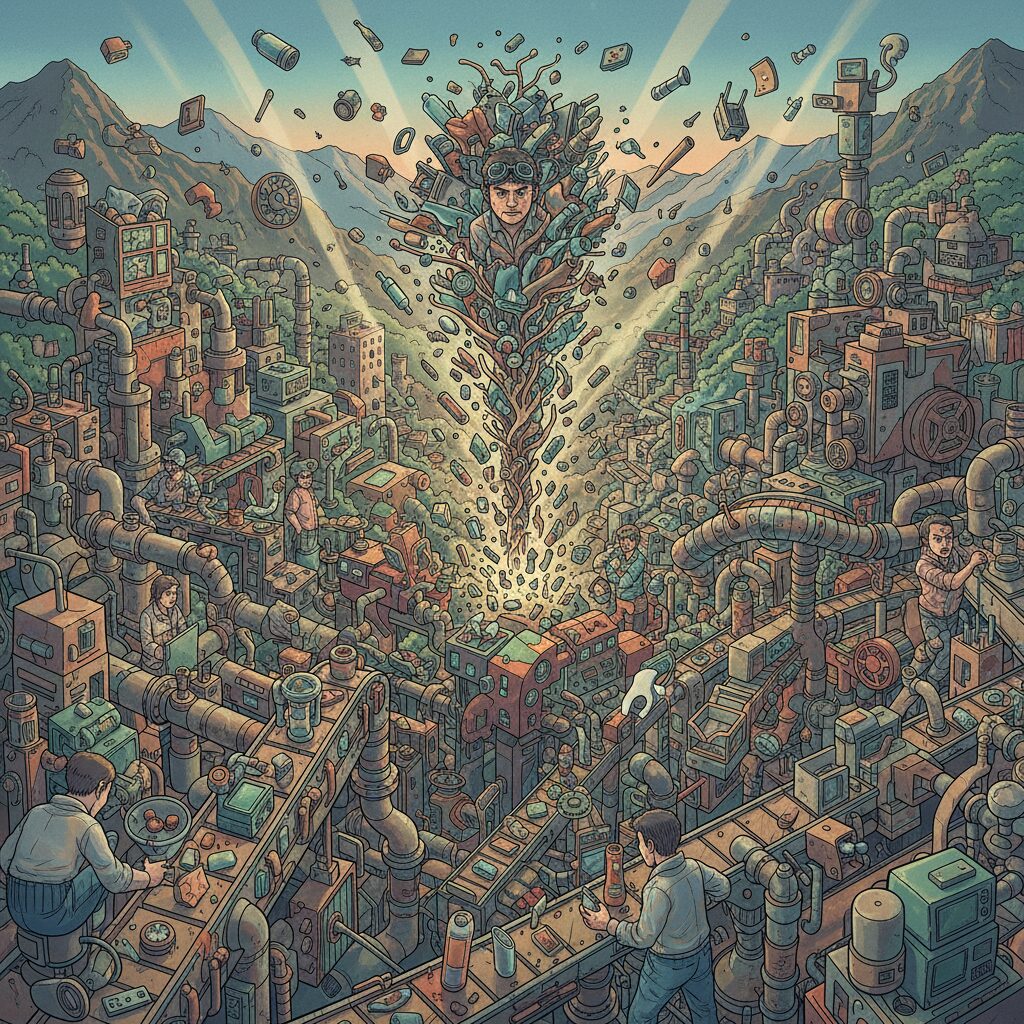
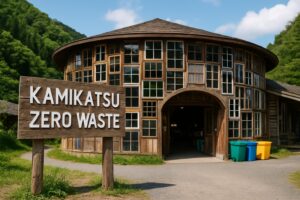
Before we even consider zipping up a wetsuit, it’s important to grasp the essence of Kamikatsu. This town is globally acclaimed for its extraordinary dedication to a zero-waste lifestyle. In 2003, they made a bold declaration: they pledged to become entirely waste-free. No incinerators, no landfills. Every single item, and they mean every single one, is given a second life. This isn’t some superficial greenwashing; it’s the everyday reality for the roughly 1,500 residents here. At the heart of this effort is the Hibigaya Waste Station, which functions more like a community center. Forget the usual single blue bin for recycling—here, waste is sorted into an astonishing 45 different categories. Plastic bottles? Sure, but you need to separate the bottle, cap, and label. Newspapers, magazines, cardboard, aluminum cans, steel cans, various types of glass—it’s an extreme level of dedication.
Entering the station is an experience. It’s immaculate, orderly, and strangely beautiful. There’s a palpable sense of purpose throughout. Locals, from elders to young families, carefully place their items in the correct bins while chatting and socializing. It’s a communal ritual. Attached to the station is the Kuru-kuru Shop, which means ‘circular’. It operates as a free thrift store where residents drop off items they no longer want and pick up things they do. Clothes, dishes, books, furniture—it’s a vibrant example of the saying ‘one person’s trash is another’s treasure.’ This entire system is rooted in a profound Japanese concept called mottainai, which expresses a cultural regret over waste. This philosophy permeates every aspect of Kamikatsu. This foundation of respect for resources and the natural environment is exactly what makes the eco-adventures here so much more meaningful. You’re not just a tourist consuming a piece of nature; you’re stepping into an ecosystem where humans are actively striving to be responsible partners, not just takers. That’s a truly powerful feeling as you prepare to immerse yourself in the very rivers they’re working tirelessly to protect.
Gearing Up for the Plunge: The Canyoning Vibe
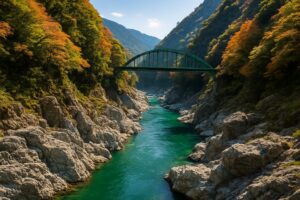
Alright, let’s dive into the main event: canyoning. In Japan, it’s often referred to as ‘canyoneering’ or ‘sawanobori’ (stream climbing), but at its core, it’s pure, exhilarating fun. It involves navigating a river canyon through a dynamic mix of sliding, jumping, swimming, and rappelling. In Kamikatsu, this aquatic dance takes place against an absolutely stunning backdrop. The mountains surrounding this town are threaded with rivers so clear they resemble liquid glass. The water, filtered through ancient forests, is astonishingly pure and shimmers in shades of emerald and sapphire that no camera can fully capture. It’s the kind of scene that feels like stepping right into a Studio Ghibli movie.
The day begins with meeting your guides. These aren’t just thrill-seekers; they’re experienced professionals, often deeply connected to the area. They know these rivers like the back of their hand — every current, hidden pool, and slippery rock. Their respect for the environment is palpable. They’ll outfit you in serious gear: a thick wetsuit to fend off the refreshingly cold mountain water, a helmet, a harness, and special felt-soled river shoes that cling to wet rocks like a gecko’s grip. As you squeeze into your neoprene suit, excitement and nerves mix. You glance around at your crew — all a bit goofy yet ready — and an instant camaraderie forms, born from the promise of shared adventure.
Next is the short hike to the river’s entry point, a gradual immersion into the world you’re about to explore. The air grows cooler and damper, filled with the scents of wet earth, moss, and cedar. The distant murmur of the river swells into a steady roar. Then you see it: the canyon unfolds before you, a realm of sculpted rock, hanging ferns, and impossibly clear water. The guides deliver a last safety briefing, their voices calm and steady against the river’s song. They teach you the signals, the techniques, how to trust your gear, and most importantly, how to trust yourself. Then, the talking stops. It’s time to jump.
A Symphony of Water and Stone: The Experience
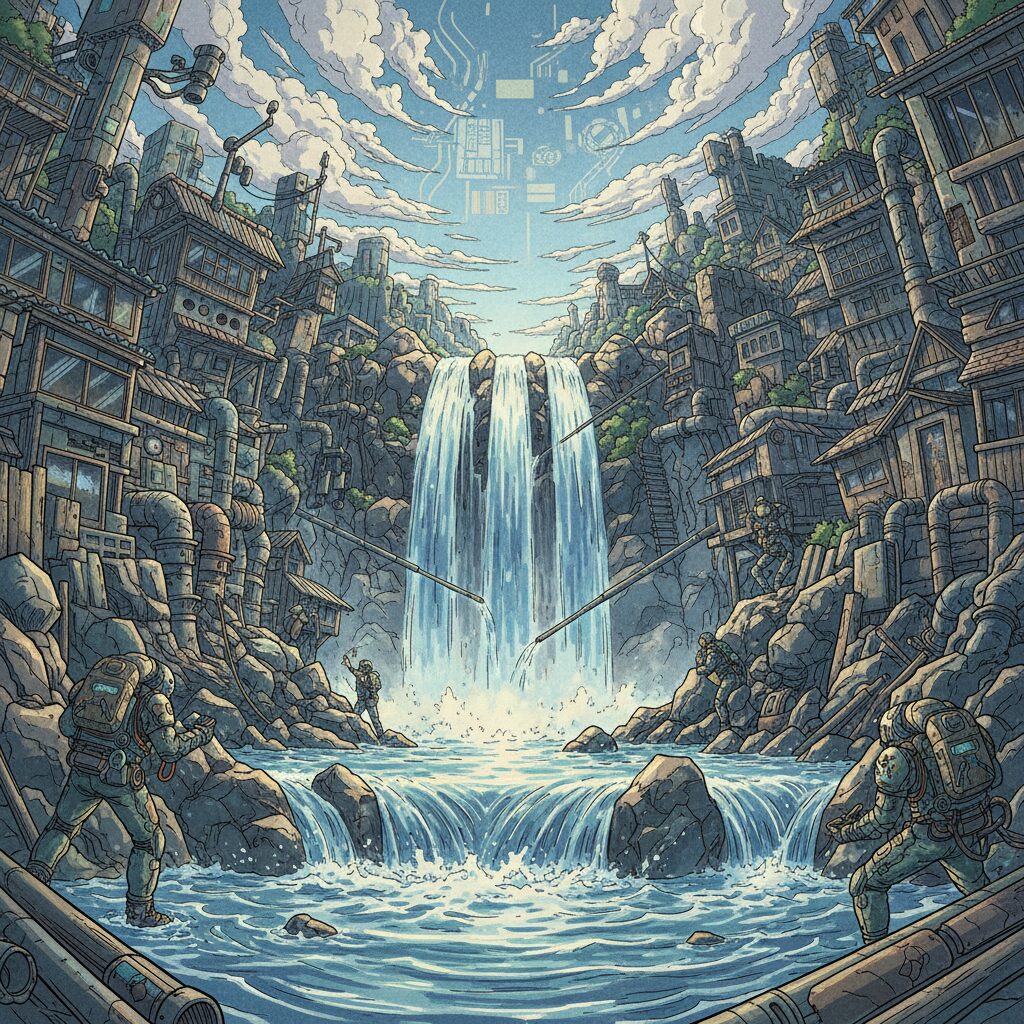
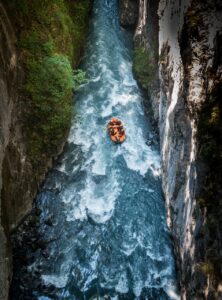
The initial plunge shocks the system in the best possible way. Cold water floods your wetsuit, delivering a jolt that instantly sweeps away any remaining hesitation and sharpens your focus entirely on the present moment. All external noise disappears—it’s just you, the water, the rock, and the steady beat of your own heart. From that instant, you follow nature’s rhythm. The journey down the canyon unfolds as a series of natural playgrounds, each more breathtaking than the last. You’ll find yourself gliding down natural waterslides, smoothed by millennia of flowing water. The rush of acceleration is pure exhilaration, culminating in a splash into a deep, crystal-clear pool.
There are cliff jumps ranging from relaxed, easy leaps to adrenaline-pumping drops that challenge your courage. Standing on the edge of a rock, peering down at the swirling green depths below, is a true moment of commitment. The guides never pressure—only encourage. And when you take that leap of faith, the sensation of freefall followed by the deep, silent embrace of the water feels like a genuine rebirth. It’s a baptism by adrenaline. Yet not everything is high-octane thrills. There are moments of profound peace. You’ll float on your back through calm stretches, looking up at the canopy of ancient trees, sunlight filtering through the leaves and casting shifting patterns on the canyon walls. You’ll swim through narrow gorges where rock faces are draped in a soft velvet carpet of moss, with water dripping down, sparkling like diamonds. These are the moments that linger—the quiet, poetic pauses between heart-racing peaks.
One of the most awe-inspiring aspects of canyoning in Kamikatsu is rappelling, or abseiling, down waterfalls. Secured firmly into a rope system managed by your guide, you lean back over the edge of a cascade, feeling the full force of water pounding on your helmet and shoulders. You control your descent, traversing backward down the rock face, enveloped by mist and the thunderous roar. It’s an intimate, powerful encounter with nature’s raw energy. You feel small, humbled, yet incredibly alive. Throughout it all, the water remains your unwavering companion. It’s so pristine you can drink it straight from the source. This purity isn’t by chance; it reflects the town’s ethos and the community’s dedicated effort. When swimming in it, you’re overwhelmed with gratitude. This is what they protect. This is why it matters.
The Gentle Flow: River Trekking as a Moving Meditation
If canyoning is the high-energy rock concert, then river trekking is the acoustic set—a different, more reflective way to immerse yourself in the same breathtaking environment. Known locally as sawanobori (stream climbing), it’s less about descending with gravity and more about progressing upstream, moving against the current. It’s certainly a challenge, but a more meditative one. The pace is slower, more purposeful. Instead of rushing to the next jump, you focus on each footstep, finding grip on the riverbed, reading the flow of the water, and working in harmony with it.
This leisurely pace lets you notice the finer details: tiny fish darting in the shallows, iridescent dragonflies skimming the water’s surface, and the intricate patterns in the rocks. You can admire the subtle variations in forest flora along the banks. It’s a photographer’s dream, offering a continuous stream of macro and landscape shots. River trekking feels more like a pilgrimage, tracing the water back to its source—a journey into the mountain’s heart. You’ll scramble over boulders, wade through waist-deep pools, and hoist yourself up small waterfalls. It’s a full-body workout that feels less like exercise and more like play.
This activity is ideal for those seeking immersion without the high-altitude jumps, or for families with older children. It’s about connection rather than conquest. You feel the river’s pull, the smoothness of stones beneath your hands, and the spray of a cascade on your face. It strips away distractions, boiling life down to the simple, satisfying act of moving forward through a beautiful landscape. It’s a quietly spiritual experience, a walking meditation where the mantra is the sound of the river itself. In a world that’s always rushing, intentionally moving slowly and steadily upstream feels like a profound act of peace.
Beyond the River: Soaking Up Kamikatsu’s Dope Culture

Your adventure doesn’t end when you peel off your wetsuit. Kamikatsu has so much more to offer, and exploring the town is key to grasping the full experience. After a day spent in the cold river, your first stop should definitely be RISE & WIN Brewing Co. BBQ & General Store. This place is legendary—and for good reason. It’s a craft brewery, restaurant, and shop constructed almost entirely from reclaimed and recycled materials. The facade is made from old windows, and the chandeliers are crafted from glass bottles. It’s a stunning piece of architecture that perfectly reflects the town’s philosophy.
But the best part? The beer is fantastic. They brew on-site, and some of their unique creations even incorporate byproducts from the local agricultural industry, like peels from the yuko, a local citrus fruit. The atmosphere is super relaxed, with a mix of locals and curious travelers swapping stories over pints and incredible BBQ. It’s the perfect spot to recharge and reflect on the day’s adventures. And don’t overlook Cafe Polestar, a cozy place that feels like you’re sitting in someone’s living room. They serve delicious, home-style dishes made with locally sourced, organic ingredients. It’s another place where you can literally taste the town’s commitment to sustainability.
To truly connect with the landscape on solid ground, be sure to visit the Kashihara Rice Terraces (Kashihara no Tanada). Ranked among Japan’s top 100 terraced rice paddies, it’s a breathtaking sight. The fields are carved into the mountainside in beautiful, flowing patterns that have been preserved for centuries. Capturing this scene as a photographer is a must. In spring, the flooded paddies reflect the sky like a thousand scattered mirrors. In summer, they glow with vibrant, electric green. In autumn, they turn into a golden sea. It’s a tribute to the harmony between human agriculture and the natural contours of the land. The place is quiet, deeply peaceful, and offers panoramic valley views that will linger in your memory for a long, long time.
The Practical Playbook: How to Make It Happen
Alright, so you’re convinced and ready to dive in. Here’s the essential information on the logistics. Getting to Kamikatsu is part of the experience, as this place is truly remote. The simplest way is by car. Renting one from Tokushima City (about an hour’s drive) or from a major hub like Takamatsu or Osaka gives you the greatest freedom to explore the winding mountain roads. If you’re depending on public transportation, it’s possible but requires careful planning. You can take a train to Tokushima Station and then catch a local bus heading to Kamikatsu. The bus journey itself is scenic, but be sure to check the schedule closely, as buses aren’t very frequent.
Regarding timing, the prime season for canyoning and river trekking runs from late spring to early autumn, roughly May to October. The peak summer months of July and August bring the warmest weather, making the cold river water feel absolutely refreshing. However, spring and autumn each have their own charm. Spring offers cherry blossoms and vibrant fresh green mountains, while autumn, especially late October and November, turns the forests into a spectacular display of fiery reds, oranges, and yellows. The scenery is stunning, though the water will be much colder, so prepare accordingly.
When it comes to booking your adventure, choosing a reputable guiding company is essential. They provide all the specialized gear and, more importantly, ensure your safety. Companies like ‘D.O.A.‘ (Discover Oretachi’s Adventure) are well-known in the area and offer a range of courses for various skill levels, from easy half-day trips for beginners to full-day advanced canyoning adventures. Book early, especially during the peak season, as spots fill up quickly. For accommodation, you have some great options. Guesthouses (minshuku) offer a cozy, authentic local experience. Some, in keeping with the town’s spirit, are eco-lodges built around sustainable principles. Staying at one of these places allows for a deeper connection to the community and its values. A tip for first-timers: pack light but wisely. Bring a reusable water bottle (it’s practically a town rule), quick-dry clothing, and a reliable waterproof case for your phone or camera. Most importantly, bring an open mind. Kamikatsu operates on a distinct wavelength. Embrace the calm, the intentionality, and the profound respect for the world around you.
The Takeaway: A Different Kind of Souvenir

You don’t leave Kamikatsu carrying a suitcase filled with cheap souvenirs. Instead, you depart with something far more precious. You leave with the sensation of cold, pure water flowing over your skin. You leave with the memory of sunlight filtering through countless leaves. You leave with the taste of fresh air and the sound of a roaring waterfall resonating in your ears. This place seeps deep into your soul. The canyon adventure is an exhilarating rush, no exaggeration. It’s a physical challenge that pushes your limits and rewards you with views and moments that feel like a secret shared only with you.
But the true magic of Kamikatsu lies in how the excitement of the adventure is deeply connected to the town’s profound philosophy. Sliding down a natural waterslide feels different when you know the water’s purity comes from the deliberate care of the 1,500 residents living upstream. The entire experience becomes a powerful, tangible lesson in cause and effect, in our relationship with nature. You arrive in Kamikatsu for the thrill, but you leave with quiet inspiration. It plants a seed, prompting reflection on the waste you generate, the resources you consume, and the kind of footprint you want to leave behind. It’s an adventure that cleanses not only your body but your outlook. And that, truly, is the most unforgettable souvenir of all. It’s a vibe that lingers long after you’ve dried off. IYKYK.