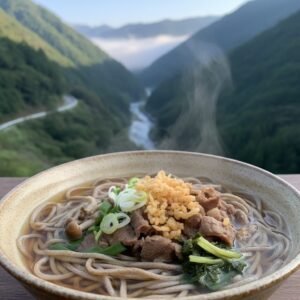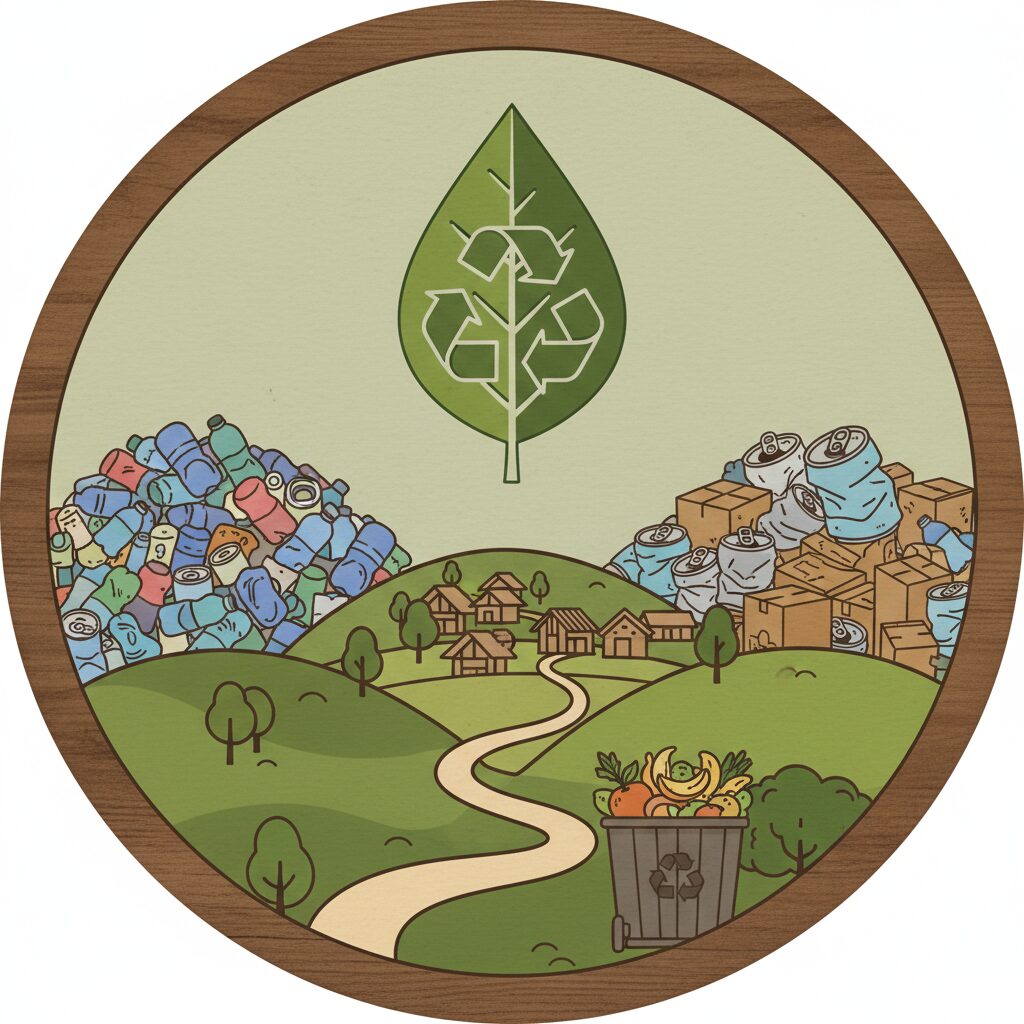
Yo, let’s talk about a real glow-up, not for a person, but for a whole town. Tucked away in the misty, emerald-green mountains of Tokushima Prefecture on Shikoku island is a place that’s basically living in 2050 while the rest of us are still figuring out which bin the pizza box goes in. This is Kamikatsu, a tiny town with a colossal mission: to become completely zero-waste. And we’re not talking about some far-off, dreamy goal. These folks are deep in the game, recycling and composting over 80% of their waste with a vision to hit that perfect 100%. Forget just seeing the sights; coming here is about shifting your entire perspective. It’s a pilgrimage for anyone who gives a damn about the planet, a place where the community’s collective spirit is so potent you can feel it in the clean mountain air. This isn’t just a travel destination; it’s a blueprint for a better future, served up with a side of insane natural beauty. It’s the kind of place that gets under your skin and rewires your brain, making you question every single thing you thought you knew about trash. So, buckle up, because we’re diving deep into what it’s like to participate in a zero-waste workshop in a town that’s literally changing the world, one meticulously sorted bottle cap at a time.
To truly understand the spirit of this movement, you can dive headfirst into Japan’s zero-waste wonderland.
The Vibe Check: Arriving in a Green Utopia
The journey to Kamikatsu is an adventure in its own right, a shift from the vibrant, neon-lit world of urban Japan to something far deeper. As you depart the coastal city of Tokushima, the roads narrow and wind like serpents, ascending into the dense forested mountains. The air becomes cooler and fresher, filled with the scent of cedar and damp earth. This is not a place you find by chance; it demands intention—and that’s precisely the point. Its isolation has nurtured a strong sense of self-reliance and community, which formed the foundation of their zero-waste declaration in 2003. Throughout history, communities like this across Japan have lived in closer harmony with nature, a principle that modern society seems to have lost. Kamikatsu is simply rediscovering it, but on a revolutionary scale.
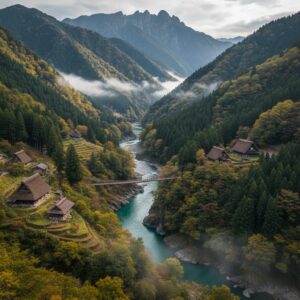
The atmosphere here is genuinely relaxed. You might assume that a town with such a rigorous environmental policy would be strict or preachy, but it’s quite the contrary. It’s a small town of about 1,500 people, many elderly, who have adopted this radical change with quiet, dignified grace. A strong sense of shared purpose is evident, but it’s seamlessly woven into daily life rather than loudly proclaimed. You see it in neighbors chatting at the collection station, exchanging tips on how to dismantle tricky packaging, or in the carefully arranged displays at the Kuru-kuru shop. The feeling here isn’t about sacrifice; it’s about mindful abundance and clever, collaborative living. It feels less like an eco-fortress and more like a warm, welcoming, open-source experiment in sustainable living, all set against the stunning terraced rice fields, known as `tanada`, that climb the mountainsides like ancient stairways to the heavens.
The Main Event: A Deep Dive into the Zero-Waste Grind
Attending a workshop here, often led by the remarkable team at the Zero Waste Academy, is the main reason many make the journey. This isn’t a typical PowerPoint presentation. Instead, it’s a hands-on, eye-opening experience that immerses you in the philosophy and practices that sustain the entire town. It begins not with a lecture on climate change, but with a simple yet profound question: what is ‘waste’? In Kamikatsu, the answer is ‘a resource in the wrong place.’ This single change in perspective is the key that unlocks everything.
The 45-Category Challenge: Hibigaya Waste Collection Station
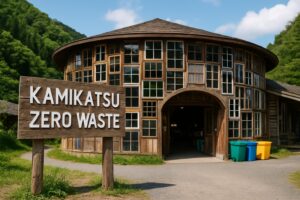
Let’s be honest, the core of the Kamikatsu experience is the Hibigaya Waste Collection Station. Calling it a ‘dump’ would be a grave mistake. This place is more like a library of resources—meticulously organized and immaculately clean. Here, the famous 45-category sorting system comes alive. Your workshop guide will explain it to you, and witnessing it firsthand is truly astonishing. There are separate bins for various types of paper, from newspapers and cardboard to glossy flyers. Metals are divided into steel and aluminum, with a distinct container just for spray cans (which must be punctured, naturally). Plastics form an entire ecosystem: PET bottles have their caps and labels removed, which go into their own bins, while the bottles themselves are washed and crushed. Then there are bins for different kinds of plastic film, polystyrene, and harder plastics. And it continues—from fluorescent light bulbs to batteries to used cooking oil.
Watching local residents, from lively grandmothers to young families, go through this process is captivating. Their movements have a focused, unhurried rhythm. They rinse containers at designated sinks, methodically breaking down items into their components. It’s a ritual. What seems overwhelming from the outside reveals itself as a mindful practice. The workshop teaches not just what belongs where, but the reasons behind it. You learn which materials can be renewed into new products and which are more challenging, reinforcing the first and most vital ‘R’: Refuse. The ultimate aim isn’t to become an expert recycler; it’s to prevent waste creation in the first place. This station offers the most honest classroom you could find about the lifecycle of the things we use.
Kuru-kuru Shop: The Community’s Treasure Chest
Adjacent to the sorting area is the Kuru-kuru Shop, and it’s pure brilliance. The name means ‘circular’ or ‘to go around,’ which perfectly captures what happens here. It’s a free thrift store where residents drop off items they no longer need but that remain perfectly usable—clothing, dishes, books, small appliances. Anyone can take whatever they want at no cost. The shop even tracks the weight of items brought in and taken out, demonstrating how much ‘waste’ is diverted entirely from the system. It’s a tangible embodiment of the circular economy, a reminder that one person’s ‘clutter’ is another’s treasure. Historically, this reflects the communal sharing and repair cultures common in Japan’s Edo period. It’s `mottainai`—the quintessential Japanese sense of regret about waste—brought to life. Workshop participants often spend time here, observing the steady, gentle flow of goods and realizing how much value we routinely discard.
Beyond the Bin: Workshop Insights and a Mindset Shift
The true essence of the workshop is the transformation it sparks in your own mindset. You start to view the world differently. You engage in discussions about consumerism, product design, and corporate responsibility. You may even pick up a practical skill, like making `zori` sandals from old fabric or crafting items from materials that would otherwise be thrown away. The Zero Waste Academy facilitators excel at linking Kamikatsu’s local actions to the global environmental crisis, but they do so with optimism rather than despair. They share the town’s history—how the decision to shut down their incinerators, due to costs and environmental concerns, wasn’t easy but sparked necessary innovation. This historical background is vital; it shows that the movement arose from pragmatic necessity, not just lofty ideals. You leave the workshop not burdened by guilt, but empowered. You start looking at convenience store packaging with fresh eyes, reconsidering the durability of what you buy, and believing that individual choices, multiplied by a community, can genuinely chart a new course.
Living the Lifestyle: Kamikatsu’s Ecosystem of Innovation
This zero-waste ethos extends far beyond the collection station; it infuses every aspect of life in Kamikatsu, offering a distinctive and inspiring travel experience. The town has grown into a hub for entrepreneurs and creatives eager to establish businesses aligned with these values.
Hotel WHY: The Zero-Waste Stay
To fully immerse yourself, staying at Hotel WHY is essential. This place is both an architectural marvel and a philosophical statement. Its name poses a question, encouraging guests to reflect on the impact of their consumption. The building is made from reclaimed materials, most notably its stunning facade composed of salvaged windows from abandoned local houses. Inside, the zero-waste commitment is uncompromising. There are no disposable amenities. You purchase soap and shampoo by weight, grind your own coffee beans, and enjoy beer on tap from the neighboring brewery. Your welcome drink is a locally sourced tea. The staff act as eco-concierges, guiding guests through a stay designed to be as waste-free as possible. It’s a luxury experience defined by thoughtfulness, intention, and beautiful, sustainable design. A stay here is more than just a place to sleep—it’s an integral part of the learning journey.
Rise & Win Brewing Co.: The Sustainable Suds
Located right beside the hotel, Rise & Win Brewing Co. proves that sustainability can be both cool and delicious. This craft brewery and BBQ spot serves as the town’s social hub. The building showcases upcycling, constructed with local cedar and recycled materials, and features a large window wall that opens to breathtaking mountain views. They offer outstanding craft beers, some brewed with unexpected local ingredients like the peels of `yuko` citrus fruit that would otherwise be discarded. They’ve even experimented with beers brewed from bread crusts and other surplus foods. It’s a place where locals and visitors mingle, sharing stories over a pint of sustainably crafted IPA. The name cleverly plays on the local dialect phrase `gomi wo riseriu`, which sounds like “Rise & Win,” reflecting their mission to transform waste into triumph.
Local Flavors, Zero Fuss: The Taste of the Land
Food plays a central role in Kamikatsu’s story. The town is renowned for its `irodori` business, where elderly residents forage and sell beautiful leaves and flowers as garnishes for high-end Japanese restaurants. This venture honors nature and provides essential income for the aging population. Dining in Kamikatsu, whether at a small local eatery or the cafe attached to the Zero Waste Academy, means tasting the land itself. The focus is on hyper-local, seasonal ingredients, naturally reducing food miles and packaging. It offers a direct connection to the agricultural cycles that have shaped rural Japan for centuries. The philosophy is to use everything, from root to stem—a practice rooted in respect for both the food and the people who cultivate it. This isn’t a trendy farm-to-table trend; it’s simply the traditional way, now seen through a contemporary, zero-waste lens.
Practical Deets for Your Eco-Pilgrimage
So, you’re convinced and ready to embark on the journey. Here’s what you need to know to make it happen.
Getting There is Part of the Experience
Kamikatsu’s remote location adds to its allure, but it also means careful planning is necessary. The closest major hub is Tokushima City. You can fly into Tokushima Awaodori Airport (TKS) or take a train or bus to Tokushima Station. From there, renting a car is clearly the best choice. Although public buses are available, they are infrequent and won’t give you the freedom to explore winding mountain roads and hidden gems. The drive itself is breathtaking, following the scenic Katsuura River and leading you further into Shikoku’s mountainous heart. Consider the journey a decompression period, easing you into the slower rhythm of life in Kamikatsu.
When to Visit: A Town for Every Season
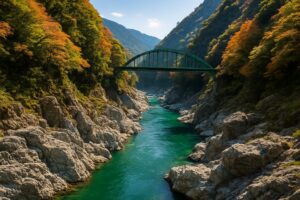
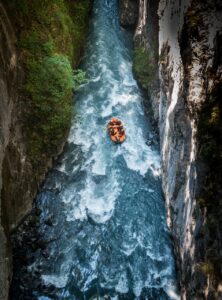
Truly, there’s no bad time to visit Kamikatsu. Each season brings its own unique charm. Spring (late March to April) is magnificent, with cherry blossoms framing the mountain villages and flooded terraced rice paddies reflecting the sky like mirrors. Summer (June to August) is lush and vibrant, ideal for enjoying the cool river waters. Autumn (October to November) is arguably the most stunning, as the mountains burst into fiery hues of red, orange, and yellow. Winter (December to February) is peaceful and quiet, occasionally dusted with snow that transforms the landscape into a monochrome work of art. Just keep in mind that workshops and accommodations—especially popular spots like Hotel WHY—fill up months in advance, so advance planning is essential no matter when you go.
Tips for First-Time Visitors
A bit of preparation can make your visit smoother and more respectful. First, book everything in advance—workshops, lodging, and rental car—as the town has limited capacity. Second, start preparing beforehand by bringing your own reusable water bottle, coffee cup, and shopping bag. This small act shows respect for the local values. Third, learn a few basic Japanese phrases. While many tourism staff speak some English, many locals do not. A simple `Konnichiwa` (hello) or `Arigato gozaimasu` (thank you very much) goes a long way. Finally, and most importantly, arrive with an open mind and a humble heart. You’re a guest in a community doing something extraordinary. Your role is to listen, observe, and learn. Don’t hesitate to ask questions, but also take time to be present and absorb the truly special atmosphere of the place.
A Message in a Reusable Bottle
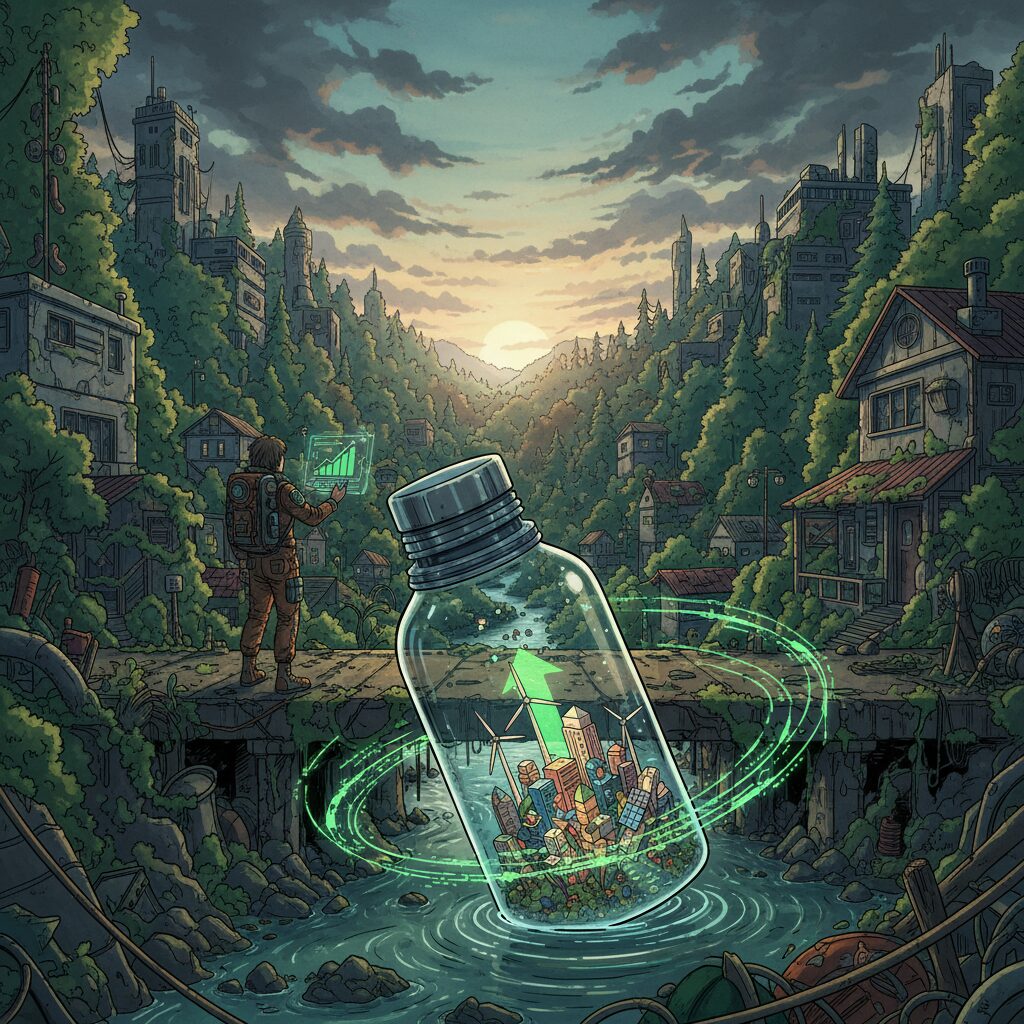
A trip to Kamikatsu is far more than just a vacation. It’s an immersive learning experience. You don’t simply observe the future of sustainability; you live it for several days. You wash your own jars, sort your own waste, and engage with the people who make it all happen every single day. You leave with a deeply changed awareness of your own impact on the world. Kamikatsu isn’t a flawless utopia—the town still grapples with challenges, particularly an aging population and the constant influx of disposable consumer goods from the outside world. Yet, it remains a vibrant, living laboratory of hope. It powerfully demonstrates that an alternative path is possible, that a community, driven by a clear vision and resilient spirit, can truly move mountains—or, in this case, mountains of trash. You arrive as a tourist, but you depart as a champion for a quieter, more mindful, and infinitely more sustainable way of living. And that, without exaggeration, is the best souvenir you could ever hope to bring home.