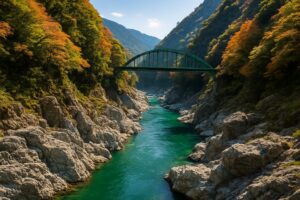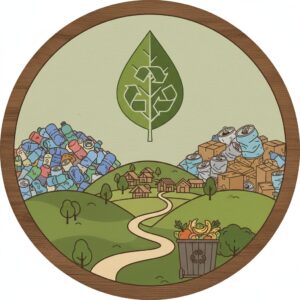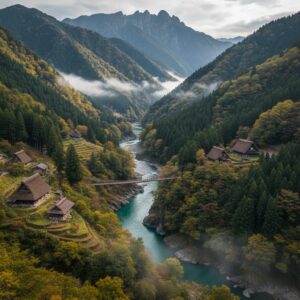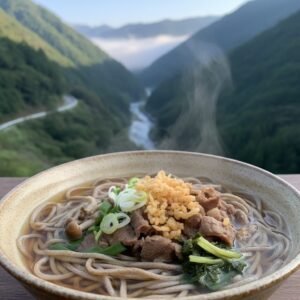
Deep within the verdant, mist-shrouded mountains of Shikoku, the smallest of Japan’s four main islands, lies a town that is quietly orchestrating a global revolution. This is Kamikatsu, a small municipality in Tokushima Prefecture with a population that hovers around 1,500 souls. From a distance, it appears as a timeless portrait of rural Japan: terraced rice paddies cling to steep hillsides, traditional wooden houses with elegant tiled roofs dot the landscape, and the air is thick with the scent of cedar and damp earth. Yet, this tranquil community is the epicentre of one of the most ambitious environmental movements in the world. In 2003, Kamikatsu became the first municipality in Japan to declare a ‘zero-waste’ ambition, a pledge to completely eliminate the need for landfills and incinerators. This is not merely a story about recycling; it is a profound narrative about community resilience, the reclamation of ancestral wisdom, and the forging of a sustainable future in the face of modern challenges. For the discerning traveller, Kamikatsu offers more than just breathtaking scenery; it provides a deeply inspiring glimpse into what is possible when a community dares to reimagine its relationship with the world, and with waste itself.
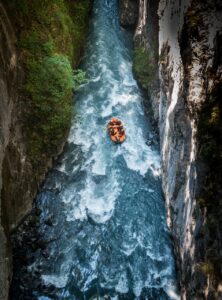
This inspiring journey into sustainability is just one of the many unique experiences awaiting in Tokushima Prefecture, such as the thrilling whitewater rafting in Oboke Gorge.
The Genesis of an Idea: From Incinerator to Innovation
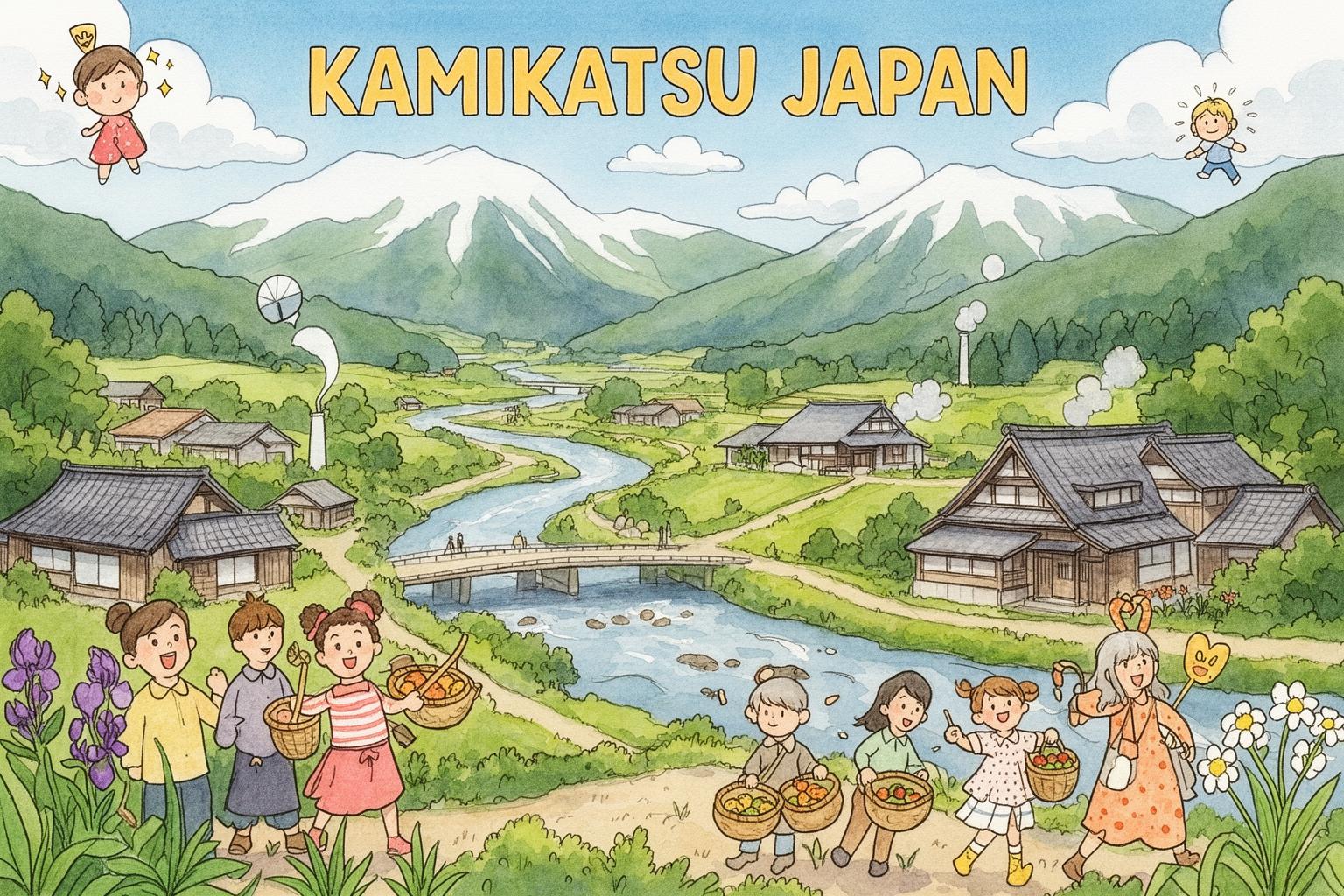
The story of Kamikatsu’s transformation is driven not by idealism, but by necessity. As a historian, I observe that the most significant societal changes often arise from practical crises, and this town serves as a prime example. In the late 1990s, Kamikatsu, like many rural communities across Japan, faced a shrinking, aging population and limited financial resources. Their small, outdated incinerator failed to meet stricter national emission standards for dioxin, a highly toxic pollutant. The usual response would have been to build a new, modern incineration facility, possibly in partnership with a neighbouring town. However, this option was prohibitively expensive for the small community and would have only extended a linear model of consumption and disposal. The town stood at a crossroads. Confronted with this environmental and economic challenge, the community chose a path that was bold, unconventional, and ultimately revolutionary.
In 2003, guided by forward-thinking local leaders and with vital support from its residents, the town adopted its now-famous Zero Waste Declaration. The ambition was enormous: to achieve complete zero waste by 2020, ensuring everything discarded would be reused, recycled, or composted, with nothing sent to landfill or incineration. This was not a top-down mandate; it was a collective pledge shaped through numerous town meetings, debates, and discussions. It marked a profound philosophical shift, a deliberate decision to regard ‘waste’ not as an endpoint, but as a resource. This change demanded that every resident, from schoolchildren to the eldest elders, remake their daily habits and their view of consumption. The journey was challenging, but it also united the community in a shared purpose that has come to define Kamikatsu’s identity.
The Heart of the System: The Hibigaya Waste Collection Station
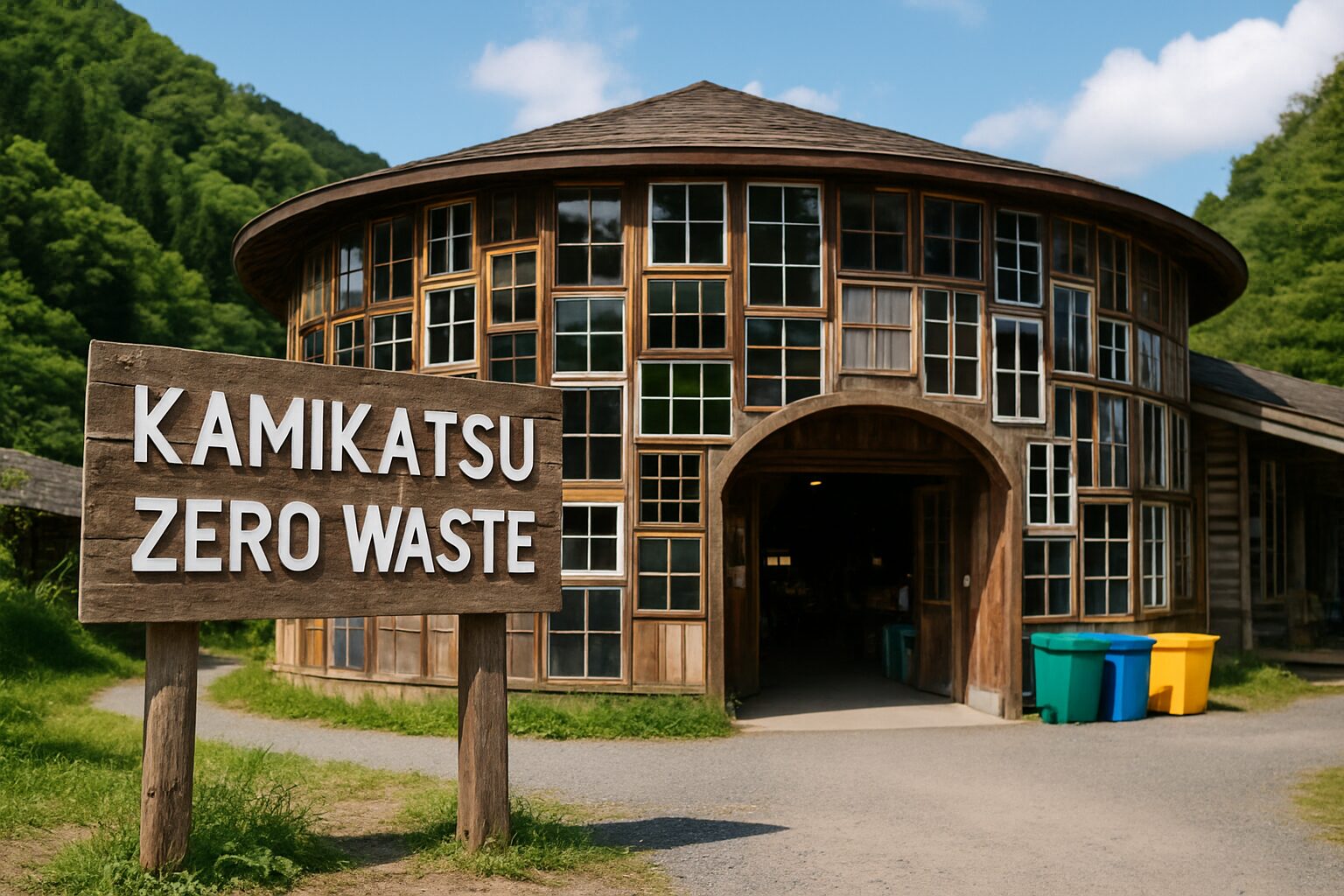
To truly grasp the operational reality of Kamikatsu’s vision, one must visit the Hibigaya Waste Collection Station, commonly called the Zero Waste Center. The phrase ‘waste station’ is misleading, as it evokes images of dirt, odor, and garbage. The truth is remarkably different. The center is a clean, open-air facility, carefully organized and surprisingly tranquil. It operates less like a dump and more like a community library of materials—a place for social interaction and shared learning. This is the heart of the town’s recycling efforts, and seeing it in action is both humbling and deeply educational. Kamikatsu has no refuse collection trucks; instead, residents clean, sort, and bring their own waste to this central location.
Upon arrival, visitors encounter the now-famous sorting system. Waste is divided into an impressive 45 different categories. This level of detail is key to Kamikatsu’s success. Whereas most municipal recycling programs might separate plastics into just one or two types, here the distinctions are far more precise. There are individual bins for PET bottles, their caps, and their labels. Paper is split into newspapers, cardboard, magazines, and mixed paper. Metal is sorted into steel cans and aluminum cans. Glass is separated by color: clear, brown, and other. There are bins for fluorescent bulbs, mercury thermometers, dry-cell batteries, and even used cooking oil, which is recycled into soap or fuel. This degree of detail may seem overwhelming to outsiders, but for residents, it has become second nature—a mindful ritual ingrained in daily life. Staff members are always available, not as enforcers but as guides, gladly answering questions and helping residents find the right bin for each item. This thorough separation guarantees that collected materials are of very high purity, making them valuable to recyclers rather than contaminated, low-grade waste. The process itself encourages a conscious engagement with personal consumption. When you have to dismantle every item you discard, you start to rethink what you bring into your home initially.
The Kuru-Kuru Philosophy in Practice
Next to the sorting bins is a simple yet brilliant expression of the ‘reuse’ principle: the Kuru-kuru Shop. ‘Kuru-kuru’ is a Japanese onomatopoeia for something spinning around, symbolizing circular movement. This isn’t a shop in the commercial sense; no money changes hands. It is a community exchange store. Residents can drop off items they no longer need but that remain fully functional—clothing, tableware, books, small appliances, toys. Others are welcome to browse and freely take whatever they need. The shop runs on a foundation of trust and community spirit. It is a tangible embodiment of the idea that one person’s ‘waste’ is another’s treasure. Watching families explore the shelves, a child’s face lighting up at the sight of a toy, or a young couple finding the perfect set of dishes for their new home, it becomes clear this is about more than waste reduction. It is about nurturing a culture of sharing and mutual support that strengthens the town’s social fabric. This simple, elegant system keeps countless items out of the waste stream and directly challenges the dominant culture of disposability.
A Community Woven from Waste and Wisdom
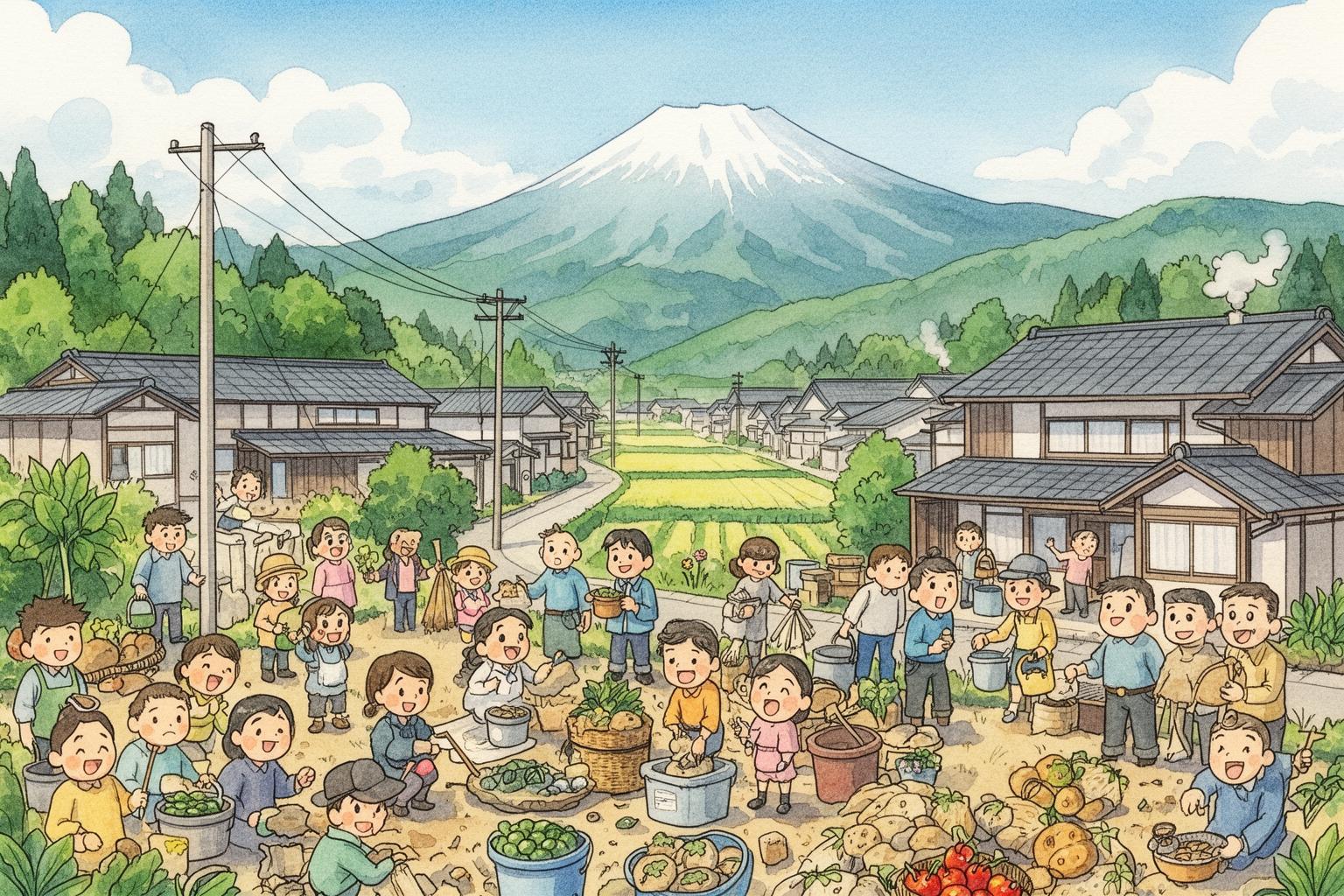
The zero-waste initiative has significantly influenced Kamikatsu’s cultural and social landscape, extending well beyond the recycling centre. Unintentionally, the system has become a vital tool for fostering community cohesion in an aging, rural setting. Regular visits to the waste station serve as social gatherings, where neighbors who might otherwise go weeks without seeing each other meet while sorting bottles and cans, pausing to chat about the weather, their gardens, or local happenings. The centre functions as an informal community hub, a space for exchanging information and strengthening social ties. It has also encouraged a unique intergenerational dialogue. The town’s elders, who grew up during a time of scarcity before Japan’s post-war economic boom, hold a deep understanding of conservation. They recall an era when everything was repaired, repurposed, or returned to the earth. Their wisdom has become a valuable resource, and they have taken on the role of mentors, teaching younger generations the lost skills of mending, preserving, and making do.
At the heart of this movement lies a deeply rooted Japanese cultural concept: mottainai. This term has no exact English equivalent, but it conveys a Buddhist-inspired sense of regret over waste. It reflects the sorrow felt when something valuable—whether food, time, energy, or a physical object—is not fully utilized. Mottainai is the inner voice that reproaches you for leaving a single grain of rice uneaten. For generations, this principle shaped daily life in Japan. Although late 20th-century consumerism diminished this awareness, in Kamikatsu, mottainai has been consciously revived and made central to the town’s modern identity. The zero-waste initiative is perceived not as a radical innovation, but as a return to a more sensible and respectful way of living that was once common. This cultural connection is key to its success, making the effort feel less like a burden and more like reclaiming an important part of their heritage.
Beyond the Bins: Sustainable Living in Kamikatsu
The philosophy of zero waste is embedded in every facet of life here, sparking creativity and innovation in local businesses and architecture. Perhaps the most renowned example is the Kamikatz Public House. This craft brewery and pub is more than just a place to enjoy a locally brewed pint; it stands as a stunning example of sustainable architecture and a reflection of the town’s ethos. The building itself is a reclamation masterpiece. Its main facade features an eight-meter-high wall of windows salvaged from abandoned houses in the area, bathing the interior in natural light. A beautiful chandelier made from recycled bottles hangs from the ceiling, while the walls are insulated with old newspapers. Even the floor tiles are reclaimed materials. The brewery offers a variety of excellent craft beers, some brewed with locally grown ingredients, and the attached store stocks food and household goods with minimal or zero packaging, encouraging customers to bring their own containers. This vibrant, welcoming space demonstrates that sustainability can be stylish, friendly, and economically viable.
For visitors seeking a fully immersive experience, there is Hotel WHY. Located within the same complex as the Zero Waste Center, this unique lodging is designed as an educational experience. Its name poses a question, inviting guests to rethink their habits. The hotel features minimalist design and is constructed from sustainable materials like local cedar. Guests receive a hands-on introduction to the Kamikatsu lifestyle, sorting their waste into various categories and taking it to the station themselves. They are encouraged to minimize water and energy use. The experience prioritizes thoughtfulness over luxury, offering deep insight into the mindful consumption that is second nature to the town’s residents. It provides a powerful opportunity to move beyond observation into active participation, leaving visitors with a lasting impression and a fresh perspective on their own environmental impact.
Another key element of Kamikatsu’s sustainable economy is the Irodori business. This remarkable enterprise, which predates the Zero Waste Declaration, perfectly embodies the town’s philosophy of finding value in overlooked natural resources. The business engages local, predominantly elderly residents in foraging for beautiful leaves, flowers, and blossoms from the surrounding mountainsides. These natural decorations, known as tsumamono, are carefully packaged and shipped to high-end restaurants and hotels across Japan, where they serve as elegant garnishes for traditional cuisine. The Irodori business has been a great success, providing an essential source of income and, equally important, a sense of purpose and social connection for the town’s seniors. It is a beautiful example of a circular, nature-based economy that honors both the environment and its people.
Experiencing Kamikatsu: A Visitor’s Guide
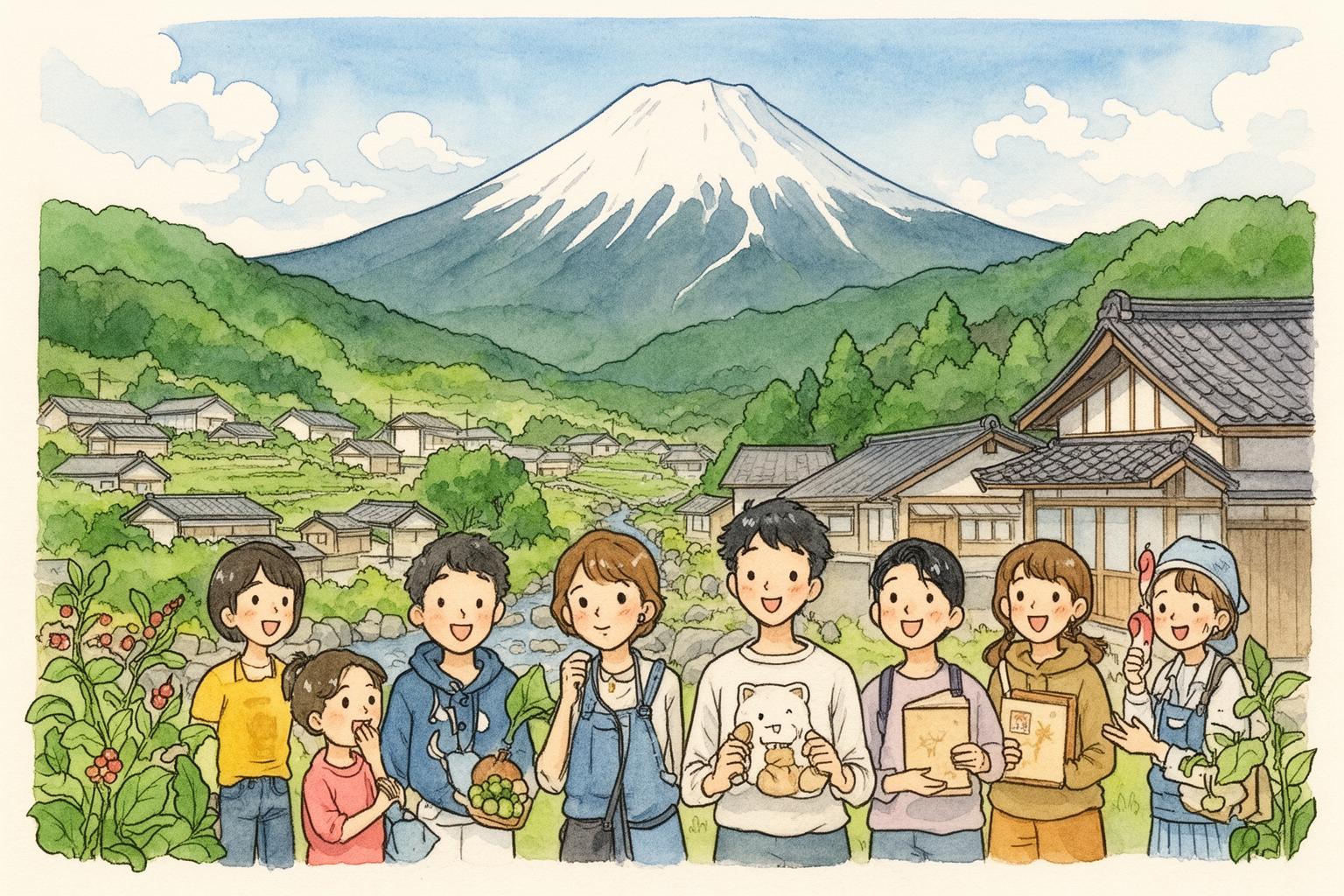
A visit to Kamikatsu offers an escape into a different rhythm of life. The atmosphere is filled with profound tranquility and purpose. The air is fresh, the water pure, and silence is interrupted only by the rustling wind in the trees or the distant call of a bird. This is not a place crowded with tourist attractions, but one of peaceful reflection and a deep connection with nature and community. The true charm lies in the town itself—the way it operates, the spirit of its people, and the breathtaking natural beauty that frames it.
The best way to experience Kamikatsu is to slow down and truly observe. Visiting the Zero Waste Center is essential. Take time to not just see the bins but to watch the gentle rhythm of residents coming and going, and to sense the community spirit. Afterwards, enjoying a meal or drink at the Kamikatz Public House is an ideal way to experience the town’s philosophy reflected in its design and flavors. For those staying longer, hiking is a wonderful way to immerse in the area’s natural beauty. The trails on Mount Yamainudake offer stunning vistas, and a stroll through the Kashihara terraced rice paddies feels like stepping back in time. These paddies, recognized as one of Japan’s top 100 agricultural landscapes, are especially magnificent in early summer when flooded with water, mirroring the sky, and in autumn when the rice ripens to a golden hue before harvest.
Seasonality plays a vital role in life here. Spring brings a gentle wave of cherry and mountain peach blossoms, painting the hillsides in soft pastels. Summer bursts with deep, lush greens, accompanied by the constant hum of cicadas. Autumn is perhaps the most breathtaking season, as mountain forests ignite in a symphony of crimson, orange, and gold, attracting photographers and nature enthusiasts. Winter cloaks the town in a quiet blanket of snow, offering a stark, serene beauty and the perfect opportunity for a long, restorative soak in a local onsen (hot spring).
Practicalities and Parting Thoughts
Reaching Kamikatsu requires some planning, as its remoteness is part of what defines it. The nearest major city is Tokushima City. From there, the most common way to get there is by bus, a scenic trip taking around an hour and a half as it winds up into the mountains. However, to fully explore the scattered villages and natural sites within Kamikatsu, renting a car is by far the most practical and rewarding choice. It gives you the freedom to travel at your own pace and uncover hidden gems in this beautiful region.
For first-time visitors, a few pieces of advice are helpful. Above all, approach your visit with respect and humility. Kamikatsu is a living, working community—not a theme park. Its residents are rightly proud of their accomplishments, but they are also busy with everyday life. Observe quietly, ask questions politely, and be mindful of your impact. It’s also wise to book accommodation well in advance, especially if you want to stay at the highly sought-after Hotel WHY, as options in town are limited. And, of course, come prepared to participate. Bring a reusable water bottle, a travel coffee cup, and a shopping bag. Try to minimize your waste during your stay. This is the most genuine way to show your appreciation for what the town is striving to achieve.
Leaving Kamikatsu, you carry away more than just photos of stunning landscapes. You take with you a powerful and lasting message of hope. The town is not perfect—its recycling rate currently stands around 80 percent, an impressive figure but short of the 100 percent goal. Yet perfection was never the aim. The goal is the journey, the ongoing effort, the steadfast commitment of an entire community to pursue a better way. Kamikatsu stands as a strong counterpoint to the despair often linked to discussions about our planet’s future. It shows, on a human scale, that radical change is possible. It proves that by drawing on the wisdom of the past, embracing community collaboration, and making conscious, mindful choices every day, a small mountain town can indeed point the world toward a more sustainable path forward.