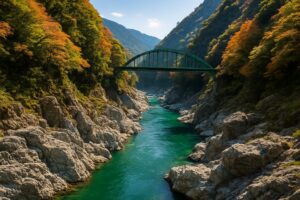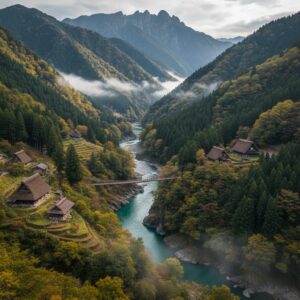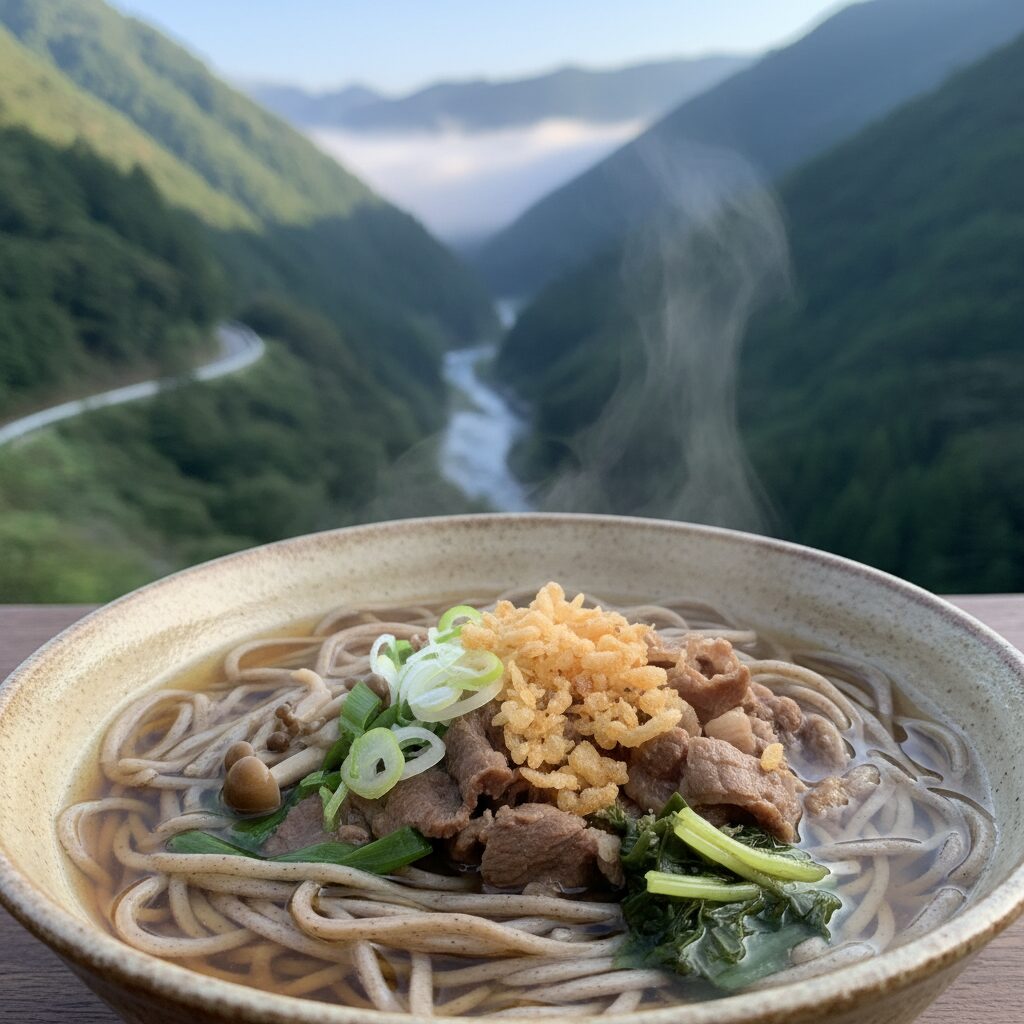
Alright, let’s get real for a second. If you’re scrolling through your feed looking for that next-level, off-the-grid Japan experience that’s not just another temple pic, I’ve got the ultimate hidden gem for you. We’re talking about a place so deep in the mountains of Shikoku, it feels like you’ve literally time-traveled. Welcome to the Iya Valley in Tokushima Prefecture, one of Japan’s three legendary hidden regions. This isn’t your typical tourist hotspot; it’s a whole mood. Think dramatic, mist-shrouded gorges, rickety vine bridges straight out of an adventure movie, and a quiet so profound you can hear your own heartbeat. But the real secret, the main event that makes this place a must-visit for any true traveler, is the food. The culinary scene here is a story in itself—a narrative of resilience, tradition, and a deep, unbreakable connection to the wild, untamed nature that cradles it. We’re not just eating here; we’re tasting history, one rustic, soul-warming bite at a time. The absolute star of this story is Iya Soba, a type of buckwheat noodle that’s so fundamentally different from what you find in the cities, it’ll change your entire perspective on what soba can be. But it doesn’t stop there. We’re diving into a world of hearty mountain vegetables, legendary firm tofu, and delicacies that have sustained a community for nearly a thousand years. So, buckle up, fam. We’re about to go on a culinary pilgrimage deep into the heart of old Japan, where every meal is a vibe and every flavor tells a tale. Before we dive deep into the menu, let’s get our bearings and see exactly where this magical valley is tucked away.
The Vibe Check: What Makes Iya’s Food Scene So Legit?
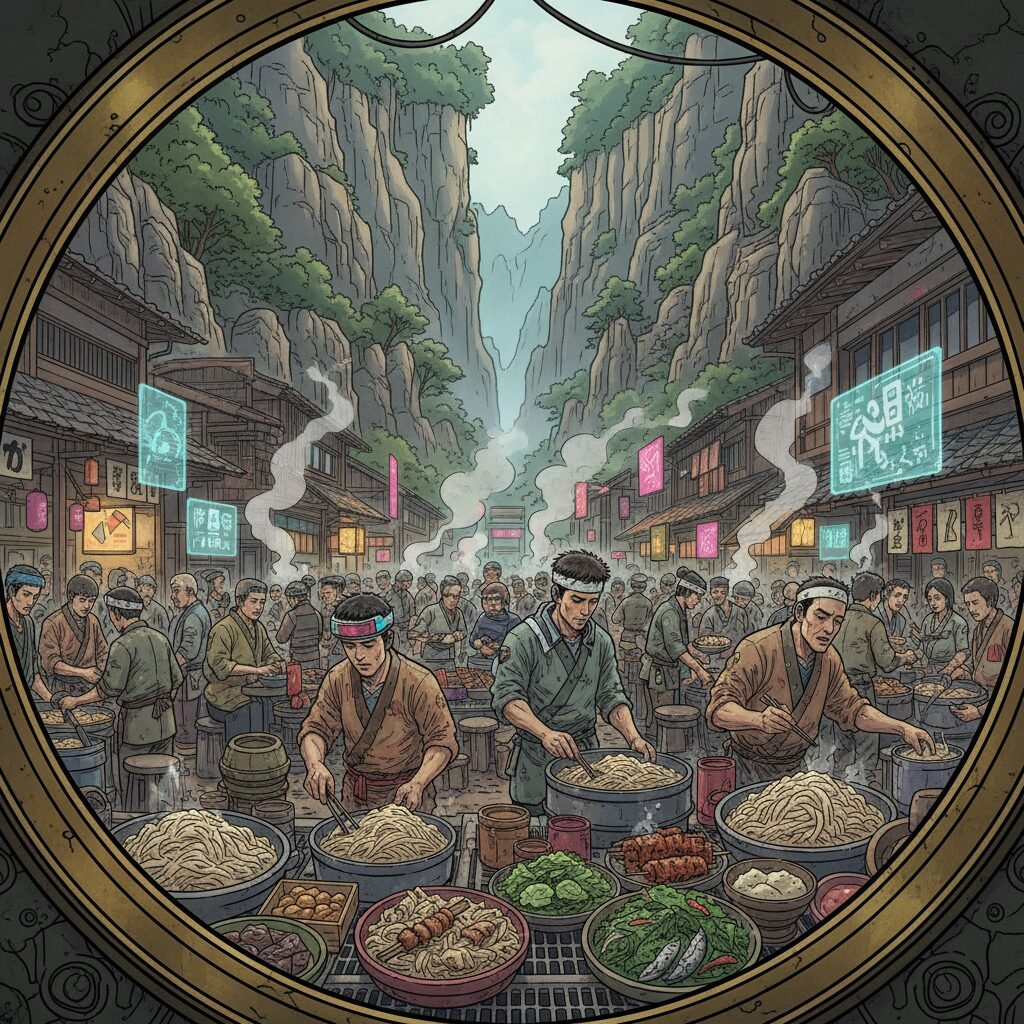
So, what’s the story behind the food in Iya Valley? Why does it feel so different? It’s not about fancy Michelin stars or trendy fusion cuisine. The magic lies in its genuine authenticity. This is a cuisine born of necessity, shaped by the dramatic and harsh landscape, and preserved through centuries of isolation. It’s slow food before slow food became a trend. The culinary tradition here is deeply tied to the seasons, the mountains, and the history of its settlers. Eating in Iya is an immersive experience that roots you, connecting you to the very earth beneath your feet. It’s a sensory journey that tells a richer story than any guidebook ever could.
Straight from the Source: Hyper-Local Ingredients
The key to Iya’s cuisine, no exaggeration, is its unwavering commitment to hyper-local ingredients. They call it jisabari, meaning using what you have at hand, fresh from your own backyard or the surrounding mountains. The valley’s steep, rugged terrain isn’t ideal for rice paddies, which dominate most Japanese agriculture. So, the people here adapted, cultivating crops suited to the slopes, like buckwheat, potatoes, and millet. This fundamental difference is what makes the food so distinctive—it’s a direct reflection of the environment. Wild mountain vegetables, or sansai, form the heart and soul of many dishes. In spring, the mountains come alive with offerings like warabi (bracken), zenmai (royal fern), and fukinoto (butterbur scapes). These aren’t your everyday supermarket greens. They carry a distinct, slightly bitter, deeply earthy flavor that tastes like the forest itself—pure, clean, and wild. Foraging for sansai is a communal tradition passed down through generations, keeping people in tune with the seasonal rhythm. Then, there’s the protein. The crystal-clear Iya River is home to amego, a red-spotted masu trout often simply skewered, lightly salted, and grilled over an open flame in a style called shioyaki. The result is perfection: crispy, salty skin and tender, sweet flesh that speaks of pristine waters. For something heartier, locals have long hunted wild game. Wild boar (inoshishi) and deer (shika) aren’t just delicacies but sustainable elements of the local food chain. The lean, flavorful meats are often simmered in miso-based hot pots that warm you through. This is food not shipped from afar; it’s food with a deep sense of place—a terroir you can taste in every bite. It’s the ultimate farm-to-table, or rather mountain-to-table, experience.
A Legacy on a Plate: The History Behind the Bites
To truly understand Iya’s food, you need to understand its history. The tale goes that after a fierce clan war in the 12th century, defeated Heike clan warriors and their families fled into the mountains to escape their enemies. They sought refuge in the most remote, inaccessible spots — and the steep, misty gorges of Iya Valley were perfect. These refugees, known as the Heike no Ochiudo (Fallen of the Heike), brought with them courtly culture but had to adapt to life in the mountains. Their cuisine became a testament to resilience. Unable to grow rice, the samurai staple, they embraced buckwheat. They foraged wild vegetables, hunted game, and mastered food preservation to endure harsh winters. Every dish you enjoy in Iya today carries a whisper of this legacy. It’s a story of making do, transforming wilderness into sustenance and community. This profound isolation, which once shielded the Heike refugees, also preserved a cultural time capsule. For centuries, the valley was cut off from the rest of Japan, allowing its unique customs, dialect, and culinary traditions to thrive, untouched by outside influence. While the rest of the country modernized, Iya remained rooted in old ways. That’s why dining here feels so special—you’re not just eating; you’re living history. Recipes for Iya Soba, methods to craft stone-hard tofu, knowledge of edible mountain plants—these have been passed down from mother to daughter, father to son for generations. Community events and festivals still revolve around these traditional foods, reinforcing cultural bonds and ensuring the legacy of the Ochiudo endures. It’s a powerful reminder that food is more than what’s on your plate; it’s memory, identity, and the lasting spirit of a people.
The Main Event: Spilling the Tea on Iya Soba
Alright, let’s focus on the star of the show, the main attraction, the dish you simply can’t leave the valley without tasting: Iya Soba. If you think you know soba, it’s time to think again. This isn’t the delicate, refined soba you might find in an upscale Tokyo restaurant. Iya Soba is something else entirely—it’s rustic, hearty, and packed with more character in a single noodle than many dishes have in an entire bowl. It’s the undisputed queen of Iya Valley cuisine, and once you’ve tried it, you’ll see why. This is soba with soul, soba with a story, and a flavor experience that lingers long after you’ve left the misty mountains behind.
It’s Not Your Typical Soba, Fam
So, what makes Iya Soba stand out? Let’s break it down. First, the texture is on a whole new level. The noodles are thicker and often shorter than your usual soba. When you lift them with your chopsticks, you feel their weight; they’re sturdy, not fragile. This is due to the recipe itself. Traditional Iya Soba uses a very high percentage of locally grown buckwheat flour with little to no binding agent (tsunagi), which is typically wheat flour. This high buckwheat content makes the dough tougher to handle and the noodles more delicate—they often break, which explains their shorter length. But this is also what gives them their signature charm. The flavor is deeply nutty and earthy, a pure, authentic expression of buckwheat. You can taste the mountains in every bite. The texture is coarse and slightly crumbly, not smooth or slippery. It has a firm bite and a satisfying chew that feels truly wholesome. The preparation is just as traditional. The buckwheat is grown on terraced fields carved into the steep hillsides, harvested by hand, and often stone-milled into flour right in the valley. This time-honored method preserves the grain’s aroma and nutrients. When you eat Iya Soba, you’re savoring a product crafted with immense care, following a centuries-old process. Whether served hot in a savory dashi broth (kake soba) or chilled with a dipping sauce (zaru soba), the experience is unforgettable. It’s simple fare, but its depth of flavor is remarkable. This is food that doesn’t just satisfy hunger—it warms your soul. It connects you directly to the land and history of Iya, offering a true taste of tradition as rugged and beautiful as the valley itself.
Where to Find Your Soba Fix: Iconic Spots & Hidden Treasures
Finding the perfect place for Iya Soba is part of the fun. There are no flashy chains here—just charming, family-run eateries tucked away in old farmhouses or perched on mountainsides with breathtaking views. One of the most rewarding experiences is visiting a venue like the Soba Dojo, where you don’t just eat soba—you make it. Guided by a local expert, you’ll mix the dough, knead it, roll it out, and cut it into noodles. Trust me, it’s harder than it looks, and you’ll gain a whole new respect for the craft. The best part? You get to eat what you’ve made right after. Nothing beats that satisfaction. For a more traditional meal, seek out a kominka restaurant—a restored farmhouse. Imagine sitting on tatami mats by a crackling irori (sunken hearth), gazing at the green valley. Places like this, let’s say a hypothetical “Iori Sanso,” serve soba sets that are a feast. You’ll get their signature soba, of course, along with a beautiful assortment of side dishes featuring local, seasonal ingredients—a piece of grilled amego, simmered sansai, a cube of savory ishi-tofu. It’s a full immersion into the local food culture. Near the famous kazurabashi vine bridges, you’ll find simpler, no-frills spots like the classic “Kazurabashi Shokudo.” These are perfect for a quick, authentic, and delicious meal. They focus on one thing and do it well: serving perfect bowls of Iya Soba. My advice? Try both ways. Order the zaru soba to fully appreciate the nutty flavor and chewy texture of the noodles. The cold dipping sauce is light and savory, designed to highlight, not overpower, the buckwheat. Then, on another day, go for the kake soba. The warm, umami-rich broth soaks into the coarse noodles, creating the ultimate comfort food, especially on a chilly, misty day. Wherever you choose to go, you’re guaranteed a meal made with heart and a deep sense of place.
Beyond the Soba: A Full-On Culinary Glow-Up
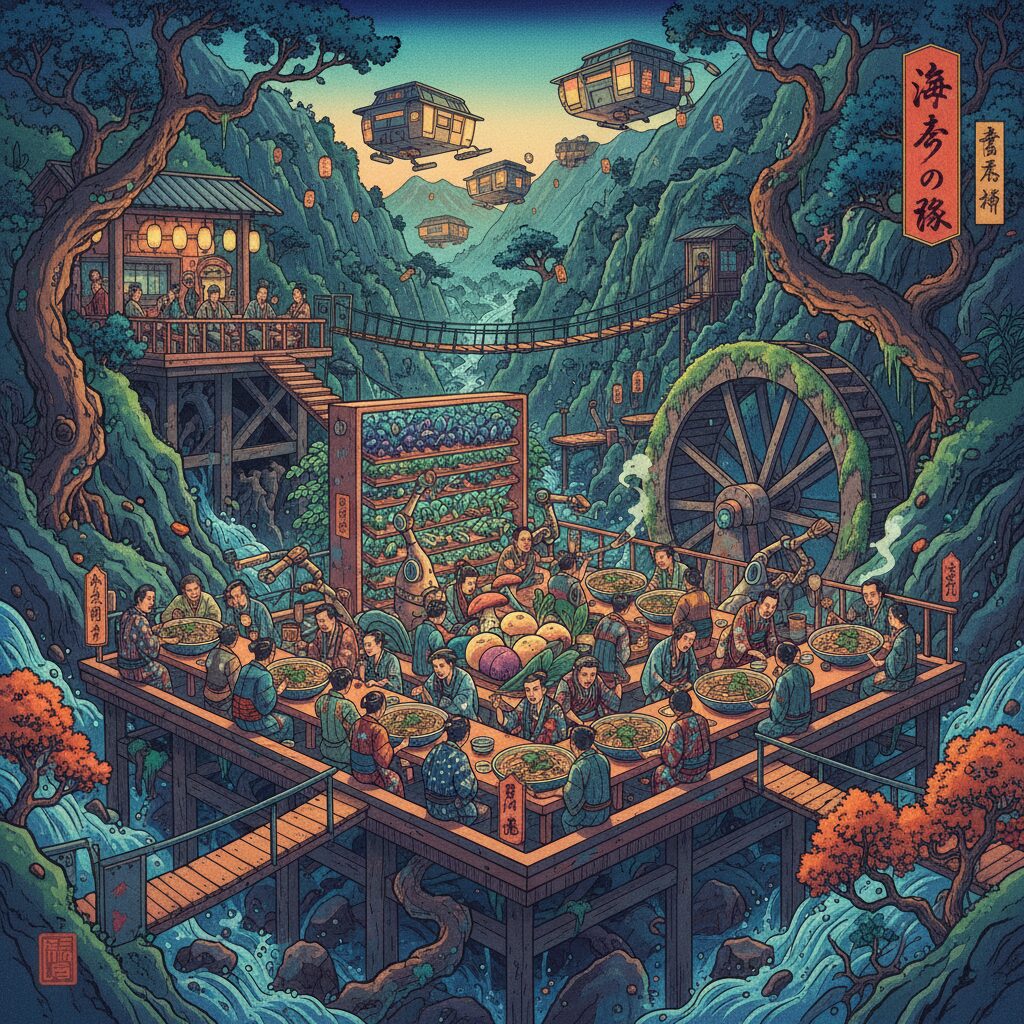
While Iya Soba may be the star attraction, the supporting cast of culinary delights in this valley is genuinely impressive. The local cuisine is a treasure chest of distinctive ingredients and rustic dishes you’re unlikely to encounter anywhere else in Japan. Sampling these other specialties is essential for a complete Iya Valley experience. From a dense, legendary potato to tofu so firm it can be grilled, the food here is full of delightful surprises. This is your opportunity to broaden your palate and savor flavors deeply connected to the land, offering an authentic taste of mountain life. Get ready to meet the rest of the culinary lineup, because these dishes are the true MVPs.
De-Gama-Imo and Other Mountain MVPs
First, let’s highlight a local gem: de-gama-imo. This isn’t just any potato. It’s a unique variety grown on the steep slopes of Iya and is truly a game-changer. Due to the rocky soil and excellent drainage on the hillsides, these potatoes become incredibly dense and starchy. When cooked, their texture is unlike anything you’ve ever tasted—firm, sticky, and almost mochi-like, with a natural sweetness that’s simply remarkable. The classic preparation is boiling them and serving with a dollop of savory, homemade miso, a simple dish that perfectly showcases the potato’s quality. It’s also a key ingredient in hearty stews, contributing a comforting, starchy richness. Next is Iya tofu, known locally as ishi-tofu or “stone tofu.” The name says it all. Made by pressing tofu with heavy stones to extract as much water as possible, the result is an exceptionally firm and dense block that barely resembles the soft, wobbly tofu you might be familiar with. So sturdy you could tie it with a rope without it falling apart, its firmness provides a meaty texture and a rich, concentrated soybean flavor. One of the most popular ways to enjoy it is in dengaku—tofu cubes skewered, coated with a sweet and savory miso glaze often infused with yuzu or local flavors, and grilled over charcoal until the outside crisps and the inside stays warm and creamy. This truly is a life-changing tofu experience. And we can’t overlook konnyaku, a firm, gelatinous jelly made from the konjac plant’s corm. In Iya, the handmade konnyaku boasts a much better texture and flavor than mass-produced versions. It’s often served as sashimi—thinly sliced and eaten with a vinegar-miso sauce—or simmered in oden-style broths. While it has a mild taste on its own, its unique chewy texture is highly satisfying and makes it an excellent absorber of tasty sauces and broths.
For the Adventurous Palate: Wild Game and River Treasures
For those feeling more adventurous, Iya Valley’s menu includes extraordinary options that fully embrace the wild character of the region. As mentioned earlier, hunting has long been integral to life here, providing an essential source of protein. Eating wild game such as boar and deer is more than a novelty; it’s a taste of a sustainable tradition. Wild boar, known as botan (peony) for its beautiful pink hue, often stars in botan nabe, a rich miso hot pot. Thin slices of the meat are simmered with local vegetables, ishi-tofu, and mushrooms. The gamey flavor of the boar balances perfectly with the sweetness of the miso and earthiness of the vegetables, making it the ultimate winter comfort food. Deer meat, or shika, is leaner with a more delicate flavor, served in dishes like sukiyaki, grilled, or even as jerky. These meals connect you deeply to the hunter-gatherer heritage of the valley’s people. Returning to the river, the amego trout deserves a special mention for its unique preparation. The classic method is irori-yaki—the fish are skewered on long bamboo sticks and set into the sand around a sunken hearth called the irori. They slowly roast over glowing embers for up to an hour, resulting in skin that’s irresistibly crispy while the flesh inside remains moist, tender, and flavorful. Eating this simply salted fish fresh from the irori is a primal and deeply satisfying experience. To accompany these dishes, be sure to try the local sake. The pristine mountain water produces exceptionally clean and crisp rice wine. You might even come across doburoku, an unfiltered, home-brewed sake that’s rustic, slightly sweet, and lively with fermentation. Pairing these local drinks with the valley’s hearty, flavorful food perfectly completes your culinary adventure.
How to Do Iya Right: A Traveler’s Playbook
Alright, so you’re sold on the food and the vibe. Bet. But let’s dive into the essentials. Iya Valley is a hidden gem for good reason—it’s not exactly easy to reach. Planning your trip takes a bit more effort than just booking a flight to Tokyo. But trust me, the journey itself is part of what makes the destination so rewarding. Mastering the logistics, knowing when to visit, and having a few insider tips up your sleeve will turn your trip from good to absolutely legendary. Here’s the scoop on how to navigate the valley like a pro.
Getting There is Half the Adventure
Real talk: Iya Valley is remote. Tucked deep in the mountains of central Shikoku, it’s far from major cities or airports. The best—and honestly, most convenient—way to explore is by renting a car. This lets you travel at your own pace, stop at unexpected viewpoints off the beaten path, and explore intriguing side roads. You can pick up a rental car in larger cities like Takamatsu or Tokushima. A quick heads-up for fellow drivers: roads in Iya are not for the faint-hearted. They’re usually narrow, winding, single-lane routes clinging to cliff sides. You’ll need to be confident behind the wheel. Honking before blind corners is common here, and be ready to pull over for oncoming traffic. But the views? Absolutely stunning. Every nerve-wracking hairpin turn reveals another breathtaking panorama of the gorge. If driving isn’t your thing, public transport is an option but requires careful planning. The main gateway is Oboke Station, accessible by JR trains. From there, local buses run through the valley, but they’re infrequent, with only a handful of runs per day on confusing schedules. Check timetables in advance and plan accordingly. While less flexible, it’s a wonderful way to relax and enjoy the scenery without the stress of mountain driving. Whichever option you choose, remember: the journey is a vital part of the Iya experience. It’s a slow-paced adventure that helps you disconnect and truly appreciate the wild beauty around you.
When to Slide Through: Seasonal Highs and Lows
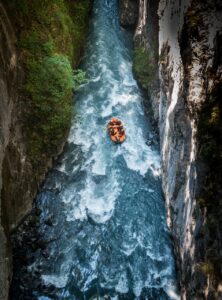
Iya Valley shines in every season, each offering a totally different vibe, so when you visit depends on your priorities. Autumn, late October through late November, is hands-down the most popular time—and for good reason. The valley bursts into brilliant fall colors, or koyo, with mountains painted in fiery reds, oranges, and yellows. The crisp, cool weather is perfect for hiking, and it’s harvest season, meaning the food is at its best. This is peak time, so expect more visitors and book accommodations well ahead. Spring, April to May, comes in a close second. The valley wakes from winter into lush, vibrant green. It’s prime season for sansai foraging, and many local inns and restaurants showcase these wild mountain vegetables on their menus. The weather is mild, and the valley teems with fresh life. It’s a refreshing and beautiful time to visit. Summer, June to August, is vividly green and gorgeous but can be hot and humid, with an early rainy season. It’s ideal for river activities like rafting nearby in Oboke Gorge. Just keep an eye on typhoon season, which can bring heavy rain and wind. Winter, December to February, is for the truly adventurous. The valley often receives a dusting of snow, transforming it into a peaceful, magical winter wonderland. It’s serene and quiet, but also cold, and some smaller roads, inns, and eateries may be closed. If you seek solitude and a stark, stunning landscape, winter in Iya is unforgettable. Just be sure to check road conditions beforehand.
Pro-Tips from Your Travel Bestie
Before you pack and head to the mountains, here are a few final tips for a smooth trip. First, cash is king. While larger hotels may accept cards, most small, family-run restaurants, shops, and inns are cash-only. Hit an ATM in a bigger town before entering the valley. For the full Iya experience, I highly recommend staying in a kominka, a traditional thatched-roof farmhouse converted into a guesthouse. Many, like the famous Chiiori, offer a stay that feels like living in history. Plus, they often serve incredible homemade meals featuring local specialties. It’s the best way to connect with the culture. Don’t rush it. The valley is vast, and roads are slow. Split your visit into at least two days—focus on West Iya (home to the main Kazurabashi Bridge and most amenities) one day, and East Iya, or Oku-Iya (the wilder, more remote area with double vine bridges and the scarecrow village), on another. This lets you soak it all in without stress. On a practical note, bring comfortable, sturdy shoes—you’ll be walking a lot on uneven paths, especially if crossing vine bridges or hiking. For drivers, one last PSA: fill up your gas tank before entering the valley. Gas stations are scarce. Finally, don’t stress the language barrier. English isn’t widespread, but the people of Iya are warm, welcoming, and kind. A smile, a bow, and a simple “arigato” go a long way. Download an offline translation app to help with menus and basic communication. The genuine hospitality you’ll experience is one of the most memorable parts of visiting this special place.
The Final Take: More Than Just a Meal
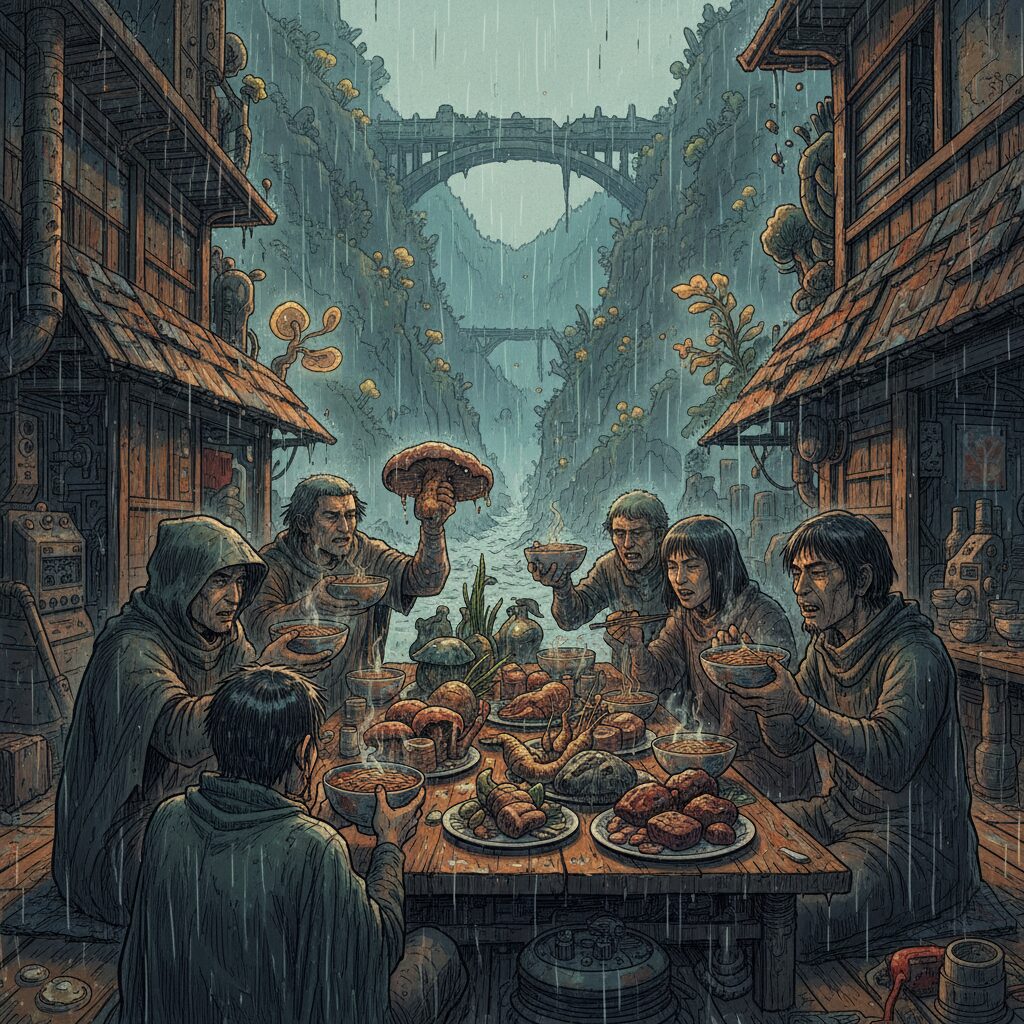
So there you have it: a deep exploration of the culinary heart of one of Japan’s most captivating and secluded regions. As you’ve likely realized, a trip to the Iya Valley is about far more than just crossing striking bridges and taking photos. It’s a journey that stimulates all your senses, particularly your sense of taste. Dining in Iya is an act of connection—connecting with a landscape that has influenced every ingredient, a history that has imbued each recipe with stories of survival and resilience, and a community that has lovingly preserved these traditions for generations. In a world constantly chasing the next big trend, the cuisine of Iya stands as a grounding force. It’s slow, deliberate, and profoundly authentic. It reminds us that sometimes the most meaningful experiences are the simplest: a bowl of hand-made hearty noodles, fish grilled over an open flame, a shared meal in a farmhouse that’s stood for centuries. This is travel that transforms you, encouraging you to slow down, observe more closely, and appreciate the lasting beauty of genuine things. So, if you seek an adventure that will not only satisfy your wanderlust but also nourish your soul, put Iya Valley at the very top of your list. Taste the history, savor the tradition, and let the magic of the mountains work its wonders—you won’t regret it.