Yo, what’s up, adventure seekers! Ami here. Let’s get real for a sec. Sometimes you just gotta ditch the neon-drenched streets of Tokyo and the serene, picture-perfect temples of Kyoto. You need to trade the city grind for a soul-shaking, heart-pounding dose of pure, untamed nature. If you’re nodding along, thinking “bet,” then I’ve got the spot for you. We’re talking about a place that’s low-key one of Japan’s most epic secrets, a place where the water runs a crazy shade of turquoise and the cliffs tell stories millions of years old. Get ready, because we’re diving headfirst into the exhilarating world of whitewater rafting in Oboke Gorge, deep in the heart of Shikoku Island.
This isn’t your average, lazy river float. The Yoshino River, which carves its way through the dramatic landscapes of Oboke and its wilder sibling, Koboke, is a legit beast. It’s a world-class whitewater destination that serves up some of the most thrilling rapids in the entire country. We’re talking an adrenaline rush so pure it’ll reset your entire system, all set against a backdrop so stunning it feels like you’ve paddled straight into a fantasy novel. This is the Japan you didn’t know you were looking for—raw, powerful, and absolutely unforgettable. It’s a full-body experience, a challenge that you and your new squad will conquer together, paddle stroke by paddle stroke. So, if you’re ready to trade your subway pass for a life vest and a paddle, let’s get into it. The wild is calling.
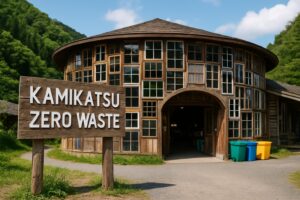
After experiencing the raw power of Shikoku’s nature, you might also be inspired to explore its commitment to sustainability, such as in the famous zero-waste town of Kamikatsu.
The Vibe of the Yoshino River
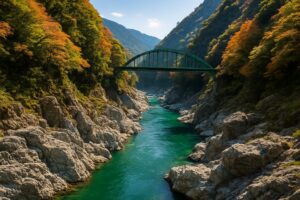
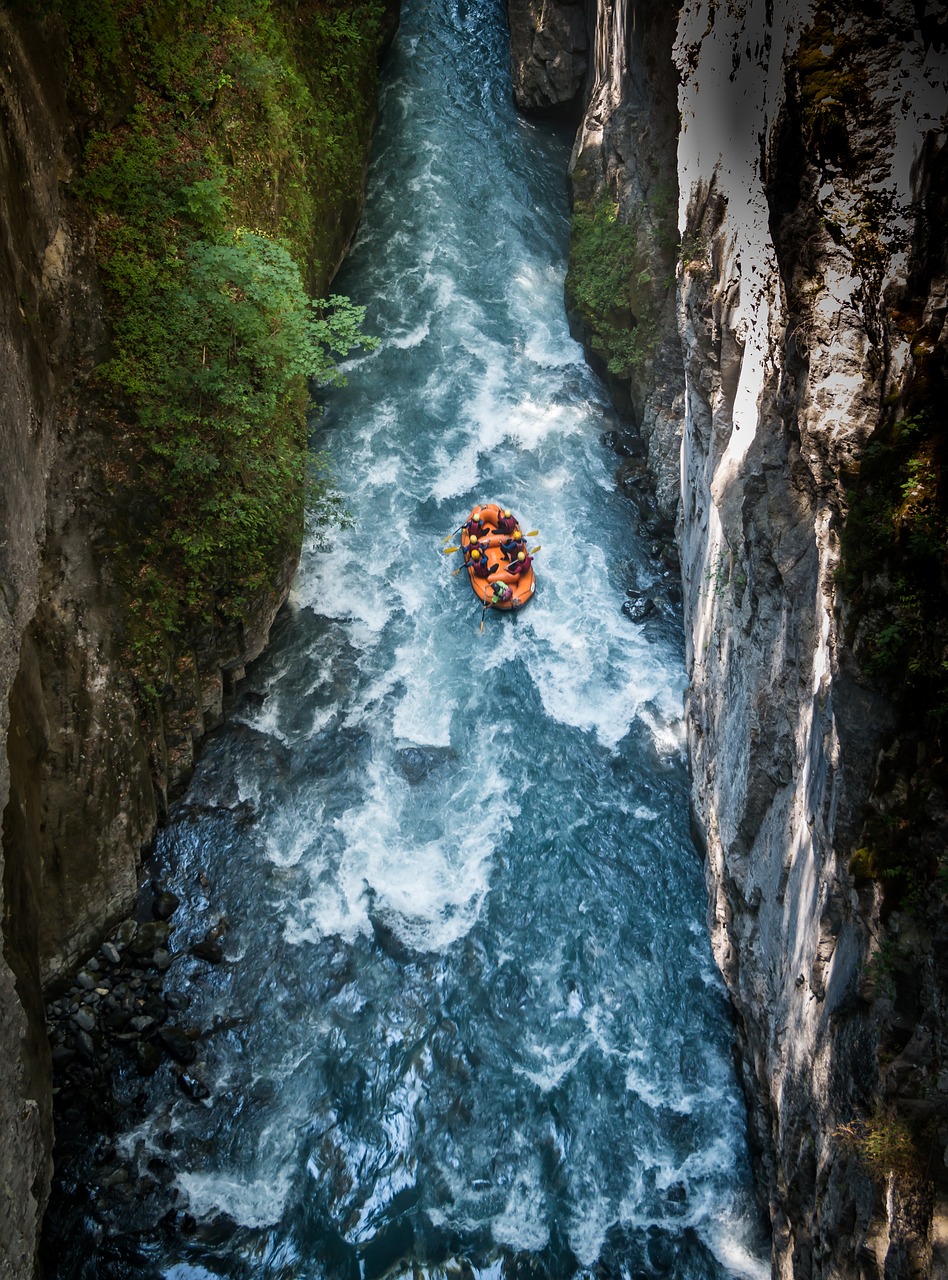
Before we even start talking about the rapids, let’s first take a moment to absorb the atmosphere. The instant you arrive at the edge of Oboke Gorge, you feel it—a change in the air. It’s fresher, cleaner, carrying the faint, roaring hum of the river below. The Yoshino isn’t merely a body of water; it’s a living force. Locals call it the “Abaregawa,” or “Raging River,” and it’s easy to see why. The water dazzles with a vibrant, crystalline emerald-blue hue that almost seems unreal against the dark, jagged rocks. In the calm stretches, the water is so clear that smooth, multi-colored stones on the riverbed create a natural mosaic of art.
The gorge walls rise steeply on both sides, like ancient guardians protecting the river’s secrets. These are not just dirt cliffs; they’re sculpted masterpieces of crystalline schist, a metamorphic rock gleaming in the sunlight. Over 200 million years, the river’s persistent flow has carved and polished these rocks into smooth, flowing shapes and sharp, jagged angles. You’re literally drifting through a geological gallery. The enormity of it all makes you feel small—in the best way. It’s a humbling, grounding feeling that puts everyday worries into perspective. Who cares about a stressful email when you’re facing a cliff that has stood long before humans existed?
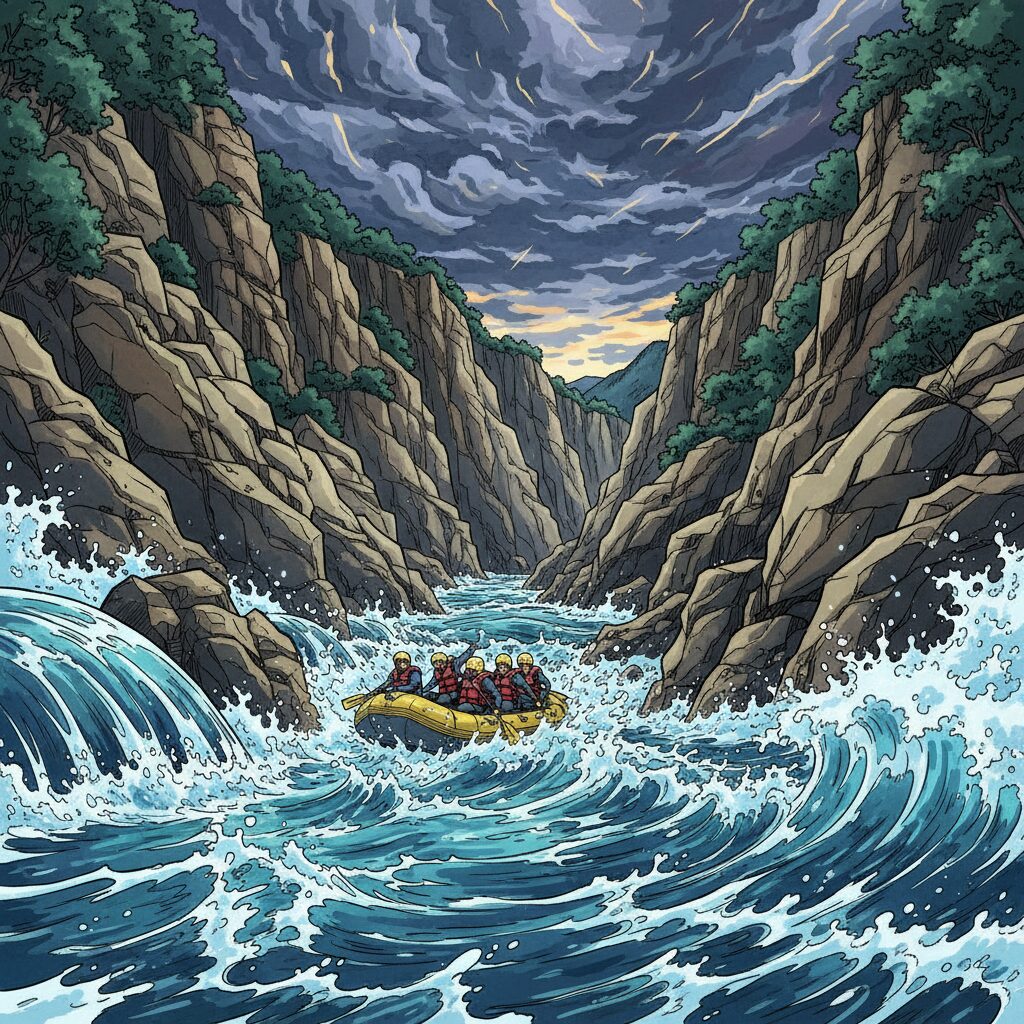
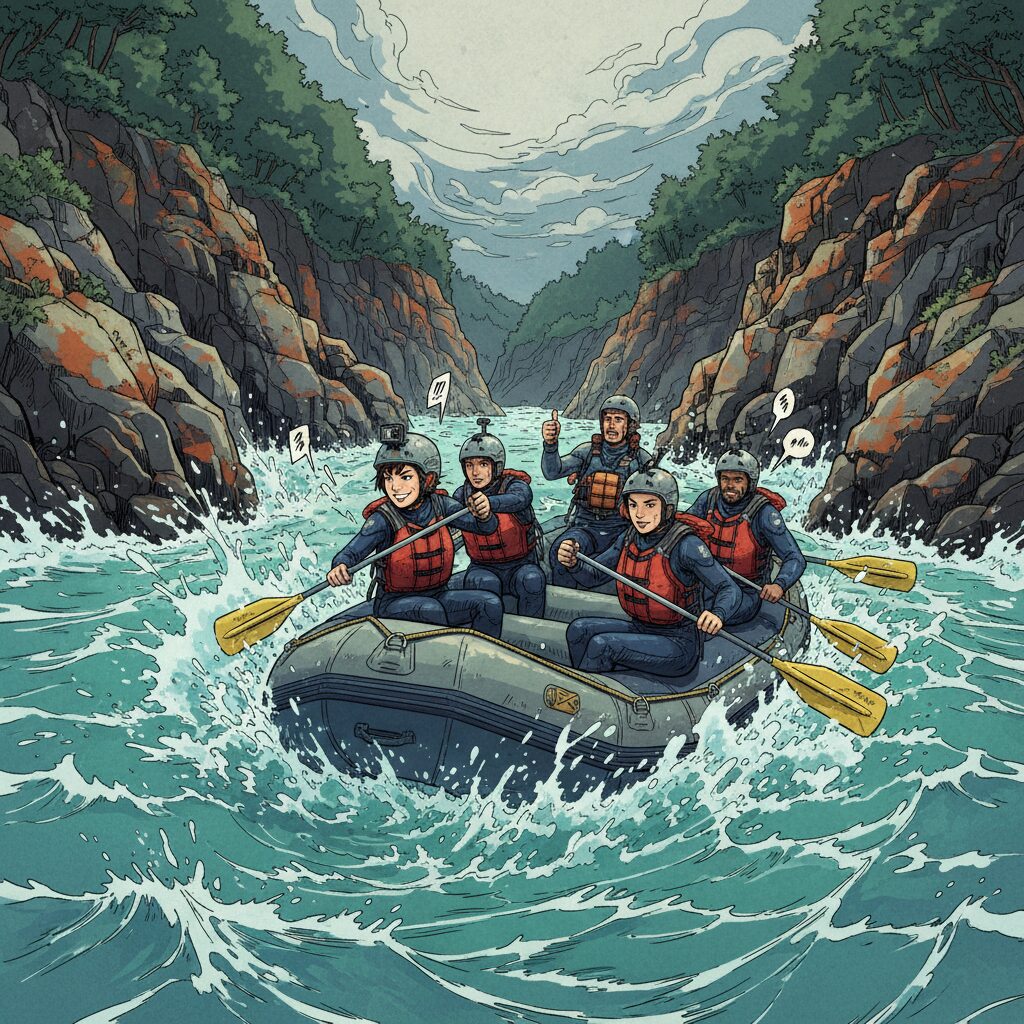
The true magic, however, lies in the river’s dual nature. One moment, you’re paddling through a peaceful, mirror-like pool, where the only sounds are the gentle splash of your paddle and the distant cry of a hawk circling overhead. The air is still—you can simply lean back, drift, and gaze at the narrow strip of sky framed by towering cliffs. It’s pure Zen. Then, suddenly, you hear it: a low rumble swelling into a roar. The current intensifies, the guide yells a command, and you’re plunged into the chaos. The raft bucks and dips as you navigate swirling white water. Waves crash over the bow, drenching everyone with shockingly cold, electrifying water. Your team paddles in perfect, urgent harmony, shouting and laughing with a mixture of fear and elation. This constant swing between serene beauty and adrenaline-fueled action is what makes the Yoshino River experience so irresistibly thrilling. It’s a rhythm, a dance between calm and chaos—and you’re right at its heart.
Why Oboke is a Big Deal
You might wonder, “Rafting sounds fun, but why make the journey all the way to this remote corner of Shikoku for it?” The answer is simple. The Yoshino River is not just a local gem; it’s a world-renowned, top-tier rafting destination. This is the big leagues. No exaggeration.
World-Class Rapids
This isn’t just promotional talk. The Yoshino River, especially the stretch through Koboke Gorge just downstream from Oboke, hosted the World Rafting Championships in 2017. That’s essentially the Olympics of rafting. Teams from around the world came here to challenge themselves on these legendary rapids. What sets them apart is their consistency and unique character. The river provides a long, continuous run of Class III and IV rapids, meaning you get sustained, nonstop excitement. It’s not just one big drop and then it’s done. Instead, it’s a relentless series of obstacles that keep you alert and your adrenaline pumping. Rapids like “Magarito” (The Bend) and “Tetsukyo” (Iron Bridge Rapid) are named with reverence by guides and experienced rafters alike. The volume of water, fed by Shikoku’s mountains, creates powerful hydraulics, large waves, and technical routes that demand true teamwork to navigate. For thrill-seekers, it’s paradise. But even if you’re a complete beginner, expert guides know exactly how to direct the raft to give you an unforgettable rush while ensuring your safety.
The Scenery is Absolutely Stunning
Sure, you can find rapids in many places. But you won’t find them in a setting like Oboke Gorge. The scenery is truly next-level, changing dramatically with the seasons to offer a completely different atmosphere depending on when you visit. In spring, mountain snowmelt swells the river, making the rapids even bigger and more intense. The gorge is adorned with wild cherry blossoms, their delicate pink petals offering a stunning contrast to the rugged gray rock and turquoise waters. Summer brings a lush, almost overwhelming green. Thick foliage, the buzzing cicadas, and warm sunshine make every splash of cold river water feel incredible. It’s the peak season for a reason; the vibe is pure, unfiltered fun. But in my opinion, autumn is the most breathtaking. The gorge bursts into a riot of colors—fiery reds from Japanese maples, brilliant yellows from ginkgo trees, and deep oranges, all set against dark evergreen pines. Rafting through a kaleidoscope of fall foliage is a surreal experience that feels uniquely Japanese. The crisp air and vivid hues make every paddle stroke feel like you’re part of a living painting. Even winter holds its own stark, serene beauty, though rafting tours are less common then.
Gearing Up for the Adventure
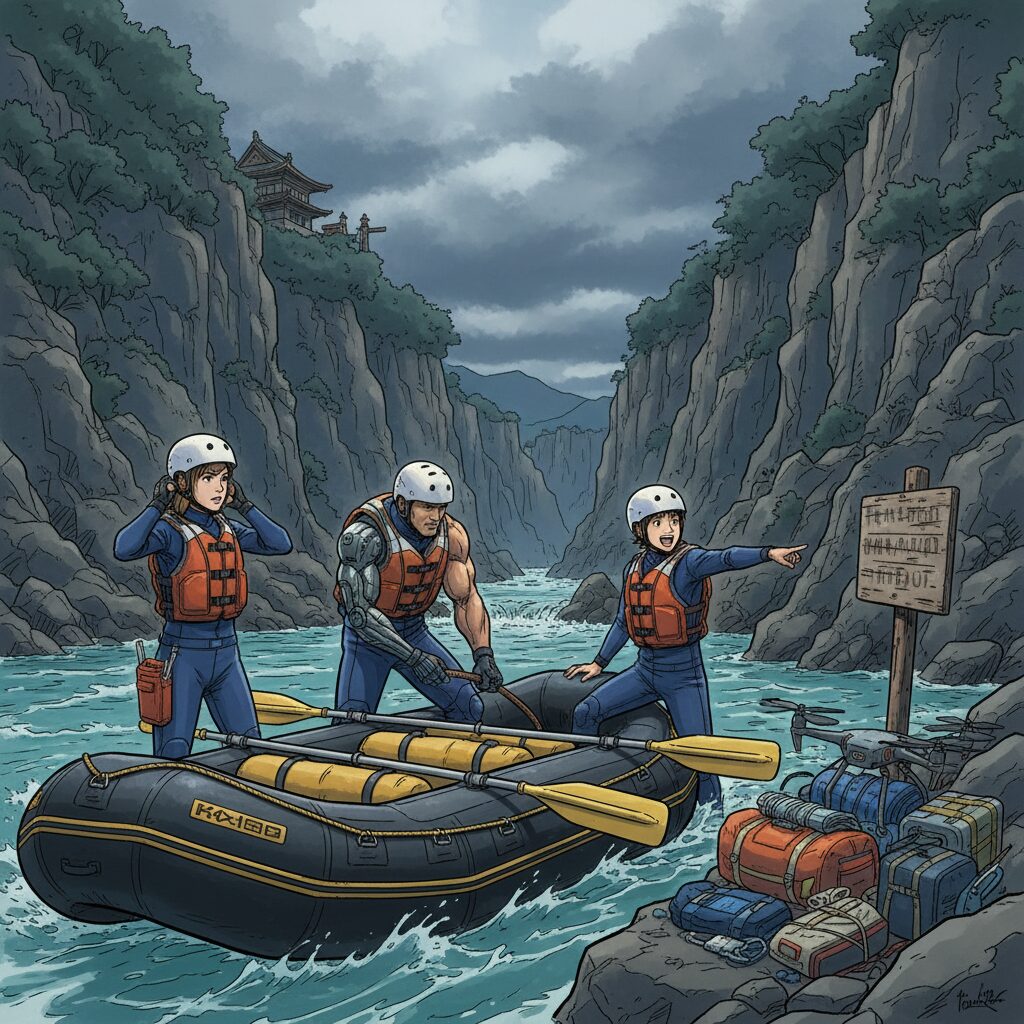
Alright, so you’re hooked and ready to conquer the Yoshino River. What’s next? The best part is that you don’t need to be an experienced pro with a garage full of gear. Local tour companies have you covered from start to finish, making it incredibly accessible for beginners.
Selecting Your Tour Operator
There are several excellent rafting companies around the Oboke and Koboke Gorges, and they’re experts at what they do. Companies like Happy Raft, Oboke Raft, and others have teams of highly trained guides, often international. This is a major advantage because not only do they know the river inside and out, but their safety briefings and instructions are usually offered in English, making the experience seamless and stress-free for foreign visitors. They provide everything necessary: a high-quality wetsuit to keep you warm, a helmet, a life vest (PFD), and specialized river shoes. All you need to bring is a swimsuit and a spirit of adventure.
Most operators offer various tour options to suit your mood. You can opt for a half-day trip if you’re short on time or feeling a bit timid, which typically covers a fun and splash-filled portion of the river. But if you want the full, unfiltered experience, the full-day tour is the way to go. This takes you through the legendary Koboke Gorge, the same section where pros compete. It includes a peaceful lunch on a hidden riverside beach, often featuring a delicious BBQ or bento box prepared by the company, giving you time to recharge and swap stories with your group before tackling the afternoon’s rapids.
What to Expect on the Day
A typical day of rafting is a complete experience. You’ll gather at the tour company’s base, a relaxed spot to check in and meet your guides. The atmosphere is always lively and thrilling. You’ll be fitted for gear, and squeezing into a wetsuit for the first time quickly becomes a bonding moment. Then comes the crucial safety briefing. They cover everything: how to hold your paddle, the meaning of various commands (“All forward!” “Get down!”), and what to do if you fall out of the raft. It’s presented in an engaging way, but it’s serious business, and their professionalism is very reassuring.
After a short bus or truck ride to the “put-in” spot, you’ll carry the raft to the river’s edge with your team. This is when the adventure truly begins. You’ll practice paddling together in calm water, learning to coordinate your strokes. Your guide will steer from the back and shout commands, but the power comes from the crew—that means you. Then you face the first rapid. It’s a moment of truth. The water roars, the raft tips, and you dig your paddle in, pulling with all your strength. You come through on the other side, soaked, breathless, and grinning ear to ear. The day is a blend of thrilling moments and calm intervals where you can swim in clear, deep pools or, for those brave enough, jump from designated cliffs into refreshing water below. It’s an all-day adventure that will leave you happily exhausted.
Beyond the Rapids: Exploring the Iya Valley
Rafting the Yoshino is undoubtedly the main attraction, but it would be a shame to make the trip without exploring the surrounding area. Oboke Gorge serves as the gateway to the legendary Iya Valley, one of Japan’s “Three Hidden Regions.” This place is truly magical—a remote, mountainous landscape dotted with tiny villages clinging to steep hillsides, ancient vine bridges, and an unmistakable aura of mystery.
The Hidden Heart of Shikoku
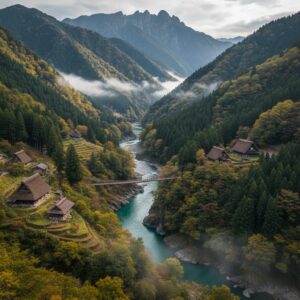
Iya Valley has a long history as a refuge. According to legend, warriors from the Heike clan sought sanctuary here after losing a major conflict in the 12th century, and you can still sense that isolation and history in the atmosphere. Navigating the narrow, winding roads is an adventure itself, with breathtaking views at every hairpin bend. It feels as though you’ve stepped back in time or entered a Hayao Miyazaki film. The deep valleys are frequently shrouded in morning mist, or kiri, enhancing the ethereal, otherworldly ambiance.
Vine Bridges and Ancient Villages
The most iconic features of the Iya Valley are the kazurabashi, suspension bridges crafted from mountain vines. Centuries ago, these were the primary river crossings. Today, only a handful remain. Crossing one is essential. As you walk across the Iya Kazurabashi, you can see the rushing river through the wide gaps between the wooden slats beneath your feet. The bridge sways with every step, providing a thrilling and slightly nerve-wracking experience. For a quieter and perhaps more authentic encounter, venture further into the valley to Oku-Iya Niju Kazurabashi, a pair of “husband and wife” bridges set in a tranquil, forested area.
Be sure to visit Ochiai village, a nationally designated preservation district. Traditional thatched-roof farmhouses are scattered along the steep mountainside here, linked by winding stone paths. The views of the village, with terraced fields of buckwheat and potatoes, are stunning and offer a rare glimpse into a traditional Japanese rural lifestyle that has nearly disappeared elsewhere.
Local Eats to Refuel
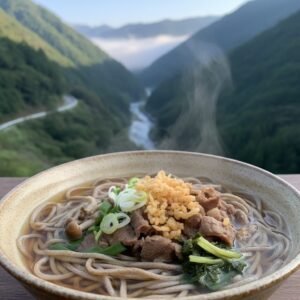
After a day of paddling and exploring, you’ll undoubtedly build up a hearty appetite. The local cuisine of the Iya Valley is rustic, filling, and flavorful. You must try Iya soba noodles. Since rice is difficult to cultivate on the steep slopes, buckwheat has long been the staple grain. The soba here has a coarser texture and a deep, nutty taste that is wonderfully satisfying. Also, don’t miss dekomawashi, a playful local snack. It’s a skewer of potatoes, konjac jelly, and firm tofu, all coated in a sweet and savory miso glaze and grilled over a charcoal fire. It’s the perfect energy boost for mountain adventures. For those with a more adventurous palate, you might also encounter dishes featuring local river fish, wild boar, or deer.
Ami’s Pro-Tips for a Flawless Trip
Alright, let’s dive into the details. A bit of planning goes a long way in a remote place like this. Here are my must-know tips to make your Oboke adventure truly unforgettable.
Getting There
Shikoku isn’t as well-connected as Japan’s main island, Honshu, but that adds to its appeal. The journey itself is part of the experience. The main access point is Okayama Station on the Shinkansen line. From there, you’ll transfer to the JR Dosan Line and hop on a Limited Express train like the “Nanpu,” which takes you right through the mountains to Oboke Station. The train ride is stunning, winding along the very gorge you’ll be rafting through. While the train is convenient, I highly recommend renting a car if you’re comfortable driving in Japan. It offers the freedom to explore the Iya Valley at your own pace, make spontaneous stops at viewpoints, and reach some of the more remote spots that public transit can’t access. Just be ready for some tight, twisty mountain roads!
What to Pack (Besides Your Courage)
As I said, the tour company will provide most of the gear, but there are a few essentials to bring. A swimsuit to wear under your wetsuit is a must. Also, pack a towel and a change of dry clothes for after your trip. A waterproof camera like a GoPro is fantastic for capturing the action—just ensure it’s securely attached to your helmet or chest. For footwear, you can wear old sneakers you don’t mind getting wet, though most companies rent or offer river-specific shoes with better grip. Avoid cotton clothing as it gets cold and heavy when wet; instead, choose quick-drying synthetic fabrics to wear under your wetsuit. And seriously—leave any fancy watches and jewelry back at your hotel. The river tends to steal shiny things.
Safety First, Seriously
As a female traveler, safety is always on my mind, and I can assure you the rafting operators here are top-notch. The guides aren’t just thrill-seekers; they are highly trained professionals skilled in river rescue and first aid. They run a tight ship, so pay careful attention during the safety briefing, learn the commands, and always follow your guide’s directions. Rafting is a team effort, and your safety depends on everyone working together. If you’re not a strong swimmer, don’t worry. Your life vest will keep you afloat, and the guides are experts in quick rescues. Just be sure to inform the tour company about your swimming ability beforehand so they can be prepared. The entire operation is designed to be as safe as it is exciting, so you can relax and enjoy the ride.
This journey into the heart of Shikoku is so much more than a rafting trip. It’s a full immersion into Japan’s wild, untamed side. It’s about the thrill of conquering powerful rapids with your team, sharing laughter and high-fives after an exhilarating run. It’s also about the quiet moments—floating in a calm pool, gazing up at cliffs that have stood for ages, and feeling completely present. You’ll leave Oboke Gorge with sore muscles, a camera full of epic photos, and a deep sense of achievement. You’ll disconnect from the noise and reconnect with something real and powerful—both in nature and within yourself. So, the big question is: are you ready to answer the call of the wild? I bet you are. See you on the river.