Alright, let’s get real for a sec. You’ve probably scrolled past a million pics of Japan. You’ve seen the hyper-modern Blade Runner vibes of Tokyo, the serene, almost spiritual quiet of Kyoto’s temples, and maybe even the foodie paradise of Osaka. It’s a country of wild contrasts, a place that feels both futuristic and ancient at the same time. Bet. But then, you stumble across something that just doesn’t compute. You see a photo from a place called Shonan. It’s a coastline, sure, but the vibe is… different. Sun-bleached hair, vintage longboards, old-school VW vans parked by the sea, dudes in retro surf tees who look like they stepped right out of a 1960s Gidget movie. It feels less like Japan and more like a forgotten corner of Southern California, frozen in time. And you gotta ask yourself, what’s the deal with that? In a country known for its intense work culture, its social conformity, and its deep, complex traditions, how did this laid-back, sun-worshipping surf culture even happen? It feels like a glitch in the matrix, an aesthetic so specific and so potent that it’s survived for over half a century. This isn’t your standard tourist trail, fam. This is a deep cut. We’re not just talking about a place; we’re talking about a phenomenon. This is the story of how a stretch of sand just south of Tokyo became the unlikely epicenter of Japan’s very own ‘California Dream,’ a dream born from post-war ashes, fueled by Hollywood fantasies, and set to a twangy electric guitar soundtrack. To get it, you have to look past the waves and understand the cultural current that created this whole scene. This is the Shonan Coast, and trust me, it’s a whole mood. Let’s break it down.
To fully immerse yourself in this unique coastal mood, you’ll want the perfect soundtrack, which you can find in our guide to the ultimate city pop playlist for a seaside drive.
The Birth of a Vibe: Post-War Japan and the American Dream
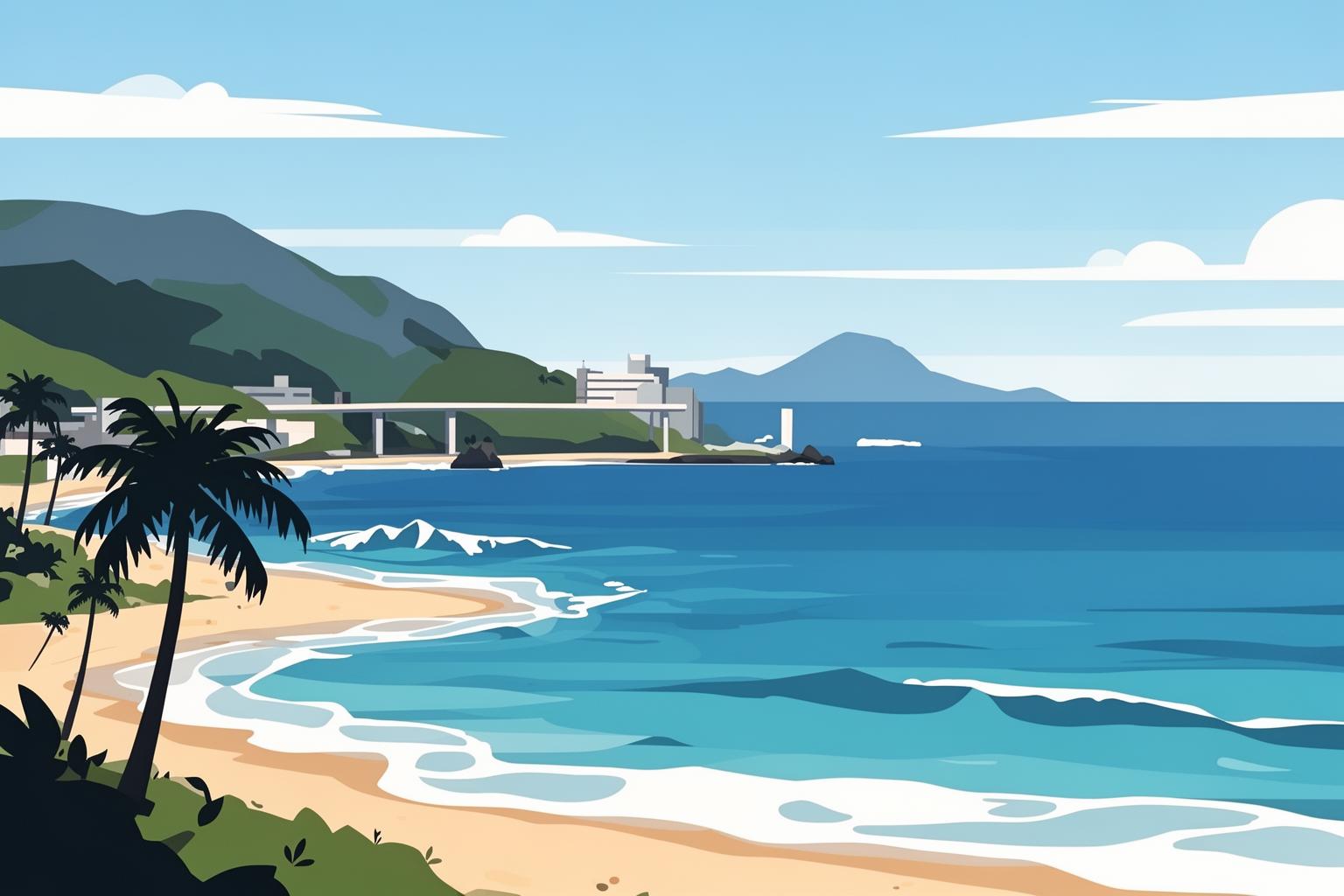
To understand why Shonan is the way it is, you have to rewind the clock—way back to the 1950s. Japan was just starting to rebuild after World War II. The national psyche was tangled with trauma, humility, and an intense focus on recovery. The atmosphere throughout the country was overwhelmingly gray. It was a time of austerity, sacrifice for the collective good, and relentless hard work to restore the nation. Individuality? Freedom? Leisure? Those were luxuries no one could afford. Tradition, conformity, and a sense of solemn duty shaped the cultural landscape. Society was introspective, trying to heal, yet weighed down by the heavy legacy of its recent past. Then, into this monochrome world, came a vivid, technicolor explosion: American culture.
A Blank Canvas Hungry for Color
The American Occupation was far more than a political and military presence; it was a cultural tsunami. Through the GIs stationed at huge bases like Yokosuka—conveniently right next to the Shonan area—a flood of Americana poured directly into the heart of Japan. Suddenly, Hollywood films revealed a world beyond imagination: big cars, sprawling suburban homes, confident, smiling people, and endless sunshine. Rock and roll blasted on the radio—a sound so rebellious and full of life it seemed alien. Magazines showcased fashion, food, and fun from another planet. For young Japanese who had grown up amid war, rationing, and grim resolve, this wasn’t mere entertainment. It was revelation and escape. America, or at least its idealized image, embodied everything their current reality wasn’t: prosperity, individuality, and most of all, freedom. This wasn’t simple imitation; it was a profound, aspirational longing for a different way of life. The sharp contrast between the bleak post-war rebuilding and the vibrant, carefree American lifestyle shown in the media created intense tension. Young people found themselves caught between their parents’ generation—defined by duty and sacrifice—and this alluring new vision of personal freedom. They were a blank canvas, and America supplied all the colors.
Enter the ‘Taiyo-zoku’ (Sun Tribe): The Original Rebels
This tension erupted in the mid-1950s with the emergence of the Taiyo-zoku, or Sun Tribe. This was Japan’s first true post-war youth subculture, born on Shonan’s shores. It was sparked by a scandalous novel called Kuruutta Kajitsu (Crazed Fruit) and later a more famous one, Taiyo no Kisetsu (Season of the Sun), by a young, brash university student named Shintaro Ishihara (who would later, in an ironic twist, become Tokyo’s ultra-conservative governor). His stories followed wealthy, aimless university students who spent summers in Shonan—sailing, drinking, chasing girls, and living in decadent boredom, completely detached from mainstream society’s struggles. When these stories were adapted into films, they struck youth culture like lightning. The Taiyo-zoku kids embraced the lifestyle shown on screen. They wore loud Aloha shirts, drove flashy cars, and treated Zushi and Hayama’s beaches as their personal playground. Rebellious, amoral, and hedonistic, they terrified the establishment. They represented a wholesale rejection of traditional Japanese values of hard work, modesty, and respect for elders. The media responded with alarm and condemnation of youth moral decay. But to the kids, it was intoxicating. For the first time, they had a culture of their own—one focused not on rebuilding the nation but on enjoying life. The Taiyo-zoku were proto-surfers. They didn’t have boards yet, but they had the attitude. They claimed the coastline as a space for youth rebellion and leisure, a revolutionary idea in Japan at the time. They were the ones who turned Shonan into more than a place—it became a state of mind: an escape from the suffocating pressures of a society still cloaked in gray.
Wakadaisho on the Silver Screen: Crafting the Shonan Mythos
The Taiyo-zoku phenomenon was a brief flash of intensity. It was too controversial, too nihilistic to endure. Mainstream society cracked down, and the subculture fizzled out. Yet the spark it ignited—the vision of Shonan as a youthful paradise—didn’t vanish. It simply needed a fresh, more wholesome expression. That expression arrived in 1961 through a film series that would forever shape the image of the Shonan Coast: Wakadaisho, or ‘The Young General.’ If the Taiyo-zoku were the angry, rebellious punks, then Wakadaisho was the clean-cut, universally adored pop star. This series took the rebellious energy of the Sun Tribe, stripped it of controversy, and transformed it into a blockbuster formula that captivated the nation for two decades.
Yuzo Kayama: The Face of the Japanese Beach Boy
The heart of the Wakadaisho series was its star, Yuzo Kayama. He portrayed the titular ‘Young General,’ Yuichi Tamura, a handsome, athletic, and perpetually cheerful university student from an affluent family. He was the perfect embodiment of modern Japanese manhood. As captain of his university’s sports teams—whether swimming, boxing, or marathon running—he was an excellent student, respectful to his elders, and, crucially, effortlessly cool. He sailed, played the guitar, water-skied, and always won the girl. Yuzo Kayama wasn’t merely acting; he was Wakadaisho. Son of a famous actor, Kayama was a genuinely talented musician and avid sailor who embodied the optimistic, forward-looking spirit of the 1960s. He was the ideal counterpoint to the brooding anti-heroes of the Taiyo-zoku films. He made the Shonan lifestyle aspirational for everyone, not just a fringe group of rebels. He showed that you could enjoy leisure and fun while remaining a good, contributing member of society. Parents wanted their sons to emulate him, and girls across Japan fell for him. He single-handedly popularized the sun-and-sea lifestyle, forever linking it with wholesome, energetic fun. He was Japan’s answer to Elvis in Blue Hawaii or Frankie Avalon in the Beach Party movies, but with a uniquely Japanese earnestness and charm.
Cinematic Shonan: Selling a Lifestyle
The Wakadaisho films did more than tell a story; they sold a dream. And the showroom for that dream was the Shonan Coast. In these movies, Shonan wasn’t just a setting; it was a character. The camera lingered on shimmering blue waters, wide sandy beaches, and sunny seaside towns like Chigasaki and Enoshima. Filmed in vibrant Eastmancolor, a sharp contrast to the black-and-white austerity of earlier Japanese cinema, every shot presented Shonan as a modern utopia—a place of freedom and endless summer. The plots were simple and repetitive: Wakadaisho would face a sporting rival, fall for a beautiful girl, endure comedic misunderstandings with his traditional family, and ultimately succeed in sports and love, usually concluding with a guitar serenade. The activities were central. The films acted as a visual catalog of modern leisure: sailing yachts out of Hayama marina, water-skiing off Zushi’s coast, and driving sports cars along new coastal roads. Later, as surfing gained popularity in Japan, Wakadaisho naturally took up a longboard and mastered it instantly. These films created a powerful visual mythology, establishing a style code for what was ‘cool’: the crisp white shirt, the sports car, the guitar, and the seaside setting. It was a dynamic blend of Japanese youthful vitality and imported American cool, all set against the sunlit Shonan landscape. For millions of Japanese living in cramped city apartments and working long hours, these films offered a weekly dose of escapism, cementing the Shonan coast in the national imagination as the ultimate destination for youth, romance, and modern living.
The Eleki Boom and the Sound of the Surf
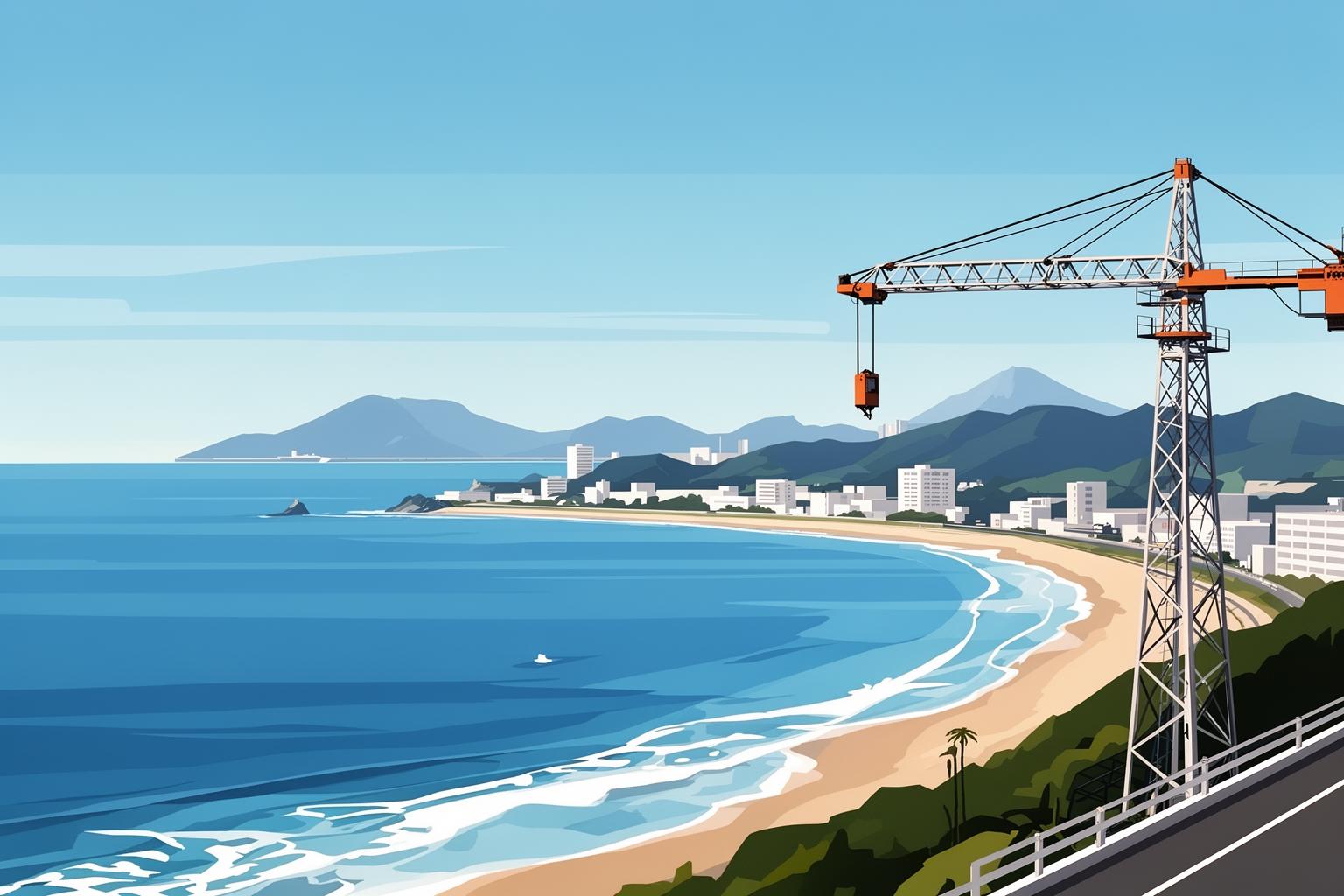
A vibe is not merely about what you see; it’s also about what you hear. The visual myth of Shonan, shaped by the Wakadaisho films, required a soundtrack, which came in the form of a tidal wave of electric guitar music known in Japan as eleki. This sound, directly imported from California’s surf rock scene, became the definitive audio emblem of the Shonan lifestyle, with an impact that was truly monumental. It represented the sound of youth, technology, and an emerging new world.
When The Ventures Arrived in Japan
You cannot discuss eleki without mentioning The Ventures. The American instrumental rock band was well-known in the US, but in Japan, they were almost revered as gods. Their first tour in Japan in 1965 ignited a phenomenon comparable to Beatlemania. The reaction was overwhelming. Young people were captivated by their sharp, matching suits, synchronized stage moves, and above all, the sound of their Mosrite guitars. That reverb-heavy, twangy guitar tone was unlike anything most Japanese listeners had ever experienced. It was futuristic, powerful, and irresistibly cool. Why did it resonate so deeply? Firstly, because it was instrumental, it bypassed language barriers entirely, speaking a universal language of cool that anyone could grasp. Secondly, the electric guitar symbolized Western modernity and technological advancement—sleek, loud, and exciting. Thirdly, and most crucially, The Ventures’ music—songs like ‘Diamond Head’ and ‘Pipeline’—perfectly embodied the sun, sea, and speed that the Wakadaisho films had popularized. It was the missing piece of the puzzle. It was the soundtrack playing in your mind as you imagined cruising down a coastal highway with the windows rolled down. The Ventures didn’t just sell records in Japan; they sold a whole aesthetic and inspired a generation to pick up the electric guitar.
The ‘Eleki’ Generation
The Ventures’ tour sparked a nationwide craze known as the Eleki Boom. Almost overnight, thousands of young Japanese enthusiasts bought electric guitars and started forming bands. A new genre of Japanese music emerged, initially called eleki and later evolving into what became known as ‘Group Sounds.’ Bands with flamboyant English names like The Spiders, The Tigers, and The Golden Cups began performing their own versions of this instrumental surf rock, often adding vocals and pop influences. Yuzo Kayama was a key figure in this movement. An accomplished guitarist himself, he wrote many songs featured in the Wakadaisho films. His hit ‘Black Sand Beach,’ with its moody, Ventures-inspired guitar line, became an anthem for the eleki generation. This music was everywhere—blaring from radios, coffee shops, beach houses, and cars along the Shonan coast. The eleki sound became inseparable from the Shonan vibe. It was the soundtrack for sailing, driving, and falling in love. It was the sound of a generation that was hopeful, forward-looking, and eager to enjoy life. The electric guitar’s twang was the voice of a new Japan, one casting off its somber post-war identity and embracing a brighter, louder, and more thrilling future. This musical wave gave the Shonan lifestyle its rhythm and soul, transforming a visual fantasy into a full-sensory experience.
Riding the Wave: The Arrival of Actual Surf Culture
Here’s the amusing part: for a long time, the ‘surf vibe’ in Shonan was more about the atmosphere than actual surfing. The movies, music, and fashion were all present, but the act of riding waves on a board was somewhat behind. The idea of surf culture came before the practice itself. Yet, when it finally arrived, it took root in the fertile ground prepared by the Wakadaisho films and the eleki boom, evolving into a subculture that was uniquely and deeply Japanese.
From Boards to Brands: The Formation of a Subculture
Actual surfing was introduced to Japan in the 1960s, mainly through two routes: American GIs stationed in Japan who surfed in their leisure time, and through American surf magazines that made their way into the country. Japanese youth living near the coast, especially around Kugenuma Beach in Fujisawa, would watch these Americans surf and become intrigued. The first wave of Japanese surfers were true pioneers. There were no surf shops or established know-how; they had to obtain old boards from the Americans or attempt to build their own by referencing magazine photos. It was a small, dedicated community fueled by passion and the desire to emulate this incredibly cool new sport. As the years passed into the 70s, the culture began to take shape. The first domestic surf shops emerged along the Shonan coast, becoming vital community hubs where surfers could buy equipment, share information, and gather socially. These shops were more than just retail outlets; they were meeting places for the emerging tribe. Then came the magazines. Publications like Popeye, launched in 1976 with the slogan ‘Magazine for City Boys,’ played a huge role. Popeye didn’t merely cover surfing; it portrayed the entire lifestyle—fashion, music, cars, and food. It provided detailed guides on living the ‘West Coast’ lifestyle, outlining everything from how to wear Vans sneakers to what music to enjoy. This thorough documentation of the aesthetic helped establish the Shonan surf culture, transforming it from a niche pastime into a fully embraced lifestyle choice for a new generation.
Shonan vs. The World: A Distinctly Japanese Interpretation
However, Japanese surf culture was never a straightforward copy of what was happening in California or Australia. It absorbed influences but filtered them through a distinctly Japanese cultural lens. In America, 60s surf culture had a strong rebellious, counter-cultural edge—it was about dropping out and living outside mainstream life. In Japan, the approach was different. It was less about rebellion and more about refining a new and exciting form of leisure. It was an aspirational activity. This is where the core Japanese concept of kata, or ‘form,’ comes into play. In many Japanese arts, from the tea ceremony to martial arts, great emphasis is placed on learning and perfecting the correct form. The process often matters as much as, or more than, the outcome. This mindset was applied to surfing. For many, simply learning to ride a wave wasn’t sufficient; having the right form was crucial. This meant owning the right brand of board, wearing the correct clothes—often carefully sourced vintage American brands—using the proper slang, and driving the right car. The aesthetic and gear were not mere superficial additions; they were essential to the practice. This focus on form explains why the retro 60s and 70s aesthetic has been so flawlessly preserved in Shonan. It’s not just a fad; it’s the established kata of the scene. Moreover, the social dynamics on the water differ. Whereas Western surfing can be fiercely individualistic, the crowded breaks of Shonan require a more community-focused approach. A strong sense of localism exists, built on unspoken rules of etiquette, respect for seniority (senpai-kohai relationships), and maintaining harmony (wa) within the lineup. It’s a microcosm of Japanese society, played out on surfboards. The result is a surf culture that is both deeply respectful of its American origins and unmistakably Japanese in its expression.
The Shonan Vibe Today: Nostalgia as a Lifestyle
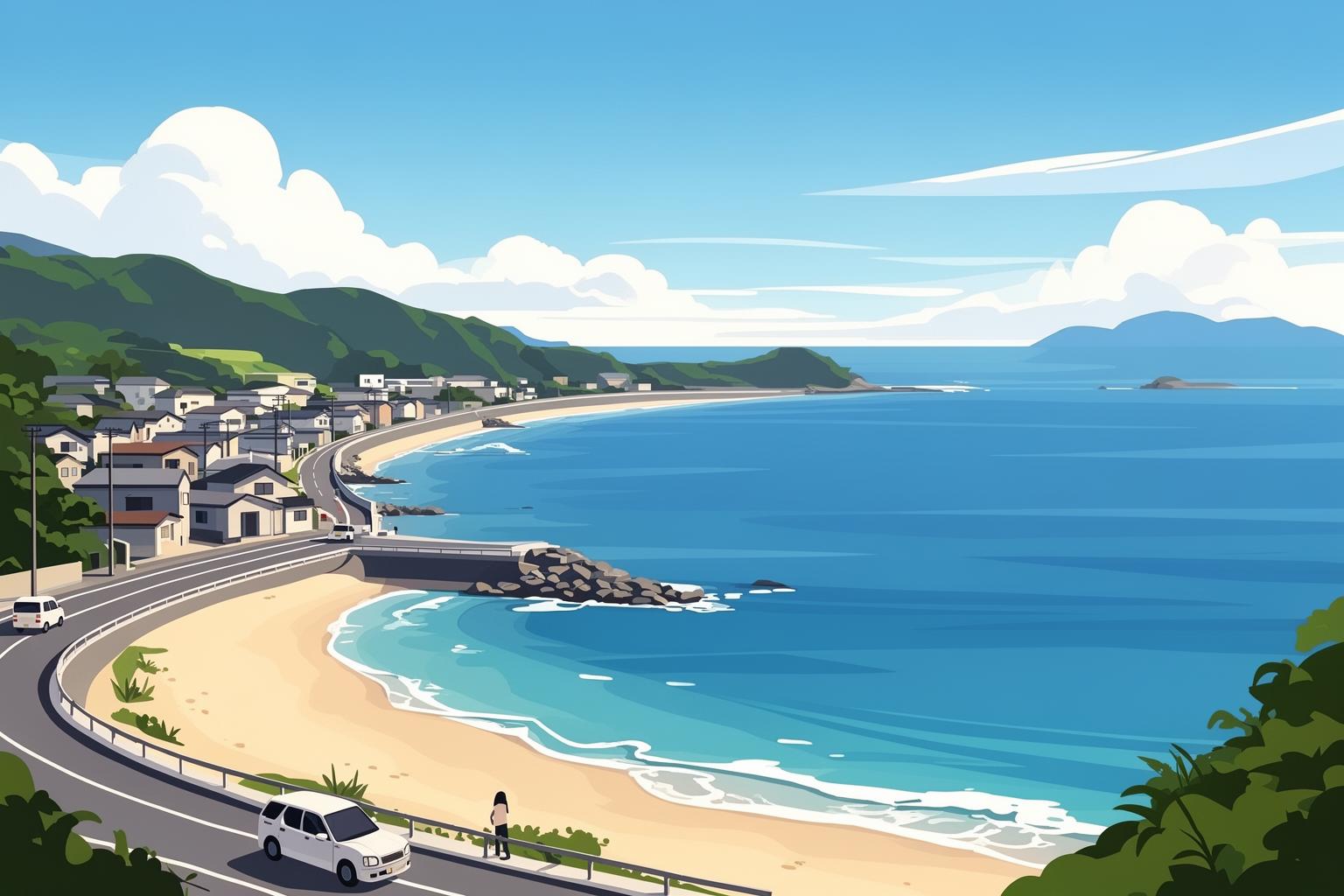
What occurs when a subculture originating in a particular historical moment becomes deeply rooted in a place for over sixty years? It ceases to be a subculture and transforms into the local culture—the very identity of the area itself. Walking or driving through the Shonan region today, you’re not witnessing a retro-themed revival; you’re seeing the living, breathing continuation of a story that began with the Taiyo-zoku. This is not a tourist show; for many locals, this nostalgic aesthetic is simply their way of life.
Route 134: A Drive-Thru Time Capsule
To truly capture the Shonan vibe, you need to experience National Route 134, the main road that traces the coastline from Zushi to Chigasaki. This highway serves as a living museum of the culture. On a sunny weekend, traffic is filled with tangible relics of the Shonan dream. You’ll spot immaculately restored vintage VW buses and woody wagons, old Toyota Land Cruisers with longboards tied to the roofs, custom motorcycles, and classic American muscle cars. The people themselves form part of the scene: cyclists glide by on retro beach cruisers, while longboarders with sun-tanned, leathery skin in their 60s and 70s walk barefoot across the street, board tucked under one arm. The storefronts echo the same story. Surf shops that have stood since the ’70s boast signs faded from decades of sun and salt spray. American-style diners serve burgers and milkshakes, and cafes bear names evoking California or Hawaii. Even newer buildings are often designed in a mid-century modern style to blend seamlessly with the established aesthetic. Here, the past isn’t just remembered—it’s actively curated and lived. Every detail, from the font on a restaurant sign to the music drifting from a shop, adds to this strong, cohesive sense of place. It’s a time capsule you can drive right through.
More Than a Hobby, It’s an Identity
Why has this distinct 1960s/70s aesthetic endured so powerfully in Shonan, while it has faded into kitsch or irony elsewhere? It taps into a broader Japanese cultural appreciation for heritage, craftsmanship, and preservation. Much like an artisan dedicates a lifetime to perfecting a traditional craft, many in Shonan have devoted themselves to perfecting this particular lifestyle. It is approached with a seriousness and reverence that surpass simple nostalgia. For many residents, it is their identity. They aren’t just surfers; they are Shonan People. This is especially true of the generation raised during the golden age of the Wakadaisho films and the eleki boom. They were the original participants who never left, raising their children here and passing the culture down. Today, you see multiple generations on the beach, from the grandfather who bought his first board in 1970 to his grandson learning on a foamie. This cultural continuity is echoed and amplified in modern Japanese pop culture. The Shonan area, particularly around Kamakura and Enoshima, is an iconic setting for countless manga and anime series. From the legendary basketball manga Slam Dunk, with its famous seaside railway crossing scene, to newer hits like Rascal Does Not Dream of Bunny Girl Senpai, creators repeatedly use this coastline as a backdrop for stories of youth, freedom, and romance. They draw from the cultural memory forged by the Wakadaisho films decades ago, reinforcing Shonan’s image as a special, almost magical place, and introducing its vibe to a new generation. It’s a self-sustaining cycle of culture and nostalgia.
So, What’s the Real Deal? Visiting Shonan with New Eyes
If you show up at the Shonan Coast expecting a theme park called ’60s Surf World,’ you’ll be disappointed. This isn’t a staged performance. It’s a real, living seaside community where people reside, work, and raise their families. The culture isn’t served on a silver platter; it’s woven into the atmosphere and found in the small details. To truly grasp it, you need to slow down and learn to see it, not just glance at it.
Beyond the Stereotype: Discovering the Nuance
The best way to experience the genuine Shonan is to immerse yourself in its flow. Leave behind any checklist of tourist spots. Instead, take the Enoden line, that charmingly creaky old train that clatters along the coast, and jump off wherever catches your eye. Wander from Kamakura’s temples toward the ocean and notice how the vibe shifts from ancient capital to relaxed beach town. Spend some time at Kugenuma Beach, the center of the surf culture. Don’t just watch the pros; observe the veterans smoothly riding their longboards, the families teaching their kids, and the full spectrum of the community. Stop by one of the many seaside cafes for a coffee. Sit on a terrace overlooking the Pacific, with Enoshima Island in the distance, and simply people-watch. Notice the subtle dress code, the kinds of cars people drive, the way they carry their boards. These small, everyday details reveal the authentic heart of the culture. You’ll see the connections linking today’s scene back to those early, dynamic post-war days. It’s about witnessing a quiet commitment to a particular way of life—a dedication that has shaped this coastline for over fifty years.
The ‘Why’ Behind the Vibe
By now, you should get it. The Shonan surf scene is not, and never was, a lazy imitation of California. It’s a profound cultural expression. It’s the story of a nation wrestling with its identity after a devastating war. It’s about a generation that looked across the Pacific, saw a bright, sunny, and impossibly free lifestyle, and decided to craft their own version of it right on their own shores. They took raw influences—Hollywood films, rock ‘n’ roll, a new sport called surfing—and filtered them through their own cultural perspective, infusing them with Japanese values of form, community, and a deep respect for preserving a treasured moment in time. The Taiyo-zoku supplied the rebellious energy. The Wakadaisho movies offered a wholesome, aspirational model. The eleki boom provided the pulsating electric soundtrack. And generations of surfers and locals have sustained the soul, lovingly preserving this unique cultural ecosystem ever since. So when you visit Shonan and see a vintage car, a perfectly faded surf tee, or an old man waxing a longboard he’s probably owned for decades, you’re not just seeing a cool retro style. You’re witnessing a piece of living history. You’re seeing the physical embodiment of Japan’s post-war dream. You’re encountering a vibe so deep and genuine, it has become the very spirit of the place. And that, honestly, is something truly special.