Yo, what’s the move? If you think Japan is just about neon-drenched cities and ancient temples, you’re sleeping on a whole other vibe. Imagine this: you wake up not to an alarm, but to the sound of waves crashing, literally feet from your bed. You unzip your tent—a tent that’s more boujee than most hotel rooms, btw—and see a clean set rolling in under a pastel sunrise. You grab your board, already waxed, and you’re in the water before your coffee’s even brewed. This ain’t some fantasy, my friend. This is the new wave of travel in Japan: oceanfront glamping for the surf-obsessed. It’s the ultimate flex, blending that raw, soul-filling connection with nature and the kind of comfort that’ll have your followers double-tapping every story. We’re talking about ditching the crowded tourist traps and trading them for salty air, empty lineups, and a chance to see a side of Japan that’s low-key one of its best-kept secrets. This is your official guide to the sickest spots where you can roll out of bed and straight into the barrel. Bet.
For more inspiration on where to catch the perfect wave, check out our guide to a Shonan Coast surf trip.
Chiba’s Boso Peninsula: The OG Surf Sesh near Tokyo
Vibe Check: What’s the Scene Like?
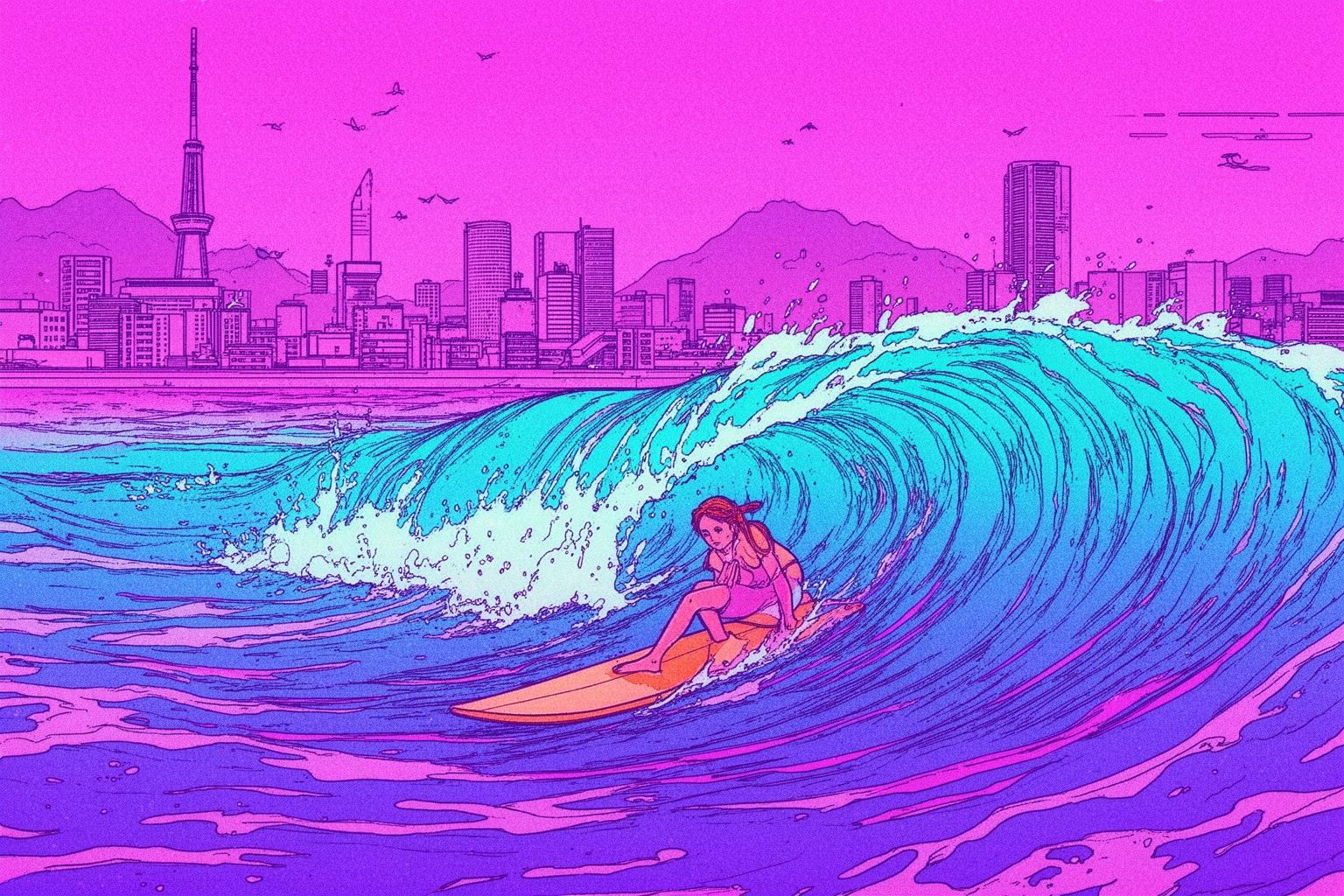
If you’re flying into Tokyo and need to get on the water quickly, Chiba is your go-to spot. The Boso Peninsula is essentially Tokyo’s coastal backyard, boasting serious surf credibility. This area hosted the first-ever Olympic surfing event, so the waves are undeniably legit. The vibe is an authentic blend: hardcore local surfers who’ve been riding these waves for decades alongside weekend warriors escaping the city hustle. It’s not flashy or touristy; it’s raw, genuine, and all about the surf. The coastline features a dramatic mix of long sandy beaches and rocky coves, dotted with sleepy fishing towns. You’ll find old-school surf shops with sun-bleached boards outside, and ramen joints that will change your life after a session. The air is scented with salt and pine, carrying a vibe that says, “Life here is simple: wake up, surf, eat, sleep, repeat.” It’s the perfect place to disconnect from urban chaos and reconnect with the ocean’s rhythm. The pace is slower, the locals laid-back, and the focus squarely on the water. It’s the ideal introduction to Japan’s surf culture—accessible yet feeling miles away from the frenzy of Shibuya Crossing.
Glamping Spot Focus: Ocean’s Terrace TORAMI
The Setup: Your Personal Beach Kingdom
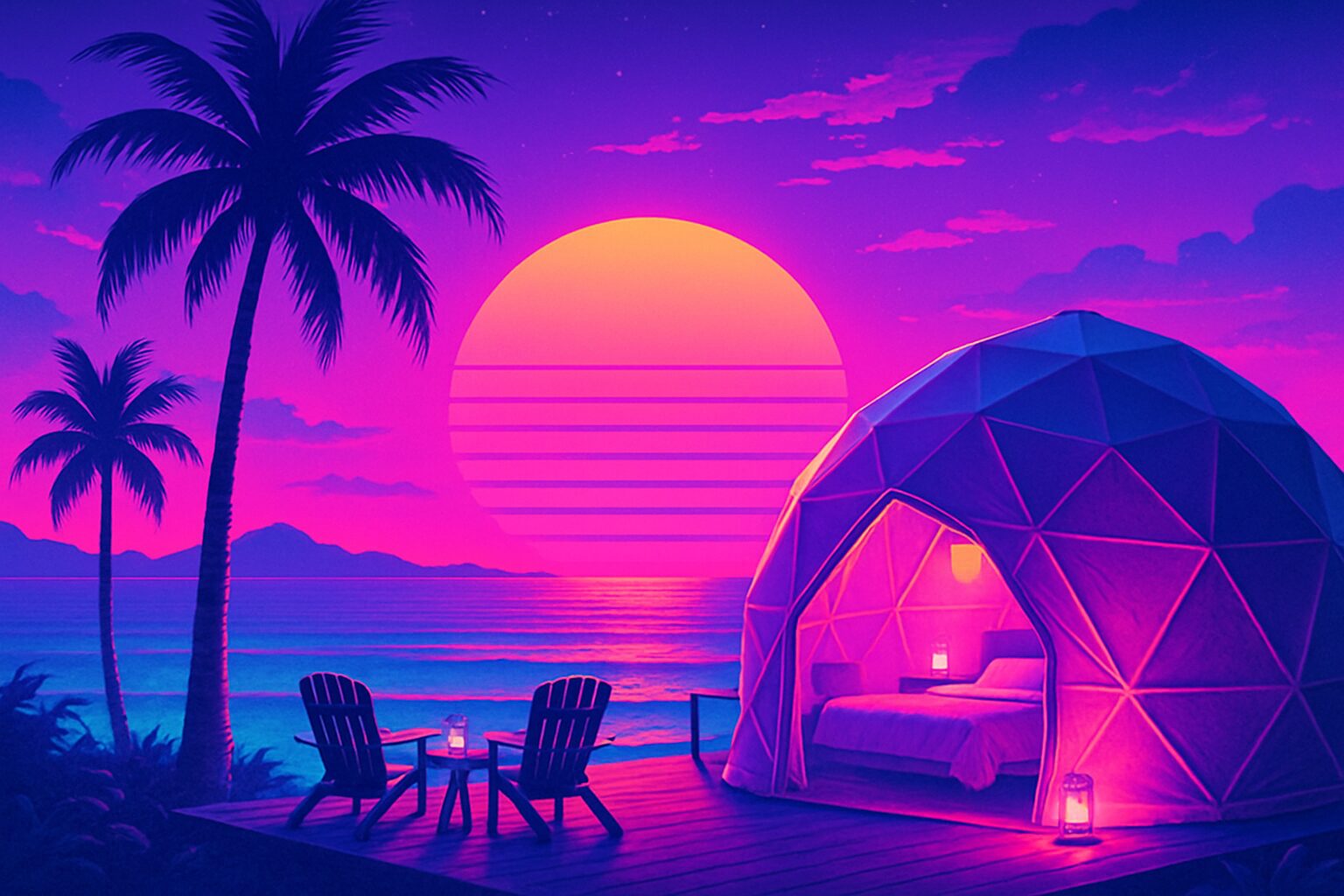
Forget roughing it. Glamping at places like Ocean’s Terrace TORAMI takes things to another level. Spacious, all-weather dome tents offer panoramic views of the Pacific. Inside, it’s pure comfort: plush beds you’ll sink into, private bathrooms so you’re not trekking to a shared facility at midnight, and air conditioning to beat the summer humidity. The real highlight is your private deck. This is your base of operations—where you sip your morning coffee while checking the swell, grill A5 wagyu on your personal BBQ at sunset, and relax in a private jacuzzi that soothes your surf-tired muscles. The whole setup maximizes chill with minimal effort. They provide everything—from charcoal for the grill to high-end bathroom amenities. This perfect blend of rugged beachfront living and five-star comfort is what sets it apart. You get the immersive nature experience—the crashing waves, salty breeze, star-filled sky—without sacrificing any comfort. It’s basically cheating, but in the best way possible. This is far more than a place to sleep; it’s an experience crafted to make your surf trip legendary.
The Surf Report: Waves on Lock
Chiba’s east coast attracts consistent Pacific swells, making it one of Japan’s most reliable surf zones. Ichinomiya, known as “Surf Town,” is the heart of it all. The waves here are mainly beach breaks, ideal for a wide range of skill levels. Long, mellow peelers cater to longboarders and beginners, but when late summer or autumn typhoon swells roll in, the surf gets serious—heavy, hollow, and powerful, offering challenging barrels for accomplished surfers. Tsurigasaki Beach, the official Olympic venue, is the crown jewel, known for high-performance waves but often crowded with competitive locals, so respect in the lineup is a must. Further south is Onjuku, a broad crescent beach with a relaxed vibe and multiple peaks to spread crowds out. The best part about glamping here? Instant access. You can watch conditions change from your deck, wait for the perfect tide, and be paddling out in two minutes—no car packing or parking hassle. It’s a surf-centric lifestyle dialed to perfection. Seasons matter: summer offers warm water and friendly waves, autumn brings powerful typhoon swells with fewer crowds, and winter is for the hardcore, with cold water but clean, powerful groundswells.
Beyond the Board: Coastal Cruising
When you’ve surfed your fill, the Boso Peninsula offers plenty more to explore. Renting a car is a smart move, unlocking the entire coastline. Take a scenic drive along the Boso Flower Line, a coastal road bursting with poppies and rapeseed blossoms in spring—a full sensory experience. For culture, visit Ubara Yasaka Shrine, perched overlooking the sea with a stunning red torii on the rocky coastline—a breathtaking photo spot and peaceful retreat. Food is another highlight. Being a peninsula, fresh seafood is king. Try a local kaisendon—a rice bowl topped with a generous selection of fresh, raw seafood—for a flavor explosion. Katsuura is renowned for its katsuo (bonito), so don’t miss it. For variety, explore the sawtooth cliffs of Cape Hachiman or take a hand-pulled boat to Niemon-jima, a tiny island that feels like stepping into a folktale. Chiba delivers a full spectrum—from adrenaline-fueled surf sessions to serene cultural stops— all easily accessible from your glamping base.
Getting There & Pro Tips
Getting here from Tokyo is super easy, which is a huge bonus. Driving takes about 90 minutes from downtown, traffic depending, giving you the freedom to chase swells along the coast. If you prefer trains, the JR Wakashio Limited Express runs from Tokyo Station to Kazusa-Ichinomiya Station in about an hour, where you can take a taxi to your glamping site. First-timers: Japan is very safe, but the ocean always demands respect. Watch for rip currents, especially at beach breaks. The local surf scene is tight-knit; a smile, nod, and lineup etiquette go a long way. Don’t forget the konbini (convenience stores)—they’re essential for everything from pre-surf onigiri to post-session ice cream and affordable quality beer. They’re your best friend on any Japan road trip.
Izu Peninsula, Shizuoka: Onsen Vibes Meet Sick Swells
The Izu Aesthetic: It’s a Complete Vibe
The Izu Peninsula is where nature really shows off. Extending into the Pacific Ocean south of Mount Fuji, it stands as a geological marvel. This land features ancient volcanoes, rugged coastlines, and water so clear it looks almost unreal. The atmosphere here is more refined resort than gritty surf town, yet it retains a raw, untamed spirit. For centuries, Izu has served as a haven for artists, writers, and Tokyo’s elite, and that rich history is palpable. The peninsula is sprinkled with charming onsen (hot spring) towns, where steam billows from street vents and locals wander in traditional yukata. But if you drive along the winding coastal roads, you’ll discover a different facet of Izu: hidden coves, strong surf breaks, and a vibrant community of wave chasers who stayed for the lifestyle. It’s a land of contrasts—the tranquil peace of a hot spring soak and the fierce energy of ocean swells. The air feels fresher, the colors more vivid, and everything moves at a laid-back pace guided by tides and seasons. It’s an elevated surf trip—an upgrade to your travel experience.
Glamping Spot Highlight: UFUFU VILLAGE
Your Coastal Retreat: Onsen Included
Glamping in Izu is a game-changer, especially with an ace up its sleeve: onsen. UFUFU VILLAGE embraces this fully. You can pick your setup, from classic canvas bell tents and snug dome tents to fully-equipped trailer homes with private decks. Whatever you choose, you’ll be immersed in nature, surrounded by verdant greenery and the soothing sound of a nearby river. The real charm lies in the water. Many sites, including UFUFU VILLAGE, channel natural hot spring water directly into their facilities. This means you can enjoy your own private onsen bath right at your tent or trailer. Picture this: after a full day battling waves, sore shoulders and all, you return to your glamping spot and step into a steaming, mineral-rich hot spring bath beneath the stars. It’s an indulgent, restorative experience that embodies the best of Japan. The facilities are spotless, offering hotel-quality comfort. Expect comfy beds, heating and cooling, and fully equipped outdoor kitchens perfect for BBQ gatherings. It’s the ideal blend of outdoor adventure and the refined, healing onsen culture.
Chasing Waves in Izu: Pursuing Clarity
The southern tip of the Izu Peninsula, especially near Shimoda, is the surf hotspot. Known for stunning beaches and crystal-clear water, it’s a surfer’s playground. Shirahama Beach is the standout—an expanse of brilliant white sand reminiscent of the Caribbean, catching a steady swell. While summer crowds are common, the waves are consistent and enjoyable, making it an all-around favorite. For a more intense surf experience, head to Tatadohama Beach. This swell magnet often delivers the area’s most powerful and best waves. It’s a classic beach break that can handle decent size, attracting the densest mix of local and visiting surfers. Izu’s coastline is complex, meaning conditions can change dramatically from one bay to another. What’s blown out on the east coast might be firing with offshore winds on the west. This makes having a car a major advantage for exploring. The prime seasons are autumn and winter when strong groundswells from the North Pacific roll in, creating clean, well-formed lines. Surfing here isn’t just about the waves; it’s the scenery too. Paddling out with volcanic cliffs and lush hills as your backdrop is unforgettable.
After-Surf Ritual: Soaking and Savoring
In Izu, post-surf rituals reach an artful level. The top activity, hands down, is onsen-hopping. After a chilly winter session, there’s nothing better than warming up in a natural hot spring. You’ll find everything from upscale spa resorts to rustic, open-air rotenburo baths perched on cliffs with ocean views. Onsen culture is deeply rooted here and the perfect way to recharge for the next surf. Izu’s food scene is another highlight. The region is renowned for kinmedai (splendid alfonsino), a delicious red-skinned fish served as sashimi, grilled, or simmered in broth. It’s featured on almost every menu, and it’s a must-try. Izu also has a claim to fame as the birthplace of wasabi cultivation. You can visit mountain wasabi farms, observe how it’s grown in pristine spring water, and taste freshly grated wasabi that’s fragrant and complex—nothing like the typical green paste from a tube. For a touch of history, Shimoda is notable as the arrival point of Commodore Perry’s “Black Ships” in the 1850s, which opened Japan to the West. Perry Road, a charming street lined with old buildings and canals, offers a scenic stroll steeped in that legacy. Izu is truly a feast for the senses.
The Essentials: Your Travel Guide
Getting to Izu from Tokyo is straightforward. The Tokaido Shinkansen (bullet train) takes you to Atami, at the peninsula’s northern edge, in under an hour. From there, the local Izu Kyuko Line runs along the coast down to Shimoda, offering scenic views. To fully explore and access various surf spots, renting a car is highly recommended—you can do so in Atami or Mishima. A tip for first-timers: the coastal roads are picturesque but narrow and winding, so drive slowly and enjoy the scenery. Also, many onsen have strict tattoo policies. If you have tattoos, look up “tattoo-friendly” onsen or book a glamping site with a private bath to avoid any issues. Lastly, if you visit in late winter or early spring (generally February), you can catch the Kawazu cherry blossoms, which bloom about a month ahead of the rest of Japan. It’s a stunning spectacle with vibrant pink blossoms forming beautiful tunnels along the riverbanks.
Miyazaki, Kyushu: Japan’s Certified Surf Paradise
The Miyazaki Aura: Tropical & Totally Chill
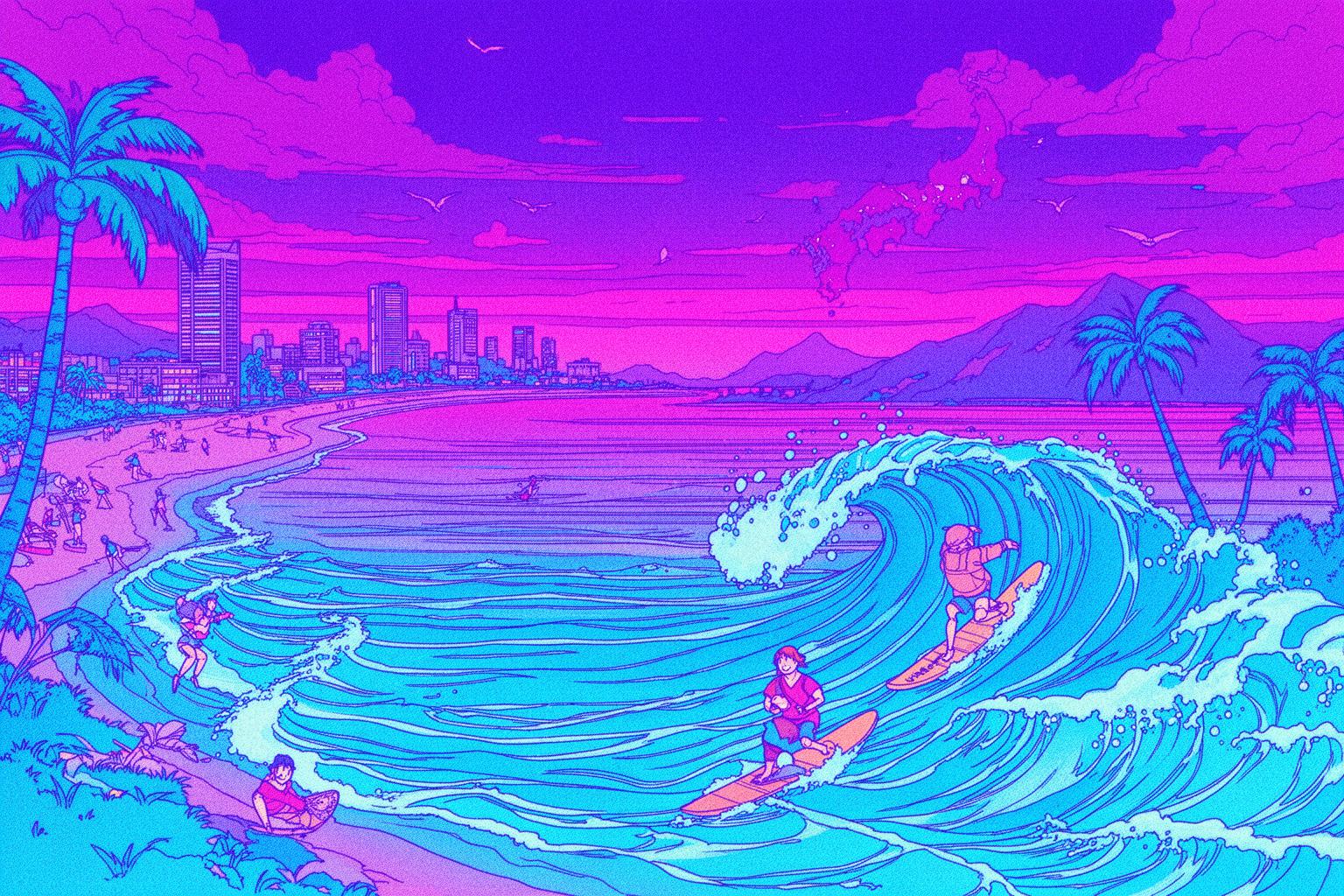
If Japan has a soul-surfing capital, it’s Miyazaki. Situated on the southeastern coast of Kyushu, the southernmost of Japan’s main islands, this prefecture feels like an entirely different world. The first thing you notice is the climate. It’s warmer, more humid, and blessed with more sunny days than almost anywhere else in the country. Palm trees line the streets, the ocean shines a brilliant shade of blue, and the entire place gives off a laid-back, subtropical vibe that feels more like Hawaii than Honshu. Many consider Miyazaki the birthplace of Japanese surfing, and that culture runs deep here. It’s not just a trend; it’s a way of life. The local surf community is welcoming and unpretentious, radiating a genuine aloha spirit. The atmosphere is profoundly relaxed—there’s no rush, no stress. It’s a place where you can surf all morning, enjoy a long lunch, maybe take a nap, and paddle out again for a sunset session. Miyazaki is also rich in mythology. It’s a key site in Japan’s creation legends, and you can feel that ancient, spiritual energy everywhere—from sacred shrines nestled within coastal forests to the strange and beautiful geological formations along the shore. It’s a true paradise that feeds both your passion for surfing and your soul.
Glamping Spot Focus: Calm Lanai Harbor
Living the Dream: Your Subtropical Sanctuary
The glamping experience in Miyazaki is crafted to blur the line between you and the stunning natural surroundings. Calm Lanai Harbor is a perfect example. Forget cramped tents; here, you might stay in a stylish A-frame cabin or a luxurious dome, each with expansive windows and private wooden decks facing the ocean. The design focuses on clean, minimalist aesthetics that harmonize with the scenery rather than overpower it. Outdoor living is the priority. Your deck becomes a living room complete with cozy lounge chairs, a fire pit for evening gatherings, and, naturally, a high-end BBQ grill. You can wake up, brew coffee, and watch dolphins glide by right from your own space. These sites are often just a short walk from the beach, letting you fall asleep to the sound of the waves and wake naturally at sunrise. Inside, comfort is key—hotel-quality linens, designer furniture, and every modern convenience. It’s a setup that invites you to slow down, breathe deeply, and simply be present. You’re not just visiting the coast; you’re fully living in it, immersed in the sights, sounds, and scents of Miyazaki’s tropical paradise.
The Legendary Breaks: A Surfer’s Buffet
Miyazaki’s coastline is a continuous gift. Facing the Pacific directly, it catches swells from nearly every direction, resulting in remarkably consistent surf year-round. The water is warm enough for board shorts in summer, and even in winter, a light wetsuit suffices. The main surf zone stretches from Miyazaki City down to the Nichinan coast. Kisakihama Beach, just south of the city, ranks among Japan’s most famous and reliable beach breaks. It offers a vast sandy stretch dotted with countless peaks, so even on busy days, you can usually find your own space. It breaks on all tides and picks up any swell. Further south lies Aoshima, a small sacred island connected to the mainland by a bridge. The beach here offers mellow, fun waves ideal for beginners or longboarders, set against the stunning island and shrine backdrop. For those chasing more power, the area around Hyuga to the north features world-class reef and river-mouth breaks that can get seriously heavy. The incredible variety is what makes Miyazaki so special. Within a short drive, you can find a wave for every mood and skill level—from gentle rollers to hollow, challenging barrels. It’s truly a surfer’s playground.
Cultural Deep Dive: Myths and Legends
Surfing in Miyazaki is a chance to connect with Japan’s oldest tales. The entire region is steeped in Shinto mythology. Aoshima Island is a must-see. The island is a protected spiritual site, covered in subtropical forest and home to Aoshima-jinja, a vibrant shrine believed to bring luck to married couples. Surrounding the island is a unique geological formation called the `Oni no Sentakuita`, or “Devil’s Washboard.” These perfectly straight rows of basalt rock, formed by ancient lava flows, look man-made but are wholly natural. It’s a surreal and striking sight, especially at low tide. Further inland, the town of Takachiho is said to be where the sun goddess Amaterasu hid in a cave, plunging the world into darkness. You can visit the gorge and shrine linked to this foundational myth. And no conversation about Miyazaki is complete without mentioning the food. The local cuisine is legendary. You must try Chicken Nanban—a fried chicken dish soaked in sweet and sour sauce, topped with rich tartar sauce. It originated here and is pure comfort food. Miyazaki is also famed for its top-grade wagyu beef and an incredible variety of sun-ripened fruits like mangoes and hyuganatsu citrus. It’s a place to feast like a god after communing with the waves.
Logistics Check: Your Path to Paradise
The easiest way to reach Miyazaki is by air. Miyazaki Bougainvillea Airport is served by multiple daily flights from major hubs such as Tokyo, Osaka, and Fukuoka. It’s a small, friendly airport where you can be out and on your way within minutes. Once there, renting a car is essential. Surf spots stretch along the coast, and public transport won’t suffice. Having your own vehicle gives you the freedom to explore, chase swell, and uncover hidden gems. A pro tip: the locals here are famously friendly and welcoming to visitors. Learn a few basic Japanese phrases (`Konnichiwa` for hello, `Arigato` for thank you, `Ii nami desu ne` for “Nice waves, huh?”), and don’t hesitate to strike up a conversation in the lineup or at local eateries. This warmth, or `omotenashi`, is a big part of the Miyazaki experience. Just remember to respect local rules and the environment—pack out what you pack in and leave this paradise as stunning as you found it.
Kochi, Shikoku: Untamed Coastlines for the Core Crew
The Kochi Experience: Raw, Rugged, and Authentic
If Chiba offers convenient escapes and Miyazaki embodies chill paradise, Kochi stands as the wild frontier. Situated on the southern coast of Shikoku, Japan’s fourth-largest island, Kochi calls to the adventurous spirit. This is not a place you find by chance; you arrive with purpose. The atmosphere here is untamed and elemental. The Kii mountain range separates Kochi from the rest of Shikoku, fostering a culture known for its fierce independence and slight rebelliousness. The coastline mirrors this character. It’s a striking, powerful stretch where verdant mountains drop sharply into the deep blue, often tempestuous Pacific Ocean. This is a realm of raw, untouched nature. The beaches aren’t perfectly curated sands; they’re rugged shores dotted with boulders and wild river mouths. The surf culture here is less about lifestyle and more about the pure thrill of riding mighty waves in a breathtaking environment. It draws a distinct type of surfer—one willing to venture off the beaten path in pursuit of uncrowded, world-class surf. Kochi doesn’t pretend to be anything else: it is a stunning, potent, and profoundly genuine part of Japan.
Glamping Spotlight: Ocean Villa Okitsu
Your Basecamp: A Room with a Roaring View
Glamping in Kochi echoes the region’s spirit—comfortable yet deeply intertwined with the wild landscape. Forget flawless domes on manicured fields. Instead, find places like Ocean Villa Okitsu, where stylish cabins or villas perch on hillsides, offering eagle-eye views over the vast Pacific. The architecture is meant to maximize connection to nature, with floor-to-ceiling windows and wide decks that make you feel as if you’re floating above the ocean. Luxury here isn’t about golden fixtures or chandeliers; it’s about priceless views, privacy, and direct access to the outdoors. Your deck serves as a front-row seat to nature’s daily spectacle—witnessing swell lines roll in from the horizon, fishing boats setting sail at dawn, and sunsets that ignite the sky. These accommodations provide all essential comforts: comfortable beds, modern kitchens, and soothing baths. However, they promote a self-reliant style of glamping. It’s about grilling fish bought fresh at a local market, savoring local sake while cicadas hum, and feeling a world away from civilization. It’s a basecamp for adventure and a cozy retreat after a day of facing the elements.
Chasing Giants: For Seasoned Surfers Only
Kochi is a magnet for big waves. The coastline is fully exposed to every swell rolling in from the Pacific, and the ocean floor’s rapid drop-off ensures the waves hit with full force. This is especially true during the typhoon season from late summer through autumn. The waves here are world-class but demand courage and skill. The eastern region, near the towns of Toyo and Shishikui, is the central hub. Ikumi Beach, one of Japan’s most famous surf spots, hosts major competitions and is famed for its consistent, high-quality waves. This river-mouth break produces long, rideable walls and hollow barrels. Further east, near the Tokushima border, Shishikui features a series of reef and point breaks that can become epic with the right swell. The western part of the prefecture, around the Shimanto River mouth, offers another legendary big-wave location. Surfing in Kochi requires a solid understanding of conditions—the swells are powerful, and currents can be dangerous. This is no place for first-timers, but experienced surfers have the chance to catch lifetime waves, often with few others in the water.
Exploring the Wild: Rivers, Capes, and Cuisine
Kochi’s wilderness extends well beyond its surf spots. The prefecture is home to the Shimanto River, Japan’s last free-flowing river, without large dams on its main route, its clear waters winding from mountain to sea. You can explore it by kayak, take a traditional yakatabune roofed boat cruise, or find a quiet spot to swim. The coastline itself is a geological marvel. Cape Muroto, a UNESCO Global Geopark, juts sharply into the ocean, offering dramatic cliff walks and intriguing rock formations. Nearby Cape Ashizuri, at the southwestern tip, presents equally stunning views and a sense of remoteness. Then there’s the food. Kochi boasts a bold, hearty culinary culture, highlighted by its best-known dish: katsuo no tataki. This is seared bonito, where a fillet of skipjack tuna is quickly charred over blazing straw fire, cooked rare inside but seared outside. It’s sliced thick and served with garlic, ginger, and a citrus-based ponzu sauce. Sampling this dish in its birthplace is a culinary pilgrimage. Kochi locals love their good times and good drink, so be sure to try some local jizake (craft sake), known for its dry, crisp finish—an ideal match for the local cuisine.
The Journey Itself: The Road Less Travelled
Reaching Kochi is part of the experience. It’s the most remote destination on this list. You can fly into Kochi Ryoma Airport from Tokyo or other major cities, or take the Shinkansen to Okayama, then cross the Great Seto Bridge by train—a journey that’s spectacular in itself. On Shikoku, a car is essential. Kochi is a vast prefecture, with its best sights spread out. Coastal roads are breathtaking but often narrow and winding. Allow plenty of travel time, and be ready to pull over and admire the view. A tip for first-timers: embrace the remoteness. Cell service may be spotty in rural areas, so download maps before you go. This is a place to disconnect from devices and reconnect with nature. Life moves slowly, locals are sincere and welcoming, and the landscape is overwhelmingly beautiful. It demands more planning and a spirit of adventure—but the rewards are immeasurable.
The Final Word: Go Catch Those Waves
So there you have it. Japan isn’t just one thing; it’s a country of striking contrasts, where deep-rooted tradition coexists with hyper-modernity, and tranquil mountain temples are just a short drive from vibrant surf breaks. The surge of oceanfront glamping has opened a new way to enjoy this country’s breathtaking coastline, providing a legit shortcut to the ultimate surf trip. It’s the best of both worlds: the raw, primal connection to nature combined with the comfort that helps you recharge and push harder the next day. Whether you’re a seasoned pro chasing powerful, uncrowded waves in Kochi or a beginner eager to ride long, sandy beaches in Miyazaki, there’s a perfect spot for you. Imagine rolling out of a bed comfier than your own, checking the waves from your private deck, and paddling out in minutes. It’s a game-changer. So pack your board shorts, camera, and an appetite for adventure (and insanely good food). Stop overlooking Japan as a surf destination. Get out there and see it for yourself. It’s time to conquer those waves at sunrise and live your absolute best life on the coast of the rising sun. You won’t regret it, fam. Peace out.