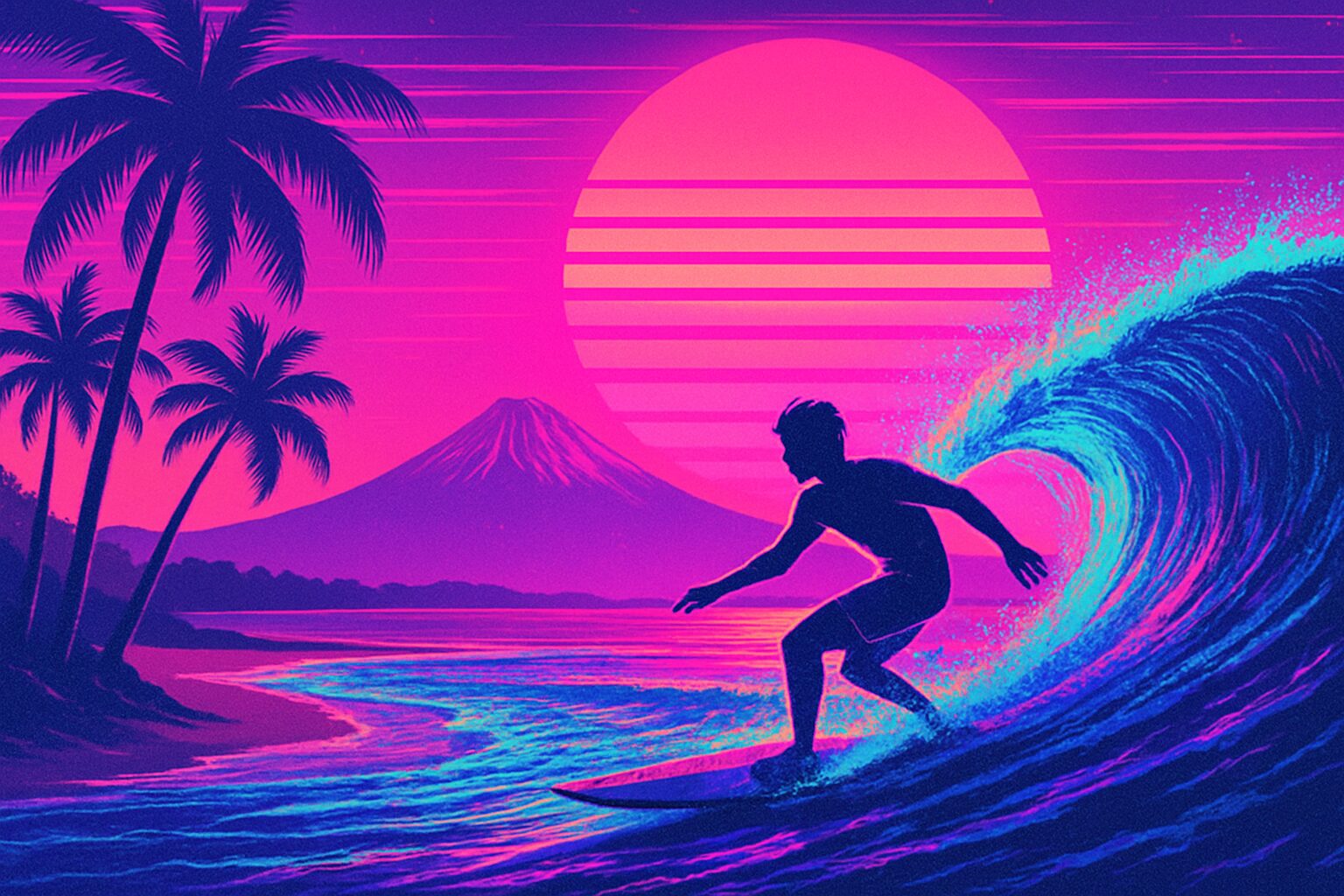
Yo, what’s up, world-wanderers! Ami here, coming at you live from my little corner of the globe. When I’m not deep in the world of fashion, I’m out there, chasing that perfect wave, that golden hour, that one-of-a-kind vibe that you only get when you truly connect with a place. And let me tell you, there’s a spot just a stone’s throw from the electric chaos of Tokyo that serves up an endless summer on a silver platter. I’m talking about the Shonan Coast. Forget what you think you know about Japan—the packed subways, the towering skyscrapers, the serene temples. Shonan is a whole different mood. It’s Japan’s answer to the California dream, a sun-drenched, salt-sprayed stretch of coastline where the rhythm of life is dictated by the rise and fall of the tide. This isn’t just a place to surf; it’s a lifestyle. It’s where laid-back beach culture collides with centuries of history, where you can catch a morning wave and then wander through the grounds of an ancient capital by the afternoon. It’s the ultimate escape, a place to breathe, to chill, and to ride. Whether you’re a seasoned pro looking for your next challenge or a total newbie ready to get hooked, Shonan is calling. It’s time to trade the city hustle for the sound of the ocean, so grab your sense of adventure, ’cause we’re about to drop into the ultimate Japanese surf safari. This is your all-access pass to the heart and soul of Japan’s surf mecca. Let’s get it.
The Shonan Vibe: More Than Just a Wave
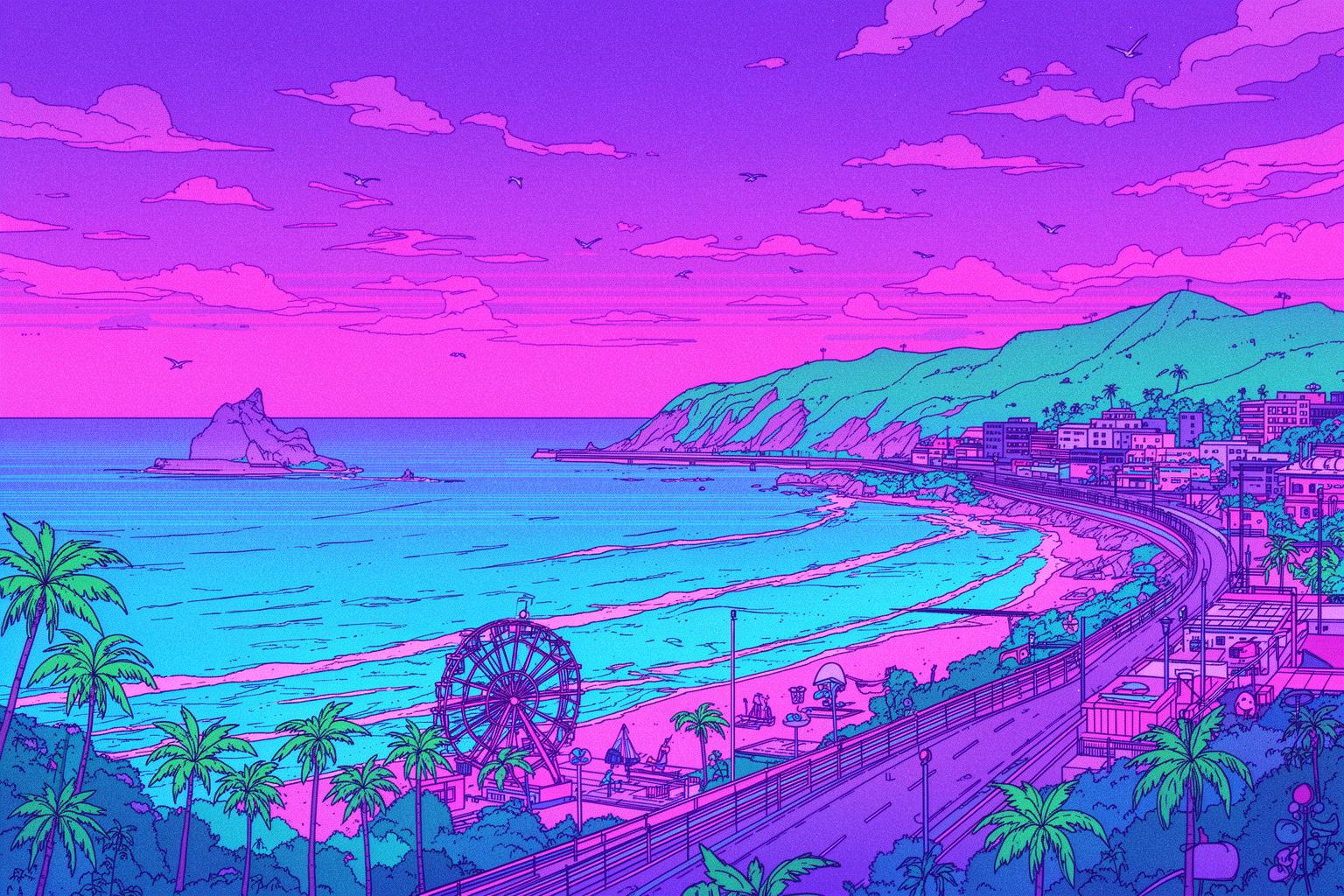
Before we even talk about dipping your toes in, you need to grasp the vibe. Shonan isn’t merely a place on the map; it’s a mindset. Stepping off the train at stations like Kugenuma-Kaigan or Hase feels like entering an alternate reality compared to Tokyo. The atmosphere shifts immediately. It’s heavy with the scent of salt and a subtle sweetness of sunscreen. The endless city noise gives way to the rhythmic crash of waves, the distant bell of a train crossing, and the carefree laughter of those living on beach time. The whole area ticks to a slower rhythm. People walk with a bit more swing in their step, their hair always tousled by the sea breeze, their skin gently sun-kissed. It’s a world of faded band tees, board shorts, and flip-flops, where the biggest choice of the day is whether the tide is right.
The aesthetic here is a cool blend of influences. You have classic Japanese features—pristinely kept houses with tiled roofs, tiny shrines tucked amid buildings, and the iconic, clattering Enoden train that looks like it came straight out of an anime. On top of that is a sun-bleached, surf-shack culture reminiscent of Southern California or Australia. Picture Volkswagen vans parked along coastal Route 134, surfboards strapped to their roofs. Imagine sleek, minimalist cafés with floor-to-ceiling windows overlooking the Pacific, serving flat whites and avocado toast beside a traditional eatery dishing out bowls of fresh shirasu. This fusion is what makes Shonan special. It’s effortlessly cool without trying too hard. It’s a place where hardcore surfers adorned with tribal tattoos share the beach with families building sandcastles, while a Buddhist monk from a nearby temple strolls along the shoreline. The energy is inclusive, creative, and deeply tied to the ocean. On a clear day, the horizon is framed by two iconic landmarks: the romantic outline of Enoshima Island to the east and the majestic, often snow-capped peak of Mount Fuji to the west. Surfing with Mount Fuji in view? That’s a memory that will stick with you forever. The Shonan vibe embraces a beautiful paradox—living in a country famed for its strict traditions while enjoying a life of complete freedom, ruled only by wind and waves. It’s about finding your zen not in a silent temple, but in the wild beauty of a perfect break rolling in.
Access All Areas: Getting to the Coast
Alright, so you’re hooked on the vibe. Next up: how do you actually get there? One of Shonan’s biggest boasts is its incredible accessibility from central Tokyo. You can go from being packed on a Shinjuku subway to feeling the sand beneath your feet in about an hour. It’s the perfect day trip, but believe me, you’ll want to stay longer. Here’s the lowdown on the main travel routes.
Your primary mode of transport will be the train, Japan’s legendary and impeccably punctual transit system. From Shinjuku, the standout option is the Odakyu Line. You can catch the express or rapid express heading toward Fujisawa, the main gateway to the Shonan surf scene. The journey itself is an experience. You begin by rumbling through the dense urban sprawl of western Tokyo, a blur of concrete and bright lights. Gradually, the scenery softens—the buildings shrink, spaces widen, and you start spotting more greenery. Once you reach Fujisawa, you have two options: transfer to a local Odakyu line train that takes you straight to Katase-Enoshima Station—a striking station designed to resemble a mythical underwater dragon palace—or switch to the iconic Enoden train.
If you’re starting from Tokyo Station, Ueno, or Shinagawa, the JR network is your best bet. The JR Tokaido Main Line or the JR Yokosuka Line will speed you to stations like Fujisawa, Ofuna, or Kamakura. From Shibuya or Ikebukuro, the JR Shonan-Shinjuku Line provides a direct route, making the trip smooth and hassle-free. Pro tip: as soon as you arrive in Japan, grab a Suica or Pasmo card. These rechargeable smart cards let you tap through ticket gates effortlessly, saving you the hassle of buying individual tickets each time. You can even use them at most convenience stores and vending machines, making them the ultimate Japan travel hack.
Once you’re in the Shonan area, the real magic starts with the Enoshima Electric Railway, better known as the Enoden. This isn’t just any train; it’s a beloved local icon and an experience in itself. This charming, slightly rickety, green-and-cream train zigzags from Fujisawa to Kamakura across 10 kilometers. Its route is legendary. In some spots, it rattles so close to people’s houses you could almost touch their laundry. Then it emerges along the coastline between Koshigoe and Shichirigahama, running parallel to the road with nothing but the sparkling Pacific Ocean on one side. The views are stunning. This is the train featured in countless movies, dramas, and anime—most famously in the iconic opening sequence of Slam Dunk. Getting off at sunlit, cozy stations like Kamakurakokomae (the anime station) or Inamuragasaki is a key part of the Shonan experience. Riding the Enoden is your gateway to popular surf spots, historical landmarks, and trendy cafes. It’s slow, nostalgic, and the perfect way to soak up the laid-back coastal vibe.
The Surf Mecca: A Breakdown of the Breaks
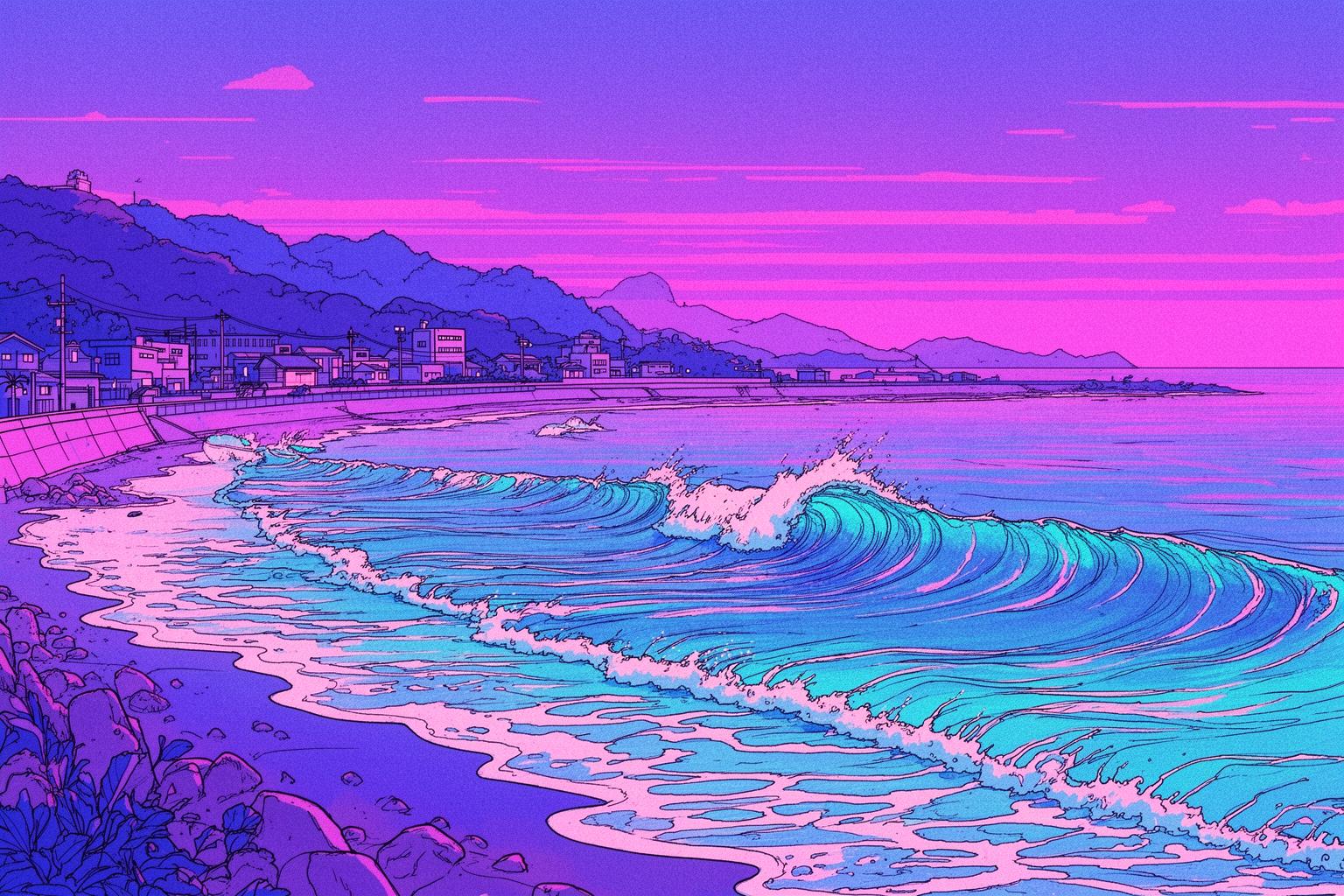
Alright, let’s dive into the main attraction: the waves. Shonan boasts an extensive stretch of beach breaks, characterized by sandy bottoms and generally forgiving waves, making it an ideal playground for surfers of all skill levels. The scene can get busy, especially on summer weekends, but the friendly vibe and the abundance of peaks usually mean there’s space for everyone. Each spot has its own distinct character and charm. Let’s explore the lineup from east to west.
Kugenuma Kaigan: The Heartbeat of the Scene
If Shonan is the core of Japanese surfing, then Kugenuma Beach (Kugenuma Kaigan) is its vibrant pulse. This is ground zero. It’s a vast, wide-open beach stretching seemingly for miles, nestled between the Katase River to the east and the Hikichi River to the west. When you think of surfing in Japan, Kugenuma is likely what comes to mind. The waves here are typically soft, rolling sandbar peaks, perfect for beginners and longboarders. The sandy bottom means there’s no need to worry about sharp reefs, making it a relatively safe place to learn. On any day, the water swarms with a lively cross-section of the surf community: kids taking their first lessons, experienced longboarders gracefully cross-stepping, and high-performance shortboarders enjoying the wind swell. The beach itself buzzes with activity. Surf schools line the boardwalk, their vibrant flags fluttering in the breeze. Rental shops are everywhere, so you can arrive empty-handed and be fully equipped within minutes. The atmosphere is electric and full of energy. In summer, the beach fills up with families, sunbathers, and volleyball players—it’s a full-on beach party. For first-timers, this is the place to be. The extensive infrastructure and gentle waves make it incredibly inviting. Don’t be daunted by the crowds; find your own little peak, be respectful, and you’re guaranteed to have a great time.
Shichirigahama: The Scenic Powerhouse
Continuing west along the coast, you reach Shichirigahama. The vibe here shifts immediately. It’s more dramatic, more scenic, and a bit more serious. This spot is renowned primarily for its view. From the water, you’re treated to a postcard-perfect panorama of Enoshima Island on one side and, on clear days, the unmistakable silhouette of Mount Fuji on the other. It’s almost mesmerizing. The beach itself is a blend of sand and smooth stones, and the waves tend to be stronger and faster than at Kugenuma. When a strong typhoon swell hits, Shichirigahama delivers some of the best waves in the region, producing steep, hollow sections that attract a more experienced crowd. It’s not ideal for absolute beginners, as the shorebreak can be intense and paddling out challenging. But for intermediate to advanced surfers, it’s a paradise. The area behind the beach also steps up in sophistication. Coastal Route 134 is dotted with some of Shonan’s most stylish and famous cafes and restaurants. Here you’ll find the iconic Bills, the Australian eatery famous for its ricotta hotcakes, and Pacific DRIVE-IN, a Hawaiian-themed spot known for its garlic shrimp. Shichirigahama is where surf culture blends seamlessly with cafe society. It’s the place to surf a great wave, then enjoy a perfectly brewed coffee while watching the sunset. Its cool, effortless-chic aesthetic is flawless.
Yuigahama & Zaimokuza: Kamakura’s Chill Zone
Following the Enoden line further, you arrive at the historic heart of the region, Kamakura. The two main beaches here, Yuigahama and Zaimokuza, are separated by the Nameri River. These expansive beaches form a vast, crescent-shaped bay that is generally more sheltered than other spots. This means the waves here are often smaller and gentler, making it another great spot for longboarding, stand-up paddleboarding (SUP), and beginners. The vibe is extremely relaxed and family-friendly. In summer, these beaches are transformed by colorful umi no ie—temporary beach houses set up directly on the sand functioning as restaurants, bars, rental shops, and locker rooms all in one. You can rent a board, enjoy a plate of yakisoba and a cold beer, and spend the whole day here. The real charm of surfing here lies in the unique mix of beach life and rich history. You can be rinsing the salt from your hair at an outdoor shower and be just a 15-minute walk from the Great Buddha of Kamakura, a 13-meter-tall bronze statue that has stood peacefully for nearly 800 years. This seamless blend of activities makes Kamakura so special. Spend the morning surfing, the afternoon exploring ancient temples and shrines, and the evening browsing local crafts along Komachi-dori street. It’s a cultural triathlon, with the beach as your starting point.
Chigasaki: The Soulful Local’s Spot
If you want to escape the tourist crowds and tap into the genuine heart of Shonan’s surf culture, head further west to Chigasaki. This town feels more low-key, more residential, and it breathes surfing. Chigasaki has produced numerous pro surfers and is considered by many the spiritual home of surfing in Japan. The main break is Southern Beach Chigasaki, a spot made famous by the legendary Japanese rock band Southern All Stars, who hail from the area. The beach is marked by a large, C-shaped monument called the Southern C—a popular photo spot for couples and music fans alike. The waves here are reliable sandbar peaks, similar to Kugenuma, but the crowd is noticeably more local. The etiquette remains welcoming, but there’s a palpable higher level of surfing in the water. Surfers here glide with quiet confidence and deep respect for the ocean. The town itself exudes an old-school charm. Numerous core surf shops have been around for decades, run by local legends who know far more about surfing than most will ever learn. Chigasaki is all about community—the early morning surf checks, the post-surf conversations in the parking lot, and a shared passion for a lifestyle that has defined the town for generations. If you want to experience the true soul of Shonan, Chigasaki is the place to go.
Beyond the Board: When the Ocean is Flat
Let’s be honest, even in paradise, the ocean doesn’t always behave. But one of the best parts of a Shonan surf trip is that a day with flat waves is never wasted. The area is packed with incredible things to see and do. Think of it as a chance to rest your paddling muscles and immerse yourself in a different kind of culture.
Island Adventures on Enoshima
Enoshima isn’t just a landmark; it’s a full-day excursion packed onto a small, charming island connected to the mainland by a short bridge. The entire island is essentially a large hill dedicated to Benzaiten, the goddess of music and entertainment. As you begin your ascent, you pass through a traditional torii gate and enter a lively street lined with souvenir shops and food stalls. Here, you have to try the island’s most famous and Instagram-worthy snack: tako senbei. They take a whole octopus, press it, and grill it into a large, paper-thin, savory cracker right before your eyes. It’s wild. As you climb, you’ll find the various shrines that make up Enoshima Jinja. For a small fee, you can ride a series of outdoor escalators called the “Escars” to save your legs; it’s a total game-changer. At the top, you’ll reach the Samuel Cocking Garden, a beautiful botanical garden blending Japanese and European styles. Inside the garden stands the Enoshima Sea Candle, a lighthouse and observation tower. Taking the elevator up is worth every yen. The 360-degree view from the top is breathtaking, offering a full panorama of the Shonan coastline, Sagami Bay, and on a clear day, all the way to Mount Fuji and the Izu Peninsula. After descending the other side of the island, you can explore the Iwaya Caves, naturally carved by the sea over millennia. The atmosphere inside is mystical and cool—a perfect escape from the summer heat. Enoshima is also known for its large population of stray cats, who are very relaxed and well cared for by locals, adding to the island’s charm.
Time-Traveling in Kamakura
A visit to Shonan without exploring Kamakura is like going to Paris and skipping the Eiffel Tower—it’s unthinkable. This coastal city was Japan’s political center in the 12th century, and its legacy is everywhere. The top must-see is Kotoku-in Temple, home to the Great Buddha (Daibutsu). There’s something deeply humbling about standing before this colossal bronze statue. It has survived earthquakes, tsunamis, and typhoons for centuries, radiating a profound aura of serenity. You can even pay a small fee to enter inside the hollow statue. Another not-to-miss site is Hasedera Temple. This temple complex is built into a hillside and is famous for its stunning eleven-headed statue of Kannon, the goddess of mercy. But the real highlight is the temple’s observation deck, which offers one of the best views in the area, overlooking Yuigahama Beach and Kamakura town. The temple gardens are also beautiful, especially during the rainy season in June when hydrangeas are in full bloom. After temple hopping, head to Komachi-dori. This bustling pedestrian street leads up to Tsurugaoka Hachimangu, Kamakura’s most important shrine. Komachi-dori is a vibrant shopping street filled with shops selling everything from traditional crafts and souvenirs to trendy snacks. You can try purple sweet potato soft serve, enjoy freshly made rice crackers, and hunt for unique gifts. It’s the perfect place to experience the lively, modern spirit of this ancient city.
The Enoden Experience
As I mentioned earlier, riding the Enoden train is an experience in itself. A day pass is very affordable, allowing unlimited hopping on and off. Make a day of it. Start in Fujisawa and ride all the way to Kamakura, stopping whenever something catches your eye. Pause at Kamakurakokomae station to see the famous Slam Dunk railroad crossing. You’ll almost always find fans from across Asia trying to recreate the iconic scene from the anime’s opening credits. Stop at Inamuragasaki to watch the sunset from the cape, a local favorite with stunning views of Fuji and Enoshima. Get off at Hase to visit the Great Buddha and Hasedera Temple. Each small station has its own unique charm and hidden gems, from tiny bakeries to quirky antique shops. The journey itself is a nostalgic, slow-paced, scenic adventure that perfectly captures Shonan’s relaxed vibe.
Fueling Up: The Shonan Food Scene
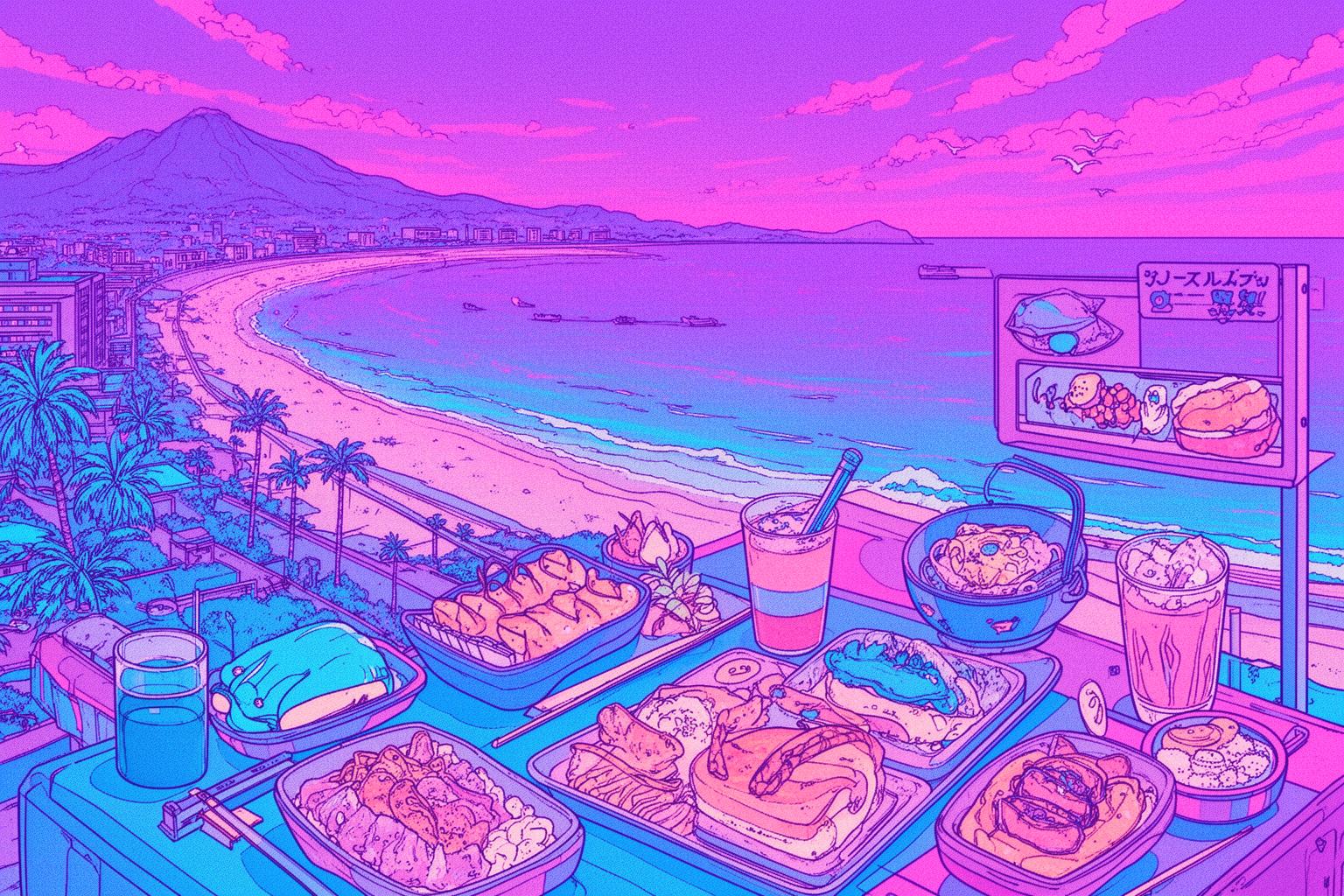
Surfing burns an impressive number of calories, and fortunately, Shonan boasts a food scene that is truly exceptional. The culinary character here is shaped by two key elements: outstanding fresh seafood and a vibrant cafe culture.
The undisputed star of the local menu is shirasu, or whitebait. These tiny juvenile sardines are the region’s beloved soul food. You’ll spot signs for shirasu-don (a rice bowl topped with whitebait) everywhere. You can enjoy it kamaage style, where the shirasu is boiled and served warm and fluffy, or if you’re feeling adventurous and visit between April and December, you can try nama shirasu—completely raw. Freshly caught raw shirasu offers a delicate, slightly sweet flavor and a unique texture. It’s a true local delicacy. You’ll find it not only on rice but also on pizza, in pasta, and even in croquettes. When in Shonan, you simply must eat shirasu.
Beyond the local specialty, the coastline is dotted with fantastic dining spots. The area around Enoshima is renowned for seafood restaurants where you can choose your own fish and shellfish from tanks and have them grilled or served as sashimi. The beach houses at Yuigahama and Zaimokuza offer all the classic Japanese summer festival foods: yakisoba (fried noodles), takoyaki (octopus balls), and kakigori (shaved ice with syrup). Then there’s the cafe scene. Shonan is home to a remarkable number of stylish, independent cafes, many boasting stunning ocean views. From Australian-style brunch spots like Bills in Shichirigahama to cozy, tucked-away coffee roasters in Kamakura’s backstreets, there is a perfect place for every mood. Sipping coffee and enjoying a pastry while watching the waves is a cherished daily ritual here. And for a post-surf pick-me-up, nothing beats finding a local izakaya (Japanese pub) near one of the train stations for a cold beer and grilled skewers. The food in Shonan is fresh, straightforward, and deeply satisfying—the perfect fuel for a life lived by the sea.
Ami’s Pro Tips: Your Guide to a Flawless Trip
Having spent countless hours exploring every corner of this coast, I’ve picked up some handy tips. Here are my insider tricks to ensure your Shonan adventure is completely smooth and stress-free.
Beat the Crowds, Respect the Locals
Due to Shonan’s close proximity to Tokyo, it gets crowded—especially on sunny weekends and public holidays. The beaches and the Enoden train can become quite packed. My top advice is to visit on a weekday if possible. The atmosphere is much more relaxed, and you’ll have plenty of space in the water and on the sand. If a weekend visit is unavoidable, arrive early. Aim to be in the water by sunrise to enjoy a few peaceful hours before the crowds show up. While surfing, etiquette is crucial. Locals are generally friendly but appreciate respect. Don’t drop in on someone else’s wave—that means avoiding taking off on a wave if someone is already riding it near the peak. Paddle wide to stay clear of surfers riding toward the shore. A simple nod or slight bow goes a long way. Keep in mind, you’re a guest at their home break.
Safety & Style
From a female traveler’s perspective, Japan is very safe, and Shonan is no exception. Still, it’s wise to stay alert. Stick to well-lit areas at night, especially when alone. The coastal road can be dark in some stretches between towns. The greatest safety concern is the ocean itself, where conditions can shift rapidly. Watch out for strong currents (rips), particularly around river mouths. During summer, main beaches have lifeguards, so it’s best to surf between their flags. The sun is intense even on cloudy days; sunscreen is essential. I recommend a high-SPF, waterproof surf zinc for your face. Wearing a rash guard or wetsuit top helps both with sun protection and prevents board rash. When packing, think layers—it can be hot by day but cool down quickly at night, especially with the sea breeze. A light hoodie or jacket is a must. Don’t forget a reusable water bottle! There are many refill stations, making it easy to stay hydrated while reducing plastic waste.
The Rhythms of the Seasons
Shonan is a destination for all seasons, but your experience varies greatly depending on the time of year. Summer (June to August) is peak season: hot, humid weather, generally small, playful waves perfect for beginners, and a lively, festival-like beach atmosphere. This is the height of the umi no ie experience. Autumn (September to November) is arguably the best time for serious surfers. Typhoon season brings powerful swells and world-class waves. The weather is pleasant, water still warm, and the summer crowds have lessened. Winter (December to February) offers a different kind of charm. The air is cold but crisp and clear, giving spectacular views of Mount Fuji. Waves tend to be clean and well-shaped, but you’ll need a thick wetsuit (at least 5/3mm), boots, and gloves. Beaches are nearly deserted, creating a serene, solitary vibe. Spring (March to May) is a lovely season of transition. The weather warms up, cherry blossoms bloom in Kamakura, and waves become more consistent. It strikes a perfect balance between pleasant weather and manageable crowds. There’s truly no bad time to visit; it all depends on the vibe you’re seeking.
The Endless Summer Awaits
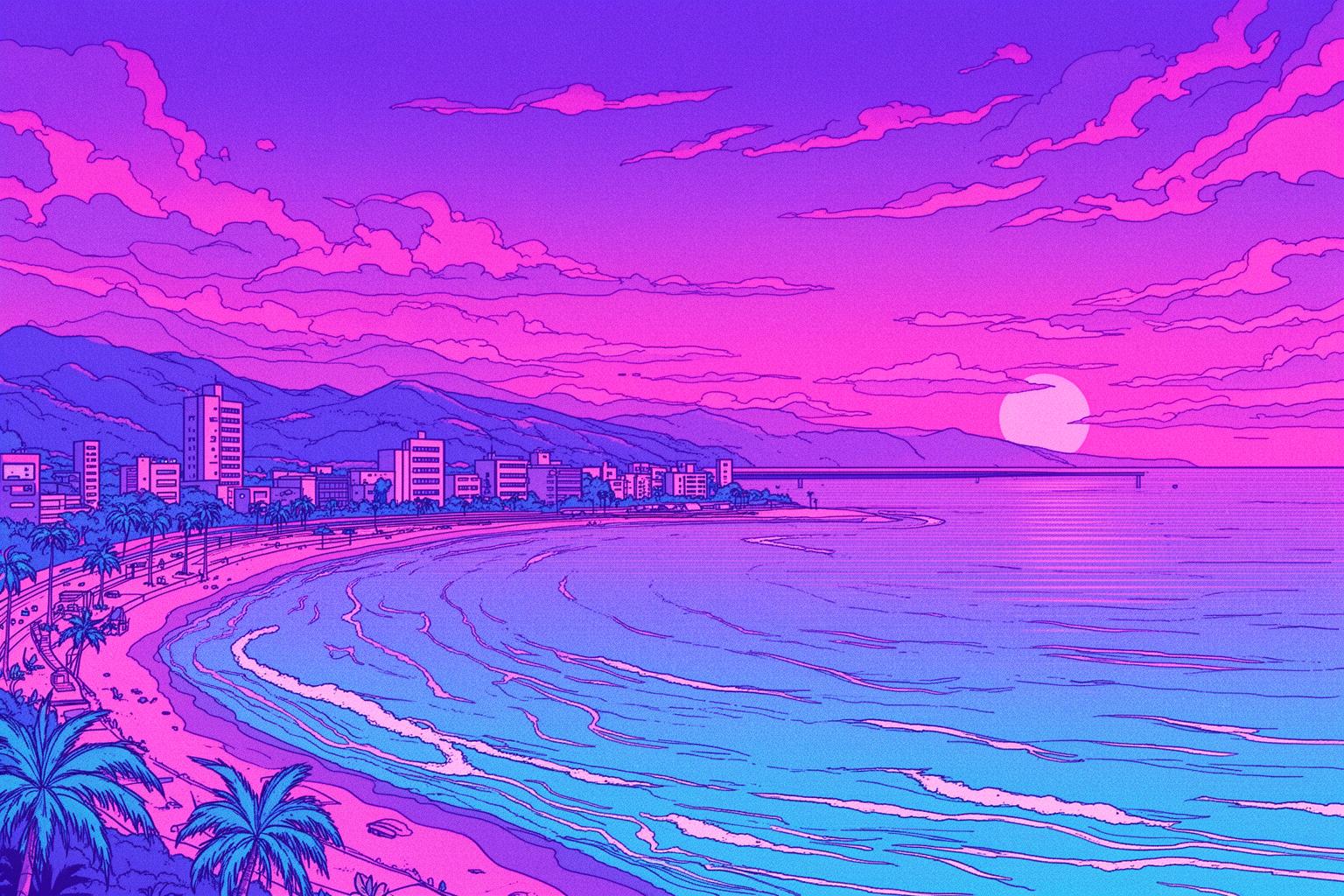
There’s a reason people fall in love with Shonan. It’s more than just a place; it’s a feeling. It’s the excitement of catching that perfect, glassy wave as the sun rises over Enoshima. It’s the taste of salty air mixed with fresh shirasu. It’s the gentle sway of the Enoden train as it winds along the coastline. It’s the deep sense of peace that washes over you standing before the Great Buddha after a day spent in the ocean. Shonan is a land of beautiful contrasts—a place where the fast-paced, hyper-modern world of Japan pauses, takes a breath, and aligns with the timeless rhythm of the sea. It’s a reminder that even next to one of the world’s largest megacities, you can find a slice of paradise where the only thing that matters is the next tide. So, what are you waiting for? Whether you’re a soul-searcher, a wave-chaser, or simply someone seeking a beautiful escape, the Shonan coast is waiting for you. Come find your wave. Come find your vibe. Come find your own endless summer. The coast is calling.