Yo, what’s the deal? Keiko Nakamura here, your go-to curator for decoding the what’s-what of Japanese modern culture. So, you’ve been scrolling through the archives, maybe you stumbled upon a dusty copy of FRUiTS magazine or some old city pop album art, and you’re hit with a question that’s totally valid: Why does everyone in ’90s Tokyo look like they just stepped off a surfboard in Huntington Beach? You see the faded Levi’s, the oversized Champion sweatshirts, the sun-kissed hair, and the Stüssy logos, and you’re thinking, “Hold up, isn’t Tokyo a concrete jungle of skyscrapers and subways?” You’re not wrong to be confused. The whole scene feels like a massive cultural mismatch, like someone copy-pasted a SoCal skate park into the middle of Shibuya. But here’s the tea: it was anything but random. This aesthetic, this whole entire mood, was a carefully constructed universe known as ‘Amekaji’ (アメリカジ), or “American Casual.” And its most iconic ’90s evolution was the sun-drenched, blue-toned phenomenon often called ‘Shibukaji’ (シブカジ) or the ‘Surf & Blue’ style. This wasn’t just about copping some American clothes. Nah, this was a full-blown cultural movement, a generational statement, and a deep dive into an idealized version of America that, let’s be real, probably never even existed. It was a reaction to the past, a vision for the future, and it all went down in the chaotic, trend-setting streets of Tokyo. To get a feel for the epicenter of this earthquake of style, you have to picture its ground zero: Shibuya. This is where it all happened.
To understand the roots of this imported surf fantasy, you need to look back to the Shonan Coast’s original 1960s surf culture.
The Amekaji Genesis: More Than Just Clothes, It’s an American Dream Filtered Through Japan
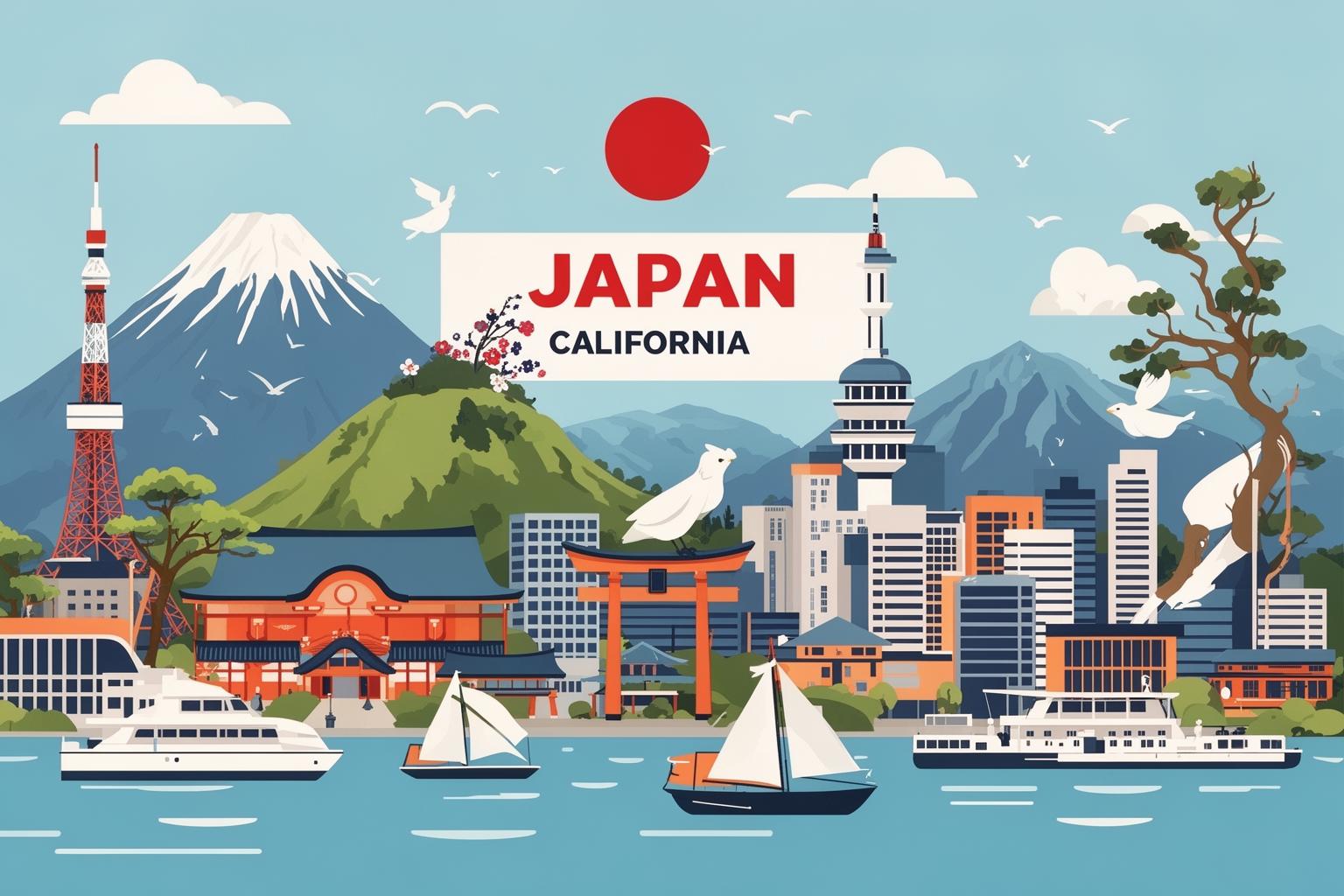
To truly understand why a generation of Japanese kids suddenly decided to dress like American college students on spring break, you need to rewind the clock. This trend didn’t just appear out of nowhere; it has deep roots in Japan’s post-war history and its complex, decades-long relationship with the United States. At its core, Amekaji is a conversation Japan has been having with America for over half a century, with the ’90s representing the loudest and most fascinating chapter of that dialogue. It was about taking elements of a foreign culture and not simply copying them, but studying, perfecting, and ultimately transforming them into something distinctly Japanese. This vibe was built on a foundation of historical baggage, economic reality, and the universal teenage desire to be elsewhere, to be someone else.
A Post-War Hangover and the Allure of the West
Let’s be honest for a moment. After World War II, America was not just a foreign nation to Japan; it was an occupying power, a cultural giant, and a symbol of everything Japan was expected to become: prosperous, democratic, and free. GIs on bases brought with them a cultural toolkit that was foreign and irresistibly cool to a generation rebuilding from scratch. They brought rugged denim jeans, not as fashion statements, but as durable workwear. They also introduced Coca-Cola, Hollywood films, and rock ‘n’ roll. This was the initial drip of a cultural IV that would continue for decades. For Japanese youth growing up in the ’50s, ’60s, and ’70s, America embodied a fantasy land of rebellion, adventure, and limitless opportunity. It was the home of James Dean in his Lee Riders, Ivy League students in chinos and button-downs, and bikers in leather jackets. These archetypes were imported into Japan, not as complete wholes, but piece by piece, like cultural souvenirs. Magazines like Men’s Club and later Popeye served as textbooks, deconstructing these American styles with rigorous attention to detail. They didn’t just suggest wearing a varsity jacket; they explained the history behind it, the best brands, and the precise way to cuff sleeves. This laid the groundwork for Amekaji: a style system built on deep knowledge and appreciation for the craftsmanship and story behind American clothing. It was a filtered fascination. Japanese youth weren’t aiming to be American; they curated an idealized version of America, picking the best parts—the rugged individualism, casual confidence, rebellious spirit—and leaving the rest behind. This careful process of selection and refinement is essential. It explains why Japanese interpretations of American workwear or military clothing often appear more “perfect” than the originals. It was an obsession with precision and detail, a cultural trait fully applied to fashion.
The Bubble Burst and the Search for Authenticity
Now, fast forward to the late 1980s. Japan was riding high on its infamous “Bubble Economy.” Money was abundant, spirits were soaring, and fashion was… extravagant. The prevailing style was the ‘DC Brand’ boom (Designer & Character brands), marked by avant-garde, often ostentatious, and extremely pricey domestic designers like Yohji Yamamoto and Comme des Garçons. Meanwhile, many flaunted flashy European luxury labels such as Gucci and Chanel. It was an era of excess, showcasing wealth through shoulder pads and bold logos. It was enjoyable while it lasted, but wasn’t sustainable. When the economic bubble burst in the early ’90s, the national mood shifted sharply. The party was over. Stock markets crashed, real estate values dropped, and the promise of lifetime employment and continuous prosperity faded. Anxiety and uncertainty settled across the country, felt most keenly by young people. Suddenly, the flashy and disposable fashion of the ’80s felt embarrassing and superficial, tied to an era of false prosperity. In its place, a new generation sought something more grounded, more genuine, more… authentic. This was the critical turning point and the reason Amekaji boomed in the ’90s. The ruggedness of Levi’s 501 jeans, the timeless design of a Champion sweatshirt, the durability of Red Wing boots—these items represented a different set of values. They were honest. They were made to last. They carried history. Wearing vintage American clothing wasn’t merely a fashion statement; it was a quiet rebellion against the materialistic excess of the prior generation. It was a way of expressing, “I value things that are real and substantial.” It was a pursuit of authenticity in an uncertain world. This quest for the “real deal” (or ‘honmono’ 本物 in Japanese) became the driving philosophy of the ’90s Amekaji movement. It wasn’t enough to wear jeans; you had to wear vintage jeans with the perfect fade, because that wear-and-tear told a story. It was a mark of authenticity that money alone couldn’t buy from a store—it had to be earned or carefully found.
Shibuya as the Epicenter: The Birth of ‘Shibukaji’ and ‘Surf & Blue’
Every major youth movement has a ground zero, a Mecca where devotees pilgrimage and where the gospel of cool is inscribed. For ’90s Amekaji, that place was undeniably Shibuya—not the glossy, tourist-packed Shibuya of today with its massive video screens and luxury department stores, but a grittier, more chaotic version. It was a maze of narrow alleys, tiny independent shops, record stores, and cafés. It embodied youth culture itself—a place where trends sprouted from the streets rather than being dictated by fashion magazines. Here, the broader Amekaji movement crystallized into its most iconic and influential form: Shibukaji.
Why Shibuya? The Mecca of Youth Culture
So, what made Shibuya the epicenter? For decades it had been a youth hub, but in the ’90s it reached a tipping point. Unlike Ginza, catering to old money, or Shinjuku, with its more mature, businesslike atmosphere, Shibuya was entirely for the young. It was a self-contained world. You could hang out at the Hachiko statue, browse imported magazines at a bookstore, hunt for vintage clothes in a basement shop, and meet friends at a fast-food joint—all within a few blocks. This dense mix of people and culture created a feedback loop. A new way of wearing a hat or tying sneakers could start with one person in the morning and become a micro-trend neighborhood-wide by afternoon. The original trendsetters were teenage and college-aged groups known as ‘Teamers’ (チーマー). These loosely organized crews roamed Shibuya in modified cars, cultivating a distinct, intimidatingly cool aesthetic. They pioneered the Shibukaji look by taking core Amekaji elements and giving them a breezy, sun-bleached West Coast twist. Thousands of young visitors who flocked to Shibuya each weekend observed, copied, and amplified this style, turning the streets into a living runway. The media followed the streets, not the reverse. Street style photographers from magazines like Boon and Street stationed themselves in Shibuya, capturing the coolest kids and creating a visual bible for the rest of Japan.
The ‘Surf & Blue’ Aesthetic: Breaking Down the Look
So, what exactly constituted the Shibukaji look? It was a uniform with infinite variations and an extremely high entry bar. It was about possessing the right version of everything—not just any jeans, but the right Levi’s; not just any watch, but the right G-Shock. Getting the details wrong labeled you a poser. Let’s examine the key components of this carefully curated wardrobe.
Denim: The Holy Grail of Faded Indigo: Denim was the Shibukaji cornerstone, with an almost religious obsession. Levi’s 501 was the undisputed king—but not a new pair; that would be sacrilege. The goal was to find vintage pairs, ideally made in the USA before the 1960s. Kids learned to spot eras by details: the “Big E” red tab (used prior to 1971), single-stitched back pockets, the v-stitch near the top button. Vintage “Big E” 501s in good condition could fetch hundreds or thousands of dollars. Perfect fading was essential—you wanted the ‘hige’ (ヒゲ) or “whisker” fades across the lap and ‘hachinosu’ (蜂の巣) or “honeycomb” fades behind the knees. This denim expertise was intense; teenagers became encyclopedias of denim history. Wearing these jeans was like donning a piece of history, a tangible link to an idealized American past. Japanese brands like Evisu began reproducing denim with painstaking vintage details, sparking the global Japanese denim boom.
Tops: The Comfort of Worn-In Americana: The upper layer was relaxed and well-loved. The Champion reverse-weave sweatshirt was a staple—durable, comfortable, and perfectly collegiate-athletic. Vintage was preferred; a ’70s or ’80s Champion with a faded college logo was prized. Vintage t-shirts with obscure American band logos, beer brands, or university crests were huge. Layering was key, so faded flannel shirts, often American brands like Pendleton, were worn open over tees. To achieve a slightly preppier Shibukaji look, a Ralph Lauren polo or oxford button-down was the choice. The overall aim was to mix rugged, casual pieces so they appeared effortless yet carefully considered.
Outerwear: Military and Workwear Staples: Outerwear was heavily influenced by classic American utilitarian styles. The MA-1 bomber jacket, a US Air Force surplus piece, was ubiquitous with its rugged nylon shell and bright orange lining. Leather jackets, especially Schott Perfecto-style motorcycle jackets, added rebellion and toughness. For colder days, down vests from brands like The North Face or Rocky Mountain Featherbed layered over sweatshirts created a distinctly ’90s West Coast hiker silhouette. Functionality and timeless design were paramount. These pieces weren’t fleeting trends, but classic garments proven over decades—perfectly embodying the ‘honmono’ (“authentic”) ethos.
Footwear: The Birth of the Sneakerhead and the Boot’s Reign: Shoes were a battleground of status and taste. On one side was the work boot camp, dominated by Red Wing. The 875 Moc Toe in its signature Oro Russet leather was practically Shibukaji’s official shoe. Owning and breaking in a pair so they molded to your feet was a rite of passage. On the other side, sneaker culture was booming. This era birthed sneakerhead culture as we know it. The Nike Air Max 95, with its futuristic design and gradient colors, sparked a social phenomenon. The coveted “Yellow Grad” colorway led to incidents of “Air Max Gari” (Air Max hunting), where kids were mugged for their shoes. Classic basketball shoes like Air Jordans and simple canvas sneakers like Converse All-Stars or Vans were also must-haves. Footwear signaled your tribal affiliation.
Accessories: The Finishing Touches of Cool: Accessories completed the look. The Casio G-Shock watch was the undeniable favorite, with its bulky, durable design blending tech and street style. Rare models and colorways were collected and traded like gems. Jewelry was defined by one figure: Goro Takahashi, creator of Gorō’s. His Native American-inspired silver jewelry, especially eagle and feather motifs, became the ultimate Shibukaji status symbol. You couldn’t just walk into his Harajuku store and buy freely; you had to queue for hours, and Goro himself determined worthiness. This exclusivity fueled immense desire. A full Gorō’s outfit could cost as much as a car, immediately marking you as a serious scene player.
The California Mirage: Sun, Surf, and Escapism
This returns us to the central question: why the surf element? Why did kids in one of the world’s most densely populated urban areas obsess over brands like Stüssy, Quiksilver, and Gotcha? The answer is pure escapism. In 1990s Japanese imagination, California wasn’t a real place; it was a semi-mythical paradise embodying everything Japan’s daily life wasn’t: sunny, spacious, laid-back, and individualistic. The rigid Japanese school system and the relentless conveyor belt to becoming a ‘salaryman’ starkly contrasted with the surfer ideal—riding waves, living by ocean rhythms—a fantasy of freedom. Wearing a Stüssy tee or Billabong hoodie wasn’t about surfing—most had likely never touched a board—but about expressing allegiance to that carefree, sun-soaked ideal. It was an aesthetic passport to a mental escape. The logos themselves were keys; Shawn Stüssy’s iconic graffiti-inspired script became a marker of a global cool tribe, a secret handshake for insiders. The ‘Surf & Blue’ aspect—the bleached colors, faded blues and whites, lightly tanned skin, and sun-bleached hair—physically embodied that California dream. It was a lifestyle performance thousands of miles away, bringing a hint of Pacific sunshine to Shibuya’s grey concrete canyons.
The Media Machine and the Codification of a Subculture
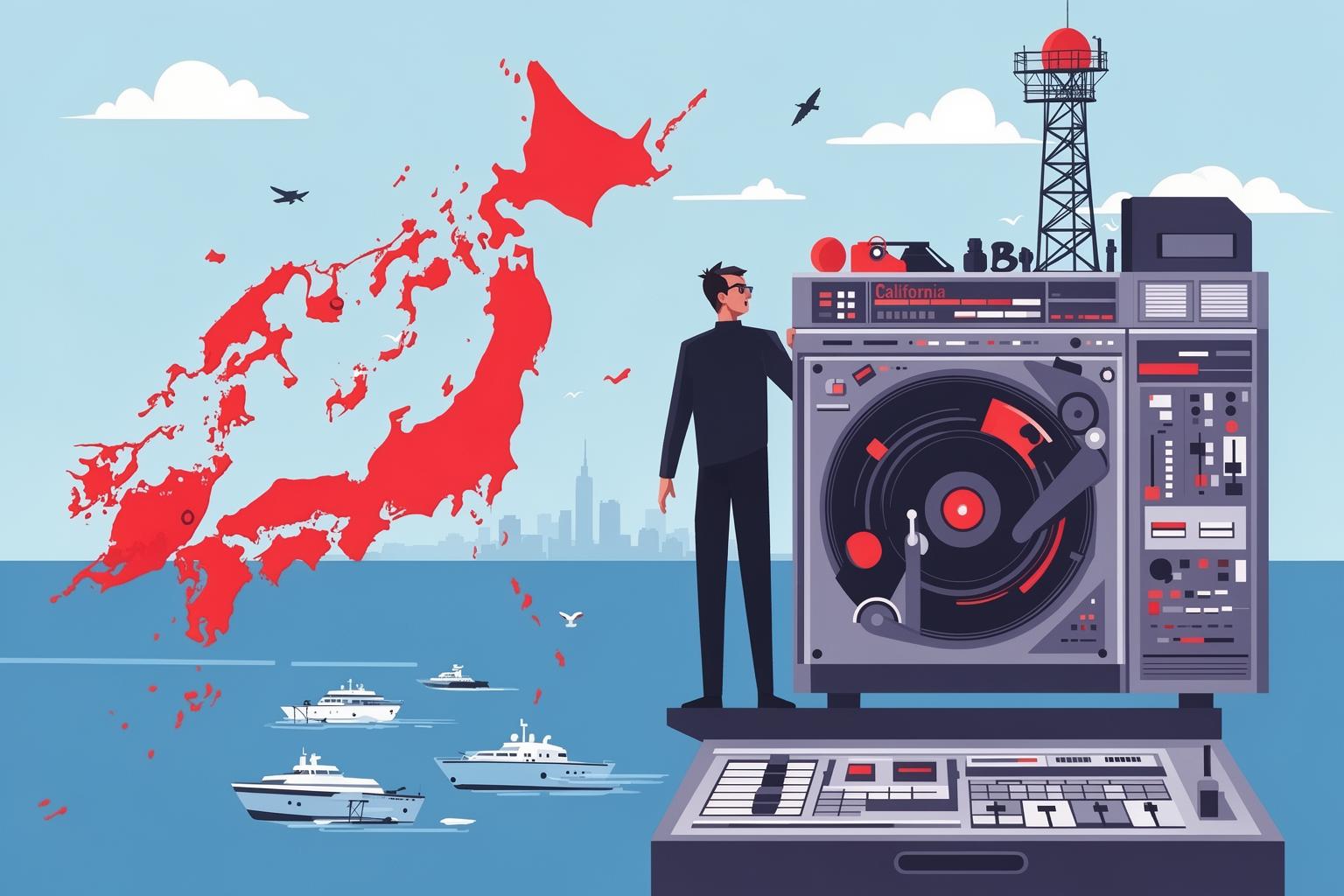
A street style cannot become a national phenomenon by itself; it requires a megaphone. In the pre-internet, pre-social media era of 1990s Japan, that megaphone was the magazine industry. Japanese magazines held incredible power to shape youth culture. They didn’t merely report trends; they analyzed, cataloged, and ultimately codified them, transforming a chaotic, organic street style into a structured system that anyone with enough dedication (and money) could learn and imitate. This systematization process reflects a classic Japanese cultural approach, and it’s what propelled Shibukaji from a local Tokyo trend to a nationwide movement.
The Bible of Amekaji: Magazines like Boon and Popeye
If you wanted to understand Shibukaji, you didn’t turn to a friend; you bought a copy of Boon. Magazines such as Boon, Popeye, Fine, and Street were the sacred texts of the Amekaji movement. Unlike Western fashion magazines, which often showcased high-fashion fantasy, Japanese style magazines were intensely practical and encyclopedic. They served as instruction manuals on how to be cool. An issue of Boon would include pages of street snaps from Shibuya and Harajuku, with detailed captions specifying every item a person wore, down to the brand of their socks. But they went further still. They published extensive feature articles that were almost academic studies of a single item. One month might cover a 30-page feature on the Levi’s 501, including a full history of its production, detailed photos of different eras of red tabs and rivets, and a market price guide for vintage models. The next month, it could be an in-depth exploration of the G-Shock, cataloging every model number and limited edition release. This approach served two purposes. First, it fueled the obsession with honmono (the genuine article) by equipping young people with the knowledge to become expert consumers, enabling them to spot fakes or identify rare pieces instantly. Second, it established a clear, hierarchical system of coolness. The magazines produced rankings—the top 10 most sought-after sneakers, the 5 essential vintage sweatshirts—that generated intense demand and hype cycles. This meticulous documentation turned a subculture into a learnable skill. It removed the guesswork from being cool and replaced it with research and connoisseurship. It was a distinctly Japanese way of mastering a foreign concept: through intensive study and fanatic attention to detail.
The Rise of the Select Shop: Curating the American Dream
While the magazines provided the blueprint, a place to buy the gear was still necessary. This is where the ‘select shop’ (セレクトショップ) came into play. Stores now known worldwide, such as Beams, United Arrows, and Ships, played a crucial role in shaping the Amekaji aesthetic. They were more than retailers; they acted as cultural curators. The buyers for these shops resembled modern-day treasure hunters. They traveled across the United States, digging through dusty warehouses in the Midwest for deadstock denim, visiting flea markets on the West Coast for vintage college sweatshirts, and forming relationships with small, obscure American brands unfamiliar to Japan. They then brought these discoveries back to Japan and showcased them in their impeccably merchandised stores. Essentially, they were selling a curated version of the American dream. You could step into Beams and find the perfect vintage Levi’s, a classic Champion tee, and a pair of Red Wing boots all in one place. They did the difficult work of sourcing and curating, making the look attainable for a broader audience beyond the most dedicated vintage hunters. This curation had a subtle yet profound impact on the style itself. Select shops favored items that were classic, well-crafted, and timeless. They filtered out the messier, less appealing aspects of American style, presenting a refined, elevated version of Amekaji. This is a significant reason why Japanese interpretations of American style often appear so sharp and polished. It’s no accident; it is the outcome of a deliberate, expert-level cultural editing process carried out by these pioneering retailers. They taught a generation of Japanese men how to dress and, in doing so, laid the foundation for the global influence of Japanese menswear today.
The Gender Dynamics: ‘Kogyaru’ and the Female Counterpart
Shibukaji and Amekaji are often discussed predominantly as male phenomena, and originally, they largely were. The fascination with military surplus, work boots, and denim history tended to attract mostly men. However, overlooking the female side of the ’90s Shibuya scene means missing half the story. While the boys refined their West Coast Amekaji style, the girls were simultaneously crafting their own revolutionary look: the Kogyaru (コギャル). Although visually distinct, these two styles were deeply connected, borrowing elements from each other and sharing a common language of brands and status.
Amekaji Wasn’t Only for the Boys
The Kogyaru look is iconic on its own: the tan skin, bleached hair, extremely short school uniform skirts, and the signature ‘loose socks’ (ルーズソックス) scrunched around the ankles. It was a daring, bold, and unapologetic expression of youthful rebellion. But a closer look at the Kogyaru outfit reveals Amekaji influences everywhere. While the basis was a highly feminized, customized school uniform, the outer layers often came straight from the boys’ wardrobes. A Kogyaru might combine her miniskirt with an oversized Ralph Lauren cable-knit sweater or a vintage Champion sweatshirt. The ubiquitous Eastpak backpack was a unisex essential. On their wrists, they wore the smaller, more colorful Baby-G as a feminine counterpart to the G-Shock. This created a compelling stylistic fusion—a blend of Japanese schoolgirl fashion and American preppy/casual style. The ‘boyfriend’ look wasn’t about appearing masculine; it was about appropriating the status symbols of the dominant male subculture. Wearing an expensive Ralph Lauren sweater wasn’t just about fashion; it signaled membership in the cool crowd and an understanding of brand hierarchies. The girls of Shibuya were as brand-conscious and status-aware as the boys—if not more so. They forged their own version of Shibukaji, mixing imported American cool with a distinctively Japanese, hyper-feminine sensibility.
A Shared Language of Brands and Status
For a whole generation of young Japanese in the ’90s, brands served as a universal language. In a culture that often prioritizes group harmony over individual expression, the brands one wore communicated identity, taste, and social rank powerfully and non-verbally. The Shibukaji and Kogyaru communities established a strict and highly specific brand hierarchy. At the top were rare, hard-to-find items like vintage Big E Levi’s, limited-edition G-Shocks, and Gorō’s silver pieces. Possessing these granted instant respect. Below these were the essential brands everyone aimed to own: Ralph Lauren, Nike, The North Face. At the bottom were mass-market brands—or, worse, counterfeits. This framework turned Shibuya into a competitive consumer battleground. It wasn’t merely about enjoyment; it was about keeping pace. This intense pressure had a dark side. The phenomenon of “Air Max hunting,” as previously mentioned, was a disturbing real consequence of this brand obsession. The hype escalated to the point where the value of these items went beyond clothing and made them targets for crime. It starkly illustrates that while the ‘Surf & Blue’ style projected an image of effortless cool, life on the streets was often a high-stakes struggle with status anxiety. The clothes functioned as both uniform and social armor, as well as weapons in the ongoing competition for coolness in Shibuya.
The Legacy and Global Impact: Why ’90s Amekaji Still Matters
It has been decades since the peak of the Shibukaji craze. The Teamers have matured, the Kogyaru have swapped their loose socks for office wear, and Shibuya has evolved into a major global tourist hotspot. So why are we still discussing it? Is it merely an odd, nostalgic chapter in fashion history? Absolutely not. The ’90s Amekaji movement was a cultural seismic event, and its influence continues to shape the global streetwear and fashion scene today. The meticulous, detail-driven approach Japanese youth applied to American clothing fundamentally transformed global perceptions of style and laid the groundwork for Japan’s emergence as a global fashion powerhouse.
From Subculture to Global Benchmark
The most significant legacy of ’90s Amekaji is how it elevated everyday American apparel. Before this period, few beyond a small group of collectors considered old jeans or college sweatshirts to be luxury items. Japanese enthusiasts were the first to treat these modest garments with the reverence and scrutiny typically reserved for fine art or antiques. They pioneered the market for vintage American clothing and were the ones paying exorbitant prices for aged Levi’s, effectively signaling their immense cultural and historical value to the world. This connoisseurship had a ripple effect. American brands themselves began reevaluating their archives with newfound respect, producing heritage lines like Levi’s Vintage Clothing. The concept of sneaker “drops,” with people lining up for hours to buy limited editions, directly descends from hype cycles that emerged in ’90s Tokyo. The entire streetwear culture—which elevates t-shirts, sneakers, and hoodies into collectible, high-value items—owes a great deal to the foundation laid in Shibuya. Japan taught the world to take casual clothing seriously, recognizing the hidden worth in American cultural products and refining it to become the global authority.
The Rise of Japanese Streetwear Icons
The Amekaji scene also served as the ideal incubator for a new generation of Japanese designers who went on to achieve worldwide fame. The pioneers of the Ura-Harajuku movement, which arose in the mid-to-late ’90s as the next phase of street style, all honed their skills within the Shibukaji environment. Think of legends like Nigo, founder of A Bathing Ape (BAPE), who began by selling vintage clothes and imported sneakers. Hiroshi Fujiwara, often hailed as the godfather of streetwear, played a crucial role bridging Shibuya’s Amekaji with the more design-centric Ura-Harajuku style. Shinsuke Takizawa of Neighborhood built his brand on a profound passion for American motorcycle and military culture. These designers followed a classic Amekaji path: obsessively studying and collecting American products, then creating their own versions by tweaking fits, upgrading materials, and adding unique design elements. BAPE transformed the classic American sweatshirt by adding a camo ape head, while Neighborhood perfected the leather biker jacket’s silhouette and details to an extraordinary level. Their deep understanding of the originals allowed them to create something new that was both an homage and an enhancement. This is the origin story of modern Japanese streetwear—not born in isolation, but directly stemming from the Amekaji generation’s devotion to American authenticity.
The Lasting Spirit: Nostalgia and Today’s Revival
Look around now—the ’90s are making a major comeback. Baggy jeans, oversized sweatshirts, chunky sneakers—the core elements of the Shibukaji look are back on runways and streets alike. Why the resurgence? Partly, it’s the cyclical nature of fashion. But there’s a deeper reason. For a generation raised in an ultra-digital, overwhelmingly online world, the ’90s symbolize an analog haven. It was the last era before the internet and social media dominated our lives. The style of that time feels tangible, genuine, and linked to real communities. Discovering a new brand meant physically visiting a store and engaging with people, not just being targeted by algorithm-driven ads. The ‘Surf & Blue’ aesthetic, in particular, connects with today’s yearning for authenticity and escape. In an age of fast fashion and fleeting TikTok trends, the idea of a well-worn pair of jeans or a long-lasting sweatshirt holds strong appeal. The idealized California dream of sun, freedom, and rebellion remains as powerful now as it was in 1995. The reason behind the style—the wish to break away from modern pressures and connect with something more authentic—is truly timeless. The ’90s Amekaji movement was a moment frozen in time, but the emotions it evoked endure forever.
Final Thoughts: A Reflection in the Rearview Mirror
So, when you revisit those old photos of ’90s Shibuya, don’t just view them as a quirky fashion trend. Recognize them for what they truly were: a complex and captivating cultural conversation. The ‘Surf & Blue’ Amekaji style was a generation’s response to distinct historical and economic conditions. It served as a reaction against the superficiality of the ’80s bubble. It was a deep exploration of an idealized American past in search of authenticity. And it was a masterful act of cultural appropriation in the purest sense—adopting foreign symbols, studying and reinterpreting them, and ultimately crafting a new identity that was uniquely and powerfully Japanese. At first glance, it may seem like simple imitation, with Japanese youth aiming to look American. But the reality is far more intriguing. It was a process of curation, refinement, and mastery. That generation saw in a faded pair of Levi’s not just clothing, but a story, a set of values, and a symbol of freedom they longed for. They transformed the raw elements of American casualwear into a world of their own on Shibuya’s streets—a world whose influence continues to resonate globally today. It exemplifies Japan’s cultural brilliance: the capacity to absorb, digest, and perfect, turning a mere echo of another culture into a wholly original voice.