Someone asks you what you’re doing this weekend. You tell them you’re going on a trip with your company. In the West, this probably means you’re off to a conference in a sterile hotel, sitting through PowerPoint presentations before a polite, two-drink-limit dinner. Your colleague in Japan, however, might be picturing something entirely different. They’re likely imagining a chartered bus rumbling towards a hot spring resort, matching company jackets, shared tatami rooms, and a long, sake-fueled banquet that feels more like a highly choreographed stage play than a relaxing meal. This is the world of the shain ryoko—the Japanese company trip.
On the surface, it’s a company-sponsored vacation, a reward for a year of hard work. But dig a little deeper, and you’ll find it’s one of the most revealing rituals in Japanese corporate life. It’s a meticulously organized, often compulsory, exercise in group dynamics where the lines between work and private life, boss and subordinate, and genuine fun and performed enthusiasm become beautifully, and sometimes painfully, blurred. The shain ryoko isn’t just about seeing the sights; it’s about reinforcing the invisible architecture of the Japanese workplace. It’s a microcosm of the nation’s social etiquette, a living museum of its corporate past, and a battleground for its professional future. To understand this strange, demanding, and uniquely Japanese tradition is to get a crash course in the cultural software that runs beneath the surface of modern Japan.
The subtle interplay between enforced camaraderie and individual expression in the shain ryoko finds a curious parallel in the high-energy world of pachinko’s silver ball cacophony, where chance and ritual create a uniquely Japanese spectacle.
A Tradition Forged in the Fires of Industry
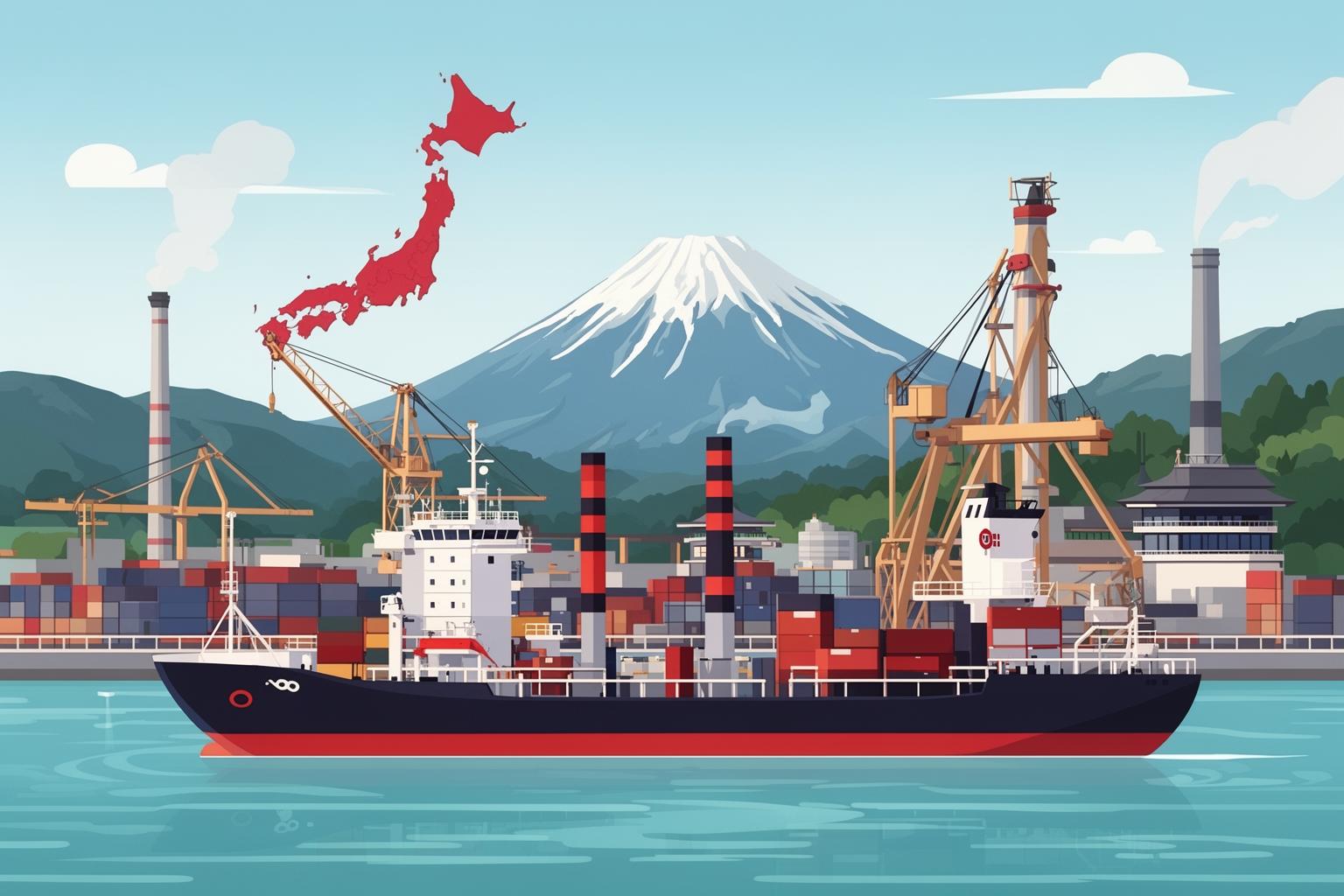
The shain ryoko didn’t simply emerge out of nowhere. It is a direct result of Japan’s post-war economic miracle and the distinctive corporate culture that propelled it. To understand why a company would invest heavily in taking its entire staff to an onsen, one must grasp the philosophy that once shaped the Japanese workplace: the company as a family.
In the mid-20th century, as Japan transformed into an industrial powerhouse, lifetime employment became standard at major corporations. You weren’t just employed; you belonged to a company. This relationship was deeply paternalistic. In return for your steadfast loyalty and long hours, the company provided security, benefits, and a sense of identity. The company was your uchi—your inner circle, your tribe—and everything else was soto, or outside. This was more than a business agreement; it was a social covenant.
The company trip was a tangible expression of this covenant. It was the corporate patriarch rewarding his devoted employee-children with a well-deserved break. But it was also a strategic investment. By removing employees from the office and placing them in a communal, traditional setting, the company could reinforce the ties that kept the “family” united. It was a means of promoting the crucial wa, or group harmony, considered essential for a productive and efficient workforce.
During the bubble economy of the 1980s, these trips reached their peak. It was common for large companies to fly their entire staff to Hawaii, Guam, or Hong Kong. These extravagant trips were status symbols, a way for companies to showcase their success to the world. They were lavish, alcohol-filled events that have since become corporate lore. New employees would hear stories of their seniors chartering planes and reserving entire hotel floors.
Then the bubble burst. As the Japanese economy entered its “lost decades” in the 1990s, the era of corporate excess abruptly ended. The international shain ryoko became an unaffordable extravagance. Trips were scaled back, becoming domestic and more modest. The destination might have shifted from Waikiki to a quiet inn in the mountains of Gunma, but the core purpose and structure of the trip persisted. It remained a powerful ritual for reaffirming group identity, even as the economic foundations on which it was built began to weaken.
The Anatomy of a Typical Shain Ryoko
Although every company trip varies, most follow a surprisingly consistent pattern. It’s a journey divided into distinct stages, each accompanied by its own expectations and unspoken rules. From gathering at dawn to the final, tired bus ride home, you become part of a carefully orchestrated group experience.
The Departure: A Lesson in Group Cohesion
The trip typically starts early on a Saturday morning, often at the company’s headquarters or a major train station. The transportation is almost always a chartered bus. This is not merely about logistics; it serves to keep the group together and unified from the outset. There is no straying off or taking separate cars—you are all together.
A designated organizer, or kanji, usually a younger employee assigned this thankless role, will have a clipboard and a seating chart. Your seat on the bus is deliberate. It may be arranged by department or seniority. Upon boarding, you might receive a small bag containing snacks, drinks, and perhaps a cheap towel or hat adorned with the company logo. Occasionally, companies go further, providing matching jackets or happi coats, turning the whole group into a walking symbol of corporate unity.
The bus ride itself is part of the event. It’s not a quiet or drowsy trip. The kanji will make announcements over the intercom, and drinking often begins almost immediately. Cans of beer and chu-hai circulate, and sometimes a portable karaoke machine makes an appearance. Participation is essential. Singing a slightly off-key classic pop song at 10 AM demonstrates your commitment to the group. This isn’t for individual enjoyment; it’s about fostering a collective atmosphere of enforced cheerfulness.
The Destination: Onsen and Tatami
The typical destination for a shain ryoko is a ryokan, a traditional Japanese inn, usually featuring a hot spring, or onsen. This choice is intentional. An onsen ryokan is inherently communal. Western-style hotels with private rooms and individual activities go against the very purpose of the company trip.
Upon arrival, the first task is checking into rooms. Forget having a private space to relax. You’ll probably be assigned a large tatami mat room housing three, four, or even five colleagues. Your futons will be laid out side-by-side in the evening. This close proximity is meant to break down personal barriers. You’ll see your department manager in pajamas and discover your deskmate’s snoring habits. It’s an intense form of team building, dissolving the formal office environment into a more intimate and unavoidable domestic setting.
Next is the onsen. Everyone is expected to join the communal bath. In the steamy, sulfur-scented air, corporate hierarchies are temporarily stripped away—quite literally. This embodies hadaka no tsukiai, or “naked communion.” The idea is that by shedding clothes, people also shed titles and inhibitions, promoting more honest and open communication. Whether it truly works is debatable, but sharing a bath with your CEO is definitely unforgettable. Afterward, everyone changes into the ryokan-provided yukata, a simple cotton robe. Now, not only do you share rooms, but you also wear the same uniform, further erasing individuality in favor of the group.
The Main Event: The Enkai (Banquet)
The highlight of any shain ryoko is the enkai, the grand banquet. This is no casual meal; it is the social and political centerpiece of the entire trip, a highly ritualized event where the company’s power dynamics are fully displayed.
The banquet hall is arranged with long rows of low tables on the tatami floor. Your seating, or seki-jun, is crucial. It physically maps the corporate hierarchy. The highest-ranking executives and honored guests sit at the head of the room, farthest from the door, in the kamiza (upper seat). The most junior employees are placed at the shimoza (lower seat), near the entrance, where they are expected to assist and coordinate with the inn staff.
The meal begins with a formal speech, or aisatsu, from the company president, followed by a collective, enthusiastic “Kanpai!” as everyone raises their glasses for the opening toast. From there, a complex social dance begins. The cardinal rule is never to pour your own drink. Glasses should be filled by others, and you in turn must keep your superiors’ glasses full.
This act of pouring drinks, known as oshaku, is a fundamental sign of respect. Junior employees stay alert, moving through the room with bottles of beer and flasks of sake, topping off any glass that’s not full. It’s an opportunity for a brief, one-on-one exchange with a senior manager you might never otherwise approach. For the manager, accepting a drink acknowledges the junior’s respect. It’s both networking and hierarchy preservation in one simple act.
As the evening progresses, the formal tone gives way to planned entertainment, or yokyo. This is usually the responsibility of the youngest employees, expected to perform skits, sing songs, or do magic tricks. The quality of their performance matters less than the enthusiasm they show. It publicly displays their willingness to be team players, even at the cost of personal embarrassment.
At some point, a senior manager might call out bureiko. This roughly means “let’s drop the formalities.” It officially invites everyone to relax the strict hierarchical rules and speak more freely with superiors. For newcomers, however, bureiko can be a trap. While behavior can be more casual, there is still an invisible boundary. Complain too much about work or get overly familiar with a division head, and you’ll be remembered for all the wrong reasons. The rules may loosen, but they never truly vanish.
Navigating the Social Minefield
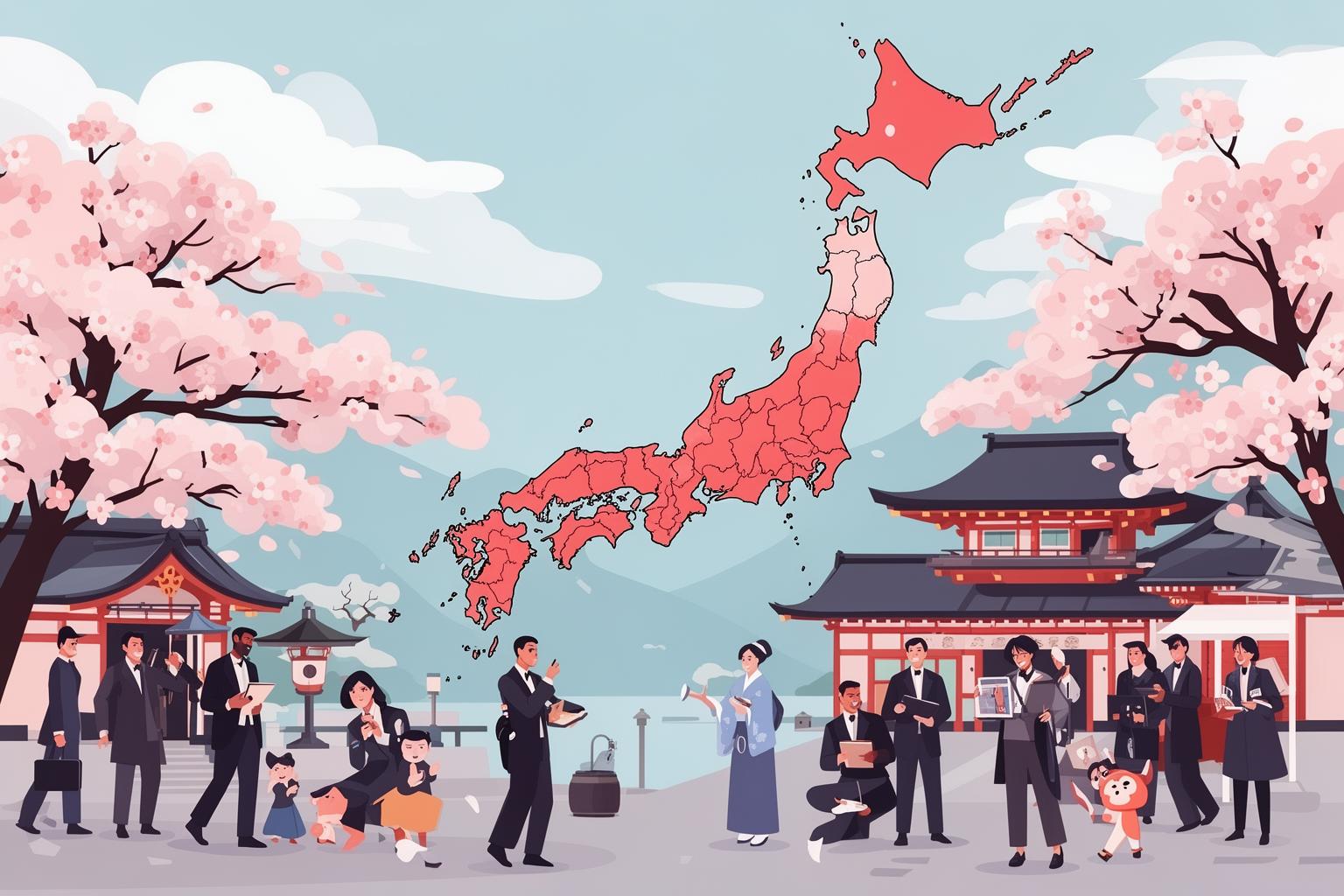
The shain ryoko is less of a vacation and more akin to a two-day performance review, with your social skills continually under close observation. Success is not measured by how much you unwind, but by how well you fulfill your assigned role and navigate the complex network of social expectations.
Mandatory Fun and the Performance of Enthusiasm
The most important rule of the company trip is that you must appear to be enjoying yourself. Enthusiasm is mandatory; it’s an essential part of your job description for the weekend. Your level of participation is viewed as a direct indicator of your loyalty to the company.
Skipping an activity to read a book alone in your room would be a serious social faux pas. You are expected to be present, engaged, and visibly cheerful throughout the entire event. This performance of fun is vital. Even if you’re exhausted, dreading karaoke, and craving some quiet time, you must smile, applaud, and contribute to the group’s energy. Apathy is interpreted as antisocial behavior, a rejection of the group’s unity. This pressure to perform can be extremely exhausting, making the supposedly “relaxing” trip more stressful than a usual workweek.
The pressure to drink can also be intense. Alcohol serves as the main social lubricant during the shain ryoko, helping to break down barriers and encourage bonding. While attitudes are slowly evolving and forcing someone to drink is increasingly discouraged, strong expectations still often exist. Declining a drink from a superior can be awkward, requiring a ready excuse like “I’m driving tomorrow” or “doctor’s orders.”
The drinking doesn’t end with the banquet. There’s usually a nijikai, or second party, often held in the ryokan’s karaoke lounge or a nearby bar. For the truly dedicated, a sanjikai (third party) follows, typically in one of the shared tatami rooms, lasting late into the night. Attending the nijikai is often seen as mandatory. Leaving early can be taken as a slight, signaling that you don’t value informal time with your colleagues.
The Uchi-Soto Dynamic in Full Display
The company trip strongly reinforces the uchi-soto (inside/outside) dynamic that shapes much of Japanese society. During the trip, the company becomes the ultimate uchi group. Everyone is regarded as part of the same family, and the outside world is put aside. This is why individuality is systematically suppressed in favor of the collective.
Matching jackets, shared rooms, group photos in front of iconic landmarks—all are designed to strengthen the sense of “us.” Free time is often limited and carefully scheduled. An hour may be set aside for souvenir shopping, but even then, it’s usually done in small groups. The aim is to maximize shared experiences and limit chances for individuals to break away from the group. Presenting a unified front to outsiders (such as other tourists and inn staff) serves to solidify the group’s internal identity.
The Gender Divide
Historically, the shain ryoko has been a deeply gendered event. In more traditional companies, female employees or “Office Ladies” (OLs) were often expected to fulfill supportive, almost maternal roles. They would pour drinks for male managers, organize entertainment, and generally ensure the men were comfortable and enjoying themselves. Their own enjoyment came second.
Though this is changing, especially in younger and more progressive companies, remnants of these old dynamics persist. The pressure to perform oshaku still often falls more heavily on women. Late-night drinking sessions can also lead to uncomfortable or unsafe situations. For many female employees, the company trip can feel less like a team-building event and more like a reinforcement of outdated gender roles. The experience of a shain ryoko can vary greatly depending on whether you are a man or a woman, a junior employee or a senior manager.
The Modern Shain Ryoko: An Evolving Tradition
Like many facets of Japanese society, the shain ryoko is currently caught between the pull of tradition and the push of modernity. The strict, obligatory trip of the past is increasingly met with resistance from a new generation of workers who have a different relationship with their jobs.
The Rise of “No, Thank You”
Younger Japanese employees, raised during an era of economic stagnation and growing individualism, are less likely to embrace the “company as family” philosophy. They tend to view their job as a contract rather than a lifelong commitment. Their personal time is valuable, and the idea of spending a weekend on a forced outing with their boss holds little appeal. They see it for what it frequently is: unpaid overtime disguised as a perk.
Moreover, the concept of “power harassment,” or pawa-hara, has become a significant issue in Japanese society. Forcing a subordinate to attend a trip, perform an embarrassing skit, or consume alcohol unwillingly is now recognized as potential workplace abuse. This has made companies much more cautious. While many trips are now officially voluntary, the unspoken pressure to participate can still be overwhelming.
Consequently, participation rates have been declining for years. A growing number of employees are simply choosing to opt out, preferring to spend the weekend with friends or family instead. This quiet rebellion is compelling companies to reconsider the entire tradition.
The Company Trip Reimagined
In response to these shifts, the shain ryoko is starting to evolve. The one-size-fits-all model is gradually being replaced by more flexible and modern options. Some companies now provide employees with a choice of several different trips—one group might go hiking, another may choose a theme park, and a third might opt for a cultural tour. Others have replaced the overnight stay with a single-day outing, such as a barbecue or a sporting event, which demands less commitment.
Some of the most progressive companies have eliminated the traditional trip entirely. They recognize that employees may value something more practical, like a cash bonus or an extra day of paid leave, rather than a weekend of forced bonding. These companies are shifting toward team-building activities that are directly related to work and held during office hours, thereby respecting the boundary between professional and private life.
The rise of remote work has introduced another interesting challenge. For teams that seldom meet in person, a well-organized company gathering might be more valuable than ever for fostering rapport and camaraderie. The key difference is that these new forms of corporate outings are designed with employees’ actual preferences in mind, rather than simply following a decades-old routine.
A Ritual in Twilight
The classic Japanese company trip is a relic from a bygone era. It originated at a unique point in history when corporations demanded absolute loyalty and the group was valued above the individual. Today, it represents a curious—and often awkward—blend of past and present.
To an outsider, the entire event may appear strange—a peculiar mix of summer camp, fraternity hazing, and feudal court ceremony. It can foster genuine bonding or cause considerable discomfort, frequently both at once. Still, it provides a powerful lens through which to understand the unspoken rules of Japanese work culture: the emphasis on hierarchy, the performance of harmony, and the intense pressure to conform.
The shain ryoko may be a tradition in its twilight, but it is far from extinct. It continues to evolve, adjusting to the expectations of a new generation and a changing world. Whether it endures as a meaningful ritual or becomes merely a quirky footnote in corporate history remains uncertain. For now, however, it offers a vivid, sake-soaked insight into the complex spirit of the Japanese workplace.