If you spend any time in modern Japan, you’ll eventually encounter its artifacts. You might see a woman in a cafe carefully arranging a small acrylic figure of an anime character next to her latte for a photo. Or you might spot a commuter on the train with a backpack so thoroughly covered in keychains and badges of a single pop idol that you can’t see the bag itself. You might overhear a conversation where someone declares, with utter seriousness, “I have to work overtime this week to support my oshi.”
Welcome to the world of oshikatsu. The word is a blend of oshi (推し), meaning the one person or character you champion, and katsudō (活動), meaning activity. Put them together and you get “activities to support your fave.” But this simple translation barely scratches the surface. This isn’t just being a fan in the Western sense of buying a band t-shirt or following an actor on social media. Oshikatsu is a lifestyle. It’s a hobby, a community, a creative outlet, and for many, a core part of their identity. It’s a highly structured, deeply personal, and economically powerful subculture that has gone completely mainstream.
To understand oshikatsu is to understand a significant aspect of contemporary Japanese social life. It’s a complex ecosystem of devotion, creativity, and commerce that offers a fascinating window into how people find joy, connection, and meaning. It’s far more than a simple pastime; it’s a meticulously curated expression of love that is both intensely public and deeply private. Forget what you think you know about fandom. We’re going deeper.
The multifaceted nature of contemporary fandom is further highlighted by the Purikura photo booth ritual, which transforms everyday interactions into personal acts of devotion.
So, What Exactly is an ‘Oshi’?

First, we need to define who—or what—can be considered an oshi. The term originated in idol fandom, describing the one member of a large group like AKB48 that a fan wholeheartedly supports. However, the concept has since broadened significantly. Your oshi might be a J-pop idol or a K-pop star, but it could also be a voice actor (seiyuu), a 2.5D musical actor (performing anime characters on stage), a member of the all-female Takarazuka Revue, or a particular character from an anime, manga, or video game.
And the possibilities don’t end there. Your oshi might be a YouTuber, a mascot character such as Chiikawa, a host from a Shinjuku club, a historical figure, or even an inanimate object. I’ve heard of people whose oshi is a certain sword from the game Touken Ranbu or a specific train line. The point is that an oshi serves as the focus of your passion, energy, and—let’s be honest—disposable income. You don’t just like your oshi; you revere them. You become their champion. Their success feels like your own personal triumph; their hardships, your own struggles.
Although this relationship is one-sided, it is experienced as reciprocal. The fan offers support—money, time, and emotional energy—and in return, the oshi provides ikigai (a reason for being), emotional nourishment, and a wellspring of pure, uncomplicated joy. In a world full of pressures and obligations, the oshi shines as a powerful source of motivation. A common saying among those deeply engaged in oshikatsu is, “My oshi is working so hard, so I have to work hard, too.” It’s a compelling, self-reinforcing cycle of inspiration.
The Rituals of Devotion: A Guide to ‘Katsudō’
So how exactly does one do oshikatsu? The activities (katsudō) are where this culture truly showcases its unique character. It’s an entire world of rituals that extend far beyond simply attending concerts. These form the foundations of the oshikatsu lifestyle.
The Currency of Fandom: Goods and Merchandise
In the realm of oshikatsu, merchandise—commonly called “goods” (グッズ, guzzu)—rules supreme. This isn’t merely about collecting; it’s the primary means of expressing support and making one’s devotion tangible. The variety is vast: decorative metal badges, keychains, clear plastic folders, towels, light sticks, and photobooks are standard fare. However, the ultimate prize for many is the acrylic stand, or akusuta (アクスタ). This small, freestanding cutout of the oshi can be displayed on a desk, a shelf, or, most importantly, carried around as a companion.
Obtaining these goods can be quite the adventure. Fans often line up for hours at concert venues or exclusive pop-up shops. Much of the merchandise comes in “blind boxes,” meaning you don’t know which character or band member you will receive, sparking lively trading sessions outside the venue or later on social media. This element of chance turns collecting into a game, fostering a sense of community as fans help one another complete their collections.
A Constant Companion: The Culture of ‘Nui’
If you spot someone taking photos of a small stuffed doll at a stylish cafe, you’ve probably witnessed nui-dori (ぬい撮り), or “plushie photography.” Nui are small, often cartoonishly designed plush dolls of an oshi, which have become essential accessories for many fans. Carrying your nui around, placing it in various settings, and photographing it is a way to weave the oshi into daily life. It’s a miniature pilgrimage.
Your nui might “enjoy” a slice of cake with you, “gaze” at a scenic overlook, or “attend” an event. These photos are then shared online, creating a collective visual diary of fans’ lives, with the oshi as a silent, charming participant. It’s a whimsical, creative practice that turns everyday moments into occasions to celebrate one’s favorite. It’s about making new memories with your oshi, blurring the boundaries between the fan’s world and the star’s.
The Walking Shrine: ‘Ita-Bags’
Perhaps the most visually striking symbol of oshikatsu is the ita-baggu (痛バッグ), or “painful bag.” The name comes from the idea that it’s so flamboyant it’s “painful” or embarrassing to behold. An ita-bag is usually a handbag or backpack featuring a clear vinyl window on one side. This window acts as a display case, meticulously filled by the owner with dozens, sometimes hundreds, of badges, keychains, and ribbons dedicated to a single cherished oshi.
Crafting an ita-bag is an art. Fans spend hours arranging items in perfect, symmetrical patterns, often grouped by color or theme. It’s a loud, public declaration of devotion. A walking shrine and personal billboard, it instantly signals your allegiance to fellow fans and often sparks conversations. Far from embarrassing, these bags are a source of pride, showcasing the owner’s dedication, organizational talent, and financial commitment to their oshi.
The Celebration Without the Guest of Honor
One of the most elaborate and heartfelt oshikatsu rituals is the honnin fuzai no tanjōbikai (本人不在の誕生日会), or “birthday party without the guest of honor.” On their oshi’s birthday, fans rent hotel rooms, karaoke booths, or party spaces to host lavish celebrations.
No detail is overlooked. Balloons and decorations in the oshi’s official theme color adorn the space. A custom cake features their image. Photos and merchandise are arranged in a shrine-like display. Fans dress up, bring their nui and acrylic stands, and celebrate their hero’s birth—all without the hero present. This is a purely fan-driven event, a social gathering that blends creativity, community, and ritual devotion. These parties focus less on the celebrity and more on the shared bond among fans who love them.
The Social and Economic Logic Behind the Love
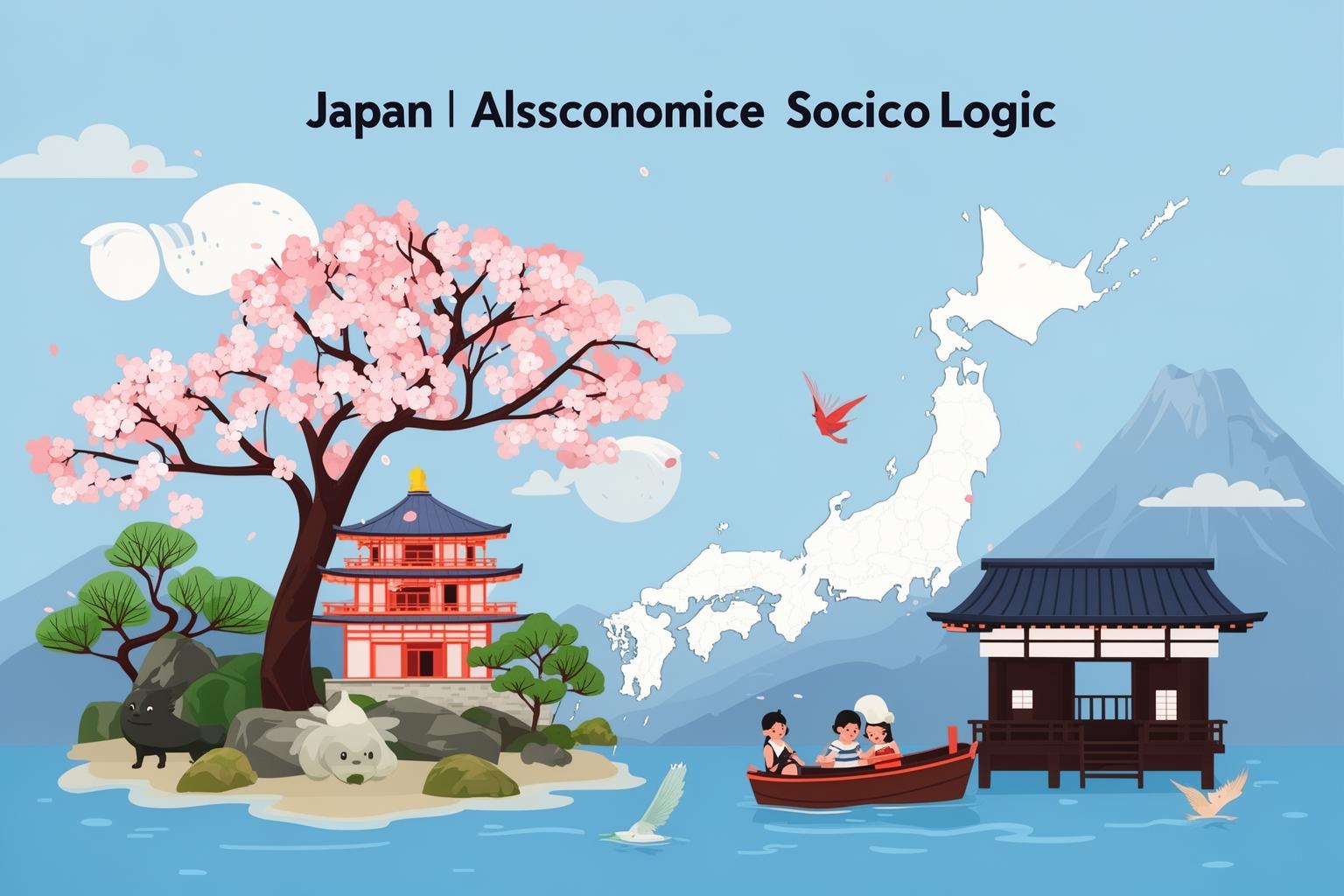
Why does oshikatsu exist with such intensity and take this particular form in Japan? It is the result of several intersecting cultural and economic forces. It’s not merely a quirky pastime; it is a system that addresses genuine social and emotional needs.
Finding Your Tribe in a Crowded World
In a society that values group harmony yet can also feel socially isolating, oshikatsu offers an immediate and powerful sense of community. It provides a ready-made social circle centered on a shared, passionate interest. Discovering someone who supports the same niche stage actor or obscure anime character creates an instant bond. Social media platforms like X (formerly Twitter) act as the central nervous system of this community, enabling fans to share fan art, organize group merchandise orders, and celebrate their oshi’s achievements together in real time. This shared identity often becomes a vital source of friendship and belonging.
The Economics of Tangible Support
The idol and anime industries are fundamentally built on the oshikatsu model. The goal is to foster a deep, personal connection between star and fan, which is then monetized through a system that frames spending as direct support. Purchasing ten copies of the same CD isn’t viewed as wasteful; rather, it’s seen as buying ten lottery tickets for a chance at a handshake event or ten votes for your oshi in an internal popularity contest. Each purchase is a concrete contribution to their career.
This creates a powerful feedback loop: the more you invest, the more invested you feel in their success. Fans develop a sense of responsibility for their oshi’s career trajectory. Their ranking, screen time, concert attendance—all are viewed as reflections of the fans’ collective effort. It transforms passive consumption into active participation. Fans aren’t just customers; they are patrons, stakeholders, and essential members of the team.
A Framework for Living
For many, oshikatsu offers more than entertainment; it provides structure and purpose. It sets a rhythm to the year, marked by album releases, tours, and birthdays. It shapes travel plans, as fans journey across the country for events or embark on “holy site pilgrimages” (seichi junrei) to locations featured in their favorite anime. It influences budgets, with a dedicated portion of income set aside for “oshi funds.”
The common phrase, “I live for my oshi,” is often said with a smile, but it holds a profound truth. The joy and motivation drawn from oshikatsu can be a powerful antidote to the stresses of work and everyday life. It offers clear goals, rewarding experiences, and a vibrant world beyond the often gray confines of adult responsibility.
More Mainstream Than You Think
While the image of a die-hard otaku may still linger in popular imagination, the reality is that oshikatsu has escaped its subcultural confines. The language of oshikatsu has become part of everyday Japanese vocabulary. Office workers, students, and parents of all genders now casually talk about their “oshi,” whether it’s a K-pop group, a figure skater, or a new ramen shop. Companies have embraced this trend, offering products in a variety of colors to appeal to fans eager to purchase items in their oshi’s theme color.
Oshikatsu has grown into a widely accepted and celebrated way to show passion. It offers a space, especially for women, to express enthusiasm unapologetically and to channel creativity, organizational skills, and financial independence into something that brings joy. In a society full of unspoken rules and expectations, oshikatsu is a realm where the rules are clear, the goals attainable, and the rewards emotionally satisfying.
So, the next time you see a carefully arranged ita-bag or a group of friends admiring a custom-made birthday cake for someone who isn’t present, you’ll realize you’re not just witnessing a fan. You’re observing a participant in a rich and intricate cultural practice. You’re seeing an act of creation, community-building, and deep devotion. It’s the art of finding a hero and crafting a beautiful, dazzling world around them, one acrylic stand at a time.