You’ve seen the videos. That insane, bottomless powder, plumes of white smoke exploding with every turn. You’ve heard the term ‘Japow’ whispered in hushed, reverent tones. It’s the holy grail for skiers and snowboarders, this mythical snow that blankets the mountains of Japan every winter. So you book a ticket, you fly into Narita, you make the pilgrimage to Hakuba or Niseko, ready to dive headfirst into this winter wonderland. And the snow? It’s everything you dreamed of. It’s legit unreal. But as you ride the lifts, something feels… different. The vibe is a little off. The massive hotel at the base of the mountain looks like it was designed in a completely different century. The music piped through the resort speakers sounds like a smooth 80s synth-pop track you’d find on a niche YouTube channel. You might even stumble upon an old, abandoned chairlift on a closed-off part of the mountain, creaking silently in the wind. You start to wonder, what’s the story here? This whole scene feels like it’s built on top of the ghost of something else, something bigger, more glamorous, and maybe a little bit tragic. And you’d be absolutely right. To understand the Japow you’re skiing today, you have to understand the wild, bubble-era dream that came before it. It was a time when skiing wasn’t just a sport; it was the entire culture. It was the ultimate status symbol, the backdrop for epic romances, and the physical manifestation of an economy, and a country, that felt like it was on top of the world. This isn’t just about snow. It’s a story about a national mood, a hit movie, a pop music queen, and a whole lot of money. It’s a vibe shift of epic proportions that explains why Japan’s ski resorts feel like living, breathing time capsules. So, grab a hot can of coffee from a vending machine, and let’s dig in. It’s giving history lesson, but make it cool.
To fully grasp this cultural time capsule, it helps to explore the deeper meaning of Japan’s snow country vibe.
The Bubble Economy: When Japan Had Money to Burn
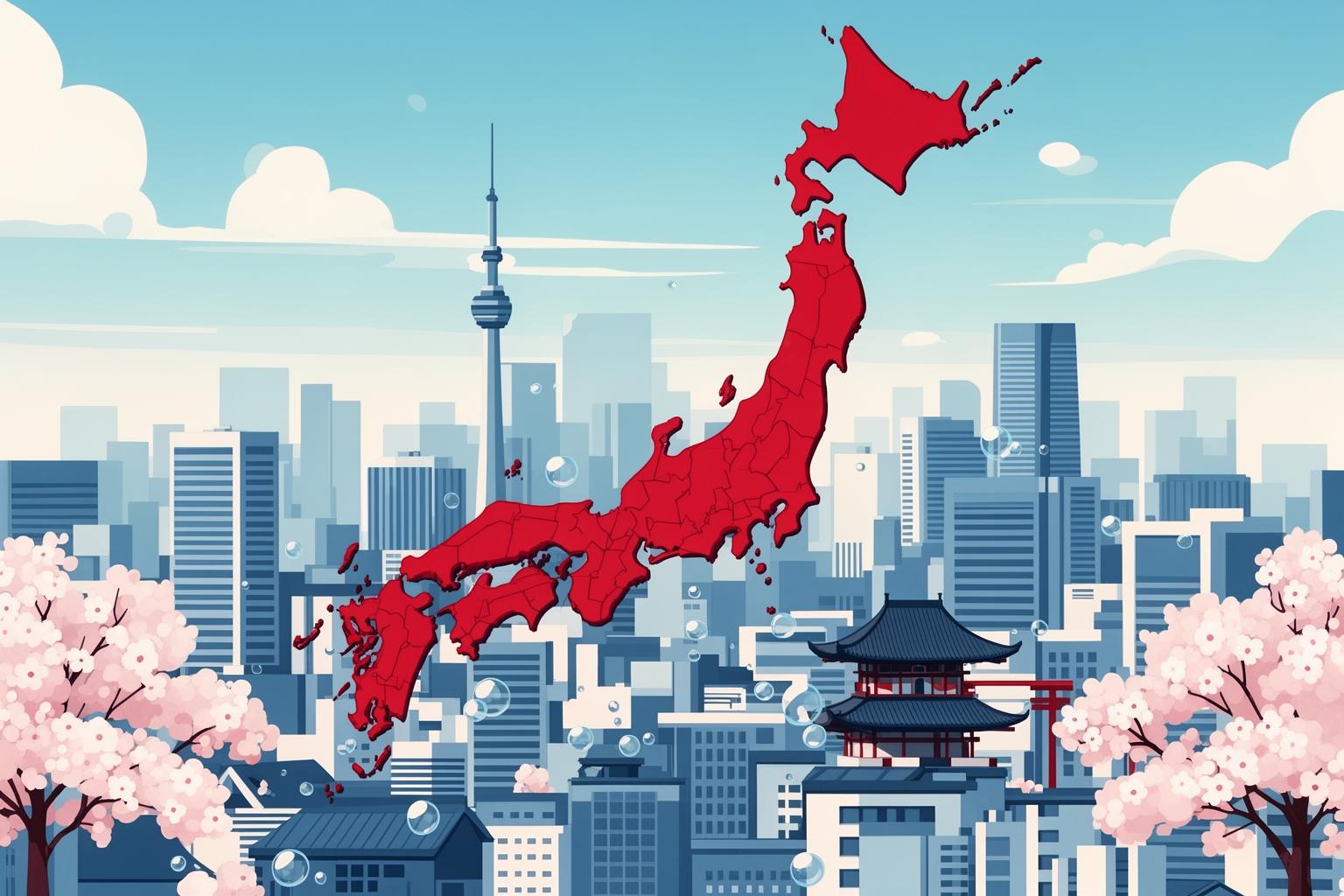
To understand why skiing became such a huge phenomenon, you first need to grasp the vibe of late 1980s Japan. We’re talking about the Bubble Economy, or ‘baburu keiki’. It’s a period now almost legendary, even among Japanese who didn’t experience it firsthand. From around 1986 to 1991, the economy was on an unprecedented high. Stock market and real estate prices soared to levels that were clearly unsustainable. Yet, at the time, the mood was pure, unfiltered optimism. It felt as if the celebration would never end.
The Vibe Check: What Was the Bubble?
Picture a world where your company hands you a corporate credit card and essentially tells you to splurge. Taxi rides home after late-night drinks in Ginza? Covered. Fancy dinners with clients? Covered. Weekend getaways? Covered. This was the daily reality for countless ‘salarymen’. Ordinary people, especially the younger generation, suddenly found themselves with plenty of disposable income. They were splurging on designer clothes, luxury cars, and extravagant leisure activities. It wasn’t just about wealth; it was a reflection of a collective national confidence. Japan was an economic giant, and this was its victory lap. The future seemed limitless, with the main goal being to indulge in the present as lavishly as possible. This mindset, this ‘get-rich-and-spend’ energy, created the ideal environment for an exclusive, high-cost hobby to surge into the mainstream. The country was essentially searching for a fresh, thrilling way to flaunt its wealth—and it found the perfect solution on the snowy peaks.
The Ultimate Flex: Skiing as a Status Symbol
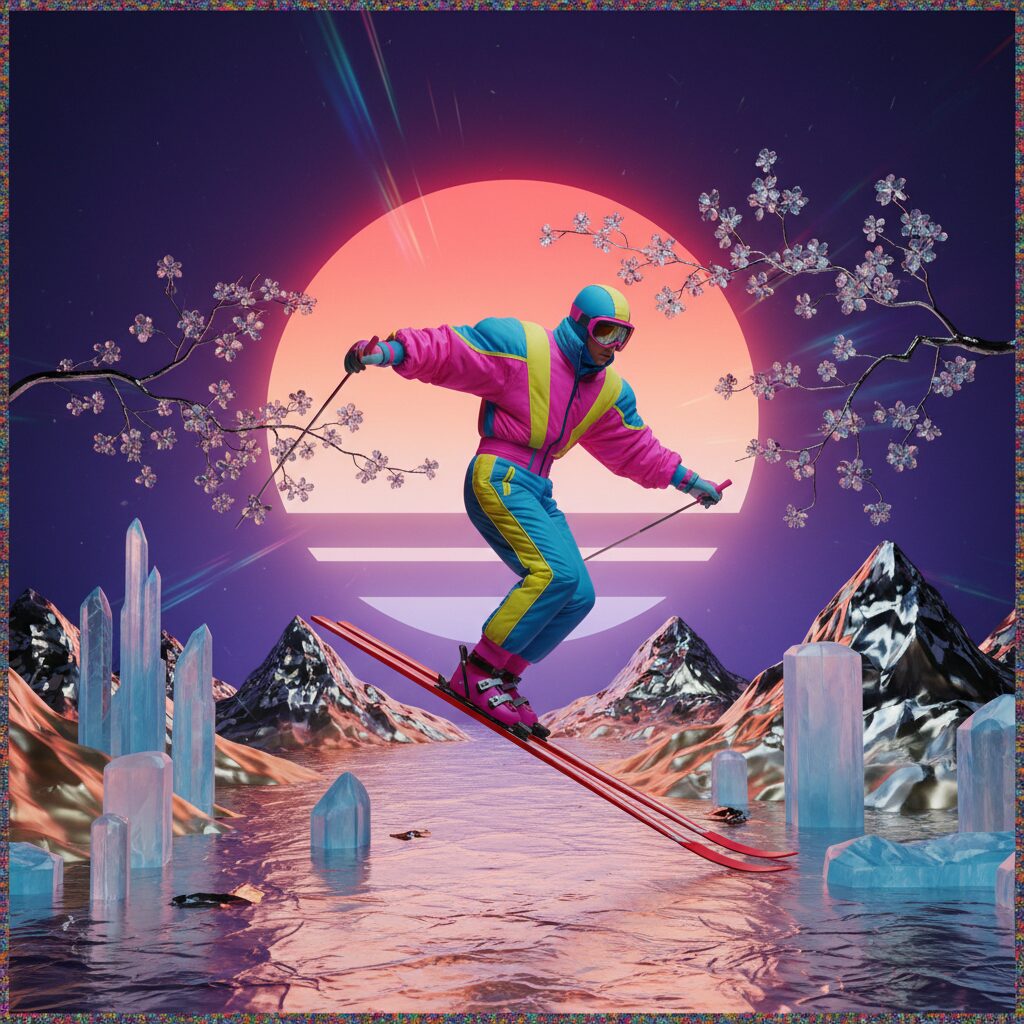
Before the 1980s, skiing in Japan was relatively niche, reserved for serious mountaineers or affluent families. But during the Bubble, it became the ultimate social spectacle. Why skiing? Because it fit perfectly as a Bubble-era status symbol. First, it was pricey. You needed the equipment—skis, boots, poles, and crucially, the outfit. Then there were travel expenses, lift tickets, and lodging. This high cost made it exclusive. Second, it was highly photogenic. It was about being seen and making a statement. The slopes turned into a runway where young urbanites could flaunt the latest, brightest ski fashions from brands like Phenix and Descente. The aesthetic was iconic: vibrant, often neon one-piece ski suits that looked like something out of a sci-fi film. It was pure spectacle. Lastly, it required specific accessories that screamed success, most notably a car. Traveling to premier ski resorts in Niigata and Nagano from Tokyo meant driving, and the ultimate vehicle was a 4WD, or ‘yonku’ as it was called. The Mitsubishi Pajero became the era’s emblem. Owning one wasn’t just about utility in the snow; it was a declaration that you belonged to the ski tribe. The car, the gear, the destination—it was a complete lifestyle package signaling you were living the Bubble dream to its fullest.
Crafting the Fantasy: Media, Movies, and Music
The ski boom wasn’t simply a natural occurrence. It was deliberately crafted and greatly amplified by a perfect storm of media, a single blockbuster film, and the unforgettable soundtrack of the time. The fantasy of ski resort romance was marketed to the entire nation, and everyone embraced it. This cultural moment was manufactured so flawlessly that it seemed more real than reality itself.
The Silver Screen Snow Dream: ‘Watashi wo Ski ni Tsuretette’
If you want to identify the single biggest catalyst for the ski boom, it’s the 1987 film ‘Watashi wo Ski ni Tsuretette’, which translates to ‘Take Me Out to the Snowland’. This movie is, without exaggeration, the Rosetta Stone for understanding the entire phenomenon. On the surface, it’s a straightforward romantic comedy: a shy, somewhat clumsy office worker who’s secretly an expert skier falls for a girl on the slopes. But its impact was immense. The film wasn’t just entertainment; it served as a how-to guide for an entire generation of young Japanese people. It laid out the entire script for the perfect ski weekend. The movie dictated how you should dress, what car to drive (a white Toyota Celica GT-Four), what skis to use (Sallot), and even how to flirt. It was packed with tropes that became real-life goals: the dramatic scene where the hero skis down a closed course to deliver a lost item, the classic ‘my car is stuck in the snow, can you help?’ scenario, and the ultimate romantic reward of finding your winter love at season’s end. Young viewers watched this film and literally imitated it. They bought the same gear, tried the same lines, and fervently hoped for their own cinematic romance on the slopes. The film single-handedly created a shared dream, a collective fantasy that tens of thousands tried to live out every single weekend.
The Soundtrack of the Slopes: City Pop and Yuming
A film needs a soundtrack, and the ski boom’s soundtrack was an entire genre: City Pop. But one artist, in particular, became the undisputed queen of the slopes: Yumi Matsutoya, affectionately known as Yuming. Her music was omnipresent at ski resorts. It blasted from loudspeakers at the base, echoed from the lift towers, and played on repeat in slope-side restaurants. She was so intertwined with the scene that she held a series of massive annual concerts at the Naeba Prince Hotel called ‘Surf & Snow’, which became legendary in the Bubble ski experience. Her songs formed the emotional core of the fantasy. Tracks like ‘Blizzard’ and ‘Koibito ga Santa Claus’ (My Lover is Santa Claus) perfectly captured the feeling of a fleeting, magical winter romance. The lyrics spoke of love, longing, and the bittersweet sensation of a perfect moment you know can’t last forever. This was the perfect emotional backdrop for a weekend getaway. The slick production, jazzy chords, and smooth vocals of City Pop created an atmosphere of sophisticated, urban cool, even when bundled up in a bulky ski suit in the mountains. The music was not just background noise; it was a vital ingredient. It shaped your feelings. It made every moment feel like a scene from a movie, transforming a simple ski trip into something deeply romantic and aspirational.
The Tech That Made It Happen
This entire cultural surge was also supported by crucial technological and infrastructural advancements. The gear itself improved—lighter skis and more comfortable boots made the sport easier for beginners. But the real game-changer was accessibility. The 80s saw a massive investment in infrastructure. The Kan-etsu Expressway, connecting Tokyo to Niigata Prefecture, the heart of ‘Snow Country’, was completed in 1985. Combined with the rise of those 4WD vehicles we mentioned, what used to be a major expedition became a manageable, though often crowded, weekend trip. Suddenly, millions living in the Tokyo metropolitan area could realistically decide on a Friday to head to the slopes. This ease of access was the final piece of the puzzle. The dream was created by the movie, the mood was set by the music, and the highway was the physical artery that pumped a generation of hopeful romantics from the city into their snowy fantasy world.
The Anatomy of a Bubble-Era Ski Resort
If you walked into a major Japanese ski resort around 1989, you wouldn’t find a quiet, nature-focused mountain retreat. Instead, you’d enter a full-fledged entertainment complex—a theme park where skiing was simply the main attraction. The resorts were designed as immersive worlds of consumption and enjoyment, crafted to keep visitors on-site and spending money around the clock. The vibe was electric, a continuous party on the snow.
More Than a Mountain: The Resort as a Theme Park
The aim of a Bubble-era resort was to impress. The slopes were wide, impeccably groomed, and often illuminated like a Christmas tree for night skiing, which was hugely popular. Skiing until 9 or 10 PM under bright floodlights was common, often accompanied by a DJ playing Eurobeat tunes from a booth at the base. It was sensory overload. At the heart of these resorts was almost always a massive hotel, like the Naeba Prince Hotel, capable of housing thousands of guests. These hotels functioned as self-contained ecosystems. They featured a dozen different restaurants offering everything from French cuisine to ramen, multiple bars, souvenir shops stocked with branded goods, rental shops with the latest gear, and often an onsen (hot spring) or even a heated indoor pool. The concept was that you’d never need to leave. You’d drive up, park your car, and step into this carefully curated world of fun. Resorts fiercely competed to outdo each other with more lifts, more slopes, more dining options, and greater glamour. It was a maximalist approach to leisure, a far cry from the rustic, ski-bum culture seen elsewhere. This was skiing as a polished, packaged consumer experience.
The Rituals of the Slopes
Because the scene was so heavily shaped by media, a very specific set of social rituals and expectations emerged. The experience followed a familiar pattern. It began with the Friday evening exodus from Tokyo, famously known as the ‘Kan-etsu Jam’, a legendary traffic jam stretching for miles as thousands of cars—mostly white Celicas and Pajeros—crawled toward the mountains. Upon arrival, the performance started. You’d change into your carefully selected ski suit. On the slopes, style mattered more than skiing skill. It was all about looking good. Lunch was a showy, social affair at one of the large cafeterias, featuring the standard ski resort fare like katsu curry or ramen. The phrase ‘gelende magic’ gained popularity—it referred to the ‘magic of the slopes,’ where everyone looked 20-30% more attractive, sporting ski gear, goggles, hats, and flushed cheeks from the cold. The romantic aspect was everything. Ski trips were prime chances for ‘deai,’ or meeting someone special. Groups of guys and girls mingled, spending the weekend flirting and pairing off. The day often ended with après-ski activities, which might include a soak in the onsen, followed by dinner and drinks. For many, the night continued at a hotel disco, dancing to cheesy pop tunes until the early hours, only to get up and do it all over again the next day. It was an exhausting, costly, and highly ritualized form of entertainment.
The Crash and the Aftermath: The Party’s Over
As quickly as the Bubble inflated, it burst. The early 1990s brought a dramatic economic crash that sent shockwaves through every facet of Japanese society. The stock market plunged, real estate values tumbled, and the sense of boundless optimism vanished, replaced by uncertainty and a prolonged period of economic stagnation known as the ‘Lost Decade’. The lavish party on the slopes was among the first and most visible victims of this new reality.
The Bubble Bursts, The Snow Melts
The effect on the ski industry was swift and devastating. The corporate expense accounts that had funded countless trips disappeared. The disposable income young people had spent on expensive gear and lift passes dried up. The nation’s priorities shifted overnight from extravagant consumption to careful frugality. The generation that had driven the boom—the 20-somethings of the late 80s—began marrying, having children, and taking on mortgages. A weekend stuck in traffic, spending a fortune on skiing, no longer seemed appealing. Visitor numbers at ski resorts began to decline—and they never recovered. The cultural zeitgeist had shifted. Skiing was no longer the trendiest, most fashionable pastime. The neon one-piece suits that were once symbols of style suddenly felt outdated and embarrassing. The dream so carefully crafted by the media disappeared, like a mirage.
Ghosts on the Mountain: The Rise of the Haikyo Resort
This brings us to the eerie atmosphere you might sense at a Japanese ski resort today. During the Bubble, resorts were built and expanded at a frenzied pace. Developers, intoxicated by cheap credit and endless optimism, invested billions of yen in creating new ski areas, often in marginal locations with less-than-ideal snow conditions. When the economy collapsed and skiers vanished, these resorts faced enormous debts they couldn’t repay. One after another, they fell into failure. Today, driving through Japan’s mountain regions, you will inevitably encounter them: the ‘haikyo,’ or ruins, of abandoned ski resorts. It’s a haunting sight. Chairlifts, with chairs still attached, hang rusting and motionless above slopes slowly being reclaimed by forest. Large former lodges stand empty, their windows boarded up and paint peeling. A faded, cartoonish 80s sign advertises a ski school that no longer exists. These sites stand as monuments to a very specific moment in time. They are physical scars left by the Bubble economy’s collapse. For Japanese people, they evoke a powerful sense of ‘mono no aware,’ a term expressing a gentle sadness or pathos for the fleeting nature of things. These ruins are not just failed businesses; they are the tangible remnants of a collective national dream that died.
From Bubble Fantasy to ‘Japow’ Reality: The Scene Today
Just as the domestic ski scene was entering a prolonged period of decline, something unexpected occurred. A new group of people began discovering Japan’s mountains, and they weren’t drawn by the romance or the retro disco nights. These visitors came from overseas, motivated by one thing alone: the snow. This marked the start of the ‘Japow’ era, a distinctly different kind of boom that has transformed the identity of Japanese ski resorts.
The International Discovery of Japanese Powder
In the early 2000s, word began to spread within the international ski and snowboard community. Rumors circulated about a place boasting vast amounts of incredibly light, dry powder snow. This snow, created by cold air blowing over the Sea of Japan and depositing moisture on the mountain ranges, earned the catchy nickname ‘Japow’. Skiers and snowboarders from Australia, North America, and Europe, in pursuit of the perfect powder day, started arriving in spots like Niseko in Hokkaido and later Hakuba in Nagano. Unlike the Bubble-era skiers, these visitors were not beginners seeking a social scene. They were often seasoned, serious riders with a purpose. Their interests lay in backcountry access, tree skiing, and deep powder—activities frequently frowned upon or even prohibited at the strictly regulated resorts during the 80s boom. This fresh wave of international visitors reinvigorated a struggling industry while also creating a fascinating cultural fusion.
The Culture Clash: Old Meets New
Visiting a classic Japanese resort today, especially on the main island of Honshu such as Naeba or Shiga Kogen, is a unique experience. It’s a study in contrasts. International powder enthusiasts clad in modern Gore-Tex gear ride gondolas alongside elderly Japanese skiers dressed in faded but meticulously maintained 80s-style outfits. You can enjoy world-class powder skiing in the morning, then savor a bowl of hot, delicious ramen lunch in a large, half-empty cafeteria that seems frozen in time since 1988. The hotels’ architecture reflects Bubble-era extravagance—grand, sprawling, and somewhat worn around the edges. You might hear a Yuming song playing softly over the speakers, a haunting reminder of a past era. This blend can feel disorienting if you’re anticipating the polished, alpine-chic vibe of resorts in Europe or North America. Many places lack the trendy après-ski bar scene; instead, the post-ski tradition often involves a peaceful soak in a beautiful onsen. It’s not better or worse—just different. It’s a uniquely Japanese combination of world-class nature and retro-cultural intrigue.
Is It Still Worth It? The Real vs. The Expectation
So, what’s the takeaway for foreign visitors? Is it worth it? Absolutely—but you need to adjust your expectations. Don’t come to Japan expecting a copy of Whistler or Verbier. Come for what makes it unique. The snow is undoubtedly among the best in the world. The food, even the humble fare in mountain cafeterias, is often extraordinarily good. The presence of onsen at the base of ski resorts offers a civilized pleasure that other countries would do well to adopt. Yet the true magic lies in the cultural dissonance. You’re not just skiing—you’re time-traveling. You’re engaging with the living history of the Bubble era. You’re skiing amid the ghosts of countless movie-inspired romances. Understanding the story behind the slightly dated décor and retro soundtrack adds a whole new dimension to the experience. It’s not just a ski trip; it’s an immersive journey into a captivating chapter of modern Japanese history.
The Lingering Echoes of the Dream
Although the Bubble burst decades ago, its cultural echoes remain surprisingly resonant today. The aesthetics and sounds of that era are experiencing a major revival, not only in Japan but around the world. The story of the ski boom offers a compelling insight into the Japanese national character, revealing both its remarkable strengths and distinctive vulnerabilities.
The City Pop Revival and Nostalgia
Something curious happened over the past decade. Thanks to the quirky and fascinating algorithms of YouTube, the world rediscovered City Pop. Songs that had soundtracked the Bubble era, like Mariya Takeuchi’s ‘Plastic Love’, went viral. A whole new generation—both abroad and within Japan—fell in love with this music’s smooth, sophisticated, and slightly melancholic vibe. This resurgence has provided a fresh perspective on the Bubble era. It is no longer viewed solely as a period of reckless economic excess but rather through a lens of retro-cool nostalgia. For young Japanese who never experienced it firsthand, the Bubble represents an alternate reality—a time when the country was confident, glamorous, and outward-looking. The imagery of the ski boom—the neon ski suits, city lights reflected in goggles, the promise of romance in the snow—aligns perfectly with this revived aesthetic. It serves as a form of escapism, a yearning for a past that seemed simpler and more optimistic, even if it was ultimately a fantasy.
What the Boom Tells Us About Japan
In the end, the story of the 80s ski boom is more than just an amusing historical footnote. It’s an ideal case study for understanding modern Japan. It reveals the extraordinary power of mass media to create a unified, nationwide trend, mobilizing millions to follow a very specific script. The way the sport was ritualized—the right car, the right clothes, the right music—illustrates a distinctly Japanese tendency to master a form, turning leisure into a social performance with clear conventions. Yet it also exposes the fragility of such moments. When the economic foundation was pulled away, the entire cultural structure collapsed. The abandoned resorts scattered across the mountains serve as stark reminders of this. Today, the Japow boom marks a new chapter, driven by external appreciation for Japan’s natural beauty rather than an internally fueled cultural fantasy. Still, you can sense the old dream lingering in the air. When riding a lift at a classic resort and a Yuming song plays over the speakers, you can almost see them—the ghosts of the Bubble, gliding down slopes in their fluorescent ski suits, forever chasing a perfect, cinematic winter romance. Understanding their story is what makes skiing in Japan quietly profound. It’s not just about the powder; it’s about the layers of history beneath. IYKYK.