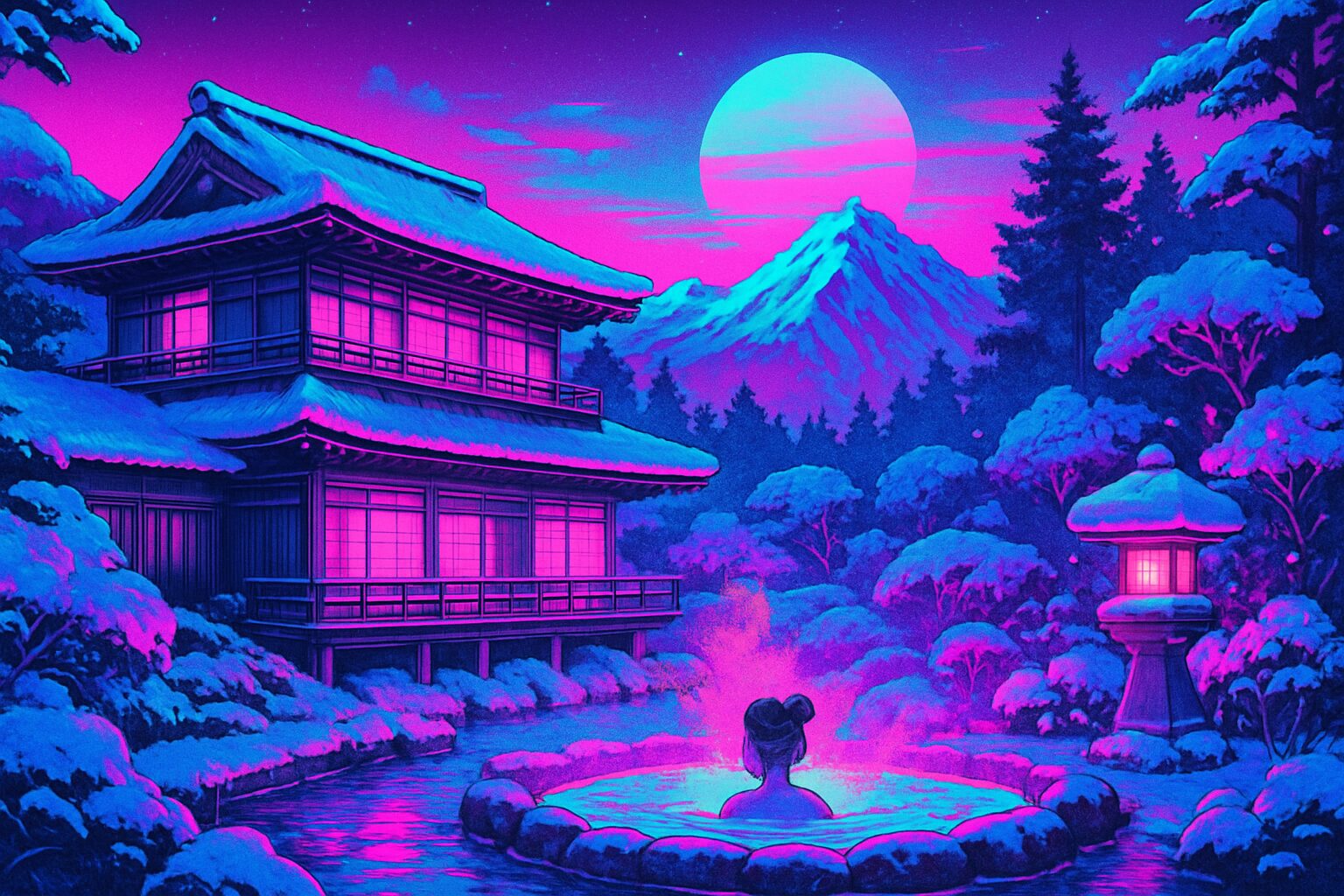
Hey wanderlusters and snow chasers! It’s your girl, Sofia, coming at you straight from the land of the rising sun and the deepest, fluffiest powder on planet Earth. If you’ve ever dreamt of Japan, you’ve probably pictured neon-drenched Tokyo streets or serene Kyoto temples. And yeah, those places are a whole mood. But I’m here to spill the tea on a different kind of magic, a combo so next-level it’ll basically ruin all other winter vacays for you. I’m talking about the legendary ‘Japow’—that impossibly light, champagne powder snow that blankets Japan’s mountains every winter. It’s the kind of snow that makes you feel like you’re floating, a hero in your own ski movie. But what happens when the lifts stop spinning and your legs feel like jelly? That’s when the second act of this perfect day begins. You trade your ski boots for slippers, your Gore-Tex for a cotton yukata, and you sink into the soul-healing, steaming waters of a natural hot spring. This isn’t just a trip; it’s a full-on sensory reset. We’re going deep into the heart of Japan’s snow country, to places where ancient tradition meets epic adventure. We’re talking about the Onsen Ryokan, the absolute pinnacle of post-powder relaxation. Forget basic hotels. A ryokan is an immersive cultural experience, a cozy sanctuary where every detail is designed to soothe your body and spirit. It’s where you’ll find the ultimate ‘après-ski’ scene—one that’s less about loud music and more about the quiet bliss of a snowflake melting on your skin as you soak in a volcanic, mineral-rich bath. Get ready to explore the hidden gems, the places that aren’t splashed all over the mainstream travel guides. This is your insider’s guide to pairing the thrill of Japow with the total chill of an onsen ryokan. It’s a vibe, it’s a culture, and honestly? It’s the best travel secret I’ve ever discovered. Let’s dive in.
What’s the Vibe? Decoding the Onsen Ryokan Experience
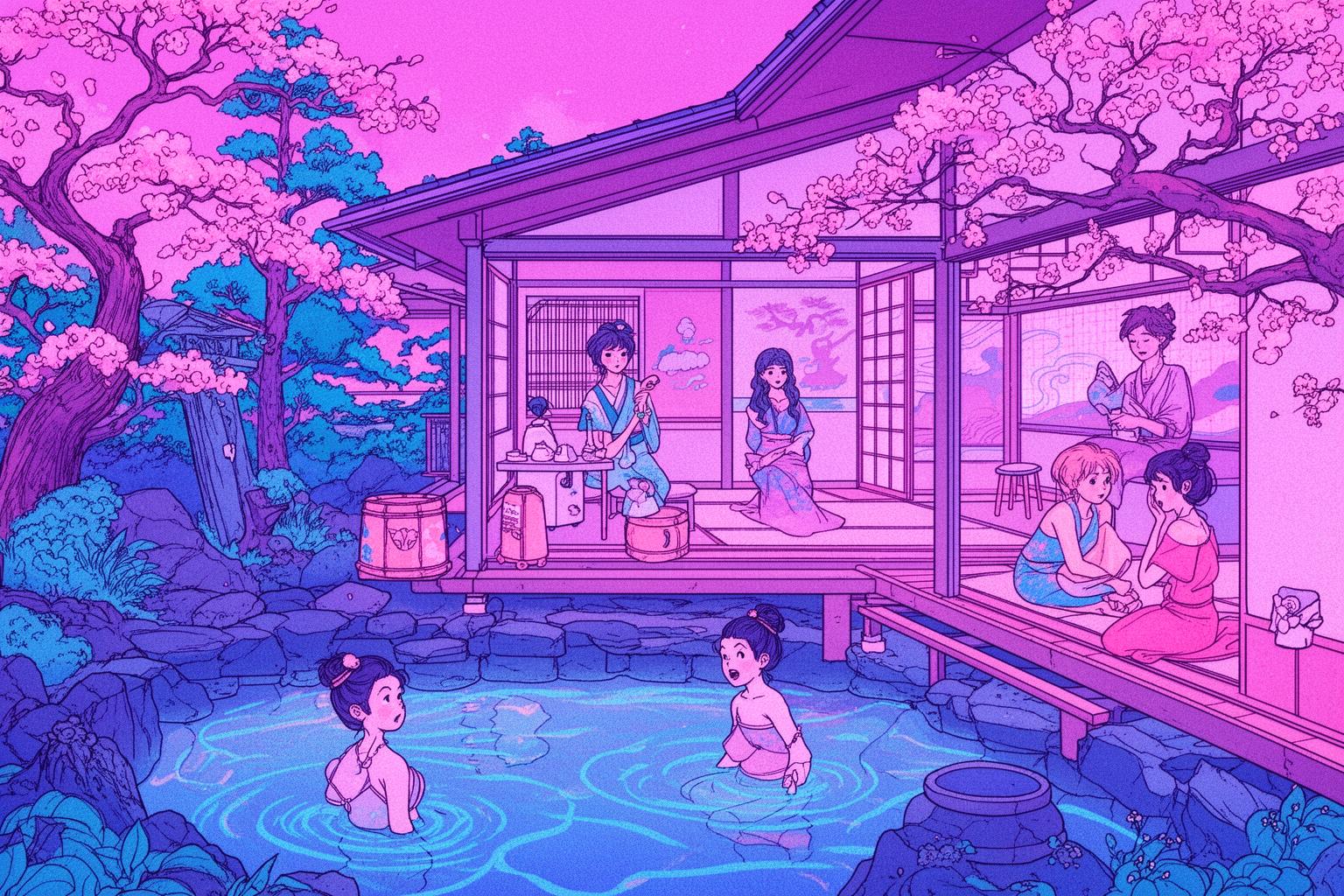
Before we start marking our journey across Japan’s snowiest prefectures, you need to understand that a ryokan isn’t just a place to stay. It’s the very essence of the experience itself. From the moment you arrive, you step into a different world, one that flows with a rhythm of peace, hospitality, and tradition. It’s a stark contrast to the adrenaline rush of the slopes, and that difference is what makes it absolutely perfect.
The Arrival: A Gateway to Tranquility
Imagine this: You’ve just fought your way through snowy roads, your car is glazed in ice, and you’re hauling a heavy ski bag. Then, you arrive at the ryokan. The entrance is likely a simple, elegant wooden gate with a Noren curtain gently swaying. The instant you slide open the door, everything shifts. The chaotic outside world fades. You’re greeted by an incredible, soothing scent—a blend of tatami straw, fragrant wood, and perhaps a touch of incense. The first thing you do is take off your shoes at the genkan (the entryway). This small gesture is deeply symbolic; you’re leaving behind the dirt and worries of the outside world. Staff will greet you with a bow, perhaps including the okami-san (the female manager, who embodies the heart and soul of the place), who will graciously guide you to your room with a warmth that is both humbling and welcoming. There’s no loud, impersonal check-in desk. It’s personal. It’s quiet. It marks the start of your unwinding.
Your Sanctuary: The Tatami Room
Your room is more than just a room; it’s a living expression of Japanese aesthetics. Forget bulky furniture and generic hotel décor. A traditional Japanese room, or washitsu, is a masterpiece of minimalism. The floor is covered in woven tatami mats that feel wonderful on your tired feet. The sole furniture might be a low wooden table with some zabuton (floor cushions) to sit on. The walls are sliding shoji screens, made of wood and translucent paper, filtering the light softly and creating an ethereal glow. You might find a tokonoma, an alcove displaying a single flower arrangement (ikebana) or a calligraphy scroll. It’s a space designed for contemplation, not clutter. There’s no bed visible during the day, which gives the room a spacious, airy atmosphere. While you enjoy dinner, the ryokan staff will magically convert your living space into a cozy bedroom by laying out plush futons directly on the tatami floor. Sleeping on a futon after a long day skiing is pure bliss—surprisingly comfortable and excellent for your back. You’ll wake up feeling more refreshed than ever.
The Main Attraction: The Onsen
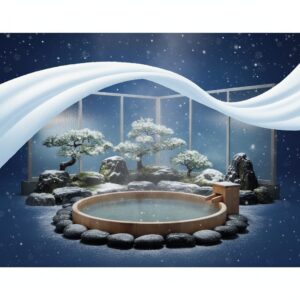
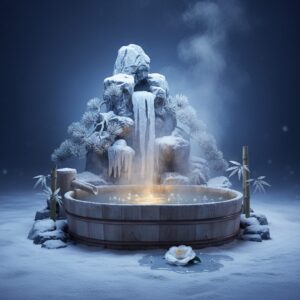
Now, let’s talk about the star attraction: the onsen. An onsen isn’t just a hot tub. It’s a natural hot spring, with water heated deep underground and packed with minerals believed to have healing benefits. Soaking in an onsen is a ritual, a fundamental aspect of Japanese culture. Most ryokans offer both indoor baths (uchiyu) and the ultimate prize: outdoor baths, called rotenburo. Soaking in a steaming rotenburo as snow falls gently around you is a memory waiting to be made. It’s a surreal, almost spiritual experience. The contrast of the hot, silky water against the crisp, cold air is simply perfect. Some ryokans also offer kashikiri-buro, private onsens you can reserve for yourself or with a partner, ideal for a more intimate experience or for those with tattoos who might feel uneasy about public baths. Speaking of which, here’s a quick etiquette note: no swimsuits are allowed, and you must wash thoroughly at the provided washing stations before entering the bath. The onsen is for soaking, not cleaning. And yes, tattoos can be tricky, but many ryokans in ski areas have become more accommodating, and private onsens remain a great option.
Beyond a Meal: The Art of Kaiseki
Dining at a ryokan isn’t just about eating; it’s a celebration. Most stays include dinner and breakfast, and you’re in for a treat. Dinner is typically kaiseki ryori, a traditional multi-course Japanese feast that is as visually stunning as it is delicious. This isn’t a buffet. It’s culinary artistry. You’ll be served a succession of small, exquisitely crafted dishes in your room or a private dining area. Each dish spotlights seasonal, local ingredients at their peak. Expect delicate sashimi from the Sea of Japan, tender local beef grilled on a hot stone, foraged mountain vegetables (sansai) you’ve likely never heard of, and comforting soups. Every plate is arranged with meticulous care, crafted to engage all your senses during this slow, deliberate dining experience. The following morning, you’ll enjoy a traditional Japanese breakfast—savory and nourishing—with grilled fish, tamagoyaki (rolled omelet), miso soup, rice, and assorted small side dishes. It’s the perfect start to another day on the slopes.
The Yukata Experience
One of the highlights of the ryokan stay is shedding your skier persona and embracing the ‘Yukata Life.’ A yukata is a simple cotton robe provided by the ryokan for your stay. As soon as you check in, it’s completely acceptable to change into your yukata. You wear it to the onsen, to dinner, and even for a leisurely stroll around the ryokan or town. It’s incredibly comfortable and instantly relaxes you. Paired with geta (wooden sandals) or slippers, it’s the official uniform of unwinding, Japanese style. Seeing everyone—from kids to grandparents—wearing their yukata creates a wonderfully relaxed, communal atmosphere. It’s a great equalizer and a symbol that you’ve fully embraced the tranquil pace of ryokan life.
Deep Dive: Unforgettable Japow & Onsen Regions
Alright, now that you’re fluent in the ryokan atmosphere, let’s talk locations. Japan is teeming with mountains and volcanoes, which means there are nearly endless opportunities for skiing and soaking. But to discover that perfect blend of deep powder and authentic onsen culture, you need to venture beyond the main tourist routes. We’re heading to regions where the snow is deeper, the crowds smaller, and the traditions richer.
Nagano Prefecture: The Original Japow Paradise
Nagano sits at the heart of the Japanese Alps and is the spiritual center of Japanese skiing, having hosted the 1998 Winter Olympics. It’s a classic for good reason: the mountains are vast, the snow dependable, and the onsen culture legendary. While Hakuba attracts much of the international attention, there are cozier, more traditional spots that offer a truly enchanting experience.
Spotlight on Nozawa Onsen
Nozawa Onsen embodies the quintessential Japanese ski village. It’s not a purpose-built resort, but a living town with centuries of history. The atmosphere here is impeccable. You can ski all day on an excellent mountain with diverse terrain, then return to the village and be just moments from a steaming bath. The streets are narrow and winding, steam rising from vents in the ground, with traditional and beautiful architecture. What makes Nozawa genuinely special are its thirteen free public bathhouses, the soto-yu. Managed by villagers, these baths form a vital part of community life. Doing a soto-yu meguri (public bath crawl) is an absolute must. The water, sourced directly from the mountain, can be very hot, so be prepared! In the evening, the village glows with warm lights from izakayas and ryokans, and the sound of people clopping around in their geta fills the air. It’s pure, unfiltered Japanese charm.
Ryokan Spotlight: Ryokan Sakaya
To experience the very soul of Nozawa Onsen, look no further than Ryokan Sakaya. Run by the same family for seventeen generations, this beautiful traditional building lies in the heart of the village. The hospitality is warm and personal, making you feel like a guest in their home rather than a visitor. The onsen here is exquisite. Their spring, ‘Asagama-no-yu,’ provides 100% natural, free-flowing hot spring water that’s soft and restorative. The mineral content is believed to be excellent for the skin and perfect for soothing sore muscles—ideal after a day on the slopes. Both indoor and outdoor baths are available, with the rotenburo particularly delightful, crafted from natural stone and wood. The food at Sakaya is another highlight. They specialize in ‘yuyado-ryori,’ a refined yet comforting local cuisine featuring Nagano’s produce. Expect dishes showcasing Shinshu beef, fresh river fish, and seasonal mountain vegetables, all elegantly presented. Staying at Ryokan Sakaya is more than just lodging; it’s an immersion into the history and culture of this unique town.
Tohoku: The Undiscovered North
For travelers eager to get far off the beaten path, the Tohoku region beckons. Located in northeastern Japan, Tohoku is wild, remote, and receives massive snowfall. This deep north is a land of rugged beauty, strong traditions, and some of the most distinctive onsen experiences in Japan. The vibe here is rustic, authentic, and feels like a genuine adventure. It’s the ultimate “if you know, you know” destination for serious powder lovers.
Spotlight on Zao Onsen, Yamagata
Zao Onsen is a place shrouded in myth and legend. The skiing is excellent, but the real draw is the juhyo, or ‘Snow Monsters’—fir trees cloaked in layers of ice and snow by harsh Siberian winds, forming bizarre, monstrous shapes. Skiing through these silent, towering figures is an unforgettable, almost otherworldly experience. The onsen town is one of Japan’s oldest and most famous. Its waters are among the most acidic in the country, with a strong sulfur smell and milky-white hue. This potent water is celebrated for its therapeutic qualities, particularly for skin health, earning it the nickname ‘Springs of Beauty.’ The sulfur scent permeates the town—initially surprising, but soon associated with deep relaxation. It’s a raw, elemental place deeply connected to nature.
Ryokan Spotlight: Zao Kokusai Hotel
Located at the base of the Zao Ropeway, the Zao Kokusai Hotel perfectly combines convenience with traditional charm. Its standout feature is the spectacular rotenburo, ‘Hachiemon-no-yu.’ This large outdoor bath, constructed from massive logs and natural rock, is open 24 hours daily. Soaking here at night, with steam rising under a starry sky and snow-covered forests surrounding you, is pure magic. The milky, sulfurous water feels silky on the skin, melting away fatigue after a day’s skiing. The hotel offers both Japanese-style tatami rooms and Western-style accommodations, catering to all tastes. Their dinner service showcases Yamagata’s regional cuisine, featuring specialties like Imoni (a taro and meat stew) alongside delicious local sake. It’s a comfortable, deeply relaxing base for exploring the mystical beauty of Zao.
Spotlight on Nyuto Onsen, Akita
For the ultimate onsen pilgrimage, Nyuto Onsen-kyo is a must-visit. This isn’t a single village, but a cluster of seven secluded, rustic ryokan scattered across a remote mountain valley in Akita Prefecture. Although no ski resorts are located here, nearby areas like Tazawako are accessible. A visit to Nyuto Onsen centers on the onsen itself as the main attraction. It feels like stepping back in time to feudal Japan. Each ryokan has a unique character and its own private spring, resulting in waters that vary widely in color and mineral composition. The most famous is Tsurunoyu, known for its iconic milky-blue waters, but all offer an unmatched sense of tranquility and escape.
Ryokan Spotlight: Tsurunoyu Onsen
Tsurunoyu is the oldest and most renowned of the Nyuto ryokan, with a history spanning over 300 years. Its dark-wood, thatched-roof buildings, lit by oil lamps and blanketed in deep snow, create one of the most photogenic scenes in Japan. This ryokan epitomizes rustic charm. Staying here feels less like lodging and more like being a guest in a historic mountain retreat. The main attraction is the large mixed-gender outdoor onsen, with stunning opaque milky blue water. Since you can’t see beneath the surface, it’s surprisingly comfortable for everyone. (There’s also a women-only entrance and a separate outdoor bath for women.) Soaking in this famed bath, surrounded by pristine beech forests and mountain stillness, is a bucket-list experience. The food is simple, hearty mountain fare, cooked over an irori (traditional sunken hearth). A stay at Tsurunoyu offers a complete break from modern life—a chance to experience the raw, unvarnished beauty of Japanese nature and tradition.
Hokkaido: The Powder Capital
Ah, Hokkaido. Japan’s northernmost island is a powder haven, a name whispered reverently by skiers and snowboarders worldwide. Thanks to cold Siberian winds gathering moisture over the Sea of Japan, Hokkaido boasts staggering amounts of the lightest, driest snow imaginable. While Niseko has become a world-famous hub of international ski culture, the island has much more to offer those willing to venture further. The vibe is vast, wild, and adventurous, with a pioneering spirit and some of the best food in Japan.
Spotlight on Tokachidake Onsen
If Niseko is the glamorous superstar, Tokachidake Onsen is the hardcore, indie backcountry artist. Located deep within Daisetsuzan National Park, this isn’t a resort—there are no chairlifts here. It’s a destination for dedicated backcountry skiers and splitboarders ready to earn their turns. The reward? Vast, untouched powder fields on the slopes of an active volcano. The landscape is raw and breathtaking, with volcanic steam vents smoking from the mountainsides. This spot isn’t for beginners, but for experienced adventurers it offers some of the most thrilling, pristine skiing in Japan. The onsen here is just as wild and untamed as the surrounding mountains.
Ryokan Spotlight: Ryounkaku
Perched at 1,280 meters elevation, Ryounkaku proudly holds the title of the highest onsen ryokan in all of Hokkaido. Its name, meaning ‘Cloud-Reaching Pavilion,’ is fitting. The views from here are spectacular. From their two outdoor rotenburo (one for men, one for women), you’re treated to a jaw-dropping panoramic vista of the Tokachi mountain range. Soaking here at sunrise or sunset, watching the alpine glow paint the peaks in pink and orange hues, is a spiritual experience. The water is rich in iron, giving it a reddish-brown color, and is reputed to be excellent for circulation. The ryokan is rustic and cozy, with a mountain-lodge atmosphere. It’s not about traditional luxury, but the luxury of being fully immersed in one of Japan’s most spectacular, wild landscapes. It’s a sanctuary for mountain enthusiasts.
Pro Tips for Your Onsen Ryokan Glow Up
Ready to book your trip? Awesome. Navigating the world of onsen ryokan can feel a bit different from booking a typical hotel, but a few tips will have you relaxing like a pro in no time. Think of this as your cheat sheet for achieving ultimate zen.
Booking Your Dream Stay
First things first: plan ahead! The best ryokans, especially those in popular ski destinations, fill up months in advance, particularly during peak season (January and February). You can’t just wing it. Many traditional ryokans can be reserved through their own websites (sometimes available in English) or through Japanese booking platforms like Japanican or Rakuten Travel. When booking, you’ll usually select a plan that includes dinner and breakfast. Make sure to check the room type—confirm if you’re getting a room with a private toilet or even a private onsen bath if that’s what you prefer. Reading recent reviews from other international travelers can be really helpful to get a sense of the place’s atmosphere and how English-friendly it is.
Packing Essentials (and Non-Essentials)
Here’s the beauty of the ryokan experience: you can pack light. The ryokan provides almost everything you’ll need during your stay. You’ll receive a yukata to wear, a variety of towels (a large one for drying off and a small “modesty” towel for walking to and from the bath), and a full range of high-quality toiletries in the onsen changing rooms, including shampoo, conditioner, body soap, and often face wash and lotion. So, what should you bring? Your personal essentials, naturally. A good moisturizer is smart since the hot spring water can be drying for some skin types. And most importantly, bring an open mind and a willingness to unwind. What should you leave behind? Bulky pajamas (the yukata is much comfier), your hairdryer, and your stress.
Navigating the Experience with Grace
You don’t need to be fluent in Japanese, but learning a few key phrases will go a long way and show respect. Simple phrases like “Arigato gozaimasu” (Thank you very much), “Ohayo gozaimasu” (Good morning), and “Oishii” (Delicious) will be warmly appreciated. Remember that ryokans are typically calm, peaceful places. Try to keep your voice low in common areas and be mindful of other guests who are there to relax. One important cultural difference is tipping. In Japan, tipping is not customary and can even be considered rude. The price you pay covers impeccable service, so just offer a sincere “Arigato” instead.
The Art of the Onsen Crawl
In onsen towns like Nozawa Onsen or Kinosaki Onsen, one of the best activities is the soto-yu meguri, or public bathhouse crawl. You’ll see locals and tourists alike strolling the streets in their yukata and geta, carrying small baskets with their towels and soap, moving from one bathhouse to another. Each bathhouse often features unique designs and stamps you can collect in a special book. It’s a fun and social way to experience local culture and sample different hot springs. This offers a completely different vibe from a private onsen and is a must-do if you’re in a town that offers it.
The Afterglow: Bringing the Zen Home
After a few days of this routine, there’s a distinct feeling—the exhilaration of the mountain followed by the peaceful ritual of the soak. Your body feels exhausted yet deeply relaxed. Your mind is clear. Your skin glows. This state, known in Japan as yu-agari, is the post-onsen radiance. This remarkable blend of high-adrenaline adventure and profound, soul-soothing tradition is unique to Japan. It’s more than just a ski trip with a comforting bath. It’s a complete reset for both body and spirit. It’s the excitement of pushing your physical limits through world-class powder, followed by the gentle surrender as you immerse yourself in ancient, healing waters. It’s the memory of snow crunching beneath your geta, the flavor of a perfectly crafted local meal, and the silent beauty of a snow-covered landscape viewed from the warmth of a rotenburo. So go ahead, chase that Japow. Earn those turns. Because at the day’s end, the most incredible, restorative experience awaits you, steaming softly in the heart of Japan’s snow country. It’s a vibe that lingers long after the snow has melted. Believe me, you won’t forget it. See you on the slopes… or in the rotenburo!