Yo, let’s get real for a second. When you picture Japan, what hits the feed? Maybe it’s the neon glow of Tokyo’s Shibuya Crossing, the serene temples of Kyoto, or a perfect bowl of ramen that looks too good to eat. All legit, all absolutely worth the hype. But what if I told you there’s another side to Japan? A wilder, raw, and straight-up epic side that most travelers sleep on. We’re talking about a coastline forged by fire, a place where volcanoes literally crashed into a continent, leaving behind a playground of dramatic cliffs, secret coves, and sea caves that glow with an almost supernatural light. This isn’t some fantasy world; this is the Izu Peninsula, and the absolute best way to plug into its core frequency is from the seat of a sea kayak. Forget just seeing the sights; this is about feeling the pulse of the planet. It’s about paddling into the heart of geological drama, with the saltwater spraying your face and the sheer scale of it all recalibrating your brain. It’s an adventure that hits different, a proper main character moment waiting to happen. This isn’t just another tour; it’s an elemental experience, a deep dive into the raw power that shaped this incredible country. No cap, kayaking in Izu will redefine what you think is possible on a trip to Japan. It’s the ultimate glow-up for your travel itinerary, transforming a great vacation into a legendary one.
For a closer look at the volcanic drama that shaped this incredible coastline, be sure to check out the Jogasaki Coast.
Catching the Izu Vibe: More Than Just a Pretty Coastline
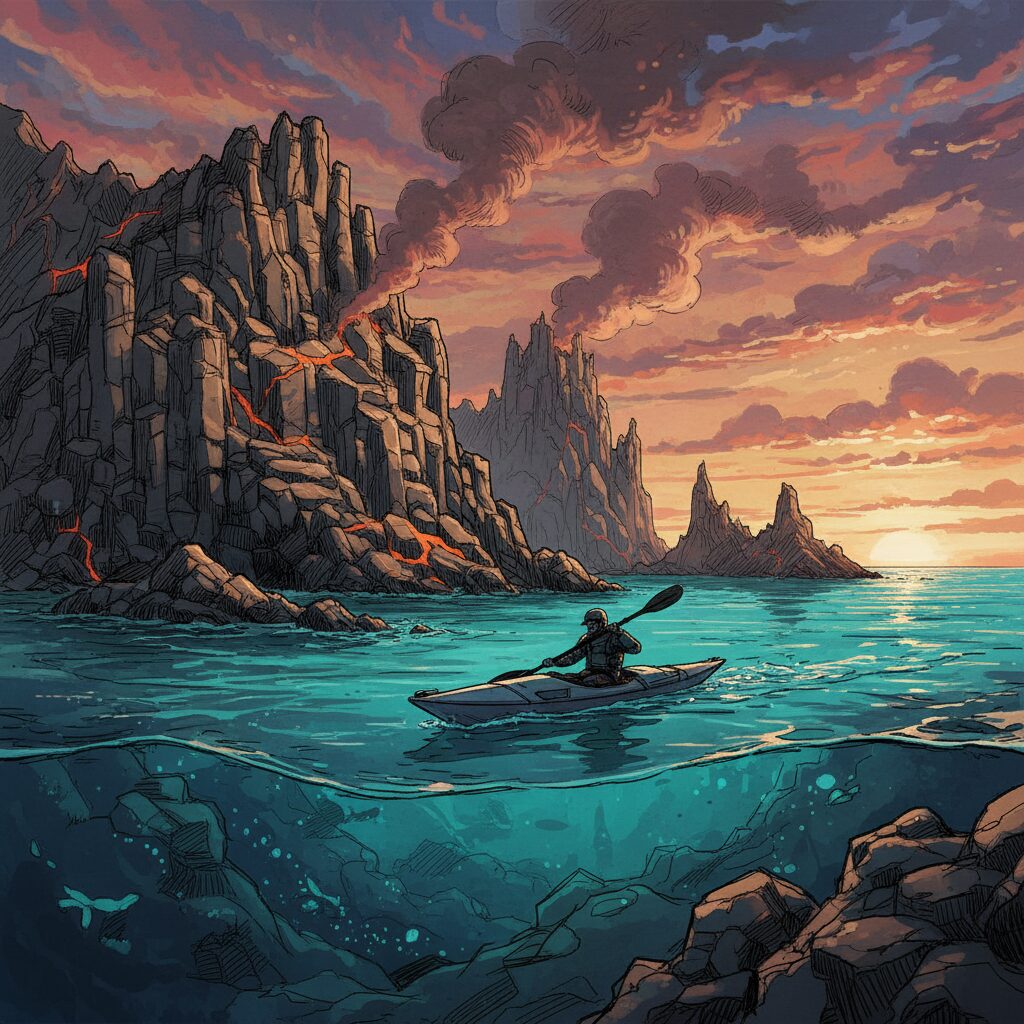
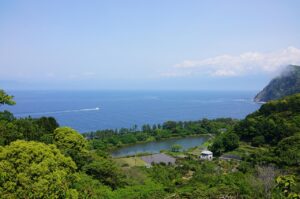
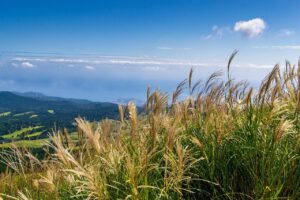
Before we even dip our paddles into the water, you need to get a feel for the vibe of Izu. It’s a place of striking contrasts. One moment, you’re racing down a mountain road flanked by lush, green forests, and then suddenly, the view opens up to reveal a breathtaking panorama of the deep blue Pacific. One minute you’re wandering through a sleepy fishing village that looks like it’s stepped right out of a Studio Ghibli film, and the next you’re gazing at a jagged coastline resembling a dragon’s spine. The air itself feels different here—heavy with the scent of salt and minerals, a constant reminder that you’re on land forged from the Earth’s fiery core. Life here slows down. The nonstop hustle of Tokyo feels worlds away, replaced by the steady rhythm of crashing waves and the relaxed energy of the locals. It’s a place that invites you to simply… breathe. The atmosphere is understated but powerful. It’s not flashy, but it gets under your skin. You’ll find yourself pausing to watch the light shift on the water or getting lost in the intricate patterns of the volcanic rock. This feeling sets the stage for our kayaking adventure; it’s the context that turns paddling here into so much more than just exercise. You’re not just moving through water; you’re immersing yourself in a mood, a state of being that’s both thrilling and deeply soothing. It’s the kind of place where your phone battery dies, and you don’t even mind, because the real high-res content surrounds you. That’s the magic of Izu—it’s a total sensory reset.
The Dragon’s Spine: Why Izu Looks So Dramatic
So, why does this peninsula have such a wild, rugged look? The story is pure geological chaos, and it’s honestly fascinating. Izu wasn’t always part of Japan’s main island, Honshu. Nope, it started out as a group of volcanic islands far out in the Philippine Sea. We’re talking millions of years ago when it was its own fiery mountain chain. Then, thanks to the unstoppable force of plate tectonics, this volcanic archipelago began drifting north, slowly heading straight for Japan. Imagine a slow-motion collision lasting hundreds of thousands of years. That’s exactly what happened. The Izu islands slammed into central Honshu, and the impact buckled, lifted, and folded the land, forming the mountainous, rugged peninsula we see today. That’s why the coastline is so wild. It’s essentially a geological crash zone. The cliffs, caves, and unusual rock formations are all scars and monuments from that epic collision. The land is still incredibly active, which explains why Izu is blessed (and sometimes cursed) with frequent earthquakes and, importantly for us, an abundance of onsen—natural hot springs. As you paddle your kayak along the coast, you’re tracing the edge of this ancient impact. Every stroke takes you past another piece of evidence. You’re not just sightseeing; you’re on a field trip to the scene of a planetary collision. Knowing this backstory changes everything. Those cliffs aren’t just cliffs anymore; they’re the mangled remains of a former island. The caves aren’t just holes; they’re bubbles trapped in ancient lava flows, carved by the relentless force of the sea. It adds a whole new layer of awe to the experience. You start to sense the immense power and vast timescale behind the forces that created the very water you’re floating on. It’s humbling and makes the adventure feel even more meaningful.
Prepping for the Paddle: Your Gateway to the Volcanic Underworld
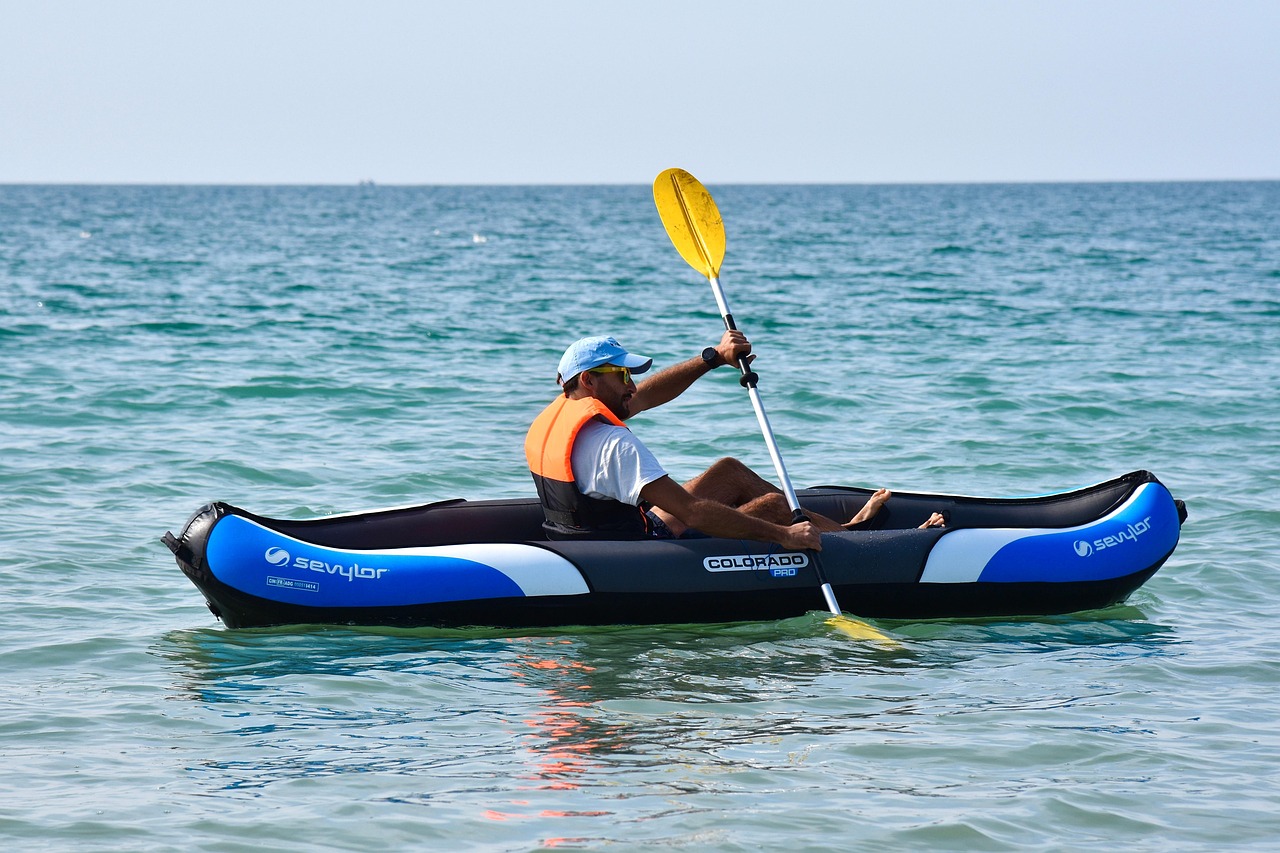
Alright, let’s get into logistics. You can’t just show up at the coast and grab a kayak. Sure, you could, but you’d miss out on the best spots and likely put yourself at risk. The secret to unlocking Izu’s wonders is teaming up with a local guide. These folks are the gatekeepers—they know the coastline inside out: hidden caves, secret beaches, and the clearest snorkeling spots. More importantly, they understand the ocean’s moods. Izu’s weather changes quickly, so having a pro who can read currents and wind is essential for a safe and epic experience. There are plenty of great tour operators, especially around Minami-Izu (South Izu) and Nishi-Izu (West Izu), which are prime areas for coastal exploration. A typical half-day or full-day tour covers everything you need. They provide all the gear: a sea kayak (usually a stable sit-on-top model perfect for beginners), a paddle, a life vest (known as a PFD, or personal flotation device), and often a wetsuit or splash jacket depending on the season. The vibe at these places is usually relaxed and welcoming. The experience starts on land with a safety briefing—don’t tune out here. Your guide will teach you basic paddle strokes—forward, reverse, turning, and the crucial “brace” for stability. They’ll outline the day’s route and explain what to do in case you take an unplanned swim (spoiler: it’s no big deal, the kayaks are easy to climb back onto). Pay attention, ask questions, and get comfortable with your gear. This isn’t a lecture; it’s your cheat sheet for an incredible time. The excitement as you haul your kayak to the water is real. You’ve seen the photos, heard the stories, and now you’re about to dive into this wild, volcanic world yourself. It’s the moment that marks your shift from land to a liquid realm of adventure.
What to Wear to Your Ocean Adventure
You don’t need a fancy wardrobe, but what you wear can make or break your comfort. Rule number one: avoid cotton. Once wet, it stays wet, gets heavy, and makes you cold. Big no-no. Opt for synthetic, quick-drying fabrics instead. On the bottom, wear board shorts, athletic leggings, or swim trunks. On top, a rash guard or synthetic workout shirt is essential—they protect from the sun and dry quickly if splashed. For footwear, choose something that can get wet and stay on your feet—old trainers, water shoes, or sandals with heel straps are ideal. Bare feet are a bad idea since the beaches can be rocky and volcanic rock is sharp. When it comes to sun protection, go all in. A wide-brimmed hat or cap you don’t mind getting wet is a must. Sunglasses are essential—the glare off the water is intense, so bring a pair with a strap if possible. And don’t forget to apply waterproof sunscreen—and reapply it. The Japanese sun is deceptive, and on the water, you get hit from above and from reflected rays below. Carrying a small waterproof or dry bag to stash your phone, keys, and a snack is a smart move. Most guides will have one to borrow, but having your own is always handy. This isn’t about fashion; it’s about staying comfortable, protected, and ready for the elements. Dress wisely, and you’ll be free to focus on the breathtaking scenery instead of battling sunburn or chills.
The Main Event: Paddling Through Izu’s Geo-Drama
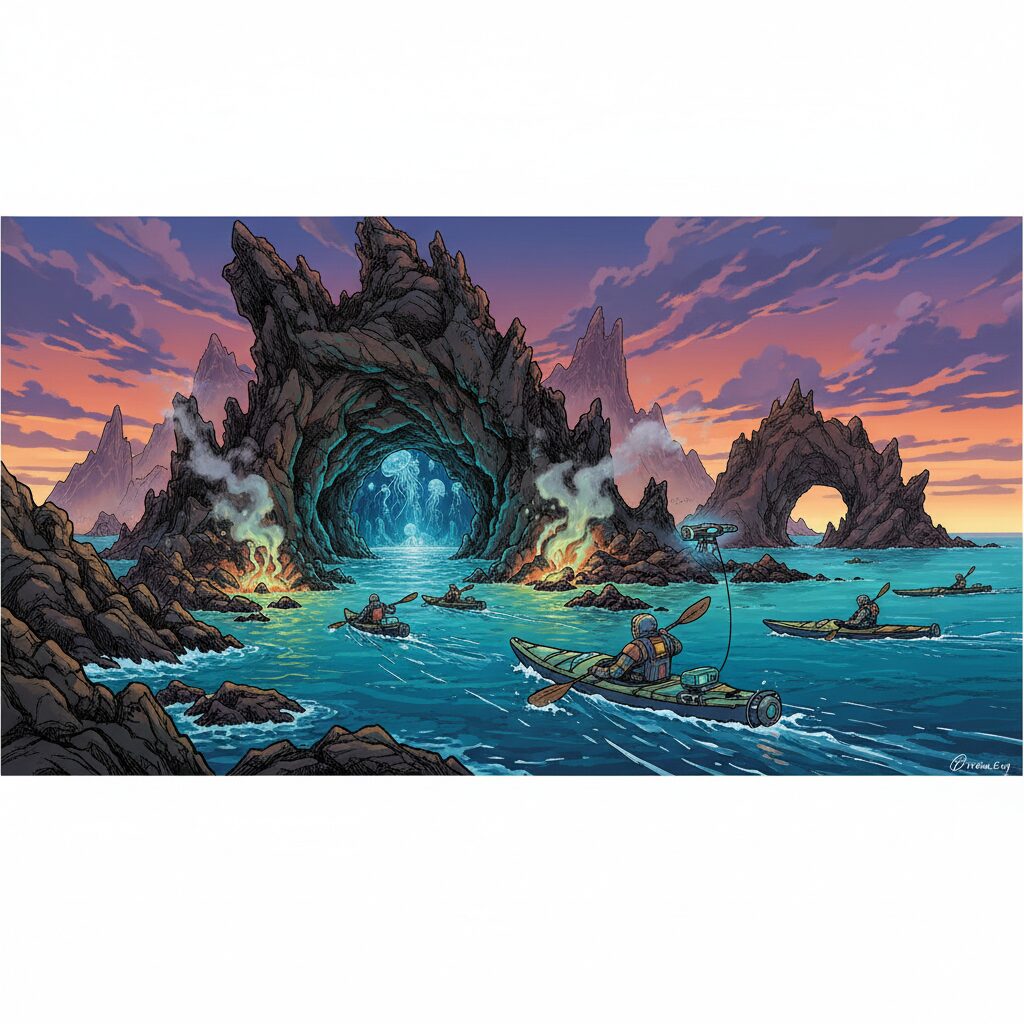
This is it—the moment you push off from the shore and the land-based world fades behind you. The sensation is instant freedom. Suddenly, you’re no longer a tourist admiring the coast; you become part of the seascape. Your perspective shifts entirely. The towering cliffs that once impressed you from the road now appear monumental, impossibly vast. You feel small—but in the best way—a tiny, capable explorer within a vast, ancient landscape. The first few minutes are about finding your rhythm: dip, pull, switch; dip, pull, switch. Your paddle becomes an extension of your arms. Though the kayak feels wobbly at first, it soon becomes stable and responsive beneath you. You and your guide will likely paddle together as a group or squad, gliding along the base of these incredible cliffs. The rock faces reveal a tapestry of geological history, displaying layers of ash from ancient eruptions, streaks of various minerals, and bizarre hexagonal basalt columns formed as lava cooled. Your guide will highlight the best features, sharing the stories behind each formation. They may show you a rock that resembles a lion or a cliff face narrating a million-year-old tale of a massive eruption. It’s like having a personal narrator for a David Attenborough documentary, only you are the star.
Into the Blue Grotto: The Magic of Sea Caves
The absolute highlight—the moment that gets all the likes on the ‘gram and stays rent-free in your mind forever—is paddling into a sea cave. Izu is renowned for these, especially around Dogashima in Nishi-Izu. The most legendary is the Tensodo Cave. From the outside, it looks like just a dark opening in the cliff. But as you paddle your kayak through the entrance, your world changes. The temperature drops. The roar of the open ocean fades, replaced by the gentle lapping of water echoing off the rock walls. It’s quiet, intimate, and a bit mysterious. Then you look up. In the center of the cave’s ceiling is a massive, perfectly round hole—a natural skylight open to the sky. A brilliant beam of sunlight shoots down through the opening, hitting the water and illuminating it from below. The water glows with an ethereal, otherworldly turquoise. It’s not just blue; it’s an electric, vibrant color that seems to shine from within. The effect is breathtaking. No photo can truly capture it. You simply float there, in your tiny kayak, suspended inside this glowing cavern, with the sunbeam acting like a divine spotlight. It’s a spiritual experience, no exaggeration. You feel as if you’ve paddled into another dimension. And Tensodo is only one of many. There are countless other smaller caves, sea tunnels, and arches to explore. Some you can paddle all the way through, emerging on the far side of a headland. Others are small grottos where you can hear the strange gurgling and booming of the sea as it breathes in and out of hidden chambers. Each cave has its own personality, acoustics, and unique brand of magic. This is what sets Izu apart. This is the heart of the adventure.
Secret Beaches and Snorkel Breaks
A full-day kayaking tour isn’t just non-stop paddling. The best guides know when to take a break—and they know just the right spots for it. Tucked between the imposing cliffs are tiny, hidden beaches completely inaccessible from land. Paddling up to one of these secluded coves feels like discovering your own private paradise. You can pull your kayaks onto the sand, stretch your legs, and soak in the solitude. This is often when lunch takes place. Imagine eating your bento box on a beach all to yourself, with only the sound of the waves and the sight of your kayak fleet bobbing gently in turquoise water. It’s pure bliss. These breaks also offer the perfect chance for snorkeling. The water around Izu is surprisingly clear, especially on calm days. Your guide will likely have masks and snorkels ready. Jumping out of your kayak into the cool, refreshing water after paddling in the sun is an incredible feeling. The underwater world becomes a whole new realm of exploration. You won’t find massive coral reefs like in Okinawa, but you will see a vibrant ecosystem of fish darting among the rocky seabed, intriguing seaweed forests, and maybe even a friendly crab or two. Floating weightlessly and looking down into the clear depths gives you a fresh perspective on the volcanic coastline. You’ll see how the rock formations continue beneath the surface, creating a complex and beautiful habitat. It’s the perfect way to cool off and connect with the marine environment you’ve been paddling through. It adds an extra layer of adventure to an already action-packed day, making the experience feel even more complete and immersive.
Fueling the Adventure: Izu’s Post-Paddle Perks
Your day on the water has come to an end. Your arms are pleasantly tired from all the paddling. Your skin feels salty, your hair is tousled, and you have a permanent grin on your face. But the adventure isn’t over just yet. In fact, this is the moment to tap into one of Izu’s other amazing qualities: its ability to help you recover and recharge in the most incredible way. The post-kayak ritual is just as vital as the paddle itself, beginning with two cherished Japanese traditions: onsen and exceptional food.
Soaking It All In: The Onsen Experience
Izu is a geothermal hotspot, meaning it’s filled with onsen, or natural hot springs. After hours of paddling, there’s truly nothing better than immersing your tired body in a volcanically heated, mineral-rich bath. It’s the ultimate way to recover. The hot water eases your muscles, melting away any tension or soreness. It’s a total game-changer. Izu offers all kinds of onsen—luxurious ones at traditional inns called ryokans, featuring beautifully landscaped outdoor baths (rotenburo) with ocean views, as well as more rustic, local bathhouses providing a simpler, authentic experience. Some even have unique features, like the Sand-Yaki Onsen where you’re buried in naturally heated black sand. Onsen etiquette is straightforward: wash thoroughly at the washing stations before entering the communal bath. Tattoos can sometimes be an issue at public onsen in Japan, but Izu tends to be more relaxed, and many locations are becoming more tattoo-friendly, especially those catering to tourists. If you have tattoos, it’s wise to check policies in advance or look for private onsen options, which many ryokans offer. Sitting in a steaming rotenburo while feeling the cool sea breeze and gazing at the coastline you just paddled along is pure, blissful relaxation. It’s the perfect way to close the physical chapter of your day and ease into deep calm. Don’t skip the onsen—it’s an essential part of the Izu experience.
The Seafood Situation: It’s a Must
You’ve burned plenty of calories, so now it’s time to indulge. Izu’s other major highlight is its incredibly fresh seafood. Surrounded by the rich waters of the Pacific, the peninsula’s fishing ports bring in a stunning variety every single day. The must-try dish is Kinmedai, or splendid alfonsino, a deep-sea fish with striking red skin and a delicate, buttery taste. It’s served in various ways, with the classics being Nimono (simmered in a sweet soy sauce broth) or high-quality sashimi. So fresh it practically melts in your mouth. Beyond Kinmedai, the choices are endless: generous bowls of kaisendon (sashimi over rice), grilled squid (ika-yaki) fresh from the charcoal, and some of the best sushi you’ll ever savor. Fishing towns like Shimoda and Numazu boast busy morning markets where you can see the fresh catch and eat at small restaurants attached to the fish market itself. It doesn’t get fresher than that. Pairing a hearty seafood feast with a cold Japanese beer or a flask of local sake while recounting your day’s paddle is the perfect finale to a perfect day. It’s not just about refueling—it’s about savoring the very spirit of the place you’ve explored. Here, food is more than nourishment; it’s a vital part of the culture and the adventure.
The Practical Playbook: Getting to Izu and When to Go
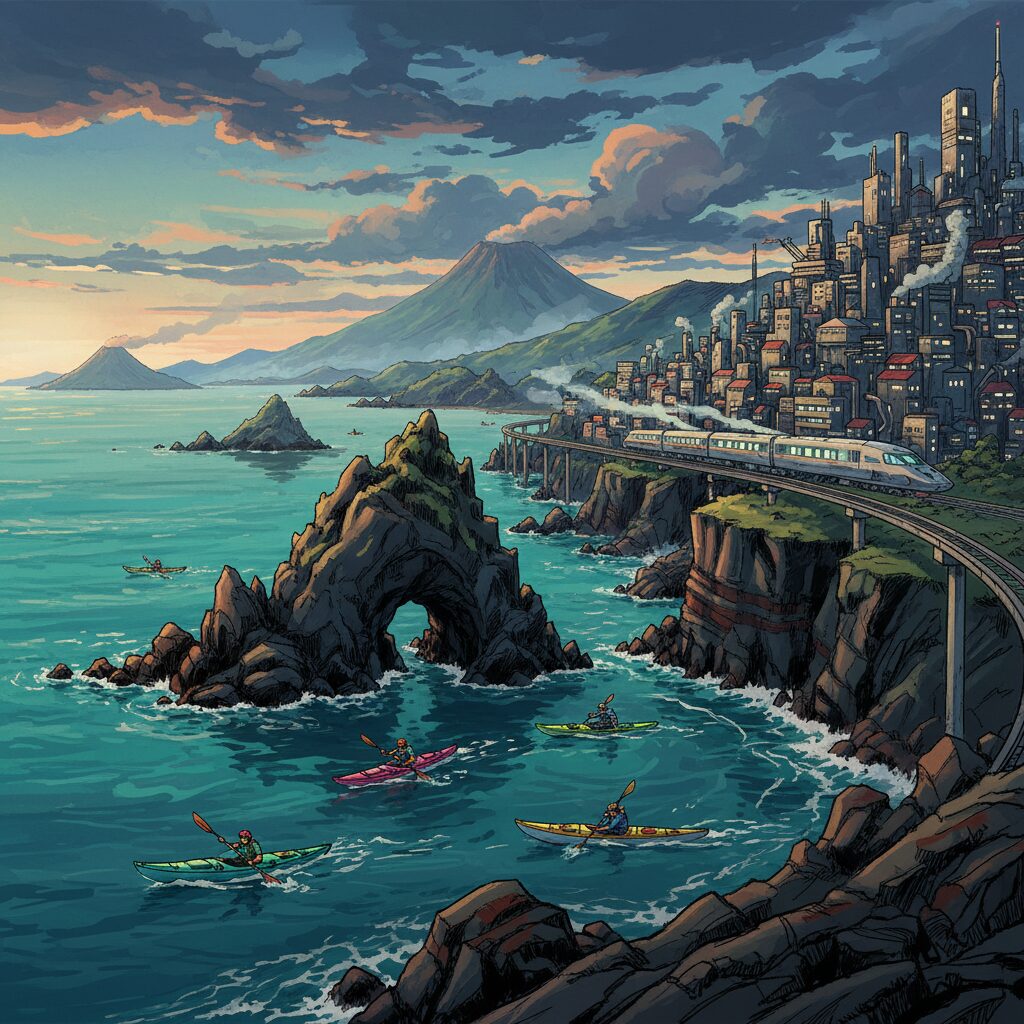
Alright, so you’re sold. You’re ready to book your trip and hit the water with your paddle. Let’s break down the essential details to make it happen. Izu might seem like a wild, remote paradise, but it’s surprisingly easy to access, especially from Tokyo.
Your Ride Awaits: Getting to the Peninsula
Traveling to Izu from Tokyo is simple, with options depending on your budget and which part of the peninsula you’re targeting. The most luxurious and scenic choice is the direct Odoriko or Saphir Odoriko express train. These run straight from Tokyo Station or Shinjuku along the east coast of Izu, all the way to Shimoda. The Saphir Odoriko offers a next-level experience, featuring huge windows to maximize coastal views. It’s an attraction in itself. A more flexible and often quicker option is to take the Tokaido Shinkansen (bullet train) to Atami or Mishima Station, the main access points to the peninsula. From there, you can catch local trains like the Izu Kyuko Line for the east coast or the Izuhakone Railway for central areas. For exploring the west coast, where top kayaking spots like Dogashima are found, renting a car is definitely the best choice. While local buses are available, they’re infrequent, and having your own vehicle gives you the freedom to explore at your own pace, chase sunsets, and stop at every scenic viewpoint that catches your eye. The coastal roads are winding and beautiful, making the drive part of the adventure. Driving in Japan is relaxed—they drive on the left, like in the UK, and the roads are well-maintained. Just make sure you arrange an International Driving Permit before you depart.
Timing Matters: Best Seasons for Izu
Kayaking in Izu is possible year-round, but some seasons are better than others. Spring (late March to May) is a top pick. The weather is ideal—warm and sunny but not overly hot—and the peninsula bursts with color from blooming flowers. The water can still be a bit chilly, but with a wetsuit, it’s perfectly manageable. Autumn (October to November) is another fantastic season. Summer humidity fades, the skies are often crystal clear, offering prime views of Mt. Fuji from the west coast, and the mountain foliage is breathtaking. Summer (June to August) is peak season. The water is warm, great for swimming and snorkeling, and the atmosphere is lively. Downsides include bigger crowds, higher prices, Japan’s rainy season in June and July, and the risk of typhoons in late summer. It also gets quite hot and humid, so plan accordingly. Winter (December to February) is the off-season. It’s colder, and you’ll need a proper wetsuit or drysuit for kayaking. However, the major perks are fewer tourists, incredibly clear air, and lower accommodation costs. If you don’t mind the cold, a winter paddle on a calm sunny day can be truly magical. Ultimately, there’s no bad time to visit, but for the best mix of great weather and manageable crowds, spring and autumn reign supreme.