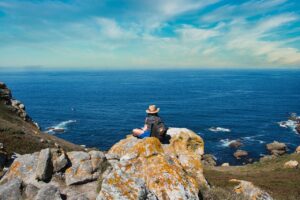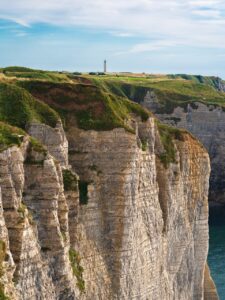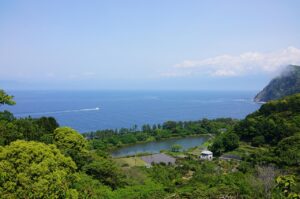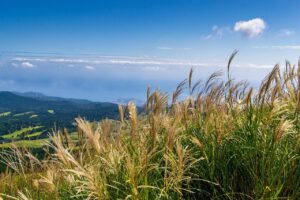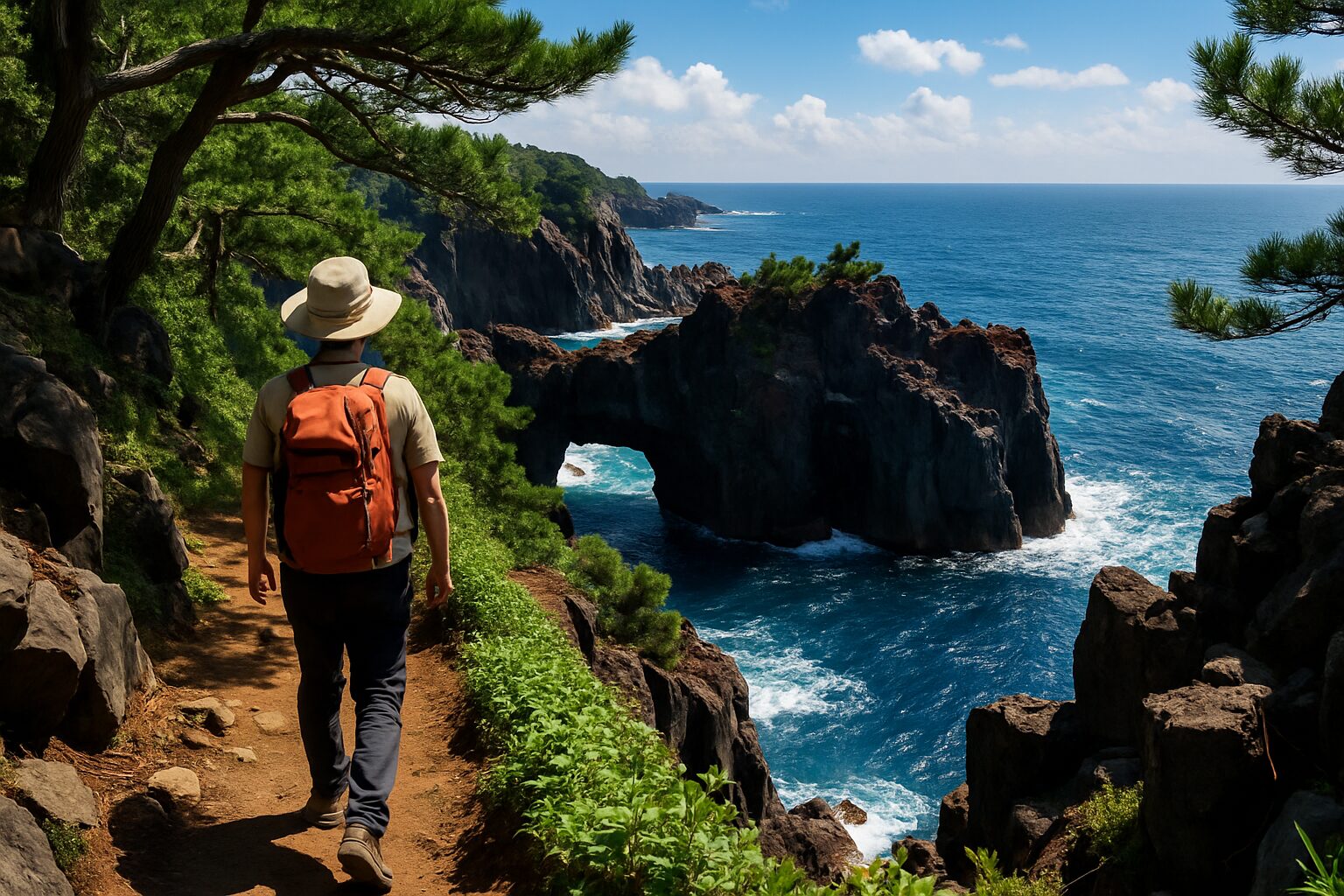
Yo, what’s up, fellow adventurers! Taro here. Let me drop some real talk on you. If you’re anywhere near Tokyo and you’ve got that itch for some wild, untamed nature, you absolutely have to slide through to the Izu Peninsula. This place is a whole mood, but there’s one spot in particular that’s on another level: the Jogasaki Coast. Forget everything you think you know about coastal walks. This ain’t your grandma’s seaside stroll. We’re talking dramatic, jet-black volcanic cliffs getting absolutely smashed by the turquoise waves of the Pacific Ocean. It’s a full-on sensory explosion, a 9-kilometer-long hiking trail that serves up some of the most jaw-dropping scenery in all of Japan. This coastline is the literal aftermath of a massive volcanic eruption thousands of years ago, and hiking it feels like walking through a geological masterpiece. At the heart of it all is the legendary Kadowaki Suspension Bridge, a thrilling connector between two massive cliffs that will test your nerve and bless your camera roll. So, lace up your best boots, charge your gear, and get ready for a deep dive. I’m about to give you the full lowdown on why the Jogasaki Coast is, no cap, a must-do epic for anyone craving a real adventure.
If you’re looking for another epic way to explore the geological wonders of the area, consider an Izu Peninsula e-bike adventure.
What’s the Big Deal? The Unforgettable Vibe of Jogasaki
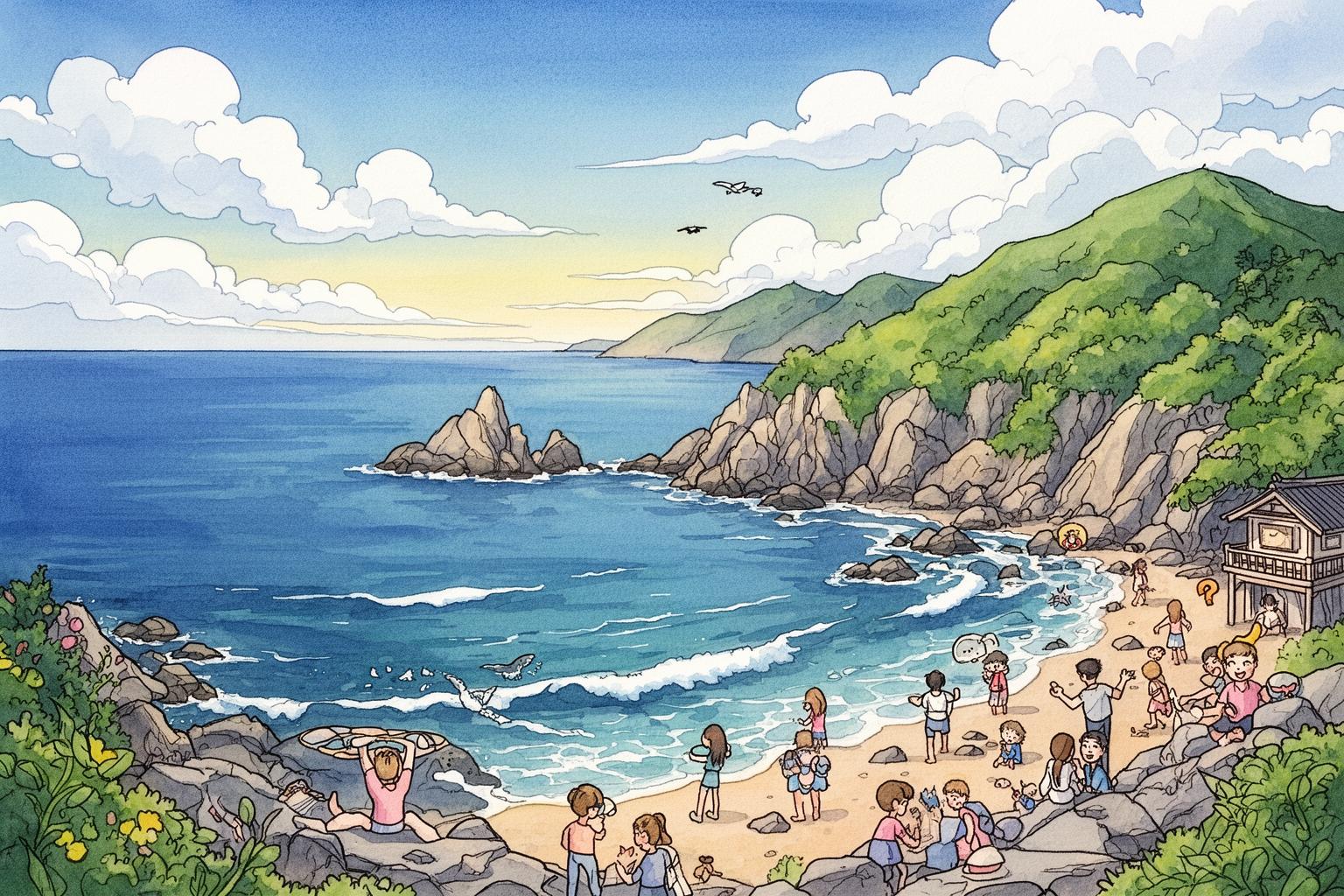
So, what makes this place truly unique? It’s the vibe. It’s something that resonates deep within you the moment you set foot on the trail. It’s raw, primal energy. This coastline wasn’t carefully shaped over countless millennia; it erupted in fire and fury. You’re walking on the solidified remnants of a colossal lava flow from Mount Omuro’s eruption around 4,000 years ago. That history is palpable. You can see it in the strange and stunning forms of the rocks, the sharp, angular cliffs, and the deep, dark crevices plunging into the turbulent sea below. The coastline is a chaotic masterpiece, a rugged, jagged line marking the boundary between land and ocean.
The sensory experience here is extraordinary. Let’s start with the colors. You have the deepest, most intense blues of the Pacific Ocean, sparkling with an almost unbelievable brilliance on sunny days. This blue crashes against the stark, matte black volcanic rock, creating a dramatically striking contrast. Then, clinging to every available inch of this rock, is the most vibrant, life-affirming green imaginable. Gnarled pine trees, their roots twisted around the lava rock like ancient claws, stand resilient against the salty wind. Dense shrubs and hardy coastal plants add layers of texture and color. It’s a triadic palette—blue, black, green—that feels elemental and vibrantly alive.
Then there are the sounds. The dominant noise is the constant, rhythmic roar of the waves. It’s not a gentle lap; it’s a powerful, percussive crash as water strikes rock. In some coves, the water funnels into sea caves, producing a deep, booming echo that seems to emanate from the earth’s very core. Above this bassline, you’ll hear the high-pitched calls of black kites—called ‘tonbi’ in Japanese—as they glide on thermal updrafts created by the cliffs. They circle effortlessly, masters of this domain. As you walk through the forested parts of the trail, the ocean’s roar softens, replaced by the rustling of leaves and, in summer, the deafening, electric hum of cicadas. It’s a soundscape that is ever-changing, always dynamic, and utterly immersive.
The air itself feels distinct here. It’s thick with the clean, briny scent of salt and a faint hint of iodine from the seaweed. Mixed with the earthy, resinous aroma of pine trees, it creates a fragrance that is pure coastal wilderness. You can feel the sea spray on your face when the wind is right, a cool, refreshing mist reminding you of the ocean’s immense power just a few feet away. This fusion of sights, sounds, and smells crafts a powerful atmosphere. It makes you feel small, but in the best way. It’s humbling to stand on a 4,000-year-old lava flow and watch the timeless dance of the ocean. It’s a place that commands respect, a place that feels ancient and wild. That, my friends, is the Jogasaki vibe. It’s not just a beautiful view; it’s an experience that connects you to the raw, untamed forces of nature.
The Main Event: Crossing the Kadowaki Suspension Bridge
Alright, let’s dive into the highlight, the emblem of the Jogasaki Coast: the Kadowaki Suspension Bridge (Kadowaki Tsuribashi). This is the famous spot you’ve seen in countless photos, and believe me, it truly lives up to the reputation. It’s the centerpiece of the Jogasaki experience, seamlessly blending stunning natural scenery with a thrilling man-made structure. The bridge crosses a dramatic sea inlet, linking two towering, rugged headlands. It stretches 48 meters long and hangs 23 meters above the water. While that distance may not seem enormous, standing in the middle, with nothing but open air beneath you and the swirling, turquoise sea below, it feels like soaring.
Approaching the bridge adds to its magic. Whether you come from the north or south on the hiking trail, you don’t see the bridge until you’re almost right on top of it. You wander through a dense pine forest, the path winding and undulating, and then, suddenly, the trees clear, revealing the bridge. Its clean, sleek lines contrast beautifully with the wild, jagged cliffs behind it. The first glimpse often draws a gasp from newcomers. The bridge appears both incredibly delicate and surprisingly robust at the same time.
Stepping onto the bridge is an experience in itself. The wooden planks feel solid beneath your feet, but you can detect a subtle, gentle sway, especially if the wind is up or other people are crossing alongside you. This slight movement adds a little rush of adrenaline, a tiny thrill reminding you that you’re suspended in mid-air. The sides are constructed from thick wire mesh reaching roughly chest height, ensuring safety while remaining transparent enough to offer an unobstructed—and somewhat dizzying—view straight down. And that view is truly remarkable. You can see waves surging into the narrow cove below, crashing against the rocks and spraying white foam. The water often displays a stunning blue-green hue, so clear you can make out the shapes of submerged rocks beneath the surface. Watching the ocean’s raw power from this vantage point is utterly captivating.
Naturally, this is a top photo spot. Everyone pauses in the middle to snap that perfect picture. Capturing the vastness—the cliff heights, the endless ocean stretching to the horizon, and the thrilling drop below—is a challenge, but everyone gives it a shot, and the results are always impressive. From the bridge, you also enjoy an excellent view of the Kadowakizaki Lighthouse standing guard on the southern cliff, a stark white sentinel against the sky. The combination of natural cliffs, wild ocean, the man-made bridge, and the iconic lighthouse creates a stunning, postcard-perfect scene. Crossing the Kadowaki Suspension Bridge isn’t just about getting from one side of the cove to the other; it’s a key part of the Jogasaki journey, a moment filled with excitement, beauty, and perhaps a hint of vertigo you’ll remember.
Incredible Views from the Kadowakizaki Lighthouse
Right after conquering the suspension bridge and with your adrenaline still high, your next stop is just steps away: the Kadowakizaki Lighthouse. Don’t skip this. While the bridge provides a thrilling perspective within the landscape, the lighthouse offers a breathtaking, panoramic view from high above. This classic, white lighthouse is more than a navigational aid for ships; it’s a gift for hikers and visitors since the observation deck at the top is completely free to access.
The walk from the bridge to the lighthouse base is short but scenic. The structure itself is simple and graceful, rising 24.9 meters from its perch on the cliff. Inside, the sound of crashing waves fades away, replaced by stillness and quiet. The climb is via a narrow, winding spiral staircase—brief but a bit of a leg workout. Along the way, small windows provide tantalizing glimpses of the coastline, building anticipation for the grand reveal at the top.
Emerging onto the open-air observation deck, you face two sensations at once: the surprisingly strong wind and an absolutely stunning 360-degree view. This is the ultimate reward. Before you lies the dramatic sweep of the Jogasaki Coast, laid out like a living map. Looking south, you follow the rugged line of black cliffs stretching down the peninsula. To the north, you see the trail you likely just hiked, winding through the dense green forest hugging the shoreline. You even spot the Kadowaki Suspension Bridge from above, looking like a tiny, delicate thread spanning the chasm. The people on it appear like little ants, highlighting the enormity of the cliffs.
But the view extends beyond the coastline. Turning inland, you see the perfectly conical, grass-covered shape of Mount Omuro, the volcano that formed this entire landscape. It sits serenely, resembling a giant inverted bowl of matcha ice cream, belying its fiery origins. And looking east, across the vast Pacific Ocean, the view is phenomenal on a clear day. You can spot the Izu Islands scattered along the horizon, with Izu Oshima—the largest and most prominent—often showing a faint plume of steam from its volcanic peak. Observing another volcano from a coast shaped by volcanic activity is a striking and memorable experience. The sheer abundance of visual detail is overwhelming in the best way. You can spend ages up here, watching boats drift, sea hawks soar, and soaking in the immense beauty. The lighthouse climb is a small effort with a huge payoff. It elevates your Jogasaki adventure—both literally and figuratively—and deepens your appreciation for this spectacular corner of Japan.
The Ultimate Guide to Hiking the Jogasaki Picnical Course

Now, for the main event—the reason we’re all here: the hike itself. Officially known as the Jogasaki Picnical Course, it extends about 9 kilometers along the coastline. This is more than just a trail; it’s a journey through an ever-changing landscape. It combines paved paths, rustic dirt trails, and rugged, rocky sections demanding careful footing. It’s challenging enough to feel like a true hike, yet manageable for anyone with a reasonable fitness level and sturdy shoes. Completing the entire route takes around three to four hours, depending on your pace and how often you pause to take in the breathtaking views.
Let’s break down the full experience, starting at the northern end near Izu-Kogen Station. I recommend beginning here as it builds up to the dramatic climax at Kadowaki. From the station, you’ll first stroll through a quiet, pleasant residential area, a gentle downhill walk to warm up your legs. Soon, the houses fade away, replaced by forest, and you’ll start to catch the faint sounds of the ocean. The trailhead, clearly marked by signage, signals the true start of the adventure.
The northern section of the trail, heading toward Renchakuji Temple, is wonderfully tranquil. This stretch is mostly a well-maintained dirt path winding through a dense coastal forest. The leafy canopy offers welcome shade, while sunlight filters through and dapples the forest floor. Frequent glimpses of the vivid blue sea peek through gaps in the trees, building anticipation. It’s a peaceful introduction to the coastline’s character. Eventually, you’ll reach Renchakuji Temple, a small, modest temple nestled in the woods. Known for its association with the famous Buddhist monk Nichiren, it provides a quiet, reflective spot to pause before the trail becomes more demanding.
Continuing south from the temple, the path reveals its wilder side as you approach the Hashidate Suspension Bridge. The trail grows more rugged here, with exposed roots and uneven volcanic rocks to navigate. This is when the hike truly feels like an adventure. The payoff is the Hashidate Suspension Bridge—the older, more rustic sibling of the Kadowaki Bridge. It’s longer (60 meters) and hangs lower over a different yet equally stunning cove. Best of all, it’s far less crowded, often allowing you to enjoy it in peaceful solitude. Crossing this bridge feels like uncovering a secret, with breathtaking views and a unique sense of isolation. It’s a genuine hidden treasure on the trail.
The section between Hashidate and Kadowaki bridges, for me, represents the heart of the Jogasaki Coast. Here, the geology is at its most spectacular, and the scenery is rugged and raw. The trail closely follows the cliff edge, offering constant, awe-inspiring vistas. You’ll walk directly above remarkable rock formations, including hexagonal basalt columns—geometric patterns formed by cooling lava that resemble a giant’s causeway. Numerous spots allow for careful scrambling down to the rocky platforms near the water’s edge, where tide pools teem with small fish, crabs, and other sea life. The ocean’s power is intensely palpable here, with waves crashing just feet away. Towering black cliffs rise above, dwarfing you in the vastness of the landscape. Take your time in this section; every turn reveals a new and stunning panorama.
As you progress, you’ll notice more hikers—a sign that you’re nearing the main attraction. Rounding a corner, you’ll arrive at the Kadowaki Suspension Bridge, with a lighthouse standing proudly behind it. After the solitude of earlier sections, the lively atmosphere here is a refreshing change. Cross the bridge, climb the lighthouse, and savor the views. When you’ve taken in the main sights, the trail continues south. The segment from Kadowaki to the fishing port of Futo is beautiful, typically wider and less rugged than the middle portion. Along the way, you’ll pass Bora-misaki, a popular spot for local fishermen perched patiently on the rocks. The trail gently descends as the wild coastline gradually transitions into the charming, sleepy ambiance of Futo Port. Ending your hike in this quiet village brings a tremendous sense of achievement. Glancing back at the rugged coastline you’ve just traversed, you’ll carry memories of fire, water, and earth that will stay with you for a long time.
The Geo-Story: A Volcano’s Fiery Legacy
To truly appreciate the Jogasaki Coast, you need to know its incredibly intense origin story. This isn’t just a random stretch of beautiful shoreline. It’s a direct and physical testament to the sheer power of a volcano. The entire landscape beneath your feet was formed in a geological blink of an eye, and understanding this tale makes every rock and cliff face far more fascinating.
The story begins around 4,000 years ago with Mount Omuro. Today, it appears as a peaceful, grass-covered hill, but back then, it was a fresh volcano, eager to erupt. It expelled a spectacular amount of basaltic lava—not the slow, thick kind, but hot, fluid lava that flowed like a river of fire. This molten flow, exceeding 1,000 degrees Celsius, rushed down the mountain’s eastern slope, incinerating everything in its path as it advanced toward the sea.
When this searing lava river met the cold Pacific Ocean, chaos ensued. The thermal shock was enormous. The outer lava cooled and hardened almost immediately, while the inside stayed molten. As the entire mass cooled and contracted, it fractured in a distinct, geometric pattern, creating the impressive hexagonal pillars called columnar joints. These perfectly shaped pillar-like formations are visible in many spots along the coast, almost as if nature was trying its hand at modern art. This process is the same that formed the Giant’s Causeway in Northern Ireland, but it happened right here in Japan.
However, the story doesn’t stop there. Though the eruption created the landmass, the ocean quickly began reshaping it. For the past 4,000 years, the relentless waves of the Pacific have battered this young coastline. The ocean is a master sculptor, its tools being water, wind, and time. It exploited weaknesses in the lava rock—the cracks, fissures, and less dense areas—and gradually carved them away. This ongoing erosion formed the dramatic jagged cliffs, deep sea caves that resonate with the tides, and secluded coves where the water swirls with incredible force. The entire Jogasaki Coast is a living battleground between the land born of fire and the sea striving to reclaim it. When you stand on those cliffs, you witness a 4,000-year-old struggle that continues today. Every crashing wave delivers another strike from the ocean, while every tough, twisted pine tree clinging to the rock symbolizes the land’s resilience. So, as you hike the trail, remember that you’re not merely on a path—you’re walking through the chapters of an epic geological story written in fire and stone.
Your Game Plan: Access, Timing, and Pro-Tips
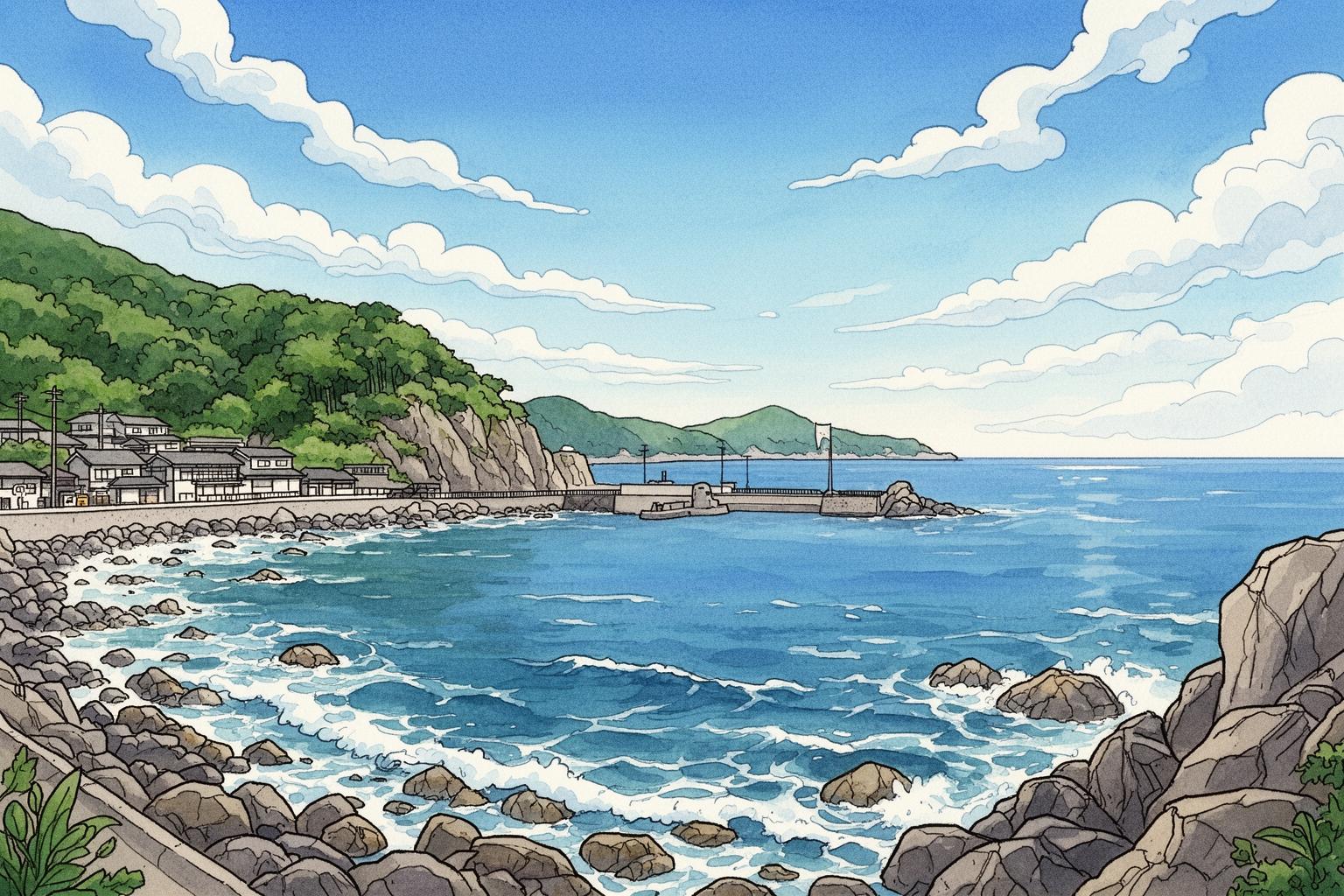
Alright, you’re convinced and ready to hit the trail. Let’s go over the logistics, because a smooth trip means a happy trip. Getting to Jogasaki Coast is surprisingly straightforward, especially from Tokyo.
Your main base for this adventure will be the Izu Peninsula. The easiest way to get there from Tokyo is by train, with a couple of solid options. The fastest route is taking the Tokaido Shinkansen (bullet train) to Atami Station. From Atami, you’ll switch to the local JR Ito Line heading south. Important note for Japan Rail Pass holders: your pass is valid only up to Ito Station. Beyond Ito, the line becomes the private Izu Kyuko Line, which requires a separate ticket to get to stations like Izu-Kogen or Jogasaki-Kaigan. An alternative, slightly slower but more direct option from Tokyo or Yokohama is the limited express Odoriko or Saphir Odoriko train, which often goes all the way to the Izu Peninsula without needing a transfer at Atami. This route can offer a more relaxed journey.
The two key train stations for the hike are Izu-Kogen Station and Jogasaki-Kaigan Station. Izu-Kogen is a larger station with more services and makes a perfect starting point for the full 9km hike from north to south. Jogasaki-Kaigan Station is smaller and is very close to the Kadowaki Suspension Bridge, ideal for those wanting to see the main sights and take a shorter walk. From Izu-Kogen Station, you can catch a local Tokai bus that will drop you even closer to various spots along the coast, including the bridge, if you’d prefer less walking. Taxis are also readily available at the station. If driving, there are several paid parking lots near the Kadowaki Suspension Bridge, but be aware they tend to fill up quickly on sunny weekends and holidays.
Now, some pro tips from your friendly hiking expert. First and foremost: footwear is essential. Wear proper walking shoes, sneakers with good grip, or hiking boots. The trail is uneven and rocky in many places. I’ve seen people attempt it in flip-flops and even heels, which is a sure way to twist an ankle or worse. Seriously, respect the trail and wear the right shoes.
Next, bring water and snacks. While there are vending machines and a couple of small shops near the Kadowaki Bridge area, the rest of the 9km trail is pure nature, with no convenience stores hidden in the woods. Especially in summer, when it’s hot and humid, staying hydrated is crucial. A hat and sunscreen are also essential, since many parts of the trail are exposed to the sun.
The best time of year to visit depends on your preference. Spring (March-May) and autumn (October-November) offer the most comfortable weather with pleasant temperatures and clear skies. Spring brings cherry blossoms to the Izu Kogen area, while autumn offers subtle fall colors. Summer (June-August) is hot and humid, with loud cicadas, but the forest greens are at their most lush and vibrant. Winter (December-February) can be chilly but often crisp, clear, and sunny, with the fewest crowds and some of the best visibility for spotting the Izu Islands and even Mount Fuji on a lucky day.
Finally, let’s talk food. You’re on a peninsula, so seafood is a must. Near Izu-Kogen Station or in the nearby fishing ports, you’ll find fantastic restaurants serving incredibly fresh kaisendon (sushi bowls) and grilled fish. The local specialty is kinmedai (splendid alfonsino), a delicious deep-sea fish. And for a quirky Izu treat, you have to try the wasabi-flavored soft-serve ice cream. Izu is famous for its wasabi farms, and while it might sound odd, the sweet and spicy combo is surprisingly delicious and refreshing after a long hike. Trust me on this one.
Power-Up Your Izu Adventure
While the Jogasaki Coast is a destination worth visiting on its own, one of the best things about the Izu Peninsula is how much incredible attractions are packed into a relatively small area. If you’ve made the trip here, be sure to plan some extra time to explore further. You can easily turn a day hike into an unforgettable weekend getaway.
The first stop on your list should be Mount Omuro. You simply can’t visit Jogasaki without acknowledging the volcano that formed it. Visible from the entire coastline, it appears as a perfectly shaped green mound. Instead of hiking up, a scenic chairlift takes you to the summit, offering a ride reminiscent of a ski lift on a grassy slope. Once at the top, you’ll find the mountain is a dormant volcano with a large, perfectly circular crater at its center. You can walk around the entire 1-kilometer circumference of the crater rim. The 360-degree views from here are absolutely breathtaking—you can see all of Sagami Bay, the Izu Islands, the Amagi mountain range, and on exceptionally clear days, the majestic Mount Fuji to the north. This viewpoint gives an incredible geographical perspective of the Jogasaki hike you just completed, allowing you to trace the lava flow from its source to the sea.
Close to the base of Mount Omuro is another hugely popular and uniquely Japanese attraction: the Izu Shaboten Zoo. This spot is part botanical garden, part zoo. It’s renowned for its extensive collection of cacti and succulents from across the globe, but the real stars are the capybaras. During winter, the zoo sets up a special ‘onsen’ (hot spring bath) for the capybaras, and visitors can watch these irresistibly calm animals soaking and relaxing in the warm water. It’s one of the most heartwarming and surreal sights you’ll ever experience. It’s a favorite for families and anyone who adores cute animals.
Naturally, no trip to Izu is complete without indulging in a real onsen experience. After a 9km hike, nothing beats soaking your tired muscles in a natural hot spring. The Izu Peninsula is one of Japan’s most celebrated onsen regions, offering numerous choices from traditional local bathhouses to luxurious hotel spas. For an extraordinary experience, seek out an onsen with a ‘rotenburo’ (outdoor bath) that overlooks the ocean. Soaking in hot spring waters while gazing out over the Pacific is a quintessential Japan moment. A famous example is DHC’s Akazawa Onsen, which boasts stunning infinity-edge outdoor pools that appear to merge seamlessly with the ocean—an ideal way to reward yourself after conquering the coast.
Final Thoughts: Just Go Already!
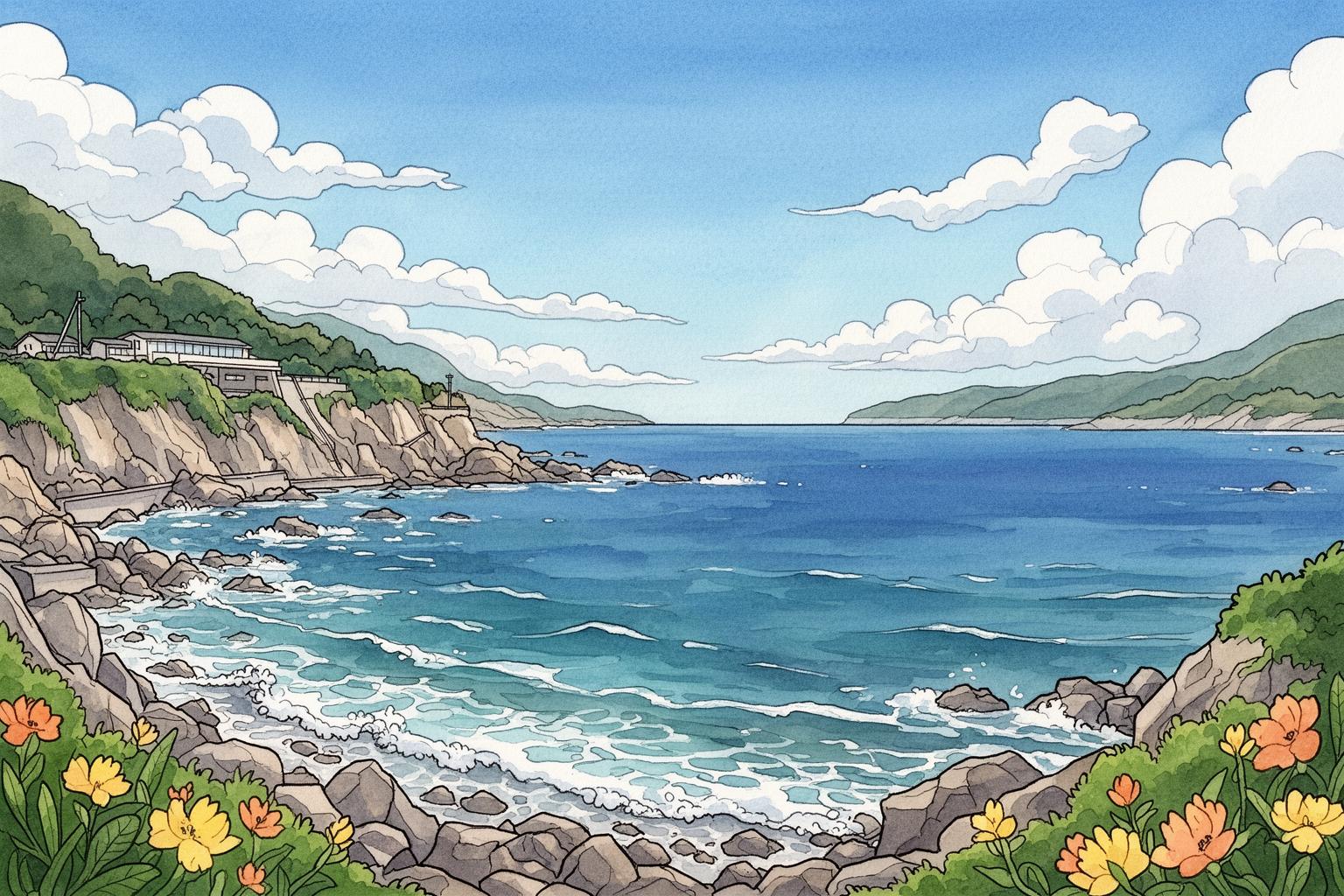
So there you have it. The Jogasaki Coast is more than just a spot on the map or another trail to tick off your list. It’s an experience that resonates on every level. It’s a history lesson showcasing the raw power of geology, a workout rewarded with some of the most stunning views imaginable, and a chance to connect with the wild, untamed spirit of Japan that often lies just beyond its bustling cities. It’s a place that reminds you nature is the ultimate artist, shaping breathtaking beauty with fire and water.
From the heart-pounding excitement of crossing the Kadowaki Suspension Bridge to the quiet satisfaction of reaching the trail’s end in Futo, every step of the journey is filled with unforgettable moments. It’s the sound of the waves, the scent of salt and pine, the sight of the endless blue horizon. It’s a place that challenges you, inspires you, and leaves you with a profound sense of wonder.
If you’re seeking an adventure that’s easily reachable from Tokyo yet feels like a world away, this is it. No exaggeration. It’s the perfect getaway for a day trip or a weekend escape. So pack your bag, lace up your best shoes, and head to the Izu Peninsula. Go feel the sea spray on your face, listen to the ocean’s roar, and walk on land forged by volcanic fire. You won’t regret it.
Peace out and happy trails. See you out there.