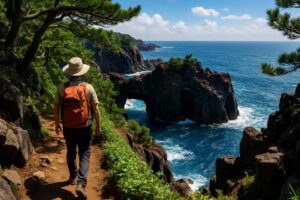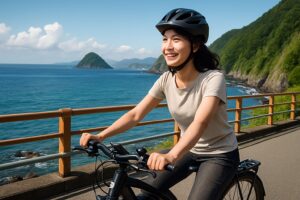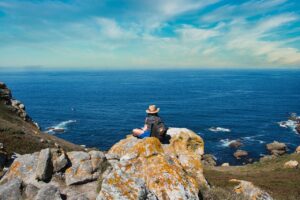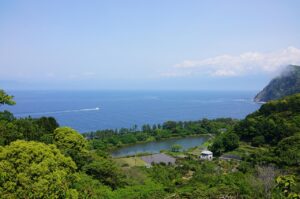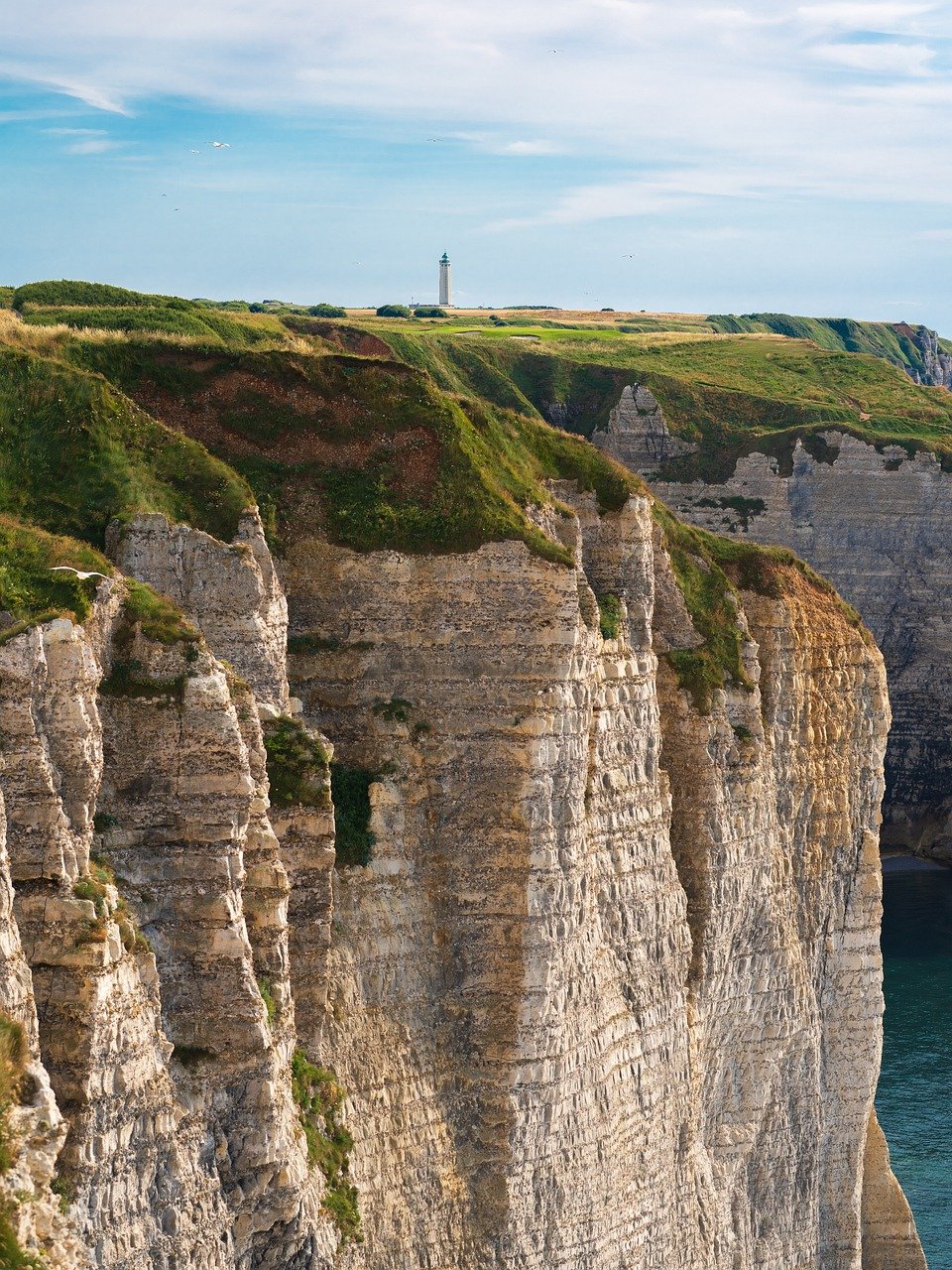
Yo, what’s up, world travelers? Mia Kim checking in. Let me spill the tea on a spot in Japan that absolutely sent me. Forget what you think you know about serene temples and neon-drenched cityscapes for a sec. We’re going off the grid, or at least, off the beaten Shinkansen track, to a place where nature got real dramatic and decided to put on a show. I’m talking about the Jogasaki Coast on the Izu Peninsula. Picture this: jagged, jet-black cliffs forged from ancient lava, crashing waves in fifty shades of turquoise, and a hiking trail that snakes along the edge of the world. This ain’t your grandma’s leisurely stroll in the park. This is an epic adventure that feels like you’ve stepped straight into a fantasy RPG. It’s raw, it’s wild, and honestly, it’s one of the most lit coastlines I’ve ever laid my eyes on. It’s the kind of place that reminds you how unbelievably powerful and creative our planet is. So, if you’re ready to trade the city hustle for the roar of the Pacific and walk on land literally born of fire, you’re in the right place. Get ready, ’cause the Jogasaki Coast is a whole mood.
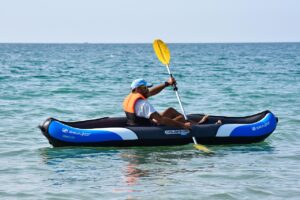
If you’re looking for another epic way to experience this volcanic landscape, consider sea kayaking along the Izu coast for a completely different perspective.
The Vibe Check: What’s the Jogasaki Coast All About?
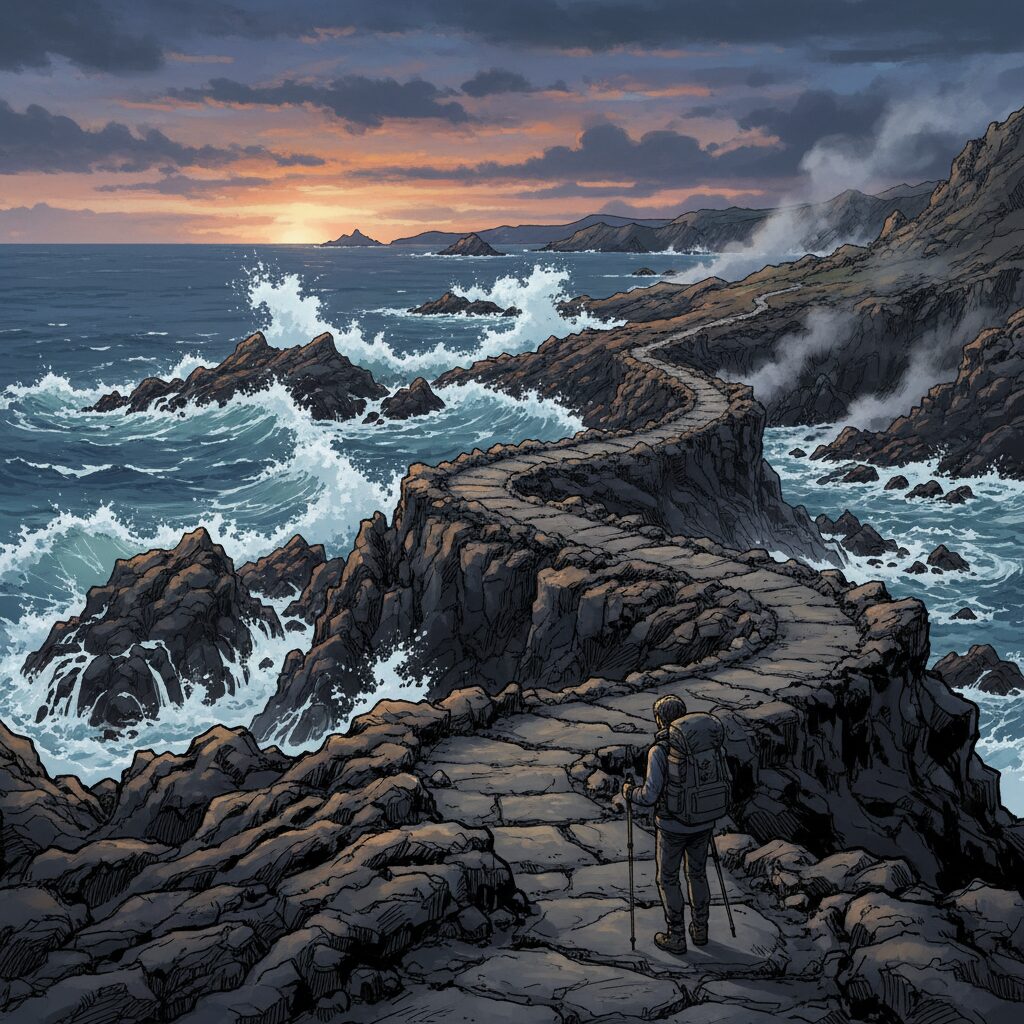
Before you even tie your sneakers, you need to feel the energy of this place. The vibe is pure, untamed wilderness. It’s not neat or manicured; it’s rugged and authentic. The air tastes different here—thick with salt spray from the Pacific Ocean, which crashes against the cliffs in a steady, hypnotic rhythm. That sound seeps into your bones, a deep, percussive beat that becomes the soundtrack of your entire hike. You’ll also notice the scent of pine from the dense forests hugging the coastline, a fresh, earthy aroma that cuts through the saltiness. It’s sensory overload in the best sense.
Now, here’s the lowdown on how this incredible landscape was formed. Quick geology lesson, but cool. About 4,000 years ago, the nearby volcano, the majestic Mount Omuro, erupted spectacularly. Rivers of molten lava flowed all the way down to the sea. When the scorching lava met the cold ocean water, it cooled instantly and shattered, creating this complex, jagged coastline of basalt rock. So when you’re hiking here, you’re literally walking on the cooled remains of a volcanic eruption. How wild is that? The cliffs aren’t smooth; they’re a chaotic mix of sharp edges, deep cracks, and twisted shapes. You can see the story of a violent geological event in every rock you step on. It gives the whole experience a primeval, almost prehistoric vibe. You half expect a pterodactyl to soar overhead. This raw, volcanic origin is what makes the Jogasaki Coast stand out from other scenic spots in Japan. It’s a tribute to nature’s chaotic and stunning power.
The Main Quest: Conquering the 9km Trail
The essence of the Jogasaki Coast experience lies in the nine-kilometer hiking trail that clings to the cliffs. This trail is more than just a route; it tells a story with every step. It extends from Futo Port in the south to Izu Ocean Park near Izu-Kogen Station in the north. You can start from either end, but your choice will completely shape the rhythm of your adventure. The trail itself is a blend of paved sections, rugged dirt paths, and occasionally rocky terrain that requires careful footing. It’s a solid workout that demands your focus but rewards you with breathtaking, otherworldly views.
Starting Point Showdown: Futo or Izu-Kogen
So, where do you kick off your journey? Beginning from the north near Izu-Kogen is the more favored option. The walk from Izu-Kogen Station to the trailhead at Izu Ocean Park offers a gentle warm-up through a tranquil, picturesque residential area dotted with impressive villas and lush gardens. This route gets you to the main attractions—the Kadowaki Suspension Bridge and Lighthouse—rather quickly. It’s the high-impact, instant-gratification choice, ideal if you’re short on time or want to hit the highlights fast.
Conversely, starting at Futo Port in the south is the choice of connoisseurs—a less-traveled path. This route is quieter and more peaceful. You begin in a sleepy fishing village and gradually build anticipation. The southern part of the trail feels more secluded and intimate. You’ll encounter fewer people, letting you fully absorb the coastal sights and sounds. The path winds through dense forest before opening up onto dramatic cliff edges. The suspense mounts, and when you finally arrive at the iconic suspension bridges later on, the payoff feels well deserved, like a climactic challenge you’ve been preparing for. It’s a slow-building adventure that ends in a spectacular crescendo. The decision is yours, adventurer: do you want immediate thrills, or would you prefer to savor the journey?
The Highlights: Kadowaki Suspension Bridge & Lighthouse
Whichever direction you choose, all routes lead to the iconic symbols of the Jogasaki Coast. First is the Kadowaki Suspension Bridge (門脇つり橋), straight out of an adventure film. This 48-meter-long bridge hangs 23 meters above a frothing, rocky inlet. The water below shimmers in vivid blue-green hues, churning and swirling wildly as it crashes against the cove’s walls. Crossing the bridge is a unique experience. It sways gently with the wind and footsteps, adding a thrilling edge—not frightening, but enough to quicken your pulse. Pausing in the middle, you’re captivated, trying to capture this impossible beauty on your phone, knowing no photo can truly do it justice. The towering cliffs and the ocean’s raw power below inspire a moment of pure wonder.
A short distance from the bridge stands the Kadowaki Lighthouse (門脇埼灯台). This isn’t your typical quaint lighthouse; it’s a sleek, modern observation tower open for climbing. And climbing it is a must. The spiral staircase is a bit of a workout, but the reward is incredible. From the top’s observation deck, you get a full 360-degree panoramic view: the entire coastline you’ve walked, the trail disappearing into the green forest, the vast Pacific Ocean stretching to the horizon, and on clear days, the faint outlines of the Izu Seven Islands. It offers a god-tier vantage point, letting you appreciate the immense scale of the landscape. It’s the perfect spot to pause, rehydrate, and soak in the grandeur of your surroundings.
Beyond the Bridge: Discovering Hidden Treasures
Though the Kadowaki Bridge gets most of the attention, true explorers know there’s more to uncover. Continuing south, you’ll come across the Hashidate Suspension Bridge (橋立吊橋), the iykyk (if you know, you know) bridge. Longer than Kadowaki at 60 meters, it spans another dramatic inlet but hangs closer to the water. This makes the crossing feel more intimate and intense. You’re nearer the spray of the waves, the sound of the water is louder, and because it’s less well-known, you’ll often have it all to yourself. It’s a hidden treasure that rewards those who commit to completing the entire hike.
Keep a sharp eye along the trail for the little wonders. Countless tidal pools teem with tiny sea creatures, secluded coves harbor mysterious sea caves, and unusual rock formations have been sculpted by millennia of erosion. One famous feature is a sea-eroded cave called “Kadowaki no Anaguchi” (門脇の穴口), which from the right angle resembles a giant cannon hole aimed at the ocean. These small discoveries transform the hike from a simple trek into a genuine exploration. You’re not just following a path—you’re uncovering the coastline’s secrets, one stunning vista at a time.
Level Up Your Trip: Pro Gamer Moves
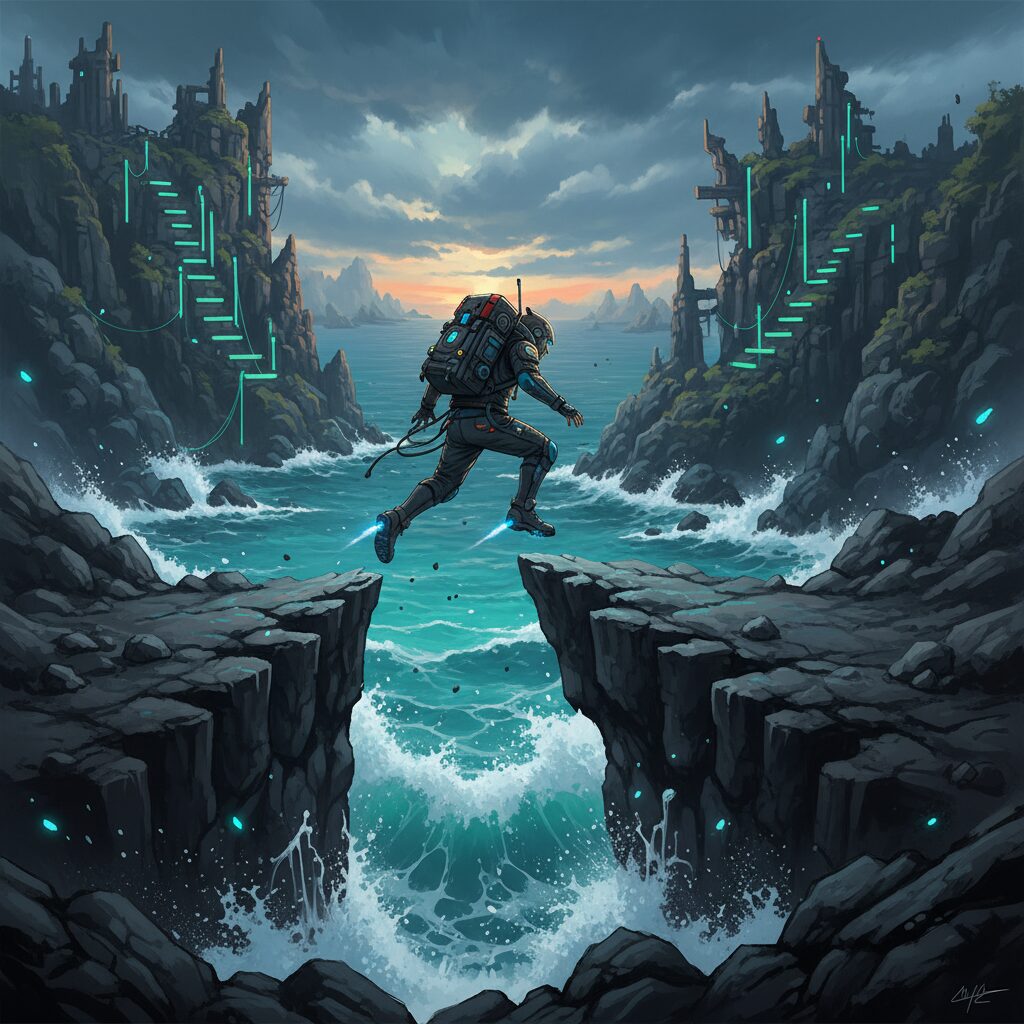
Alright, so you’re convinced about the idea. But to truly make the most of your Jogasaki Coast experience, you need some insider tips. Consider these the expert advice that will take your adventure from great to unforgettable. It’s all about timing, gear, and logistics—the key elements that make a trip smooth and hassle-free.
Best Time to Visit? The Seasonal Breakdown
Japan’s seasons play a huge role, completely changing the atmosphere of the Jogasaki Coast. Honestly, there’s no bad time to visit, but each season delivers its own special charm.
- Spring (March-May): This is prime season. The weather is perfect—pleasantly warm, not too humid, ideal for hiking. The coastline often features clusters of blooming cherry blossoms near the trailheads, creating a delicate pink contrast against the rugged black cliffs and blue ocean. Visibility is usually excellent, perfect for stunning photos.
- Summer (June-August): Summer means hydrangeas. In June, the area bursts with huge bushes of blue, purple, and pink hydrangeas, especially near Izu Ocean Park. It’s incredibly beautiful. The downside? It gets hot and humid—seriously sweaty. If you hike in summer, start early in the morning to avoid the heat and crowds. The forest’s lush green is at its peak, which is a major bonus.
- Autumn (September-November): Many locals consider this the best season. The heavy summer humidity disappears, replaced by crisp, clear air. Temperatures are cool and comfortable for long hikes. This is when you get the clearest views of the Izu Islands and, on exceptionally clear days, even a distant sight of Mount Fuji. While the autumn foliage here isn’t as famous as Kyoto’s, the forests still offer a lovely, rustic golden tone.
- Winter (December-February): Don’t overlook a winter visit. It’s the quietest season, so you’ll feel like you have the entire coast to yourself. The air is cold and sharp, sharpening the views to feel even more dramatic. The leafless trees open new sightlines through the forest that aren’t visible other times of the year. Just bundle up, and you’ll be rewarded with a peaceful, starkly beautiful version of the Jogasaki scenery.
Gear Up: What to Bring
This is a proper hike, not a stroll through a city park, so you need to be well-prepared. Your gear can make or break your experience.
- Footwear is essential: This cannot be stressed enough. Wear appropriate shoes. Sturdy sneakers with good grip are the absolute minimum. Hiking boots or trail runners are even better. The trail is uneven, rocky, and has many stairs. Never attempt this in sandals, heels, or flimsy flats—you will regret it. Your ankles will thank you for supportive footwear.
- Hydration and snacks: There are few options to buy food or drinks on the trail, especially in the quieter southern sections. Pack enough water and bring snacks to keep your energy up—onigiri, protein bars, or some Japanese candy from a convenience store will work well.
- Sun protection: The Japanese sun can be surprisingly strong, even on cloudy days. Sunscreen is a must. A hat and sunglasses are also highly recommended, as some parts of the trail are exposed with little to no shade.
- Essentials: Bring your phone and camera, naturally. The photo opportunities are endless. A portable charger is smart if you plan on taking lots of pictures and videos. A small towel can help wipe away sweat on a hot day.
Access & Logistics: Getting There Without the Hassle
Getting to the Izu Peninsula from Tokyo is easier than you might think. It feels like a world away from the city but only takes a couple of hours by train. The main hubs are Ito Station and the slightly farther Izu-Kogen Station.
- By train: The easiest route is the Tokaido Shinkansen (bullet train) from Tokyo to Atami Station. From there, transfer to the local JR Ito Line, which connects with the Izu Kyuko Line. For the northern trailhead, get off at Izu-Kogen Station (伊豆高原駅). From the station, it’s about a 20-30 minute walk or a short bus ride to Izu Ocean Park and the trail start. To reach the southern end, take the train to Futo Station (富戸駅) and walk down to the port.
- Using the bus: One of the best tips is to take advantage of the local Tokai Bus system. The buses run along the coast, linking train stations with major sights. This is ideal if you want to hike one way. For example, start at Izu-Kogen, hike south to Kadowaki Bridge, then catch a bus back to the station from a nearby stop. This saves backtracking and lets you enjoy the best parts of the trail without committing to the entire nine kilometers if your time or energy is limited.
Side Quests: What Else is Poppin’ in the Area?
Once you’ve conquered the coast, the adventure doesn’t have to stop. The Izu Peninsula is packed with other fantastic spots that are definitely worth exploring. Think of these as optional but highly recommended side quests to complete your trip.
Mount Omuro: The Big Green Pudding
You can’t miss Mount Omuro (大室山). It’s the perfectly symmetrical, bowl-shaped green mountain visible from the lighthouse. This volcano is the one that formed the Jogasaki Coast! While hiking up is not allowed, you can take a scenic chairlift to the summit. The ride itself is breathtaking, drifting over grassy slopes. At the top, you can stroll along a one-kilometer path around the crater’s rim. The views are absolutely stunning. You get a bird’s-eye perspective of the entire Jogasaki coastline, tracing the path of the ancient lava flow. You can also see the city of Ito, the Pacific Ocean, and on a clear day, the majestic Mount Fuji. It offers incredible context to the landscape you just explored on foot—it’s like watching the director’s cut of your hiking adventure.
Izu Shaboten Zoo: Capybara Onsen Central
At the base of Mount Omuro lies the Izu Shaboten Zoo, a quirky and charming animal park. It’s most famous for one thing: capybaras soaking in a hot spring. Yes, you read that right. In winter, you can watch these remarkably relaxed giant rodents blissfully bathing in a yuzu-infused onsen. It’s one of the most heartwarming and uniquely Japanese sights you’ll ever see. The rest of the zoo is great, too, with a focus on cacti (shaboten means cactus) and a surprising number of free-roaming animals like peacocks and squirrel monkeys. It’s a fun and lighthearted detour after a demanding day of hiking.
Foodie Finds: Refuel Your HP
Hiking builds up an appetite, and luckily, the Izu Peninsula is a food lover’s paradise. Surrounded by the ocean, the seafood is exceptionally fresh. The local specialty you must try is Kinmedai (splendid alfonsino), a tasty deep-sea fish often served simmered in a sweet soy sauce (nitsuke), grilled, or as sashimi. You can find it at restaurants in Ito or near Izu-Kogen Station. For a quick and quirky treat, look out for wasabi-flavored soft-serve ice cream. Izu is renowned for its wasabi farms, so it’s the genuine article. It might sound odd, but the subtle spiciness combined with creamy sweetness is surprisingly delightful and refreshing. It’s the perfect reward after a hike.
Jogasaki isn’t just somewhere you visit; it’s somewhere you feel. It’s the salty wind on your face, the burn in your legs as you climb another set of rocky stairs, and the awe as you stand on a suspension bridge, suspended between sky and sea. It’s a journey back in time, walking on land forged by fire and shaped by water. It reminds you that some of the most beautiful places on Earth aren’t quiet and serene—they’re bold, dramatic, and unapologetically wild. So when planning your Japan itinerary, save space for an adventure that’s a bit off the beaten path. Pack your best shoes, charge your camera, and get ready to be humbled by the raw, untamed beauty of the Jogasaki Coast. Trust me, it’s a defining moment you won’t forget.