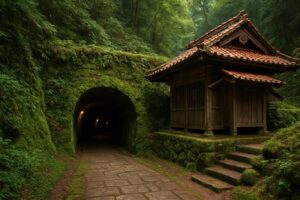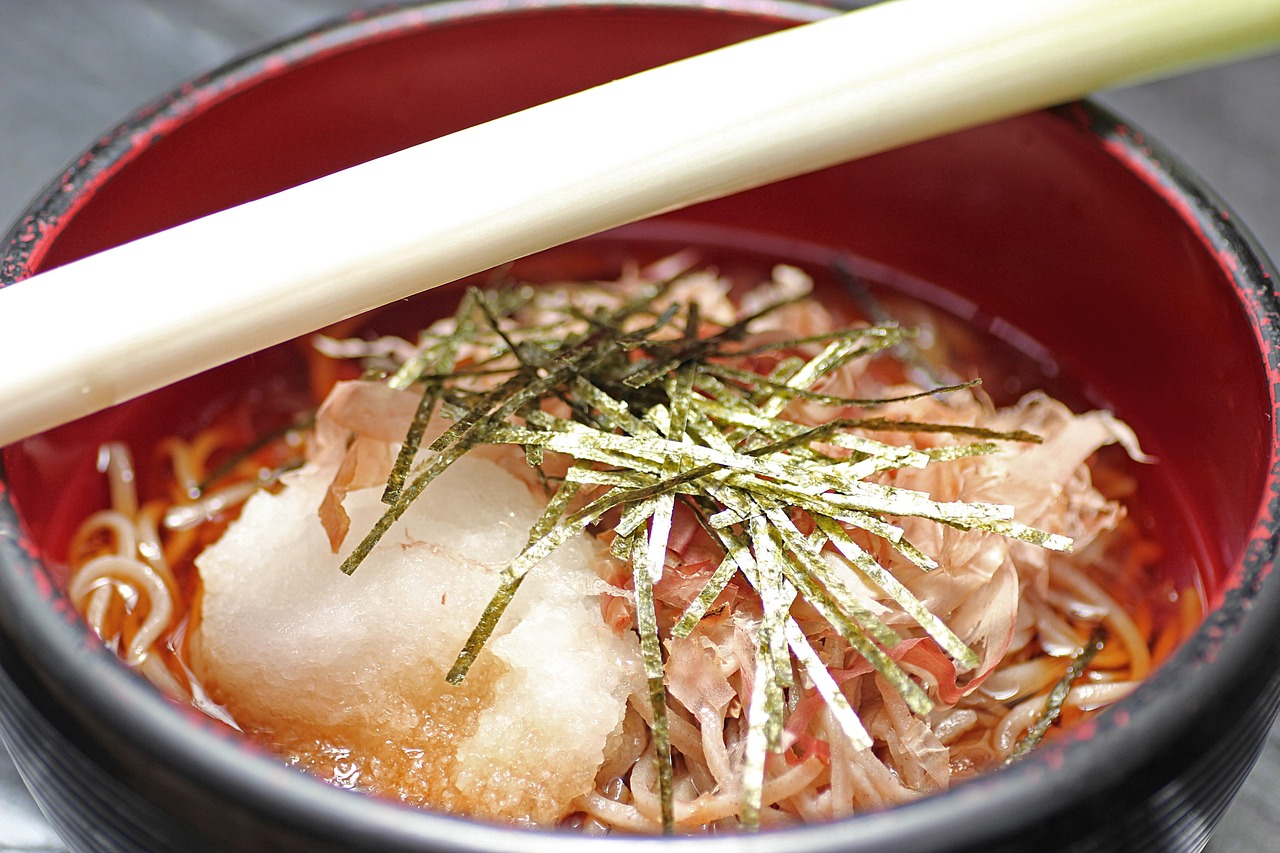
Yo, what’s the move? Let’s talk about a place that’s straight-up legendary, a spot where Japan’s ancient vibes are still hitting different. I’m talking about Izumo, in Shimane Prefecture. This isn’t your neon-drenched Tokyo or your temple-hopping Kyoto. Nah, Izumo is on another level. It’s the OG home of the gods, where myth isn’t just in the history books, it’s in the air you breathe, the ancient trees you walk past, and most def, in the food you eat. And when we talk food in Izumo, we’re talking about one thing that’s the absolute GOAT: Izumo Soba. Forget everything you think you know about buckwheat noodles. This isn’t just a meal; it’s a whole ritual, a taste of history, a connection to the divine energy that pulses through this land. It’s the kind of soul food that gets you right, fueling pilgrims, locals, and curious travelers for centuries. We’re about to dive deep into the world of these iconic noodles, exploring the spots that are keeping the tradition alive and serving up bowls that are pure fire. So grab your chopsticks, get hyped, and let’s get this bread… or rather, these noodles. This is your ultimate guide to the must-try Izumo Soba joints, where every slurp tells a story. No cap, this journey is gonna be epic. Peep the map below to get your bearings on where this magic happens.
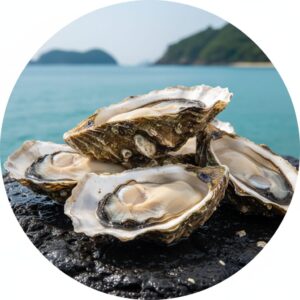
While you’re exploring the divine flavors of Shimane, don’t miss the chance to discover the incredible Iwagaki Oysters from the nearby Oki Islands.
The Lowdown on Izumo Soba: Why It’s a Whole Vibe
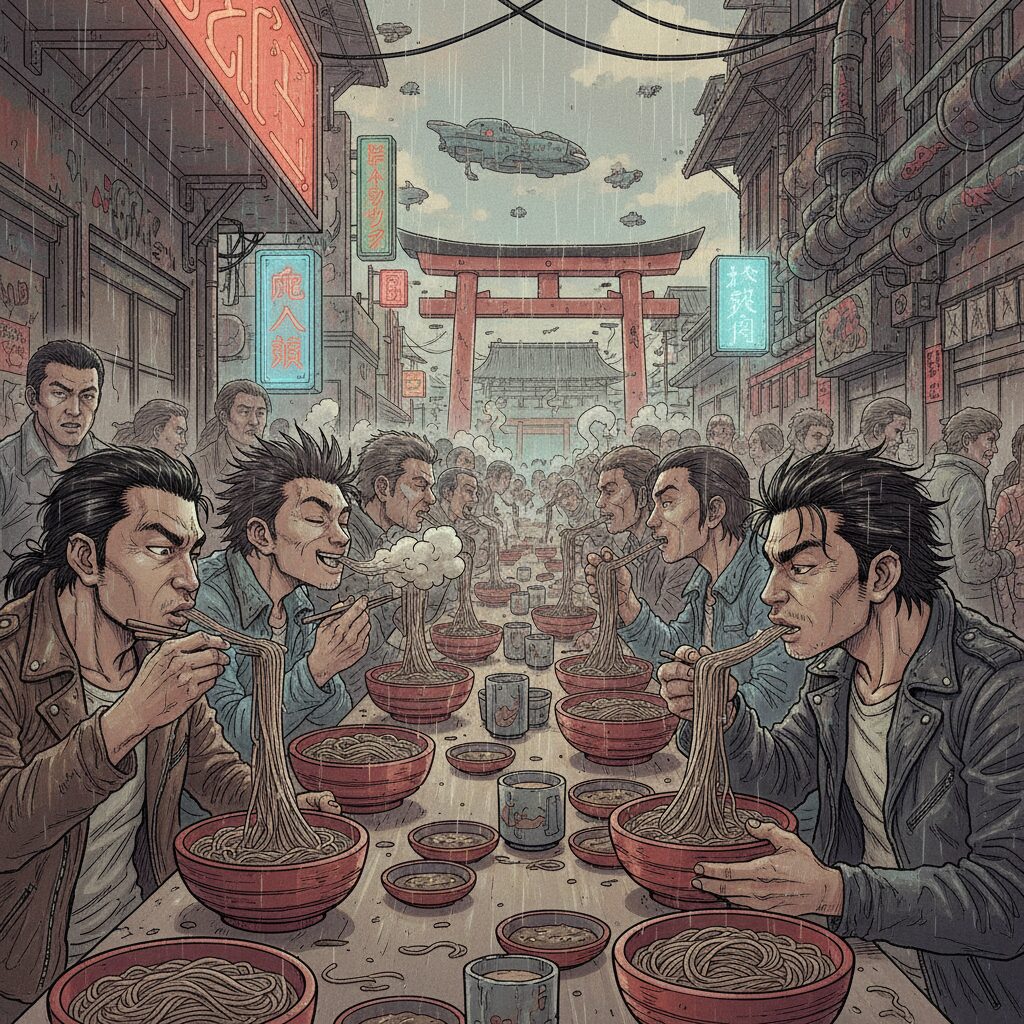
Alright, first things first, let’s dive into what makes Izumo Soba truly stand out. If you’ve had soba before, you might visualize light beige or whitish noodles. That’s cool, but Izumo Soba is on a whole different level. The secret lies in the grind. They use a method called hikigurumi, meaning they mill the entire buckwheat grain, husk included. This is what sets it apart. This technique preserves all the good stuff—the nutrients, the fiber, and most importantly, the flavor. The result is a darker, heartier noodle with an intense, earthy aroma that screams authenticity. The texture is slightly coarser, a bit chewier, offering a rustic, genuine bite. It’s a noodle that doesn’t just satisfy hunger; it connects you to the very earth it came from. Pure and simple, no preservatives or additives, just true buckwheat goodness. That dark, speckled look isn’t a flaw; it’s a badge of its whole-grain roots. Flavor-wise, it’s deep, nutty, and complex—full of character. It stands proud, a bold statement amidst refined grains. This isn’t just food; it’s a philosophy in a bowl, a taste of a time when nothing was wasted, and everything was valued in its natural form.
Warigo Style: The Classic Izumo Experience
Now, let’s talk about how you enjoy it, because presentation is a big part of the charm. The most iconic way to eat Izumo Soba is Warigo style. Imagine this: your soba shows up not in one bowl, but in a stack of three or more round, red lacquered boxes. It’s an aesthetic in itself. This isn’t just for show; it’s a tradition that goes way back. Historically, people packed soba in these bento-style boxes to eat outdoors, and the custom stuck around. It’s practical, elegant, and a ritual. Here’s how it goes: you start with the top box. Alongside, you have a small bottle of tsuyu (dipping sauce) and a plate of yakumi (condiments). These usually include thinly sliced green onions, nori (seaweed), katsuobushi (bonito flakes), and sometimes momiji oroshi (grated daikon with chili). You sprinkle your preferred condiments onto the noodles in the top box, then pour just enough tsuyu to coat them—no drowning, just dressing. Then you slurp them up. And yes, slurping is a must. In Japan, it’s a sign you’re enjoying your noodles, and it also cools them while enhancing the flavor. Once done with the first box, pour any leftover tsuyu into the second box below, add more condiments and tsuyu if you like, and repeat. Same for the third box. It’s an interactive meal, a flavor progression you control. Each box offers a slightly different experience depending on your choice of yakumi. It’s brilliant, really. It keeps the noodles from becoming soggy and lets you customize each round. Honestly, it’s one of Japan’s coolest food rituals.
Kamaage Style: The Warm Alternative
While Warigo is the star, don’t overlook its cozy counterpart, Kamaage Soba. This is the ultimate comfort food, especially on a cold day. For Kamaage, the freshly boiled soba noodles come served right in their cooking water, called sobayu. This water is thick, starchy, and bursting with buckwheat flavor and nutrients. It arrives steaming in a large bowl. On the side, you get a separate cup filled with rich, concentrated tsuyu. The way to enjoy this is by pouring the tsuyu into the bowl with the noodles and sobayu, mixing it all to create a soupy, savory broth. Then you slurp the noodles directly from the bowl. The heat from the sobayu keeps the noodles warm, and its starchiness adds body and silkiness to the broth. The flavor is milder, more comforting than the punchy Warigo style, but just as satisfying. It’s like a warm embrace in a bowl. Simple as it is, the noodle quality and the deep broth flavor make it truly sublime. Many locals say Kamaage is the ultimate test of a soba shop’s skill since there’s nowhere to hide. It’s all about the pure buckwheat flavor, and when done right, it’s a genuine game-changer.
The Hallowed Grounds: Izumo Taisha and its Soba Culture
You can’t discuss Izumo Soba without mentioning its spiritual heart: Izumo Taisha Grand Shrine. This site is more than just a tourist attraction; it is one of Japan’s oldest and most significant Shinto shrines. The principal deity enshrined here is Ōkuninushi-no-Ōkami, the god of nation-building, business, medicine, and, most notably, relationships and good fortune—or enmusubi. Visitors come from across Japan and the world to pray for blessings in love and life. The entire atmosphere is imbued with a deep sense of reverence and history. The main hall is constructed in the oldest style of shrine architecture in Japan, and the enormous shimenawa—a sacred rope made of rice straw hanging above the worship hall entrance—is truly iconic. Weighing over five tons, standing beneath it makes one feel small in the presence of such profound tradition. The shrine is also renowned for the Kamiari month, the tenth month of the traditional lunar calendar (typically around November), when all eight million gods of Japan are said to gather here for a divine meeting. Elsewhere in the country, this month is called Kannazuki (the month without gods), but in Izumo, it is known as Kamiarizuki (the month with gods). The energy during this period is electric. So, what connection does this have to soba? Everything. For centuries, pilgrims traveling to Izumo Taisha required nourishment. Soba was the ideal fuel: easy to prepare, nutritious, and convenient to eat. Soba stalls and restaurants naturally appeared along the sando, the main approach to the shrine, catering to the constant flow of worshippers. Eating soba became an essential part of the pilgrimage itself—a way to purify both body and soul before or after paying homage to the gods. This tradition has transformed the area surrounding the shrine into a soba haven. You are literally walking on sacred ground, and the food you enjoy is steeped in that same holy history.
The Soba Squad: Top-Tier Restaurants You Can’t Miss
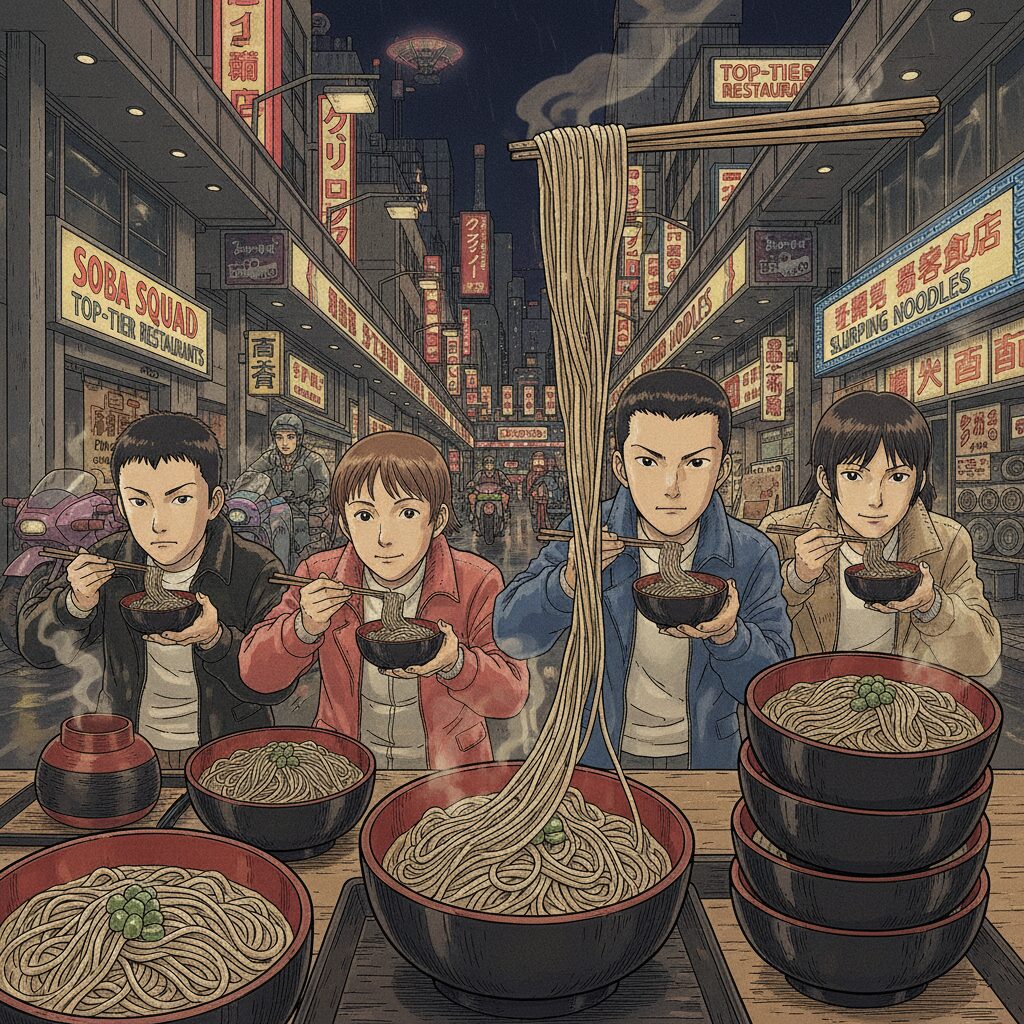
Alright, let’s dive into the main event. You’re in Izumo, excited, and hungry. Where should you head? The area around Izumo Taisha is filled with soba restaurants, each boasting its own unique history and style. Choosing one can be tricky, but don’t worry, I’ve got you covered. Here are some legendary spots that are essential to the Izumo Soba experience.
Kaneya: The People’s Champion
Ask a local for a soba recommendation near the shrine, and there’s a good chance Kaneya will come up. This spot is a true classic, often with a line stretching out the door—and for good reason. Inside, the atmosphere is lively and energetic. It feels like a community hub, with pilgrims, tourists, and locals all packed in, happily slurping away. The staff work with practiced efficiency, a seamless team devoted to the art of soba. The interior is traditional and inviting, with wooden tables and the comforting scent of dashi and buckwheat filling the air. Their Warigo Soba is legendary, usually offered in three- or five-tier options. Feeling adventurous? Go for the five. The noodles have the perfect firmness and a rich, nutty flavor that showcases top-quality, freshly made buckwheat. The tsuyu is flawlessly balanced—not too sweet or salty—with a clean umami finish from bonito and kombu. Kaneya’s standout feature is the consistent high quality they maintain despite the busy crowd. They also serve an excellent soba-gaki, a buckwheat dumpling or paste that’s a must-try for soba enthusiasts. It delivers an intense buckwheat flavor and a unique sticky texture—a bold choice worth making. Kaneya is easy to reach, just a short walk from Izumo Taisha’s main entrance. A tip: try to visit during off-peak hours, like mid-afternoon, to avoid long waits. But even if you have to queue, trust me—it’s well worth it. It’s a quintessential Izumo experience.
Arakiya: The Original Gangster
For a taste of history, Arakiya is the place to go. Often regarded as one of the oldest—if not the oldest—Izumo Soba restaurants still operating, its history dates back over two centuries to the Edo Period. Walking into Arakiya feels like stepping back in time. The building exudes a quiet dignity and features a beautiful traditional structure with a serene Japanese garden, visible from some tables. The atmosphere is more subdued and refined compared to Kaneya’s lively buzz. This is a place to slow down, savor each bite, and appreciate the centuries of tradition behind your meal. The family has handed down their soba-making craft for generations, evident in every noodle. Their Warigo Soba is served with understated elegance. The noodles are incredibly fragrant, a result of their mastery of the hikigurumi milling process. Their tsuyu is a closely guarded family secret, perfected over hundreds of years, offering remarkable depth and complexity. Dining at Arakiya is more than a meal—it’s a cultural experience, connecting you to countless pilgrims who’ve enjoyed the same noodles before or after visiting the shrine. They also offer a wonderful set meal featuring local delicacies, providing a broader taste of Izumo’s culinary heritage. Given its historical significance and exceptional quality, Arakiya is well worth planning for. It’s a bit farther from the main shrine approach than some spots, but the pleasant walk is well rewarded with a true taste of soba antiquity.
Hane-ya Honten: A Legacy of Flavor
Another heavyweight in the Izumo Soba scene is Hane-ya. Also dating back to the Edo Period, Hane-ya is a beloved institution with multiple branches, but the Honten (main branch) in Izumo City offers the most authentic experience. Legend says they were so favored by the local lord they received the name “Hane-ya,” a mark of high honor. This place is known for its commitment to 100% locally sourced buckwheat, ensuring the freshest and most flavorful noodles possible. The atmosphere at Hane-ya blends tradition with modern comfort. It’s clean, cozy, and always bustling with loyal diners. Their signature dish is, of course, Warigo Soba. What makes Hane-ya especially appealing is the variety of sets available. You can enjoy Warigo paired with tempura, local fish, or their famous unagi (eel), resulting in a genuinely satisfying meal. Their noodles are slightly thicker than others, giving them a pleasantly chewy texture and a strong buckwheat aroma. The tsuyu is rich and full-bodied, made to complement the robust noodles. A fan favorite is the four-tier Warigo, which includes a raw quail egg as a topping. Cracking the egg over your noodles and blending it with the tsuyu creates a creamy, luxurious sauce that’s heavenly. Hane-ya is situated closer to the Izumo-shi train station, making it a convenient spot for arrivals or departures. It shows that excellent soba isn’t limited to the immediate shrine area.
Yakumo Honten: The People’s Palace of Soba
For a slightly different yet equally genuine experience, check out Yakumo Honten. Serving the Izumo community for over a century, it’s known for being a reliable, high-quality spot that rarely disappoints. It has a somewhat modern, family-restaurant vibe, but don’t let that fool you—the soba is as traditional as ever. Yakumo is especially famous for its Kamaage Soba. Locals flock here in winter for a steaming bowl of perfectly cooked noodles served in cloudy, flavorful sobayu. The way the rich, dark tsuyu blends with the starchy water is pure magic, warming you from the inside out. Of course, their Warigo is also outstanding. They pay close attention to the temperature of both noodles and sauce, ensuring everything is served at its best. Their side dishes are top-notch too, including some of the crispiest, lightest tempura around, made with fresh seafood and vegetables—not greasy at all. A smart order is the Warigo set with tempura on the side. Yakumo Honten sits a bit off the main tourist path, often attracting more locals than visitors. This gives it an authentic, down-to-earth vibe—a perfect place to see how Izumo residents enjoy their beloved soba day to day. It’s a low-key legend that delivers on both flavor and quality.
Mastering the Soba Slurp: A First-Timer’s Guide
Alright, you’re seated in a legendary soba shop, the lacquered boxes have just been set before you, and you’re ready to dig in. But hold on—how do you do this properly? Don’t worry. Eating Izumo Soba is simple and enjoyable. Let’s break it down so you can eat like an expert.
First, take a moment to admire the presentation. The elegance of the Warigo boxes, the careful arrangement of the yakumi. Then, turn your attention to the noodles themselves. Try a single strand plain, without any sauce or toppings. This way, you experience the pure, unaltered flavor of the buckwheat. Notice the aroma and texture. This is your starting point.
Next, it’s time to personalize. Check out your yakumi. You’ll have a small plate with little heaps of toppings—green onions for a fresh, sharp bite, nori for a subtle savory sea flavor, bonito flakes for smoky umami, and perhaps some spicy momiji oroshi. For your first box, try adding just green onions and nori. Sprinkle them over your noodles.
Now for the tsuyu. Take the small pitcher or bottle and pour the sauce gently over the noodles and toppings. Don’t hold back, but avoid soaking them completely. You want to coat the noodles, not create a soup. A good guideline is to pour until you see the sauce just beginning to pool at the bottom of the box.
Then comes the key part: the slurp. Pick up a generous portion of noodles with your chopsticks, bring them to your mouth, and slurp with enthusiasm. The sound is part of the experience. It cools the noodles and lets the aroma reach your nasal passages, enhancing the taste. It’s a sign of enjoyment. Don’t hesitate to make some noise!
After finishing the first box, pour any remaining sauce into the second box. Now you can change up your yakumi. Maybe add some bonito flakes this time for a new flavor twist. Add a bit more tsuyu if needed, and repeat the process.
When you’ve enjoyed all three (or five!) boxes, there’s one last, essential step: the sobayu. Your server will bring a small teapot with the hot, cloudy water used to cook the soba. Pour this sobayu into your leftover tsuyu cup. The starchy water softens the strong flavor of the sauce, creating a warm, savory, and very nourishing broth. Drinking this at the end of your meal is not only delicious but also said to aid digestion. It’s the perfect, soothing finish to your soba experience. From start to finish, it’s a wholesome ritual, and once you’ve mastered it, you’ll feel like a seasoned pro.
Beyond the Bowl: Soaking Up the Izumo Vibe
While soba takes center stage, your visit to Izumo should be about more than just the cuisine. This region is rich with atmosphere and attractions that will deepen your soba pilgrimage. After paying your respects at Izumo Taisha, take a leisurely walk along Shinmon-dori Street, the main path to the shrine. The street is lined with quaint shops offering local crafts, souvenirs, and, naturally, more food. Sample some zenzai, a sweet red bean soup with mochi, which is also believed to have originated in Izumo. It’s an ideal dessert following a savory soba meal.
For a historical perspective, visit the Shimane Museum of Ancient Izumo, located right next to the shrine. It houses an impressive collection of artifacts discovered in the area, including a massive set of ancient pillars thought to have supported the original shrine hall, which was said to be as tall as a modern skyscraper. This gives a powerful sense of the scale and significance of the site throughout history.
Be sure to visit Inasa-no-hama, a beautiful beach just a short walk or bike ride from the shrine. This is no ordinary beach; it’s a sacred place where the eight million gods are said to gather before proceeding to the shrine for their annual meeting. Offshore, a small island rock called Benten-jima features a tiny shrine atop it. Watching the sunset here offers a truly spiritual experience. The entire coastline in this area is stunning and part of the San’in Kaigan Geopark.
Getting around is easy. The charming Ichibata Electric Railway, affectionately known as “Bataden,” links Izumo City, Izumo Taisha, and Matsue City, another historic town worth exploring. The train ride itself is scenic, passing through rice paddies and along the beautiful Lake Shinji.
For first-time visitors, a valuable tip is to embrace the slower pace of life here. Izumo is not a place to rush through. It’s a place to slow down, breathe deeply, and connect with something ancient and profound. Wake early to visit the shrine when it’s peaceful and quiet. Take your time savoring your soba meal and the accompanying ritual. Walk to the beach and simply sit, listening to the waves. Let the spiritual energy of the place wash over you. This is a different kind of travel—one focused more on feeling than just seeing. If possible, stay overnight in a traditional ryokan to fully immerse yourself in the tranquil atmosphere once the day-trippers have left. It’s in those quiet moments that the true magic of Izumo reveals itself.
The Final Slurp
So there you have it. Izumo Soba is far more than just a local specialty. It serves as a direct connection to the heart and soul of one of Japan’s most spiritually significant places. This is a tradition lovingly preserved for centuries, a craft honed by generations of families who pour their passion into every bowl. Eating Izumo Soba is an act of engagement. You’re not simply a tourist; you’re a modern pilgrim, participating in a ritual that links you to the history, culture, and very land of Izumo. From the earthy fragrance of the hikigurumi noodles to the graceful ceremony of the Warigo boxes and the comforting warmth of the Kamaage style, it’s an experience that captivates all the senses. It’s food that tells a story—a story of gods and pilgrims, ancient customs, and a lasting community. So when you visit Izumo, come hungry. Come curious. And be ready to be nourished, not only in body but in spirit. This is a culinary journey that’s truly legendary, with every single slurp offering a taste of the divine. You’ll leave with both a satisfied stomach and a full heart, no cap.