
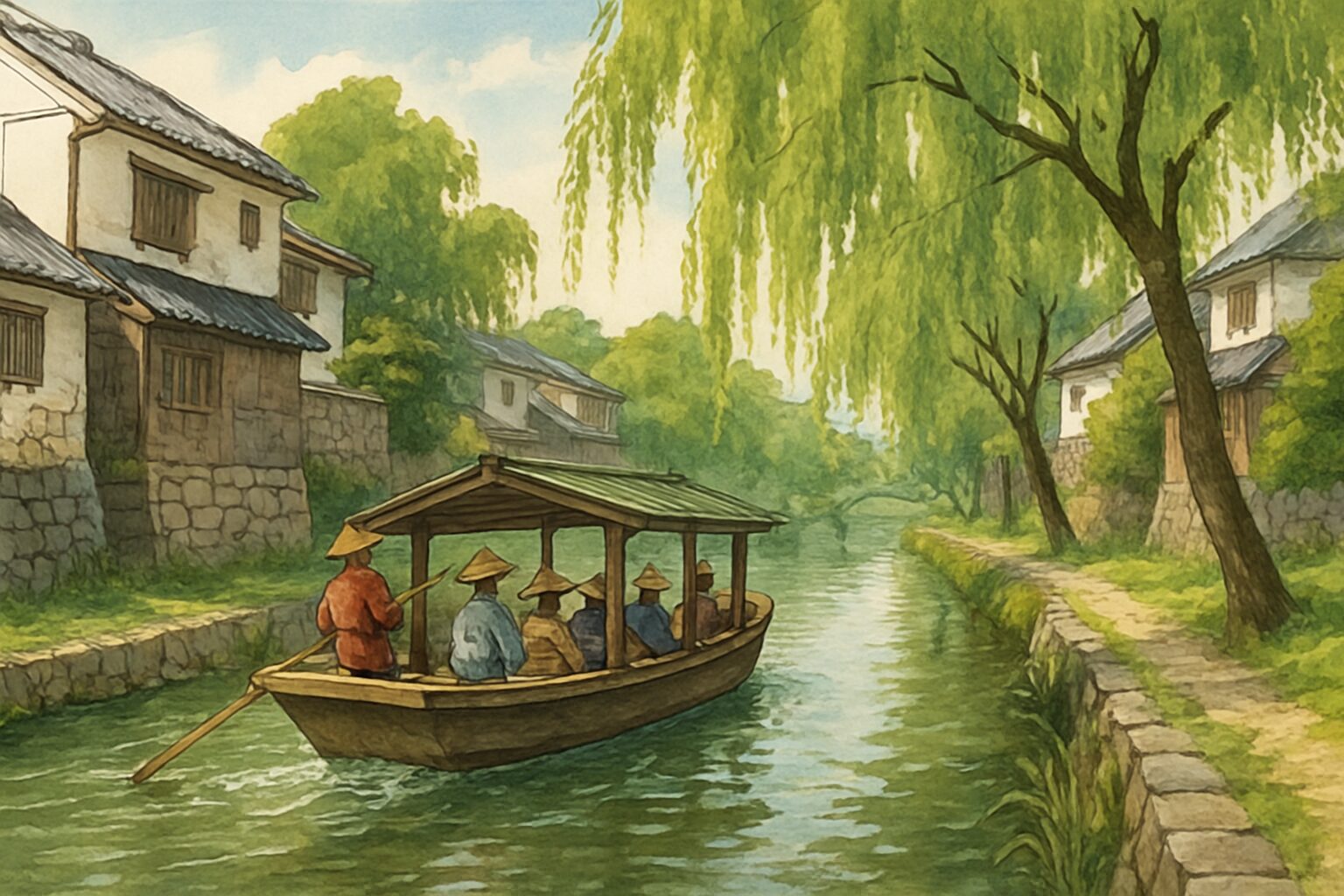
Hey everyone, Keiko here. While the neon-drenched streets of Tokyo are my usual playground, sometimes you need to trade that electric energy for something a little more… timeless. I found that exact vibe in a place that feels like a beautifully preserved secret: Omihachiman, in Shiga Prefecture. Just a short trip from the well-trodden paths of Kyoto, this town is a living postcard from the Edo period. At its heart flows the Hachiman-bori, a historic canal that was once the bustling artery of a prosperous merchant community. Today, it offers one of Japan’s most enchanting experiences: a serene boat ride that lets you drift through centuries of history, under weeping willows and past beautifully preserved storehouses. It’s more than just sightseeing; it’s a deep, meditative dive into the aesthetic and spirit of old Japan. If you’re looking to experience a side of the country that’s authentic, peaceful, and visually stunning, Omihachiman is where your story begins. Let’s explore this incredible waterway together.
The Heartbeat of Omihachiman: The Hachiman-bori Canal
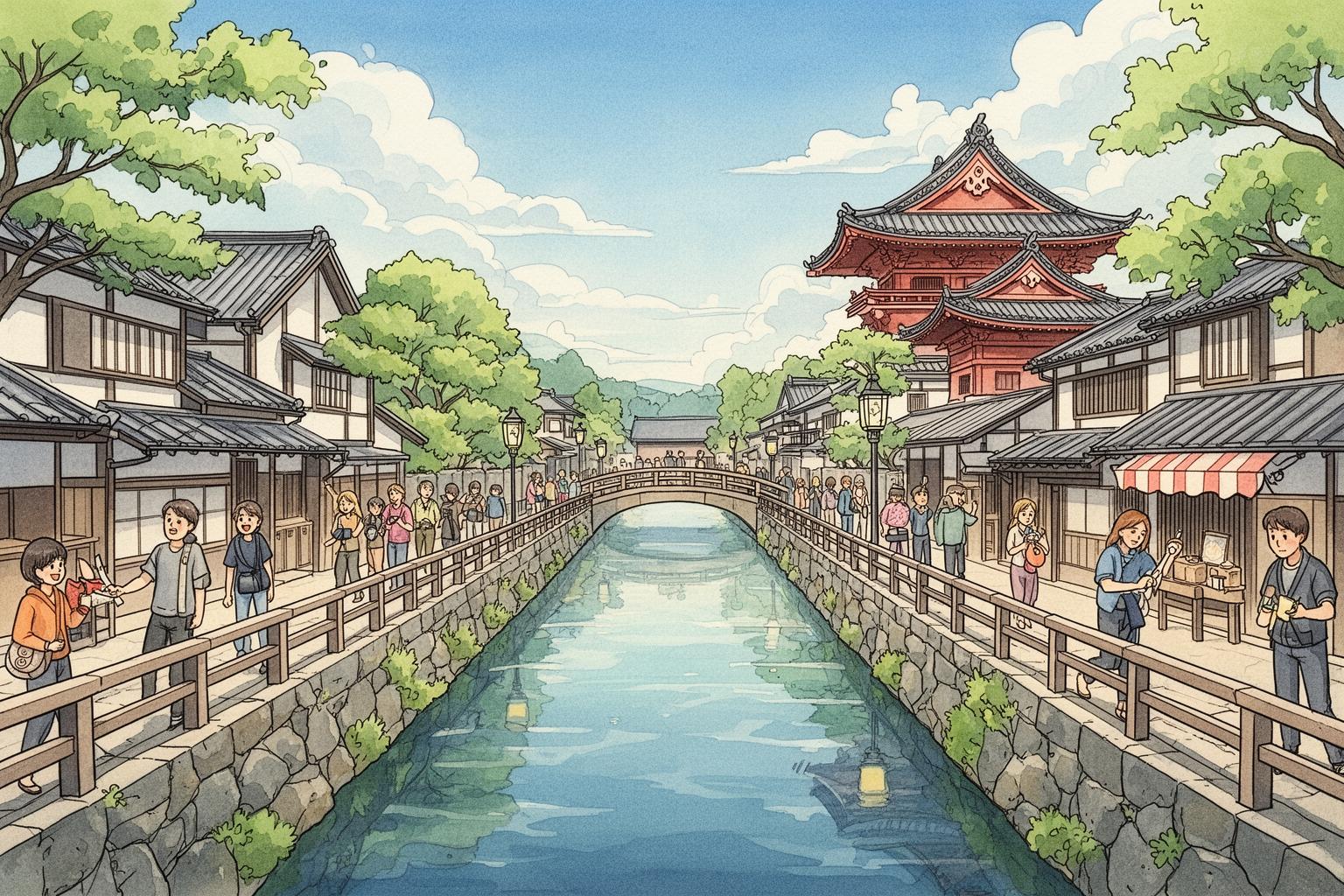
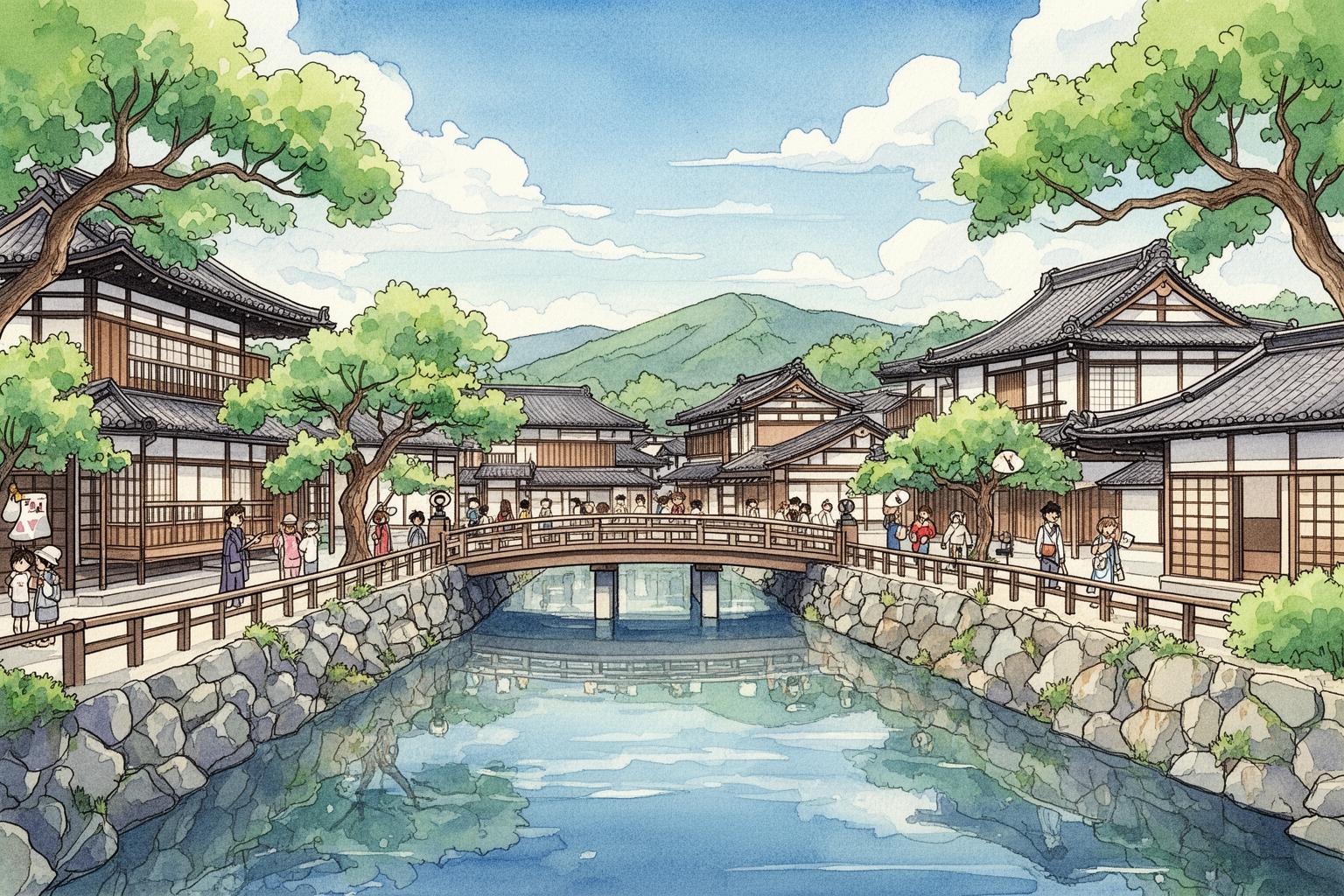
Before we even step onto a boat, let’s pause for a moment to soak in the atmosphere of the Hachiman-bori itself. This is not merely a ditch filled with water; it is the town’s soul, a waterway that has witnessed centuries of dreams, trade, and quiet everyday life. Strolling along its banks is an experience in its own right. The canal is bordered by carefully crafted stone walls, their surfaces weathered and softened by time, often adorned with patches of moss that glow a vibrant green after a light rain. Elegant weeping willow trees line the path, their long, slender branches dipping down to touch the water’s surface, forming a constantly shifting curtain of light and shadow. The entire scene is framed by the unique architecture of the Omi merchants: striking white-walled storehouses, called kura, with heavy, dark-gray tiled roofs and latticed windows, standing as silent tributes to the wealth and refined taste of their former owners.
The atmosphere here is one of deep tranquility. The modern world seems to fade away, replaced by the gentle rustling of willow leaves, the occasional call of a bird, and the captivating sight of large, colorful koi carp swimming leisurely just beneath the water’s surface. The canal serves as a mirror, reflecting the sky, the trees, and the historic buildings in a soft, impressionistic watercolor. It’s a place that invites you to slow down, breathe deeply, and simply be present. Unlike the grand temples of Kyoto or the bustling crowds of Osaka, Omihachiman offers an intimate, almost personal connection to Japan’s past. The Hachiman-bori is the lifeblood through which this timeless energy flows, and to experience it is to grasp the very essence of the town.
The Main Event: A Journey on the Water
Now, for the quintessential Omihachiman experience: the traditional canal boat ride, known as the ‘suigo meguri.’ This is the heart of any visit, the moment when you shift from being a spectator on the banks to becoming part of the historical story. Several small, family-run operators offer these tours, each boasting their own quaint wooden docks hidden along the canal. There’s no need for flashy signs or aggressive marketing here; the charm lies in the authenticity.
As you near the dock, you’ll notice the boats themselves. These aren’t modern crafts; they are beautifully hand-crafted wooden vessels, long and low to the water, often shaded by a simple roof. You’ll be asked to remove your shoes before stepping onto the tatami-matted floor, where you’ll sit on comfortable zabuton cushions. This simple gesture immediately sets a tone of respect and tradition. The boatman, or sendō-san, is typically an elderly local, dressed in a traditional indigo happi coat and a conical straw hat. They are the keepers of the canal’s stories, silently guiding these waters with a lifetime of experience.
The journey begins with a gentle push away from the dock. There’s no engine roar or sudden jolt. Instead, the sendō-san uses a single, long wooden oar, called a ‘ro,’ to propel the boat forward. The sound this makes is among the most iconic and meditative parts of the ride: a rhythmic, almost melodic creak of wood against wood, followed by the soft splash and gurgle of the oar dipping in and out of the water. This gentle, repetitive noise becomes the soundtrack of your journey, a hypnotic rhythm that seems to slow down time itself.
As the boat glides forward at a pace no faster than a leisurely stroll, your view of the town is completely transformed. From water level, the stone walls appear more imposing, the bridges more intimate, and the historic homes more majestic. You’ll pass beneath several low stone bridges, each with its own character, prompting you to duck your head slightly in a small gesture of reverence for the history around you. Though their commentary may be in Japanese, the sendō-san will indicate significant buildings and landmarks with a nod and a warm smile. You don’t need to understand the words to sense the history. You can see it in the dark, weathered wood of a merchant’s house, the imposing presence of a white-walled kura that once stored rice or sake, and in the small, private gardens trailing down to the water’s edge, offering a fleeting glimpse into the lives of those who still call this place home.
The journey is a full sensory immersion. You’ll feel the gentle sway of the boat, smell the fresh, earthy scent of the water and surrounding greenery, and view the world through a kaleidoscope of reflections. Light filters through willow branches, dappling the water’s surface and the boat’s interior with dancing patterns. On a clear day, the blue sky is perfectly mirrored in the canal, creating a sensation of floating between two heavens. It’s a profoundly peaceful experience—a shared, quiet moment with fellow passengers that feels both intimate and universal. This 30- to 60-minute trip is the emotional and experiential centerpiece of a visit to Omihachiman, leaving you with a sense of calm and a deep appreciation for this special corner of Japan.
A Living History: The Rise of the Omi Merchants
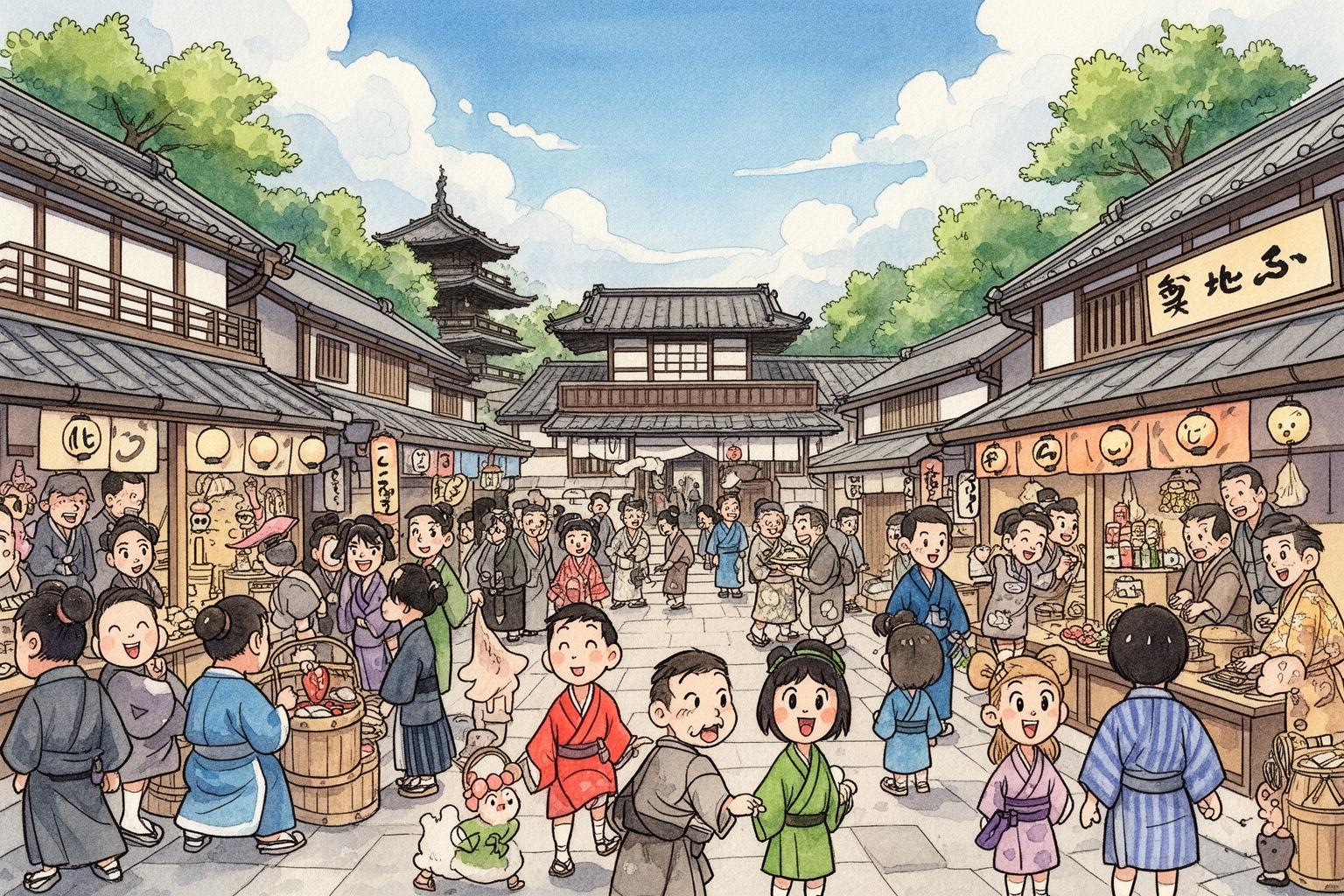
To truly appreciate the beauty of Omihachiman, you must first understand its history. This is not merely a randomly preserved old town; it is the outcome of great ambition, innovative business skill, and a distinctive philosophical vision. The town’s success is deeply connected to the legendary Omi shōnin, or Omi merchants, who were among the most accomplished and respected businesspeople of the Edo period (1603–1868).
The tale begins in the late 16th century when Toyotomi Hidetsugu, nephew of the famed unifier Toyotomi Hideyoshi, constructed a castle on nearby Mount Hachiman. To develop a prosperous castle town, he commissioned the building of the Hachiman-bori canal, linking it to Lake Biwa, Japan’s largest freshwater lake. This was a brilliant piece of urban planning. The canal immediately turned Omihachiman into a crucial hub for transport and trade. Goods from across Japan could be shipped over Lake Biwa, pass through the canal, and be distributed throughout the region.
This strategic positioning fostered the rise of the Omi merchants. These were not mere shopkeepers; they were astute entrepreneurs who traveled nationwide, selling local products such as textiles, mosquito nets, and medicines while bringing back goods from other areas. They were renowned for their hard work, thriftiness, and, above all, their distinctive business philosophy called ‘Sanpō Yoshi’ (三方よし), meaning ‘three-way satisfaction.’ This principle held that every business deal should benefit the seller, the buyer, and society as a whole. It was more than a slogan; it was a deeply rooted ethical standard. It entailed offering quality goods at fair prices, supporting local communities through charity and public works, and upholding a reputation for honesty and integrity. This sustainable, long-term approach earned them widespread trust and allowed their enterprises to thrive for generations.
The beautifully preserved buildings along the canal and throughout the old town are a direct result of their success. The grand merchant homes and sturdy kura storehouses were constructed with profits earned from their nationwide trade. Strolling these streets is like walking through a monument to this remarkable legacy of ethical capitalism. The townscape embodies the values of the Omi merchants: elegant but unpretentious, practical yet beautiful, and built to endure. The canal boat ride is more than just a scenic excursion; it is a journey through the very core of this influential commercial and cultural heritage.
Beyond the Boat: A Stroll Through Time
After your soul-soothing boat ride, the journey continues on foot. The area around Hachiman-bori is a maze of wonderfully preserved streets that beckon you to wander and lose yourself in the best possible way. The experience feels like stepping onto a meticulously designed film set, yet everything you see is entirely real and steeped in authentic history.
Shinmachi-dori and the Merchant Quarter
Your first stop should be Shinmachi-dori Street, the main thoroughfare of the old merchant district. This street, along with its surrounding alleyways, is designated as a National Important Preservation District for Groups of Traditional Buildings. As you walk, you’ll be flanked on both sides by the former homes and shops of the Omi merchants. The architectural style remains remarkably consistent and visually striking. Notice the ‘udatsu’—small firewall extensions on the roofs—that served both as practical safety features and subtle status symbols; the more elaborate the udatsu, the wealthier the family. The brilliant white plaster walls contrast beautifully with the dark, oiled wood lattices (‘kōshi’) that cover the windows on the ground floors. These lattices provided privacy and security while still allowing light and air to pass through. Every detail, from the heavy roof tiles to the worn stone steps, tells a story of a prosperous past.
Inside a Merchant’s World: The Former Nishikawa Residence
To truly grasp the life of an Omi merchant, you must step inside one of their homes. Several are open to the public as museums, with the Former Nishikawa Residence standing out as a prime example. This was the home of a family that made its fortune selling mosquito nets, an essential product in pre-modern Japan. Designated as an Important Cultural Property, the residence is a stunning example of traditional Japanese architecture. Entering through the impressive gate, you’ll find a spacious interior featuring earthen floors in the business area and beautiful tatami rooms in the private living quarters. The intricate craftsmanship is evident in the wooden beams and columns, the delicate paper of the shoji screens, and the elegant simplicity of the inner courtyards and gardens (‘tsuboniwa’). These small gardens were designed not only for beauty but also to cleverly bring natural light and ventilation into the deep, narrow layout of the house. Standing in these quiet, tatami-matted rooms, you can almost hear the rustle of silk kimonos and the soft conversations of a family that built an empire through hard work and the principle of ‘Sanpō Yoshi’. It offers invaluable insight into the wealth that shaped the entire town.
Spiritual Heights and Panoramic Views
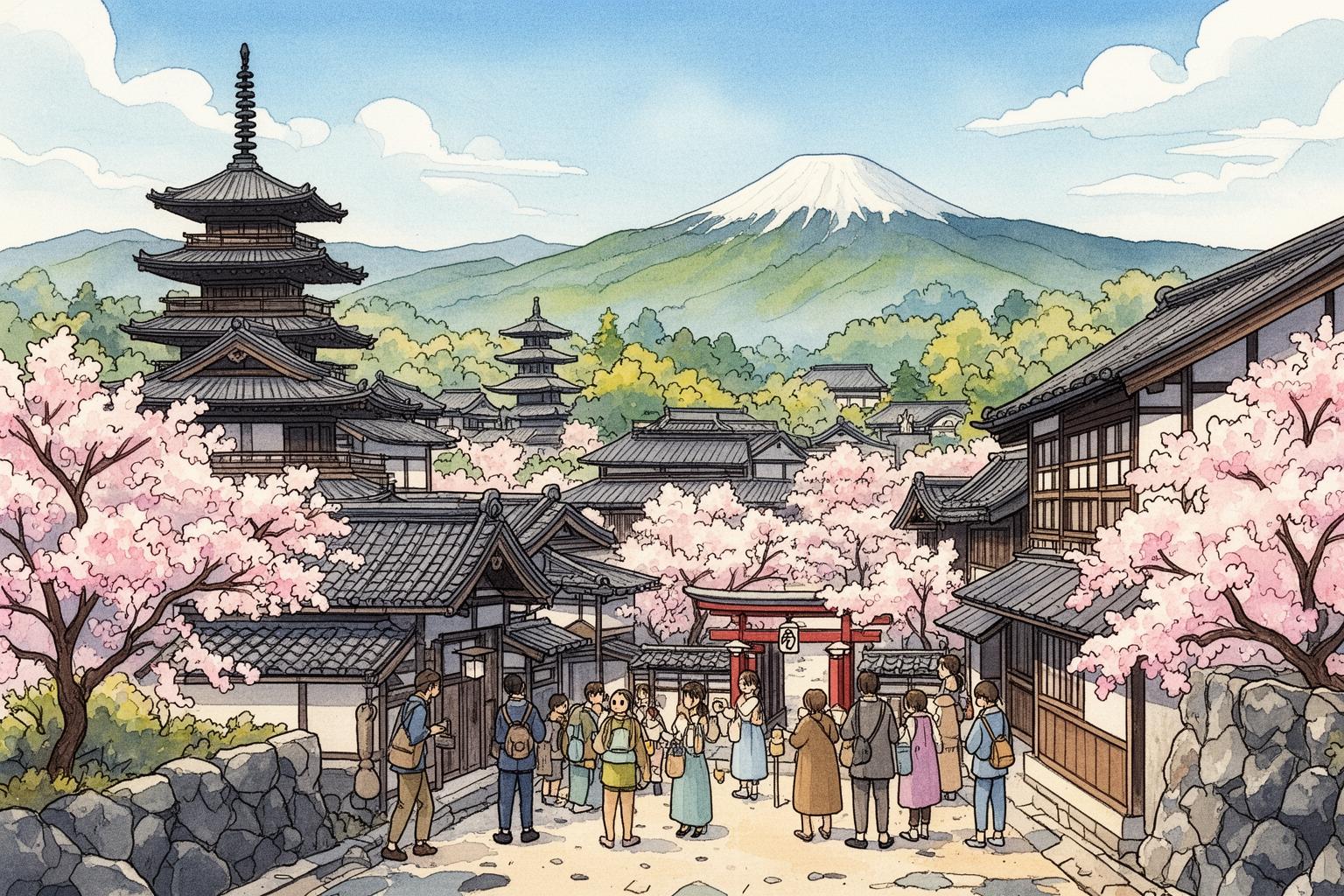
Omihachiman’s character is defined not only by its commerce but also by its spiritual life, centered around a grand shrine and the mountain towering over the town. A brief stroll from the canal will take you to this sacred place, adding another dimension to your visit.
Himure Hachimangu Shrine
At the base of Mount Hachiman stands the Himure Hachimangu, the town’s most significant Shinto shrine. Its history predates the castle town itself, serving for centuries as the spiritual heart of the community. The shrine complex is an expansive, tranquil sanctuary. You pass through a massive stone torii gate, and the path winds through a forest of towering, ancient trees. The atmosphere here feels distinct—cooler, quieter, and imbued with a sense of reverence. The main shrine buildings showcase classic Shinto architecture, featuring cypress bark roofs and striking vermilion details. This is an active place of worship, where you may observe locals clapping their hands, bowing, and offering prayers. The shrine is also renowned for hosting one of Japan’s most dramatic and fiery festivals, the Sagicho Matsuri, held every March. During this event, elaborately decorated floats made from straw and paper are paraded through the town before being spectacularly set aflame at the shrine. Even on a quiet day, the powerful energy of this place is palpable—a timeless anchor for the town’s spiritual well-being.
The Hachimanyama Ropeway
Adjacent to the shrine is the entrance to the Hachimanyama Ropeway. This cable car swiftly carries you up the 271-meter-high Mount Hachiman in just a few minutes, with views growing more breathtaking as you ascend. At the summit, you’ll find the ruins of Hachimanyama Castle, the fortress built by Toyotomi Hidetsugu that gave rise to the town. While only some stone walls and foundations remain of the original castle, the site has been transformed into a charming park. The true reward of the ascent is the stunning panoramic view. From the observation deck, you can see the entire town of Omihachiman spread out below, with the Hachiman-bori canal winding through its historic center. Beyond the town, your gaze reaches the vast, shimmering waters of Lake Biwa, extending to the distant mountains. On a clear day, the view is simply breathtaking. It’s the perfect vantage point to grasp the scale and appreciate the smart strategic planning that placed this town in such an ideal spot, nestled between the mountains and Japan’s largest lake. There’s also a small shrine and a romantic spot where lovers can pledge their devotion, making it a surprisingly heartfelt detour.
A Taste of Omi: Culinary Journeys
No visit to a new region in Japan is complete without savoring its local cuisine, and Omihachiman presents a delightful variety of flavors that showcase its history and natural richness. From world-renowned beef to unique local specialties and architecturally stunning sweet shops, get ready for a culinary adventure.
The Legend of Omi Beef
Shiga Prefecture is the birthplace of Omi beef, one of Japan’s top three ‘wagyu’ brands, alongside Kobe and Matsusaka beef. In fact, Omi boasts the longest history among them, with consumption records dating back more than 400 years. Raised in the pristine environment surrounding Lake Biwa, Omi beef is celebrated for its exceptional marbling, which imparts an exquisite tenderness and a rich, sweet flavor that melts in your mouth. Numerous restaurants in Omihachiman specialize in this local gem. You can enjoy it in different ways: as a premium steak, in a simmering sukiyaki hot pot with sweet soy sauce, or as shabu-shabu, where thin slices are briefly dipped in a light broth. Even a simple Omi beef croquette or steamed bun from a street vendor offers an unforgettable taste of indulgence.
Local Curiosities: Red Konjac and Funazushi
As you stroll through the town, you may come across an unusual food item: a bright, brick-red, jelly-like block called ‘akakonnyaku’ or red konjac. While regular konjac is a greyish, rubbery health food made from the konjac yam, Omihachiman’s version gets its vivid color from the addition of iron oxide. Legend has it that the flamboyant feudal lord Oda Nobunaga requested his konjac to be red to stand out. It has a texture similar to regular konjac but is a beloved local specialty, often served in simmered dishes (‘nimono’) throughout the town. For the more daring eater, Shiga Prefecture is also famous for ‘funazushi,’ an ancient form of sushi predating the modern style. Made by fermenting ‘nigorobuna’ carp from Lake Biwa in salted rice for several years, it offers an intensely pungent, sour, and cheesy flavor — definitely an acquired taste but a truly authentic culinary experience for the adventurous.
The Architectural Wonder of La Collina Omihachiman
Perhaps the most unexpected and delightful culinary spot in Omihachiman is La Collina. Developed by the renowned Taneya Group, a long-established Japanese confectionery company, La Collina is more than just a shop—it’s a destination. The name means ‘hill’ in Italian, and the main building is an extraordinary architectural marvel topped with a living grass roof that appears to have naturally sprung from the landscape. Inside, the spacious, whimsical interior features a ceiling that resembles a swarm of charcoal ants. Here, you can sample and purchase a wide range of both traditional Japanese sweets (‘wagashi’) and Western-style pastries (‘yougashi’). A must-try is their famous ‘baumkuchen’ cake, baked fresh before your eyes. The entire complex is designed to blend seamlessly with nature, surrounded by rice paddies, vegetable gardens, and beautifully landscaped grounds. It represents a stunning fusion of modern, sustainable architecture, reverence for nature, and the art of confectionery. La Collina is a shining example of how Omihachiman continues to innovate while honoring its heritage of quality and harmony—a modern embodiment of ‘Sanpō Yoshi.’
Through the Seasons: Omihachiman’s Ever-Changing Canvas
Omihachiman is a destination that unveils a distinct yet equally enchanting character with each changing season. Its timeless townscape serves as a beautiful backdrop to nature’s recurring spectacle, making it a place worth returning to time and again.
Spring (March – May)
Spring is perhaps the most enchanting season to visit. Along the banks of the Hachiman-bori canal, cherry blossom trees burst into a stunning display of pale pink and white flowers from late March to early April. A canal boat ride at peak bloom offers an experience of pure, unspoiled beauty. The sakura branches form a fragrant, floral canopy over the water, and as the boat glides gently, a soft breeze sends a shower of petals (‘hanafubuki’) swirling around you, blanketing the water in pink. The entire town takes on a festive air, and the sight of blossoms against historic white-walled storehouses captures the quintessential image of classic Japan. The mild, pleasant weather is perfect for leisurely strolls through the old town.
Summer (June – August)
In summer, Omihachiman is transformed into a vibrant world of deep green. The weeping willows are at their fullest, their long fronds offering welcome shade along the canal pathways. The rice paddies near La Collina shine with a brilliant emerald hue, while the ceaseless chorus of cicadas fills the air. Though the weather can be hot and humid, a boat ride along the canal provides a refreshing respite, with the cool water and gentle movement of the boat offering relief. This season is ideal for savoring iced matcha tea at a traditional café or enjoying cool summer sweets. The town buzzes with the lush energy of nature at its peak.
Autumn (September – November)
As summer’s heat fades, autumn arrives with crisp air and sets the landscape afire with vibrant colors. The leaves of cherry trees and Japanese maples scattered throughout the town and on Mount Hachiman transform into a fiery spectrum of crimson, orange, and gold. These dazzling autumn hues reflected in the placid canal waters create a scene of poetic charm. The view from the summit of the Hachimanyama Ropeway is especially breathtaking, offering a panoramic perspective of the town enveloped in fall foliage. Harvest season brings a wonderful opportunity to enjoy the region’s hearty culinary delights in comfortably cool weather.
Winter (December – February)
Winter in Omihachiman is a season of peaceful stillness. The crowds thin, and the town adopts a serene, monochrome elegance. Occasionally, a layer of snow blankets the area, turning the scenery into a stunning ink wash painting (‘sumi-e’). The sight of black-tiled roofs and bare willow branches dusted with pristine white snow is both atmospheric and tranquil. A boat ride on a crisp, cold day can be invigorating, with many boats offering heaters or warm blankets for added comfort. After a chilly walk, nothing beats retreating to a cozy restaurant for a steaming bowl of Omi beef sukiyaki or warming up with a cup of hot tea. Winter reveals the stark, essential beauty of the town’s architecture and invites quiet reflection.
The Practical Deets: Your Omihachiman Playbook
Convinced that you need to experience this timeless town firsthand? Getting there and finding your way around is surprisingly simple. Here’s a brief guide to help you plan your ideal trip.
Getting There
Omihachiman is conveniently situated on the JR Biwako Line, making it easily reachable from major cities in the Kansai region.
From Kyoto: This is the most convenient starting point. The trip from Kyoto Station to Omihachiman Station takes just 35-40 minutes on a JR Special Rapid train. It’s close enough for a perfect day trip.
From Osaka: From Osaka Station, take a JR Special Rapid train on the JR Kyoto Line (which becomes the Biwako Line). The journey lasts approximately 60-70 minutes.
Once you arrive at Omihachiman Station, the historic canal district is about 2.5 kilometers away. You can either enjoy a leisurely 30-minute walk or conveniently take a local bus from the terminal in front of the station. Look for buses heading to ‘Chomeiji’ or ‘Himure Hachimangu’ and get off at the ‘Hachiman-bori (Osugi-cho)’ or ‘Himure Hachimangu-mae’ stop. The bus ride is under 10 minutes.
Getting Around
The historic center of Omihachiman is compact and very walkable. Walking is the best way to absorb the atmosphere and uncover hidden alleyways and charming details. For those wishing to cover more ground or visit La Collina, which is a bit further out, renting a bicycle is a great option. Several rental shops are located near Omihachiman Station.
Canal Boat Ride Details
Several operators offer the Hachiman-bori canal cruise around the Himure Hachimangu Shrine area. Booking in advance is usually unnecessary unless you’re in a large group, but on busy days (such as cherry blossom weekends), arriving early is recommended. The rides typically last between 30 and 60 minutes, costing around 1,000 to 1,500 yen for adults. Most operate from morning until late afternoon, but schedules can vary seasonally, so be sure to check ahead.
Tips for First-Time Visitors
Wear comfortable shoes; you’ll be walking a lot and will need to remove them when entering merchant houses or boarding the boat.
Carry some cash. Though larger shops and restaurants often accept credit cards, many smaller local businesses, boat operators, and historic residences require cash.
Check opening hours. Museums and merchant homes usually close around 4:30 PM or 5:00 PM, with last admission 30 minutes before closing. Plan to visit indoor attractions earlier in the day.
Embrace the unhurried pace. The charm of Omihachiman lies in its relaxed atmosphere. Avoid rushing from place to place—take time to sit by the canal, wander aimlessly, and let the town’s timeless character wash over you.
Omihachiman is more than just a destination; it’s an experience. It’s the gentle splash of an oar in the water, the quiet dignity of centuries-old merchant homes, and the profound tranquility of a town that has beautifully preserved its soul. It reminds us that amid the rush of modern life, there are still places where time slows, inviting you to connect with a deeper, enduring part of Japan’s cultural heritage. I hope you have the chance to drift through its history and create your own timeless memories.
