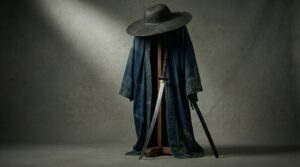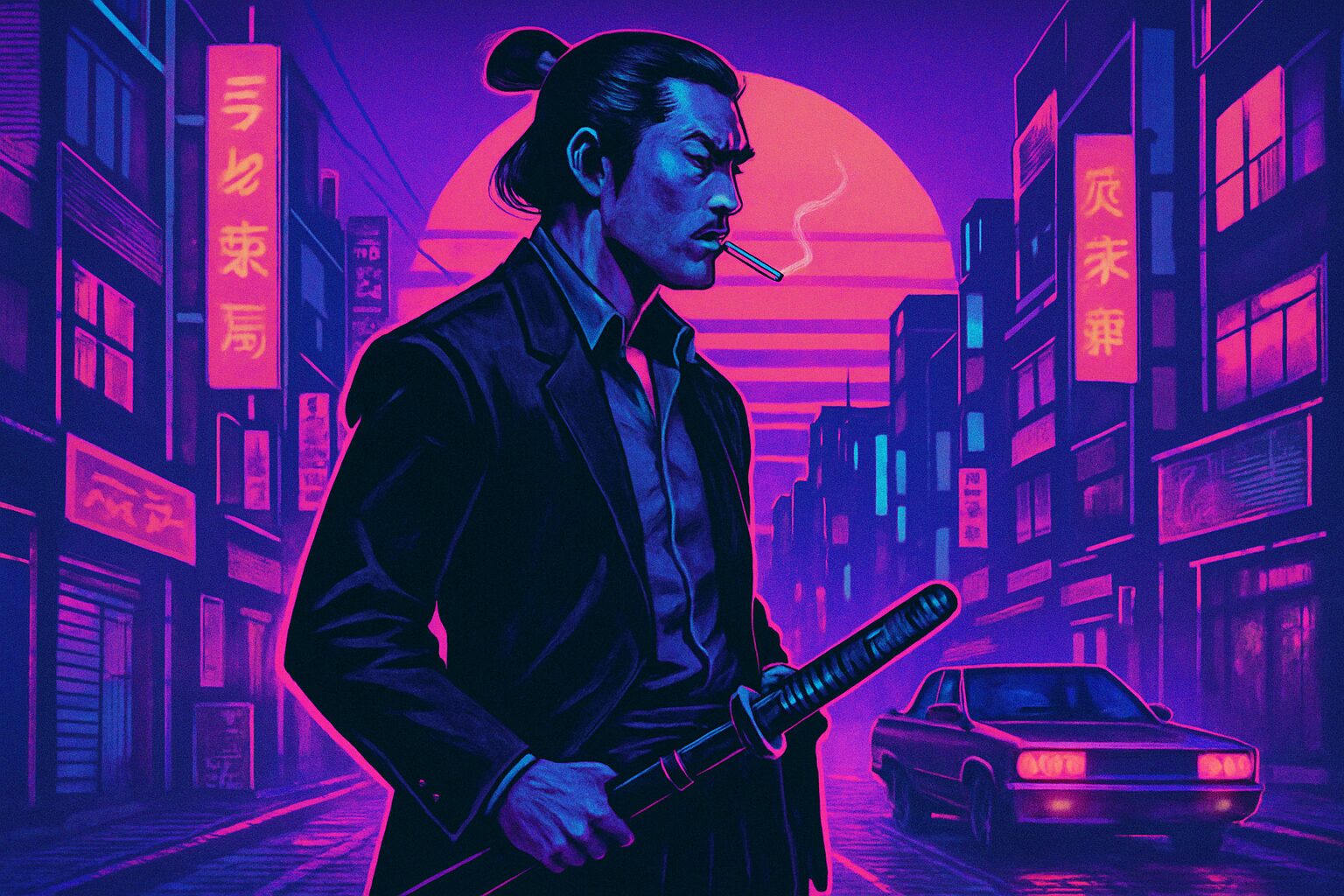
What’s up, culture crew! Megumi here, coming at you live from the neon-drenched heart of Tokyo. Usually, I’m hyping you up for the wildest festivals Japan has to offer, but today, we’re time-traveling. We’re diving headfirst into the smoke-filled, whiskey-soaked, and blood-splattered world of 1970s Yakuza cinema. Forget what you think you know about organized crime flicks. This ain’t about slick suits and glamor. This is about grit, chaos, and the ghost of the samurai crying out in a world that’s forgotten it. The 70s in Japan were a vibe shift of epic proportions—the post-war economic miracle was churning, but underneath, there was this massive identity crisis. The old ways were fading, and the new ways felt hollow. And right in the middle of that cultural earthquake, filmmakers picked up their cameras and started shooting, not with bullets, but with a raw, unfiltered energy that captured the soul of a nation in turmoil. They created a genre known as Jitsuroku Eiga, or “actual record films,” which tore down the romanticized image of the chivalrous yakuza and replaced it with something far more real, far more brutal, and ultimately, far more human. This wasn’t just entertainment; it was a mirror held up to a society grappling with its own reflection, where the blade of the samurai made its last, desperate stand in the hands of men who were anything but noble.
To truly understand how this cinematic spirit echoes the discipline of ancient warriors, you can learn more about the samurai breathing techniques that inspired such focus.
The Age of Honor is Over: Shifting from Chivalry to Chaos
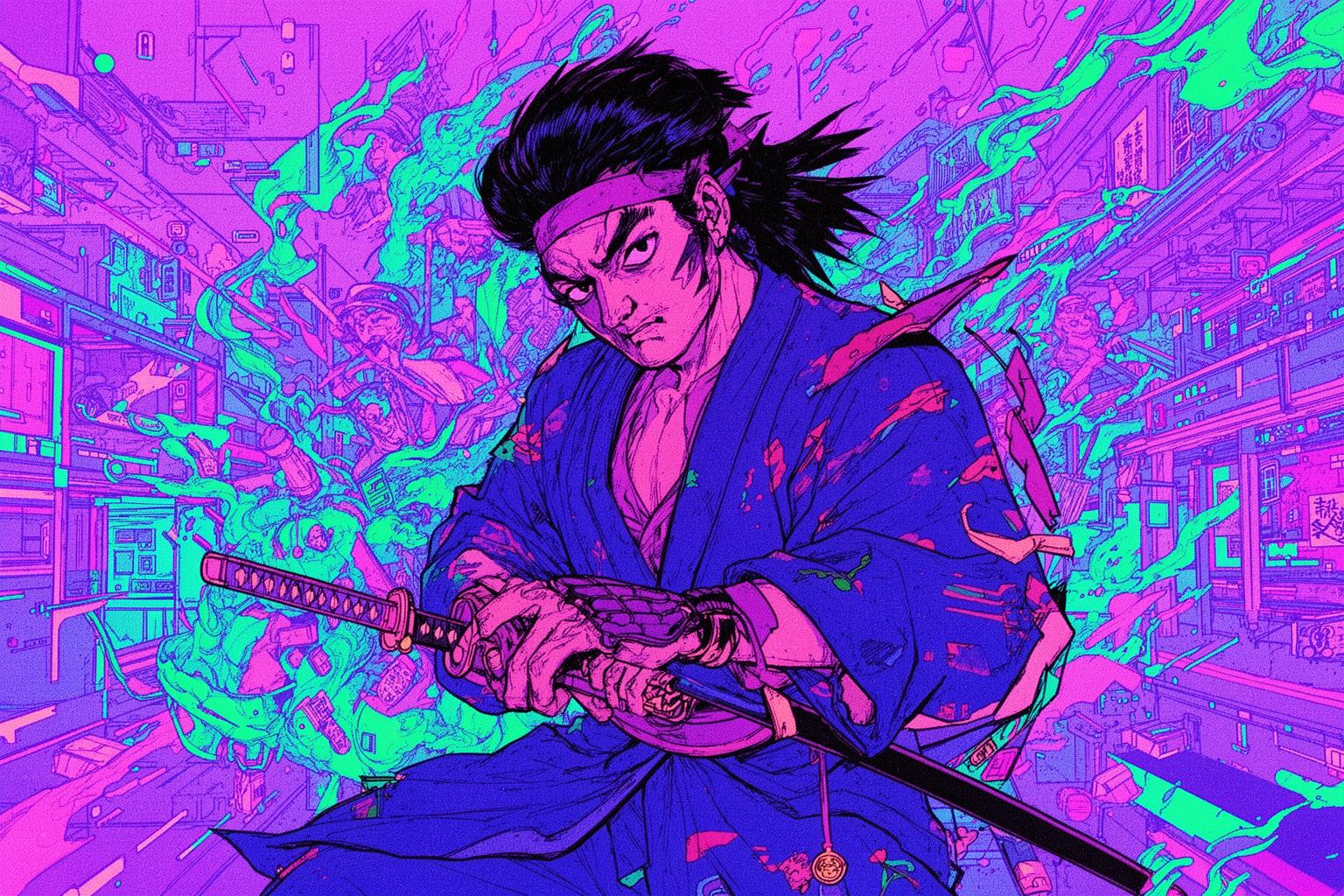
Before we can fully grasp the 70s scene, we need to understand what preceded it. The 1960s were dominated by a distinct type of gangster film known as Ninkyo Eiga, or “chivalry films.” The undisputed leader of this era was Toei Company, producing movies featuring legendary actors like Ken Takakura and Koji Tsuruta. These characters were essentially modern-day samurai, dressed in elegant kimono, wielding a single katana, and living by a strict code of giri (duty) and ninjo (humanity). The stories resembled kabuki plays: a noble yakuza patriarch striving to protect his turf and people from greedy, westernized rivals focused solely on money. The hero, often stoic and suffering, would endure injustice after injustice until his patience finally broke. The climax always involved an epic, stylized showdown where he single-handedly stormed the enemy stronghold, his blade flashing as he cut down dozens of foes. It was beautiful, romantic, and pure fantasy.
These films offered comfort to a nation still healing from the scars of World War II. They portrayed an idealized version of Japanese masculinity and honor, a world where tradition and loyalty held real meaning. The yakuza in these movies were protectors of ordinary people, tragic heroes upholding a moral code in an increasingly corrupt world. Think of them as Japanese Westerns, with the lone swordsman replacing the lone gunslinger. The violence was clean, the morality clear-cut, and the hero always stood for what was right, no matter the cost. It was a powerful narrative that turned its leads into superstars. But by the late 60s, the atmosphere was shifting. Student protests rocked Tokyo, the Vietnam War raged on, and the post-war era’s blind optimism gave way to cynicism. The audience, especially younger viewers, began to see the noble, kimono-clad yakuza as a myth. They no longer wanted fantasy—they wanted reality. And they were about to get it, raw and unfiltered.
The Fukasaku Revolution: A Handheld Camera to the Gut
Enter Kinji Fukasaku. If there’s one name you must engrave in your memory, it’s his. Fukasaku was a cinematic rebel, a director who looked at the polished, honorable world of Ninkyo Eiga and decided to ignite it. In 1973, he unleashed Battles Without Honor and Humanity (Jingi Naki Tatakai) on an unsuspecting Japan, and the landscape of yakuza cinema was forever changed. The film, based on the memoirs of a real-life yakuza from post-war Hiroshima, was a total game-changer. It discarded the rulebook and struck the audience hard. The title itself was a declaration of war: “Battles Without Honor.” It was the ultimate subversion of the genre that came before.
Fukasaku’s style was pure, unfiltered chaos. He used shaky, handheld cameras that made you feel immersed in the midst of a volatile street fight. He employed abrupt freeze frames, often catching a character mid-scream right before being shot, accompanied by stark, newspaper-style text identifying them, their rank, and the date of their death. It felt less like a movie and more like a war documentary. The pristine, theatrical sets of the 60s gave way to the grimy, bombed-out streets of post-war Kure and Hiroshima. The elegant kimonos were replaced with cheap, ill-fitting suits and loud aloha shirts. The code of honor was revealed for what it often was in reality: a hollow excuse for greed, betrayal, and brutal violence.
The characters in Battles were far from noble heroes. They were desperate, hungry survivors. The film’s protagonist, Shozo Hirono, portrayed by the magnetic Bunta Sugawara, is a disillusioned ex-soldier who stumbles into the yakuza world. He’s not a stoic samurai; he’s a confused, angry, and often terrified man trying to navigate a world where loyalty is a commodity and life is cheap. He watches as his bosses, who preach brotherhood and honor, betray each other for bigger shares. The film and its sequels wove a sprawling, complex web of shifting alliances and savage betrayals that mirrored the political corruption and corporate backstabbing of modern Japan. Fukasaku wasn’t just telling a crime story; he was holding up a cracked mirror to his country and saying, “This is who we’ve become.”
The Soundtrack of Anarchy
You can’t discuss Fukasaku’s revolution without mentioning the music. The main theme for Battles Without Honor and Humanity, composed by Toshiaki Tsushima, is an absolute icon of Japanese pop culture. It’s a blast of frantic, blaring trumpets and a driving beat that perfectly captures the film’s chaotic energy. The moment you hear that theme, you know something’s about to explode. It’s the sound of adrenaline, of deals made in smoky backrooms, of blades unsheathing, and of the old world crumbling. The score isn’t there to manipulate your emotions traditionally; it’s there to fuel the film’s relentless, forward-moving panic. It’s the anthem of an era where there was no time to think, only to react. This raw, aggressive sound became the signature of the Jitsuroku genre, a sonic punch as powerful as the visuals.
The Ghost in the Machine: Deconstructing the Samurai Code
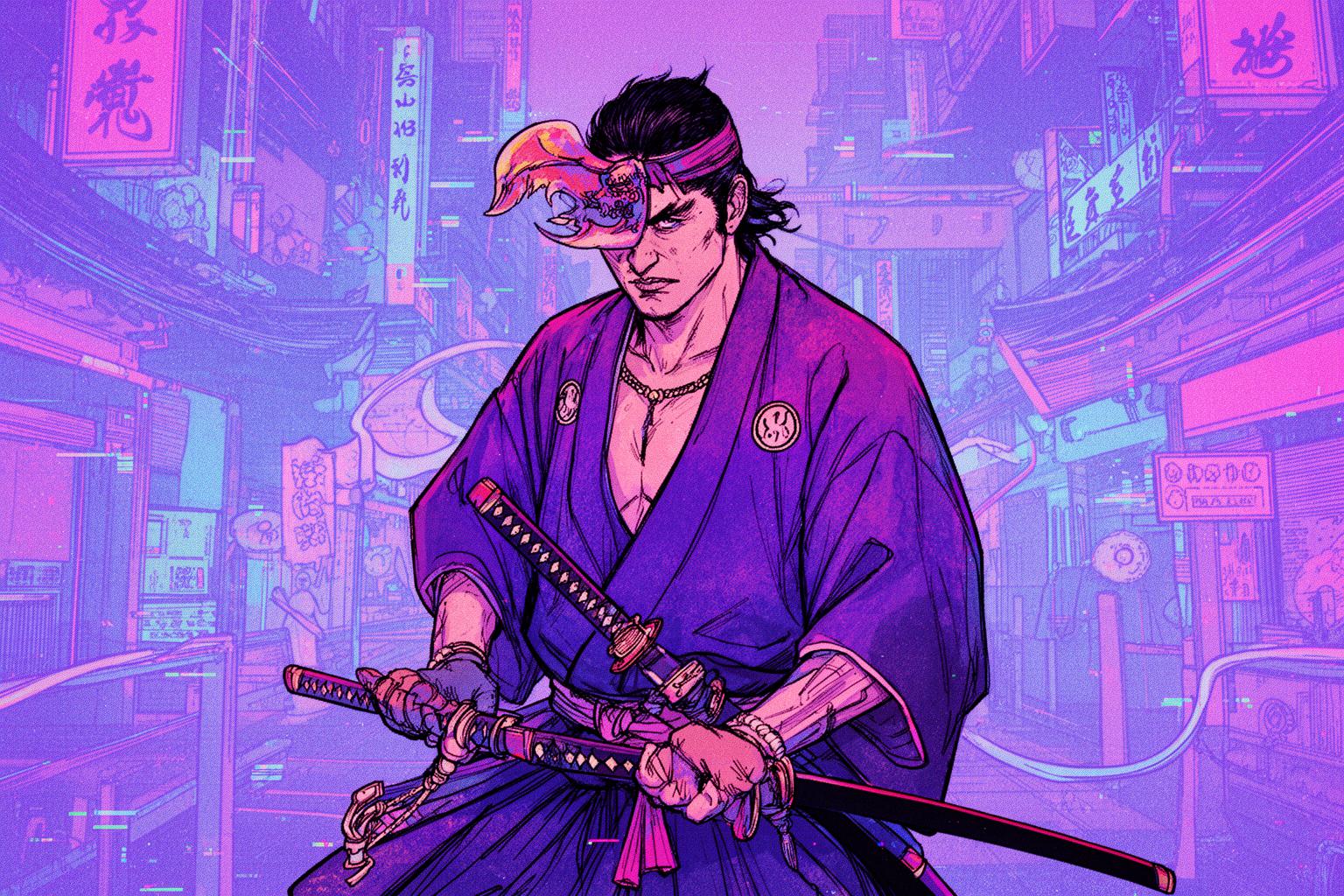
The true brilliance of 70s yakuza cinema lies in its manipulation of samurai iconography, the quintessential emblem of Japanese tradition. These films are haunted by the spirit of the samurai, but it’s a distorted, corrupted spirit. They take the fundamental principles of Bushido, the warrior’s code, and systematically dismantle them to reveal their incompatibility with the modern world. This tension gives the genre its profound, tragic resonance.
The Hollow Rituals of Honor
In traditional samurai tales, loyalty is paramount. A samurai lives and dies for his lord. Yakuza films adopted the aesthetics of this loyalty. The oyabun-kobun relationship mirrors the lord-vassal bond. The sakazuki ceremony, where sake is exchanged to formalize this connection, creates a pseudo-family. In the 60s Ninkyo films, this bond was sacred. By the 70s Jitsuroku films, it becomes a complete sham. The sakazuki ceremony is portrayed as an empty ritual, a prelude to inevitable treachery. Bosses demand unwavering loyalty from their underlings while secretly conspiring to betray them for personal gain. The protagonist is endlessly caught in a tangled web of conflicting duties (giri), forced to choose between rival bosses and families, all manipulating him with hollow words of honor. The films declare that in a world ruled by capital, these ancient codes of loyalty are merely tools for the powerful to exploit the weak.
From Katana to Pistol: The Death of a Weapon
Nothing epitomizes the demise of the old ways more than the shift in weaponry. The samurai’s soul is embodied in his katana, symbolizing skill, discipline, and intimate, personal combat. In the 60s Ninkyo films, the hero often uses a gun only reluctantly, reserving his sword for the final, honorable confrontation. The sword represents his true, traditional spirit.
By the 70s, the katana is an outdated relic. The preferred weapon is the pistol—impersonal, efficient, and cowardly. The gun demands no skill or discipline, just a twitch of the finger. Gunfights are not elegant duels but chaotic, brutal encounters. Victims don’t fall with a clean stroke; they’re shot in the back, bleed out in the gutter, and thrash in agony. The gun symbolizes the cold, impersonal nature of modern violence and business.
Yet the sword doesn’t disappear entirely. It often makes a final, desperate appearance. When a character is pushed to his absolute limit, betrayed by all and left with nothing to lose, he may seize a tanto (a short sword) or a full katana for one last suicidal charge. This act expresses his ultimate despair. He understands he cannot triumph over guns with a blade. He’s not fighting to win but to make a statement, to die in a way that, however briefly, feels honorable. It’s the last breath of the samurai spirit in a world that no longer accommodates it. This final, futile charge stands as one of the genre’s most powerful and recurring motifs—a beautiful, tragic spectacle of a dying code.
Faces of Despair: The Actors Who Defined the Era
A genre means nothing without its stars, and the faces of 70s yakuza cinema bore a weary-eyed intensity that could never be feigned. These were more than actors; they were embodiments of post-war anxiety.
Bunta Sugawara: The Reluctant Anti-Hero
Bunta Sugawara was the definitive face of the genre. With his piercing eyes, perpetually furrowed brow, and a voice that could shift instantly from a low growl to a desperate roar, he perfectly embodied the Jitsuroku protagonist. His characters, such as Shozo Hirono in Battles, were far from calm or composed. They were volatile, conflicted, and deeply human. The internal struggle—the clash between believing in a code of honor and facing the harsh realities of his world—was visible in his eyes. Sugawara’s performances were raw and electric. He didn’t portray a hero; he portrayed a man caught in a cycle of violence, whose every act of loyalty was met with betrayal. He personified the disillusionment of a generation.
Sonny Chiba: The Fists of Fury
If Sugawara was the soul of the genre, Sonny Chiba was its explosive physical power. Renowned globally for martial arts films like The Street Fighter, Chiba also infused the yakuza realm with intense physicality. His characters tended to be more proactive and physically adept, yet equally doomed. He symbolized a more primal, violent reaction to systemic corruption. While Sugawara’s characters agonized over their decisions, Chiba’s often fought their way through with fists and fury, a relentless force clashing against an unyielding system. His presence brought a different energy—a kinetic rage that perfectly matched the genre’s chaotic style.
Meiko Kaji: The Female Avenger
The yakuza world was overwhelmingly male, but the 70s also introduced one of Japanese cinema’s most iconic female figures: Meiko Kaji. Though best known for roles in Female Prisoner Scorpion and Lady Snowblood, which aren’t strictly yakuza films, these works share the same rebellious, fatalistic spirit. As Nami Matsushima, “Sasori” (Scorpion), she became an embodiment of silent, vengeful rage. Betrayed by men and a corrupt system, she endured unspeakable prison horrors yet never broke. Her weapon was silence paired with a burning, hateful gaze. Her escapes and bloody quests for revenge were a powerful feminist statement within a male-dominated genre. She demonstrated that the spirit of rebellion and the pursuit of justice, however violent, were not confined to men. Her theme song, “Urami Bushi” (Grudge Song), later featured in Quentin Tarantino’s Kill Bill, is a haunting anthem of vengeance that highlights her lasting influence.
A Viewer’s Guide: Essential Jitsuroku Eiga
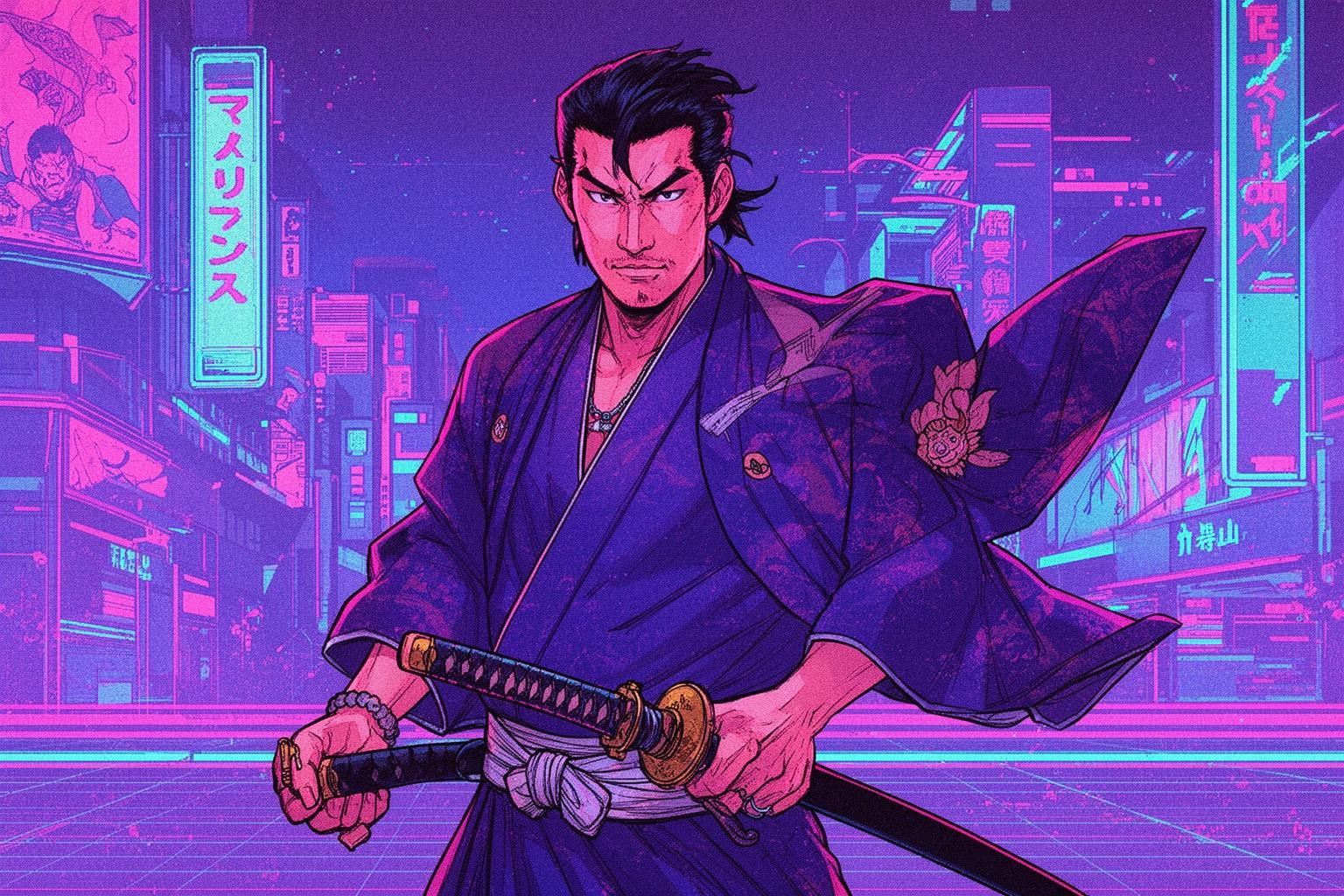
So, are you ready to dive in? The world of 70s yakuza cinema is vast and complex, but here are a few essential films to kick off your journey into the heart of darkness.
Battles Without Honor and Humanity (Series, 1973-1974)
This is ground zero. Kinji Fukasaku’s five-film saga is the definitive bible of the genre. Start here. Don’t even consider watching anything else first. It’s a sprawling, epic narrative spanning two decades of gang warfare in post-war Hiroshima. The cast features a who’s who of the era, and the multitude of characters and betrayals can be dizzying—but that’s the point. It aims to overwhelm you, pulling you into its vortex of violence. Watch it and witness the birth of a legend.
Graveyard of Honor (1975)
If you thought Battles was bleak, Fukasaku’s Graveyard of Honor plunges into an even darker realm of nihilism. Based on a true story, it chronicles the self-destructive rampage of Rikio Ishikawa, portrayed by the remarkable Tetsuya Watari. Ishikawa is not a tragic anti-hero you can sympathize with. He is a monster. He respects no codes, no bosses, no one. He embodies pure id, driven by violence and chaos. He attacks his own boss, disrespects everyone, and descends into a drug-fueled paranoia and destruction. The film is a brutal, unforgiving portrait of a man completely cut off from society—a yakuza feared even by his own kind. It’s a difficult watch, but undeniably a masterpiece of nihilistic cinema.
Street Mobster (1972)
Another Fukasaku and Sugawara collaboration, this film feels like a precursor to Battles. Sugawara stars as Isamu Okita, a street thug who, after prison, tries to build his own gang. The film is renowned for its incredible energy and a legendary, chaotic opening tracking shot that follows Okita through the bustling streets of Kawasaki as he instigates fights and chaos. It perfectly captures the intensity of a man like a pressure cooker of rage, ready to explode at any moment. It’s raw, visceral, and sets the stage for the yakuza deconstruction Fukasaku would master a year later.
Yakuza Graveyard (1976)
Also known as Yakuza Burial, this film puts an intriguing spin on the formula. Starring the aforementioned Meiko Kaji and directed by Kinji Fukasaku, the protagonist is a cop who becomes so deeply embedded in the yakuza world he’s investigating that the line between law and crime blurs entirely. It serves as a powerful commentary on how the corrupt systems on both sides of the law mirror each other. The film also addresses the Zainichi Korean minority in Japan, a subject rarely explored in mainstream cinema at the time, adding another layer of social critique to its brutal action.
Feeling the Vibe: Where to Find the Showa-Era Soul in Modern Japan
Alright, so you’ve watched all the movies, and now you want to immerse yourself in a bit of that gritty Showa-era vibe firsthand. Although Japan has rapidly modernized, there are still pockets where the spirit of the 70s lingers. This isn’t about hunting for yakuza; it’s about capturing the aesthetic and atmosphere of a bygone time that these films so vividly portrayed.
Toei Kyoto Studio Park (Eigamura)
This spot is a must-visit for any fan of classic Japanese cinema. Situated in Kyoto, it’s where numerous Toei yakuza and samurai films were shot. It’s part theme park, part working film set. You can stroll through painstakingly recreated Edo-period streets and Meiji-era neighborhoods. While it leans more towards samurai movies, the essence of Toei’s golden era is unmistakable. You can watch chanbara sword-fighting performances, dress up as a geisha or samurai, and imagine yourself as a ronin wandering through streets where legends were born. It’s a direct connection to the history behind these films.
Shinjuku Golden Gai, Tokyo
If you want to step into a real-life movie set, head over to Golden Gai in Shinjuku. This tiny maze of six narrow alleys houses more than 200 miniature bars, some that only hold a handful of patrons. The area was a popular spot for writers, artists, and filmmakers during the Showa period. Walking through its lantern-lit alleys at night feels like stepping into the past. The shaky wooden buildings, steep staircases, and smoke drifting from small kitchens create an authentic atmosphere. Although it’s become more tourist-friendly, it still retains its edgy, bohemian spirit. Grab a seat in one of the tiny bars, have a drink, and soak it all in. This is exactly where a yakuza deal might have taken place in a Fukasaku film.
Omoide Yokocho (“Piss Alley”), Tokyo
Another Shinjuku treasure, right by the train tracks, is Omoide Yokocho. The unflattering nickname reflects its long, gritty past. This cramped alleyway is filled with tiny yakitori stalls, where salarymen and locals squeeze onto small stools to enjoy grilled skewers and beer. The air is thick with smoke from the grills and the hum of conversation. It’s a living snapshot of post-war Tokyo that has somehow endured. The atmosphere is both friendly and chaotic, making it an ideal place to experience the working-class world that forms the backdrop of so many films.
A Word of Advice for First-Time Visitors
When you visit places like Golden Gai, keep in mind that these are very small, intimate spaces. Many bars charge a cover fee (otoshi), which usually includes a small appetizer. Some bars are “members only” or may be cautious about large, noisy tourist groups. The key is to be respectful. Go in a small group, keep your voice down, order a drink, and enjoy the distinct atmosphere. A touch of politeness goes a long way and can open the door to an unforgettable experience. Don’t be intimidated; the people are generally welcoming but appreciate visitors who understand and respect the vibe of the place.
The Legacy of the Lawless
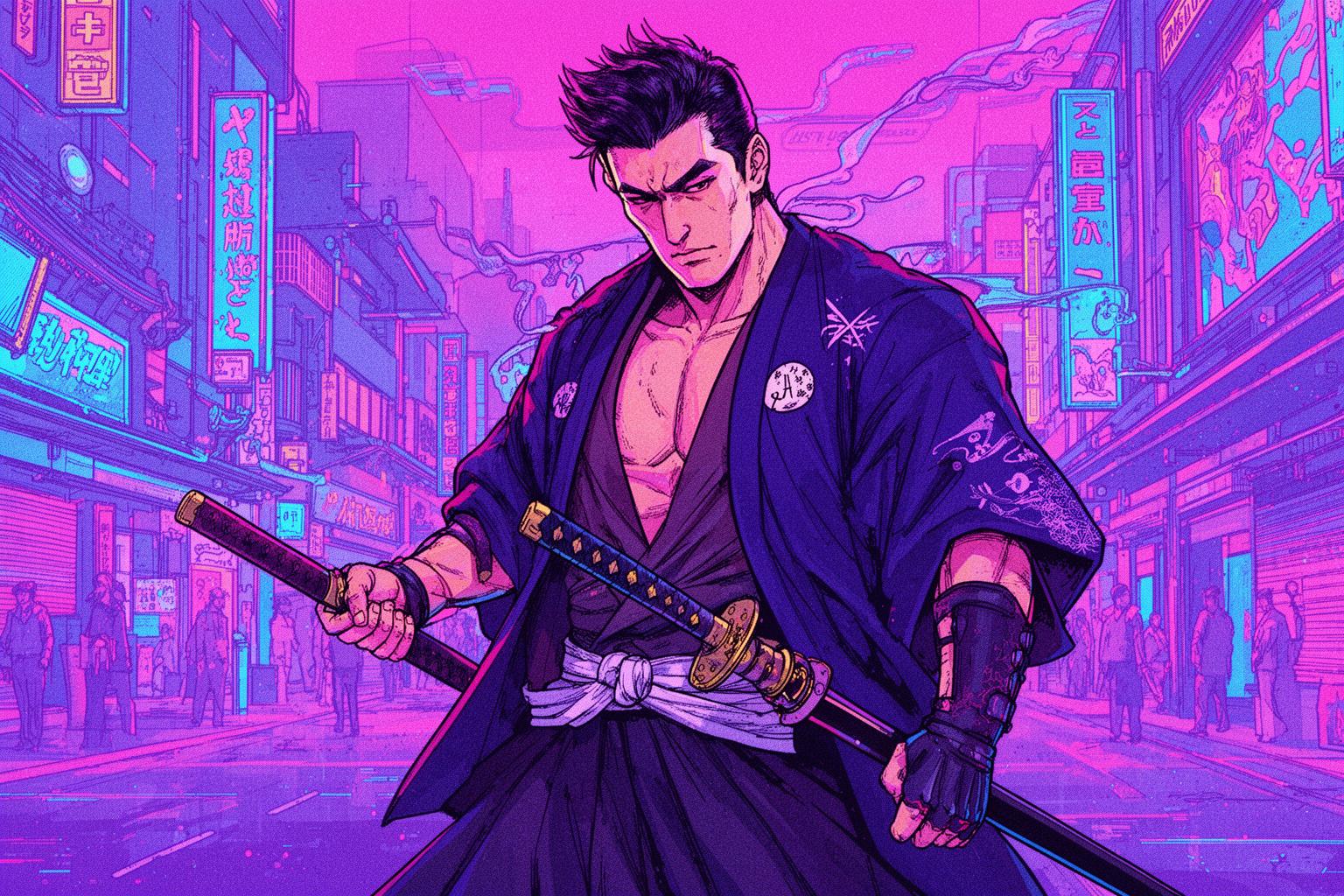
The golden age of Jitsuroku Eiga was brief yet brilliantly intense, fading away by the end of the 70s. However, its impact is immeasurable. These films didn’t just transform Japanese cinema; they sent shockwaves worldwide. Directors like Quentin Tarantino have openly credited Fukasaku as a major influence—the intricate narratives, the explosive violence, and the cool-yet-doomed anti-heroes in films like Reservoir Dogs and Pulp Fiction owe a great deal to the Jitsuroku style. You can also trace its influence in the works of international filmmakers such as Martin Scorsese and John Woo.
Within Japan, the yakuza genre evolved. In the 80s and 90s, Takeshi Kitano revitalized it with his distinctive minimalist, deadpan humor and sudden, shocking bursts of violence. His films, including Sonatine, are more contemplative and existential, delving into the boredom and absurdity of yakuza life. Later, directors like Takashi Miike pushed the genre into hyper-violent, surreal, and often comedic realms with films like Dead or Alive and his remarkable remake of Graveyard of Honor. The genre remains vibrant, with recent films such as The Blood of Wolves acting as a direct and heartfelt tribute to Fukasaku’s 70s classics.
These 1970s films continue to be a vital, electrifying chapter in cinema history. They transcend the gangster label—they are a time capsule, a scream of rage and confusion from a nation caught between a romanticized past and an uncertain future. They narrate the death of the samurai spirit—not on a battlefield with drawn swords—but in dimly lit back alleys, wielding cheap pistols and carrying pockets full of empty promises. They reveal that sometimes the most profound cultural stories come not from its heroes, but from its outlaws.
So next time you’re searching for a film to watch, step away from the polished blockbusters. Take a chance on a grainy, chaotic, and loud film from 1970s Japan. I promise it will seize you by the throat and refuse to let go. It’s a cinematic experience that’s wildly intense, deeply tragic, and utterly unforgettable. It’s the last desperate war cry of a ghost Japan is still trying to comprehend. And believe me, it’s a cry worth hearing.