Alright, let’s spill the tea. You’ve seen the pictures of Japan—the serene temples, the futuristic cityscapes, the flawless plates of sushi. That’s all real, and it’s all amazing. But if you wanna get to the heart of modern-day Japan, to feel its pulse after the sun goes down, you have to look beyond the guidebooks. You need to follow the scent of charcoal smoke curling into the cool night air, listen for the distant rumble of a train overhead, and look for the warm glow of a single red lantern hanging above a sliding door. This, my friends, is your invitation to the world of the salaryman izakaya—the realest, most authentic, and low-key best night out you can have in Japan. This isn’t just a bar or a restaurant; it’s a sacred space, a decompression chamber for the nation’s workforce. It’s where the ties come off, the true feelings—the honne—come out, and the night is filled with the clinking of glasses and the sizzle of chicken on the grill. Forget exclusive clubs and fancy cocktail bars for a night. We’re diving headfirst into the loud, crowded, smoky, and unbelievably delicious universe of the everyday Japanese pub, with a special focus on legendary spots in Tokyo like Shimbashi, Yurakucho, and the iconic Omoide Yokocho in Shinjuku. This is where culture isn’t just explained; it’s lived, one skewer and one glass of shochu at a time. It’s a whole vibe, and once you get it, you’ll be hooked. Bet.
If you’re captivated by the authentic energy of these hidden alleyway pubs, you’ll want to explore more of Japan’s legendary hidden izakaya alleys.
What’s the Vibe? The Izakaya Sensory Overload

First and foremost: a salaryman izakaya is an exhilarating assault on the senses in the best possible way. The moment you push open the often wobbly door and draw back the cloth curtain, or noren, you’re immediately engulfed by it. It’s a wall of sound—the loud laughter of coworkers, the sharp call of “Irasshaimase!” (Welcome!) from the staff, the rhythmic clinking of plates, and the steady sizzle from the grill. It’s noisy. It’s lively. It’s the complete opposite of a quiet, reflective dinner. And that’s exactly the point. The atmosphere feels tangible. Many of these old-school establishments, the real treasures, still have a haze of cigarette and charcoal smoke hanging in the air. For some, this might be off-putting, but for those seeking authenticity, it’s an inseparable part of the experience—a nostalgic nod to a Showa-era Japan rapidly fading away.
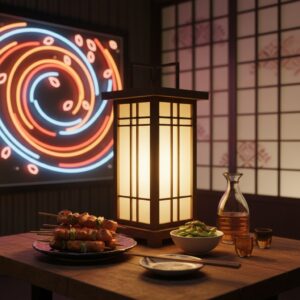
The decor, if you could call it that, is purely functional and unpretentious. Minimalist Scandinavian design is nowhere to be found here. Instead, you’ll see wooden counters worn smooth by countless elbows, walls covered with handwritten menus—oshinagaki—displaying the day’s specials in beautiful, hurried calligraphy that’s likely hard to decipher. Yellowed posters advertising Sapporo or Asahi beer might hang alongside a vintage baseball calendar, with shelves crammed full of sake and shochu bottles, many of which belong to a “bottle keep” system for regular customers. Lighting is usually dim, warm, and concentrated on two main spots: the hectic open kitchen where the master, or taisho, commands attention, and the animated faces of patrons deep in conversation. The space is almost always tight—you’ll find yourself shoulder-to-shoulder with strangers, maneuvering narrow walkways and squeezing onto small wooden stools. This isn’t a flaw; it’s a feature. The close quarters break down barriers, fostering a brief, communal connection where a shared laugh or nod over a tasty dish links you with the office workers next to you. This is a place designed not for solitude, but for collective release.
The Holy Trinity: Yakitori, Shochu, and the Supporting Cast
While the atmosphere is what initially attracts you, it’s the food and drink that keep you coming back. In the realm of the salaryman izakaya, a sacred trio forms the backbone of any memorable evening: yakitori, shochu, and a variety of essential side dishes that complete the experience. This isn’t about elaborate multi-course meals; it’s about straightforward, expertly prepared dishes meant to complement your drinks.
Yakitori: More Than Just Chicken on a Stick
Let’s be clear: referring to yakitori as “chicken on a stick” is like calling a Michelangelo sculpture “just a rock.” It’s technically accurate but overlooks the entire artistry involved. Yakitori is a craft, a culinary art where every part of the chicken is honored and expertly grilled over high-heat binchotan charcoal, which imparts a subtle smokiness without harsh flames. When ordering, you’ll often be asked “Shio or tare?”—salt or sauce? This is an important decision. Shio (salt) caters to purists, highlighting the natural taste of the premium chicken and the smoky charcoal essence. It’s ideal for cleaner cuts like breast or thigh. Tare is a sweet and savory soy-based glaze that’s repeatedly brushed on and grilled until caramelized and sticky, perfect for richer, more robust parts like liver or meatballs. A savvy choice is to try a mix or simply trust the chef’s assorted platter, a moriawase.
Now, about the menu—it’s fun and can be a bit daunting for newcomers. But don’t worry. Here’s a guide to the must-try items:
- Momo (もも): Chicken thigh. The GOAT of yakitori, juicy and flavorful, making a perfect starting point. Pairs well with either shio or tare.
- Negima (ねぎま): Chicken thigh skewered with Japanese leek (negi). The grill sweetens and chars the leek slightly, its sharpness balancing the rich chicken. A heavenly combination.
- Tsukune (つくね): Chicken meatballs showcasing each shop’s character. They can be soft and fluffy or dense and meaty, sometimes mixed with cartilage (nankotsu) for crunch. The ultimate version comes with a raw egg yolk dip, creating an exceptionally rich sauce.
- Kawa (かわ): Chicken skin. Don’t dismiss it until you’ve tried it. When cooked right, it’s crispy, chewy, and fatty—a flavor bomb that’s an excellent beer companion.
- Sunagimo (砂肝): Gizzard. For the adventurous eater, with its firm, slightly crunchy texture and clean mineral flavor. Best with shio and a squeeze of lemon.
- Hatsu (ハツ): Heart. Sounds intimidating but is surprisingly tasty. Tender with a satisfyingly dense bite and rich meaty flavor, not gamy at all.
- Reba (レバー): Liver. A divisive item, but a skilled chef will grill liver to creamy perfection inside with a charred outside. With tare sauce, it becomes a delicacy.
Beyond chicken, you’ll find delightful pork belly (butabara), bacon-wrapped asparagus, grilled shiitake mushrooms, and slightly charred, gooey shishito peppers. Each skewer costs only a few hundred yen, allowing you to sample broadly.
Shochu: Japan’s Underrated Spirit
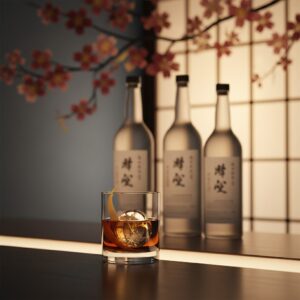
Though beer is a common starter, shochu is the heart of the salaryman’s drink selection. This native distilled spirit is both versatile and complex. Unlike sake (brewed like beer) or Korean soju (often with added sweeteners), shochu stands on its own, usually around 25% ABV, with its flavor shaped by the base ingredient.
- Imo-jochu (芋焼酎): Sweet potato shochu, the bold classic. Known for its earthy, robust, sometimes funky aroma, it’s an acquired taste but pairs brilliantly with rich grilled yakitori. Enthusiasts can identify brands solely by scent.
- Mugi-jochu (麦焼酎): Barley shochu. Smooth and clean, lighter than imo with nutty, crisp notes. Ideal for shochu newcomers, offering character without overwhelming the palate.
- Kome-jochu (米焼酎): Rice shochu. Reminiscent of sake’s flavor but with the sharper finish of a distilled spirit. Elegant and subtly sweet.
How you drink shochu matters as much as the type you choose. Popular ways include mizuwari (cold water) and on the rocks, which mellow its strength and make it good for extended drinking. The true salaryman classic, especially in winter, is oyuwari (hot water), which unlocks complex aromas—earthy sweet potato or toasty barley scents fill the air. Another favorite is chuhai or sour, mixing shochu with soda and fruit juice. The clear winner here is remon sawā (lemon sour), a tart, fizzy drink that expertly cuts through fried and grilled richness.
The Unsung Heroes: Essential Side Dishes
No izakaya visit is complete without the essential otsumami, small plates meant for sharing and encouraging more drinks.
- Edamame: The classic snack. Boiled and salted soybeans, simple, addictive, and perfect while you decide on the rest.
- Hiyayakko (冷奴): Chilled silken tofu topped with bonito flakes, grated ginger, green onions, and a splash of soy sauce. Clean, cool, and a refreshing palate cleanser.
- Karaage (唐揚げ): Japanese fried chicken. Varied recipes abound, usually boneless thigh marinated in soy, ginger, and garlic, fried crispy. A beloved crowd-pleaser.
- Agedashi Tofu (揚げ出し豆腐): A warm contrast to hiyayakko. Lightly starch-dusted tofu cubes deep-fried to golden perfection and served in savory dashi broth. Comfort in a bowl.
- Potato Salad (ポテトサラダ): An unexpected but cherished izakaya staple—creamy Japanese-style potato salad often tossed with cucumber, carrots, onions, and sometimes hard-boiled egg. Nostalgic and satisfying.
- Ochazuke (お茶漬け): The perfect finale. Rice topped with salted salmon, pickles, or seaweed, with hot green tea or dashi poured over. A soothing, savory dish to settle the stomach after drinking.
The Unwritten Rules: How to Izakaya Like a Local
Stepping into a bustling izakaya for the first time might feel a bit intimidating, but the basic etiquette is quite straightforward. Following a few essential customs will not only help you feel more at ease but also earn you respect from both the staff and other guests.
Getting In and Getting Seated
Don’t hesitate. The entrance of an izakaya is meant to be passed through. Slide the door open confidently and be ready to state your party size. A simple “Futari desu” (Two people) while holding up two fingers is sufficient. The staff will then show you to your seat. You might be invited to sit at the counter, which is ideal if you’re a foodie. From there, you get a front-row view of the grilling and can easily chat with the chef. Other options include small tables or, in more traditional establishments, zashiki seating on tatami mats where you’ll need to remove your shoes. After you sit down, you’ll receive an oshibori (a hot or cold towel) to clean your hands—your first cue to relax.
The Art of Ordering
The pace of an izakaya evening begins with one phrase: “Toriaezu, nama!” meaning “For now, a draft beer!” It serves as the unofficial starting signal of the night. Everyone orders this. While enjoying your beer, you can browse the menu. One important thing to know is about the otoshi or tsukidashi—a small appetizer automatically served. It’s not complimentary; rather, it acts as a table charge. Don’t resist—it’s part of the system and often showcases the kitchen’s specialties.
When ordering food, think in stages. The meal is meant for sharing. Avoid ordering everything at once, as you might in a Western restaurant. Begin with a couple of quick, cold dishes like edamame or tofu, then proceed to yakitori or karaage. Assess how you’re feeling, order another round of drinks, and then try some more substantial items. The meal is a marathon, not a race. To get a server’s attention, a clear but polite “Sumimasen!” (Excuse me!) works well. Some modern izakayas also have call buttons on the table for convenience.
Izakaya Etiquette You Should Know
Japanese social etiquette may seem complicated, but in the casual setting of an izakaya, it boils down to a few thoughtful practices. When in a group, it’s customary to pour drinks for others from a shared bottle of beer or sake, rather than filling your own glass. Someone else should do that for you, as a sign of respect and camaraderie. Before taking your first sip, always wait until everyone has a drink, raise your glasses, and say “Kanpai!” (Cheers!).
For shared dishes, use the serving chopsticks provided (if available) or turn your own chopsticks around to use the clean ends when transferring food to your personal small plate (torizara), avoiding double-dipping. Finally, when it’s time to leave, you’ll typically pay at the front cash register rather than at your table. In groups, bills are usually split equally, a practice called warikan. While separate bills (betsu betsu ni) can be requested, it may be inconvenient for smaller, busy venues, so going with the flow often works best.
Ground Zero: Where to Find the Best Salaryman Haunts
While you can discover amazing izakayas throughout Japan, certain Tokyo neighborhoods are legendary, acting like true theme parks for after-work celebration. These areas boast such a dense concentration of authentic, no-frills venues that you can simply arrive and let the night unfold naturally.
Shimbashi: The Salaryman’s Sanctuary
If there’s a Mecca for salarymen, it’s Shimbashi. Just a short walk from the formal business hubs of Marunouchi and Ginza, Shimbashi is where corporate workers come to unwind. The moment you exit the JR station’s Karasumori Exit, you’re immersed in it. The district is a sprawling, chaotic maze of narrow streets filled with hundreds of izakayas. The most iconic spots lie gado-shita, literally “under the girder,” in the cavernous spaces beneath the elevated Yamanote Line tracks. Every few minutes, a train roars overhead, shaking the foundations of the tiny bar you’re in—a sound that adds to the area’s industrial symphony rather than disrupting it.
The atmosphere here is 100% raw and unfiltered. After 6 PM, the streets flood with men and women in office wear, their faces illuminated by red lanterns and neon lights. The air blends grilled meat, stale beer, and joyful noise into a heady mix. You’ll find everything here: bustling tachinomi (standing bars) where you can grab a quick drink and a few skewers for less than a thousand yen, specialist yakitori joints with decades of legacy, and lively pubs pouring beer freely. Shimbashi is far from glamorous. It’s gritty, slightly grimy, and completely, unapologetically genuine.
Shinjuku’s Omoide Yokocho: A Journey Back in Time
Meaning “Memory Lane,” Omoide Yokocho is a tiny, incredibly atmospheric alley tucked beside the sprawling Shinjuku Station. Its other evocative nickname is “Piss Alley,” a nod to its rough post-war past when facilities were scarce. Today, it draws many tourists, but don’t be misled—it still holds a strong core of authenticity. Entering Omoide Yokocho feels like stepping onto a film set. Two narrow parallel alleys cram minuscule yakitori shops, some seating as few as five or six people at a counter. Smoke wafts from dozens of grills, enveloping the lane in a delicious haze. A tangled web of electrical wires, old signs, and glowing lanterns overhead forms a stunning vision, combining cyberpunk aesthetics with Showa-era Japan.
Navigating Omoide Yokocho calls for some strategy. It becomes extremely crowded, so arrive early (around 5 PM) to secure a seat. Avoid bringing large bags, as space is very limited. Be ready to be flexible; simply find an open spot and jump in. While some places now offer English menus, many remain fiercely local. The experience is intimate and intense. You’re close enough to the grill to feel its heat, and you’ll often find yourself chatting with the salaryman or fellow traveler beside you. This is a place where memories are literally forged in fire and smoke.
Yurakucho & Ginza Gado-shita: Gritty Charm Beside High Fashion
This area presents one of Tokyo’s most fascinating contrasts. Just south of the gleaming, high-fashion hub of Ginza lies the gado-shita area of Yurakucho. Here, tucked beneath the handsome red-brick arches of the train tracks, is a cluster of izakayas and restaurants that feel like a different world. The constant rumble of the Yamanote line acts as a rhythmic backdrop to your meal. The clientele blends media professionals from nearby Hibiya offices with savvy shoppers taking a break from Ginza’s gloss. The vibe here is a bit more relaxed than Shimbashi, yet every bit as authentic. You can enjoy everything from yakitori and oden stalls to German-style beer halls and cozy wine bars. It’s the perfect spot to experience gado-shita culture if Shimbashi feels too intense. The sight of red lanterns glowing beneath brick arches as a train passes overhead is an iconic Tokyo scene.
The Izakaya’s Deeper Meaning

To genuinely appreciate the salaryman izakaya, one must understand its role within Japanese society. It is much more than just a place to eat and drink. It serves as the stage where a vital aspect of Japanese social and corporate life unfolds. In a culture that values group harmony and public restraint (tatemae), the izakaya acts as the designated pressure-release valve. It is the one space where it is socially acceptable, even encouraged, to express your true feelings (honne), gripe about your boss (who might be sitting nearby, also complaining), and bond with colleagues on a personal level.
This distinctive form of alcohol-fueled communication is so ingrained it has its own term: nominication (a blend of nomu, to drink, and communication). These after-work drinking sessions, known as nomikai, are not always optional; they are often considered an extension of the workday, a place where relationships form, information is shared informally, and team cohesion strengthens. Though this culture is evolving with younger generations, it remains a potent force. Consequently, the izakaya functions as a vital “third place”—a concept coined by sociologist Ray Oldenburg to describe spaces outside of home and work essential for community and civic life. It is neutral ground where hierarchies temporarily dissolve, allowing the human side of the corporate machine to surface.
At the heart of this world is the taisho, the master or chef. In a small izakaya, the taisho embodies everything. They are the cook, host, entertainer, and confidant. Regular patrons, called joren, develop a deep rapport with the taisho over the years, and the taisho knows their favorite drinks, work struggles, and family stories. This relationship forms the heart and soul of a neighborhood izakaya, transforming a simple pub into a true community hub.
A First-Timer’s Pocket Guide
Feeling ready to dive in but still a bit nervous? No need to worry. Here are five quick tips to make your first salaryman izakaya experience a complete success.
- Bring Cash. Although Japan is modernizing, many of the best traditional, family-run izakayas still operate on a cash-only basis. Don’t get caught without enough yen to pay your bill.
- Point and Smile. Don’t speak Japanese? That rarely poses an issue. The language of good food and drink is universal. A friendly attitude, pointing at menu items (or what your neighbor is eating), and using simple phrases like “Kore, kudasai” (This, please) will take you far.
- Embrace the Squeeze. These spots tend to be small. Be considerate of your surroundings, keep your bags compact, and don’t be surprised if you’re sitting close enough to brush shoulders with others. It’s all part of the cozy, communal atmosphere.
- Go Solo or in a Pair. Izakayas are ideal for solo diners, who are always welcome at the counter. They also work well for pairs or groups of three. Trying to fit a group of six or more into a popular, tiny spot without a reservation is likely to end in disappointment.
- When in Doubt, Start with the Classics. Overwhelmed by the menu? Stick to the basics. You can’t go wrong beginning with a draft beer (nama biiru), a plate of edamame, some karaage, and a mixed yakitori platter (moriawase). It’s a winning combination every time.
The Japanese salaryman izakaya is more than a location on a map; it’s an experience, a vibrant cultural institution. It offers a glimpse into everyday Japan, where the simple joy of a perfectly grilled chicken skewer and a cold drink can bridge cultural gaps and create genuine moments of connection. It’s loud, smoky, and potentially a bit chaotic, but also warm, welcoming, and deeply human. So on your next trip, after work ends and the city lights flicker on, I challenge you to step out of your comfort zone. Follow the scent of charcoal, seek out the glowing red lantern, slide open the door, and walk inside. You won’t just be having dinner; you’ll be savoring the true spirit of Japan. Kanpai to that.