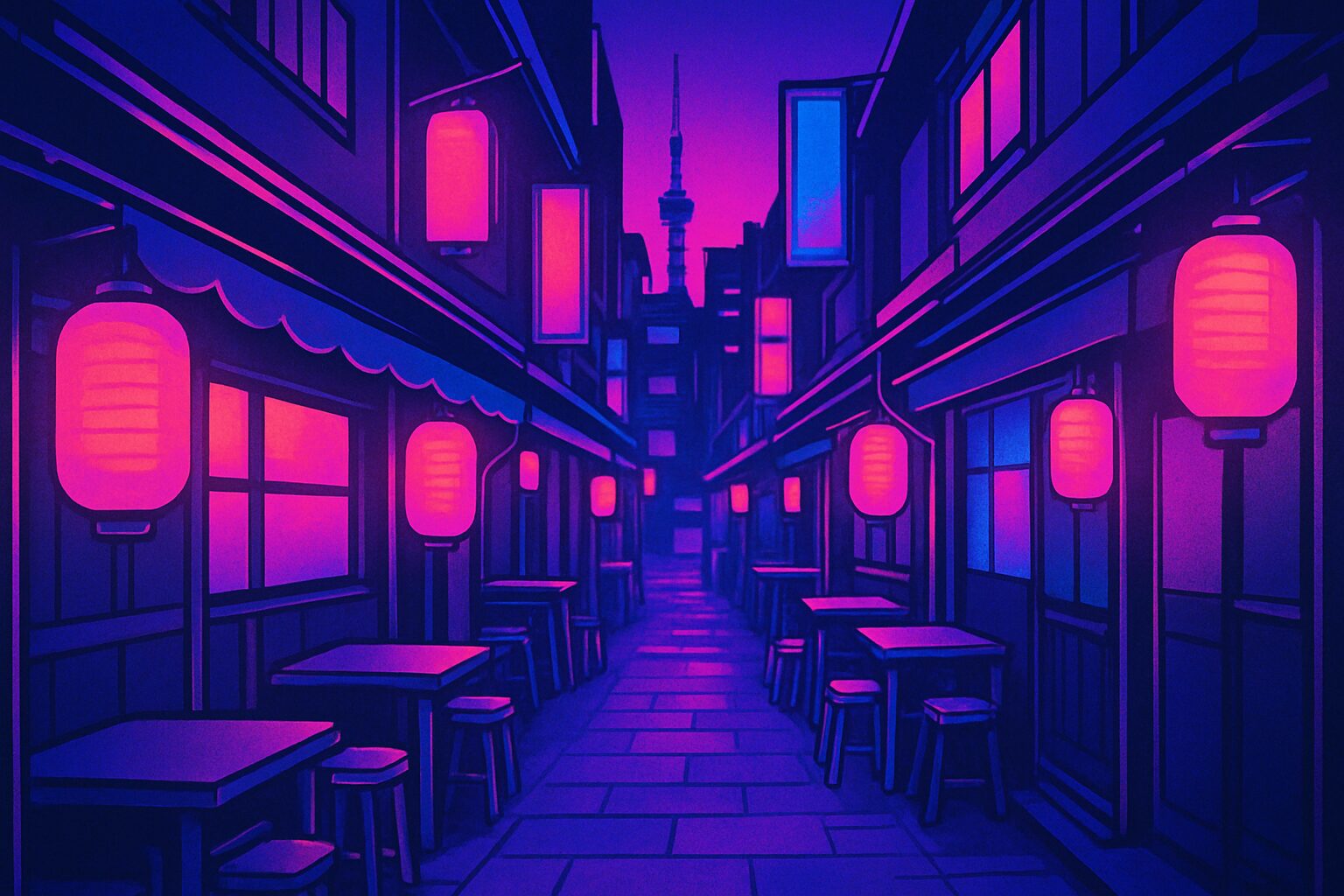
Alright, so you’ve done the Japan thing. You’ve seen the temples in Kyoto, crossed that wild intersection in Shibuya, and maybe even snapped a pic of Mount Fuji. Major props. But now you’re back, and you’re craving something real, something with a bit more grit and a whole lot more soul. You’re looking for the Japan that lives and breathes after the last train, the one that’s whispered about in clouds of charcoal smoke and clinking glasses. You’re looking for the spirit of the drunken Tanuki—that mischievous, pot-bellied raccoon dog of folklore who loves a good time. That, my friends, is where we’re headed: deep into the heart of Japan’s yokocho, the impossibly narrow, lantern-lit izakaya alleys that are the country’s true living rooms. Forget your travel guide’s top ten; this is about getting gloriously, authentically lost. This is where the real stories are. Let’s dive in.
To fully immerse yourself in this authentic after-hours scene, you’ll want to understand the local spirits, starting with the quintessential shochu.
Tokyo: The Neon-Soaked Labyrinth of Dreams

Tokyo is a world unto itself, and its yokocho are entire galaxies within that world. Each alleyway possesses its own personality, history, and unique flavor profile that narrates the city’s resilience and boundless energy. This is the starting point of our Tanuki trail—a place where post-war grit intersects with futuristic chaos, creating an absolutely intoxicating atmosphere.
Shinjuku’s Golden Gai: A Cinematic Time Capsule
Let’s begin with a legend. Nestled in a corner of Shinjuku, the busiest urban jungle on Earth, Golden Gai feels like a ghost from another era. It’s a compact grid of six incredibly narrow alleys packed with over 200 tiny bars, some seating only five or six guests at a time. Stepping into Golden Gai is like walking onto a movie set. The wooden buildings are rickety, stairs to the second-floor bars are steep and daunting, and the whole area buzzes with a bohemian, creative energy. Once a haven for writers, filmmakers, and actors, the intellectual, artsy vibe still lingers in the air.
The atmosphere here is intensely intimate. You’re not merely a customer but a temporary member of a small, exclusive club for the night. Bartenders stand mere inches away, and fellow patrons quickly become your new friends, regardless of language barriers. This is the magic of Golden Gai: it fosters connection. Don’t be surprised to find yourself deep in conversation with a local salaryman about his favorite jazz albums or an artist sketching in a notebook.
A quick tip for newcomers: many bars have a cover fee, or otoshi. It’s not a rip-off; it’s part of the culture. You pay a small charge (usually 500-1000 yen) and receive a small appetizer in return. This signals your intention to settle in for a drink or two rather than just drop by briefly. My advice for picking a spot? Wander and peek inside. Many bars display signs in English if they welcome foreigners. Look for the one whose vibe calls out to you—maybe the sound of punk rock spilling out, rows of vintage whiskey bottles, or the friendly smile of a bartender through the window. As a solo traveler, I’ve always felt safe here. The tight-knit community watches out for one another. Just stick to the main, well-lit alleys and trust your instincts. The experience is pure cinema—a memory you’ll cherish for years.
Shinjuku’s Omoide Yokocho: A Gritty Yakitori Paradise
Just a short walk from the sparkling skyscrapers and the west exit of Shinjuku Station lies a completely different world: Omoide Yokocho. While its nickname, “Piss Alley,” may not sound glamorous, it reflects its raw, unpretentious roots in the post-war black market era. Today, the name “Memory Lane” is more fitting. This place offers a full sensory assault—in the best possible way.
The moment you enter, you’re engulfed in thick, fragrant smoke that clings to your clothes all night. This is the sacred aroma of yakitori—skewered chicken grilled over glowing charcoal. The alley is so narrow you must walk single file, maneuvering past tiny open-front stalls where chefs expertly flip skewers in a fiery dance. Patrons squeeze onto tiny stools, shoulder to shoulder, faces aglow under countless red paper lanterns (akachochin) hanging above.
The atmosphere is loud, chaotic, and exuberantly joyful. It’s the sizzle of meat, roaring laughter, and the constant chorus of “Irasshaimase!” (Welcome!). This isn’t a place for quiet reflection. It’s where you come to feast, drink cheap beer and highballs, and absorb the vibrant energy of working-class Tokyo. Ordering is simple: most spots offer picture menus or English translations—just point. Be adventurous and try the heart (hatsu), gizzard (sunagimo), and tender thigh with leeks (negima). Don’t miss the motsuyaki (grilled offal), a local favorite. It’s a culinary adventure as thrilling as it is delicious. My advice: don’t overthink it. Grab an empty stool, squeeze in, and order a “nama biru” (draft beer). The rest will follow. You’ll leave smelling of smoke, full, and grinning ear to ear.
Kichijoji’s Harmonica Yokocho: The Cool Suburban Maze
If Shinjuku’s alleys are the loud, boisterous headliners, Kichijoji’s Harmonica Yokocho is the cool, indie opening act you grow to love even more. Located in a neighborhood frequently ranked Tokyo’s most desirable place to live, this alley has a distinctly local, trendy vibe. Its name derives from the rows of tiny shops and stalls that resemble harmonica reeds. By day, it’s a bustling market with fishmongers and butchers. But when evening falls, it transforms—steel shutters roll up to reveal standing bars, gyoza joints, small Italian eateries, and craft beer pubs.
The energy here is less about gritty nostalgia and more about contemporary cool. It’s a labyrinth of interconnected paths where you can start with a glass of natural wine, grab legendary gyoza (dumplings) at the famed Mimpau, and finish with a local craft beer at a standing bar. It’s a progressive dinner, yokocho-style. What I love about Harmonica Yokocho is the spirit of discovery—you can wander its maze and stumble on hidden gems no guidebook mentions. It feels less performative and more authentic than its famed Shinjuku counterparts. It’s where young Tokyoites, artists, and students genuinely hang out. For a taste of modern Tokyo nightlife away from tourist crowds, Kichijoji is the place. It’s the perfect spot to feel like you’re not just visiting but truly part of the city’s fabric.
Osaka: The Kitchen of Chaos and Flavor
If Tokyo is the polished, powerful capital, Osaka is its loud, food-obsessed, and hilarious younger sibling. The city’s motto is kuidaore, roughly meaning “eat until you drop,” and its yokocho are the sacred spaces where this philosophy is followed with almost religious devotion. Osakans are known for being friendly, direct, and always up for a good time, making their alleys some of the most welcoming in Japan.
Hozenji Yokocho: A Moss-Covered Sanctuary
Just steps away from the sensory overload of Dotonbori’s flashing neon signs and giant mechanical crabs, Hozenji Yokocho is a calm oasis steeped in tradition. This isn’t a noisy alley of smoke and shouts; it’s a place of serene beauty. The two narrow lanes are stone-paved, and the traditional wooden buildings are adorned with delicate paper lanterns that emit a soft, warm glow. The atmosphere is quiet, respectful, and deeply evocative of old Japan.
At the alley’s heart is Hozenji Temple, home to a famous statue of Fudo Myo-o, a Buddhist deity. The statue is completely covered in a thick, vibrant carpet of green moss. Rather than offering incense, worshippers splash the statue with water as they make wishes, a ritual that has cultivated the moss over centuries. The sight of it, especially at night under the lantern light, is simply breathtaking. It sets a contemplative, almost spiritual tone for the whole alley.
The restaurants here mirror that mood. They lean toward the upscale, specializing in traditional kappo cuisine, where chefs prepare exquisite dishes right before your eyes. You’ll find some of Osaka’s finest okonomiyaki (savory pancakes), kushikatsu (deep-fried skewers), and teppanyaki, all crafted with an artisan’s touch. While it might be pricier than other yokocho, the experience is well worth it. It offers a chance to savor Osaka’s flavors in an atmosphere that feels genuinely timeless. My advice is to visit when you want a break from the vibrant chaos of the city—a place for a meaningful meal and to witness a quieter, more poetic side of Osaka’s soul.
Ura Namba: The Modern Foodie’s Playground
Literally meaning “Back Namba,” Ura Namba is less a single alley and more a sprawling, dynamic network of backstreets. Here, Osaka’s culinary creativity shines fully. It’s a blend of old and new, where gritty, decades-old standing bars sit alongside chic bistros serving Japanese-Italian fusion. The vibe is electric, fueled by the city’s insatiable hunger for good food and good company.
Ura Namba is the ultimate spot for bar hopping. The sheer density of amazing venues is staggering. You might start at a tachinomi (standing bar) for quick sashimi and a cheap beer, then move on to a sake bar offering hundreds of varieties, followed by a place specializing in smoked delicacies or inventive tempura. It’s a choose-your-own-adventure of flavors. One of my favorite ways to explore is simply wandering without a plan—following laughter, peeking into doorways, and seeking out spots crowded with locals, which is always a good sign.
This area is also ideal for observing the Osakan character in its natural setting. People are open and chatty. Don’t be surprised if the person next to you at the bar strikes up a conversation, recommends a dish, or even buys you a drink. It’s this spirit of communal fun that makes Ura Namba so special. For female travelers, the standing bar culture can feel remarkably safe and inclusive. You become part of the crowd, and the atmosphere is generally light and friendly. It’s the perfect place to dive headfirst into Osaka’s legendary food scene, leaving with a full stomach and perhaps a few new friends.
Kyoto: Lanterns, Geishas, and Hidden Sips
Kyoto, the elegant former imperial capital, is famous for its serene temples and graceful geishas, but it also reveals a wilder side. Its nightlife may be more understated than Tokyo’s or Osaka’s, yet it remains just as vibrant. The city’s yokocho provide an opportunity to experience this duality, where centuries-old traditions blend with a modern appetite for great food and drinks, all set against one of the world’s most beautiful urban backdrops.
Pontocho Alley: A Riverside Passage
Pontocho is arguably Japan’s most beautiful yokocho. This long, impossibly narrow pedestrian alley runs parallel to the Kamo River. By day, it feels quiet and sleepy, but at night, the lanterns glow softly, transforming it into a magical, atmospheric walk. One side of the alley features back entrances to exclusive teahouses and upscale ryotei restaurants where geiko (Kyoto’s term for geisha) and maiko (apprentice geiko) entertain affluent clients. With some luck, you might catch a fleeting glimpse of one—a flutter of silk kimono and a painted white face—as she rushes to an appointment. It’s a moment that feels like a brief slip in time.
The opposite side of the alley hosts a variety of establishments, from Michelin-starred restaurants to more casual izakayas, yakitori stands, and cocktail bars. To enjoy Pontocho without overspending, exploration is key. Don’t limit yourself to the main alley; venture into the narrow side passages branching off it, where smaller, more affordable gems await.
From May to September, Pontocho offers a unique tradition known as kawayuka. Temporary wooden platforms are built over the Kamo River, allowing diners to enjoy meals outdoors, cooled by the river breeze. It’s a truly special experience to listen to the gentle flow of water while dining under the stars. Even without a full dinner reservation, some bars provide terrace seating for drinks. Sipping a cocktail while watching Kyoto’s lights shimmer on the river creates a memory to cherish. Pontocho embodies Kyoto’s elegance but also reveals a warm, inviting side if you know where to look.
Kiyamachi Street: Pontocho’s Livelier Counterpart
If Pontocho is the refined elder sister, Kiyamachi Street is her lively, fun-loving younger sibling. Running parallel to Pontocho just across a small canal, Kiyamachi pulses with a very different energy. Wider and louder, it feels more modern. This is where Kyoto’s students, young professionals, and creatives gather to unwind. The street brims with an eclectic mix of bars, clubs, ramen shops, and izakayas buzzing with youthful energy.
Though not a narrow yokocho in the traditional sense, Kiyamachi’s charm lies in the labyrinth of tiny alleys and passages that branch off the main street, especially near the Sanjo and Shijo areas. Here you can discover hidden treasures: a basement whiskey bar boasting an impressive collection, a standing bar devoted to craft sake, or a cozy restaurant specializing in Okinawan cuisine. The sharp contrast between the refined calm of nearby Gion and the energetic buzz of Kiyamachi is both striking and compelling.
What makes Kiyamachi especially appealing is its accessibility. It’s less formal than Pontocho and ideal for an impromptu night out. No reservation or plan is needed—just show up, wander, and follow your curiosity. It’s a great place to experience the pulse of modern Kyoto and see how the younger generation honors tradition while carving out its own identity. The canal alongside the street, lined with cherry trees, is breathtaking in spring. A late-night stroll along the water after a few drinks provides the perfect way to end an evening in Kyoto.
Fukuoka: Where Ramen and Revelry Collide
Fukuoka, the gateway to Kyushu island, is a city that truly knows how to live. It’s renowned for its warm, laid-back residents, its lively music scene, and, above all, its incredible cuisine. The city’s nightlife is legendary, centered around a distinctive outdoor dining culture and an infectious youthful energy. Here, the Tanuki spirit roams wild and free.
Nakasu’s Yatai Stalls: The Open-Air Yokocho
Fukuoka’s most iconic nightlife experience isn’t tucked away in a hidden alley but showcased in a row of open-air food stalls, or yatai, that line the waterfront of Nakasu Island. As dusk falls, these modest wooden carts are rolled into position and turned into tiny restaurants, each seating about eight to ten patrons. With glowing lanterns, steam drifting from bubbling pots, and the lively chatter of satisfied customers, the cluster of yatai evokes the feel of an expansive, communal yokocho under the open sky.
The atmosphere is truly unique. You sit elbow-to-elbow with strangers who quickly become friends, all united by a shared passion for simple, delicious food. The chefs, working in their compact kitchens, are masters of their craft and often charismatic hosts, keeping the conversation lively. The etiquette is straightforward: be polite, avoid lingering long after finishing your meal (since space is limited), and be open to chatting with those around you.
The food steals the spotlight. This is the birthplace of Tonkotsu ramen, and savoring a bowl of the rich, creamy pork-bone broth at a yatai is a quintessential Fukuoka experience. But there’s much more to sample. Classic izakaya dishes like yakitori and oden (a savory stew) are common, alongside local specialties such as mentaiko tamagoyaki (spicy cod roe rolled into an omelet) and grilled seafood. It’s honest, unpretentious, and deeply satisfying fare. My advice is to yatai-hop—have ramen at one stall, then move on for some skewers and a beer at another. This is the best way to experience the variety of flavors and atmospheres along the river.
Oyafuko Dori and Tenjin: The Youthful Heartbeat
While Nakasu is celebrated for its yatai, the true pulse of Fukuoka’s youthful nightlife beats in the Tenjin district, especially along a street famously (or infamously) known as Oyafuko Dori. The name means “Disobedient Child Street,” reflecting its role as a place where young people from across Kyushu come to let loose, away from their parents’ watchful eyes. Though the name has since been officially changed to something more wholesome, the rebellious spirit remains.
This area is packed with clubs, live music venues, dive bars, and countless izakayas tucked into side streets and on the upper floors of buildings. The vibe is youthful, energetic, and slightly edgy. It’s less about preserving tradition and more about celebrating the present. Here, you’ll find bars specializing in Japanese indie rock, hip-hop clubs, and izakayas that blend traditional dishes with modern, international flavors.
To fully explore this neighborhood, you need to look both up and down. Some of the best spots are hidden in basements or perched on the fifth floor of unassuming buildings, marked only by small signs. This is where a spirit of adventure pays off. The area around the IMS building and the alleys branching off the main street are especially rich hunting grounds. It’s a different kind of yokocho experience—more vertical, more contemporary, yet infused with the same spirit of discovery and communal enjoyment. It offers a thrilling glimpse into the culture of Japan’s vibrant youth.
Hokkaido: Northern Nights and Noodle Mazes
Far up in Japan’s wild north, Hokkaido offers a unique nightlife experience shaped by its cold winters and hearty, soul-warming cuisine. In Sapporo, the island’s vibrant capital, the yokocho are cozy havens from the snow, places to warm up with a steaming bowl of noodles or some of the freshest seafood in the world.
Sapporo’s Ganso Ramen Yokocho: A Pilgrimage for Noodle Lovers
Sapporo is the birthplace of Miso Ramen, and there’s no better place to honor this iconic dish than at Ganso Ramen Yokocho in Susukino’s entertainment district. This narrow, covered alley is a ramen shrine, lined on both sides with tiny shops, each boasting its own secret recipe and devoted following. The air is thick with the savory steam of simmering pork broth and the sound of enthusiastic slurping.
The competition is intense, and the quality exceptionally high. As you walk down the alley, you’ll face an almost overwhelming number of choices. Photos of various ramen bowls plaster the walls, while proprietors call out, trying to lure you inside. My strategy? Take a lap. Notice which shops have a queue of locals—that’s always a reliable sign of quality. Or simply pick one that looks appealing. You really can’t go wrong.
Inside, you’ll likely order from a vending machine, a classic ramen shop ritual. Get your ticket, hand it to the chef, and watch as they prepare your bowl with practiced efficiency. A classic Sapporo-style miso ramen topped with sweet corn, a pat of butter, and a slice of char siu pork is the perfect remedy for a cold Hokkaido night. It’s a simple, unpretentious, deeply satisfying experience that captures the essence of Japanese comfort food.
Susukino’s Hidden Alleys: A Deeper Exploration
While Ramen Yokocho is the best-known alley in Susukino, the entire district is filled with hidden treasures. Susukino is one of Japan’s largest and most famous entertainment districts, with a grid of streets interwoven by countless smaller, unnamed alleys. These are the places that reward curious explorers.
Here, you’ll find hyper-local izakayas specializing in Hokkaido’s incredible bounty. Look for spots serving Jingisukan (a grilled mutton dish named after Genghis Khan, cooked on a dome-shaped skillet), fresh-off-the-boat seafood like crab, scallops, and sea urchin, and local produce like potatoes and asparagus. These alleys also host tiny, specialized bars—perhaps a bar focused on Hokkaido’s local sake breweries, a whiskey bar featuring rare Japanese single malts, or a cozy cocktail lounge run by a master mixologist.
The joy of Susukino lies in the wandering. Duck into any passage that piques your interest. Follow the soft glow of a lantern. The district is vast, and it’s easy to get lost, but that’s part of the charm. It’s a place to embrace the Tanuki spirit of spontaneity. Have a plan to have no plan, and let the northern city reveal its secrets to you, one delicious, warmly lit spot at a time.
The Drunken Tanuki’s Farewell
There’s a certain kind of magic woven into these alleys. It’s in the smoky taste of charcoal on a perfectly grilled chicken, in the comforting warmth of sake, in the shared laughter between strangers who moments before were complete strangers. The yokocho is more than a place to eat and drink; it’s a gateway. It’s a doorway into the heart of Japan, where the day’s formalities fade away, and the true, unguarded spirit of the culture shines brightly. It’s mischievous, chaotic, incredibly delicious, and profoundly, beautifully human.
So on your next trip, dare to stray from the main road. Look for the glow of a red lantern. Follow the sound of laughter and the aroma of something wonderful cooking. Squeeze into the tiny space between two salarymen and raise your glass. Embrace the spirit of the drunken Tanuki. Get a little lost. You might just discover exactly what you were searching for.