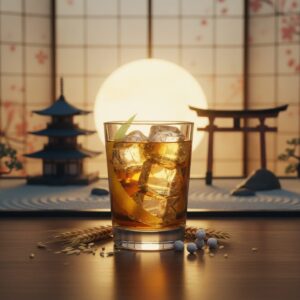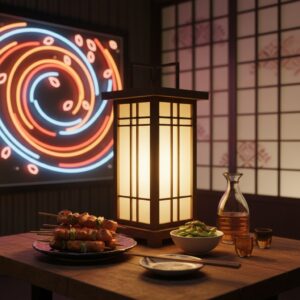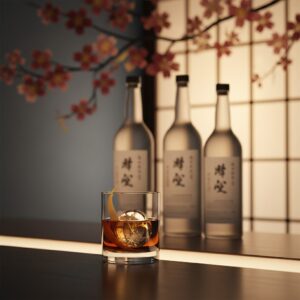
Yo, what’s the move? Let’s talk about Japan. You’ve seen the serene temples, the futuristic cityscapes, the flawless food pics flooding your feed. But what about the real, unfiltered heartbeat of the country after dark? We’re talking about a vibe so thick you can taste it, a chaotic symphony of sizzling grills, clinking glasses, and booming laughter. This, my friend, is the world of the izakaya, Japan’s answer to the pub, the tavern, and the tapas bar, all rolled into one legendary experience. And we’re not just talking about any izakaya. We’re hunting for the ones that are pure ‘Gaya Gaya’ (ガヤガヤ) – a word that perfectly captures that lively, buzzing, and slightly chaotic energy that makes a night out in Japan absolutely unforgettable. It’s the sound of people living their best lives, a soundtrack that’s as essential to the Japan experience as the sizzle of wagyu or the whisper of cherry blossoms. Forget quiet, contemplative dinners for a second. Tonight, we’re diving headfirst into the glorious noise. This is your all-access pass to navigating these electric spaces, decoding their menus, and pairing their killer food with sake that absolutely slaps. This isn’t just about eating and drinking; it’s about plugging directly into the social current of Japan. Get ready, because the vibe is everything.
To truly complete your Japanese night out, understanding the local drinking culture is key, which is why you should also explore our guide to Japan’s coolest spirit, shochu.
Unpacking the ‘Gaya Gaya’ Vibe

So, what exactly is ‘Gaya Gaya’? It’s one of those perfectly fitting Japanese onomatopoeic words that captures its meaning precisely. It’s more than just ‘noisy’ or ‘crowded’; it’s the collective buzz of human connection. Imagine sliding open a creaky door, parting a worn noren curtain, and being engulfed by a wave of warmth and sound. The air is rich with the savory smoke from a yakitori grill. Chefs wearing headbands call out greetings across the counter. Salarymen laugh heartily, their ties loosened after a long day. Friends gather closely, sharing plates and pouring drinks for one another. It’s the clatter of ceramic dishes, the sharp hiss of beer being poured, the low murmur of dozens of conversations happening simultaneously. That’s ‘Gaya Gaya’. It’s the exact opposite of a sterile, quiet restaurant. It’s vibrant and alive. Speaking as someone who grew up surrounded by bustling night markets and lively family dinners in China, this ‘Gaya Gaya’ feels both deeply familiar and distinctly Japanese. It shares the same spirit as ‘rènao’ (热闹), that lively, warm, and noisy atmosphere signaling a great time. Yet while ‘rènao’ can be a sprawling, open-air event, ‘Gaya Gaya’ is often packed into a small, intimate space, intensifying the energy until it practically hums. This energy tells you you’re exactly where you should be. It acts as a social lubricant, making it easy to strike up a conversation with someone next to you at the counter or simply absorb the collective good vibe. This is where the real Japan lets its hair down, and being part of it feels absolutely electric.
The Anatomy of an Izakaya: A Field Guide
Before you dive headfirst into the scene, let’s take a moment to get acquainted with the setting. Izakayas come in various forms, from sleek modern chains to tiny, one-person spots hidden in forgotten alleys, yet they share a common structure. First, the entrance: look for the iconic red lantern, or ‘akachochin’ (赤提灯), hanging outside—a universal sign that good times and drinks await inside. You’ll also notice a ‘noren’ (暖簾), a fabric curtain you part to enter. Once inside, you’ll be welcomed with a loud, spirited ‘Irasshaimase!’ (‘Welcome!’).
Seating Sets the Tone
Your choice of seating often shapes your experience. The counter (‘kaunta-seki’) is the top pick if you’re alone or with one other person, offering a front-row view of the kitchen action. You get to watch the grill master expertly flipping skewers and the sushi chef slicing fish with precision, making it easy to point and order whatever catches your eye. Then there are standard tables (‘te-buru-seki’). For a more traditional feel, you might find ‘zashiki’ seating, where you remove your shoes and sit on tatami mats at low tables, creating a cozy, communal atmosphere perfect for groups planning to linger.
The Otoshi Custom
Shortly after you sit down, a small dish you didn’t order will arrive—don’t worry, this is the ‘otoshi’ (お通し). It’s a modest appetizer that also serves as a table charge, essentially a mandatory snack included with your seat. The quality of the otoshi often hints at the kitchen’s overall standard. It might be something simple like potato salad or edamame, or a more intricate bite like simmered daikon with miso or a small piece of grilled fish. Embrace it—it’s part of the ritual and a tasty companion as you decide on your first drink.
Decoding the Menu: A Culinary Quest
Izakaya menus can seem overwhelming—a long list of unfamiliar characters. However, they usually follow a recognizable pattern, and the food is crafted for one purpose: to pair perfectly with drinks. The key is to order a few dishes at a time, share everything, and keep both the food and drinks coming. It’s a marathon, not a sprint.
Grilled Greatness: Yakimono (焼き物)
This is the heart of many izakayas, especially the smoky ones. ‘Yakimono’ simply means grilled items, and it’s a world full of flavor.
- Yakitori (焼き鳥): Literally ‘grilled bird,’ but it encompasses so much more. These are chicken skewers, featuring nearly every part of the bird. Pro tip: order ‘shio’ (salt) for a clean flavor that highlights the chicken, or ‘tare’ (a sweet and savory soy-based glaze) for a deeper, caramelized taste. Don’t hesitate to explore. ‘Momo’ (thigh) is a juicy classic. ‘Negima’ (thigh and leek) pairs perfectly. ‘Tsukune’ (minced chicken meatball) is essential, often served with a raw egg yolk for dipping. For the adventurous, try ‘kawa’ (crispy skin), ‘sunagimo’ (gizzard), or ‘hatsu’ (heart). Each skewer is a two-bite delight.
- Other Grilled Gems: It’s not just chicken. Seek out grilled fish like ‘Hokke’ (Atka mackerel), a large, salty, and satisfying fish great for sharing, or ‘Shishamo,’ small fish stuffed with roe that pop in your mouth. Grilled pork belly (‘Butabara’) skewers are heavenly. Don’t overlook the grilled vegetables such as shiitake mushrooms, bacon-wrapped asparagus, or ginkgo nuts.
Fried and Fabulous: Agemono (揚げ物)
If ‘yakimono’ is the soul, ‘agemono’ (fried items) is the crispy, indulgent heart. Nothing complements a cold beer better.
- Karaage (唐揚げ): Japanese fried chicken, absolutely non-negotiable. Quite different from Western styles, these cubes of chicken thigh are marinated in soy sauce, ginger, and garlic, coated in potato starch, and fried to a crisp exterior while remaining juicy inside. A squeeze of lemon is essential. It’s a top-tier dish every time.
- Agedashi Tofu (揚げ出し豆腐): A true comfort food champion. Silken tofu is lightly dusted and fried, then served in warm, savory ‘tentsuyu’ broth made from dashi, soy sauce, and mirin. It’s topped with grated daikon, bonito flakes, and green onions. The contrast between the crispy crust and the silky tofu is pure magic.
- Nankotsu Karaage (軟骨唐揚げ): Fried chicken cartilage might sound unusual, but it’s crunchy, savory, and incredibly addictive. It’s the ultimate beer snack, delivering a satisfying crunch with every bite. If you spot it, order it.
- Tempura (天ぷら): Though often found in specialty restaurants, many izakayas serve a solid selection of tempura. Lightly battered and fried shrimp, fish, and vegetables like sweet potato, eggplant, and shishito peppers are a treat.
Fresh and Raw: Sashimi (刺身) & Tataki
An izakaya is a fantastic place to enjoy fresh seafood without the formal atmosphere of a high-end sushi spot.
- Sashimi Moriawase (刺身盛り合わせ): A mixed platter of sliced raw fish. This is a great way to sample what’s fresh. Common selections include ‘maguro’ (tuna), ‘sake’ (salmon), ‘hamachi’ (yellowtail), and ‘ika’ (squid). The quality can be surprisingly high, even in unpretentious settings. It provides a clean, refreshing contrast to the richer fried and grilled dishes.
- Tataki (たたき): A clever preparation where a piece of fish (often bonito/katsuo) or beef is seared quickly at high heat on the outside, leaving the inside rare. It’s then chilled in an ice bath, sliced, and served with ponzu sauce, garlic, and ginger. This delivers an amazing smoky flavor paired with sashimi-like freshness.
Small Bites, Big Flavors: Otsumami (おつまみ)
These are the small snacks and appetizers that kick things off and keep conversation lively.
- Edamame (枝豆): The classic boiled and salted soybeans in their pods. Simple, healthy, and enjoyable to eat. It’s the Japanese version of bar peanuts.
- Hiyayakko (冷奴): A block of chilled silken tofu, typically topped with soy sauce, grated ginger, bonito flakes, and chopped green onions. It’s deceptively simple and incredibly refreshing, especially on warm days.
- Takowasa (たこわさ): For those who enjoy a bit of a kick. Raw octopus chopped and marinated in a spicy wasabi sauce. It’s slimy, pungent, and sure to awaken your palate—a true test of izakaya cred.
- Potato Sarada (ポテトサラダ): Japanese potato salad is a national treasure. Creamier, slightly sweeter, and often packed with ingredients like cucumber, carrot, onion, and ham. Every izakaya has its own version, and it’s always a comforting, dependable choice.
The Main Event: A Deep Dive into Sake Pairing
Alright, let’s dive into the true nectar of the gods: sake. Navigating a sake menu might feel like facing a final boss, but it’s actually easier than you expect. Learning a few key terms will open up a whole universe of flavors. The most crucial factor in judging a sake’s quality is the ‘seimaibuai’ (精米歩合), or rice polishing ratio. This percentage indicates how much of the rice grain remains after polishing. The more the outer layers are polished away, the more refined and often more aromatic the sake becomes.
The Sake Cheat Sheet
- Junmai (純米): Meaning ‘pure rice’, this sake is made with just rice, water, yeast, and koji (the magic mold that converts starch to sugar). Junmai sakes usually have a full body, savory notes, and bright acidity, making them very food-friendly.
- Honjozo (本醸造): This type includes a small amount of distilled brewer’s alcohol. Rather than lowering cost, it enhances aroma and flavor, giving a lighter, drier, and often more fragrant sake. It’s very easy to drink.
- Ginjo (吟醸) & Junmai Ginjo (純米吟醸): Moving up in sophistication. Ginjo sake is polished to at least 60%, brewed at colder temperatures over longer periods. The result is a lighter, more aromatic, and complex flavor profile with fruity and floral notes. Junmai Ginjo is the pure rice version.
- Daiginjo (大吟醸) & Junmai Daiginjo (純米大吟醸): The pinnacle of sake. Here, rice is polished down to at least 50%. These are the most refined, aromatic, and often pricey sakes. Elegant and nuanced, they are best served chilled to appreciate delicate fruit and floral aromas like pear, apple, melon, and flowers. Junmai Daiginjo is the pure rice variant.
Temperature is Key
Sake isn’t served just one way—its temperature completely transforms its character. ‘Reishu’ (冷酒) is chilled sake, perfect for delicate Ginjos and Daiginjos. ‘Hiya’ (冷や) means room temperature, ideal for experiencing the true nature of many Junmai sakes. Warm sake comes in two levels: gently warmed ‘Nurukan’ (ぬる燗) which brings out sweetness and umami, and hot ‘Atsukan’ (熱燗) which creates a drier, sharper profile. Don’t hesitate to ask for a recommendation (‘osusume’).
God-Tier Sake and Food Pairings
This is where the magic truly happens. Forget strict wine-pairing rules—izakaya pairings are all about synergy and vibes. Here’s a handy guide to start.
- The Dish: Yakitori with Tare (sweet soy glaze)
- The Sake: A rich, earthy Junmai. Its full body and savory umami balance the sweet, smoky tare sauce perfectly. The acidity cuts through the richness, cleansing your palate for each bite. This classic pairing feels like a warm embrace.
- The Dish: Yakitori with Shio (salt)
- The Sake: A crisp, dry Honjozo or a ‘Karakuchi’ (辛口) Junmai. The clean, simple flavor of salt-grilled chicken demands a sake that refreshes without overpowering. A dry Honjozo brightens flavors like a squeeze of lemon, leaving you wanting more.
- The Dish: Sashimi Moriawase
- The Sake: A fragrant, elegant Junmai Daiginjo or Junmai Ginjo. This is finesse in a pairing. The delicate fruit and floral notes of Daiginjo complement the subtle sweetness of fresh fish without overwhelming it. A clean finish keeps your palate pristine. Serving chilled is essential here—it’s like seasoning fish with aroma.
- The Dish: Karaage or Tempura (Fried Foods)
- The Sake: A Sparkling Sake or a zesty, high-acidity Yamahai or Kimoto Junmai. The carbonation in sparkling sake or the high acidity of Yamahai-style sakes brilliantly cuts through the oiliness of fried dishes. It’s like a power-wash for your palate, making each bite of karaage taste as fresh as the first.
- The Dish: Agedashi Tofu or Nikujaga (Simmered Dishes)
- The Sake: A gently warmed Honjozo or a soft, mellow Junmai. The gentle heat of ‘nurukan’ sake harmonizes beautifully with the warm, dashi-based broth. The sake’s subtle sweetness and rice-focused flavors nestle perfectly with the comforting food, creating a soulful and satisfying experience.
- The Dish: Takowasa or Shiokara (Pungent, Salty Snacks)
- The Sake: A bold, dry Futsushu (table sake) served hot, or an undiluted Genshu. These intense flavors need a sake that can match their strength. Hot, dry sake stands up to the wasabi punch of takowasa, while high-alcohol Genshu matches the fermented funk of shiokara. This is an advanced pairing but highly rewarding.
Izakaya Etiquette: How to Vibe Like a Local
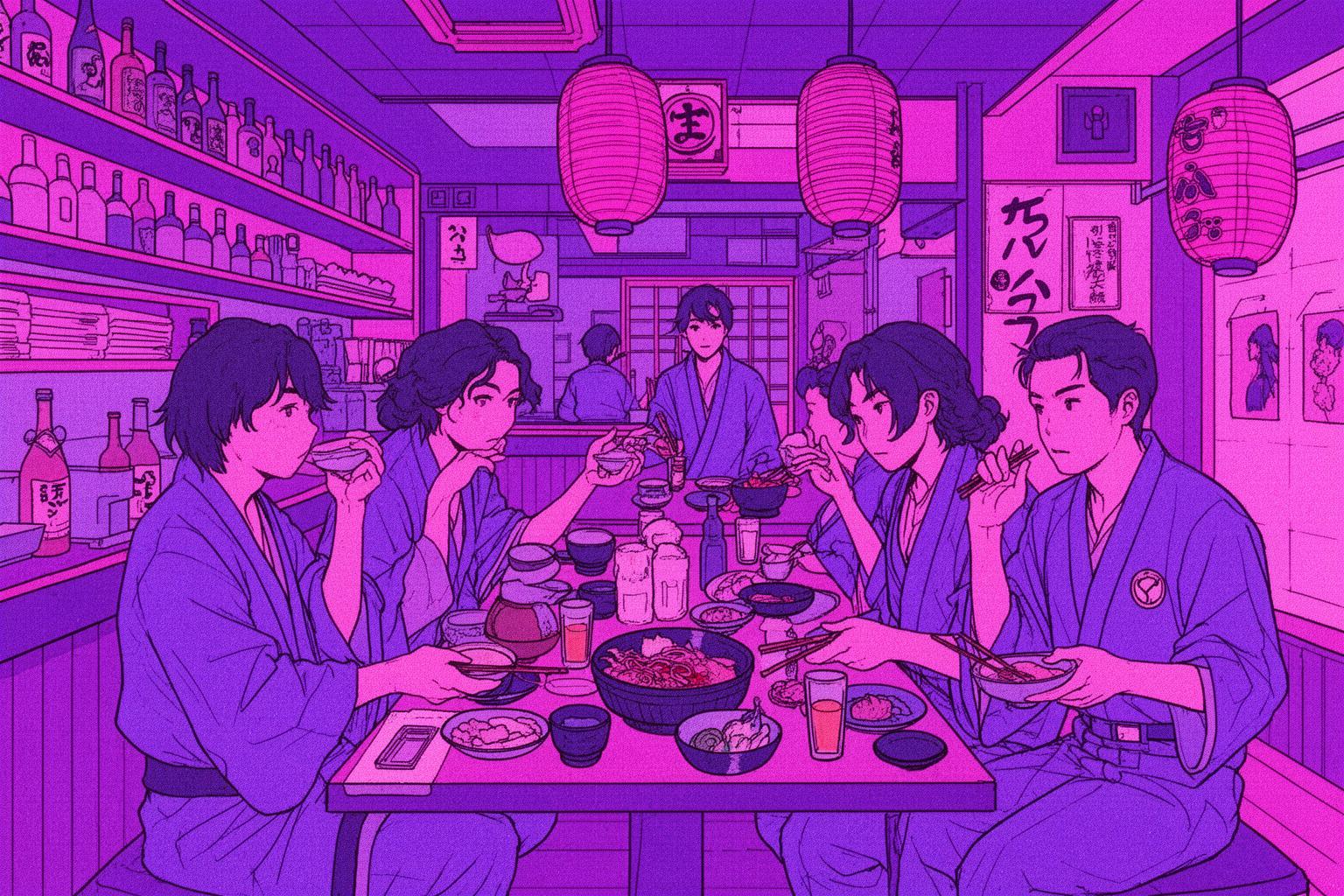
Don’t worry too much about rules, but being aware of a few local customs will make your experience smoother and show respect.
- The First Drink: It’s almost a ritual. The phrase ‘Toriaezu, Nama!’ (とりあえず、生!), meaning ‘For now, a draft beer!’, is the most common way to start while you check the menu. It serves as a great icebreaker.
- Pouring for Others: In Japan, it’s customary to pour drinks for your companions, but not for yourself. Watch your friends’ glasses, and they’ll do the same for you. This practice of ‘oshaku’ (お酌) is a key part of social bonding.
- Sharing is Caring: Izakaya food is intended to be shared. Order a variety of dishes for the table instead of one main dish per person, allowing everyone to sample a bit of everything.
- Getting Attention: To call a server, a polite ‘Sumimasen!’ (‘Excuse me!’) works well. Many modern izakayas also have call buttons at the table.
- Paying the Bill: When you’re ready to leave, get the server’s attention and say ‘Okaikei onegaishimasu’ (‘The bill, please’). Usually, you’ll take the bill to the front counter to pay. Splitting the bill is less common; typically, one person pays and everyone settles up later, or the group simply divides the total evenly.
Where to Find Your ‘Gaya Gaya’ Sanctuary
While you can discover fantastic izakayas throughout Japan, certain neighborhoods are renowned for their intense ‘Gaya Gaya’ atmosphere.
- Tokyo: For a nostalgic experience, visit Shinjuku’s Omoide Yokocho (Memory Lane), a labyrinth of narrow, smoke-filled alleys packed with yakitori eateries. It’s gritty, atmospheric, and utterly iconic. Nearby, Golden Gai provides a similar, but more bar-centric scene with hundreds of tiny bars. For a contemporary, salaryman-focused vibe, check out the areas beneath the train tracks near Shimbashi or Yurakucho stations, where the sounds of passing trains contribute to the lively ‘Gaya Gaya’ ambiance.
- Osaka: Known as the capital of ‘kuidaore’ (‘eat till you drop’), Osaka takes its izakaya culture seriously. The districts around Namba and Umeda are filled with options, from sprawling multi-story venues to hidden gems tucked away in ‘yokocho’ (side alleys). The energy in Osaka is often even louder and more welcoming than in Tokyo.
- Fukuoka: Famous for its ‘yatai’ (open-air food stalls), this city also boasts a vibrant izakaya scene. The Nakasu and Tenjin neighborhoods are top choices. Fukuoka is celebrated for its delicious cuisine, especially ‘motsunabe’ (offal hotpot) and fresh seafood, staples featured on many izakaya menus.
The Deeper Meaning: More Than Just a Bar

The izakaya is a fundamental part of Japanese social life. It serves as a ‘third place,’ distinct from the confines of home and work. It’s where ‘nominication’ (a blend of ‘nomu’ – to drink, and ‘communication’) takes place. It provides a setting where strict social hierarchies can relax, colleagues turn into friends, and individuals can genuinely be themselves. It acts as a pressure release for a society that prioritizes harmony and order. The ‘Gaya Gaya’ noise isn’t merely background sound; it represents that release. It’s the sound of community, shared experiences, and the simple pleasure of enjoying good food and drinks with people you care about.
So, when you step out into the Japanese night, let the glow of a red lantern lead you. Don’t be deterred by the noise or the unfamiliar menu. Slide open the door, take a seat at the counter, and order a drink. Embrace the ‘Gaya Gaya.’ Point to something that catches your eye. Try a sake you’ve never heard of. You’ll be doing more than just having a meal; you’ll be engaging in a cultural ritual that embodies the true, living heart of Japan. Kanpai to that.