
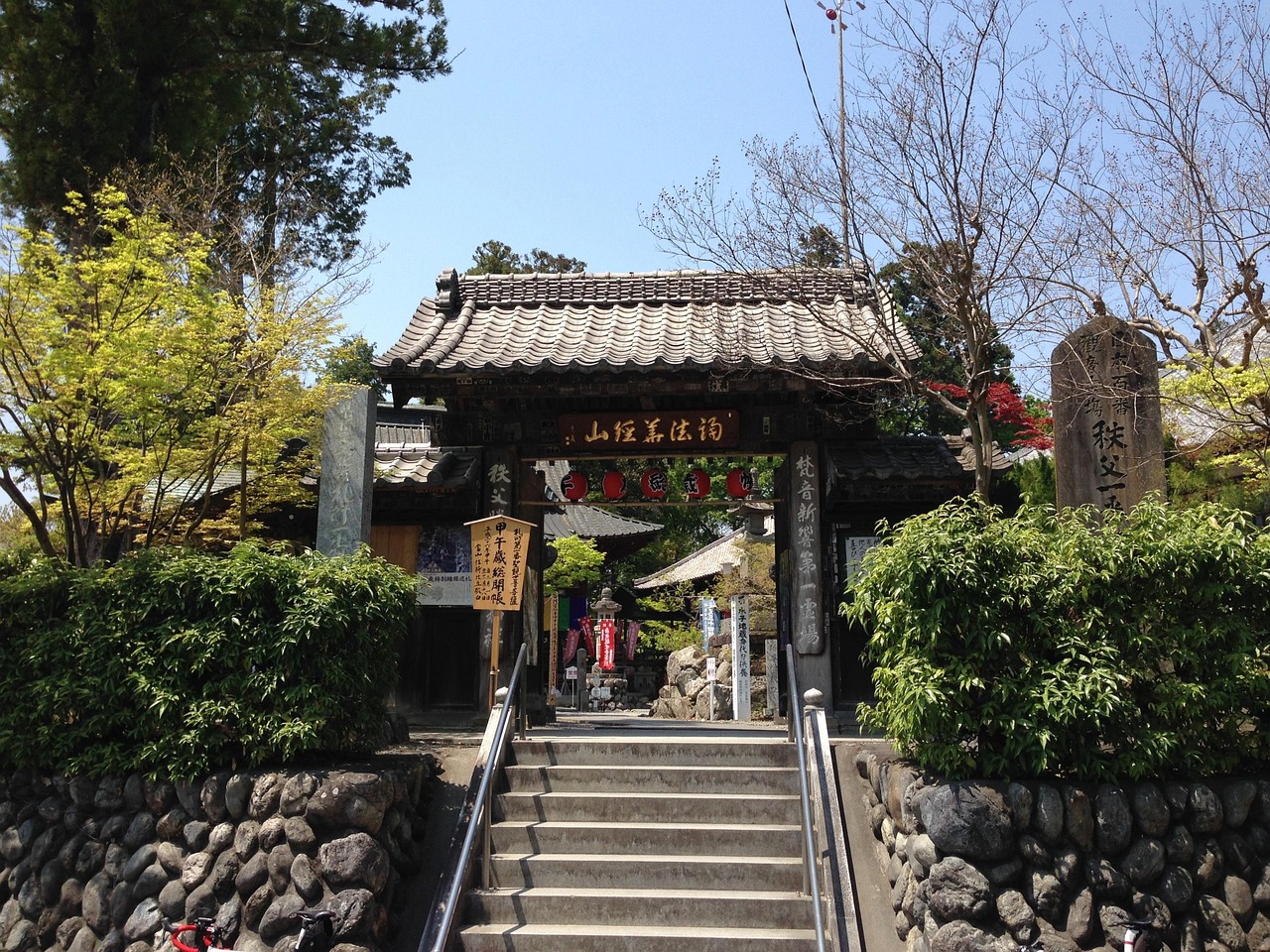
Yo, what’s up, travel fam! Hiroshi Tanaka here, your guide to the real Japan, the spots that are low-key fire but don’t always hit the mainstream blogs. Today, we’re bouncing out of the neon jungle of Tokyo and taking a trip to a place that’s straight-up magic: Chichibu. Nestled in the mountains of Saitama Prefecture, this place is a whole mood. Think epic nature, ancient shrines that have seen some things, and a vibe that’s as chill as the mountain streams. But let’s be real, you and I both know that the true soul of a place is in its food. And Chichibu? Oh, it’s serving up some legendary eats that are about to change your life. We’re not just talking about any old meal; we’re talking about culinary quests. We’re on a mission to hunt down two local titans: the ridiculously huge Waraji Katsudon and the snackable, unstoppable Miso Potato. This isn’t just a food tour; it’s an initiation into the heart of Chichibu. It’s about tasting the history, the land, and the love that the locals pour into every single bite. So, get ready to feast your eyes and your stomach, because we’re about to dive deep into a world of flavor that’s 100% authentic and absolutely unforgettable. This is your official invite to get off the beaten path and into the kitchen of the Japanese countryside. Bet.
The Main Event: Slaying the Waraji Katsudon

Alright, let’s dive right into the heavyweight champion of Chichibu’s food scene, the one and only Waraji Katsudon. First things first, forget everything you thought you knew about katsudon. That warm bowl of pork cutlet simmered with egg and onion over rice? That’s classic, but Chichibu flips the script. They make it bigger. They make it bolder. The name “Waraji,” meaning “straw sandal,” sets the tone perfectly. The moment this bowl is set before you, you’ll understand. You’re not getting one, but two enormous, flattened pork cutlets that completely cover the rice beneath, resembling oversized sandals fit for a giant. The visual is jaw-dropping. It’s a statement. It’s a challenge. It’s Chichibu’s way of showing it never holds back when it comes to hearty meals. This dish is more than just food; it’s an experience, a rite of passage for any true foodie exploring these mountains.
What Makes Waraji Katsudon So Legendary?
What sets this katsudon apart? It all boils down to the unique preparation that takes it far beyond the typical version. The key is the pork. High-quality cuts are pounded paper-thin, not for a thick, juicy bite, but to maximize crispiness and flavor absorption. This thin cutlet is then buried in a generous layer of panko breadcrumbs and deep-fried to a dazzling golden brown. The crunch when you bite into it is pure ASMR, echoing the crisp mountain air outside. But the real game-changer—the secret weapon—is the sauce. No egg here. Instead, the crispy cutlets are drenched in a special sweet and savory soy-based sauce. Each shop boasts its own secret recipe, a family treasure passed down through the years. Some sauces are thick and glaze-like, others thinner, soaking into the panko and rice beneath. The flavor is a complex blend of sweet, salty, and umami that’s utterly addictive. It clings to the pork, seeps into the steaming rice, and creates a flavor explosion with every bite. This sauce-on-top style is signature to Chichibu, a tribute to the region’s culinary inventiveness.
Breaking Down the Legend: The Details
Let’s dissect the components because the magic lies in the details. The pork, often sourced from local Saitama farms, is the star. Pounding it thin not only tenderizes it remarkably but also ensures it cooks quickly and evenly, keeping it juicy inside while the exterior gets that iconic crunch. The panko breadcrumbs are essential; light, airy, frying up into a rough, crisp crust that holds sauce well without turning soggy too fast. It’s a textural masterpiece. You get the loud crackle of panko, the tender chew of pork, and the soft, fluffy rice all in harmony.
Then there’s the sauce. Oh, the sauce. Usually a mixture of soy sauce, mirin, sugar, and sometimes a dash of dashi or secret ingredients, it’s simmered down to concentrate its essence. It strikes a perfect balance—sweet enough to comfort, savory enough to keep you hooked. Pour it over the hot, crispy katsu, and the aroma is mesmerizing. It’s the scent of home cooking, tradition, and a meal crafted to nourish you deeply. Served in a large donburi bowl piled with locally grown rice, accompanied by simple pickles (tsukemono) and miso soup, it’s a perfectly balanced meal despite its daunting size. The sharp, tangy pickles play the ideal sidekick, cutting through the richness and refreshing your palate for the next epic bite.
Where to Try the Originals
Now, for the ultimate question: where should you go to try this beast? Two names are spoken with reverence by locals and food enthusiasts alike: Azumino and Yasuda-ya. These aren’t mere eateries; they’re institutions. Azumino is easily spotted by the line of hungry diners winding out the door. Inside, the atmosphere buzzes with sizzling oil and lively chatter. It’s a no-frills spot focused entirely on the food. When your Waraji Katsudon arrives, it’s a spectacle—two massive cutlets spilling over the bowl’s edges, glistening with their signature dark, sweet sauce. The flavor is classic, setting the standard for what this dish should be—an intense, satisfying punch of sweet and savory.
Then there’s Yasuda-ya, another legendary contender often brought up in the great Waraji Katsudon debate. The vibe is a bit more rustic, but the dedication to excellence is just as fierce. Their version may have subtle twists—perhaps a slightly less sweet sauce with a stronger soy presence, or panko fried to a deeper golden hue. Sampling both is the true way to appreciate the nuances and crown your personal favorite. But honestly, you can’t go wrong. Numerous smaller, family-run spots throughout Chichibu also serve their own killer versions. Part of the adventure is stumbling upon a hidden gem, walking in, and discovering your own favorite. That’s the true spirit of culinary exploration in Chichibu.
The Ultimate Snack Attack: Miso Potato Madness
After conquering the mountain that is Waraji Katsudon, you might think you’re finished. But you’re not. You’ve just unlocked the next level: the realm of Chichibu’s ultimate snack, the incredibly delicious Miso Potato. If Waraji Katsudon is the grand main course, Miso Potato is the chart-topping hit single. It’s simple, portable, affordable, and absolutely, positively addictive. You’ll find it everywhere: at street stalls near major temples, in souvenir shops, at local festivals, and on the menu at casual diners. It’s the unofficial food mascot of Chichibu, a humble yet powerful snack that perfectly embodies the region’s rustic charm and culinary soul. Don’t even think about leaving Chichibu without trying it. No cap.
More Than Just a Spud: The Miso Potato Story
So, what exactly is this magical creation? At its core, it’s beautifully simple. Chunks of potato, usually steamed or boiled first to ensure a fluffy interior, are skewered, coated in a light batter, and deep-fried until golden and crispy. The final, glorious step is slathering them in a thick, sweet miso glaze. This isn’t just a snack; it’s a piece of local history. Known locally as “Miso Potato-den,” this dish is pure Chichibu comfort food. It began as a simple, hearty snack for farmers working the fields. Potatoes were a staple crop in this mountainous area, and miso—a fermented soybean paste—is a cornerstone of Japanese cuisine. Combining the two was a natural choice. It was an inexpensive, filling, and flavorful energy boost. What started as humble peasant food has now grown into a beloved local delicacy, a taste of nostalgia for residents and a must-try discovery for visitors. It’s a snack that tells the story of the land and its people who have called it home for centuries.
Flavor Breakdown: Sweet, Salty, Crispy, Heaven
Let’s talk about that first bite. Your teeth break through the slightly crisp outer layer of fried batter, revealing the soft, fluffy, steaming potato inside. But the real star is the sauce. The miso glaze is a masterpiece of balance. It’s not just salty miso paste—it’s a concoction, a secret blend usually involving miso, sugar, mirin, sake, and maybe a bit of dashi or sesame. The result is a sauce that is deeply savory and loaded with umami from the miso, but also wonderfully sweet and slightly tangy. It’s thick, almost like caramel, and coats every millimeter of the hot potatoes. The combination of textures and flavors is simply wild. You get the crispy batter, the tender potato, and the sticky, sweet-and-salty glaze all at once. It activates every pleasure receptor in your brain. It’s warm, comforting, and delivers that perfect junk-food satisfaction while still feeling wholesome and traditional. Served on a skewer, it’s the ideal food for strolling and exploring the charming streets of Chichibu.
On the Hunt for the Perfect Miso Potato
Finding Miso Potato is part of the adventure. As you walk down the main path to the magnificent Chichibu Shrine, let your nose be your guide. You’ll catch a whiff of something sweet and savory cooking. Follow that scent, and you’ll inevitably discover a small stand or shop with skewers of glistening, golden-brown potatoes lined up, waiting for you. The vendor—often a friendly grandma or grandpa—will take a skewer of hot, freshly fried potatoes and generously brush on the dark, luscious miso sauce right before your eyes. Watching this is part of the ritual. Each vendor has their own little twist on the recipe. Some might sprinkle toasted sesame seeds on top for extra nutty flavor and texture. Others offer a spicier version with a hint of chili. Sampling Miso Potato from several places is highly recommended to appreciate the subtle variations. It’s the perfect fuel for your sightseeing adventures, a quick and delicious pick-me-up that connects you directly to the culinary heartbeat of Chichibu.
Beyond the Big Two: Chichibu’s Culinary Deep Cuts
Alright, so you’ve conquered the Waraji Katsudon and demolished a few skewers of Miso Potato. You’re officially part of the Chichibu food club. But the adventure doesn’t stop there. This area’s culinary scene runs deep, boasting a wide array of other incredible dishes and drinks that showcase its rich agricultural roots and pristine natural surroundings. To fully savor the Chichibu experience, you need to dive into the B-sides—the hidden gems that are just as impressive as the main attractions. From handcrafted soba noodles to divine sweets and world-class spirits, Chichibu has so much more to delight your palate.
Soba Noodles with a Twist: The Chichibu Style
Thanks to its mountainous landscape and cool climate, Chichibu is ideal for cultivating buckwheat, the essential ingredient for soba noodles. The soba here is exceptional—rustic, fragrant, and boasting a firm, chewy texture that highlights its freshness. Soba shops are scattered throughout the region, from bustling town centers to quiet mountain hideaways. What sets Chichibu’s soba apart is its unique “Kurumi Soba,” or walnut soba. Instead of the usual soy-based dipping sauce (tsuyu), you’re served a sauce made from ground walnuts. At some traditional venues, they even provide a mortar and pestle (suribachi and surikogi) with roasted walnuts so you can grind them yourself at the table. You crush the walnuts into a fine, oily paste, then the server mixes it with a special broth to create your dipping sauce. The result is utterly sublime. Creamy, nutty, slightly sweet, and incredibly rich, the sauce perfectly coats the earthy soba noodles, delivering a flavor combination that’s both comforting and refined. It’s an interactive, delicious, and truly unforgettable meal that highlights the bounty of the local mountains.
Sweet Conclusions: Chichibu’s Dessert Scene
Chichibu also has a sweet side, with desserts deeply rooted in local ingredients and traditions. After all the savory delights, you’ll want something to finish off the meal. Be on the lookout for “Miso Manju” or “Miso Pan.” These are sweet buns or breads that incorporate miso into the dough or filling. It might sound unusual, but the salty, umami-rich note from the miso provides a stunning contrast to the sweetness of the red bean paste (anko) often tucked inside. It’s a flavor harmony uniquely Japanese and utterly addictive.
And no mention of Chichibu is complete without its natural ice “kakigori” (shaved ice), especially from the nearby Nagatoro area. This isn’t your typical snow cone. The ice is sourced during winter from pristine mountain springs and stored in traditional icehouses. When shaved, the texture is entirely different—fine and fluffy like freshly fallen snow, melting instantly on your tongue. This heavenly ice is then topped with artisanal syrups, often made from local fruits such as Chichibu’s renowned strawberries or plums. It’s a refreshing, almost otherworldly dessert that’s unbeatable in the summer.
Liquid Courage: The Local Sake and Whisky Scene
All this incredible food deserves equally impressive drinks, and Chichibu doesn’t disappoint. The region benefits from incredibly pure, soft water from the Arakawa River, a key factor in creating world-class alcoholic beverages. The Buko Sake Brewery, producers of “Chichibu Nishiki,” has been crafting sake here for centuries. Visiting their brewery offers an intriguing look into the craft of sake making, and tasting their product reveals a crisp, clean, and flavorful drink that pairs perfectly with local dishes.
In recent years, Chichibu has also gained international fame for another reason: whisky. The Chichibu Distillery, founded by the legendary Ichiro Akuto, produces some of the most highly sought-after and critically acclaimed Japanese single malt whiskies globally. Ichiro’s Malt is a name that commands respect among whisky lovers everywhere. While visiting the distillery can be challenging, you can find their exceptional products at local liquor stores and bars. Enjoying a dram of world-class Chichibu whisky surrounded by the very nature that nurtured it is a pinnacle travel experience—an ideal way to cap off a day spent indulging in this remarkable region.
How to Vibe with Chichibu: Practical Intel
Convinced you need to go? Bet. Here’s the essential info to help you make your culinary pilgrimage a reality. The best thing about Chichibu is that it feels like a world away, yet it’s surprisingly accessible, making it an ideal escape from Tokyo’s hustle and bustle.
Getting There: The Escape from Tokyo
Your ride to Chichibu is the Seibu Railway’s Red Arrow Limited Express, which whisks you directly from Ikebukuro Station in Tokyo to Seibu-Chichibu Station in about 80 minutes. It’s a comfortable, scenic journey that moves from the dense urban landscape, through the suburbs, and finally into lush green mountains. Pick up a bento and a drink at Ikebukuro Station, settle into your reserved seat, and enjoy the changing scenery. It’s the perfect way to unwind and get into the Chichibu spirit before you arrive. Alternatively, you can take a series of local trains, which takes longer but costs less. Once in Chichibu, the best way to explore is by walking, hopping on local buses, and riding the charmingly retro Chichibu Railway, which connects you to other scenic spots like Nagatoro and Mitsumineguchi.
When to Roll Through: Seasonal Swag
Chichibu is a year-round destination, with each season bringing its own vibe and unique attractions. Spring (late March to May) is absolutely breathtaking. You’ll find the classic cherry blossoms, but the real highlight is the Shibazakura (pink moss phlox) blooming at Hitsujiyama Park from late April to early May. The entire hillside becomes a stunning mosaic of pink, purple, and white flowers—simply unreal.
Summer (June to August) is festival season, including the lively Chichibu Kawase Festival, and a great time to cool off in nature. Head to Nagatoro for river boating and rafting on the Arakawa River. Plus, it’s peak season for that heavenly natural ice kakigori.
Autumn (October to November) may be the best time to visit. The weather is crisp and cool, and the mountains burst into fiery shades of red, orange, and yellow. It’s a perfect backdrop for hiking and warming up with some hot soba and local sake.
Winter (December to February) brings its own magic. The highlight is the Chichibu Yomatsuri, or Night Festival, held on December 2nd and 3rd. Regarded as one of Japan’s top three float festivals and a UNESCO Intangible Cultural Heritage event, it features massive, ornate floats, thunderous music, and a spectacular winter fireworks display. It’s an unforgettable cultural experience.
Pro Tips for First-Timers
A bit of local insight goes a long way. First, while credit cards are increasingly accepted, many smaller family-run restaurants, street food stalls, and local shops still operate on a cash-only basis. It’s wise to carry enough yen. Second, wear comfortable shoes—you’ll be doing plenty of walking, whether exploring the historic streets around Chichibu Shrine or venturing along the scenic trails crisscrossing the area. Lastly, don’t focus solely on the food. The dishes are the highlight, but they taste even better with context. Visit Chichibu Shrine, a beautiful and significant spiritual site. Wander through Banba-machi shopping street. Breathe in the fresh mountain air. Let the slow, peaceful rhythm of Chichibu sink in. The food is the soul of this place, and the deeper your connection to the area, the richer each bite will be.
Chichibu is much more than just a quick day trip from Tokyo. It’s a deep dive into another side of Japan—where nature is revered, traditions thrive, and the food reflects the land in bold, honest, and rustic ways. Eating a Waraji Katsudon or savoring a skewer of Miso Potato isn’t just about the food; it’s about embracing a local culture that’s proud, welcoming, and incredibly delicious. So, next time you’re in Japan seeking a genuine adventure, make the trip. Come with an empty stomach and an open mind, and let Chichibu show you its heart. Your taste buds will thank you.
