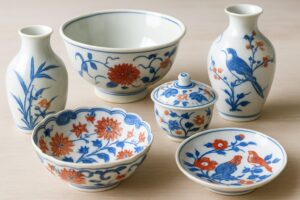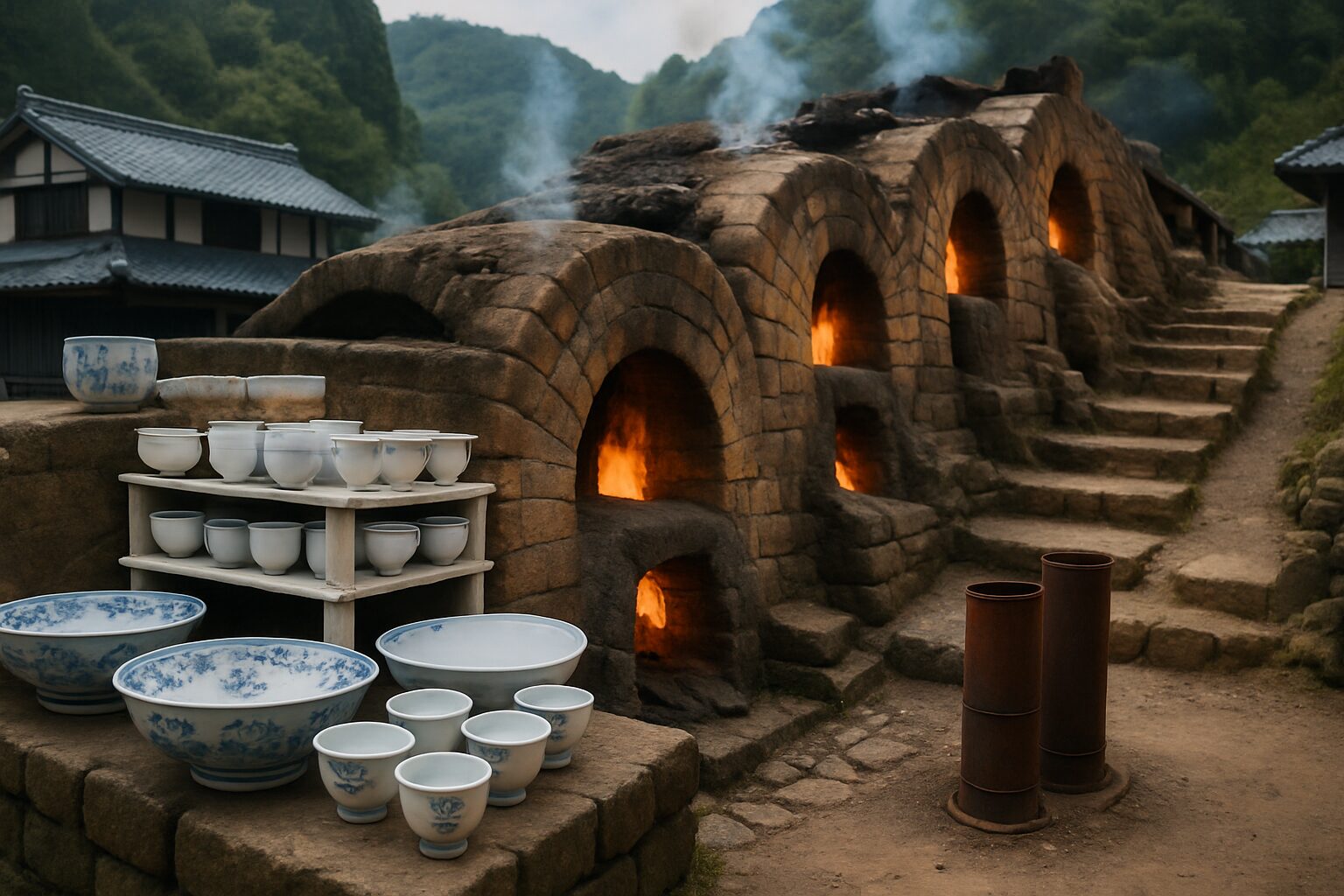
Hey everyone, Sofia here! So, picture this: you’re wandering through a town where history isn’t just in museums, it’s literally baked into the walls. A place where every corner you turn, every shop you peek into, is bursting with the most jaw-droppingly beautiful art you can actually eat off of. It sounds like a dream, right? Well, pack your bags, because this place is 100% real, and it’s called Arita. Tucked away in Saga Prefecture on Japan’s southern island of Kyushu, Arita is the literal birthplace of Japanese porcelain, and let me tell you, its 400-year-old story is a total vibe. This isn’t just about pretty plates; it’s a journey into the soul of Japanese craftsmanship, a town that changed the world with its creativity and has been keeping that fire alive ever since. For anyone who loves art, history, or just finding those super unique, off-the-beaten-path spots, Arita is an absolute must. It’s a town that moves at its own gentle pace, inviting you to slow down, look closer, and maybe even create a little something beautiful yourself. Ready to dive into a world of pure ceramic magic? Let’s go!
The 400-Year Vibe Check: A History That Slaps
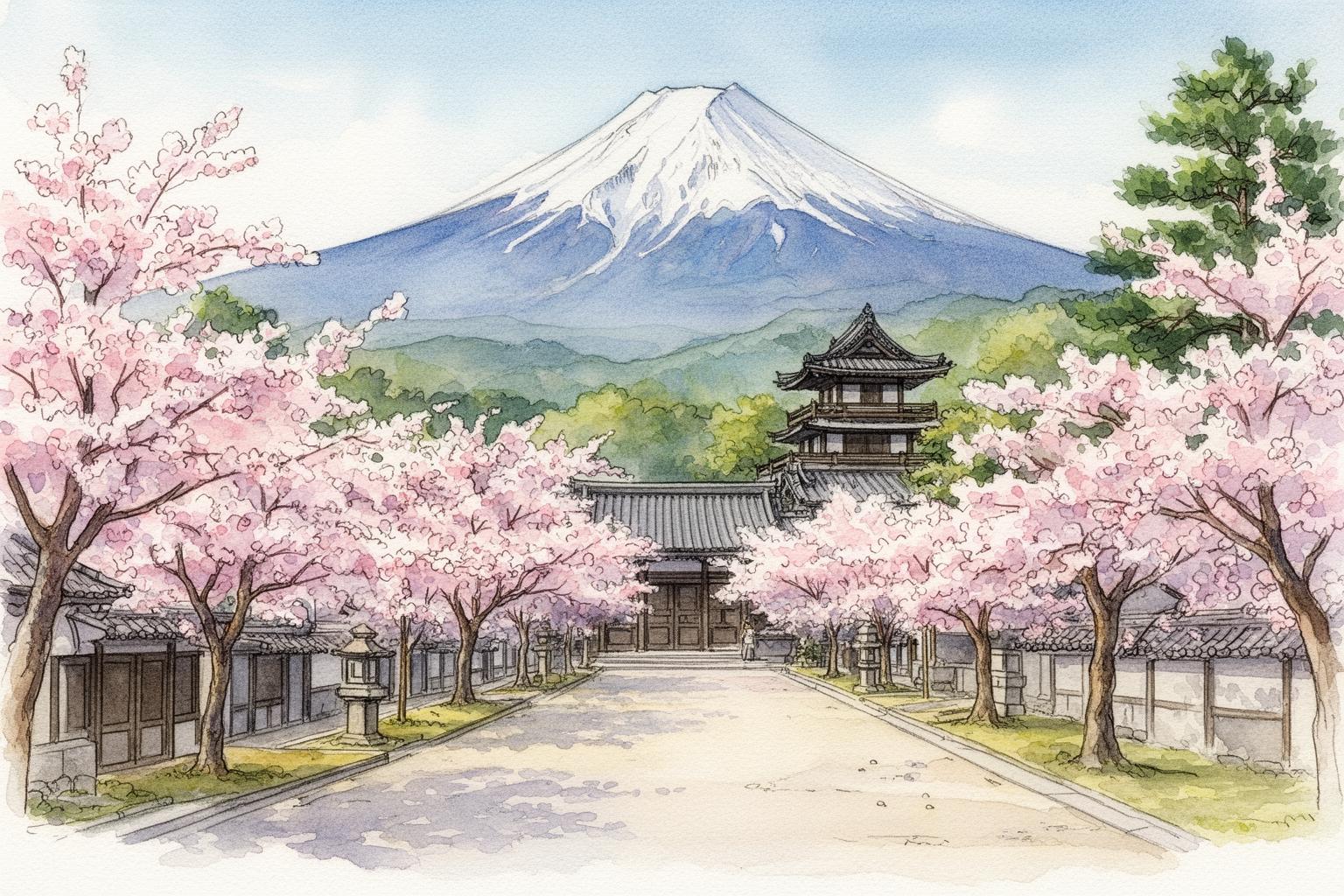
To truly understand Arita, you need to rewind time—way back to the early 17th century. The story is pure protagonist energy. For centuries, Japan had been importing all its fine porcelain from China. Then, a Korean potter named Yi Sam-pyeong, who was brought to Japan during a conflict of that era, made a groundbreaking discovery. In 1616, while exploring around Arita, he literally struck white gold: a vast deposit of kaolin clay at the Izumiyama quarry. This was the key—the secret ingredient required to produce high-quality, durable, and brilliantly white porcelain. This discovery didn’t just launch a local industry; it ignited a revolution that put Japan on the global art stage. The first kilns in Arita were fired up, and Japanese porcelain was born. It was a total game-changer.
This new porcelain, now known as Arita ware, quickly became the talk of the town—and eventually the world. During the Edo period, Japan was mostly closed off to foreign contact, but there was one small window to the West: the Dutch trading post in Nagasaki. The Dutch East India Company merchants were blown away by Arita ware. It was exquisite, elegant, and unlike anything in Europe. They began exporting it heavily from the nearby port of Imari, which is why for a long time, Arita ware was known in Europe simply as “Imari.” This porcelain represented the pinnacle of luxury. European royalty and aristocrats went crazy for it, commissioning elaborate dinner sets and ornate vases to display in their palaces. Arita ware was so influential it inspired the birth of Europe’s own porcelain industries, like Meissen in Germany. Arita wasn’t just making pottery; it was setting worldwide trends.
The Original Styles: A Trio of Legends
As Arita’s fame rose, distinct styles emerged, each with its own unique character and charm. Think of them as the three legendary houses of Arita porcelain, each vying for supremacy.
First is Ko-Imari, which literally means “Old Imari.” This is the classic, lavish style that first captivated Europe. It’s known for bold, vibrant designs, often featuring a palette of deep underglaze blue, rich iron-red overglaze, and dazzling gold accents. The patterns are dense and cover the entire surface, showcasing intricate floral motifs, mythical creatures, and geometric designs. Ko-Imari is extravagant, luxurious, and unabashedly stunning. It was made to make a statement, to dominate the room with its presence. Holding a piece of Ko-Imari feels like holding a piece of pure Edo-period luxury.
Next is the Kakiemon style, the chic and refined older sibling. Legend has it that the first Sakaida Kakiemon perfected a new overglaze enameling technique, producing colors of incredible delicacy and warmth. But the hallmark of Kakiemon is its use of negative space. Instead of covering the entire surface, Kakiemon artists painted soft, asymmetrical designs—a single branch of plum blossoms, a pair of quail, a playful tiger—on a distinctive milky-white porcelain base known as nigoshide. This base was notoriously difficult to make, and its recipe was a closely guarded secret. The result is a style that is elegant, balanced, and beautifully understated. It perfectly captures the essence of Japanese aesthetics, where what is not shown is as important as what is.
Finally, there’s Nabeshima ware, the most exclusive and technically flawless of them all. This porcelain was not for sale to the public—it was the VIP-only, backstage-pass pottery made exclusively for the shogun and feudal lords of the Nabeshima clan. The kiln was hidden in a remote mountain village, its techniques top-secret, and the potters worked under enormous pressure. Any piece with the slightest imperfection was destroyed. Nabeshima ware is prized for its flawless forms, sophisticated, often asymmetrical designs inspired by nature and textiles, and its controlled, elegant color palette. It represents the absolute peak of Arita’s technical mastery. Never exported, it remains a uniquely Japanese treasure, a symbol of power and refined taste meant only for the elite.
From the Meiji Restoration forward, as Japan opened up to the world, Arita adapted. It impressed audiences at international expos in Paris and London, cementing its reputation for excellence. While no longer the sole porcelain supplier to the West, it secured its place as a cornerstone of Japanese culture and art—a legacy that continues to flourish and evolve today.
Exploring Arita Town: It’s a Whole Mood
Strolling through Arita today feels like stepping back in time. The atmosphere is distinctly different—quieter and more intentional. You can almost catch the faint sounds of potters’ wheels turning and kilns blazing from ages long gone. The town sits snugly in a narrow valley, with brick chimneys peeking out from behind traditional tiled roofs, a constant nod to the craft that sustains this community. The mood is a perfect fusion of a working artists’ town and a living museum. This isn’t a place to rush through; it’s a place to wander slowly, letting your curiosity lead you down narrow alleys and into hidden courtyards.
Uchiyama District: The Historic Pulse
The main thoroughfare of Arita is the Uchiyama district, a beautifully maintained street lined with traditional merchant houses and pottery shops stretching about two kilometers. This area has been recognized as a Group of Traditionally Constructed Buildings, and it’s easy to see why. The structures are stunning, with their white-plastered kura (storehouse) walls, dark wooden lattices, and elegant tiled roofs. These features are not merely decorative; the thick earthen walls served as effective fireproofing, vital in a town where hundreds of wood-fired kilns operated continuously. A stroll down this street is the highlight of the visit. Here, you’ll find everything from centuries-old family businesses offering priceless antiques to sleek, modern galleries presenting the work of a new generation of ceramic artists. Each doorway invites you in. You could easily spend hours window-shopping, marveling at the incredible variety—from traditional blue-and-white sometsuke to contemporary pieces boasting bold, graphic designs. It’s a feast for the eyes, and your wallet will certainly be tempted.
Izumiyama Quarry: The Origin Point
For an awe-inspiring sense of history, a visit to the Izumiyama Quarry is essential. This is the source—the mother lode—where Yi Sam-pyeong discovered the porcelain stone that sparked it all. The landscape here is wild and striking. For 400 years, this mountain was excavated by generations of miners, leaving behind a rugged, almost surreal landscape of stark white rock faces set against lush green forests. It’s often called the “Magnetic Mountain,” as the vast quantity of porcelain stone was said to disturb compasses. Today, it’s no longer an active mine but a designated National Historic Site. Standing here, you can truly feel the weight of history. This rocky terrain gave rise to a whole culture of beauty. It is a powerful, humbling place and a fantastic spot for photos. The contrast between the white stone, green trees, and blue sky is simply breathtaking. It’s a quiet place for reflection, a reminder of the raw nature underpinning all this refined artistry.
Tombai Walls Alley: Tangible History
One of Arita’s most distinctive and photogenic features is tucked away in its backstreets: the Tombai Walls. As you wander off the main road, keep an eye out for these remarkable textured walls. They are a stunning example of Japanese ingenuity and the spirit of mottainai (waste not). The walls are constructed from a patchwork of discarded kiln-firing materials: old kiln firebricks (tombai), broken saggars (the protective ceramic boxes used inside kilns), and other ceramic tools, all bonded with reddish clay plaster. They are literally built from the history of Arita’s kilns. Each wall forms a unique mosaic, a tapestry of textures and earthy hues. The Tombai Wall Alley behind the Kōraku Kiln is especially renowned. Walking this narrow lane feels like stepping inside an archaeological artifact. It’s a tangible link to the past, a silent tribute to the countless hours of labor and fire that have shaped this town over centuries.
Get Your Hands Dirty: Arita Experiences That are Fire
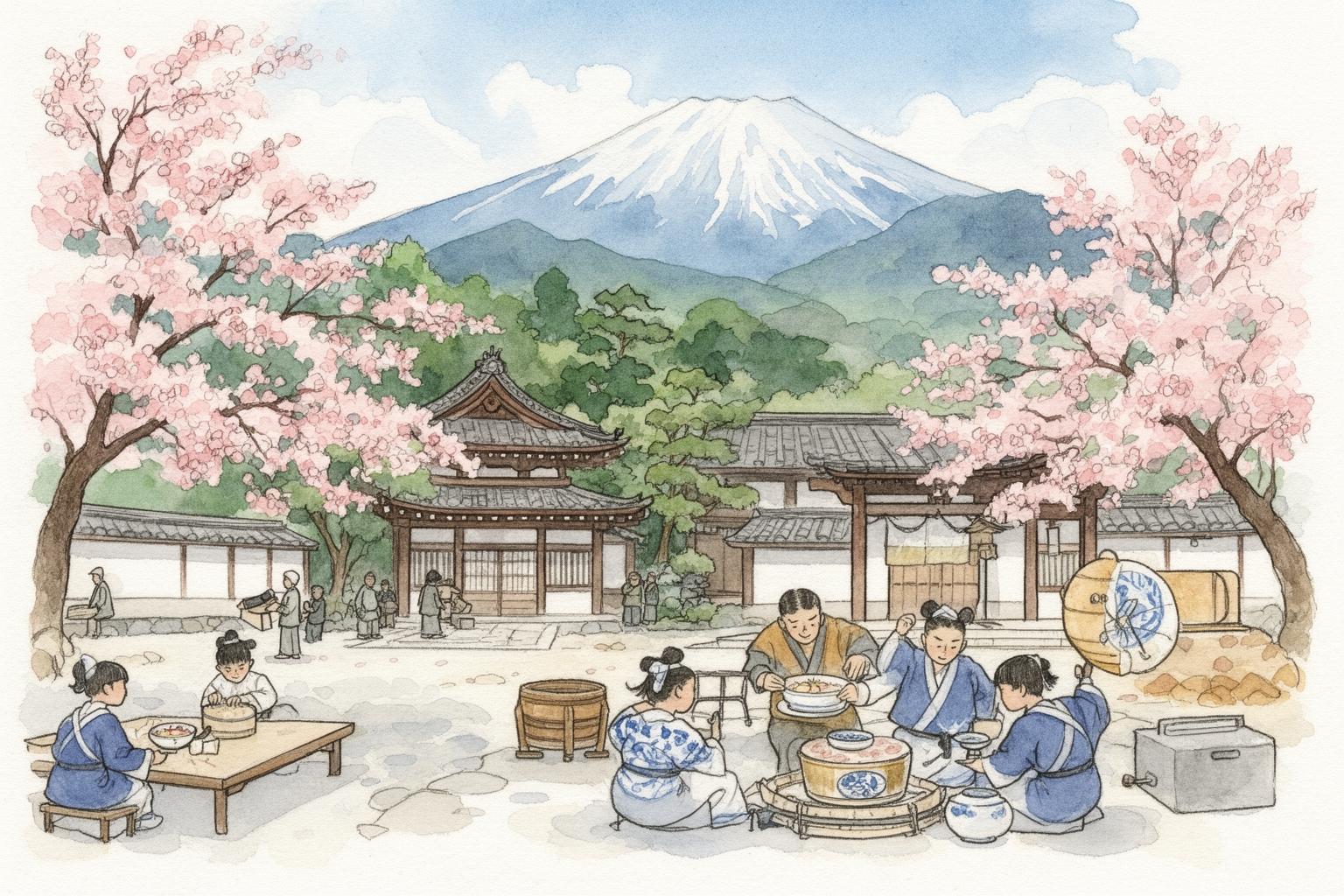
Seeing Arita ware is one thing, but actually making it? That’s a completely different level of connection. Arita isn’t a hands-off, look-but-don’t-touch kind of place. It invites you to get involved, to feel the clay, and to truly understand the craft from the inside out. It’s your opportunity to move from being a spectator to becoming a creator, and the experience is absolutely unforgettable.
Pottery Making Workshops: Unleash Your Inner Artist
Numerous kilns and studios across Arita offer hands-on workshops for visitors, and you absolutely have to give one a try. No experience is necessary—just a willingness to have fun and perhaps get a bit messy. Generally, there are two main options. You can try the potter’s wheel, feeling the wet clay spin and take shape under your guidance. It’s challenging, meditative, and incredibly satisfying to transform a lump of earth into a bowl or cup. The instructors are very patient and supportive, so there’s no need to feel intimidated! The other popular choice is painting on bisque ware—a pre-fired, unglazed piece of porcelain. You can select from plates, cups, bowls, or even charming figurines. You’ll be given special brushes and the traditional blue gosu pigment. This is your chance to create a unique Arita masterpiece. You can go with a classic design or let your creativity run free. Once finished, your piece will be glazed and fired in a real kiln. It usually takes a few weeks, but nearly all studios offer international shipping for your completed work. Receiving that package in the mail months later is the best feeling—an ultimate souvenir and a tangible memory of your time in the heart of porcelain country.
Kiln Hopping: A Tour of a Living Tradition
Arita is not a single entity; it’s a constellation of dozens of independent kilns, each with its own legacy, secret techniques, and signature style. A day spent “kiln hopping” offers a fascinating deep dive into the diversity of this craft. You can visit the legendary Kakiemon Kiln, where the Sakaida Kakiemon family has preserved the iconic Kakiemon style for fifteen generations. Their gallery is a stunning display of elegance and refinement. Next, you might head to the Gen-emon Kiln, operating since the 1750s. They are masters of the Ko-Imari style but also create contemporary designs, all painstakingly hand-painted by skilled artisans. Visiting their spacious facility reveals the immense effort behind each piece. But it’s not just about tradition. Arita is also alive with fresh energy. Brands like 2016/ emerged from a project that brought international designers to Arita, producing modern collections that push porcelain’s boundaries. Exploring both historic and contemporary kilns provides a complete view of Arita: a place that deeply honors its past while boldly innovating for the future.
Arita’s Can’t-Miss Spots: The Main Character Energy
Beyond its workshops and historic streets, Arita offers a handful of star attractions that are absolutely essential for every visitor. These sites bring the entire story to life, providing context, beauty, and those perfect Instagram-worthy moments.
Kyushu Ceramic Museum: The Ultimate Crash Course
To fully grasp Arita’s legacy, your first stop should be the Kyushu Ceramic Museum. This isn’t a dusty, boring museum but a bright, modern, and thoughtfully curated space that showcases the story of Kyushu ceramics, with Arita at its heart. The permanent collection is vast, guiding you through the chronological evolution of Arita ware, from the earliest blue-and-white pieces to the magnificent export wares that captivated Europe. You’ll see stunning examples of Ko-Imari, Kakiemon, and Nabeshima styles side-by-side, giving you a true appreciation of their differences. A highlight for many is the incredible Mr. and Mrs. Shibata Collection, a vast and comprehensive private collection of Edo-period Arita ware generously donated to the museum. Encountering this porcelain treasure trove is truly awe-inspiring. The museum excels at providing context, helping you understand the techniques, history, and cultural significance behind everything you’ll see throughout the town.
Tozan Shrine: A Shrine Made of Porcelain
This is something you won’t find anywhere else. Tozan Shrine is dedicated to Emperor Ojin and Yi Sam-pyeong, the founder of Arita ware. What makes it utterly unique is that it’s likely the only shrine in the world featuring major architectural elements made entirely of porcelain. As you approach, you pass under a massive, magnificent torii gate crafted completely from blue-and-white porcelain, built in 1888. It’s a breathtaking sight and a potent symbol of the town’s identity—where faith and craftsmanship are intertwined. But that’s not all. Look around and you’ll discover porcelain guardian dogs (komainu), enormous porcelain water jars, lanterns, and even small votive plaques (ema). Nestled on a hillside overlooking the town, it’s a serene and beautiful place that perfectly illustrates the deep integration of porcelain into daily life in Arita.
Arita Sera: The Modern Pottery Mecca
If the historic Uchiyama district represents the soul of Arita shopping, then Arita Sera is its sprawling, modern heart. This large, purpose-built shopping complex is located just a short drive from the town center. It houses over 20 wholesalers and specialty shops dedicated to Arita ware, all set in sleek, contemporary buildings. This is the place to go if you’re on a serious shopping mission. Everything is here—from high-end art pieces to everyday tableware offered at wholesale prices. It’s a fantastic spot for bargains, especially if you’re looking to purchase a full dinner set or multiple items. The atmosphere contrasts with the intimate charm of the old town—it’s more open, less personal, but incredibly efficient for browsing a vast selection in one visit. During the porcelain fair, this area turns into a whirlwind of activity. Many shops feature their own galleries and small cafes, making it a comfortable, convenient place to spend a few hours indulged in ceramic shopping therapy.
Arita Porcelain Park: A Slice of Germany in Japan
Prepare for a twist. A short distance from the main town lies one of Arita’s quirkiest attractions: Arita Porcelain Park. At its center is a stunning full-scale replica of Dresden’s Zwinger Palace from Germany, an unexpected sight in the Japanese countryside. What’s the connection? Dresden was home to Meissen, the first European porcelain manufacturer, which was directly inspired by—you guessed it—Arita ware. The palace stands as a tribute to this shared history. Inside, you’ll find an impressive museum showcasing both European and Arita porcelain from the 18th century, highlighting the cultural exchange between the two traditions. The park also features a sake brewery using local Saga rice, restaurants, and, naturally, pottery workshops. It’s a little quirky, a lot of fun, and a testament to Arita’s global influence.
The Arita Porcelain Fair: The Biggest Pottery Party in Japan
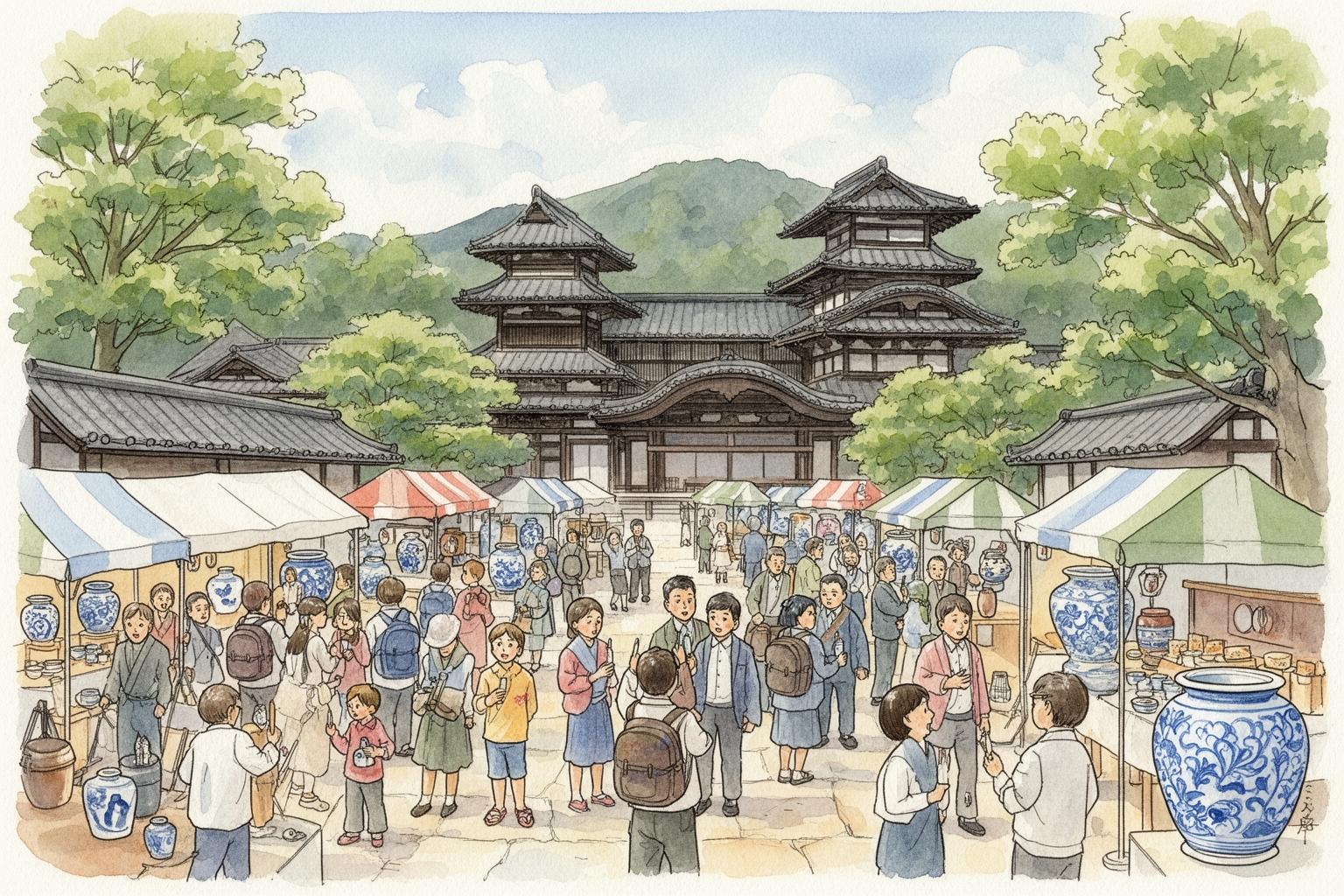
If you truly want to experience Arita at its finest, you need to time your visit during Golden Week. This week-long national holiday, spanning from late April to early May, is when the town hosts the Arita Touki Ichi, or Arita Porcelain Fair. And when I say it’s a big deal, I mean it’s a massive event. This fair has been held for over a century and draws more than a million visitors annually. The whole town turns into a vast open-air market. Main streets are closed to traffic and filled with hundreds of stalls, tents, and temporary shops set up by kilns and pottery traders from all around the region. The atmosphere is electric. It’s a treasure hunter’s dream. You can find everything from rare antiques worth a fortune to bargain bins stacked with slightly flawed pieces for just a few hundred yen. The sound of joyful shoppers, the clinking of ceramics, and the buzzing crowd energy is intoxicating. It’s a genuine festival, celebrating Arita’s history, present, and future.
Be warned, it gets extremely crowded, so here are a few tips if you decide to take on the fair. First, arrive early in the morning to avoid the heaviest crowds and score the best finds. Second, wear your most comfortable walking shoes—you’ll be covering a lot of ground. Third, bring plenty of cash, as many smaller vendors may not accept cards. And finally, have a plan for your purchases. If you’re planning to buy a lot, don’t worry about carrying everything. Most vendors and a central shipping office can arrange secure packing and shipping of your treasures home. It’s an intense, exhilarating, and truly unique experience that every ceramics enthusiast should have on their bucket list.
Practical Deets & Pro Tips for Your Arita Adventure
So you’re sold on Arita, right? Fantastic! Here’s the insider scoop on how to make your trip smooth, easy, and absolutely unforgettable.
Getting There
Arita sits in western Saga Prefecture and is quite easy to access. The simplest way to reach it is by train. If you’re coming from Fukuoka, the largest city in Kyushu, just catch the JR Midori Limited Express from Hakata Station. It’s a scenic ride lasting about an hour and a half and will drop you directly at Arita Station. If you have a Japan Rail Pass, this journey is fully covered. Once in Arita, the main historic area of Uchiyama is a pleasant 15-20 minute walk from the station. For venturing out to more distant kilns or spots like Arita Porcelain Park, renting a bicycle at the tourist information center near the station is a fun and convenient choice. There’s also a local community bus that loops around the town’s key attractions.
When to Visit
Spring and autumn are definitely the best times to visit Arita. Spring (April-May) centers on the famous Porcelain Fair during Golden Week. The weather is lovely, and the town is full of lively energy. Autumn (October-November) is another excellent option. The climate is crisp and comfortable, the fall foliage near the kilns is stunning, and the town hosts a smaller, more relaxed Autumn Porcelain Festival. Summers can be hot and humid, while winters are quiet and chilly. If you’re after a more tranquil, intimate experience and want to avoid crowds, visiting on a weekday outside of major festival times is ideal. You’ll have more space and opportunity to chat with shopkeepers and artisans.
Where to Stay
To truly soak in the atmosphere, I highly recommend spending at least one night in Arita itself. There are various accommodations, ranging from traditional Japanese inns (ryokan) offering warm hospitality and great food to modern guesthouses and hotels. Staying in town lets you enjoy a peaceful evening stroll once the day-trippers have gone. Alternatively, the nearby hot spring towns Takeo Onsen or Ureshino Onsen are just a short train ride away. You could explore Arita by day and then relax at a soothing onsen ryokan in the evening—the perfect mix!
What to Eat
While admiring the porcelain, don’t forget to satisfy your appetite! Arita features some tasty local specialties. One to try is Arita-dori chicken, a local brand known for its tender, flavorful meat. Another regional favorite is Godofu, a distinct tofu made with kudzu starch that offers a unique, bouncy, mochi-like texture. It’s often served chilled with sweet miso or soy sauce. Perhaps the quintessential Arita dining experience, though, is enjoying a coffee and cake at one of the town’s many charming cafes. The best part? Your drink and dessert will almost certainly be served on exquisite Arita ware, turning a simple coffee break into a mini art appreciation moment.
First-Timer Hacks
Here are a few last tips to make your visit perfect. First, don’t hesitate to ship your purchases home! The biggest worry about visiting a pottery town is how to get fragile souvenirs back safely. Relax—the shops in Arita are experts in packing and international shipping. It’s dependable and often very affordable. Second, take your time. Arita’s charm is in the details, so explore at a leisurely pace. Drop into that small kiln that caught your eye. Wander down that narrow alley. Sit on a bench and just soak in the atmosphere. Finally, don’t be shy! Talk to the locals. Ask the gallery owner about the artist. Ask the artisan about their craft. The people of Arita take pride in their heritage and love sharing their stories with interested visitors. It will enrich your experience beyond expectations.
The Final Take: More Than Just Pottery
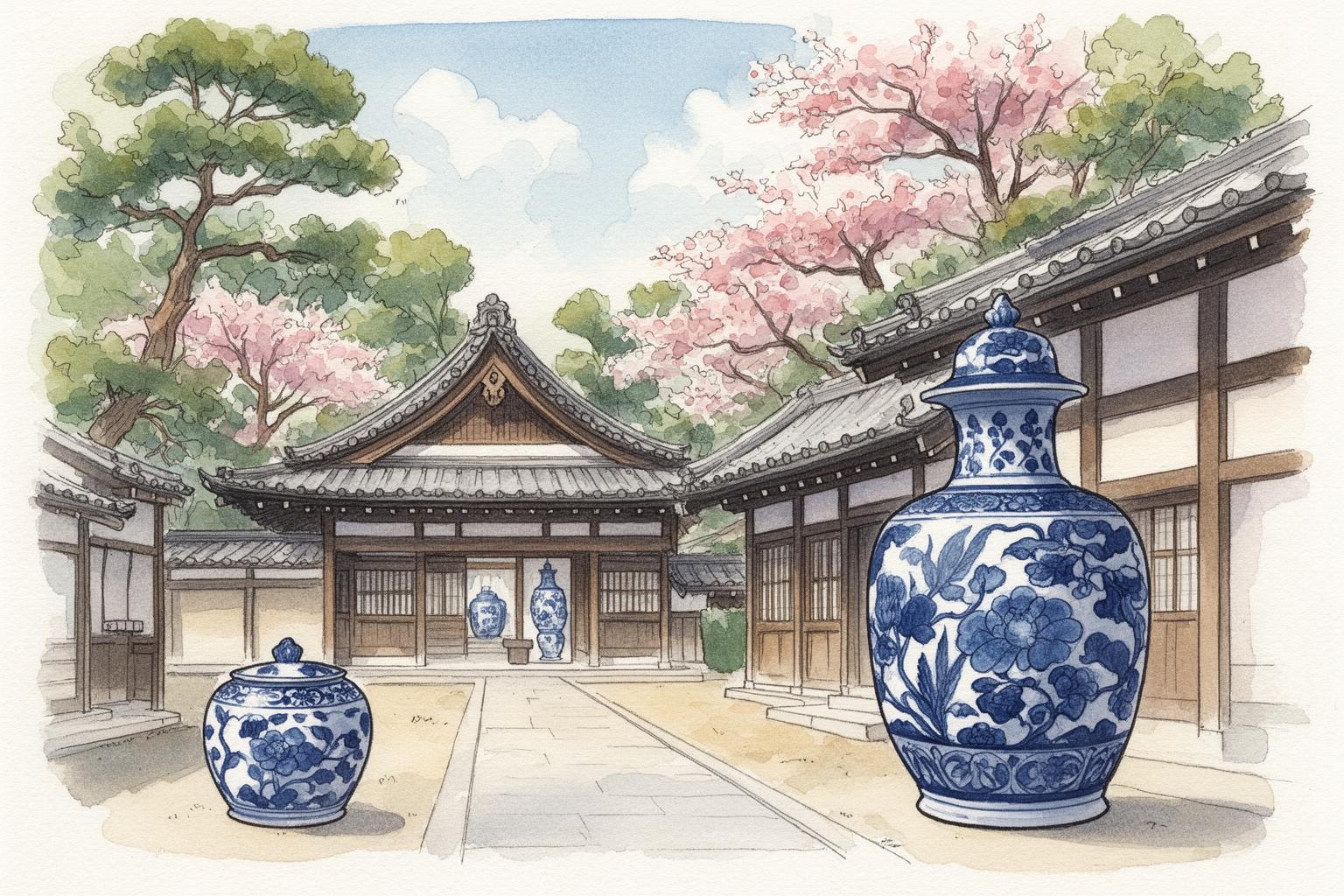
A trip to Arita is far more than simply a shopping trip for exquisite ceramics. It’s an experience that links you to a 400-year history of art, innovation, and remarkable resilience. This town has committed itself, across generations, to the quest for perfection and beauty. You sense that commitment in the quiet focus of a painter’s brushstroke, in the proud legacy of a family-owned kiln, and in the very walls that line the streets. When you leave Arita, you carry not only a beautifully crafted piece but also a deep appreciation for the human hands and hearts behind its creation. It’s a place that reminds you art is not merely to be admired in galleries; it’s meant to be lived with, used, and treasured every day. Arita holds a unique kind of magic, ready for you to discover. Prepare to fall in love.