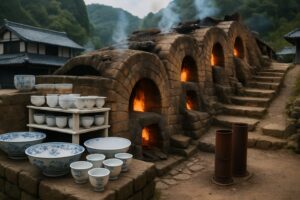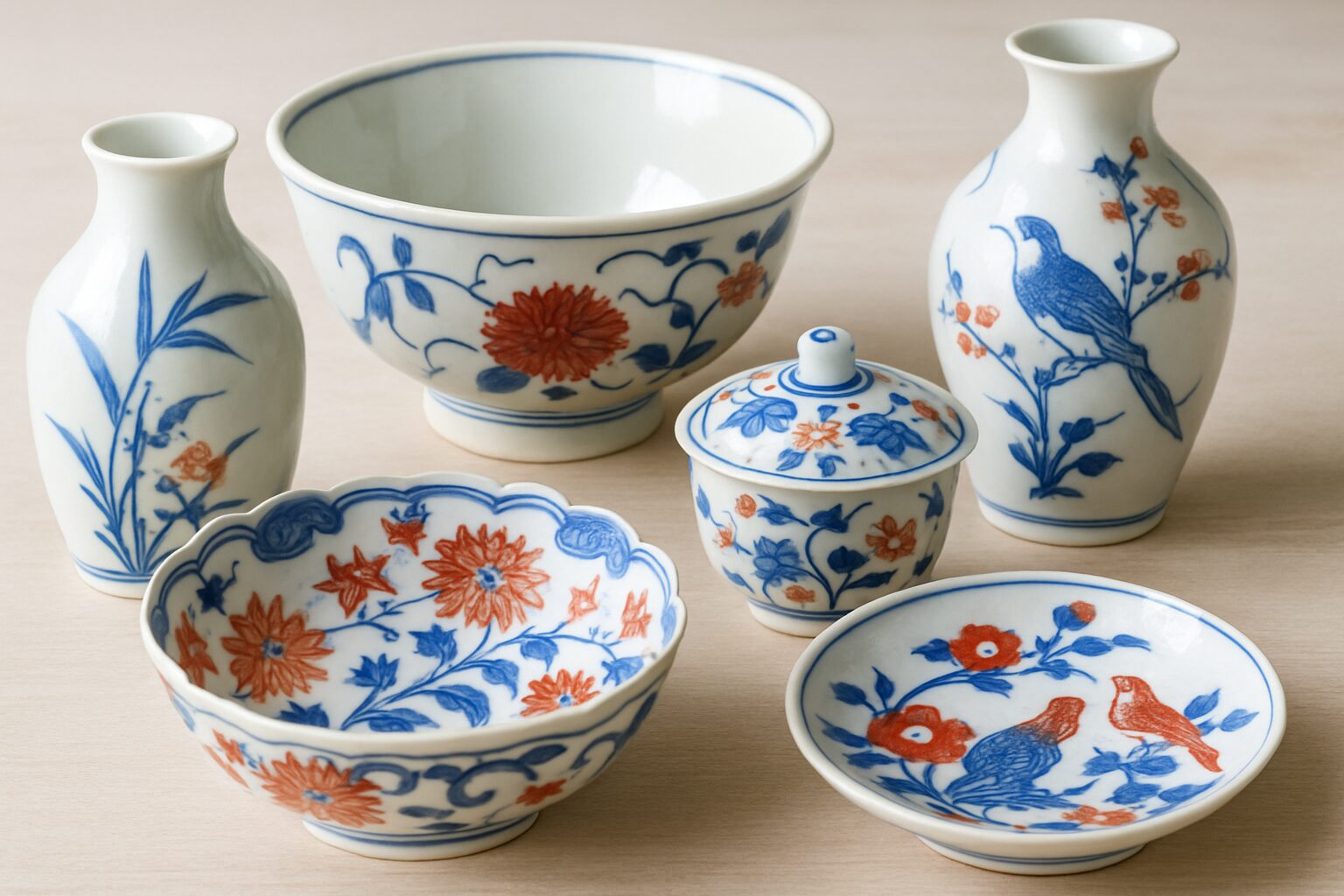
What’s the deal with Arita? Bet. Let me drop some knowledge. Tucked away in the mountains of Saga Prefecture on Japan’s southern island of Kyushu, this town isn’t just another pretty face on the tourist trail. Arita is, and I cannot stress this enough, the literal birthplace of Japanese porcelain. We’re talking about a 400-year-old legacy that completely redefined Japan’s cultural game and sent waves across the globe. This quiet, unassuming spot is the OG, the ground zero, the place where a single discovery of a specific type of clay kicked off an artistic revolution. Walking through its streets feels like stepping into a living, breathing museum where every corner, every wall, and every local café is a testament to this insane history of craftsmanship. It’s a low-key town with a seriously high-key past, a place where the air hums with the quiet creativity of kilns that have been firing for centuries. Forget what you think you know about pottery; Arita is here to give you the masterclass. It’s a whole vibe, a journey into the heart of what makes Japanese aesthetics so iconic. You’re not just visiting a town; you’re plugging directly into the source code of Japanese artistry. And trust me, it’s a trip worth taking.
To truly understand this legacy, you must explore the world of Arita ware, the porcelain that defines this town’s artistic soul.
The Glow Up: How Arita Became the GOAT of Ceramics
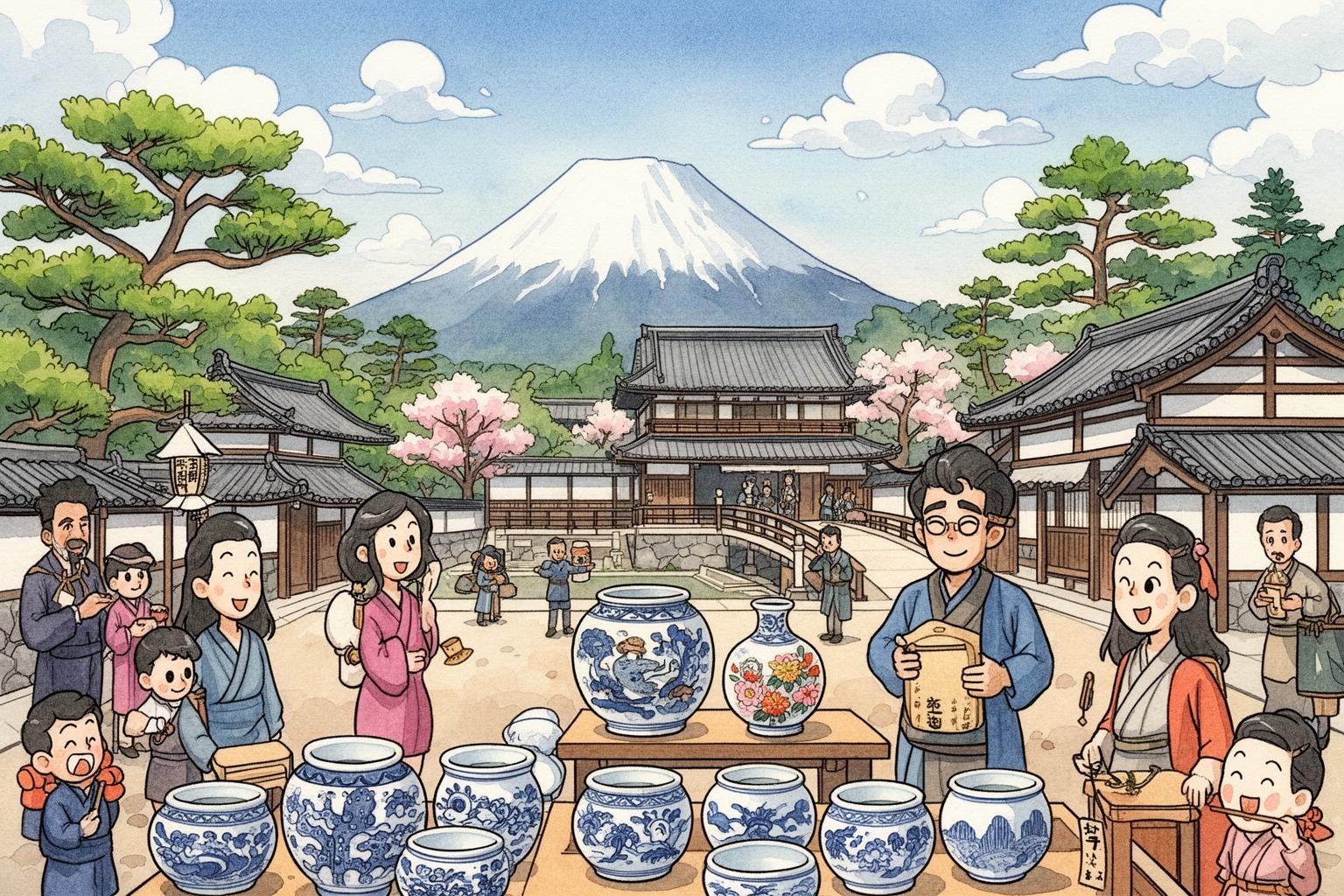
To truly understand Arita, you need to rewind the clock—way back to the turn of the 17th century, a period of immense upheaval and transformation in Japan. The country was emerging from a prolonged civil war, with powerful shoguns eager to demonstrate their cultural and economic strength. At that time, Japan relied entirely on importing fine porcelain from China, the undisputed ceramics leader. However, a major turning point was on the horizon, triggered by one man and one mountain.
The Origin Story: Discovering White Gold
The tale of Arita porcelain is inseparable from that of a Korean potter named Ri Sampei (known in Korean as Yi Sam-pyeong). He was among many skilled artisans brought to Japan following Toyotomi Hideyoshi’s invasions of Korea in the late 16th century. Settling in the Arita region under the patronage of the Nabeshima clan, Ri Sampei was tasked with a monumental mission—to locate raw materials in Japan capable of producing porcelain: the hard, white, and translucent ceramic prized above all else. For years, he explored the rugged, pine-clad mountains of present-day Saga Prefecture, testing clay from numerous streams and hillsides in search of the perfect ingredient. Then, in 1616, he struck gold—or rather, kaolin. At Izumiyama mountain, he discovered a massive deposit of this essential white clay, which gives porcelain its distinctive strength and purity. This find was no mere stroke of luck; it was like hitting oil. This “white gold” unlocked Japan’s ability to produce high-quality porcelain domestically, ending reliance on Chinese imports and setting Arita on a path to becoming a ceramics powerhouse. The first kilns were constructed, launching a legacy that would endure for centuries. Early pieces, called early Imari or Shoki-Imari, were heavily influenced by Korean aesthetics, often featuring simple, rustic cobalt blue underglaze designs. But this was only the beginning. The fusion of Korean techniques, Chinese inspiration, and a nascent Japanese aesthetic would soon forge something entirely new and electrifying.
Going Global: The VOC Era and Arita’s Rise to World Prominence
Fast forward a few decades, and a perfect storm of global events propelled Arita from a local secret to an international sensation. In the mid-17th century, political upheaval in China, including the fall of the Ming Dynasty, severely disrupted porcelain production at Jingdezhen, the world’s chief ceramics center. Suddenly, the global supply of fine ceramics vanished, leaving Europe’s elite desperate for their fix. Who was poised to fill the gap? Arita, Japan. Enter the Dutch East India Company, or VOC (Vereenigde Oostindische Compagnie), the sole Western traders allowed in Japan during its self-imposed isolation. Operating from the tiny, fan-shaped artificial island of Dejima in Nagasaki harbor, VOC merchants seized an enormous business opportunity. They turned to Arita’s kilns to replace the missing Chinese porcelain. European demand was insatiable, and Arita’s potters stepped up, dramatically expanding production. An intricate supply chain was established: porcelain crafted in Arita’s landlocked kilns was transported overland or by river to the nearby port of Imari. From there, it was loaded onto ships for the final leg to Dejima, where the Dutch inspected orders before loading them onto their massive galleons for the perilous year-long journey to Amsterdam. This shipping route is why Arita porcelain became known in Europe as “Imari ware,” a name that persists today. For European royalty and aristocrats, owning this exotic ware from a distant, mysterious land was the ultimate status symbol—more valuable than gold. Palaces from Versailles to Schönbrunn were adorned with custom Arita vases, chargers, and tureens, displaying their owners’ wealth and refined taste. Arita wasn’t just producing pottery anymore; it was shaping global culture.
The Arita Style Trifecta: Kakiemon, Nabeshima, and Ko-Imari
As Arita’s reputation grew, its artisans developed distinct and highly sophisticated styles. It wasn’t just one kind of porcelain—it became a universe of aesthetics, each with its own story and purpose. The three most legendary styles to emerge were Kakiemon, Nabeshima, and Ko-Imari.
Kakiemon: The Original Minimalist Chic
If Ko-Imari was the flamboyant rockstar, Kakiemon was the effortlessly cool avant-garde artist. This style epitomizes elegance. Developed by the Sakaida Kakiemon family in the mid-17th century, its most defining feature is the revolutionary nigoshi-de base. This was no ordinary porcelain; it featured a uniquely milky, warm white body produced through a secret and painstakingly difficult process. This stunning canvas demanded a new decorative approach. Instead of covering the entire surface, Kakiemon artists embraced the Japanese aesthetic of ma—or negative space—painting delicate, asymmetrical designs that let the beautiful nigoshi-de body breathe. Motifs were inspired by nature—a pair of quail beneath millet, a flowering plum branch with a nightingale, a whimsical dragon—rendered in a distinctive palette of soft red-orange, green, yellow, and blue overglaze enamels. The result was refined, sophisticated, and utterly groundbreaking. Kakiemon ware was so influential that major European porcelain manufacturers such as Meissen in Germany and Chantilly in France feverishly copied it, eager to replicate its chic minimalist appeal. It was the IYKYK of 17th-century luxury goods.
Nabeshima: The Ultra-Exclusive Ware, For Your Eyes Only
Then there was Nabeshima ware, existing on an entirely different level of exclusivity. This porcelain was not for sale—to the Dutch, other feudal lords, or anyone else. Nabeshima ware came from a secret, heavily guarded kiln in the mountain village of Okawachiyama (now part of Imari city, though its history remains closely tied to Arita). Operated by the Nabeshima clan themselves, rulers of the domain, the kiln produced presentation pieces exclusively for the shogun’s court and other influential figures. This porcelain served as diplomatic currency, where perfection was the only acceptable standard. Any piece with even the slightest flaw was destroyed to protect the kiln’s reputation and secrets. The craftsmanship was extraordinary. Nabeshima ware is renowned for its technical precision, often featuring designs inspired by kimono textiles, nature, and literary themes. Patterns were meticulously applied, almost like a print, with flawless lines and perfectly controlled colors atop a flawlessly smooth glaze. Common features include a raised foot (kodai) and standardized sizing. Owning Nabeshima ware signified access to Japan’s elite inner circle—an ultimate status symbol produced under strict control and secrecy, making it among the most coveted and revered porcelain in the world.
Ko-Imari (Old Imari): Bold and Beautiful
Ko-Imari is the style most people picture when thinking of Japanese export porcelain. These pieces graced the grand dining rooms and antechambers of European palaces. Bold, opulent, and designed to make a statement, Ko-Imari’s most famous sub-style is kinrande, meaning ‘gold brocade.’ The process was complex: a cobalt blue design was painted under the glaze, then fired; elaborate patterns were later added over the glaze in red, green, and lavish amounts of gold. The result was a rich, dense, and dazzlingly colorful aesthetic that screamed wealth and luxury. Unlike the restraint of Kakiemon, Ko-Imari designs often covered the entire surface with intricate peonies, phoenixes, and geometric motifs. This style fused Japanese design with European tastes, specifically crafted to appeal to Baroque and Rococo sensibilities. Ko-Imari was Arita’s commercial superstar—the engine that powered its global trade and cemented its worldwide reputation.
Arita Today: Not Just a Museum, It’s a Vibe
Visiting Arita today offers an experience that is both peaceful and profoundly inspiring. The town has successfully maintained its historic charm without feeling touristy. It comes across as authentic—a living, working town where the 400-year-old porcelain-making tradition remains vibrant and alive. The slow pace encourages you to wander, explore, and fully absorb the unique ambiance.
Strolling Through a Porcelain Wonderland
At the heart of historic Arita lies the Uchiyama district, a beautifully preserved street lined with traditional machi-ya (merchant houses) and pottery shops, many run by families for generations. As you walk along, you’ll realize that porcelain isn’t just inside the shops; it is the town itself. Look closely, and you’ll notice it everywhere: bridges adorned with intricate ceramic panels, porcelain street signs, and even manhole covers featuring exquisite Arita-ware designs. The soundscape is equally distinctive. Instead of city traffic noise, you hear the gentle clinking of ceramics as shopkeepers arrange pieces, the distant hum of a potter’s wheel, and perhaps the faint roar of a gas-fired kiln. This sensory experience connects you deeply to the town’s identity, and you can almost sense the creative energy that has flowed through these streets for centuries.
Essential Pilgrimage Sites for Ceramic Enthusiasts
For anyone with even a slight interest in art or history, Arita offers several pilgrimage-worthy sites that bring its story vividly to life. These are not merely locations on a map but sacred grounds of Japanese porcelain heritage.
Izumiyama Quarry: The Origin Point
A visit to Izumiyama Quarry is an absolute necessity. This is the birthplace of it all. Standing before the massive, hollowed face of the mountain is deeply humbling. For over 200 years, it provided the kaolin clay essential for almost all of Arita’s porcelain. The vast excavation is awe-inspiring; the white and gray rock face, carved and chipped away, resembles a gigantic land art piece more than a quarry. Standing at the very spot where Ri Sampei made his historic find, knowing that the porcelain gracing European palaces came from this rock, creates a profound historical connection. It is the silent, powerful heart of Arita.
Tombai Wall Alleys: The Original Upcycling
One of Arita’s most charming and unique features is its tombai wall alleys. Hidden behind the main streets, these narrow, winding paths are bordered by walls built from an intriguing mosaic of historical remnants. Tombai are fire-resistant bricks once used for old climbing kilns (noborigama). Over centuries, as kilns were rebuilt, these used bricks, along with discarded pottery shards and kiln tools, were mixed with red clay to construct walls. Walking through these alleys feels like an archaeological dig visible in plain sight. You can touch fragments of 400-year-old kilns, spot beautiful blue-and-white shards of an Edo-period bowl embedded in the wall, and feel the texture of history under your hand. The alley behind the Kakiemon kiln is especially famed, providing a tranquil, atmospheric stroll through Arita’s recycled past.
Tozan Shrine: The Most Unique Torii Gate Ever
If there’s one place in Arita that perfectly embodies the town’s pride in its craft, it’s Tozan Shrine. Dedicated to Emperor Ojin and the father of Arita porcelain, Ri Sampei, the shrine itself is beautiful, but its main highlight is the torii gate—made entirely of porcelain. Yes, you read that correctly. Built in 1888, this stunning blue-and-white gate showcases the skill and dedication of Arita’s potters. But it doesn’t end there. The guardian lion-dogs (komainu), the large water basin, the lanterns, and even the small votive plaques (ema) are crafted from porcelain. This extraordinary display of artistry is a truly unique sight. Standing beneath a porcelain gate, you recognize how deeply this craft is embedded in the spiritual and cultural fabric of the community. It’s the ultimate Arita statement and an unmissable photo opportunity.
Level Up Your Arita Trip: Where to Go and What to Do

Beyond absorbing the history, Arita offers numerous ways to engage with the craft, search for treasures, and even try your hand at creating something beautiful. This is when the trip becomes truly enjoyable.
The Great Arita Treasure Hunt
Shopping in Arita is unlike anywhere else. You’re not simply purchasing a souvenir; you’re obtaining a piece of a 400-year-old tradition. Whether your budget is a few dollars or several thousand, there’s an Arita ware item waiting for you.
Arita Sera: The Mega Mall of Pottery
For a one-stop shopping experience, visit Arita Sera. This expansive modern complex just outside the main town is a contemporary ceramics shopping mall. It features over 20 shops and wholesalers, offering an astonishing variety of styles and price ranges. Here, you’ll find everything from high-end, gallery-quality pieces by renowned artists to affordable, everyday tableware perfect for your kitchen. It’s an excellent place to appreciate the vast diversity of modern Arita ware. You can move from a shop focused on traditional blue-and-white designs to one showcasing minimalist, contemporary shapes. The best part is that, since many of these are direct kiln outlets, prices can be very reasonable. Pro tip: Take your time. Don’t rush. The joy of Arita Sera lies in exploring, comparing glazes, shapes, and patterns until you find the piece that resonates with you.
The Arita Ceramic Fair: Pottery Lovers’ Hunger Games
To truly experience Arita at its peak, visit during the Arita Ceramic Fair. Held every year during Japan’s Golden Week holiday (late April to early May), this is one of the biggest and most famous pottery markets in Japan. The entire town becomes a giant, open-air bazaar. Over a million visitors flood Arita, and the streets are packed with hundreds of stalls selling everything imaginable. The atmosphere is electric—a treasure hunt on an epic scale. You can find incredible deals from famous kilns, discover unique items from emerging artists, and haggle for antique gems. It’s crowded, chaotic, and thrilling. To make the most of it, plan ahead. Go early and on a weekday if possible. Wear comfortable shoes for extensive walking. Bring a sturdy backpack or a small rolling cart for your purchases. Most importantly, if you see something you love, buy it right away, because it might be gone by the time you return. It’s an unforgettable experience for any ceramic enthusiast.
Get Your Hands Dirty: Arita Workshops
After admiring the incredible craftsmanship, you might be inspired to try it yourself—and you can! Several kilns and studios in Arita offer hands-on workshops for visitors. This is a wonderful way to connect more deeply with the craft. You can select from experiences such as painting your own design on a pre-made plate or cup (called etsuke) or even trying the potter’s wheel (rokuro). It’s a humbling experience that enhances your appreciation for the local artisans’ skill. Creating your own, slightly imperfect yet deeply personal piece of Arita ware makes the ultimate souvenir. Plus, they will fire and ship it to you anywhere in the world, giving you a delightful surprise when you get home.
Beyond the Shops: Museums and Palaces
To complement your treasure hunt, Arita features a couple of excellent institutions worth visiting.
The Kyushu Ceramic Museum: The Ultimate Crash Course
Perched on a hill overlooking the town, the Kyushu Ceramic Museum is an ideal place to begin your Arita exploration. This world-class museum offers a thorough overview of ceramic history across Kyushu, with a special emphasis on Arita ware. Its permanent collection is breathtaking, featuring stunning masterpieces from the Edo period. The renowned Kambara Collection highlights the exceptional quality of Ko-Imari export ware, while the Shibata Collection provides an in-depth look at historical pieces. Viewing these treasures gives you the background and vocabulary to better appreciate what you see in local shops and galleries. It’s an essential, beautifully curated educational experience.
Arita Porcelain Park: A Slice of Germany in Saga
For a uniquely charming experience, visit the Arita Porcelain Park. Its main attraction is a magnificent full-scale replica of the Zwinger Palace from Dresden, Germany. Why? It honors the historic connection between Arita and Meissen, the first European city to successfully replicate hard-paste porcelain. The palace contains a museum of European porcelain, featuring pieces influenced by Arita ware centuries ago. It’s a fascinating full-circle moment. The park also has a sake brewery where you can sample local brews, a buffet restaurant, and picturesque baroque gardens. It’s a slightly surreal but delightful and very photogenic detour.
The Practical Sitch: Your Arita Survival Guide
Navigating Arita is quite simple, but a few local tips can make your visit even more enjoyable.
Getting There and Getting Around
The easiest way to get to Arita is by train. From Fukuoka’s Hakata Station, you can take the JR Midori Limited Express directly to Arita Station in about 90 minutes. The town is fairly spread out, divided into several areas such as Kami-Arita (upper Arita) and the Sarayama district, home to historic kilns. While the main Uchiyama street is easily walkable, renting a bicycle from the tourist information center at Arita Station truly changes the game. It lets you effortlessly zip between the main town, Arita Sera, the Kyushu Ceramic Museum, and the Izumiyama Quarry, giving you the freedom to explore at your own pace and discover hidden parts of the town.
Fueling Up: Arita’s Culinary Scene
Arita has a surprisingly delicious food culture, where presentation is naturally key. A must-try local specialty is Arita-yaki Curry. This isn’t a single recipe but a town-wide initiative where local restaurants serve their own unique curry on beautifully crafted Arita ware plates. It’s a feast for both the eyes and the palate. Another local delicacy is Godofu, a distinctive type of tofu made from kudzu starch and sesame, featuring a chewy, mochi-like texture and a rich, nutty taste. You’ll also discover plenty of charming cafes where you can enjoy coffee served in exquisite, high-end Arita cups—a simple luxury that feels incredibly special.
Crash Pads: Where to Stay
Arita offers a variety of accommodation options. Modern business hotels near the train station are convenient for short stays. For a more immersive experience, consider staying in a ryokan (traditional inn) or a minshuku (family-run guesthouse) in the historic Uchiyama district. Waking up surrounded by traditional architecture and the quiet ambiance of this pottery town is an experience in itself. It’s best to book in advance, especially if you’re visiting during the spring or autumn ceramic festivals.
Pro Tips for First-Timers
Don’t hesitate to purchase that beautiful large vase you’ve fallen for. Every shop in Arita is expert at packing and shipping ceramics internationally—they’ve been doing it for centuries. Your treasures will arrive home safely. Also, pace yourself. Arita is a town to savor, not rush. Allow at least two days: one to explore the main historic town and museums, and another for Arita Sera and perhaps a workshop. Finally, while most larger shops accept credit cards, many smaller, family-run studios and stalls at the ceramic fair are cash-only, so it’s wise to carry a sufficient amount of yen.
The Final Word: Take a Piece of Arita Home
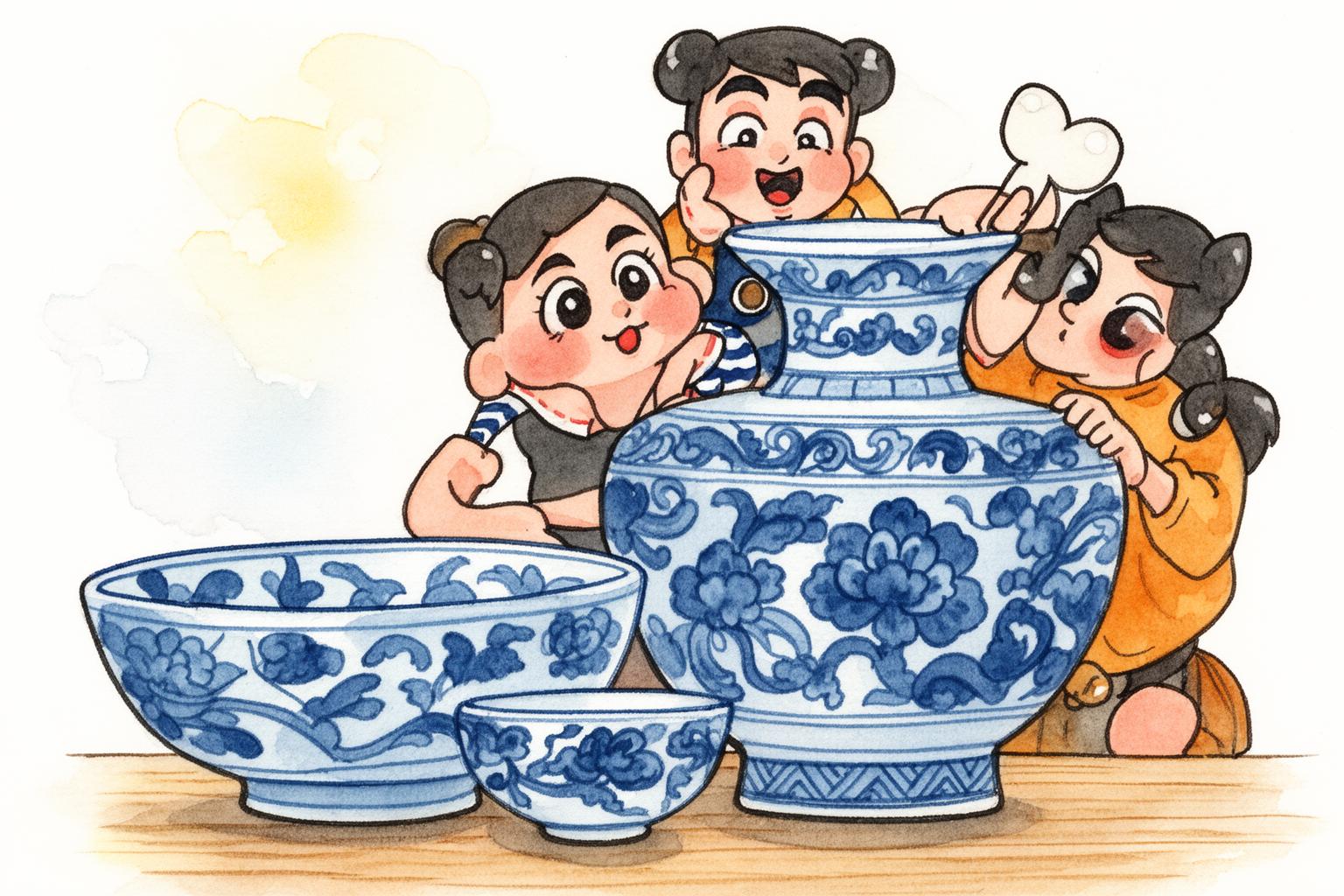
Arita is more than merely a destination; it is a tale. A tale of art, innovation, and an unwavering quest for beauty handed down through generations. Visiting Arita means walking through the chapters of that tale, feeling its presence in the tombai walls, and witnessing its brilliance reflected in the glaze of a simple rice bowl. The true magic of Arita lies in its invitation to become part of that story. When you hold a piece of Arita ware, you are grasping more than a beautiful object—you are embracing 400 years of history, the spirit of countless artisans, and the soul of a town that transformed clay into a global treasure. Bringing a piece home, using it daily, and allowing it to become part of your own story is the best way to keep Arita’s flame alive.