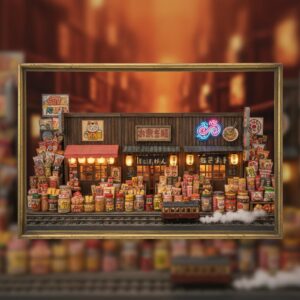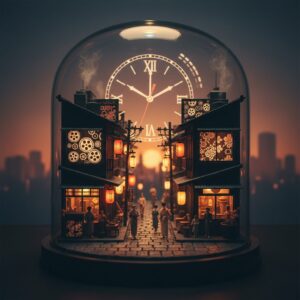
Yo, what’s up! It’s Ayaka. So, you think you know Tokyo? You’ve seen the wild lights of Shibuya, the sky-high views from the Skytree, maybe even chilled with some robots in Shinjuku. That’s all cool, for real. But you haven’t truly touched the city’s soul until you’ve ditched the main drag, ducked under a faded noren curtain, and squeezed into a bar the size of a walk-in closet. I’m talking about the world of yokocho—Japan’s gritty, glorious, and totally cinematic back-alley bars. This isn’t your sleek, minimalist cocktail lounge. This is time travel. It’s a sensory overload in the best way possible. Think flickering paper lanterns casting a warm, hazy glow on weathered wooden counters, the sizzle and pop of mystery meats grilling over charcoal, and the low hum of conversation bouncing off walls plastered with yellowed posters from a forgotten era. It’s a vibe that’s so intensely nostalgic and emotional that we have a word for it: emoi. This is where the city lets its hair down, where salarymen and artists and students all become one, shoulder-to-shoulder, sharing stories over cheap beer and smoky skewers. Forget your itinerary for a second. The real magic of Japan is getting lost, and there’s no better place to get beautifully, wonderfully lost than in the labyrinth of a yokocho. This is your portal to the Showa-era soul that still beats strong beneath the neon skin of modern Tokyo. It’s a whole mood, and tonight, we’re diving in deep. Get ready for some serious hashigo-zake—the fine art of bar hopping. Let’s go.
If you’re captivated by this Showa-era soul, you’ll love exploring more of its nostalgic charm in our guide to Japan’s Showa-era mountain huts.
The Vibe Check: What Exactly is a Yokocho?
So, let’s break it down. Literally, yokocho translates to “side alley” or “alley off a main street.” But that’s like calling a Banksy piece merely “graffiti.” It completely misses the point. A yokocho is a living, breathing time capsule. Most of these charming, chaotic mazes date back to the post-WWII era. They began as black markets, or yamiichi, where people gathered amid the bombed-out ruins of cities to trade goods and find solace in a cheap drink and a hot meal. They were born from necessity, resilience, and a strong sense of community. And honestly? That spirit still lingers. It’s embedded in the very essence of these places.
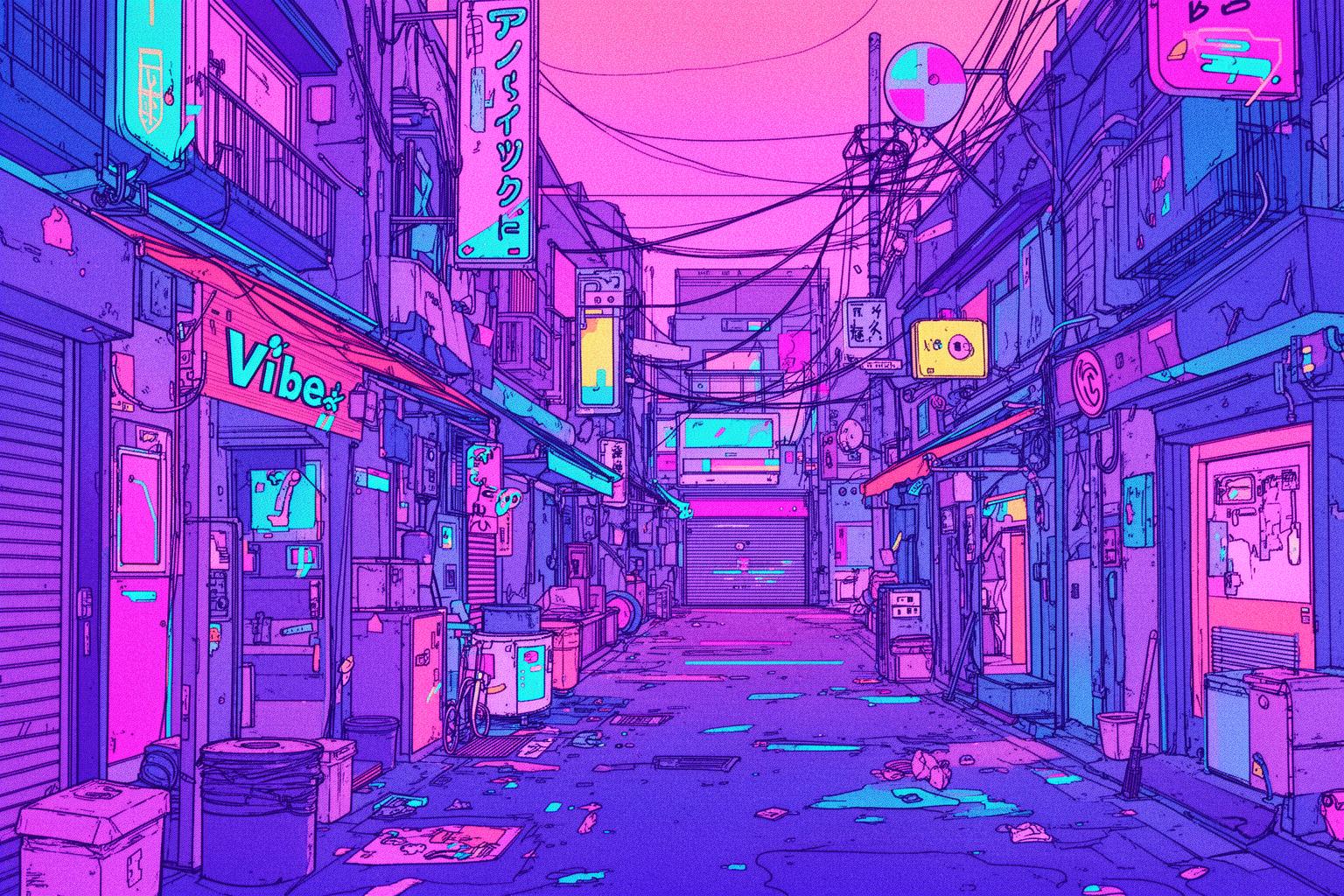
Architecturally, they’re a wonderfully chaotic sight. We’re talking about impossibly narrow lanes, sometimes barely wide enough for one person, lined by small, two-story wooden buildings that seem to lean on each other for support. Power lines dangle overhead like tangled spaghetti, and a sea of glowing red lanterns, or aka-chochin, sways in the night air, each one a beacon offering warmth, drink, and food. You push aside a cloth curtain, the noren, and enter a space that might have only five or six seats. The air is thick with the holy trinity of yokocho scents: charcoal smoke, simmering dashi broth, and stale cigarette smoke (though many spots are going smoke-free these days, thankfully). It’s an immediate, visceral experience that pulls you right out of the 21st century.
This is the cinematic quality everyone raves about. It’s no surprise directors adore this atmosphere. It’s pure ambiance. You half-expect to spot a hard-boiled detective from a 60s yakuza film nursing a whisky in the corner, or a replicant from Blade Runner slurping noodles beneath the flickering neon. It’s a stark contrast to the sleek, orderly facade of modern Tokyo. In the yokocho, things are a bit rough around the edges. The walls are stained, the stools wobble, and the master behind the counter might seem gruff. But beneath that gritty surface lies a warmth that’s completely genuine. It’s worlds apart from polite, surface-level interactions. Here, you might find yourself deep in conversation with a salaryman next to you about his favorite baseball team, or receive a life lesson from the 80-year-old mama-san who has run her bar for six decades. It’s real. It’s human. Some of the more exclusive spots, especially in places like Kyoto’s Gion, are said to practice ichi-gen-san okotowari, meaning they don’t welcome customers without an introduction. But honestly, in most Tokyo yokocho, that’s a myth. They thrive on new faces, and as long as you’re respectful, you’ll be greeted with a gruff nod and a frosty mug of beer. It’s this raw, unfiltered Japan that’s so incredibly captivating. It’s not just a place to drink; it’s a place to feel something genuine.
Pre-Gaming Your Yokocho Adventure: What You Gotta Know
Alright, before you just cannonball into the nearest lantern-lit alley, let’s go over the game plan. Navigating a yokocho isn’t difficult, but there are some unspoken rules and a particular flow to the experience. Getting the etiquette right makes everything smoother and shows respect for the culture. It’s less about strict rules and more about catching the vibe.
First, let’s talk money and seating. Many—and I mean many—of these tiny spots have a cover charge. Don’t be caught off guard. It might be called otoshi-dai or seki-ryo, and usually includes a small appetizer called otoshi. This isn’t a scam; it’s just part of how things work. The otoshi can be anything from a small bowl of pickled veggies to a scoop of potato salad or simmered giblets. Think of it as your ticket for a seat. Just go with it. Also, cash rules here. While Tokyo is mostly cashless, these old-school joints often only take good old-fashioned yen. Make sure you hit an ATM before you go. Trying to use a card might just get you a polite but firm head shake.
Once you’re seated, the rhythm is simple: drink first. Before you even glance at the food menu, the master will expect your drink order. The magic phrase is “Toriaezu biru,” meaning “Beer for now.” It’s the universal icebreaker. After that, you can take your time. Remember, these places are TINY. Your backpack will probably be a nuisance, so take it off and place it by your feet or on your lap. Be aware of your space. A well-placed “Sumimasen” (“Excuse me”) goes a long way when squeezing past someone. It’s the Swiss Army knife of Japanese phrases.
Now, the most important part of yokocho culture is the hashigo-zake—bar hopping. You’re not supposed to settle in one place for five hours. The charm is in moving around. The idea is to have a drink or two, order one or two small dishes, then gracefully exit to find your next spot. It keeps the energy flowing and gives more people a chance to enjoy the limited seating. When you’re ready to leave, catch the owner’s eye and say “Okanjo onegaishimasu” (Check, please). A simple gesture crossing your index fingers also works. After paying, a heartfelt “Gochisousama deshita” (Thank you for the meal/drink) is the perfect way to sign off. It shows deep appreciation.
And a quick note on photos. The atmosphere is so photogenic, it’s tempting to go full-on photoshoot mode. But hold up. These are intimate spaces. Taking a wide shot of the alley is usually fine, but if you want a picture of the chef, the bar, or other customers, always ask first. A simple “Shashin, ii desu ka?” (Is a photo okay?) is all it takes. Usually, they’ll be happy to let you, but asking is just common respect. The goal is to be a participant, not just an observer. Blend in, be cool, and soak up the incredible vibes. If you do that, you’ll have a night that’s absolutely yabai—in the best way possible.
The Legendary Spots: A Tour of Tokyo’s Most Cinematic Alleys

Alright, so you’ve mastered the basics and are ready to explore the streets. Tokyo is dotted with incredible yokocho, each boasting its own distinct personality and flavor. While the real excitement lies in uncovering hidden gems on your own, some legendary spots are famous for good reason. They offer the quintessential yokocho experience—ideal gateways into this captivating world. Let’s take a brief tour through some of the city’s most iconic, atmospheric, and genuinely cool back alleys.
Shinjuku Golden Gai: The Original Labyrinth
If yokocho had a spiritual home, it would be Shinjuku Golden Gai. This place is, without exaggeration, iconic. Nestled in a neon-drenched corner of Shinjuku, just a short walk from the world’s busiest train station, Golden Gai is a preserved remnant of post-war Tokyo that has survived fires, earthquakes, and relentless redevelopment. It’s more than just one alley; it’s a dense web of six narrow, intersecting lanes packed with over 200 tiny bars. In fact, some spots only fit four or five people at a time. It’s simultaneously a fire hazard and a UNESCO-level cultural treasure.
Stepping into Golden Gai for the first time feels like entering a movie set. The lanes are dark and atmospheric, illuminated only by the soft glow of bar signs and the occasional bare lightbulb. Each doorway offers a glimpse into a different world. Steep, narrow staircases lead up to second-floor bars that feel like secret adult treehouses. The vibe here is historically bohemian. For decades, it’s been a haunt for writers, filmmakers, actors, and artists. You can still sense that creative, slightly intellectual energy in the air. Many bars have specific themes—you might find one dedicated to old punk rock, another adorned with vintage movie posters, a quiet spot specializing in rare whiskies, or one run by a master who prefers discussing classic literature. The clientele is a fascinating mix of devoted regulars, curious tourists, and local creatives, all squeezed in together.
Keep in mind that Golden Gai operates somewhat differently from other yokocho. Many bars charge a seating fee, which can be around 1,000 yen here. Some spots are exclusively for regulars and may politely turn you away. Don’t take it personally—just move on to the next door. Look for signs in English or places with an open door and a welcoming vibe. The beauty of Golden Gai lies in its incredible variety. You can spend an entire night hopping from a raucous rock bar to a serene, reflective den without ever leaving these two city blocks. It’s a place for conversation, discovery, and feeling the weight and romance of Tokyo’s cultural history. It’s less about rowdy drinking and more about immersing yourself in a truly unique atmosphere. It’s pure emoi.
Omoide Yokocho (Piss Alley): Smoky Yakitori Haven
For a completely different experience, head to the west side of Shinjuku Station and discover Omoide Yokocho, which means “Memory Lane.” But nobody calls it that. Its affectionate and infamous nickname is Shonben Yokocho, or “Piss Alley.” The name stems from rough post-war days when there were no public restrooms, and patrons would relieve themselves nearby. Thankfully, it’s much cleaner now, but the name remains as a testament to its gritty, unpretentious origins.
If Golden Gai is the moody intellectual, Omoide Yokocho is the loud, smoky, and incredibly delicious blue-collar worker. The moment you enter the main alley, your senses are overwhelmed—in the best way. A thick, fragrant cloud of charcoal smoke lingers in the air, carrying the irresistible aroma of grilling meat. This is yakitori heaven. The alley is lined with tiny open-front stalls where grill masters fan the flames, expertly turning skewers. The soundscape is a mix of sizzling meat, clinking beer mugs, and the roar of happy, red-faced salarymen unwinding after work.
This is no place for quiet reflection. It’s a spot to eat and drink heartily. You squeeze onto a tiny stool at a long wooden counter, practically elbow-to-elbow with your neighbor. The menu is simple and perfect. You point at what you want or shout your order over the noise. The stars are yakitori (grilled chicken skewers) and yakiton (grilled pork skewers). You’ll find standard cuts like momo (thigh), negima (thigh and leek), and tsukune (meatball), but the real adventure is tasting the more exotic parts—kawa (crispy skin), hatsu (heart), nankotsu (cartilage). You order them shio (salt) or tare (a sweet-savory soy glaze). The perfect pairing is a giant, ice-cold mug of draft beer or a hoppy, a classic Showa-era drink. Omoide Yokocho is loud, crowded, smoky, and one of the most genuinely fun and delicious experiences in Tokyo. It’s the fiery, grilling heart of the city’s working-class spirit.
Shibuya’s Nonbei Yokocho: A Showa Island Amid Neon Seas
When you think of Shibuya, you picture the Scramble Crossing, towering screens, and the潮流 of youth fashion. It’s a hub of modern, hyper-speed Japan. Yet, just steps from the train station, nestled beside JR tracks, lies a small pocket of the past that refuses to vanish: Nonbei Yokocho, or “Drunkard’s Alley.” Discovering this place feels like finding a secret video game level—one moment you’re in the neon blaze of 2024, the next you’re beneath a string of red lanterns in what feels like 1955.
Nonbei Yokocho is much smaller and more intimate than its Shinjuku counterparts. It consists of just two parallel lanes of old, rickety wooden buildings that have seen it all. Its scale is what makes it special. Bars here are exceptionally tiny, often run by a single person—an aging master or mama-san who has likely served behind the same counter for decades. Here, the yokocho experience becomes deeply personal. You’re not just a customer but a guest in their space.
In this intimate setting, Nonbei Yokocho is a great place to practice your Japanese and have genuine conversations. The owners are often charming characters, full of stories and local gossip. The regulars are typically longtime locals, creating a real sense of community. The food is simple, homestyle fare—perhaps some oden, grilled fish, or pickles to accompany your drink. The focus is less on an extensive menu and more on atmosphere and connection. It’s a peaceful, charming escape from Shibuya’s sensory overload. It reminds you that even in Tokyo’s most futuristic corners, history and humanity quietly await discovery. It’s a truly precious and calming city hideaway.
Kichijoji’s Harmonica Yokocho: From Daytime Market to Midnight Maze
Venturing outside the city center brings us to the hip, relaxed neighborhood of Kichijoji, consistently ranked among Tokyo’s most desirable places to live. Just outside the station’s north exit lies Harmonica Yokocho, a yokocho with a fascinating dual personality. Its name derives from the grid-like arrangement of its narrow alleys, said to resemble the reeds of a harmonica.
By day, Harmonica Yokocho bustles as a Showa-era market, a shotengai. You’ll find traditional fishmongers, butchers, flower shops, and vendors selling taiyaki (fish-shaped cakes filled with red bean paste). Locals fill the alleys doing their daily shopping in a bright, lively atmosphere. But as night falls, a magical transformation takes place. Market stalls lower their shutters, and from the same spaces, tiny standing bars, izakayas, and restaurants open. The daytime market becomes a nighttime maze of food and drink.
What makes Harmonica Yokocho special is its eclectic vibe. Since Kichijoji is a younger, more artistic area, the yokocho reflects this. Alongside traditional yakitori shops and oden joints, you’ll discover standing bars serving Spanish-style tapas, gyoza specialists, craft beer pubs, and even small Italian eateries, all packed into the same labyrinth. This mix of old and new, traditional and trendy, gives Harmonica its unique charm. You can begin your evening with a classic Japanese highball and grilled skewers, then move on to a glass of wine and gyoza a few doors down. It’s less gritty than Omoide Yokocho and less intense than Golden Gai. The vibe is relaxed, creative, and distinctly local. It’s a perfect example of how yokocho culture isn’t just a relic of the past, but an evolving scene, continuously creating fresh and exciting experiences for a new generation.
What’s on the Menu? A Crash Course in Yokocho Fuel
Let’s dive into the main attraction—the reason you’re really here: the food and drink. Yokocho cuisine isn’t fancy or delicate; it’s bold, flavorful, and crafted to complement alcohol perfectly. This is the kind of food that warms you from the inside out, embodying the ultimate Japanese comfort fare. Knowing the classic menu items will turn you from a bewildered tourist into a seasoned yokocho veteran. So, let’s explore what you’ll be sipping and snacking on.
The Drinks: Beyond Just Sake
Although Japan is renowned for sake, in a lively, casual yokocho setting, it often takes a backseat. The drinks here tend to be cheaper, colder, and quicker to enjoy. They’re the social glue that keeps conversations lively and the atmosphere buzzing.
First and foremost is beer. The phrase “Toriaezu biru” (Beer for now) signals the official start of any good night out in Japan. You’ll almost always be served nama biru, or draft beer, in a perfectly chilled, frosty mug. The top three domestic brands—Asahi, Kirin, and Sapporo—dominate the scene. Asahi Super Dry is noted for its crisp, clean finish, while Sapporo offers a richer taste. Beer is the ideal counterbalance to the richness of greasy, salty food.
Next is the undisputed king of yokocho spirits: the highball. Specifically, the kaku-haiboru, made with Suntory Kakubin whisky. This isn’t a fancy craft cocktail; it’s a simple, perfect mix of Japanese whisky and highly carbonated soda water, served in a tall glass filled with ice. It’s incredibly refreshing, light, and dangerously easy to drink. Its popularity soared in post-war Japan as an affordable way to enjoy whisky and it remains a beloved classic today.
For something more traditionally Japanese, you’ll find shochu. This distilled spirit is often mistaken for sake by foreigners but is entirely different. It’s made from various ingredients, most commonly barley (mugi), sweet potatoes (imo), or rice (kome). Stronger than sake, shochu is enjoyed in multiple ways: rokku (on the rocks), mizuwari (mixed with cold water), or oyuwari (mixed with hot water), which is especially soothing in winter. You’ll also encounter it in chuhai—shochu highballs mixed with various fruit-flavored sodas.
Finally, for a true Showa-era retro experience, you must try Hoppy. Hoppy is a fascinating piece of drinking history: a non-alcoholic (or very low alcohol) beer-flavored carbonated drink created in the late 1940s when beer was prohibitively expensive. People mixed it with cheap, strong shochu to mimic beer. The tradition continues—you’re given a bottle of Hoppy and a mug with a shot of shochu, then you pour the Hoppy yourself to your preferred strength. It’s a fun, interactive, and genuinely old-school way to enjoy a drink.
The Food: Robust, Delicious Dishes
Now, onto the fuel. Yokocho food is designed to be enjoyed with one hand while the other holds your drink. The focus is on small, shareable plates bursting with flavor.
We’ve already mentioned the staples of the grill, yakitori and yakiton, but it bears repeating how central they are to yokocho culture. Watching a skilled chef work the grill is a genuine show. They expertly control the heat with a fan, dip skewers in tare sauce, and know exactly when to remove them from the flames. Don’t hesitate to try adventurous options like tsunagi (the connection between the heart and liver) or shiro (intestines). These are often the most flavorful and beloved by regulars.
A must-have dish, especially in the colder months, is motsuni or nikomi. This hearty Japanese soul food stew features motsu (animal offal, usually pork or beef) slow-cooked for hours in a rich broth—typically miso or soy sauce-based—with vegetables like daikon radish, carrots, and konnyaku jelly. Served piping hot and topped with a heap of chopped green onions, its flavor is deep, savory, and utterly satisfying. A bowl of motsuni paired with hot shochu on a cold night is one of life’s great joys.
Another winter favorite is oden. This one-pot dish features various ingredients simmered for a long time in a light, refined dashi broth. You’ll spot a large, sectioned pot cooking behind the counter, allowing you to pick and choose your items. Classics include daikon (radish rendered incredibly tender and flavorful), atsuage (fried tofu), assorted nerimono (fish cakes), and tamago (hard-boiled eggs). It’s often served with a smear of sharp karashi mustard. Warm, gentle, and deeply nourishing, it’s perfect for chilly days.
Of course, you’ll find other izakaya favorites. Karaage (Japanese fried chicken) is always a hit—crispy on the outside, juicy on the inside. You’ll also find simpler, quick dishes like hiyayakko (a block of chilled silken tofu topped with bonito flakes, green onions, and soy sauce), a bowl of edamame, and, surprisingly, Japanese-style potato salad. This creamy, comforting side dish is a staple in nearly every izakaya and yokocho. It’s all about simple ingredients, expertly prepared for maximum satisfaction.
Beyond Tokyo: Yokocho Culture is Nationwide, For Real
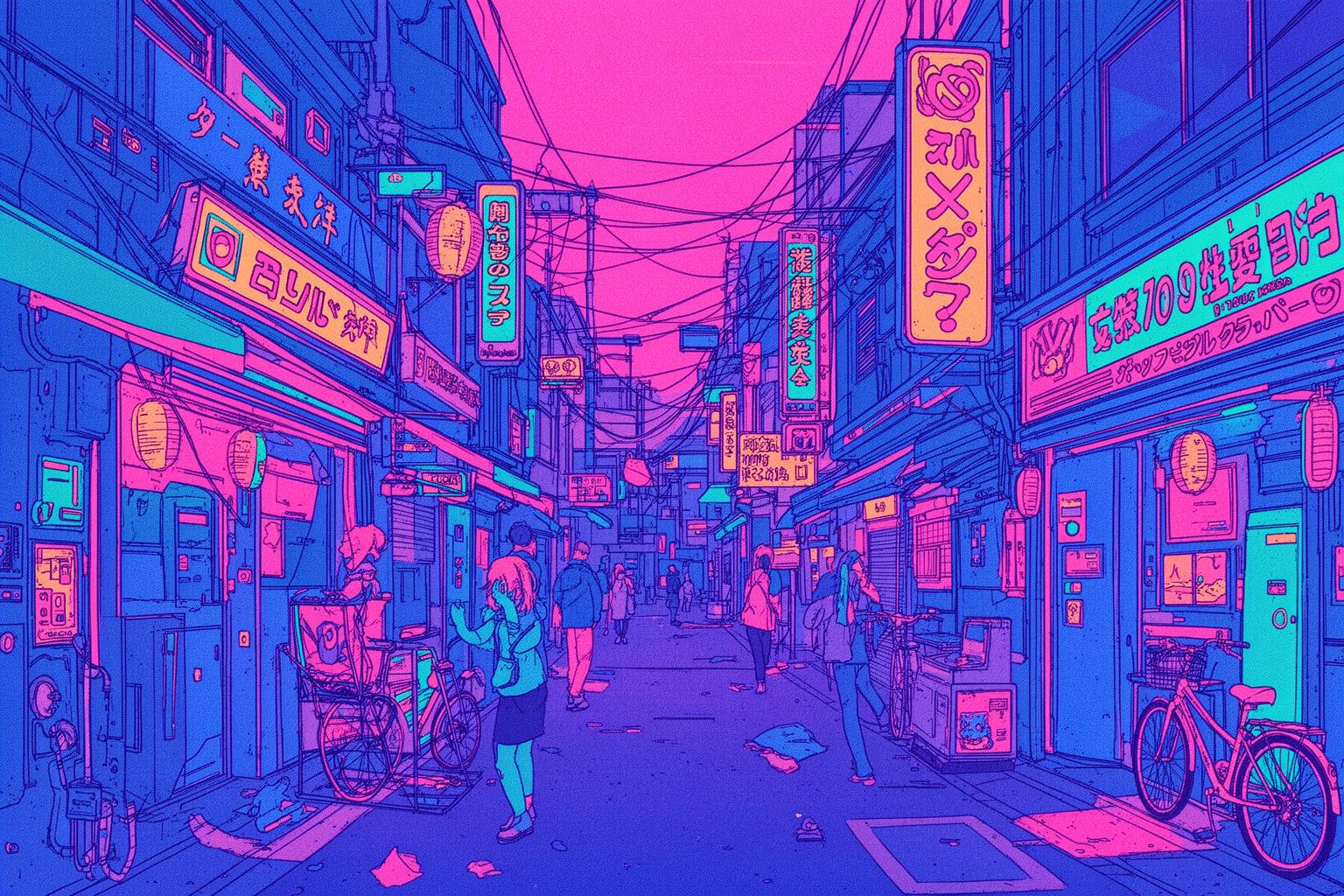
While Tokyo might boast some of the most famous yokocho, this is by no means a phenomenon unique to the capital. The tradition of drinking and dining in narrow, atmospheric alleys is deeply embedded in the culture of cities throughout Japan. Each region adds its own distinctive flavor to the experience, reflecting local character and cuisine. So if you venture beyond Tokyo, be sure to watch out for those iconic red lanterns.
Head to Osaka, Japan’s famously lively and food-obsessed second city, and you’ll find the yokocho spirit dialed up to eleven. The neighborhoods around Namba and Umeda are filled with alleys that are even more chaotic and vibrant than those in Tokyo. Here, food takes center stage, with a strong focus on Osakan specialties. Instead of just yakitori, you’ll encounter kushi-katsu—deep-fried skewers of meat, vegetables, and even cheese. Remember the golden rule: no double-dipping in the communal sauce! The atmosphere in Osaka is louder, friendlier, and a bit wilder. Locals are eager to strike up conversations, making the whole experience feel like one big street party.
Travel south to Kyushu’s island and you’ll arrive in Fukuoka, a city celebrated for its outstanding food scene. In Fukuoka, the yokocho tradition transforms into the renowned yatai culture. Yatai are open-air food stalls that emerge each evening along riversides in areas such as Nakasu and Tenjin. Although not technically alleys, they share the same essence: cramped seating, simple yet delicious dishes, and a strong community spirit. You’ll sit on a stool beneath a canvas flap, shoulder-to-shoulder with locals, enjoying Hakata’s holy trinity: tonkotsu ramen with its rich pork-bone broth; bite-sized hito-kuchi gyoza; and, naturally, yakitori. The yatai are an adored and integral part of Fukuoka’s identity, offering a memorable al fresco dining experience.
Even far to the north in Hokkaido, the yokocho ethos flourishes. In the port city of Hakodate, you can visit spots like Hakodate Hikari no Yatai and Daimon Yokocho. Here, the focus lies on the exquisite fresh seafood Hokkaido is famed for. You’ll savor grilled scallops with butter and soy sauce, fresh sashimi, and rice bowls topped with sea urchin, all while enjoying local sake. The ambiance is cozier, designed to combat the northern chill, but the warmth of the community is just as palpable. Exploring these regional yokocho offers a wonderful way to experience local life and discover that this vibrant, earthy culture is truly a nationwide treasure.
Finding Your Own Yokocho: The Art of Getting Lost
We’ve covered the legends, the food, the drinks, and the etiquette. But now comes the most important part of your yokocho journey: making it your own. The famous spots are well-known for good reason, and you should definitely visit them. However, the true, electrifying magic of yokocho culture lies in discovery. It’s about wandering off the main street, following your intuition, and stumbling upon a place that doesn’t appear in any guidebook. It’s about finding your special spot.
So, how do you start? Begin by exploring the vicinity of nearly any major train station in a Japanese city after 6 p.m. Train stations are the heartbeat of city life, and the surrounding areas are always bustling with spots where commuters stop for a drink and a bite before heading home. Keep your eyes open. Look down the side streets. Hunt for the unmistakable sign: a glowing red paper lantern, an aka-chochin, hanging outside a humble doorway. That’s your beacon—the universal symbol for “Good times, good food, and good drinks inside.”
Don’t be intimidated if a place looks a little worn or if you can’t decipher the menu scribbled on the wall. The best spots often appear the most unpretentious. Take a deep breath, peek behind the noren curtain, and look for an open seat. If there’s one, slide it open and step inside. A simple “Ii desu ka?” (Is it okay?) is a polite way to ask for permission to enter. Even if your Japanese is minimal, a smile and a gesture will earn you a beer and something delicious to eat. The masters of these places have seen it all and are usually adept at communicating through gestures.
This is where the real adventure begins. You might find a bar that serves only one type of sake. You might uncover a spot with the most incredible fried tofu you’ve ever tasted. You might share an awkward but wonderful conversation with local construction workers using Google Translate. You might discover a place so perfect, so uniquely yours, that it becomes your go-to every time you’re in town. This is the essence of the yokocho experience. It’s about embracing the unknown, welcoming new experiences, and letting yourself get a little lost in the beautiful, chaotic, and deeply human back alleys of Japan.
So go ahead, dive in. It’s going to be totally emoi, for real. Your own cinematic story awaits in that smoky, neon-lit alley. Maji de.