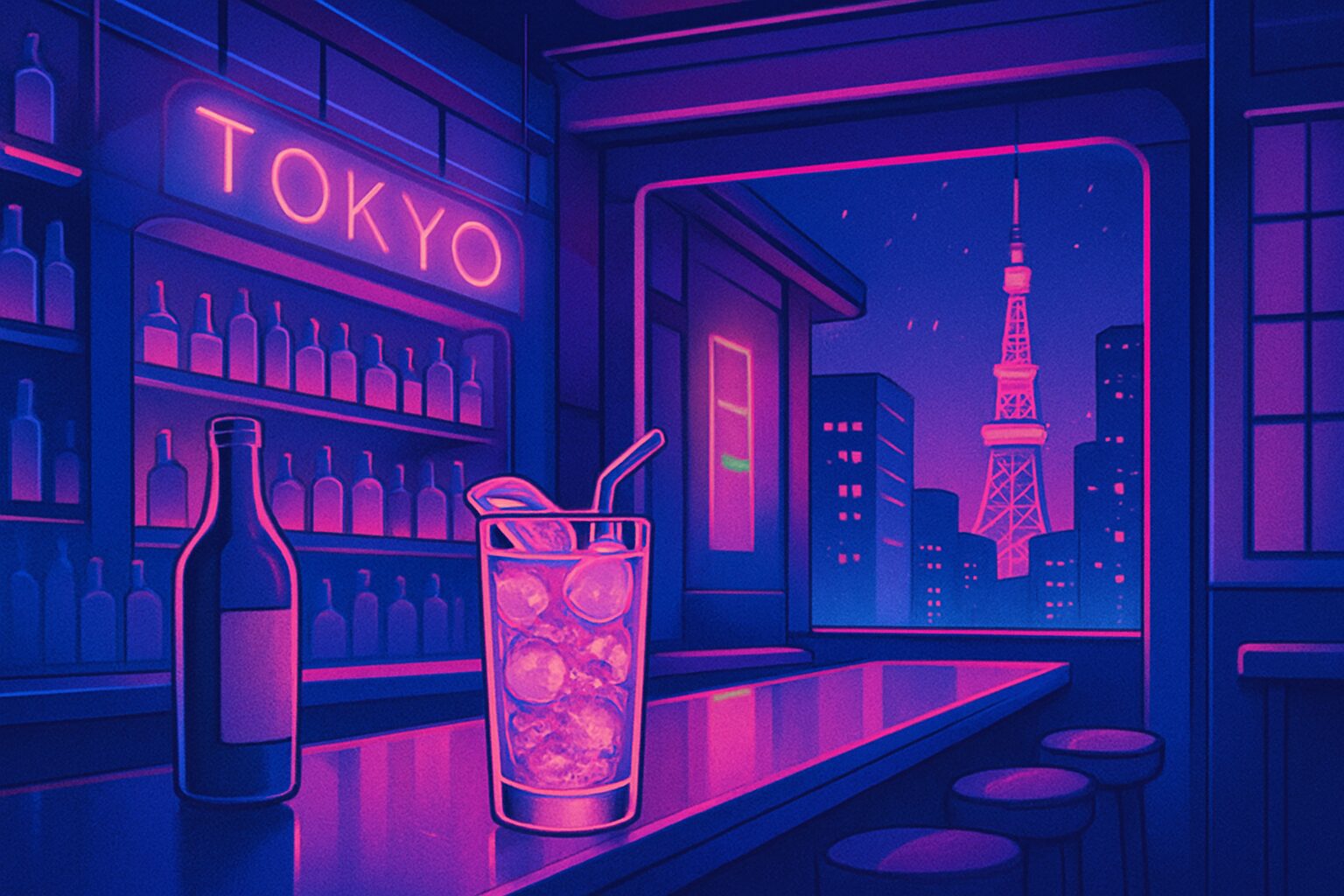
Hey everyone, Sofia here! So, let’s talk Tokyo. Beyond the neon dreamscapes and the scramble crossings that are totally iconic, there’s a whole other world, a secret dimension of cool that’s been vibing long before Japanese whisky became, like, a thing globally. I’m talking about the OG highball bars—these minimalist, super-focused sanctuaries where a simple drink of whisky and soda is elevated into a legit art form. Forget the hype and the crazy price tags for a minute. We’re on a quest to find the real soul of Japan’s drinking culture, the places that perfected the highball with a quiet confidence that is just everything. This is a journey into the pre-boom era, a time when craftsmanship spoke louder than marketing, and the perfect drink was an experience, not just an Instagram post (though, let’s be real, you’ll want to capture the aesthetic). These spots are the city’s hidden gems, low-key legends where every single detail, from the ice to the glass to the bartender’s silent, graceful movements, tells a story. It’s about finding that perfect, crisp, soul-refreshing sip in a space that feels like a time capsule. Ready to dive into the deep end of Tokyo’s most authentic drinking scene? Let’s go find that vibe.
For a similar journey into the city’s atmospheric past, explore the unique Showa-era danchi that dot Tokyo’s neighborhoods.
The Soul of the Highball: More Than Just Whisky and Soda

Alright, first things first, we need to have a honest conversation about what a Japanese highball really is. If you think it’s simply whisky splashed into some generic soda water, prepare to have your preconceptions shattered. In these classic Tokyo bars, the highball is a philosophy, a ritual, a harmonious blend of simple elements perfected to an extraordinary level. It embodies the Japanese concept of kodawari, that relentless pursuit of perfection in even the smallest details. The bartenders behind the counter are not just mixing drinks; they are craftsmen, and this deceptively simple cocktail is their medium. It’s the ultimate display of minimalist cool, where less is not just more, it’s everything. The magic lies not in a long list of ingredients but in the absolute mastery of the few components involved. Each element is selected and prepared with an astonishing level of intention. This dedication elevates a basic mixed drink into something transcendent, both incredibly refreshing and deeply satisfying.
Let’s begin with the ice—truly the star of the show. We’re not talking about cloudy cubes from a freezer tray. No, these are huge, crystal-clear blocks of purified water, slowly frozen over several days to remove any impurities or air bubbles. The bartender, with the precision of a sculptor, carves a perfectly sized, solid chunk of this ice to fit the glass exactly. Watching this process is mesmerizing. Using a razor-sharp knife, with a few precise strokes, the block is transformed into a glistening prism. This ice’s beauty isn’t just visual; it’s functional. Dense and pure, it melts slowly, chilling the drink to the ideal temperature without watering it down. You can savor your highball, and the last sip will be as crisp and potent as the first. The sound of the ice clinking against the thin glass is the opening note of the experience, a clear, sharp tone that promises refreshment.
Next is the glass itself, almost always a usuhari glass or something similarly delicate. These glasses are incredibly thin, feather-light, and pre-chilled to frosty perfection. Holding one feels special, elegant. The thin glass is said to enhance the drinking experience, delivering the liquid instantly to your palate while letting you feel the drink’s icy temperature on your lips. It makes the experience more sensory and refined. The bar master polishes the glass until it shines—a flawless vessel ready to be filled. They don’t just grab a glass; they present it, ensuring it’s at the perfect temperature before a single drop of liquid touches it.
The whisky choice is equally deliberate. While the world obsesses over aged single malts, the classic highball is built on a foundation of simpler but perfectly balanced whiskies. The undisputed king is Suntory Kakubin, that iconic yellow-labeled bottle ubiquitous across Japan. It’s not an intense, peaty beast; it’s crafted to be clean, crisp, with a subtle sweetness and a hint of vanilla that blooms when mixed with soda. Another favorite is Nikka Black Clear, a smooth, easy-drinking blend and a staple in the highball scene. The goal isn’t to flaunt an expensive bottle but to select a spirit whose character is highlighted, not overshadowed, by the carbonation. The master pours with practiced precision—a fluid motion repeated countless times.
And the soda—oh, the soda. This is no flat, generic club soda from a plastic bottle. Serious bars use highly carbonated water, often from a specific brand known for sharp, long-lasting bubbles. The fizz is everything. The master tilts the glass, already filled with ice and whisky, and gently pours the soda down a long bar spoon, letting it cascade slowly down the glass’s side. This technique is vital. It minimizes agitation and preserves every bubble, ensuring the drink has a lively, effervescent texture from top to bottom. The sound is a soft hiss, a whisper of carbonation escaping. It’s a moment of pure magic.
Finally, the stir. You may have heard rumors of the legendary “13.5 stirs” rule. Whether myth or reality, it symbolizes the precision involved. Using a long, graceful stirrer, the bartender gives the drink a few deliberate, gentle spins—just enough to perfectly blend the whisky and soda and chill the mixture without bruising the bubbles. It’s a final, elegant touch. And that’s it. No lime wedge, no mint sprig, no unnecessary garnish. The drink itself is the star, presented in its purest form. This whole process, from the ice carving to the final stir, is a quiet, focused performance. It’s a moment of meditative craftsmanship amidst the hustle of the city, and appreciating it is key to understanding the culture of these extraordinary bars.
Ginza: The Epicenter of Classic Bar Culture
If you’re beginning your highball journey, Ginza serves as its spiritual origin. This district embodies pure sophistication, where luxury department stores, art galleries, and Michelin-starred restaurants form a backdrop of refined elegance. Yet, hidden from the glaring lights of the main streets, tucked away in basements and upper floors of modest buildings, lie some of Tokyo’s most legendary bars. Entering one of these venues feels like stepping back in time. The atmosphere shifts, the pace slows, and a deep respect for the art of cocktail-making takes hold. Ginza’s bars are custodians of tradition, where techniques have been handed down through generations of masters. Locating these bars can be an adventure itself, often requiring a brief elevator ride and a moment of hesitation before a discreet, unmarked door. But once inside, you are welcomed by an ambiance of unmatched coolness.
Bar Lupin: A Literary Icon
Consider Bar Lupin, a true emblem of Ginza. This establishment is more than a bar; it’s a fragment of Japanese cultural heritage. Nestled in a tiny Ginza alley, Lupin has been serving drinks since 1928. Descending the narrow, steep stairs into its subterranean space feels like traveling through time. The atmosphere is steeped in history. It was a preferred haunt of Japan’s literary giants during the Showa era—artists like Osamu Dazai, Yasunari Kawabata, and Kafu Nagai all sat at this very counter. Their intellectual presence lingers in the dark woodwork and worn leather seats. The decor remains impeccably preserved, featuring dark wood paneling, soft lighting, and framed photographs of renowned visitors. It’s not minimalist in the modern sense but in the sense that nothing has changed for decades. It’s a space that is entirely and authentically itself.
The ambiance is quiet and respectful. Visitors come here to absorb the history, engage in gentle conversation, or simply reflect. Bartenders, clad in crisp white jackets, move with deliberate grace. They uphold the bar’s legacy with quiet pride. Ordering a highball here is a meaningful act. Each drink is crafted with classic, practiced precision. The highball is simple and flawless—a reminder that when the basics are perfected, no embellishments are necessary. Savoring a highball at the same counter where literary masters once debated art and life is a surreal and deeply affecting experience. It’s a link to a disappearing Tokyo, a rare analog moment in a digital age.
For first-timers, finding Lupin adds to its charm. Watch for the small sign in the alleyway and prepare for a modest cover charge, customary at Ginza’s top-tier bars. This is not a place for loud or boisterous behavior; it’s for quiet contemplation. Let the atmosphere envelop you. Take your time, order your drink—perhaps a second one—and simply be present. It is among the most genuine cultural experiences available in Tokyo, offering both drink and history in one.
Star Bar Ginza: The Gem of Highballs
For a slightly different but equally remarkable Ginza experience, Star Bar Ginza is a must-visit. Led by the legendary bartender Hisashi Kishi, this venue is a temple dedicated to mixology. Kishi-san, a world champion bartender, approaches his craft with meticulous, almost scientific precision. Yet, the bar exudes warmth and intimacy, not sterility. It’s a small space, featuring a stunning wooden counter that gleams softly under the lighting. Securing a seat here can be challenging, but it’s well worth the effort.
Star Bar’s signature feature is the renowned “ice diamond.” Instead of a block or sphere, Kishi-san and his apprentices hand-carve ice into a multifaceted diamond shape that fits perfectly in the glass. This display of skill and artistry is a breathtaking spectacle. The many facets catch the soda bubbles, enhancing the highball’s effervescence.
Ordering a highball here is an education in craftsmanship. The bartender’s movements resemble a graceful ballet, pouring perfectly and stirring with minimal precision. The drink that results is, without exaggeration, one of the finest you will ever taste—crisp, cold, bubbly, with extraordinary balance. It’s the kind of cocktail that invites you to reconsider everything you thought you knew about highballs. The atmosphere reveres the craft deeply. Patrons include discerning locals and international visitors who’ve made the pilgrimage. Conversations remain low as the focus centers on the drinks. It’s a place to learn, observe, and savor perfection.
A few practical notes for Star Bar: reservations are strongly recommended, if not required. Be mindful of the cover charge and recognize that this is a premium experience with a matching price. This is not a spot for pre-drinks—it is the night out. Photography is usually discouraged to preserve the intimate vibe. Put your phone away and embrace the moment. Watching these masters at work is the finest show in town and deserves your full attention.
Shinjuku’s Hidden Alleys: Grit and Grace
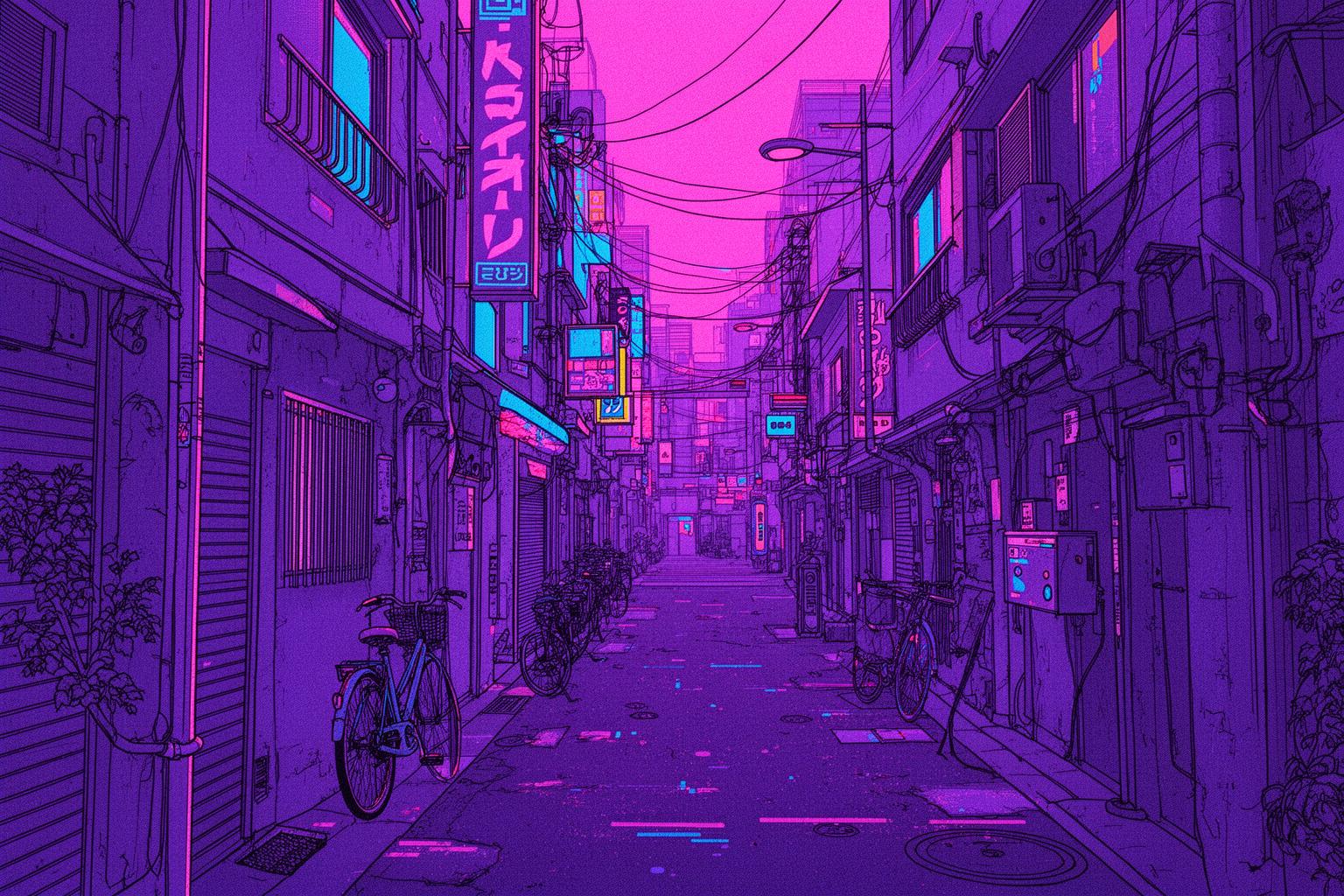
If Ginza represents Tokyo’s polished, high-society bar scene, then Shinjuku is its wild, pulsating heart. The neighborhood is full of striking contrasts—shiny skyscrapers and government offices stand side-by-side with gritty, lantern-lit alleys that seem straight out of a cyberpunk novel. While iconic spots like Shinjuku Golden Gai are famous for their chaotic, ramshackle charm, they also house tiny, hidden bars that capture the minimalist spirit of the pre-boom era just as much as those in Ginza, but with an added edge and character.
Exploring Shinjuku’s bar scene means embracing its beautiful chaos. It’s about getting lost in a maze of narrow streets, finding a small door, and stepping inside to discover a six-seat counter with a master who’s perfected highballs for thirty years. The experience here is more intimate, personal, and often full of surprises. It’s where you’ll encounter raw, unfiltered Tokyo energy, distilled into a flawless glass of whisky and soda.
Zoetrope: A Cinematic Whisky Haven
In the quieter part of Nishi-Shinjuku lies Bar Zoetrope, a truly unique and enchanting spot. This isn’t your typical Showa-era retro bar; rather, it pays homage to a different classic: silent films. The owner, Atsushi Horigami, is a devoted cinephile, and the bar is his passion project. The room is dark and moody, with silent movies playing on repeat on a screen behind the bar, featuring legends like Charlie Chaplin and Buster Keaton. The only soundtrack comes from the projector’s gentle hum and the carefully chosen music Horigami-san selects each evening.
The true highlight, aside from the films, is the astonishing collection of Japanese whisky. The back bar resembles a library of rare and discontinued bottles—a living museum of Japan’s distilling history. Horigami-san is a walking encyclopedia, eager to share his knowledge. Though skilled in crafting complex cocktails, his highballs are exquisite. Here, you can taste a highball made with a whisky you’ve never encountered before. Tell him your preferred flavor profiles, and he’ll retrieve a dusty bottle, share its story, and prepare a perfectly balanced highball. It’s an interactive, educational, and utterly delightful experience.
The atmosphere at Zoetrope is delightfully geeky. It draws whisky and film aficionados from around the globe and is ideal for quiet conversations and deep appreciation. Because the space is small, it suits solo visitors or pairs best. Horigami-san runs the bar alone, so patience is key—enjoy the performance. He approaches making a simple highball with the same care as a complex cocktail. This one-of-a-kind bar beautifully merges niche passion with the timeless craft of the Japanese bar, ensuring an unforgettable experience. Cash is preferred, and there’s a small cover charge. It’s a must-visit for anyone serious about Japanese whisky.
Shinjuku Golden Gai: Calm Amidst the Chaos
Golden Gai is an architectural marvel—a tight network of six narrow alleys packed with over 200 tiny bars, most seating just a few people. It’s a post-war Tokyo relic, a fire-prone yet charmingly gritty piece of history. While many bars cater noisily to tourists, some gems maintain a quieter, more authentic vibe. The trick is to look inside for bars with a calm atmosphere, where a solitary bartender carefully polishes a glass, rather than those blasting loud music.
One typical example is a tiny, unassuming bar run by an older woman, or mama-san, who has served here for decades. These bars feel deeply personal. The décor often consists of mementos from longtime regulars. Here, you’re not just a customer—you’re a guest in her space. Ordering a highball is straightforward. Made without fuss but with sincere care, the ice might come from the freezer rather than hand-carved blocks, but the glass will be chilled and the proportions spot on. The experience centers not on technical perfection like in Ginza, but on genuine human connection and a sense of belonging.
To navigate Golden Gai, a few tips are crucial. Many bars charge a cover fee, which varies widely. Some fiercely protect their regulars with signs like “No Tourists” or “Members Only.” Respect these notices. The best approach is to wander, find a welcoming spot with an open seat or two, and enter. Go in small groups, ideally solo or pairs. Most bars accept cash only. Avoid rushing from bar to bar—choose a place, settle in, enjoy your drink, and maybe strike up a conversation with your neighbor. The highball you savor here will be steeped in the stories and history of this remarkable, resilient neighborhood.
Beyond the Big Two: Exploring Ebisu, Shibuya, and More
While Ginza and Shinjuku remain the undisputed giants, the culture of the classic highball bar reaches into every corner of Tokyo. Exploring other neighborhoods reveals unique takes on this timeless tradition, often with a more relaxed, local atmosphere. Areas like Ebisu and even the ultra-modern Shibuya each hold their own pockets of pre-boom charm, showcasing how this classic drinking style adapts to varied settings.
Ebisu, once the site of the Yebisu brewery, exudes a sophisticated yet laid-back vibe. Its streets are lined with stylish boutiques and excellent restaurants, and its bar scene mirrors this blend. It’s less formal than Ginza, yet more mature than Shibuya, striking an ideal balance. Here, you’ll find bars that are serious about their craft while maintaining the feel of a cozy neighborhood hangout. Bar Trench is a prime example. Renowned for its exceptional craft cocktails, especially those featuring absinthe, their commitment to the basics ensures a flawless highball. The ambiance is dark, snug, and reminiscent of a European apothecary, adorned with beautiful bottles and vintage décor. It’s a spot where you can engage in deep conversation over a perfectly crafted drink, feeling both at home and transported elsewhere.
Even in Shibuya, the global hub of youth culture and trends, you can find a quiet sanctuary. Nonbei Yokocho, or “Drunkard’s Alley,” serves as Shibuya’s answer to Golden Gai. This tiny, weathered row of lantern-lit bars, nestled beside the train tracks, offers a stark contrast to the neon glare of Scramble Crossing just a minute away. Here, small establishments have been grilling yakitori and pouring highballs for generations. The experience is rustic and unpretentious. Your highball will likely be served in a simple mug, but it will be cold, strong, and exactly what you need after navigating the Shibuya crowds. It’s a beautiful reminder that even in the most fast-paced parts of Tokyo, tradition and simplicity persist.
The Unwritten Rules: A First-Timer’s Guide to Japanese Bar Etiquette

Entering a traditional Japanese bar for the first time can feel a bit intimidating, as many cultural subtleties may not be immediately clear. However, don’t worry! By following a few simple guidelines, you’ll have a respectful and wonderful experience.
First, let’s discuss the cover charge. Most of these specialized bars have a seating fee, called otōshi or sekiryō, which can range from 500 yen to a few thousand. This isn’t a scam; it’s a customary part of the culture. This fee usually includes a small, elegant snack—such as seasoned nuts, a small serving of pickles, or a delicate piece of cheese. Think of it as part of the cost for your seat and the exceptional service. Just embrace it as part of the experience.
When ordering, simplicity matters. If you simply request a “highball,” the bartender will likely prepare it using their house whisky, which is always a reliable choice. If you want to be specific, you can state the whisky’s name followed by “highball.” For example, “Hakushu highball, onegaishimasu.” Avoid giving the bartender a complicated custom order unless you’re at a dedicated cocktail bar. In these classic establishments, the best approach is to trust the expert.
The pace here is slow. These are not venues to drink quickly and get drunk. A highball is meant to be enjoyed slowly. Guests often order one or two perfect drinks over the course of an hour or two. Watch the locals; they drink with thoughtful, appreciative slowness. It’s about quality, not quantity.
Interacting with the bartender is a subtle art. They are masters at their craft, and when they focus on making a drink, it’s best not to interrupt them. They often work quietly. Once your drink is served and there’s a pause, a polite compliment or a simple question is usually welcome. But don’t expect them to be overly talkative; their attention is on their skill and preserving the calm ambiance of the bar.
The most important rule concerns photography. The default policy should be: no photos. These bars are intimate, private spaces. The flash and the sound of a camera shutter can disturb the atmosphere for everyone. Other patrons come here for a quiet retreat, and their privacy is paramount. If you feel you must take a picture of your beautiful drink, quietly and discreetly ask the bartender for permission first. If they refuse, please respect their decision without question.
Finally, when it’s time to pay, the bill will usually be brought to your seat on a small tray. Place your cash or card in the tray. Tipping is not customary in Japan and can even be seen as a bit odd. Excellent service is already included in the price and cover charge. A simple, sincere “gochisousama deshita” (a polite way to say “thank you for the meal/drink”) as you leave is the best way to express your gratitude.
The Whisky Itself: A Quick Primer on the Stars of the Highball
To fully appreciate the drink, it helps to know a bit about the spirits that form its essence. The whiskies chosen for classic highballs are selected for their mixability and balance. They’re not intended to be overpowering but instead provide a clean, crisp, and refreshing foundation.
Suntory Kakubin is the undisputed leader. First created in 1937, its name means “square bottle,” referring to its iconic tortoise-shell-patterned design. This blend has come to define the Japanese highball for generations. On its own, it is light and smooth, with notes of honey, citrus, and a hint of spice. When combined with highly carbonated water, it truly comes alive. The sweetness is subdued, making it incredibly refreshing and easy to drink. It captures the taste of an after-work drink in a Tokyo izakaya, summer festivals, and home for many Japanese people.
Another cornerstone of the highball world is Nikka. While their single malts like Yoichi and Miyagikyo receive considerable international acclaim, their blends serve as the workhorses. Nikka Black Clear is exceptionally smooth and light, crafted specifically for mixing. For something with more intensity, Nikka From The Barrel is an excellent choice. With a higher alcohol content and a richer, more complex profile featuring notes of caramel, oak, and fruit, a highball made from From The Barrel offers a robust, flavorful experience, perfect for those seeking more character in their drink.
Naturally, you can always elevate your highball with a premium single malt. A highball made with Hakushu, Suntory’s gently peated single malt, is a revelation. It introduces a fresh, green, and subtly smoky layer to the drink that is utterly captivating. A Yamazaki highball tends to be fruitier and more complex, with honeyed and floral notes. Meanwhile, a Chita highball, crafted from Suntory’s grain distillery, is exceptionally light, smooth, and sweet. Sampling a “flight” of highballs made with different base whiskies is a fantastic way to appreciate how the spirit’s character interacts with soda and ice.
This journey into Tokyo’s pre-boom highball bars is about much more than just enjoying a good drink. It’s about discovering a culture of quiet perfection, a dedication to craft that feels increasingly rare in today’s fast-paced world. It’s about finding small, serene moments of beauty and calm in the heart of one of the world’s most energetic cities. These bars don’t just serve drinks; they preserve a vital piece of Japanese culture, glass by glass, perfectly chilled and effervescent. So when you find yourself in Tokyo, I challenge you to look beyond the obvious, seek out that small, unassuming door, slide it open, take a seat at the polished counter, and watch the master work their magic. That first sip of a truly perfect highball, in a place where time seems to stand still, is an experience you’ll never forget.