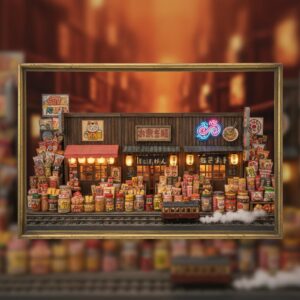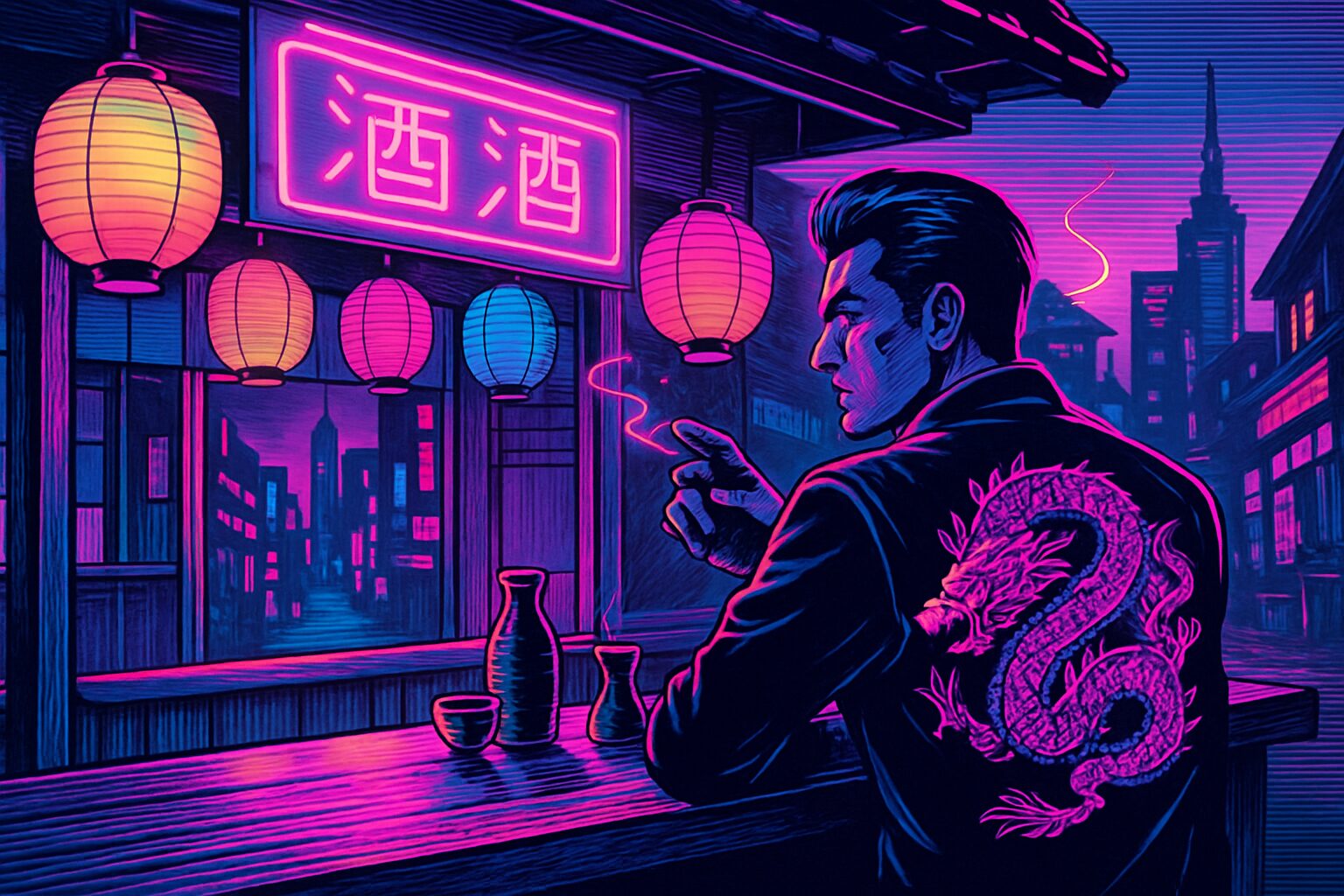
What’s up, fellow travelers and culture seekers? Keiko here, coming at you live from the concrete jungle of Tokyo. Today, we’re ghosting the high-tech, kawaii-crazed vision of Japan you see on postcards. We’re ditching the slick, minimalist cafes and the sky-high cocktail bars. Instead, we’re taking a full-on deep dive, a spiritual pilgrimage, into the smoky, dimly lit heart of a bygone era. We’re on a quest for izakayas that look and feel like they were ripped straight from a gritty, post-war yakuza flick. Think Ken Takakura leaning against a graffiti-stained wall, a single lantern cutting through the darkness, the air thick with the smell of grilled meat and cheap shochu. This is the Tokyo that hits different. It’s the Showa-era soul, a vibe so thick you can taste it, a raw, unfiltered aesthetic that’s honestly, no cap, the most authentic experience you can find. Forget shiny and new; we’re here for the real, the rustic, the ‘wabi-sabi’ on a whole other level. This journey isn’t just about food and drink; it’s about time travel. It’s about finding the cinematic underbelly of this sprawling metropolis, the places where history isn’t in a museum—it’s in the stained wooden counters, the rumbling of a train overhead, and the gruff laughter of the old-timers. So grab a seat, ’cause class is in session. We’re about to explore the alleys where the ghosts of the Showa period still pour the drinks. This is your curated list of spots that serve up nostalgia with a side of noir. It’s gonna be epic.
To fully immerse yourself in this Showa-era atmosphere, you should also explore the nostalgic world of Showa-era vinyl records.
The Vibe Check: What Exactly is Showa Retro?
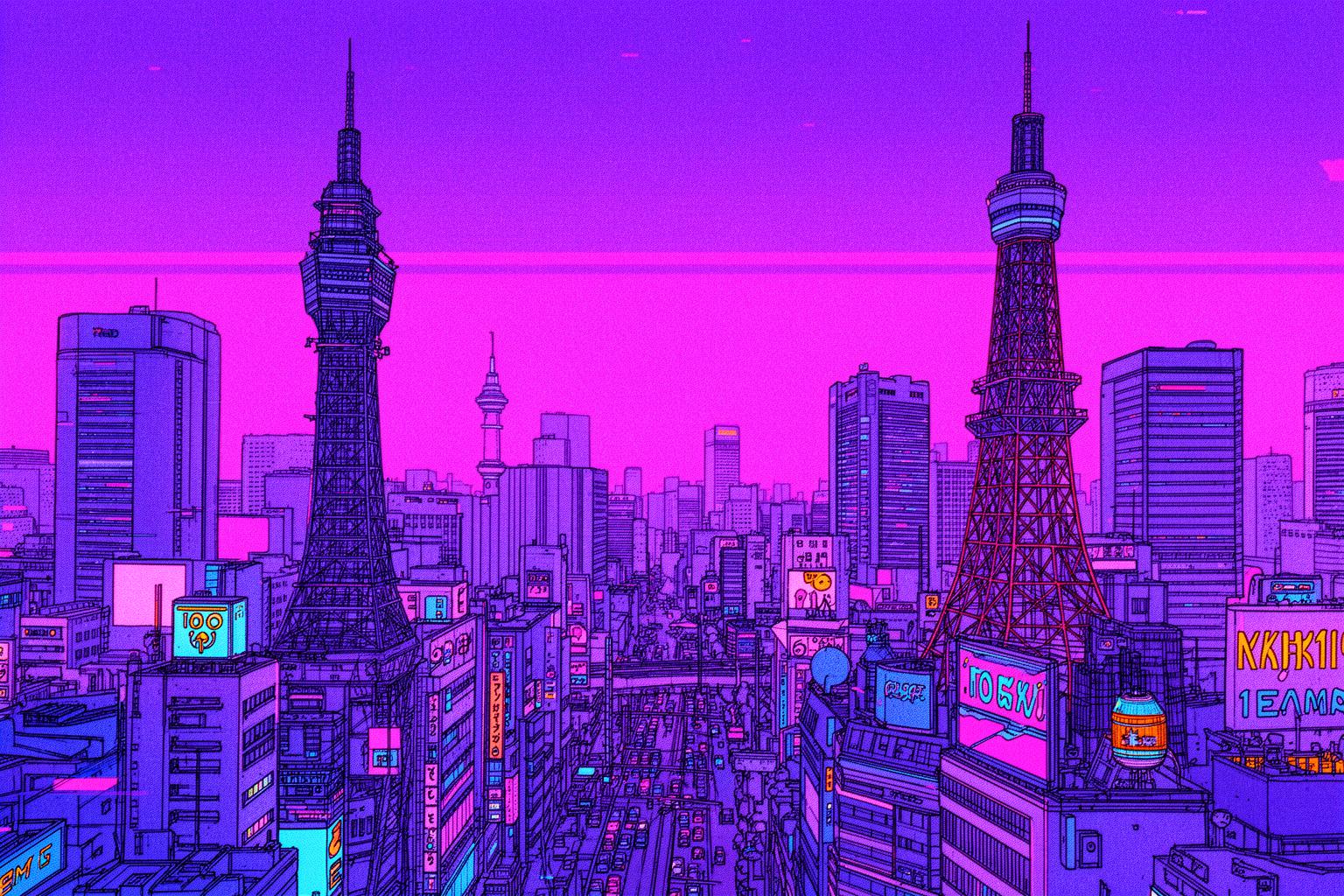
Before we slide open the first creaky door, let’s get our bearings. When we mention this ‘Yakuza film’ aesthetic, we’re really referring to the Showa Era (1926-1989), particularly the post-World War II period. This was a time of intense struggle, massive rebuilding, and wild, chaotic energy. Tokyo was rising from the ashes, and with that came the yamiichi, or black markets. These weren’t just spots to buy goods; they were the beating heart of a city clawing its way back. They were gritty, makeshift, and absolutely vital for survival. People hustled, built stalls from scrap wood, and cooked whatever they could find over charcoal grills. It’s from this very chaos that many of Tokyo’s most atmospheric drinking alleys emerged.
So, when you step into one of these places, you’re not just entering an ‘old-fashioned’ bar. You’re stepping into a living relic of that black market culture. The cramped spaces? That’s because these spots were squeezed into every available nook. The smoke-filled air? It’s the ghost of countless charcoal grills that kept a hungry city fed. The dim, moody glow from paper lanterns? Practical, cheap, and creating an intimate, shadowy refuge from the harsh world outside. This entire aesthetic, now romanticized as ‘Showa Retro,’ directly descends from that make-do-and-mend spirit. It’s a vibe that’s deeply emo—not sorrowful, but emotionally resonant and nostalgic. It speaks of resilience, community forged through hardship, and an era when life was harder, but maybe a bit more genuine. This is the backdrop for classic films by directors like Kinji Fukasaku or Seijun Suzuki—a realm of stoic anti-heroes, shadowy deals, and fleeting connections in the anonymity of the big city. Understanding this history is key to truly appreciating why these izakayas feel so profoundly cinematic. It’s not a theme park; it’s the real deal—a tangible link to Tokyo’s turbulent, beautiful past. The texture of the walls, the scent of aged wood and spilled sake—it’s a sensory overload telling a story of survival and rebirth, a narrative more compelling than any history book could offer. Every crack in the plaster, every faded poster on the wall, is a chapter in the epic tale of a city that refused to die, choosing instead to drink, eat, and laugh in the face of adversity. This is the soul we’re chasing.
Shinjuku’s Cinematic Underbelly: Omoide Yokocho & Golden Gai
If Tokyo has a definitive ground zero for this gritty, cinematic atmosphere, it’s Shinjuku. This ward is a world unto itself—a chaotic symphony of gleaming skyscrapers, sprawling electronics stores, tranquil gardens, and, most importantly for us, some of Japan’s most legendary drinking alleys. Here, past and present don’t merely coexist; they collide, creating a dynamic friction that is unmistakably Tokyo. It’s in the narrow, overlooked spaces between towering modern buildings that we find our film sets—places where time seems to have paused around 1955, and the only illumination comes from the glow of red lanterns. This isn’t just a district; it’s a living, breathing movie set, with its two brightest stars being Omoide Yokocho and Golden Gai.
Omoide Yokocho (Memory Lane): The Original Yakitori Spot
Let’s begin with the spot whose name literally means ‘Memory Lane’. Nestled right beside the train tracks on the west side of Shinjuku Station, Omoide Yokocho is a sensory overload in the best possible way. The moment you step into this impossibly narrow alley, you’re struck by a wall of smoke—not just any smoke, but the sacred haze of countless yakitori skewers grilling over charcoal. This place is undeniably the spiritual home of grilled chicken in Tokyo. Its grittier, and frankly more accurate, nickname is ‘Piss Alley,’ a nod to its post-war beginnings, when there were no public restrooms and patrons relieved themselves on the nearby tracks. Though much cleaner now, that raw, unfiltered spirit endures.
The vibe here is pure, concentrated chaos. The ‘alley’ is more like a corridor, scarcely wide enough for two to pass. On either side are dozens of tiny stalls, most seating no more than eight or ten people. You’ll find yourself sitting shoulder-to-shoulder with salarymen loosening their ties, young couples on dates, and travelers alike, all crammed on small stools around a central grill. The taisho (master) of each stall, often a seasoned veteran with a face full of stories, works the grill with practiced skill, flipping skewers effortlessly. The soundtrack is a blend of sizzling meat, clinking beer mugs, raucous laughter, and the constant rumble of Yamanote Line trains overhead. It’s loud, intimate, and deeply communal.
For first-timers, the main attractions are yakitori (grilled chicken skewers) and motsu-yaki (grilled offal). Don’t hesitate to try the motsu; it’s a local delicacy and surprisingly tasty. You’ll find everything from heart (hatsu) and liver (rebā) to intestines (shiro). If you prefer something more familiar, stick to classics like thigh (momo), chicken with leek (negima), and meatballs (tsukune). Order simply with ‘shio’ (salt) or ‘tare’ (sweet soy-based sauce). The ideal pairing for this smoky feast is a frosty mug of nama biru (draft beer) or a crisp, fizzy highball. A pro tip: these spots fill up quickly, so arrive early, around 5 PM, to grab a seat at a promising stall. Don’t be shy—a nod and a gesture asking for space is all it takes. This isn’t a place for quiet reflection; it’s a place to jump in, share moments with strangers, and leave smelling like the most delicious barbecue of your life.
Golden Gai: Labyrinth of Legends
If Omoide Yokocho is a straight corridor of smoky delights, Golden Gai is a bewildering, enchanting labyrinth. Situated on Shinjuku’s east side, this compact area comprises six narrow alleys packed with over 200 tiny bars. These are places that typically seat just four or five people, tops. Many bars are stacked vertically, reachable only via steep, daunting stairs. Strolling through Golden Gai at night feels like stepping into a dream. The mismatched architecture, flickering neon signs, and lanterns casting a warm glow along dark passageways create an otherworldly, hidden city within the city.
Golden Gai’s history is deeply rooted in the arts. After the post-war black markets were cleared, this area became a refuge for writers, musicians, filmmakers, and artists during the 60s and 70s. It was a hub of intellectual debate, bohemian lifestyles, and heavy drinking. That spirit lives on. Each tiny bar is a world of its own, with a distinct theme and personality shaped by its owner, or ‘Master’. Some bars embrace punk rock vibes, others are adorned with vintage film posters, some specialize in premium whiskey, while others are simple, cozy hideaways. This intense personalization is what makes Golden Gai unique. It’s not a chain; it’s a collection of distinct passions.
For newcomers, navigating Golden Gai can be a bit daunting. One key detail is the seating charge, or sekiryo. Most bars have a cover fee, often about 1,000 yen, which may include a small appetizer (otoshi). This ensures patrons settle in rather than just popping in for a quick photo. Many bars are fiercely loyal to regulars. As a tourist, your best bet is to look for English signs saying ‘Welcome’ or showing prices outside. A bar with its door open and cheerful patrons visible is always a good choice. The ultimate Golden Gai experience involves bar-hopping. Don’t plan to spend the entire night at one spot. Have a drink, soak up the unique atmosphere, chat with the Master if you can, and then move on. It’s about the adventure of discovery—getting lost in the alleys and finding your own perfect, tiny corner of Tokyo nightlife. This is where you’ll encounter the quiet, contemplative scenes straight out of a yakuza film, moments of introspection before the storm. It’s pure cinematic gold.
Shibuya’s Secret Time Capsule: Nonbei Yokocho (Drunkard’s Alley)
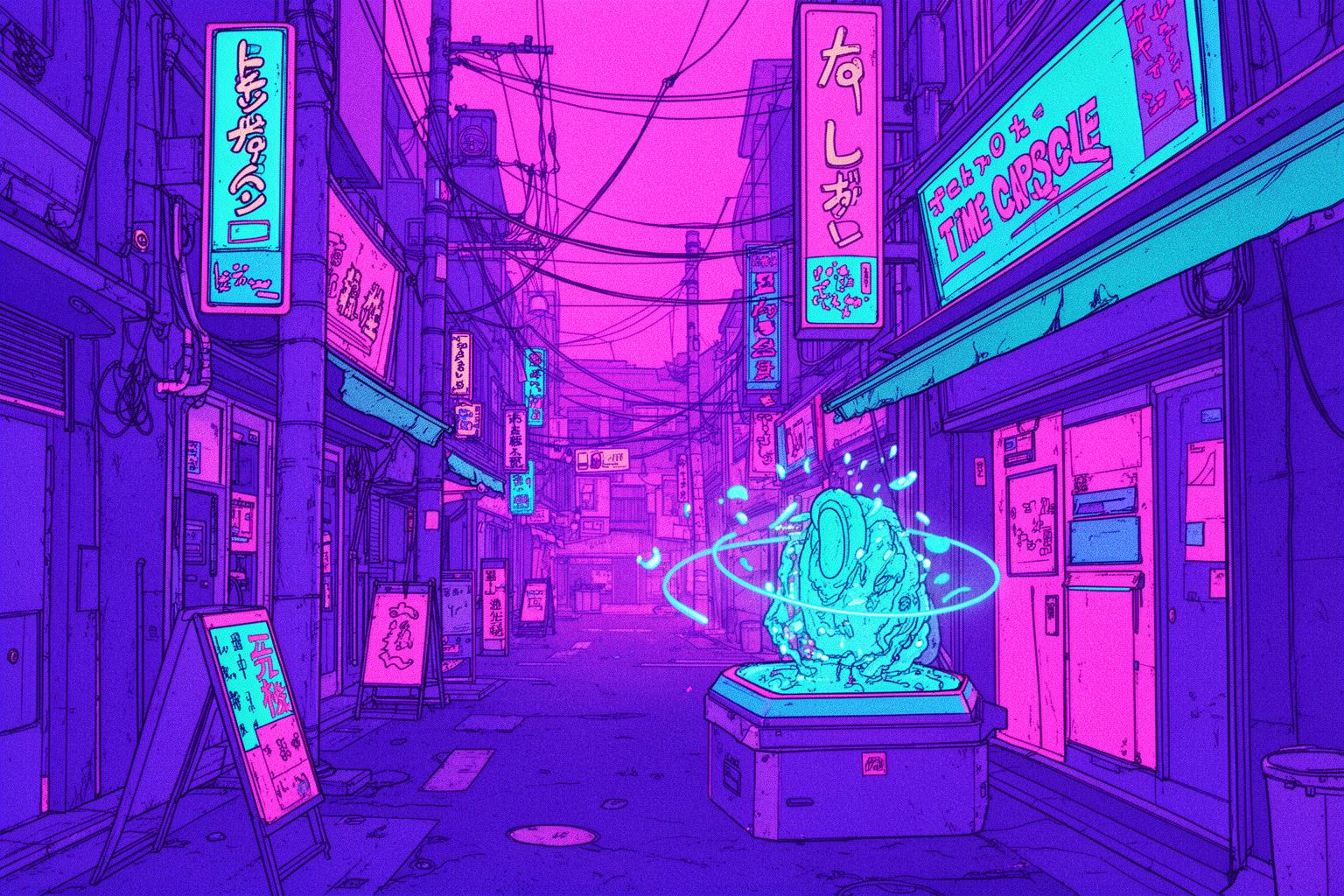
Shibuya. The name alone evokes visions of the Scramble Crossing, a flood of people beneath a canyon of dazzling neon screens. It’s the heart of youth culture, fashion, and everything ultra-modern. But what if I told you that just steps away from that famed intersection lies a place where time has frozen since the 1950s? A spot so out of sync it feels like a glitch in the urban landscape? Welcome to Nonbei Yokocho, or “Drunkard’s Alley.”
Discovering Nonbei Yokocho is part of its charm. Situated right beside the JR train tracks, it’s a narrow, lantern-lit slice of old Shibuya tucked within the city’s modern fabric. Entering it feels like a jolt through time. The city’s noise dims, replaced by the soft clinking of glasses and quiet conversations. The alley is extremely narrow, lined with two-story wooden structures hosting about 40 small bars and eateries. The atmosphere here is distinct from the louder scenes in Shinjuku — quieter, more intimate, and feels like a well-kept secret despite its prime location.
The ambiance is pure, distilled Showa era. Red lanterns cast a warm, inviting light on the weathered wooden buildings. Power lines crisscross above in a tangled web. The air smells clean except for the tempting aroma of grilling yakitori drifting from a handful of dedicated stalls. This place seems less like a gritty post-war market and more like a carefully preserved film set. It’s where a yakuza boss might quietly reflect over a drink, away from the chaos of his territory. It’s more poetry than prose, more Kurosawa than Fukasaku.
What sets Nonbei Yokocho apart is its somewhat more refined yet equally authentic character. The venues range from traditional yakitori joints to tiny specialized bars. You might find one that seats just six, serving only sake and a few simple otsumami (snacks). Or you could stumble upon a cozy bar run by a warm mama-san who’s been there for decades. The patrons are often a blend of older locals who have frequented the spot for years and younger in-the-know visitors seeking a break from Shibuya’s relentless energy. It’s a place for conversation, savoring a drink, and appreciating the simple charm of a space untouched by the relentless passage of time. If Golden Gai is an exhilarating maze, Nonbei Yokocho is a tranquil haven. It’s a low-key, iykyk (if you know, you know) spot that offers curious travelers a genuine taste of old Tokyo in the most unexpected setting. For visitors, it’s an opportunity to breathe, slow down, and find a moment of cinematic calm amid Shibuya’s beautiful chaos.
Under the Tracks: The Salaryman Sanctuaries of Shinbashi & Yurakucho
There’s a unique kind of magic in drinking and dining beneath a railway line. The rhythmic clack-clack-clack of trains passing overhead becomes the unofficial soundtrack of your evening. This style of venue, called gado-shita (literally ‘under the girder’), is an essential element of Tokyo’s drinking culture. Nowhere is this culture more vibrant and alive than in Shinbashi and Yurakucho. These districts are the strongholds of the Japanese salaryman—the white-collar warriors of the city’s corporations. The izakayas here aren’t trendy or tourist-oriented; they are practical, unpretentious, and built for one purpose: to provide a much-needed escape after a long day at work. This is the authentic, unpolished Tokyo, and it’s absolutely magnificent.
Shinbashi: The Raw After-Work Scene
Shinbashi is, without exaggeration, the salaryman hub. As soon as six o’clock hits, the streets around the station turn into a buzzing swarm of men in suits. They pour out from office buildings into the hundreds of izakayas, tachinomi (standing bars), and yakitori joints that crowd the streets and cram the spaces under the train tracks. The atmosphere is loud, lively, and completely free of pretension. This is no place for a quiet, romantic dinner. It’s a place to unwind, gripe about your boss, laugh with colleagues, and drink copious amounts of beer and highballs.
Shinbashi’s gado-shita is a symphony of charming grit. The buildings are aged, the floors sometimes sticky, and the air thick with smoke and the aroma of fried food. You’ll see men gathered around oil drums repurposed as tables, drinking at standing bars with barely enough elbow room. The food is simple, affordable, and hearty—perfect to soak up the alcohol. Think classic izakaya dishes: karaage (fried chicken), gyoza (dumplings), grilled fish, and heaps of yakitori. Shinbashi’s appeal lies in its raw authenticity. You’re witnessing a daily ritual essential to Japanese corporate culture. The izakaya acts as a ‘third space,’ a neutral zone between the rigid formality of the office and the privacy of home. It’s where hierarchies momentarily dissolve, true feelings emerge, and bonds are forged over shared plates and inexpensive drinks. For travelers, it offers a fascinating, immersive glimpse into the everyday life of Tokyo’s working class.
Yurakucho Gado-shita: A Brick-Arched Wonderland
Just a short walk from Shinbashi, along the same JR Yamanote Line tracks, lies Yurakucho. The gado-shita experience here presents a slightly different but equally captivating vibe. The defining feature of Yurakucho’s under-track area is the beautiful old red-brick arches supporting the railway line. This architectural element gives the area a distinctly rustic, almost European-industrial atmosphere that contrasts beautifully with the thriving Japanese izakaya culture beneath it. It’s a bit more picturesque than Shinbashi, yet it retains all the energetic, blue-collar charm.
The stretch of restaurants beneath the tracks, sometimes called ‘Sanchoku Yokocho,’ feels like an ongoing celebration. Lanterns dangle from the brick ceilings, and open-fronted eateries spill into the walkway, creating a lively, communal ambiance. What’s great about Yurakucho is the incredible variety on offer. While traditional izakayas and yakitori joints abound, you’ll also find German beer halls, Italian wine bars, and seafood specialists, all infused with the same loud, cheerful, and unpretentious gado-shita spirit. The rumbling trains overhead provide a constant, comforting soundtrack, reminding you that you’re right in the heart of the city’s pulse.
A great way to experience Yurakucho is to start at one end and stroll the whole length, letting your senses lead you. Follow the most tempting aroma or choose the spot with the loudest laughter. The energy is infectious. It’s the perfect setting for a movie scene where a detective and his informant meet, their secret conversation nearly drowned out by a passing train’s roar. It’s atmospheric, vibrant, and offers a somewhat more accessible introduction to under-the-track drinking than Shinbashi’s full-on salaryman immersion. It’s a must for anyone eager to capture that unique mix of industrial grit and Japanese camaraderie.
A First-Timer’s Field Guide to Gritty Izakayas
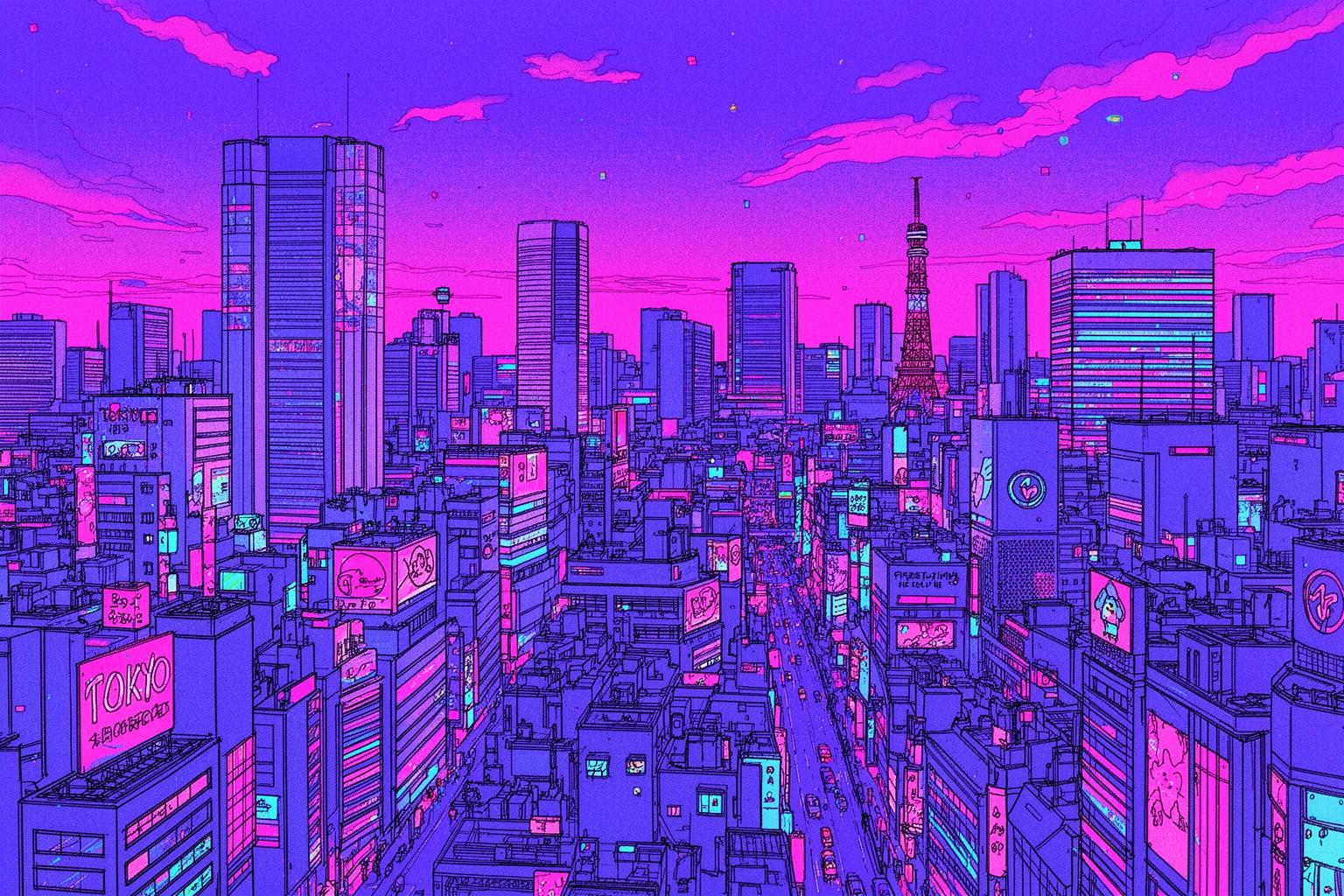
Alright, so you’re ready to jump in. The allure of these smoky, cramped, cinematic alleys is calling your name. But entering this world for the first time can feel a bit intimidating. The menus might be entirely in Japanese, the rules unspoken, the spaces surprisingly small. But honestly, don’t worry about it. The whole point of these spots is to be laid-back and unpretentious. Here’s a relaxed guide to help you navigate your first gritty izakaya experience like a seasoned local.
Decoding the Menu: It’s All Good
Most traditional places won’t have shiny, English menus. Sometimes, there won’t be menus at all—just strips of paper with handwritten Japanese characters stuck to the walls. Your best move is to learn a few key phrases or simply point at what the person next to you is enjoying. But here are some must-try classics you’ll find almost everywhere:
- Yakitori: You know this one—grilled chicken skewers. But why not try branching out? Kawa (crispy skin), tsukune (meatball), bonjiri (tail), sunagimo (gizzard). It’s a whole new adventure.
- Motsu-ni: A rich, savory stew made from offal (usually pork or beef), slow-cooked with vegetables like daikon radish and carrots in a miso broth. It’s ultimate comfort food, perfectly paired with sake or shochu.
- Karaage: Japanese fried chicken. Enough said. Always crispy, juicy, and seriously delicious.
- Edamame: Boiled and salted soybeans. The perfect simple snack to start with while you decide your next move.
- Agedashi Tofu: Lightly battered and deep-fried tofu served in a warm, savory dashi broth. So much tastier than it sounds.
For drinks, the classic opener is “Toriaezu, Nama!” meaning “For now, a draft beer!” It’s the universal icebreaker. Beyond that, try a Highball (whisky and soda water), a refreshing Lemon Sour (shochu, soda, and lemon), or if you’re feeling bold, some Atsukan (hot sake), especially cozy on a chilly night.
Izakaya Etiquette 101: Don’t Sweat It
Japanese etiquette might seem complex, but in casual izakayas, the vibe is pretty relaxed. Just remember a few things:
- Otoshi / Sekiryo: As mentioned, many places will bring you a small appetizer (otoshi) as soon as you sit down. This isn’t free; it’s part of a mandatory seat charge (sekiryo). Don’t think of it as a scam—think of it as your ticket to the experience. It’s just how the system works, especially in tiny bars like those in Golden Gai.
- Ordering: To catch the staff’s attention, a loud but friendly “Sumimasen!” (“Excuse me!”) always works. People usually order in rounds. Start with some drinks and a couple of dishes, then order more as the night progresses. It’s a marathon, not a sprint.
- Sharing is Caring: Izakaya food is meant to be shared by everyone at the table. Order a variety and let everyone dig in.
- Paying the Bill: Don’t expect separate checks. Usually, it’s one bill per table. The custom is to take the bill up to the counter or cashier area to pay as you leave. Just say, “Okanjo onegaishimasu” (“Check, please”). When you go, a sincere “Gochisousama deshita!” (“Thanks for the meal, it was a feast!”) is a polite and appreciated gesture.
The Vibe is Everything
More than any rule, the key is to read the room and go with the flow. These spots are about human connection. Smile at your neighbors. If someone offers you a taste of their dish, accept it gratefully. If the bar master starts a chat, join in. The cramped spaces aren’t a flaw—they’re a feature. They encourage interaction and create a fleeting sense of community. So leave your worries at the door, stay open to the experience, and you’ll walk away with a night to remember.
Why This Vibe is Low-Key Everything
Why are we so drawn to these smoky, rundown, and often uncomfortable little bars? In a city like Tokyo, constantly reinventing itself and racing toward the future, these izakayas are more than mere drinking spots. They serve as anchors to the past, sanctuaries of authenticity in a world that often feels overly curated and superficial. Sitting on a wobbly stool inside a 70-year-old shack, surrounded by the ghosts of generations of drinkers and dreamers, connects you to the city’s soul in a way that no observation deck or fancy museum ever could.
The magic is found in the concept of ningen-kusai, a Japanese phrase meaning “smells of human.” It describes a place or atmosphere that is earthy, raw, and full of imperfect, genuine humanity. These izakayas perfectly embody ningen-kusai. You see struggle in the worn-out counters, hear joy in the uninhibited laughter, and feel community in the shared space. It is an antidote to the sterile, frictionless experiences that modern life often imposes.
Moreover, this is where true connection happens. In a city of millions where anonymity reigns, these tiny establishments encourage intimacy. You’re literally rubbing elbows with strangers. You might share a laugh or have a fragmented conversation, but for a few hours, you become part of a small, temporary tribe. In these fleeting moments, you glimpse the real Tokyo—the city behind the gleaming facade. It’s a messy, beautiful, and deeply human experience. Chasing this vibe isn’t about roughing it; it’s about seeking something real, something textured, historic, and filled with stories. And in Tokyo, those stories are best shared over a skewer of yakitori and a cold beer beneath the rumble of a passing train.
So next time you’re in Tokyo, I challenge you: walk past the bright lights and loud music. Turn down that dark, narrow alley that seems to lead nowhere. Slide open that creaky, uninviting door. You might find yourself stepping onto the set of your own movie—a story set in a place forgotten by time but remembered by the heart. This is the Japan that stays with you long after you’ve left—a smoky, savory memory of a night spent in the city’s cinematic soul. Go find your scene. The set is waiting.