Yo, what’s up, fellow travelers and culture heads. Ryo Kimura here, hitting you up from the heart of Tokyo. Today, we’re diving deep, like, way deep, into a vibe that’s the absolute antithesis of the fast-paced, hyper-modern city you see on postcards. We’re talking about kissaten. Nah, not your minimalist, third-wave coffee joint with wifi passwords on the wall. I mean the real deal, the Showa-era time capsules where the coffee is dark, the seats are plush velvet, and the air is thick with stories. These spots are more than just cafes; they’re living rooms for the city, sanctuaries of analog cool that have been holding it down for decades. And here’s the hook, the thing that makes them so relevant right now: they are the masters of ‘Mottainai.’ That’s the Japanese concept of not being wasteful, of cherishing what you have. It’s sustainability, but with soul. It’s about using the same chipped cup for thirty years because it’s got history, reupholstering a chair instead of replacing it, and serving a simple, perfect melon soda recipe that hasn’t changed since your grandpa was a kid. It’s a low-key rebellion against throwaway culture. In these dimly lit corners, you’ll find the OG sustainable vibe, a world away from the neon glow of Shibuya Crossing. It’s a whole mood, and we’re about to explore it. So grab a metaphorical seat, get comfy, and let’s time-slip together into the enduring magic of Tokyo’s kissaten.
If you’re feeling inspired to bring a piece of this timeless aesthetic into your own space, check out our guide on scoring authentic mid-century Japanese furniture.
What’s the Deal with Kissaten Culture? The OG Chill Spot

Before we dive into specific locations, let’s first set the scene. So, what exactly is a kissaten? The word literally means ‘tea-drinking shop,’ but it’s much more than that. These were Japan’s original coffeehouses, emerging in the early 20th century and flourishing during the Showa Period (1926-1989). This era was one of immense transformation in Japan—post-war rebuilding, an economic boom, and a significant influx of Western culture. Kissaten became unique spaces, merging a Japanese sense of quiet reflection with a Western passion for coffee and classical or jazz music. They served as the setting for everything: students cramming for exams, writers racing deadlines, couples on first dates, and salarymen negotiating deals or simply escaping the office for a peaceful smoke. They were, and continue to be, intensely personal places, each one mirroring its owner, or ‘Master’ as they are respectfully known.
More Than Just Coffee: A Community Hub
Unlike modern cafes where customers are often prompted to leave after an hour, kissaten were designed for lingering. Their business model revolved around ‘renting a space’ as much as selling a drink. For 500 or 600 yen, you get a cup of coffee along with a comfortable chair, a quiet ambiance, and a few hours of tranquility. This made them vital third places within communities. Each kissaten has its regulars—people who have visited for decades, have a favorite seat, and whose order the Master knows by heart. Entering one feels like joining a private club, where the only membership requirement is a wish to slow down and simply be. You might see an elderly man carefully reading a newspaper, a student highlighting a textbook, or two friends speaking softly. It’s a shared solitude, a collective calm that is increasingly rare in today’s hyper-connected world.
The Showa Era Aesthetic: A Living Museum
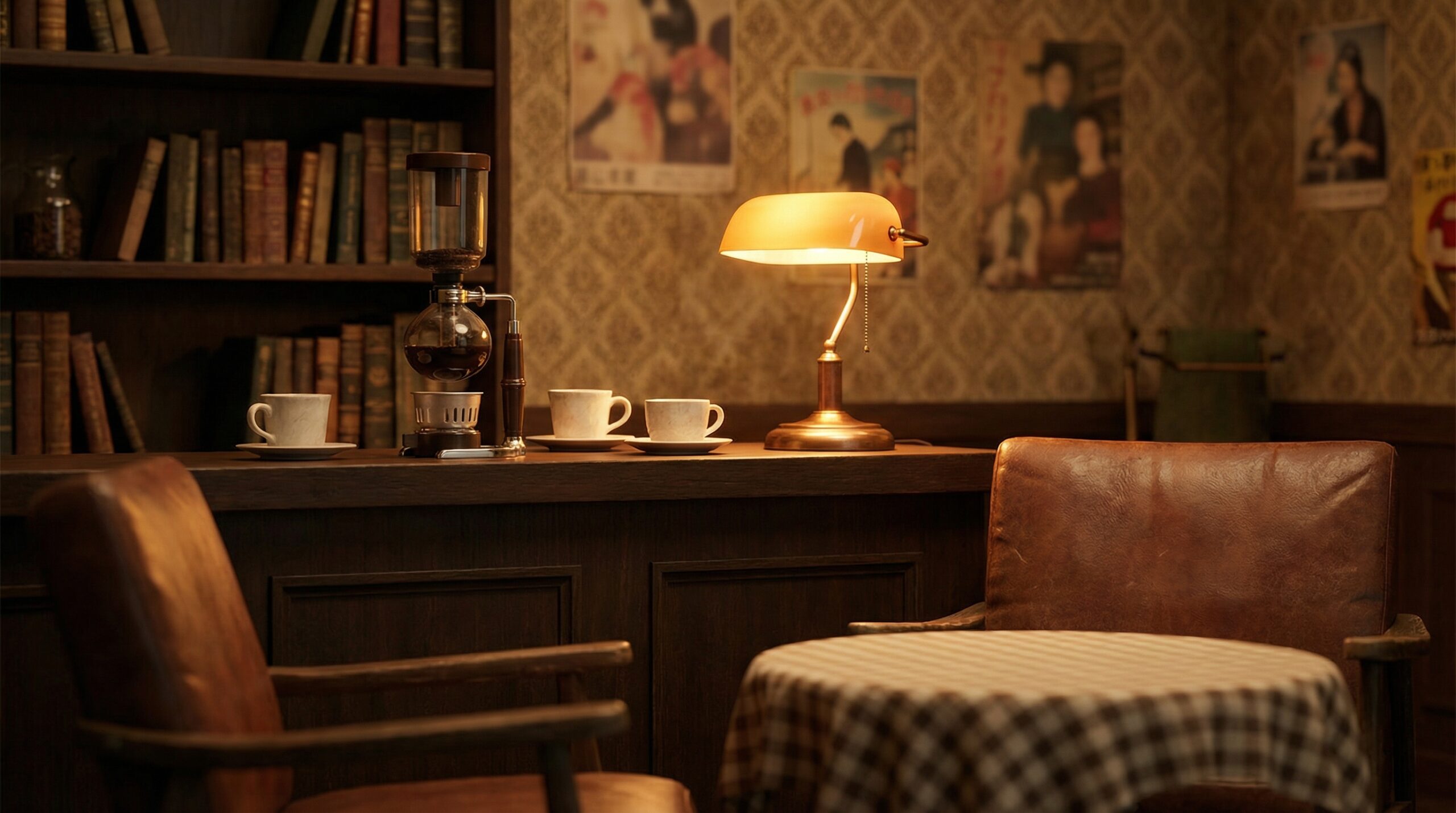
The atmosphere is everything. Picture dark wood paneling, ornate wallpaper perhaps slightly peeling at the edges, plush velvet or leather chairs, and warm, dim lighting from Tiffany-style lamps or intricate chandeliers. The air often holds a nostalgic blend of dark-roast coffee and, in many traditional spots, lingering cigarette smoke (something to note if you’re sensitive, though many have separate smoking areas or are now non-smoking). The music is carefully selected—typically classical or jazz—played at a respectful volume from vintage sound systems. Every detail, from heavy, often handcrafted ceramic cups to silver platters for toast, contributes to the experience. It’s not a theme; it’s simply how things have always been. These establishments haven’t been redecorated in thirty, forty, or even fifty years. They are living, breathing museums of mid-century Japanese design and culture.
The ‘Mottainai’ Ethos: Sustainable Before It Was Trendy
This is where everything comes together. The reason these places feel so authentic is because they truly are. The furniture is worn from decades of use and care. The menus are simple because their recipes were perfected long ago, with no need for change. This isn’t a marketing ploy; it’s a profound cultural philosophy of ‘Mottainai.’ It represents deep respect for resources, time, and craftsmanship. When a chair’s upholstery tears, it’s not discarded; it’s carefully repaired, adding another chapter to its story. When a cup acquires a small chip, it’s still in use—a testament to its long service. The Master of a kissaten is a custodian, a guardian of both the space and its history. They preserve not just a business, but a way of life. In an era of fast furniture and fleeting trends, the kissaten’s quiet commitment to preservation sends a powerful message. It is the most authentic form of sustainability, woven into the very essence of these places.
The Jimbocho Chronicles: Where Books & Coffee Collide
If there’s a ground zero for kissaten culture in Tokyo, it has to be Jimbocho. This neighborhood is renowned for its hundreds of second-hand bookstores, a haven for intellectuals, students, and bibliophiles alike. It’s only natural that a culture of slow reading would be paired with a culture of slow drinking. The streets are dotted with legendary spots, each boasting its own devoted following. Stepping off the subway at Jimbocho Station, you immediately sense a shift in the city’s rhythm. The pace slows, the atmosphere turns more scholarly. The air is filled with the scent of old paper and freshly roasted coffee. It’s the ideal place to start our journey.
Saboru: The Mountain Cabin Lost in Time
Discovering Saboru for the first time is truly a ‘wow’ moment. Nestled on a quiet side street, it resembles less a cafe and more a log cabin that somehow wandered into the heart of Tokyo and decided to stay. The facade is blanketed in creeping ivy and rugged wood, adorned with a hand-carved sign weathered by decades of city rain. It’s actually two establishments side by side: Saboru, the kissaten, and Saboru 2, the adjoining spot known for its generous servings of ‘Napolitan’ spaghetti at lunch and dinner. We’re heading into Saboru.
Pushing open the heavy wooden door feels like entering a cave. It’s dark, and your eyes take a moment to adjust to the dimness, softened by the warm glow of small, shaded lamps. The space is narrow and multi-leveled, with hidden alcoves and a winding staircase leading upstairs. Every surface is clad in dark, raw wood, and each inch bears graffiti. Decades of names, dates, and love notes have been etched into the tables and walls by countless students and dreamers. It’s not vandalism; it’s a living guestbook, a collective poem. The ‘Mottainai’ here is palpable; the cafe wears its history etched into its very being. They haven’t sanded it down or painted over it; they’ve preserved it. In one corner stands an old, bright red public telephone that still works, a relic from another era.
The menu is as classic as they come. Forget lattes and flat whites. The go-to here is the fresh strawberry juice. Served in a tall, chunky glass, it’s a revelation—never overly sweet, just the pure, intense flavor of blended fresh strawberries. It’s iconic. For a caffeine fix, the ‘blend coffee’ is strong, dark, and poured into a thick, comforting mug. The drink isn’t just about taste; it’s an invitation to sit, to absorb the atmosphere. To feel the weight of all the conversations that have unfolded in this very spot. The chair might be slightly wobbly, the table scarred with history, but it’s genuine. It’s solid. It’s a place that has stood the test of time.
Ladrio: The Secret Society of Viennese Coffee
A short walk from Saboru brings you to another Jimbocho landmark, Ladrio. Established in 1949, Ladrio exudes a completely different but equally enchanting vibe. Its exterior is more polished, featuring a brick facade and a vintage arched doorway. Stepping inside is like entering a secret European salon. The walls are made of brick, the lighting even dimmer than Saboru’s, casting long shadows from antique lamps hanging over each booth. The space is small and intimate, with dark leather booths inviting quiet, confidential conversations. It feels intellectual and serious—a place where great novels might have taken shape.
Ladrio is historically significant in Japanese coffee culture: it is reputed to be the first place in Japan to serve ‘Wiener Coffee,’ or Viennese Coffee. This signature drink is essential for first-timers, with anything else feeling almost sacrilegious. It arrives in a delicate glass cup, a strong, hot black coffee topped with a generous dollop of cool, rich whipped cream. You don’t stir it; the intention is to sip the hot, bitter coffee through the sweet, cold cream. The contrast is exquisite. It’s a simple, elegant pleasure unchanged since the post-war era. The preservation of this single iconic drink embodies ‘Mottainai’—cherishing and upholding a tradition, resisting fleeting trends. The wooden arches and aged brickwork have absorbed the smoke of millions of cigarettes and the steam of countless coffees, creating a patina that no imitation could match. The furniture, the cups, the very recipe of their coffee—it’s all been lovingly maintained, proving that when something is perfect, it need not be altered.
Shinjuku’s Grand Stage: Kissaten with a Dramatic Flair
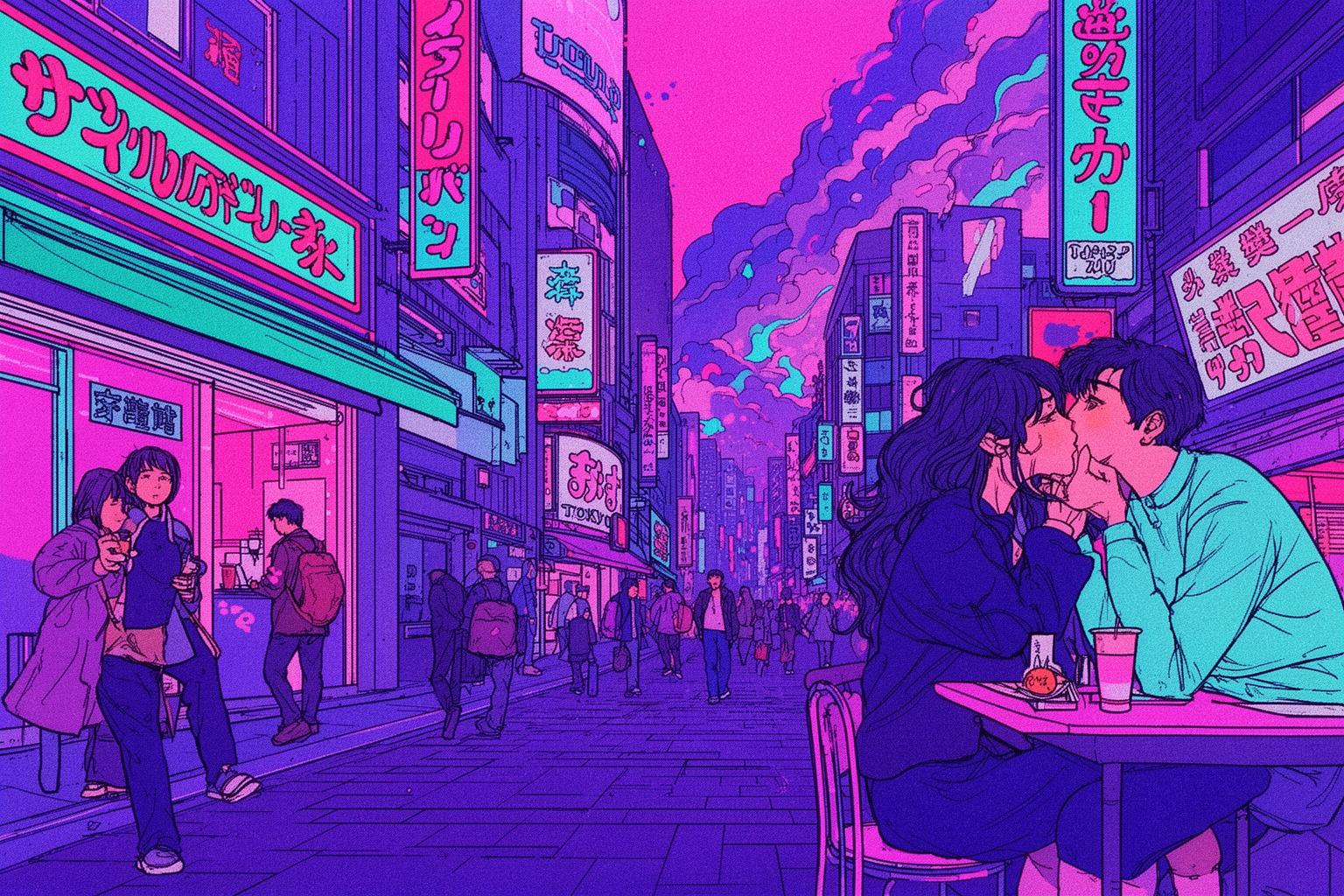
If Jimbocho represents the quiet, scholarly core of kissaten culture, Shinjuku embodies its loud, theatrical spirit. Shinjuku is like a city within a city—a chaotic, overwhelming, and endlessly captivating area filled with towering skyscrapers, enormous department stores, and the dazzling neon maze of Golden Gai. It may seem unlikely that such a place could harbor tranquil, slow-paced coffee shops, yet that’s the magic of Tokyo. Often tucked away in plain sight, usually on the second or third floor of inconspicuous buildings, lie some of the most remarkable kissaten in the country. They are grand, opulent sanctuaries, offering a much-needed retreat from the relentless energy of the bustling streets below.
Coffee Seibu: A Stained-Glass Refuge Above the Frenzy
Locating Coffee Seibu is an adventure. Nestled in Shinjuku’s heart, surrounded by the noise of pachinko parlors and trendy stores, you notice a somewhat outdated sign and enter an unremarkable building, ascending by elevator or narrow staircase. Once the doors open, you’re transported. The sight is breathtaking. The main room’s ceiling is entirely adorned with stunning stained glass, showcasing floral designs in vivid greens, reds, and yellows. Light filters through, casting a kaleidoscopic, almost sacred glow throughout the space. Plush, deep-red velvet booths line the room, marble tables gleam, and ornate, old-world chandeliers hang above. It feels less like a coffee shop and more like an old European opera house—pure Showa-era grandeur.
This establishment is a triumph of preservation. Sustaining such an opulent interior in one of the world’s priciest districts is a herculean feat. Its continued existence is a testament to the ‘Mottainai’ philosophy on a grand scale. They preserve not just a few items but an entire ambiance, a cultural treasure. While the velvet on the booths shows signs of wear, it remains clean and well-cared-for. The stained glass is flawless. This is a devotion to beauty and history over profit and modernization.
The menu matches the retro charm of the décor perfectly. Here, you can indulge your inner child. Their cream sodas are legendary, served in tall, elegant glasses in jewel tones of green (melon), red (strawberry), and blue (blue curaçao), each topped with a perfect scoop of vanilla ice cream. Their fruit parfaits are towering masterpieces, layered with ice cream, cream, fruit, and wafers. For something heartier, the ‘mix toast sandwich’ is a flawlessly executed classic. Sitting here, sipping a vividly green melon soda beneath a stained-glass ceiling while the chaos of Shinjuku hums far below, is one of Tokyo’s most sublime experiences. You’re purchasing a ticket to a show—the show being a flawless, unchanging performance of Showa-era hospitality.
Tajimaya Coffeehouse: A Symphony of Siphons and Aromas
In the basement of an old building in Shinjuku’s Omoide Yokocho (Memory Lane), you’ll find Tajimaya Coffeehouse. This kissaten caters to the serious coffee enthusiast. It offers a different kind of grandeur from Seibu—not lavish, but deeply committed to the craft of coffee. Descending a flight of stairs, you’re immediately enveloped by the rich, intoxicating scent of freshly roasted coffee beans. The interior is dark and cavernous, anchored by an enormous polished wooden counter. Behind it, the Master and his staff, dressed in crisp white shirts and black vests, move with quiet, focused precision. A back wall displays hundreds of exquisite, ornate coffee cups—a dazzling collection of Arita, Kutani, and Noritake porcelain. Yet the true spectacle is the row of siphon brewers, gleaming glass globes and beakers bubbling and hissing like a wizard’s laboratory.
Ordering here is a ritual. You select your preferred single-origin bean from a lengthy list. Then, in a moment of pure ‘omotenashi’ (Japanese hospitality), you are invited to pick your own cup from the extensive collection on the wall. This simple gesture is profound. It personalizes the experience and connects you deeply to it. The ‘Mottainai’ spirit here lies in cherishing these beautiful, fragile objects. These aren’t museum pieces locked away; they are used daily, their beauty shared with every guest. Every cup tells a story, and by choosing one, you become part of it.
Watching the Master brew your coffee is mesmerizing. Water heats in the lower globe, defies gravity to rise into the upper chamber where the coffee grounds await, then after a precise brewing time, drips back down as a perfect, clean cup of coffee. The process is slow, deliberate, and beautiful. The coffee itself is intense, pure, and aromatic, served black on a silver tray with a small pitcher of cream and a bowl of sugar cubes on the side. Tajimaya is a temple dedicated to the art of coffee, honoring the bean, the process, and the customer. The worn wooden counter, the curated selection of antique cups, and the unwavering commitment to a single, time-honored brewing method represent the ultimate celebration of sustainable craft.
East Tokyo Echoes: The Vibe of Old Shitamachi
Let’s head east to the neighborhoods of Ueno and Asakusa. This area is known as ‘Shitamachi,’ Tokyo’s old downtown. The atmosphere here contrasts with the sleek west side—it’s more grounded, slightly grittier, and carries a strong sense of community and history. It’s home to Senso-ji Temple, Ueno Park and its museums, and the lively Ameyoko market. The kissaten here feel like local institutions, places that have welcomed the same families for generations. They emphasize comfortable, well-worn charm over high drama.
Coffee Shop Galant in Ueno: A Showa-Era Celebrity Hangout
Just a short walk from the lively chaos of Ameyoko market sits Galant. Its gaudy, glittering sign and vintage food replicas in the window are pure Showa nostalgia. Stepping inside feels like entering a 1970s movie set. The spacious interior features a high ceiling with a large, slightly dusty chandelier hanging down. Bold geometric wallpaper, chocolate-brown faux leather seats, and ornate dark metalwork partitions between booths complete the look. It’s a bit flashy, a bit extravagant, and utterly delightful. You can easily imagine classic movie stars holding court in one of the corner booths.
Galant’s menu offers the best of kissaten cuisine, or ‘kissashoku.’ Their chocolate parfait is a must-try—a nostalgic tower layered with chocolate ice cream, chocolate sauce, canned mandarin oranges, and topped with a Maraschino cherry. It’s simple but perfect. Their savory options, like omurice (omelet over fried rice) and Neapolitan spaghetti, are both comforting and tasty. Galant embraces the ‘Mottainai’ spirit with a determined resistance to change. The decor hasn’t been modernized because its charm lies in its preservation. The furniture shows decades of use and care, maintained by a proud staff. It’s a refusal to discard a well-loved, if dated, style—proof that style doesn’t need to be current to be cool. Galant is unapologetically itself, a proud emblem of Showa glamour in the heart of old Tokyo.
Denkiya Hall in Asakusa: Where Sweet Beans Meet Nostalgia
Asakusa is Tokyo’s historical and spiritual core, and Denkiya Hall is one of its most treasured establishments. Founded in 1903 to serve a homemade medicinal liquor called Denki Bran (Electric Brandy), it has endured earthquakes, wars, and relentless modernization. The current building, dating from the post-war era, feels both ancient and sacred. The ground floor houses a bright, bustling café, while upstairs offers a more traditional Japanese-style dining experience.
The history here is almost palpable. The café features simple wooden tables and chairs, tiled floors, and an unpretentious atmosphere. It’s not aiming to be retro; it simply is. The menu blends Western and Japanese comfort foods that reflect its long past. But the must-tries are the ‘O-iri Macaroni Gratin’ (a bubbling, cheesy casserole) and the dessert ‘Yude Azuki’ (boiled sweet red beans). More than just a dessert, it’s a taste of old Japan—a warm bowl of perfectly cooked azuki beans in sweet broth, served with a salted kelp palate cleanser. It’s deeply comforting.
Denkiya Hall embodies the spirit of ‘Mottainai.’ A family business passed down through generations, using recipes over a century old. The building itself is a preserved historic treasure, an essential part of Asakusa’s landscape. The simple, functional furniture has served countless patrons over many years. There’s no pretense here—just a place that honors its legacy by continuing as it has always been: a welcoming spot for locals and visitors to rest and enjoy a timeless meal. It stands as a powerful reminder of the beauty in endurance.
The Master’s Rules: How to Vibe in a Kissaten
Now that you’re ready to dive in, it’s helpful to know a bit of etiquette when visiting these beloved spaces. It’s not about rigid rules but about appreciating and respecting the atmosphere. Think of it as a cultural guide to enhance your experience.
It’s Not Just a Quick Stop
The key thing to remember is that a kissaten is a place to linger, not merely a spot to grab coffee. The cost of your drink includes a ‘seat fee.’ Hurrying goes against the spirit of the place. Plan to stay at least an hour. Bring a book, a journal, or simply your thoughts. Embrace the slow pace—that’s the whole point. Put your phone away or set it to silent, and fully absorb the ambiance. The Master isn’t aiming to turn tables quickly; they’re offering a sanctuary.
Honor the Quiet
While not every kissaten is completely silent—some feature lively jazz, others a soft murmur of conversation—they are generally calm spaces. Speak softly. Avoid loud phone calls (better yet, don’t take calls inside at all). Many kissaten, especially those devoted to classical music like the renowned Meikyoku Kissa Lion in Shibuya, enforce a strict no-talking rule. Be considerate of other patrons, who are there for the same reason you are: seeking a peaceful moment amid the city’s noise.
Cash Rules (Sometimes)
Many of these traditional establishments haven’t fully embraced digital payments. They’ve operated the same way for decades, and that includes sticking to cash registers. While more places are adopting credit cards or digital methods, it’s wise to carry cash just in case. It’s part of the analog charm.
One Drink Per Seat
This is a common guideline. The expectation is that each person orders at least one item per seat. Don’t expect to occupy a spot for hours on a single 500-yen coffee. If you intend to stay long, it’s courteous to order a second drink or a slice of toast. This simple, unspoken rule helps keep these wonderful places thriving.
The Final Sip: Why These Places Matter More Than Ever
In a world fixated on what’s new and what’s next, the kissaten stands as a quiet tribute to what lasts. They are more than simply retro-themed cafes; they are authentic, woven threads of history within Tokyo’s modern tapestry. They offer a different perspective on life—one that values slowness, mindfulness, and connection over speed, efficiency, and consumption. They serve as the ultimate digital detox, spaces that compel you to unplug and be fully present.
Through their steadfast dedication to the ‘Mottainai’ spirit, they provide a powerful lesson for today’s world. They reveal the immense beauty and dignity found in the old, the repaired, and the well-loved. A scarred wooden table isn’t something to discard; it’s a canvas of stories. A simple, unchanging menu isn’t dull; it is a showcase of mastery. In a kissaten, you are surrounded by objects and traditions that have been treasured, cared for, and handed down. You’re not just a customer; you’re a temporary guest in a living, breathing piece of history. So, next time you’re in Tokyo, look beyond the skyscrapers and trend-focused cafes. Spot a weathered sign, push open a heavy door, and step back in time. The best coffee you’ll have might well be the one served with a side of soul.