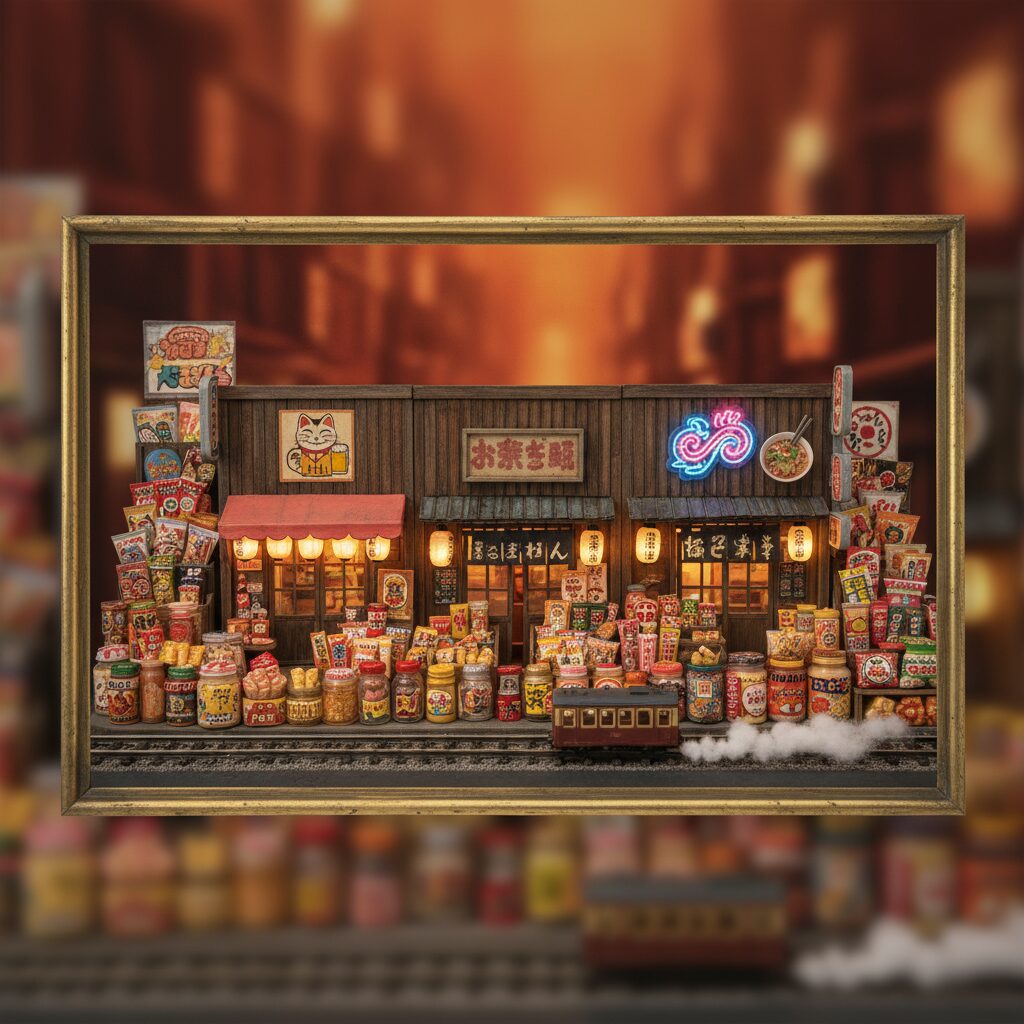
You’ve seen the photos, right? The Blade Runner-esque alleys of Shinjuku’s Golden Gai, the paper lanterns casting a warm glow on narrow streets, the promise of an “authentic” Japanese experience tucked away behind a sliding door. You’ve probably hit up an izakaya, grilled your own yakitori, and navigated the beautiful chaos of a high-tech standing bar. You think you’ve got a handle on Japan’s drinking culture. But then you see it. Tucked away in a sleepy residential neighborhood, or on the second floor of a nondescript building, is a door. There are no windows. The only sign is a simple, sometimes flickering, neon sign that says 「スナック」— sunakku. Snack. Your brain does a quick calculation. A snack bar? Like, a place for chips and candy bars? The vibe feels… off. It’s quiet, secretive, and looks like it hasn’t been updated since 1975. Your tourist senses are telling you to stick to the brightly lit, foreigner-friendly places. But your curiosity is pinging. What is going on in there? Why does this place, which looks like a forgotten relic, even exist? That question, my friend, is the key to unlocking a layer of Japanese society that most visitors, and even many younger Japanese people, never get to see. The ‘snack bar’ isn’t about snacks. It’s a time capsule, a community living room, and a stage for the dramas of everyday life. It’s where you’ll find the holy trinity of Japanese socializing: a charismatic den mother called a Mama-san, the ritual of communal shochu bottles, and the raw, unfiltered emotion of karaoke sung amongst strangers. Forget everything you think you know about bars. We’re going deep into the heart of the Showa-era soul, a place that isn’t designed for you, and that’s precisely why it’s the most real experience you can have. It’s a whole mood, a low-key portal to another time. And once you get it, you’ll see Japan in a whole new light.
If you’re captivated by this time-capsule vibe, you’ll likely find the gritty, human stories within Japan’s Showa-era yokocho equally compelling.
Deconstructing the “Snack Bar”: It’s Not What You Think
Before you can truly begin to appreciate the social dynamics at work, you first have to look beyond the name and the appearance, which seem intentionally confusing. The entire concept of a snack bar is a cultural artifact, born from a specific time and place, and its form serves a function that isn’t immediately clear to outsiders. It’s a masterclass in interpreting the subtle layers of Japanese social structure.
The Name Game: Why “Snack”?
The initial challenge is the name itself. The word “snack” is an English loanword, but its meaning became altered and repurposed when it entered Japanese culture. So why call a bar that barely serves food a “snack”? The answer lies in post-war Japan. During the rapid economic growth of the 1950s and 60s, nightlife laws were stricter. To stay open late, establishments often had to be classified as eateries rather than just bars. The workaround was simple: offer light, simple food items—otsumami—alongside drinks. These weren’t meals, just the bare minimum: packets of mixed nuts, rice crackers (senbei), dried squid (saki-ika), or some pickles. They were literally snacks. The name stuck, even as the legal loopholes faded and the focus shifted almost entirely away from food. Today, the snacks often amount to a small, complimentary bowl of something crunchy served when you sit down, part of your cover charge. The name is a relic, a linguistic echo of a bygone era, perfectly introducing an establishment that itself is a living fossil. It’s a quintessential example of Japanese adaptation—taking a foreign concept and reshaping it into something uniquely domestic. It’s quietly brilliant branding that has survived over half a century, completely divorced from its original meaning.
The Vibe Check: Decoding the Interior
If you do manage to peek inside or muster the courage to open that mysterious door, the interior will likely confirm your sense of stepping back in time. The aesthetic is distinctly mid-Showa. Forget minimalist Muji-inspired design or the sleek, industrial style of modern Tokyo bars. A snack bar is an unapologetic cocoon of nostalgia. The lighting is always dim, casting long shadows and creating an ambiance of intimacy and secrecy. Key features include a long wooden counter, polished to a soft sheen by decades of elbows and spilled drinks, and a few small booths upholstered in worn, deep red or brown velvet. The walls may be wood-paneled or covered with textured wallpaper that was fashionable in 1972. Adorning these walls are remnants of patrons past: yellowing calendars from local sake distributors, posters of enka singers long out of the spotlight, and most importantly, rows of liquor bottles with paper tags hanging from their necks. These “keep bottles” are a cornerstone of the snack bar economy we’ll discuss later. The whole space is small, usually seating no more than ten to fifteen people. This is intentional. The cramped quarters aren’t a flaw; they’re a feature, forcing closeness, breaking down personal space barriers, and encouraging the spontaneous conversations that fuel the snack bar experience. The air is thick with faint traces of old cigarette smoke, stale karaoke tunes, and the unique bittersweet nostalgia known in Japanese as natsukashii. It’s not aiming to be retro-cool. It simply is retro. The atmosphere feels sealed off from the relentless passage of time outside, offering a sanctuary of comfortable, familiar stasis.
The Holy Trinity: Mama-san, Shochu, and Karaoke
A snack bar is more than just a physical location; it functions as a social ecosystem powered by a finely tuned engine made up of three core elements. These components operate in seamless harmony to craft an experience that is far greater than the sum of its parts. Grasping this triad is essential to understanding why the snack bar holds such a profound place in the hearts of its regular patrons. It’s the secret ingredient, the code that makes the entire system work.
The Heart of the House: The “Mama-san” or “Master”
If the snack bar were a home, the Mama-san would be its heart, soul, and central nervous system. She—or occasionally a male “Master”—is truly the core of the experience. Calling her simply a bartender or owner falls far short. The Mama-san represents a unique blend of roles: host, confidante, entrepreneur, therapist, social director, matchmaker, and gatekeeper. Her personality shapes the entire establishment. Patrons don’t just visit a bar called “Snack Ai”; they come to see Ai-chan, the Mama-san. She recalls not only your name and favorite drink but also the stories you shared last month about your daughter’s exams or issues with your boss. She is a skilled listener with an almost magical ability to make people feel known and understood. Her role is to curate the atmosphere—subtly introducing a quiet newcomer to a talkative regular, steering conversations away from delicate topics, and managing the karaoke queue to ensure everyone has their turn and the mood flows smoothly. She might pour a slightly stronger drink when you seem down or start singing a duet with a lonely salaryman to lift his spirits. This emotional labor is the true product being offered; the alcohol is merely the medium. Her bar reflects her identity, and the regulars are her chosen family. In a culture that often values emotional restraint and conformity, the Mama-san provides a safe haven where customers can let their guard down: laugh loudly, complain, and even cry. She stands as an anchor amid the transient waves of urban life—a constant source of warmth and recognition. Being a regular at a snack bar means being under the care of its Mama-san, and for many, that relationship is one of the most stable and comforting in their lives.
The Elixir of Communication: “Bottle Keep” and Shochu
The second cornerstone of the snack bar experience is a unique system called botoru kīpu, or “bottle keep.” Step into any snack bar, and you’ll find shelves behind the counter lined with countless bottles of shochu and whisky, each tagged with a handwritten name. These aren’t just inventory items; they constitute the bar’s visible membership list. The system is straightforward: instead of purchasing drinks by the glass, customers buy an entire bottle of their chosen spirit. The Mama-san labels it with their name and stores it on the shelf for them. On future visits, the customer pays only the cover charge and drinks from their own bottle. The system is brilliant on many levels. Economically, it benefits both parties—the customer enjoys their preferred liquor at a lower cost per glass, while the bar receives a significant upfront payment and almost guaranteed repeat business. But its true genius lies in the social and psychological realms. Buying a bottle is a statement of intent: “I like this place. I like you, Mama-san. I’ll return.” It is a commitment, an investment in the community. The ritual of the Mama-san recognizing you, fetching your personal bottle, and placing it on the counter is a powerful symbol of belonging. It transforms an anonymous customer into a club member. Shochu overwhelmingly serves as the spirit of choice for this ritual. While some opt for whisky, shochu is the snack bar’s workhorse—a distilled spirit made from sweet potato (imo), barley (mugi), or rice (kome). It acts as the ideal social lubricant, being unpretentious and versatile, commonly enjoyed mizuwari (with cold water and ice) or oyuwari (with hot water), allowing leisurely drinking without rapid intoxication. The focus isn’t on savoring complex flavors like single malt scotch but on having a steady, comforting companion during conversation. Sharing the act of pouring drinks from these communal-yet-personal bottles fosters camaraderie, breaks down social barriers, and keeps conversation flowing smoothly throughout the night.
The Soundtrack of the Soul: Karaoke’s Real Home
The final element of the trinity is karaoke—but not the kind you might expect. This isn’t the private, soundproofed room typical of major karaoke chains where friends sing together. Instead, it’s public, communal karaoke in a small room full of strangers and acquaintances. It’s both intimidating and exhilarating, profoundly human. In a snack bar, the karaoke machine serves not just as entertainment but as a medium for emotional expression and social bonding. The dynamic differs completely from a karaoke box. The goal isn’t to showcase vocal skill—though talented singers are always valued—but to participate. Singing in front of the Mama-san and fellow patrons is an act of vulnerability and self-expression, sharing a piece of yourself, your musical tastes, your mood. In return, the unspoken social contract ensures the room supports you: people applaud, maybe even sing along with the chorus. It doesn’t matter if you’re off-key; what matters is the effort and contribution to the group’s atmosphere. Song selections often take listeners on a nostalgic journey through Showa-era pop ballads (kayōkyoku) and heart-rending folk-blues called enka. These songs teem with themes of love, loss, longing for home, and resilience—the core experiences of the bar’s clientele. When a weathered salaryman pours his heart out in a melancholy enka ballad, he’s not just singing—he’s performing a shared cultural ritual, expressing emotions he wouldn’t voice in everyday life. The Mama-san often takes on the role of karaoke DJ, gently encouraging shy patrons to sing or joining in duets herself. Karaoke here is a great equalizer: for the length of a three-minute song, corporate hierarchies and social ranks dissolve. The boss and the subordinate, the quiet elder, and the chatty young woman become fellow travelers sharing a moment of musical release. This is karaoke in its purest, most powerful form—an outlet for releasing the pressures of conformist society.
The Social Glue: Why Do Snack Bars Still Exist?
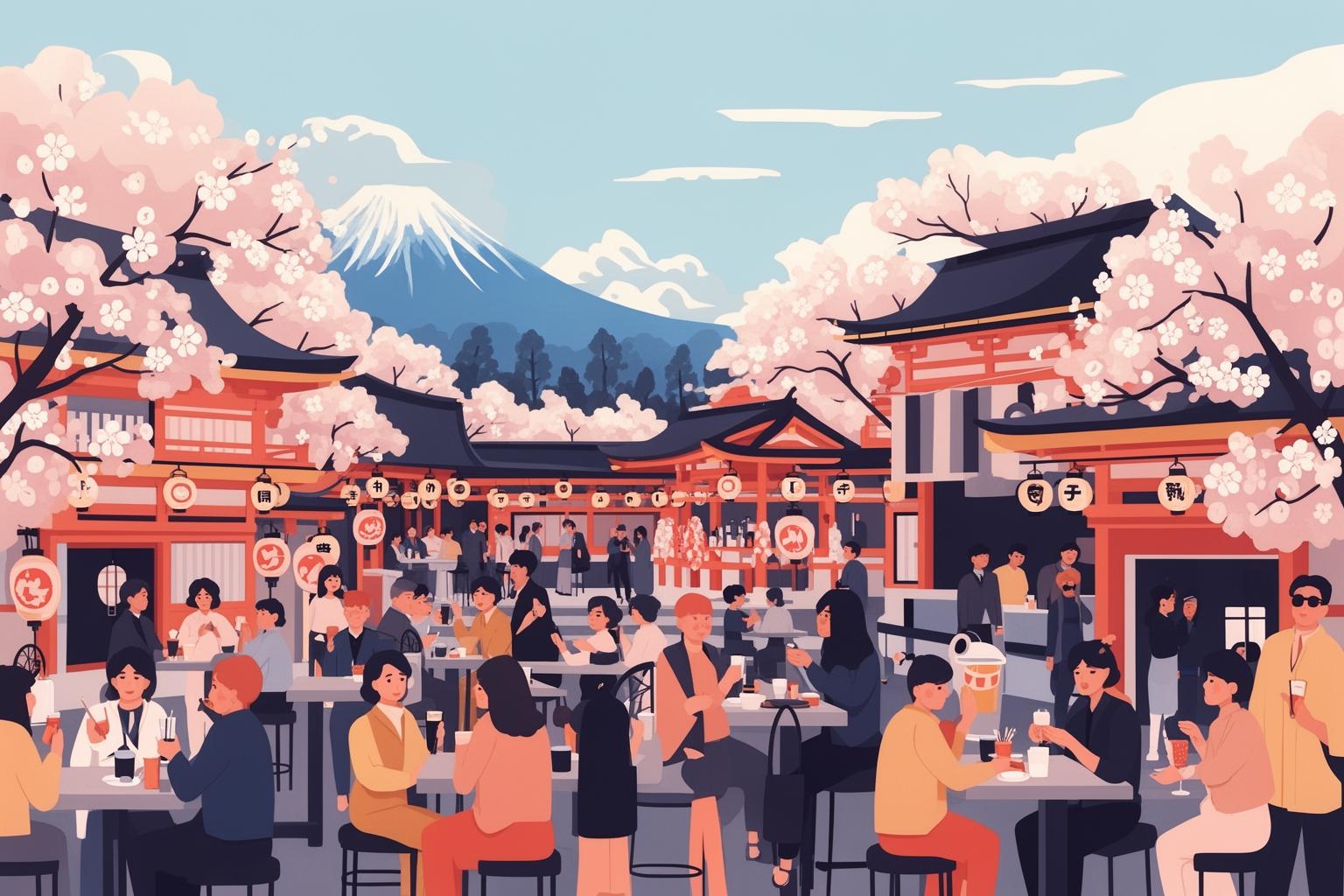
In a nation captivated by the new and ultra-modern, the enduring presence of these analog, old-fashioned establishments appears paradoxical. Why haven’t craft beer pubs, trendy wine bars, or affordable, efficient izakaya chains completely replaced snack bars? The reason is that snack bars fulfill a profound, fundamental social need that these other venues do not. They represent an essential component of Japan’s social infrastructure, a relic that remains relevant because the issues they address—loneliness, the desire for community, and a refuge from rigid social roles—are timeless.
A Relic of the Showa Era’s Social Framework
To grasp the concept of the snack bar, one must understand the world that shaped it: the Showa era (1926–1989), especially the post-war economic boom. This was the era of the “salaryman,” lifetime employment, and a corporate culture where the company was regarded as a second family. Work-life balance was nonexistent. Socializing with colleagues and bosses after hours, known as nomikai, was an integral part of the job. Snack bars became unofficial extensions of the workplace, serving as ideal venues for this kind of bonding. Their intimate settings allowed for more personal conversations than a large, noisy izakaya. The bottle keep system suited companies, allowing them to maintain a corporate bottle at their preferred spot to host clients. The Mama-san, with her discretion and social finesse, was the perfect host to ease workplace tensions. Against this backdrop, generations of Japanese men cultivated relationships, finalized deals, and relieved the immense pressures of their work lives. The snack bar was woven into the very fabric of corporate Japan. Although this work culture has shifted significantly, with younger generations less inclined to mandatory after-work drinking, its emotional imprint persists. For many older Japanese, the snack bar remains the default setting for a particular kind of intimate, trust-based socializing.
The “Third Place” in a Crowded Society
The American sociologist Ray Oldenburg coined the term “third place” to describe vital community anchors separate from the “first place” of home and the “second place” of work. In the West, such places might be cafes, pubs, or community centers. In Japan, the snack bar is arguably the most ideal, though hidden, example of a third place. Japanese homes tend to be small and are not typically used for entertaining guests. The custom of “inviting friends over for a drink” is far less common than in many Western countries. This creates a need for an external space functioning like a living room—a comfortable, welcoming place that feels like your own. The snack bar perfectly fills this niche. It’s a home away from home, but with a crucial difference: it offers an on-demand host and a transient community. This is especially important in Japan’s vast, anonymous megacities. One can live in Tokyo, surrounded by 14 million people, and still feel profoundly lonely. The snack bar provides a powerful antidote to this urban isolation. It offers low-stakes, dependable social interaction. You can enter alone, knowing you’ll encounter the familiar face of the Mama-san and a handful of regulars. You can quietly enjoy a drink, engage in meaningful conversation, or simply listen to the ambient chatter and karaoke. It provides a sense of belonging and community that is increasingly difficult to find. Here, you are not a client or employee, but a member—a part of the strange, dysfunctional, and beautiful family that gathers each night.
The Cover Charge Conundrum: Decoding the “Set” System
One of the most common sources of confusion and suspicion for newcomers, especially foreigners, is the payment system. You’re often charged a “set price” (セット料金) or a “table charge” (席料, sekiryō), which can seem steep. You might pay several thousand yen before ordering a single drink. This may feel like a scam if you don’t understand what you’re paying for. But it isn’t. The cover charge is the admission fee to this semi-private social club for the evening. It isn’t just for your seat; it covers a small complimentary snack (otsumami), the ice and water/mixers for your bottle keep (if you have one), and most importantly, it compensates the Mama-san’s labor—her conversation, emotional care, and skill in maintaining the bar’s unique atmosphere. You’re paying for the experience itself, for the privilege of occupying a seat in her carefully curated space. Once you see the charge as a club membership fee for the night rather than a pay-per-item transaction, it makes perfect sense. It’s a different economic model than Western bars, which depend on high-volume drink sales. The snack bar model relies on a smaller, more loyal clientele who appreciate the environment as much as the alcohol. Understanding and accepting this system is the first step to becoming a good snack bar patron.
Navigating a Snack Bar as a Foreigner: The Unwritten Rules
So, you’re curious. You want to experience an authentic piece of Showa-era Japan. Yet, you’re also a bit apprehensive. Can you, as a foreigner with limited Japanese skills, simply walk in? The answer is a nuanced “maybe.” Snack bars are inherently insider spaces, and gaining entry takes a bit of tact, cultural sensitivity, and a good measure of courage. But the rewards make the effort worthwhile.
Is It OK to Just Walk In? Understanding the “Ichigen-san Okotowari” Atmosphere
Some traditional Japanese venues follow the policy called ichigen-san okotowari, meaning “no first-time customers without an introduction.” While most snack bars don’t enforce this as a strict rule, many operate with this mindset. The delicate social balance is the bar’s core asset, and a newcomer—especially a foreigner unaware of unwritten customs—can easily upset it. The Mama-san’s priority is her regular patrons, not new visitors. A noisy, unaware, or demanding tourist can ruin the atmosphere for everyone, and many owners aren’t willing to take that risk. This isn’t necessarily xenophobia; it’s about preserving the community. So, how do you get in? The best way is by invitation from a regular customer. That is the golden ticket. Vouched for, you are welcomed as a family friend by the Mama-san. The next best option is to seek out snack bars in tourist-frequented areas like Shinjuku’s Golden Gai or Kyoto’s Pontocho. Many of these have English signage and are more open to walk-ins. If you want to try your luck at a random neighborhood spot, your approach matters. Look for places where you can peek inside from the door. If it looks inviting and not too crowded, go ahead. A polite smile and a simple “ii desu ka?” (Is this okay?) can make a big difference. Be ready to accept a polite refusal. If they say they’re full or that reservations are required (even if it seems empty), don’t argue. Say thank you and move on. They are communicating—in the most indirect Japanese way possible—that it’s not the right fit.
The Snack Bar Challenge: Tips for Your First Visit
If you do manage to get inside, congratulations. Now the goal is to be a considerate guest. This isn’t a time for passive consumption; you’re an active participant in a social ritual. Here’s a basic etiquette guide. First, don’t expect a menu. Drink choices are usually straightforward. You can order beer, a highball, or, if you plan to stay a while, ask about bottle keep options for shochu or whisky. Accept the set charge without question; it’s the entrance fee. The most important rule is to engage with the Mama-san. She is your host and guide. Make eye contact, smile, and try to chat a bit, even if your Japanese is limited. She is your link to the rest of the group. Observe the other patrons and follow their example. If people are speaking quietly, keep your voice down. If it’s lively, feel free to join in. If someone offers to pour you a drink, accept graciously and, if possible, reciprocate. The karaoke machine will inevitably start up. This is a key moment. Even if you don’t sing, you must applaud every singer. This is non-negotiable; it’s the minimum price of admission to the social contract. If you feel brave, go ahead and sing. Don’t worry about your skill. A heartfelt, if off-key, performance of a well-known classic like “Let It Be” or “My Way” will earn you more friends than a flawless but soulless rendition. When it’s time to leave, pay your bill in cash and thank the Mama-san and perhaps the other guests with a slight bow. Your aim is to leave the space in the same—or better—social state than you found it. Be a gentle presence, a positive addition to the evening’s dynamic, and you may well be welcomed back.
The Future of the Snack Bar: A Fading Echo or a New Beat?
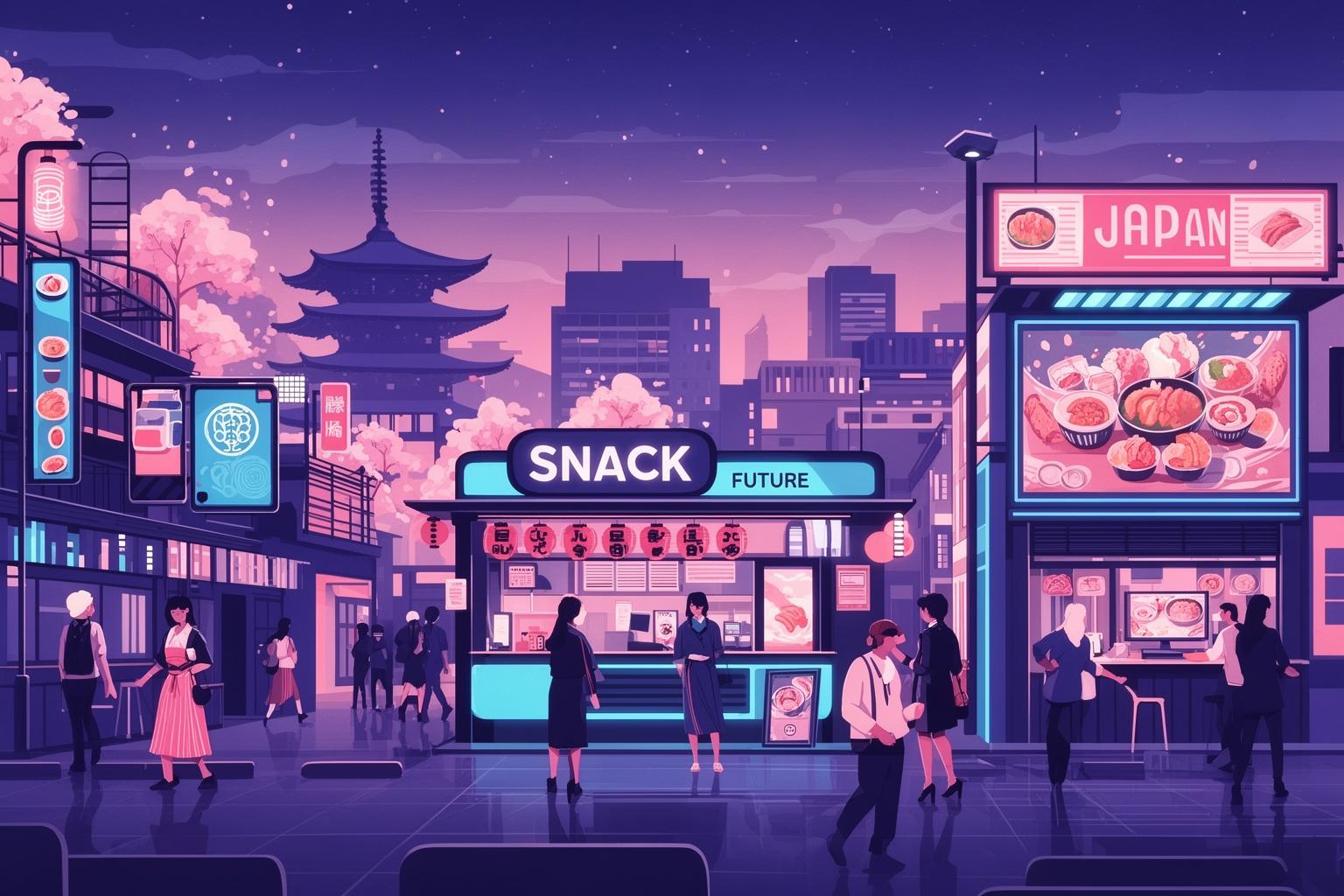
Despite their charm and social value, traditional Showa-style snack bars are a declining breed. The original Mama-sans are now in their 70s and 80s, with few willing successors ready to embrace the demanding, all-encompassing lifestyle of running a snack bar. Their devoted patrons are aging too. Younger generations drink differently—more casually and cheaply—and the idea of committing to a single neighborhood bar is less appealing amid countless alternatives. The COVID-19 pandemic hit these small, intimate venues especially hard, hastening the closure of many cherished establishments. It might be tempting to view the snack bar as a dying relic, a quaint but obsolete tradition destined to vanish with its founding generation. However, that judgment may be premature. While the classic Showa snack bar is fading, its essential spirit is being reinvented and preserved by a new generation. Across Japan, young entrepreneurs are launching what might be called “neo-snack” bars. These spots retain the core features—a charismatic owner fostering community, a focus on conversation rather than elaborate food, and a warm, intimate setting—but refresh the style. The décor may be more modern, the music indie rock instead of enka, and the drink selection might include craft gin or natural wine alongside traditional shochu. These new-wave snack bars attract a younger crowd, including more women and creative types, all seeking a “third place” and a feeling of belonging in an increasingly fragmented digital society. They demonstrate that the basic human need fulfilled by the snack bar transcends generations. The desire for a place where, as the theme from the classic American sitcom Cheers goes, “everybody knows your name,” is universal. The Showa snack bar is more than just a bar. It is a living museum of Japanese social history, a masterclass in community building, and a quiet defiance of modern life’s cold anonymity. It stands as the final and most rewarding frontier of local drinking. Though it may not appeal to everyone and is certainly not easy, cracking its code offers a night of genuine human connection that lingers long after the neon lights of Shibuya fade. It is the real Japan—raw and unfiltered—and profoundly worth experiencing.