What’s up, fellow travelers! Megumi here, coming at you straight from the heart of Tokyo’s concrete jungle, but my soul? My soul is currently chilling somewhere way, way back in time. We’re talking Showa-era, full-on nostalgia mode. If you’re tired of the mega-watt energy of the big cities and are craving something with a little more heart, a little more story, then you gotta listen up. I’ve found a place that’s an absolute VIBE. It’s a sleepy port town that looks like it was plucked straight out of an old movie set, a place where time slows down, cats are the undisputed kings, and every cup of coffee tells a story. We’re going to Onomichi, a gem tucked away in Hiroshima Prefecture, pressed between green hills and the glittering Seto Inland Sea. This isn’t just a destination; it’s a time machine. Forget everything you think you know about Japan travel, because we’re about to dive deep into a world of retro kissaten, hidden art galleries on tiny islands, and winding alleyways that whisper secrets of the past. It’s the kind of place that gets into your bones and stays there. So grab your camera, pack your sense of wonder, and let’s get this adventure started. This is Onomichi, and trust me, it’s everything.
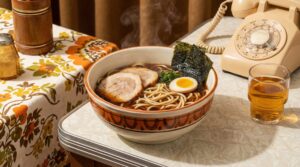
To fully immerse yourself in this nostalgic Showa-era vibe, you might also enjoy exploring the unique late-night instant ramen culture that defined the period.
The Vibe Check: So What’s Onomichi Actually About?
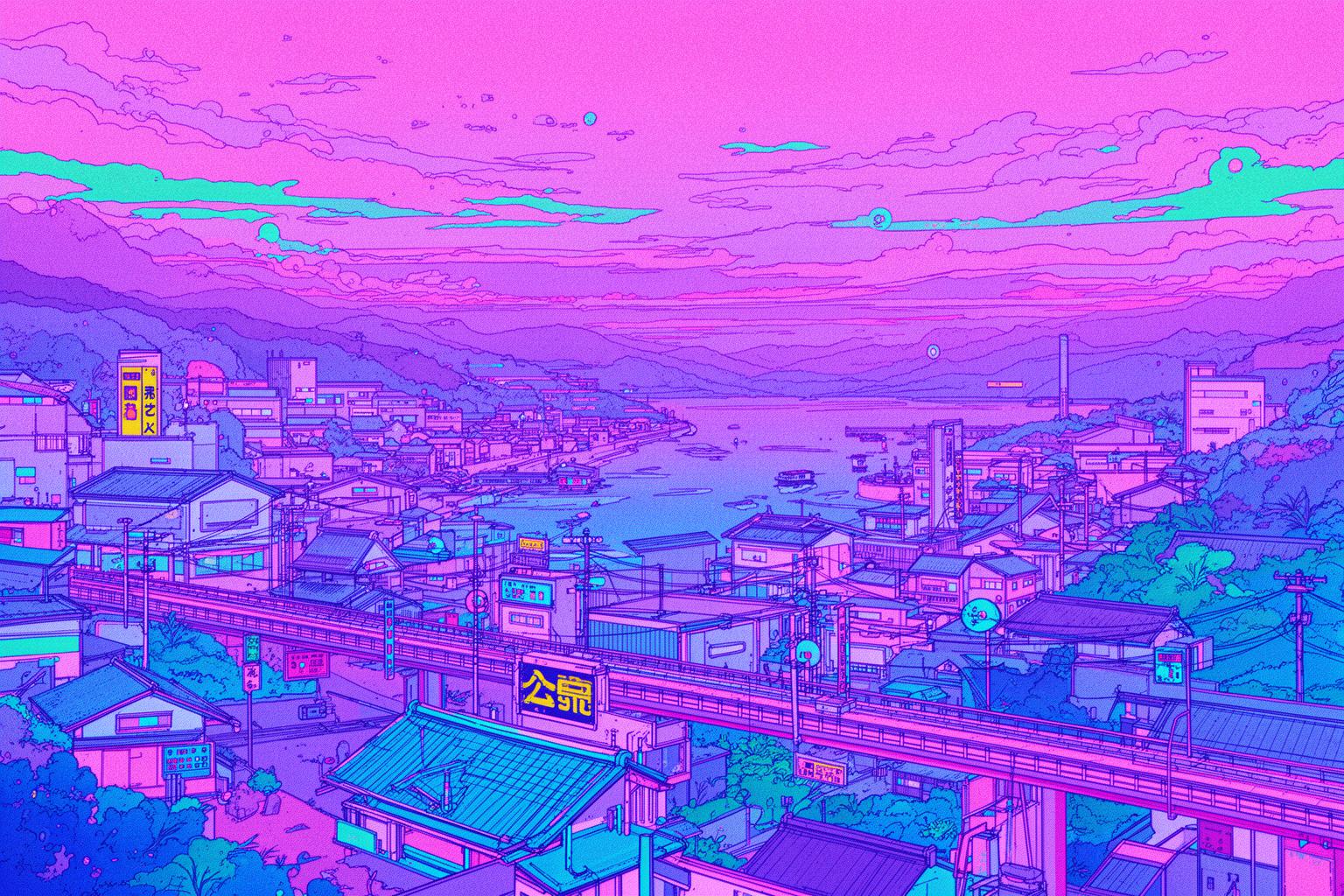
Before delving into the finer details of coffee and art, it’s important to grasp the mood board of this place. Onomichi isn’t a city that shouts; it hums. It has a subtle, effortlessly cool vibe that feels incredibly refreshing. This town is literally built on a hill. Houses, temples, and shops cling to steep slopes that tumble down to the harbor, forming a maze of narrow stone stairways and winding paths. Getting lost here isn’t a travel mishap; it’s the main attraction. Every wrong turn reveals a stunning sea view, a friendly cat basking on a warm stone, or a tiny family-owned shop that’s been around for generations. It’s a town that rewards curiosity and slows down those in a hurry.
A Time Capsule Town on the Seto Inland Sea
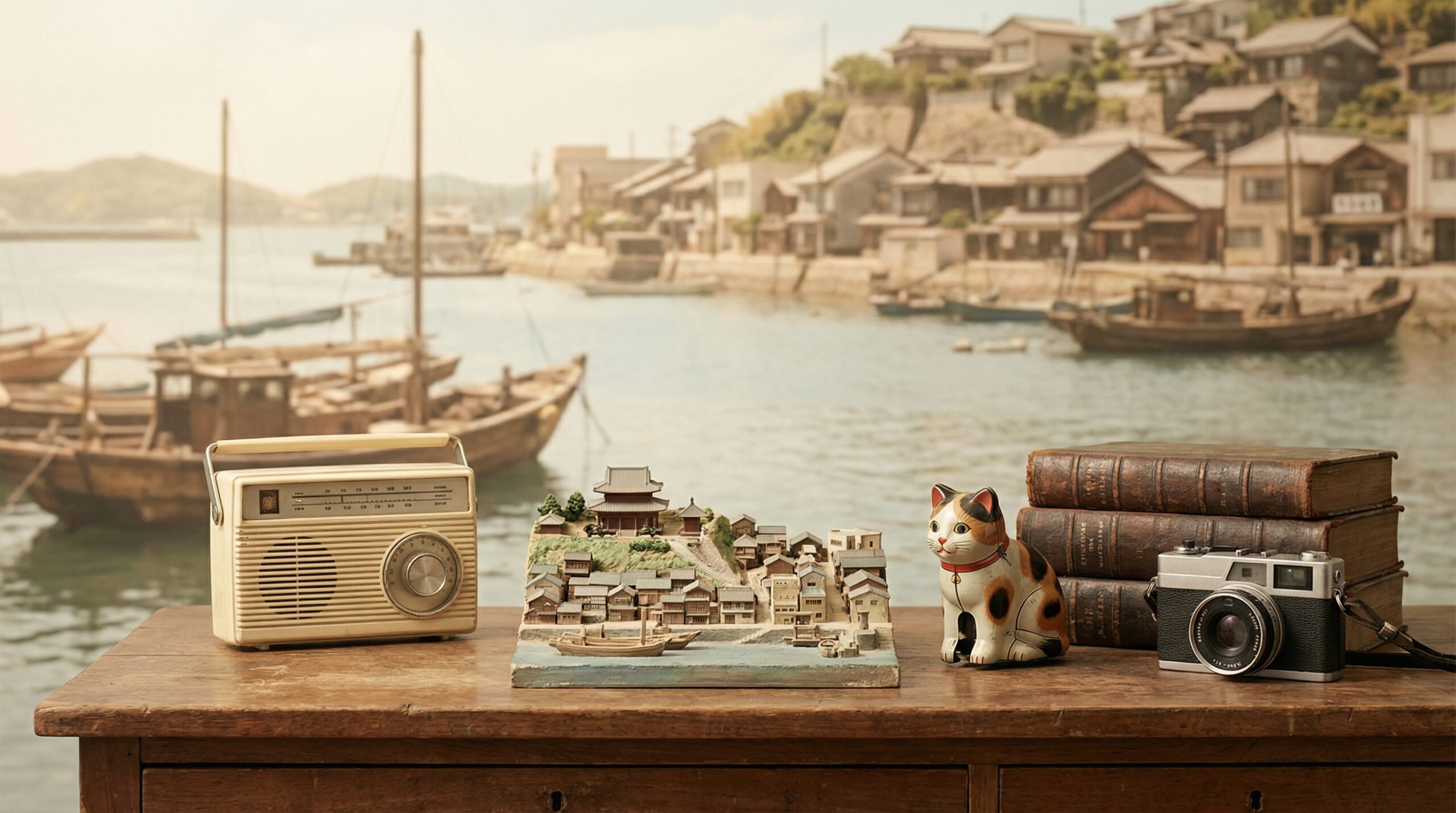
Onomichi feels genuinely old-school because, well, it is. It was once a major shipping hub and wealthy merchant town, and much of its pre-war architecture remains intact, preserving a strikingly beautiful townscape. Walking through the covered Shotengai shopping arcade, with its retro signs and mom-and-pop stores, is like stepping into living history. The air carries the scent of sea salt and roasted tea, while the soundtrack consists of the distant clang of temple bells and the gentle hum of ferries crossing the channel. This deep connection to its past makes Onomichi a favorite for filmmakers. Legendary director Nobuhiko Obayashi shot many of his iconic films here, and you can almost feel that cinematic atmosphere as you explore. You half-expect to spot a 1980s film crew around any corner. It’s this blend of everyday life and movie-set charm that makes the town so enchanting. You aren’t just a tourist; you’re an extra in a beautiful, slow-paced film about a perfect day in a perfect town.
More Than Just a Pretty Face: The Onomichi Trinity
Onomichi’s identity rests on three essential pillars, a holy trinity of experiences you absolutely can’t miss. These are the heart and soul of the town, the elements that make it uniquely itself. To truly understand Onomichi, you have to embrace all three.
Slopes & Temples
First, you need to conquer the slopes. The famous Onomichi Temple Walk is less a single path and more a choose-your-own-adventure journey that zigzags up the mountainside, linking over two dozen temples and shrines. Don’t let the word “walk” fool you; it’s definitely leg day. But every step is worthwhile. You’ll ascend ancient stone stairways worn smooth by centuries of pilgrims and locals. You’ll pass beneath massive wooden temple gates, their paint faded and peeling in the most charming way. The path dips into quiet residential neighborhoods where you can glimpse perfectly manicured gardens, then opens up to stunning temple complexes like Senkoji, which seems to cling precariously to the cliffside. The reward for your climb? Breathtaking panoramic views of the entire town, the massive Onomichi bridge, and the scattered islands shimmering in the sea. It’s both a spiritual and physical journey that connects you to the town’s very core.
Cats, Cats, and More Cats
Next, brace yourself for the feline invasion. Onomichi is famously a cat town. The cats are the true locals, the furry guardians of its alleyways. As you explore, especially along “Neko no Hosomichi” (Cat Alley), you’ll find them everywhere: lounging on rooftops, peeking from behind potted plants, and confidently strutting down the middle of paths as if they own the place—which, let’s be honest, they do. This isn’t just spotting strays; it’s a full-blown cultural phenomenon. Local artist Shunji Sonoyama has adorned the alley with hundreds of “Fukuishi Neko”: smooth, round stones painted with adorable and expressive cat faces. Each one is unique, a little guardian of good luck. There’s even a Maneki-neko Museum dedicated to the iconic beckoning cat figure. The cats of Onomichi bring a sense of whimsy and life to the town. They encourage you to slow down, find a sunny spot, and just relax. They perfectly embody the spirit of Onomichi.
The Shimanami Kaido Gateway
Finally, Onomichi is the official starting (or ending) point of the Shimanami Kaido. This is, without exaggeration, one of the most epic cycling routes in the world. It’s a 70-kilometer journey across six islands, connected by spectacular bridges stretching over the Seto Inland Sea. While completing the entire route is an adventure of its own, you don’t need to be a hardcore cyclist to experience a taste of it. Onomichi buzzes with this gentle, adventurous energy. You’ll see cyclists everywhere—checking their gear, planning routes, or celebrating finishes. You can rent a high-quality bike for a day and simply pedal across the first bridge to the neighboring island of Mukojima. This positions Onomichi not just as a place steeped in history but as a launching pad for modern adventure, a perfect fusion of old and new.
Hunting for Showa Gold: Diving into Onomichi’s Kissaten Scene
Alright, let’s get straight to the point — the real reason we’re here: the kissaten. Exploring Onomichi’s retro coffee houses feels like a treasure hunt for the soul. These aren’t your sleek, minimalist third-wave coffee shops with white walls and laptops. No, a kissaten is an entire vibe. It’s a portal to the Showa Era (1926-1989), a period marked by post-war optimism, an economic boom, and a blossoming café culture centered on ambiance and experience.
What Exactly Is a “Kissaten”? It’s a Whole Vibe.
Imagine this: you open a heavy wooden door with a little brass bell that jingles as you enter. Inside, the air is cool, filled with the scent of dark roast coffee, old books, and perhaps the lingering ghost of countless cigarettes from decades ago. The lighting is dim, softened by stained-glass lamps or dusty windows. The furniture is all dark wood with worn velvet or cracked leather upholstery. Behind a long counter, a quiet, focused “Master”—the owner and sole barista—carefully prepares coffee using a gleaming siphon, a device that looks like it belongs in a science lab. Soft jazz or classical music plays from a vintage sound system. A kissaten was a “third space” before the term existed, a place to escape, read, think, or have a quiet conversation. The menu is a time capsule itself: siphon coffee, melon cream sodas topped with bright red maraschino cherries, thick toast called “toast sets,” and savory dishes like Napolitan spaghetti. It’s pure, unfiltered comfort and nostalgia. It’s about ritual, quiet, and being suspended in a timeless moment.
Kissa Spotlight: Cafe Mishin
For the quintessential kissaten experience in Onomichi, you must visit Mishin. The name means “sewing machine,” a nod to its former purpose. Finding it is part of the charm, hidden away in the Shotengai arcade. You’ll recognize it by its modest yet perfectly retro façade.
The Aesthetics
Stepping into Mishin feels like entering your super cool, slightly eccentric grandpa’s study. The interior is a rich blend of dark wood. Bookshelves line the walls, heavy with countless volumes. Old clocks, vintage cameras, and antique sewing machines are artfully scattered throughout. Warm, golden lighting casts long shadows, creating an intimate, cozy atmosphere. The seats are plush burgundy velvet, the kind you can sink into for hours. The space encourages you to set your phone aside and simply be present. The air is thick with the intoxicating aroma of freshly brewed coffee. Every object carries a story, a history. It’s not curated—it’s collected. It’s lived-in. It’s perfect.
The Menu That Delivers
Now, the star of the show is the “Morning Set,” or simply “Morning” as the locals call it. This breakfast ritual is beloved across Japan, and Mishin’s rendition is legendary. It’s simple, but each element is executed with flawless precision. You get a slice of toast thick enough to call it a bread steak. It’s toasted to a perfect golden brown on the outside, yet remains incredibly fluffy and soft inside. Served with a pat of butter that melts into little pools and a small dish of sweet strawberry jam. Alongside is the perfect soft-boiled egg, presented in a tiny pedestal cup with a tiny spoon. Cracking it open to reveal the jammy, golden yolk is pure satisfaction. And the coffee: poured into delicate vintage porcelain cups, it’s dark, strong, and beautifully smooth, brewed with loving care by the Master. It wakes you gently, never harshly. This simple meal, enjoyed in Mishin’s quiet ambiance, is more than breakfast—it’s a meditation. It’s the ideal, most authentic way to start your day in Onomichi.
The Master & The Moment
The man behind the counter embodies the heart of Mishin. He moves with quiet grace and economy, honed by decades of practice. He speaks little, but his hospitality shines through in the careful polishing of glasses, the intense focus as the coffee bubbles in the siphon, and the gentle nod he offers as you leave. Watching him at work is like witnessing a performance. He’s the guardian of this space, the keeper of its Showa spirit. Sitting at the counter, sipping your coffee and observing him is the real show. You’re not just a customer—you’re a guest in his world, partaking in a daily ritual that has unfolded here for years. It’s a profoundly human, humbling experience that lingers long after the coffee is finished.
Another Gem: Yamane Neko Mill
For a playful, different spin on the retro café vibe, check out Yamane Neko Mill. Located near the ropeway station, this spot fully embraces Onomichi’s cat obsession, turning it into a deliciously adorable experience. It’s a fusion of Showa-style dessert culture and modern kawaii aesthetics.
Cuteness Overload
The moment you step inside, you’re greeted by cats—not real ones, but a whole menagerie of cat-themed delights. Cat-shaped cookies, cat mugs, cat illustrations adorn the walls. The entire place is a love letter to our feline friends. Their specialty is latte art, with expert cat faces drawn into the coffee foam. It’s almost too cute to drink! The vibe is lighter and brighter than a traditional kissaten, yet still carries that cozy, retro charm through wooden furniture and thoughtful décor. It’s the perfect spot to rest your feet after exploring the Temple Walk and indulge your sweet tooth.
Pudding Is Serious Business
While the lattes are a hit, the true star here is the pudding. Onomichi is famous for its pudding, and Yamane Neko Mill is among the best places to try it. This isn’t the dense, heavy dessert you might expect. Japanese purin is a delicate, silky smooth custard, closer to crème caramel. It’s served in a cute little glass jar, one you’ll definitely want to take home as a souvenir. The pudding itself is rich with egg and vanilla flavors, topped with a layer of dark, slightly bitter caramel. What makes Onomichi pudding unique is the small bottle of bright, zesty lemon syrup made from local Setouchi lemons that accompanies it. Drizzling this over the pudding transforms the dessert, cutting through the richness with a burst of fresh citrus. The combination is divine—sweet, creamy, slightly bitter, and a little tart all at once. It is, simply put, the taste of Onomichi in a jar.
Island Hopping to an Art Oasis: Hello, Mukojima!
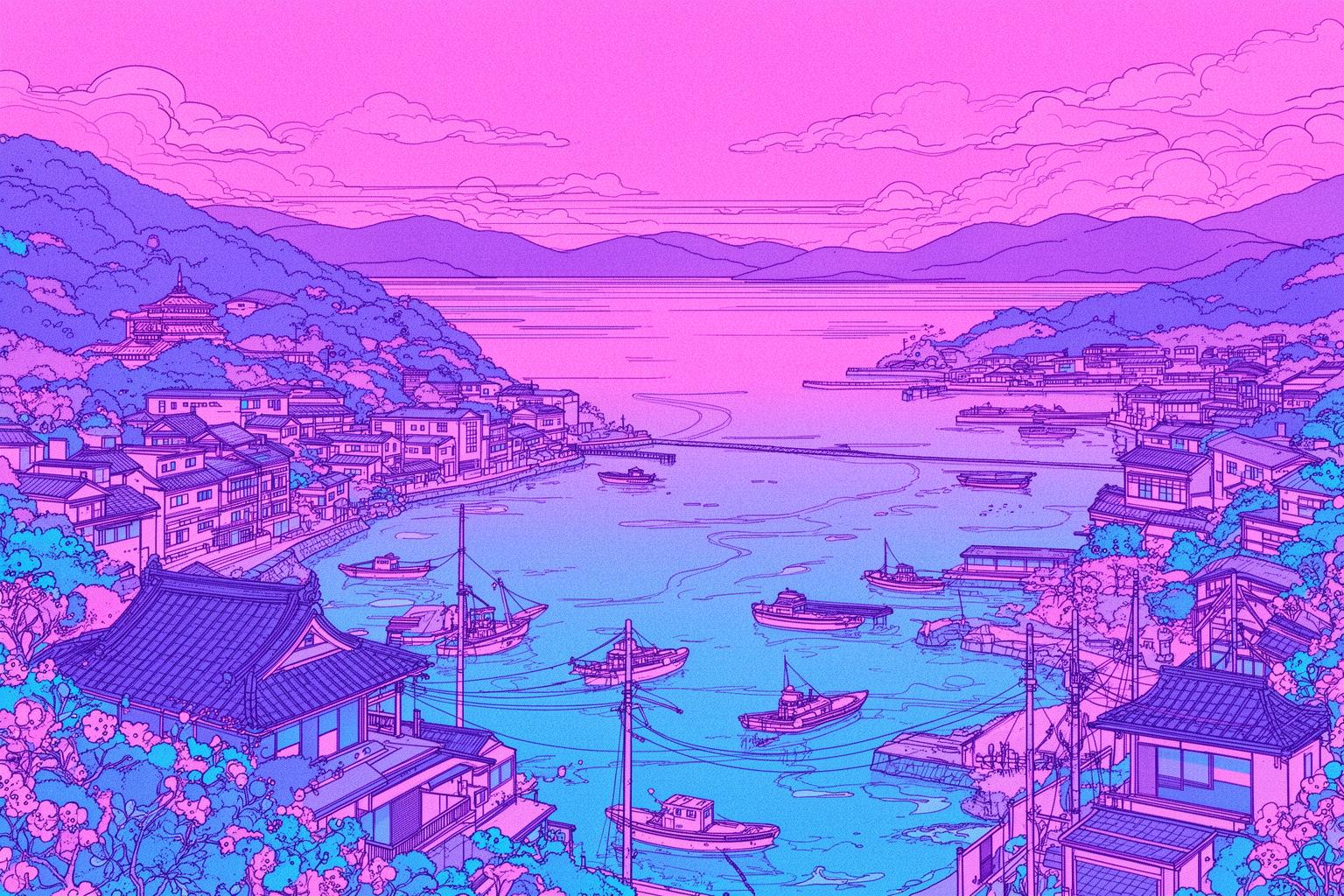
Onomichi is incredible, but the adventure becomes even more exciting when you realize it serves as a gateway to an entire archipelago of remarkable islands. You don’t have to be a cyclist tackling the whole Shimanami Kaido to experience island life. The nearest island, Mukojima, is just a three-minute ferry ride away, and stepping onto it feels like entering another world. The pace slows further, the landscapes broaden, and you’ll discover some of the coolest and most unexpected art spots imaginable.
The Three-Minute Voyage
Several small passenger ferries continuously shuttle between Onomichi and Mukojima. Forget large, impersonal terminals—these are tiny, open-air boats carrying a handful of people, scooters, and bicycles. The fare is just pocket change—around 100 yen. The journey itself is a major part of the charm. Standing on deck with the salty wind in your hair, you watch Onomichi shrink behind you. The chug of the old diesel engine, the cries of seagulls, and the view of the big red Onomichi bridge from below combine into a tiny, perfect slice of adventure. It feels like you’re a local just hopping over to the next town—a truly authentic travel moment. In just a few minutes, you dock on Mukojima, where the atmosphere immediately changes. It’s quieter, more rural, and ready to be explored.
Finding Art in Unexpected Places
The art scene on these islands isn’t what you might expect. Traditional, stuffy museums are scarce. Instead, art is woven into the landscape and community. Artists have been drawn to the Setouchi region for years, attracted by its stunning scenery and affordable living. They repurpose abandoned buildings—old warehouses, schools, and farmhouses—into vibrant creative spaces. This movement emphasizes sustainability, community, and accessibility. Exploring Mukojima feels like a scavenger hunt for these hidden creative hubs.
Gallery Focus: Ushio Chocolatl
If there’s one spot that perfectly embodies Mukojima’s creative spirit, it’s Ushio Chocolatl. Calling it simply a chocolate factory understates its essence. It’s an art gallery, a cafe, and a community hub all in one, housed in a beautifully repurposed building with one of the island’s best views.
The Climb is Part of the Journey
Reaching Ushio Chocolatl is an adventure on its own. Perched high on a hill overlooking the sea, you can cycle or taxi there, but the walk is truly lovely. You descend quiet country roads, past citrus groves and sleepy farmhouses. The air is fresh and scented with flowers and earth. With every step, the view grows more spectacular. The anticipation builds, and arriving hot and slightly out of breath makes the reward all the sweeter. The journey primes you to appreciate the destination, making the whole experience feel earned and special.
A Feast for the Senses
The building, an old municipal facility, has been given new life with an industrial-chic makeover. Concrete, steel, and massive windows fill the space with natural light, framing breathtaking views of the sea and surrounding islands. The first thing that greets you inside is the smell—oh my god, the smell—rich, warm, and intoxicating cacao roasting. It’s one of the world’s best aromas. The space is open and airy, minimalist in style, letting the chocolate and view shine. The chocolate-making equipment is fully visible, allowing you to watch the bean-to-bar process. The vibe is extremely relaxed—people lounge on comfy sofas, sip hot chocolate, and gaze out at the water. It’s a place to linger, relax, and simply be.
Tasting the Terroir
This isn’t your average candy bar. Ushio Chocolatl is a bean-to-bar producer, managing every detail from sourcing cacao beans directly from farms worldwide to wrapping the final bars. This is where the art gallery aspect emerges. Each bar is a unique work of art. Their packaging features bold hexagonal designs and graphics telling the story of the bean’s origin. Like wine, they highlight the unique “terroir” of different beans. A Vietnamese bar might offer bright, fruity notes, while a Guatemalan one could be earthy and nutty. Sampling tiny chocolate squares allows you to savor complex flavors, making it a palate education. Their hot chocolate—made from pure melted chocolate—is thick, rich, and just the right level of sweetness; the most intensely chocolatey experience you’ll have. Bringing a few bars home makes for the perfect souvenir, a delicious and beautifully crafted memory of your island adventure.
The Island’s Hidden Canvas: Other Artistic Finds
Beyond the headline spots, the joy of Mukojima lies in discovering smaller, more intimate creative spaces. As you cycle or walk the island, stay alert. You might find a small pottery studio inside a quaint farmhouse, its shelves lined with rustic ceramics crafted by local artisans. You may glimpse a textile artist weaving fabrics dyed with local plants through a window. These are not merely shops; they are the homes and studios of people who’ve chosen to lead creative lives here. Often, the artists themselves are present, happy to talk about their work and their love for the island. These personal encounters transform the experience. You’re not just consuming art; you’re connecting with the creators. It’s a reminder that art isn’t just something hung on a wall—it’s a way of life.
Living the Onomichi Life: Practical Deets & Pro-Tips
Alright, so you’re convinced. You’re ready to pack up and teleport to this retro paradise. I’ve got you covered. Here are some practical tips to ensure your trip goes smoothly and turns out amazing. This is the insider info that will elevate your trip from great to absolutely epic.
Getting There & Getting Around
Onomichi is incredibly accessible. The easiest route is taking the Tokaido-Sanyo Shinkansen (bullet train) to either Fukuyama Station or Shin-Onomichi Station. From Fukuyama, it’s just a quick 20-minute ride on the local JR Sanyo Line to Onomichi Station. The main part of town is compact and very walkable. In fact, walking is the best way to discover all the hidden alleyways and staircases. To reach Senkoji Park, you can hop on the scenic ropeway for spectacular views. And for island hopping, the ferries are your best option—they run frequently, are affordable, and add to the adventure. I also highly recommend renting a bike for at least half a day. Even if you don’t tackle the full Shimanami Kaido route, you can ride along the waterfront and pedal over to Mukojima for a fresh perspective.
Where to Stay: Beyond the Standard Hotel
To truly soak up the Onomichi atmosphere, you’ll want to stay somewhere special. Skip the typical business hotels and choose a place with character instead. The town is filled with beautifully restored guesthouses and traditional ryokans. One of the coolest spots is Anago no Nedoko, a guesthouse housed inside a classic “unagi no nedoko” or “eel’s bed” style house—a long, narrow building with a small street frontage that extends far back. Staying here is like sleeping inside a piece of history. You’ll rest on a cozy futon on tatami mats and share a snug common area with other travelers. It’s a fantastic way to experience traditional Japanese architecture and meet fellow explorers. Waking up in a place like this, sliding open a paper shoji screen, and breathing in the sea air is an unforgettable experience.
Megumi’s IYKYK List (If You Know, You Know)
Here are a few last non-negotiable things you must do for the full Onomichi experience. These are the things that will make you feel like a local rather than a tourist.
Onomichi Ramen is Essential
After wandering up and down those hills all day, you need to recharge with a hot bowl of Onomichi Ramen. It’s a local specialty unlike any other. The base is a savory shoyu (soy sauce) broth prepared with chicken and tiny fish from the Seto Inland Sea, lending it a rich, layered flavor. But the star ingredient is seabura—little globules of pork back fat floating on top. Don’t be intimidated! They melt in your mouth, adding incredible richness and sweetness to the soup that’s highly addictive. Served with thin, straight noodles and classic toppings like chashu pork and bamboo shoots, it’s the ultimate comfort food. This meal will warm you up from the inside and fuel your continued adventures.
Watch the Sunset from Senkoji Park
This is an absolute must. Take the ropeway up to Senkoji Park late in the afternoon. Find a prime spot at one of the observation decks and just wait. Watching the sun set over the Seto Inland Sea is almost a spiritual experience. The sky bursts into shades of orange, pink, and purple. The water mirrors the colors, shimmering and sparkling. Silhouettes of islands and massive bridges create a breathtaking, dramatic scene. The world seems to go quiet for a few minutes as the sun dips below the horizon. It’s one of the most beautiful, peaceful, and awe-inspiring views in all of Japan. It’s a magical moment that will stay etched in your memory forever. Don’t just snap a photo; put your phone away and truly take it in.
Souvenir Game Strong
Bring home a meaningful piece of Onomichi. Skip cheap trinkets and opt for something authentic. Onomichi is known for its high-quality canvas goods, or hanpu. You’ll find fantastic, durable tote bags, pouches, and aprons made by local artisans. The area is also famous for its citrus, so look for items like lemon-infused honey, marmalades, or citrus-flavored snacks. Cat-themed products from Neko no Hosomichi make adorable and unique gifts. And, of course, be sure to stock up on chocolate from Ushio Chocolatl. It’s a souvenir that’s as beautiful as it is delicious. Bringing these items home is like capturing a little piece of the town’s soul.