Yo, what’s the move? Ryo Kimura here. So, you’re in Japan, or you’re dreaming of it. You’ve seen the neon glow of Shinjuku in a million photos, you know the serene vibe of Kyoto’s temples. But you’re on a different kind of mission. You’re not just here for the sights; you’re here for the feels. You’re looking for that tangible piece of history, something with a story baked into its very grain. I’m talking about Showa Era design, that perfect slice of mid-century Japanese cool. This ain’t your grandma’s dusty antiques, nah. This is furniture with a maker’s vibe, pieces that radiate the optimism and killer craftsmanship of post-war Japan. It’s a whole aesthetic, a mood that’s low-key legendary and high-key addictive once you start looking. Forget the fast-furniture grind. We’re diving deep into the world of warm teak, sleek lines, and textures that just hit different. This is your ultimate guide to finding those grails, the pieces that will turn your space from just a room into a conversation, a time capsule of Japanese cool. Let’s get this bread and find you something iconic. Our treasure hunt starts in Tokyo, on a street that’s basically a living museum of interior design. Peep the map below, this is our ground zero.
If you’re looking to extend your hunt for authentic Showa-era atmosphere beyond Tokyo’s furniture streets, consider a trip to a nostalgic port town like Onomichi.
The Vibe Check: What Exactly is Showa Retro?

Alright, let’s spill the tea on what we’re truly after. When someone says “Showa Era,” they mean a huge span of time, from 1926 to 1989. It witnessed Japan undergoing incredible transformations, and the design world reflects that perfectly. But for us treasure hunters, the sweet spot is the mid-Showa period, roughly from the 1950s to the 1970s. This was Japan’s economic miracle era—a time of rebuilding, bursting with energy and optimism about the future. That forward-thinking hustle was poured directly into the objects people made for their homes. It’s not just “old stuff”; it’s the physical embodiment of a cultural glow-up.
More Than Just “Old Stuff” – The Soul of an Era
To really understand, you need the context. The early Showa period was turbulent, leading up to the war. Designs from that time were different—often more traditional or Art Deco-inspired. But post-war, everything shifted. There was a housing boom, especially in smaller city apartments called danchi. People needed furniture that was compact, practical, and modern. They were shedding the past and embracing a new, often Western-influenced lifestyle, yet making it uniquely their own. This is where the magic lies. Japanese designers and artisans drew inspiration from Scandinavian modernism—think clean lines, organic shapes, and an emphasis on natural materials—but they infused it with a Japanese sensibility. They brought centuries of woodworking mastery, a respect for materials, and a subtle aesthetic philosophy valuing simplicity and harmony. You can feel this history in every piece. It’s the difference between a mass-produced table and one with dovetail joints you can trace with your finger, knowing a skilled craftsman put it together decades ago. It’s furniture made to be part of a family, to witness decades of life, not to be discarded after a few years. That’s the heart of the Showa soul we’re hunting for.
Key Aesthetics: The Lowdown on the Look
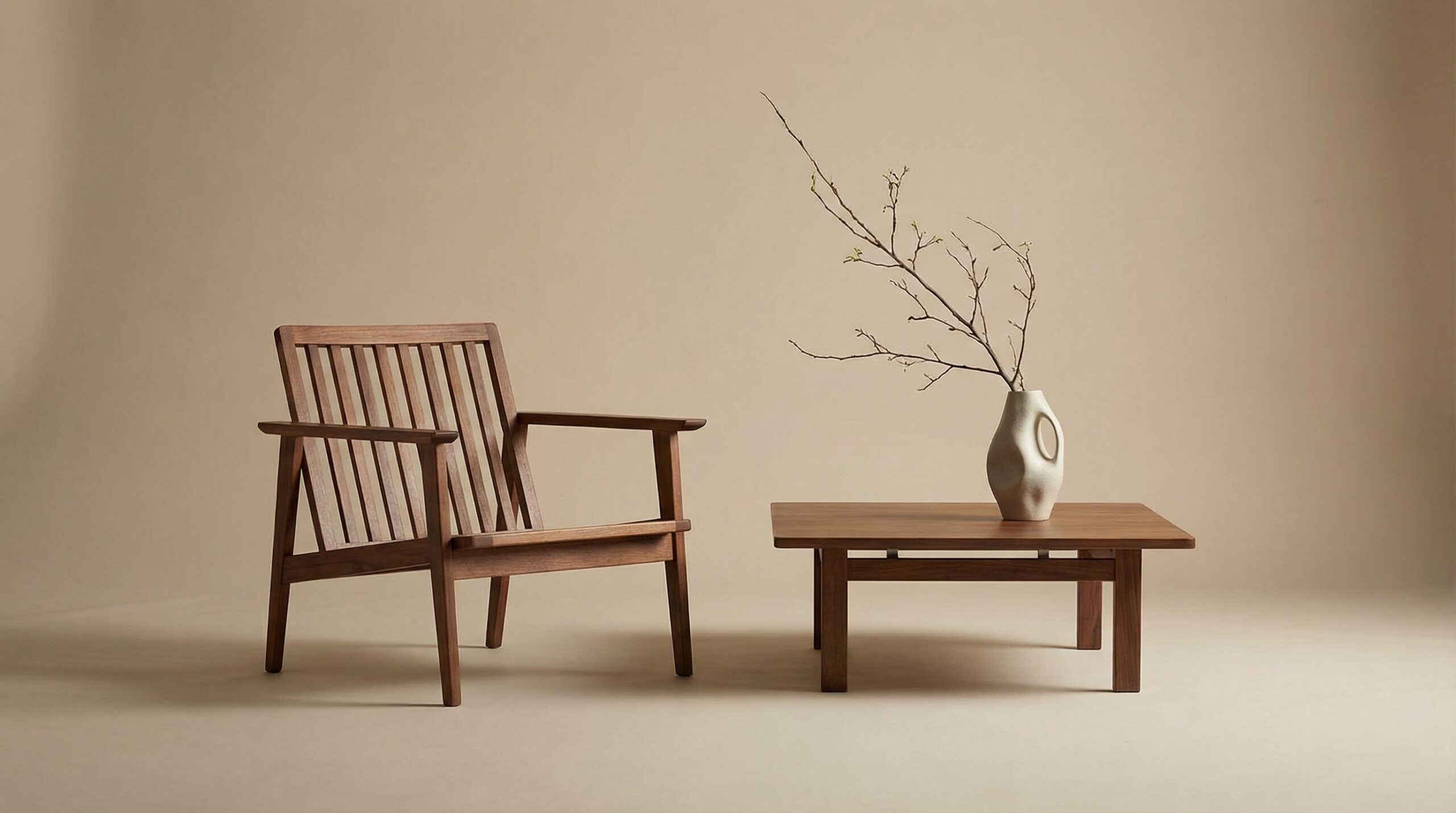
So, what does this vibe look like in the wild? Here’s the visual language to spot it from across the room. First up: materials reign supreme. We’re talking rich, dark woods—Japanese zelkova (keyaki) with its striking grain, warm teak, and deep rosewood were all the rage. These woods offer depth and warmth you don’t get from cheaper modern materials. They feel substantial, real. Next, the color palette looks straight out of a vintage film photo: mustard yellow, avocado green, burnt orange, and deep earthy browns. These hues appear in upholstery, plastic or laminate surfaces, and decorative touches. Bold but never garish, they create a cozy, nostalgic atmosphere. Silhouettes are another giveaway—look for tapered, elegant legs that lift furniture off the ground, giving it a sense of lightness. Low-profile sofas and lounge chairs that invite you to relax were the norm. Modular design was huge—think shelving units and cabinets configurable for different spaces, a genius solution for compact urban apartments of the day. Fabrics matter, too. Texture is king: plush corduroy, soft velvets, and nubby woven textiles that feel amazing to the touch. It’s all about crafting a sensory experience. You’ll also notice craftsmanship shining through in the details—beautiful joinery, sleek integrated handles in wood or brass, and a finish that’s lasted fifty or sixty years. This blend of thoughtful design, quality materials, and expert artistry is what makes mid-century Showa so special—stylish and deeply functional, built for real life.
It’s a Whole Mood: The “Maker’s Vibe” Explained
This is the secret sauce that sets a true Showa piece apart from a modern knock-off. The “maker’s vibe” is that feeling you get when you interact with an object and sense the human touch behind it. During the mid-Showa era, many iconic pieces came from companies that began as small, family-run workshops. Brands like Karimoku and Maruni started with deep woodworking roots and brought artisan-level skill to mass production. Even in a factory setting, pride in craftsmanship was huge. They weren’t just churning out units; they created objects meant to last a lifetime. This vibe shows in subtle imperfections, the perfectly matched wood grain on a tabletop, the satisfying click of a well-made cabinet door. It’s the opposite of fast furniture’s disposable culture. When you find a vintage Karimoku K-Chair, for example, you feel its history. The slight patina on wooden armrests tells stories of people who sat there before—reading, listening to music, chatting with friends. It’s a connection to the past, a link to the original artisan who shaped that wood. It’s a quiet rebellion against the generic and soulless. This is why we hunt. We’re not just after a chair or table; we’re seeking a piece with soul—a piece that has that unmistakable, iykyk (if you know, you know) maker’s vibe.
The Hunt is On: Your Tokyo Treasure Map
Alright, theory time is done. It’s time to hit the streets. Tokyo is a vast megalopolis where you can literally find anything if you know where to look. For us, the search for Showa-era treasures is focused in a few key neighborhoods, each with its own unique character and kind of find. You could spend weeks exploring and still only scratch the surface. But every expert hunter needs a map—a starting point for their expedition. Think of these neighborhoods as the major continents on our treasure map. Each offers a different type of dig, from carefully curated showrooms to dusty, chaotic spots where the best finds lie hidden deep. So lace up your most comfortable shoes, charge your phone for all the photos you’re about to take, and get ready to dive in. The thrill of the chase is half the fun—the excitement of walking into a random shop and spotting that perfect piece across the room. It’s a feeling that never gets old.
Meguro Dori: The Original Furniture Street
Here it is. The main event. If you only have time for one furniture-hunting trip in Tokyo, make it a pilgrimage to Meguro Dori. This long, winding street, often called ‘Furniture Street,’ is the undisputed champion of interior design shopping in the city. It’s a marathon, not a sprint, with dozens of shops packed closely together, ranging from high-end contemporary design to, most importantly for us, some of the best vintage and mid-century stores in Japan. The atmosphere itself is a whole vibe. You can spend a full day walking its length, popping into any storefront that catches your eye. The air smells like a mix of wood polish, old leather, and fresh coffee from trendy cafes scattered between shops. This is a meeting place for design lovers, professional decorators, and curious treasure hunters like us alike. The quality here is generally very high. The owners are experts, true connoisseurs who have devoted their lives to sourcing and restoring beautiful pieces. They know the history of every item in their store and are usually happy to share it. This is the spot to find certified classics—the iconic, well-preserved pieces from renowned makers.
Karimoku 60: The Legend Reborn
One of your first and most essential stops in the Meguro area has to be a showroom featuring Karimoku 60. To be clear, this isn’t vintage—it’s the next best thing, and a perfect introduction to the aesthetic. Karimoku is one of the founding names of Japanese mid-century furniture. Established in the 1940s, they produced some of the era’s most iconic designs in the 1960s. The “60” line is a brilliant concept: they reproduce their original 1960s blueprints exactly as they were, using modern manufacturing. It’s like buying a brand-new 1962 record. You get timeless design and authentic vibe, but with the pristine condition of a new product. Their most famous piece, and an absolute must-see, is the K-Chair. It’s a masterclass in minimalist design: a simple wooden frame, elegant arms perfect for resting a coffee cup, and comfortable upholstered cushions. Compact, stylish, and incredibly versatile. Seeing one in person, you just get it—you understand why it’s been a bestseller for over fifty years. Visiting a Karimoku 60 store lets you sit in the chairs, feel the fabrics, and appreciate the craftsmanship up close. It’s like a crash course in the Showa aesthetic and sharpens your eye for when you start hunting original vintage pieces.
The Indies and Vintage Havens
Beyond the big names, Meguro Dori is where the true vintage hunt shines. This is home to independent shops, each with a unique personality shaped by its owner. Stores like ACME Furniture are legendary. They specialize in both American and Japanese mid-century pieces, and their showroom feels like stepping into a perfectly styled 1965 apartment. Their sourcing is incredible, and their restoration work top-tier. You’ll find low-slung sofas with original textured upholstery, sleek rosewood sideboards, and funky, sculptural lamps you won’t see anywhere else. Then there are smaller, more specialized shops—some focused purely on lighting, with ceilings covered in a galaxy of colorful pendant lamps from the ’60s and ’70s. Others focus on tansu, traditional Japanese chests of drawers, offering Showa-era interpretations of classic designs. The real joy of Meguro Dori is the discovery. It’s about wandering into a shop you’ve never heard of, tucked between a ramen joint and a laundromat, and finding a hidden gem. Maybe a set of perfectly preserved dining chairs by an obscure designer, or a unique coffee table with a mosaic tile top. You have to be ready to look, dig, and chat with shopkeepers. Ask about their favorite pieces. Let them tell you about that sideboard that came from a classic old kissaten in Ginza. This is how you find not just furniture, but a piece of Tokyo’s history.
Koenji & Shimokitazawa: The Counterculture Cribs
If Meguro is the polished, sophisticated heart of Tokyo’s furniture scene, then Koenji and Shimokitazawa are its rebellious, creative soul. These western neighborhoods are renowned for their vibrant youth culture, endless vintage clothing stores, tiny record shops, and live music venues. The vibe here is scrappier, more eclectic, and much more affordable. It’s the place to go when you’re not after a perfectly restored museum piece but something with a bit more grit and personality. The furniture shops mirror the neighborhoods themselves: smaller, quirkier, and less focused on brand names, more on distinct aesthetics. The hunt here feels more like a genuine treasure hunt, requiring patience and a sharp eye. You might need to sift through a lot of items, but the payoff can be huge. This is where you find the unexpected—the piece no one else has, the item that perfectly captures your style.
Digging Deeper in Koenji
Koenji is a haven for diggers. The neighborhood is crisscrossed with covered shopping arcades called shotengai, and its narrow side streets are lined with tiny specialized stores. The furniture shops here are often called kagu-ya (furniture shop) or dougu-ya (tool or utensil shop), selling an eclectic mix of items. You won’t find pristine, curated showrooms. Instead, you’ll encounter shops piled high with stuff, where a beautiful Showa-era wooden desk might be partly hidden beneath a stack of old magazines and a vintage electric fan. It’s an immersive, almost archaeological experience. Here, you’re more likely to find everyday Showa-era objects, not just high-design pieces. Think colorful plastic stools, charming wooden school chairs, retro kitchenware, and old advertising signs. You might also find fantastic Showa-era electronics—sleek silver cassette decks, curvy CRT televisions, and brightly colored record players. These pieces are perfect for creating a complete retro look. The key to Koenji is embracing the chaos. Wander without a plan, follow your curiosity down a narrow alley, and be ready to spend time really looking. The perfect find often hides in plain sight, just waiting for the right person to notice.
Shimokita’s Eclectic Mix
Shimokitazawa, or “Shimokita” to locals, shares a similar vibe with Koenji but with its own distinct flavor. It’s a bit more focused on fashion and theater, and this slightly more curated, style-conscious energy extends to its vintage furniture stores. Shimokita’s shops are masters of mixing styles, blending a Japanese mid-century armchair with an American industrial lamp, a French antique mirror, and a piece of contemporary art. It’s less about historical purity and more about crafting a cool, layered, personal look. This makes it a fantastic spot for inspiration on how to integrate Showa pieces into a modern home. You might find shops specializing in reupholstering vintage chairs with bold, modern fabrics, giving them fresh life. Or stores focusing on smaller decorative items: unique Showa-era ceramics, glassware, posters, and clocks. Shimokita is the perfect place to find that statement piece tying a room together—a funky lamp, a quirky side table, or bold artwork bursting with personality. Like Koenji, the best approach is to lose yourself in its labyrinthine streets and let the neighborhood’s secrets unfold.
Yanaka & Nezu: Time-Traveling in Shitamachi
For a completely different hunting experience, head to Tokyo’s Shitamachi area, especially Yanaka, Nezu, and Sendagi—collectively known as Yanesen. This part of the city miraculously escaped World War II bombings and retains the atmosphere of old Tokyo. Life moves slower here, the buildings are smaller, and there’s a tangible sense of history around every corner. The vintage and antique shops reflect this mood as well. Hunting in Yanesen is less about sleek, Western-influenced ’60s modernism and more about the everyday life of the entire Showa period, including its earlier, more traditional decades. It’s a journey back in time, where the finds are often more rustic and humble, but no less beautiful. Here you connect with a different side of Showa design, one more deeply rooted in traditional Japanese aesthetics and ways of living.
The Charm of the Antiques
In Yanesen, you’ll find shops calling themselves kottou-ya, or antique shops. The treasures here tend to be smaller and more personal. You might come across a beautiful chabudai, a low wooden table that was the centerpiece of the Japanese family home for generations. Designed for sitting on tatami mats, these tables have a simple, elegant charm. You’ll also find a wide variety of wooden storage boxes, old ceramic hibachi grills, and exquisite glassware from the Taisho (1912–1926) and early Showa periods. The focus is on craftsmanship and natural materials. Think less sleek design and more the beauty of aged wood, the texture of hand-thrown pottery, and delicate patterns on old textiles. Shopping in Yanesen is a quieter, more contemplative experience. You might encounter a shop run by an elderly couple who’ve held the same spot for fifty years, able to share the origin of every single item. It’s a great place to find unique souvenirs and gifts with real stories, like a set of small, beautifully decorated soy sauce dishes or a hand-painted wooden kokeshi doll from the 1950s. It’s about appreciating the beauty of the small, everyday objects that shaped life in a bygone era.
Beyond Tokyo: The Nationwide Quest

While Tokyo is a powerhouse for vintage hunting, don’t assume the journey ends at its city limits. Japan is a nation that values craftsmanship deeply, and remarkable Showa-era treasures can be discovered throughout the archipelago. Broadening your search beyond the capital reveals a wide variety of regional styles, diverse price ranges, and distinctive shopping experiences. Whether in the bustling Kansai cities or the peaceful countryside, the hunt goes on. Moreover, in today’s digital age, you can even search from the comfort of your home, accessing a nationwide inventory if you know how to navigate it. Think of Tokyo as your training ground; after sharpening your skills and eye there, you’ll be ready to explore the rest of Japan. Each region tells its own story through vintage furniture, showcasing local tastes, available materials, and unique histories.
Kansai Cool: Osaka & Kyoto’s Hidden Treasures
The Kansai region, home to Osaka and Kyoto, presents a fantastic alternative to Tokyo. Osaka, with its lively and bold personality, boasts an exciting vintage scene. Neighborhoods like Horie and America-mura are filled with cool independent shops that blend fashion, furniture, and café culture. The atmosphere here is often more playful and less formal than Tokyo’s. You might come across pieces with brighter colors and more flair, reflecting Osaka’s daring character. Kyoto, by contrast, offers a different kind of treasure hunt. As a former imperial capital, it has a rich tradition of arts and crafts, which translates into a vibrant antiques market. The real magic lies in its temple markets. The To-ji Temple market, held every 21st of the month, is legendary—a vast, sprawling event where you can find everything from food and kimonos to Showa-era furniture and household items. The excitement of bargaining under the shadow of a thousand-year-old pagoda is unforgettable. Here, you’ll encounter woods and regional styles not often seen in Tokyo, making it a valuable destination for serious collectors.
The Online Game: Hunting from Your Screen
Let’s be honest—you might not have the time to travel all over Japan, or you may want to continue hunting even after you return home. This is where online shopping shines. Japan has a huge domestic market for second-hand goods online, which is a treasure trove for Showa retro items. The main platforms are Mercari Japan and Yahoo! Auctions Japan. The sheer volume of available items is staggering, ranging from iconic statement pieces to rare everyday objects. Success hinges on learning a few Japanese keywords: start with basics like 昭和レトロ (Showa retro), 中古家具 (chuko kagu, second-hand furniture), and 古道具 (kodogu, old tools/utensils). Then, refine your search with brand names like カリモク (Karimoku) or 天童木工 (Tendo Mokko). Use translation tools to understand listings and communicate with sellers. The biggest challenge is shipping—most sellers only ship domestically. This is where proxy or forwarding services come into play. Companies such as Buyee, ZenMarket, or Blackship provide you with a Japanese shipping address, consolidate your purchases, and then forward them internationally. Although it adds cost, it opens up access to a vast array of items that would otherwise be impossible to obtain. It takes a little effort to get set up, but once mastered, you can hunt for treasures from anywhere in the world.
So You Found Your Grail: Now What?
Okay, deep breaths. You did it. After hours of searching, you’ve discovered the perfect piece—whether it’s a sleek teak sideboard, a cozy lounge chair, or a quirky lamp that truly speaks to you. The adrenaline is rushing, but hang on—the adventure isn’t over yet. Acquiring the item and bringing it home is the final challenge of the vintage furniture hunt. This is where the practical aspects come into play: negotiating, paying, and handling the crucial logistics of transportation. It can feel daunting, especially if there’s a language barrier or the complexities of international shipping, but don’t worry. With some knowledge and preparation, you can navigate this last step like a pro. This is the moment that transforms a cool find into a cherished possession you’ve successfully welcomed into your life. Let’s walk through the final steps to ensure your new treasure arrives home safe and sound.
The Art of the Haggle (or Not): Shop Etiquette
First things first: the price. You see the tag and wonder, “Is there room for a better deal?” In the West, haggling at vintage or antique shops is often part of the experience. In Japan, it’s somewhat different. In most established vintage stores, especially the carefully curated ones in areas like Meguro, the price on the tag is final. These are professional retailers, not flea market stalls. Trying to haggle can come across as impolite, so it’s usually best to avoid it. The main exception is at outdoor markets, such as temple markets in Kyoto or other flea markets. Here, some friendly negotiation is often acceptable, especially if you’re purchasing multiple items. The key is to remain polite and respectful. Don’t be pushy. You can politely ask if a small discount (sukoshi makete moraemasu ka?) is possible. If they decline, accept it graciously with a smile. Building a good relationship with the vendor matters, and showing respect for their business and merchandise is paramount.
Getting It Home: The Logistics Lowdown
This is the big hurdle, especially for international visitors. You’ve bought a gorgeous but bulky wooden cabinet. Now, how do you get it from Tokyo to Toronto? You have several options. For smaller items that fit in your luggage, you’re all set—just be sure to wrap them carefully. For larger pieces, your first step should be to speak with the shop owner. Many well-established stores that serve international customers have experience with overseas shipping and can help you arrange it. It won’t be cheap, but it’s often the easiest and safest choice, as they know how to pack and handle delicate vintage items properly. If the shop doesn’t provide international shipping, you’ll need to arrange it yourself through a third-party service. You can contact Japanese shipping companies like Yamato Transport or Sagawa to request a quote for international freight. Another option is to use a forwarding service, similar to those used for online shopping. You could have the item shipped from the store to the forwarding service’s domestic warehouse, and they would then manage the international leg of the trip. The key is to do your homework beforehand. Get shipping quotes before you buy so you understand the total cost. Be prepared for shipping fees to be equal to or even exceed the price of the item itself. It’s the price you pay to bring a unique piece of Japanese history home.
Integrating Showa into Your Space
Congratulations! Your piece has arrived. You’ve unpacked it, and it looks even better in your home than it did in the store. Now the fun begins: making it part of your life. The best way to honor vintage furniture is to use it. The charm of Showa mid-century design lies in its incredible versatility. It blends surprisingly well with other styles. You don’t need to create a time-capsule room stuck in 1965. The most interesting and personal spaces mix different eras and aesthetics. That warm, beautifully crafted Showa sideboard can look stunning against a modern, minimalist white wall. A funky retro armchair can create the perfect cozy reading nook in an otherwise contemporary living room. Use these pieces as statement makers, focal points that add warmth, character, and a story to your space. Let the patina and subtle signs of age shine—that’s what gives the piece its soul. Mix textures, blend eras, and create a space uniquely yours, with your new Showa treasure as a proud centerpiece.
The Final Word: It’s More Than Just Furniture

As we conclude this journey, it’s important to reflect on why we began this search in the first place. On the surface, it’s about discovering cool, stylish furniture. And yes, that’s a significant part of it. A beautifully designed chair or a finely crafted table can bring immense joy and enhance your daily life. But if you’ve been paying attention, you know it runs much deeper than that. This pursuit of Showa design is about more than just looks; it’s a way to connect with a culture and history on a physical, tangible level. It’s a form of storytelling, where you become the next chapter in an object’s life. In a world increasingly dominated by the fast, the disposable, and the digitally intangible, there’s something profoundly powerful about seeking out things made with care—things built to last, things that have a soul.
A Piece of History, A Slice of Soul
Every piece of Showa furniture you find is a time capsule. It holds within its wood grain the story of a fascinating and transformative era in Japanese history. It emerged during a period of remarkable optimism, a time when Japan was reinventing itself and imagining a new future. That energy, that commitment to quality and innovation, is embedded in these designs. When you bring one of these pieces into your home, you’re not simply acquiring an object. You become a guardian of its story. You preserve a small fragment of that history and the spirit of its maker. That sideboard may have once held special occasion dishes for a family in a small Tokyo apartment. That armchair might have been where someone first listened to the Beatles on a record player. These objects have lived stories, and by choosing them, you honor the past and give them a future. So as you continue your hunt, remember this. Look beyond the shape and color, and try to feel the story. Find the piece that calls to you, the one with that undeniable vibe. Because when you do, you’re not just decorating your space—you’re bringing home a little piece of the Showa soul.