Yo, what’s up, global fam! Keiko here, coming at you live from the heart of Tokyo. When you picture Japan, what’s the first thing that pops into your head? Is it the Shibuya Scramble, a tidal wave of humanity under a galaxy of neon signs? Or maybe the serene, almost surreal bamboo forests of Arashiyama in Kyoto? All iconic, for sure. Major players in the Japan travel game. But let’s get real for a sec. If you truly want to tap into the soul of this country, the actual, unfiltered, everyday vibe, you gotta look beyond the big-name spots. You need to dive headfirst into the organized chaos and heartwarming rhythm of a shōtengai.
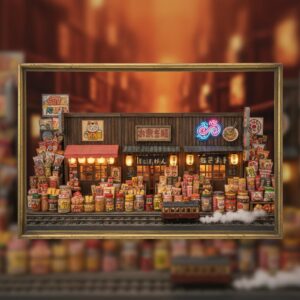
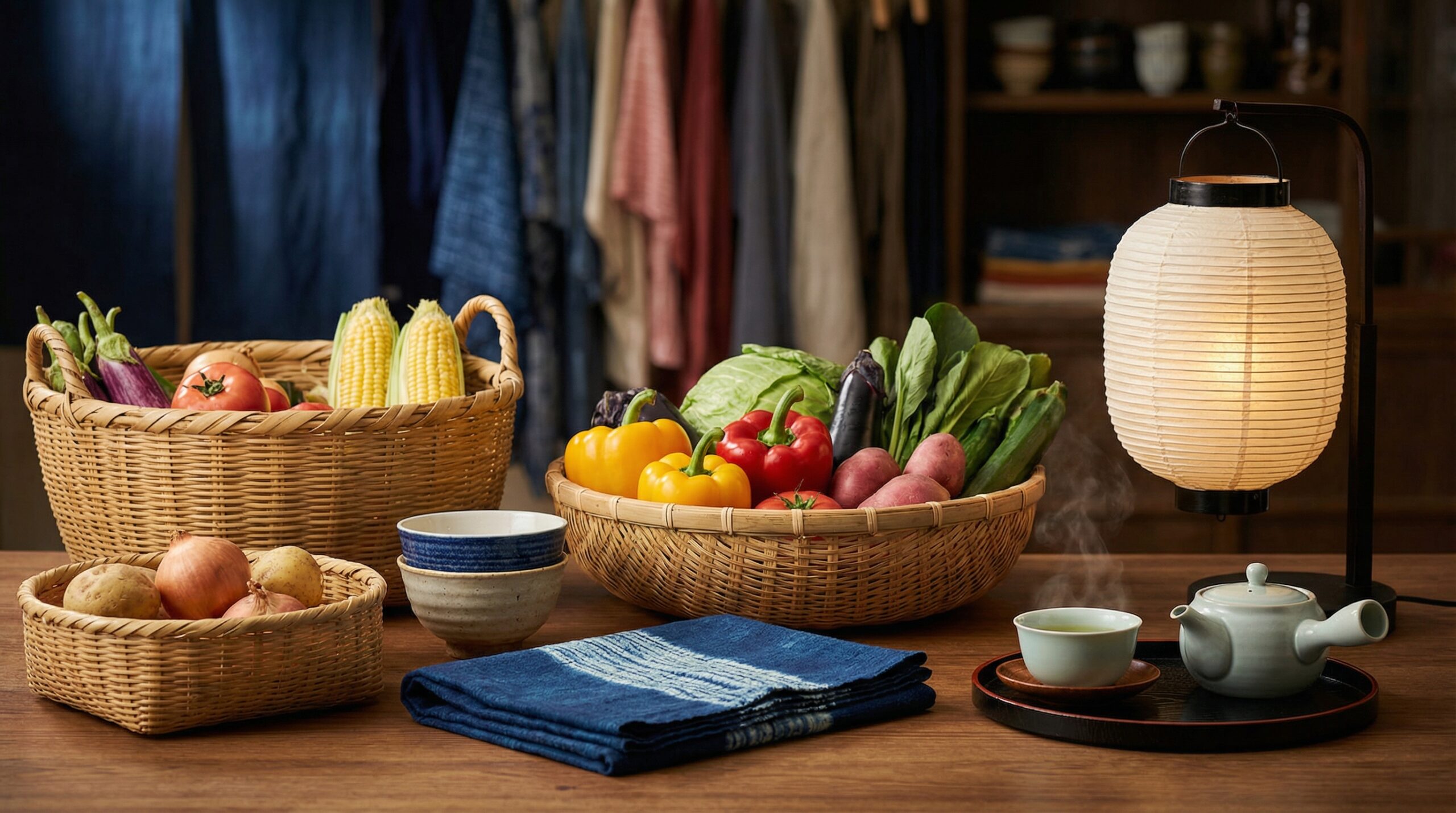
So what even is a shōtengai? The literal translation is “shopping street,” but honestly, that’s a massive understatement. It’s not a mall. It’s not a high street. A shōtengai is a living, breathing artery of a neighborhood, a place where grandmas with perms haggle for daikon radishes, where the air is thick with the scent of grilled eel and sweet soy sauce, and where the soundtrack is a mix of sizzling tempura, the cheerful shouts of vendors, and the clatter of bicycles. It’s the OG community hub, a throwback to the Showa Era—that mid-20th-century sweet spot of post-war optimism and analog charm—that somehow still thrives in the hyper-modern 21st century. This is where you experience Japan without the packaging, literally and figuratively. You can buy one single potato, a handful of freshly roasted tea leaves, or a piping hot croquette wrapped in a humble piece of paper. It’s a sustainable, human-centric way of life that’s a total mood. It’s time to ditch the tourist trail and get lost in these incredible retro corridors. Let’s go vibe check the realest spots in town.
If you’re captivated by this Showa Era charm, you’ll love exploring it further on Japan’s most nostalgic hiking trails.
What’s the Deal with Shōtengai? The OG Local Hub

Before teleporting to specific spots, let’s first unpack the entire shōtengai concept, since grasping it is essential to truly appreciating it. These aren’t just random clusters of shops; they are carefully curated ecosystems of daily life, born from necessity and community spirit. Many gained massive popularity after World War II, serving as the main hubs for commerce and social interaction before the rise of giant supermarkets, sprawling malls, and ubiquitous konbini (convenience stores). They were, and in many places remain, the neighborhood’s kitchen, pantry, and living room all in one.
The vibe itself is a distinctive aesthetic. Look up when you enter one—you’ll almost always find a grand archway proudly announcing the street’s name, a gate into its unique world. Most are covered arcades, which prove invaluable during Japan’s rainy season or blistering summer heat. Inside, the architecture is a charming blend of eras. Sleek, modern storefronts sit side by side with weathered wooden facades and hand-painted signs that have been around for fifty years. The old-school signboards, with their retro fonts and faded hues, carry an unmatched visual texture you won’t find in polished department stores.
But the true magic is sensory—it’s a full-body experience. The air carries a complex perfume of a dozen different foods cooking simultaneously. You’ll catch the savory, smoky aroma of yakitori chicken skewers grilling over charcoal, the sweet, comforting fragrance of daigaku imo (candied sweet potatoes) simmering in a giant vat of syrup, the sharp, salty scent of the sea from a fishmonger’s stall showcasing the morning’s catch on ice, and the earthy smell of freshly pickled vegetables stored in massive wooden barrels. And the sounds! It’s a symphony of commerce: “Irasshaimase!” (Welcome!), the universal greeting, ringing out from every shop. You’ll hear the rhythmic pounding of a mochi maker, the sizzle of oil as tempura fries, the friendly chatter between shopkeepers and regulars, and the gentle hum of a “mama-chari” bicycle loaded with groceries. This is the soundtrack of everyday Japan, and it’s absolutely unforgettable.
Tokyo’s Time-Slip Corridors: Can’t-Miss Shōtengai
Tokyo is a city full of endless contrasts, and nowhere is this more evident than in its shōtengai. Just a few train stops from the futuristic skyline of Shinjuku or the upscale avenues of Ginza, you’ll find these pockets of the past that feel like a world apart. These areas ground the city, bridging its high-tech present with a humble, human-scale history.
Yanaka Ginza: The Cat Lover’s Retro Haven
To experience the quintessential Showa-era shōtengai, Yanaka Ginza should be your first stop. No joke, this place is like stepping into a time machine. Located in the Yanaka district—an area that remarkably escaped WWII firebombings—the neighborhood boasts an old-world charm increasingly rare in Tokyo. The easiest way to get there is via the JR Yamanote Line to Nippori Station. From the west exit, a brief walk through the peaceful and historic Yanaka Cemetery (a stunning spot, especially during cherry blossom season) leads to a staircase. At the top of these “Yūyake Dandan” or “Sunset Steps,” you get the perfect, cinematic view of the entire 170-meter shopping street adorned with colorful signs, fluttering banners, and lively crowds. As the sun dips, the scene is bathed in a warm, nostalgic light—it’s a moment that feels truly special.
The atmosphere here is relaxed and genuine. It’s a true neighborhood street where locals shop daily, yet visitors are warmly welcomed. Besides the retro vibe, the main attraction is the street food, or tabe-aruki. You have to try the menchi katsu (deep-fried ground meat cutlet) from Niku no Suzuki. It’s a legendary local treat. Expect a line, but it’s definitely worth the wait—it’s crispy on the outside, juicy and flavorful inside, and amazingly inexpensive. It’s the perfect savory snack to fuel your exploration. Another must-try is the cat-tailed taiyaki from Yanaka Shippoya. Unlike the usual fish shape, these grilled cakes are shaped like a cat’s tail and come with various fillings—a cute tribute to the area’s famous feline residents.
Yanaka is indeed known for its cats. You’ll spot them lounging on rooftops, resting in shop windows, and roaming the street as if they own it. The whole shopping street embraces this theme, featuring cat-themed souvenirs, sweets shaped like cats, and cat motifs everywhere you look. It adds to the wholesome, charming vibe of the place. The shops themselves are treasures: a senbei (rice cracker) shop grilling snacks right in front of you, a tea merchant offering tastings of different brews, and tiny stores selling traditional crafts and sweets. Many shopkeepers are elderly, running family businesses passed down through generations—their warm smiles are an integral part of the experience. Visiting Yanaka Ginza is a full sensory and emotional reset, a reminder of life’s simple and beautiful pleasures.
Sugamo Jizo-dori: The “Grandma’s Harajuku” Vibe
Next, head to Sugamo. Exiting the Yamanote Line at Sugamo Station, you’ll arrive at Sugamo Jizo-dori Shōtengai, fondly nicknamed “Obāchan no Harajuku” or “Grandma’s Harajuku.” While Harajuku’s Takeshita Street is the heart of youth fashion and kawaii culture, Sugamo is where Japan’s seniors shop, socialize, and pray. But don’t be mistaken—this place is far from dull. It radiates a vibrant, wholesome energy that’s truly contagious.
The 800-meter-long street begins with Kogan-ji Temple, home to the cherished Togenuki Jizō statue. A central ritual involves washing parts of the statue with a small towel—people believe cleansing the section corresponding to an ailment on their own body brings healing. Seeing crowds patiently waiting to perform this act is a touching display of faith and tradition. Red is a signature color here—red banners, lanterns, and most notably, shops selling bright red underwear. Wearing red underwear is thought to bring good luck and health, and Maruji is the iconic store offering everything from briefs and boxers to shirts and belly warmers in vibrant red. It’s a quirky, fun souvenir unique to this area.
Sugamo’s food scene focuses on traditional comfort fare. A must-try is the shio-daifuku from Mizuno, a soft and chewy mochi filled with sweet red bean paste but featuring a distinct salty twist in the mochi itself. The sweet-and-salty combination is irresistibly delicious—soft, fulfilling, and deeply comforting. Another local specialty is daigaku imo, or “university potatoes,” deep-fried sweet potato chunks coated in a hard sugar glaze and sprinkled with black sesame seeds. Crispy, fluffy, sweet, and savory all at once, watching these made in a giant wok is food theater at its best.
Walking along Sugamo Jizo-dori offers a unique people-watching experience, celebrating a demographic often overlooked in modern Japan. The vibe is relaxed, the pace unhurried, and everyone seems genuinely happy. Shops cater to this crowd with traditional remedies, comfortable shoes, sensible clothing, and healthy foods like black sesame and honey. It provides a glimpse of a refined, mature side of Japanese culture—a truly soul-nourishing afternoon. It radiates major wholesome energy, and we are here for it.
Ameya Yokocho (Ameyoko): Ueno’s Controlled Chaos
Now for a complete change of pace. If Yanaka is a gentle, nostalgic ballad and Sugamo a comforting folk tune, Ameya Yokocho—or Ameyoko—is a high-energy punk rock anthem. Situated between Ueno and Okachimachi stations beneath the elevated JR Yamanote Line tracks, Ameyoko is an expansive, chaotic, and exhilarating open-air market. The atmosphere is loud, gritty, and unapologetically bold. It’s a sensory overload in the best sense.
Ameyoko’s origins trace back to the black markets that emerged just after WWII. Its name is said to derive either from “Ameya Yokocho” (Candy Store Alley), reflecting the rarity of sugar, or from “Amerika Yokocho,” a spot to get American goods from occupation forces. That hustler spirit endures. The market is a sprawling maze of stalls crammed under train tracks and along the street, with vendors loudly shouting deals, competing with the trains’ roar overhead—“Yasui yo, yasui yo!” (It’s cheap!), they call, calling you in.
The sheer diversity of goods is astonishing. One moment you’re browsing a fish stall selling giant tuna collars and live crabs; the next, you’re at a booth stacked with exotic spices from around the world. Shops offer Japanese tea and seaweed, bargain cosmetics, affordable sneakers, surplus military gear, and quirky imported snacks. The Choco-tataki-uri—a vendor chanting rhythmically while packing a bag of brand-name chocolates and selling it for a flat 1,000 yen—is a legendary Ameyoko street performance.
But for many, food is Ameyoko’s heart. It’s an international street food paradise. You can grab a juicy döner kebab, freshly fried Taiwanese chicken, or colorful tropical fruits on a stick. Seafood is especially notable, with stalls offering fresh oysters, sea urchin (uni), and scallops grilled with butter and soy sauce. Having kaisendon (a rice bowl topped with fresh sashimi) at a tiny eatery under the tracks is a quintessential Ameyoko experience—simple but unbeatable in quality and value.
Ameyoko is truly a melting pot. You’ll hear numerous languages, see diverse crowds, and feel an intense, kinetic energy unique to this place. It pairs perfectly with a visit to nearby Ueno Park, home to Tokyo’s top museums like the Tokyo National Museum and the National Museum of Nature and Science. Spend the morning immersed in culture, then dive into Ameyoko’s glorious chaos for lunch and shopping. It’s an ideal Tokyo day that highlights the city’s wide spectrum from high culture to grassroots grit.
Togoshi Ginza: The Longest Shōtengai King
For those wanting to venture even further off the tourist track to discover a shōtengai truly made by and for locals, Togoshi Ginza awaits. Located in Shinagawa Ward, it’s Tokyo’s longest shōtengai, stretching an impressive 1.3 kilometers and crossing three train stations: Togoshi Station on the Toei Asakusa Line, Togoshi-ginza Station on the Tokyu Ikegami Line, and a short walk from Osaki-hirokoji Station. This isn’t a brief blast of retro charm but an epic journey through the heart of a genuine Tokyo neighborhood.
The vibe here is utterly down-to-earth. It’s not touristy; it’s where locals come for daily groceries, haircuts, and picking up dinner after work. The street is an engaging blend of old and new. A Showa-era butcher shop that’s been open for 70 years sits alongside a trendy bubble tea stand. This mix gives the street a dynamic, lived-in character. Due to its length, various sections have distinct personalities: fresh food markets in one stretch, small restaurants and izakayas in another, and clothes and hardware shops farther along.
Togoshi Ginza is famous for one culinary specialty above all: korokke (croquettes). The street has fully embraced this, with many shops offering their own creative version of the fried potato patty. You can embark on a “korokke crawl” along the whole street sampling classics like beef and potato, creamy crab, cheese-filled, and more adventurous types such as gyoza korokke or the oden korokke from Goto Kamaboko-ten—a mind-bogglingly delicious fish cake and potato mashup. Tasting several varieties, each wrapped in butcher paper, as you stroll is the ultimate way to experience Togoshi Ginza.
Beyond croquettes, the street is a foodie’s dream. Fantastic bakeries, traditional Japanese sweet shops, and a karaage (Japanese fried chicken) specialist with national awards offer a rich variety. One of the joys of exploring Togoshi Ginza is the thrill of discovery: a tiny coffee roaster, an artisanal salt shop, or a friendly vegetable stand offering cooking tips. It rewards slow, curious exploration. While it lacks Yanaka’s dramatic sunsets or Ameyoko’s chaotic energy, Togoshi Ginza offers something arguably more valuable—a genuinely authentic, unfiltered glimpse of everyday Tokyo life. It’s the real deal.
Kansai’s Kitchens: Osaka and Kyoto’s Foodie Streets
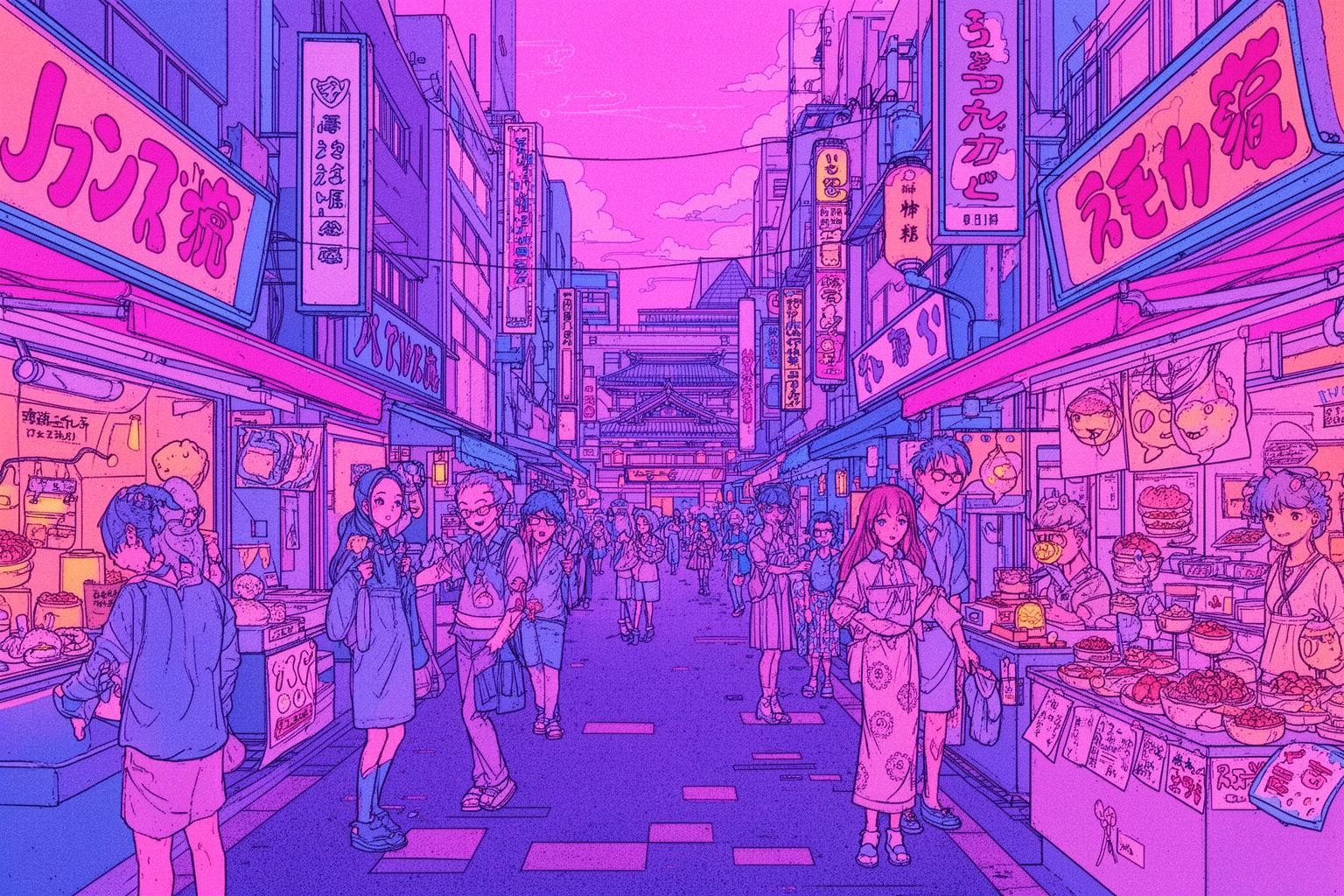
Leaving Tokyo behind, let’s board the Shinkansen and head down to the Kansai region, an area boasting its own unique culture, dialect, and culinary traditions. The rivalry between the Kanto (Tokyo) and Kansai (Osaka/Kyoto) regions is legendary, especially in the realm of food. Kansai’s shōtengai and markets proudly showcase this rich culinary heritage. Prepare yourself to indulge.
Tenjinbashisuji: Japan’s Longest Shōtengai Experience
If you thought Togoshi Ginza was long, think again. Osaka’s Tenjinbashisuji Shōtengai is the undisputed longest shopping arcade in Japan, stretching an astonishing 2.6 kilometers. This isn’t just a street; it’s an adventure. Fully covered, the arcade begins near Osaka Tenmangu Shrine and extends northward, passing multiple subway stations. Walking its entire length is a rite of passage—a marathon filled with eating, shopping, and soaking up the authentic Osaka atmosphere.
The vibe here epitomizes Osaka—loud, friendly, and a bit wild. Osakans are known for being more outgoing and open than Tokyoites, and you immediately feel their warmth on Tenjinbashisuji. Shopkeepers will strike up conversations, regulars banter across the arcade, and the whole area hums with lively communal energy. The street is divided into sections numbered from 1-chome to 7-chome, and the character shifts as you progress. You’ll encounter old-fashioned tea shops and kimono stores, then step into zones teeming with casual standing bars, pachinko parlors, and takoyaki stalls.
And the food—this is Osaka, the city of kuidaore, or “eat until you drop.” Tenjinbashisuji is a kuidaore paradise where eating takoyaki (battered octopus balls) is both a legal and moral obligation. Seek out a stand with a long line of locals—that’s your cue. Watching the experts expertly flip the batter in special cast-iron pans is mesmerizing. When served, they’re piping hot, crisp on the outside, gooey inside, and topped with savory-sweet sauce, Japanese mayo, and dancing bonito flakes. Perfect. You’ll also discover outstanding okonomiyaki (savory pancakes), kushikatsu (deep-fried skewers), and sushi so affordable and delicious it will make you rethink your life choices. The Nakamura-ya croquette shop is another iconic spot on this street, famed for its simple, flawless korokke that attract long lines.
Exploring Tenjinbashisuji is about savoring the journey. Don’t rush. Start at one end and let your curiosity guide you. Pop into a tiny knife shop, browse a 100-yen store, or sip coffee at a nostalgic Showa-era kissaten (coffee shop). It’s a vibrant slice of Osaka life in all its chaotic, delicious glory.
Kuromon Ichiba Market: Osaka’s Premier Food Destination
While Tenjinbashisuji serves as an everyday shopping street, Kuromon Ichiba Market is Osaka’s special occasion pantry. Situated near Nippombashi Station, this 600-meter covered market functions less as a neighborhood shōtengai and more as a dedicated fresh food market, but its energy and focus on street food make it a must-visit. For over a century, it has been known as “Osaka’s Kitchen,” where the city’s top chefs and discerning home cooks source the finest ingredients.
The atmosphere here is somewhat more polished and tourist-friendly than in the past, but the produce quality remains impeccable. The stars are fresh seafood and premium wagyu beef. As you stroll through, your senses will be heightened. Vendors grill enormous king crab legs and giant prawns right before your eyes. Stalls display trays of gleaming bright orange sea urchin, freshly shucked oysters the size of your palm, and marbled slabs of Kobe beef. The best part? You don’t just look—most vendors cook their offerings on the spot.
This is the ultimate venue for a gourmet street food crawl. Enjoy a skewer of perfectly grilled wagyu that melts in your mouth, buttery rich fresh tuna belly (toro) sashimi, or a grilled scallop crowned with uni. It’s indulgent and can be pricey, but it’s an unforgettable culinary journey. Besides the highlights, stalls also offer exceptional tsukemono (Japanese pickles), various tofu products, and exquisite seasonal fruits. The strawberry mochi (ichigo daifuku) from fruit stands here is a masterpiece. Kuromon Ichiba celebrates Japanese ingredients at their finest—a food lover’s theme park where you can see, smell, and savor the best of Osaka.
Nishiki Market: Kyoto’s Four-Century-Old Culinary Hub
Crossing over to Kyoto, the ancient capital, you’ll find a market with a distinctly different atmosphere from Osaka’s boisterous energy. Nishiki Market, or “Nishiki Ichiba,” is a narrow, covered arcade spanning five blocks that has been the heart of Kyoto’s culinary world for more than 400 years. The vibe is more refined, historic, and focused on the unique ingredients that define Kyoto’s elegant Kyo-ryori (Kyoto cuisine).
The history is tangible as you stroll through. Many of the over one hundred shops and stalls have been family-run for generations. The storefronts often display their goods with an artistic touch that embodies Kyoto’s aesthetic. This isn’t just a market; it’s a living museum of Japanese food culture. Known as “Kyoto’s Kitchen,” it’s the destination where everyone—from Michelin-starred chefs to local households—sources the highest quality seasonal ingredients.
The food here offers a deep dive into the local palate. One must-try is tamagoyaki, a rolled Japanese omelet. At Miki Keiran, you can enjoy a freshly made, slightly sweet, dashi-infused omelet on a stick—warm, fluffy, and deeply comforting. Another Nishiki specialty is tako tamago, a tiny candied octopus stuffed with a cooked quail egg. It looks unusual, but its sweet and savory flavor is surprisingly addictive. Nishiki is also ideal for exploring the vast variety of Japanese pickles, or tsukemono, offering everything from pickled daikon and cucumber to more exotic types, many with free samples.
Other Nishiki highlights include yuba (fresh tofu skin), a delicacy in Kyoto’s vegetarian Buddhist cuisine (shojin ryori), alongside Kyoto-style sweets and rice crackers. Aritsugu, a knife shop in operation since the 16th century, is legendary among professional chefs worldwide. Even if you’re not buying a premium kitchen knife, watching the craftsmen at work is captivating. Navigating the narrow, often crowded Nishiki Market requires patience, but it’s a gratifying experience that connects you directly to the deep, sophisticated food culture of Japan’s ancient capital.
Your Shōtengai Game Plan: Pro-Tips for a Major Slay
Alright, you’re excited and ready to jump in. To ensure your shōtengai adventure is a perfect 10/10 experience, here are a few pro tips to keep in mind. Think of this as your cheat sheet for exploring these retro shopping streets like a local.
Bring Cash
First things first: cash is king. Although Japan is becoming more credit card-friendly, many small, family-run shops and food stalls in shōtengai still accept only cash. It’s part of their old-school charm. Trying to pay for a 100-yen croquette with a credit card is a major vibe killer. Stop by an ATM before you head out and make sure to carry a mix of coins and small bills. This will make transactions smoother and shows respect for how these businesses have operated for decades.
Tabe-aruki (Eating While Walking) Etiquette
This one’s very important. In Japan, walking while eating is generally considered rude. While the practice of tabe-aruki (literally “eating while walking”) is a key part of the shōtengai experience, there’s a right way to do it. The proper etiquette is to buy your food, then step aside or find a designated eating spot to enjoy it. Stand still while eating. This helps prevent bumping into others or making a mess, and keeps the often-crowded streets clean. Once finished, dispose of your trash properly. Many shops provide bins for their wrappers, or you can hold onto your trash until you find a public bin (which can be scarce, so be prepared to carry it a bit).
Arrive Hungry & Bring a Reusable Bag
This should go without saying, but it’s worth repeating: don’t eat a big meal before visiting a shōtengai. The entire experience is about grazing—sampling a little bit of this and that. An empty stomach is your greatest advantage. You’ll want room for menchi katsu, shio-daifuku, and grilled squid on a stick. It’s a snacking marathon, so pace yourself. Also, embrace the package-free ethos by bringing your own reusable shopping bag. If you plan to buy groceries or souvenirs, a tote bag is eco-friendly and super convenient. You’ll look like a seasoned local.
Learn a Few Phrases
Nobody expects fluency, but mastering a few basic Japanese phrases will elevate your experience from good to great. Shopkeepers appreciate the effort, and it opens the door to warmer interactions.
- Kore o kudasai: (This one, please.) — Point and say this to order.
- Ikura desu ka?: (How much is it?)
- Oishii!: (Delicious!) — Say this with a big smile after tasting something. It’s the ultimate compliment.
- Arigatou gozaimasu: (Thank you – polite)
- Gochisousama deshita: (Thank you for the meal) — A polite phrase to say to vendors after finishing your food.
A little effort goes a long way, and connecting with the people who make these streets so special is a big part of the magic.
The Soul of the City: Why Shōtengai Still Matter

In an increasingly homogenized world, where the same global brands can be found in every major city, shōtengai serve as a powerful and essential counterbalance. They stand as a vibrant, living testament to the significance of local culture, community, and human connection. These streets are more than just charming tourist spots or remnants of a past era; they are vital, thriving parts of their neighborhoods, continually adapting and persevering despite fierce competition from corporate giants.
When you buy a rice cracker from a third-generation shop owner or pick up a bunch of spinach from a local farmer’s stall, you’re doing more than just making a purchase. You’re engaging in a cycle of community support that has sustained these neighborhoods for decades. You’re choosing a more sustainable, package-free way of shopping that links you directly to the food you consume and the people who grow it. You’re stepping away from the impersonal, transactional nature of modern retail and entering a world where commerce is personal—where a simple shopping trip can become a chance for a friendly conversation and a shared smile.
These time-warped corridors are the city’s soul, holding the stories, flavors, and memories of generations. They are lively, occasionally a bit grimy, and always, always authentic. So on your next visit to Japan, I challenge you to skip the department store, stray from the main road, and get wonderfully, joyfully lost in a shōtengai. Discover your new favorite snack, chat with a warm-hearted grandma, and experience the true, rhythmic heartbeat of Japan. It’s a feeling you won’t soon forget.