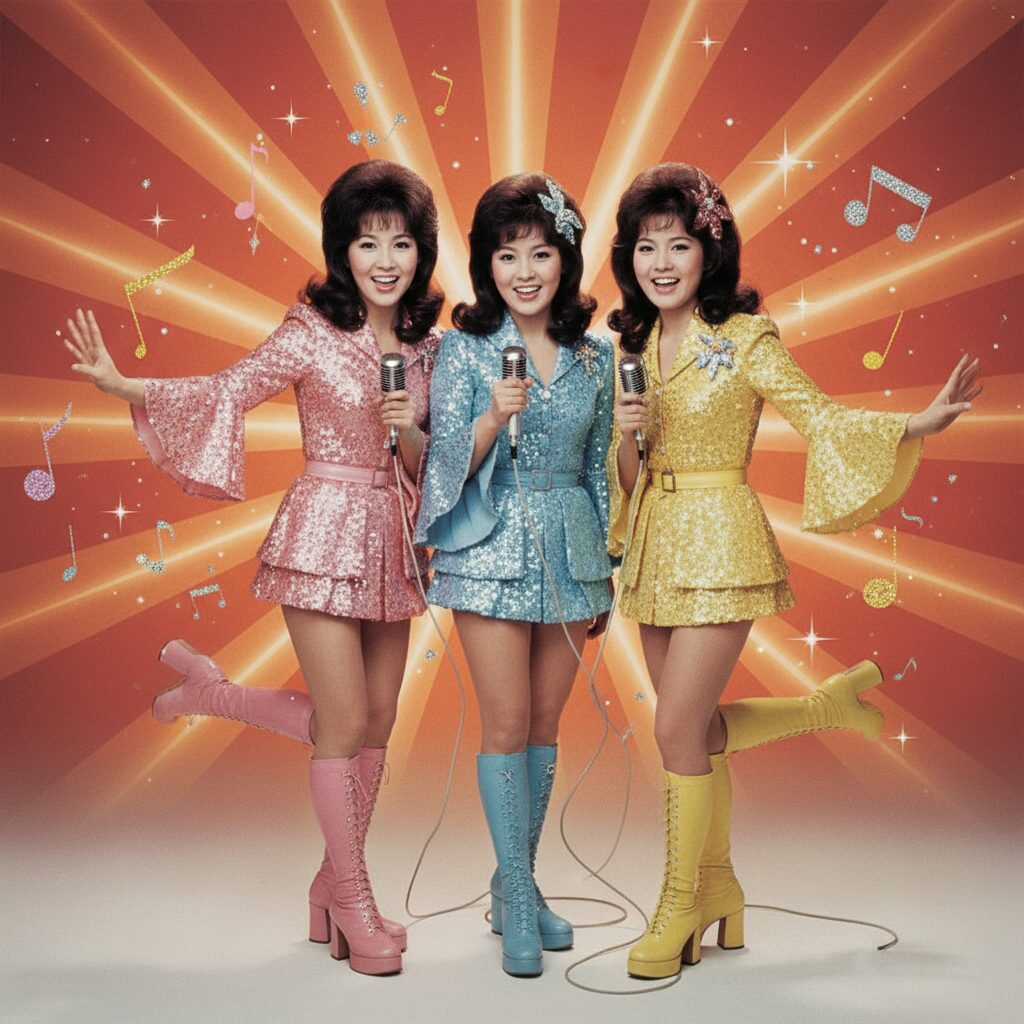
You’ve felt it, right? You’re deep into a late-night YouTube or TikTok scroll, and suddenly, the algorithm serves you a vibe. It’s a song from, like, 40 years ago, with a grainy, pastel-hued video of a Japanese girl with fluffy hair, a frilly dress, and a voice that’s pure sunshine. The track slaps. It’s funky, it’s dreamy, it’s unbelievably catchy. You look at the comments, and it’s a global chorus of “Why does this feel so nostalgic for a time I never lived in?” and “The algorithm knows me better than I know myself.” Welcome, bestie. You’ve just stumbled into the glittering, high-energy, and low-key bizarre universe of 80s Shōwa Idols. This isn’t just some retro trend; it’s a legit cultural wormhole into Japan’s most outrageously optimistic and wealthy era—the Bubble Economy. It was a time when Tokyo felt like the center of the universe, and these idols were its smiling, singing, impossibly perfect princesses. But why does this specific flavor of pop culture have such a chokehold on us now? What’s the tea behind the timeless kawaii and pop style that feels more relevant than ever? It’s more than just cute outfits and catchy tunes. It’s a whole manufactured reality that tells you everything you need to know about Japan’s dreams, its anxieties, and why things are the way they are today. Before we dive deep, let’s ground ourselves in a place where this past is still very much present, a paradise for retro hunters: Nakano Broadway in Tokyo, a maze-like mall where you can still find the vinyl records, glossy photo cards, and vintage merch of these Shōwa legends.
To truly understand this era’s enduring aesthetic, it’s worth exploring how other iconic elements, like the timeless 1960s train, have also become a permanent part of Japan’s cultural mood.
The Vibe Check: What Was the 80s Shōwa Idol Scene Even About?
So, let’s clarify one thing. When discussing an “idol” in the context of 1980s Japan, you need to discard the Western notion of a pop star. Forget the image of a rebellious, self-writing artist who pours their soul into a record—that’s not the model here. The Shōwa idol was something entirely different. They were a product, a project, a carefully crafted fantasy produced by powerful talent agencies and record labels. Their main role wasn’t just to sing; it was to be a universally beloved personality, a living, breathing piece of media who could be seamlessly integrated into every aspect of Japanese life. This was the golden age of television, and idols were its essential fuel. Consider this: a single idol could release a hit single, star in a TV drama, host a variety show, appear in multiple commercials ranging from instant noodles to air conditioners, and feature on numerous magazine covers—all within the same week. They were unavoidable, a constant, comforting presence in every household. This cross-platform saturation was intentional. It created a level of fame that’s hard to grasp today, even with social media. They were national icons, their triumphs and setbacks becoming nationwide conversations.
More Than Music: The Idol as a Complete Package
The entire idol system was founded on the idea of the “complete package.” Music was important, certainly, but it was only one part of a broader brand identity. Agencies like Johnny & Associates (for boys) and Sun Music Production (for girls) weren’t simply seeking incredible singers. In fact, strong vocal skills were often secondary. They were searching for a specific kind of raw talent: a young, cute, charismatic teenager with a compelling story. The classic narrative was the “girl-next-door” discovered and striving relentlessly to achieve her dream. This story of effort and growth was crucial. Fans weren’t just purchasing a song; they were emotionally investing in the idol’s journey. They wanted to support them, watch their progress, and feel involved in their success. This ties deeply into a key Japanese cultural concept called ganbaru, the spirit of doing one’s best despite challenges. Idols were the ultimate expression of ganbaru.
Their images were painstakingly crafted. You had the pure, innocent type (seijun-ha), the slightly rebellious yet still relatable type (tsuppari), the energetic and sporty type, and more. Every detail of their public persona—from hairstyle and catchphrase to preferred food and blood type (a major personality indicator in Japan)—was part of the official mythology created by the agency. They were barred from dating, following the ren’ai kinshi jōrei rule, preserving the fantasy that they were available and devoted entirely to their fans. Any misstep or scandal could instantly end a career. It was a high-pressure, high-stakes environment. This created a fascinating duality: on screen, they shone as beacons of joy and perfection, but behind the scenes, it was a grueling, competitive industry. This tension—the divide between the flawless public image and the human reality—is part of what makes the era so intriguing in retrospect.
The Sound That Hits: City Pop and Idol Kayōkyoku
Now, let’s dive into the music, since it’s the gateway for many people discovering this era. The sound dominating the 80s idol scene is often broadly grouped with City Pop, and there’s significant overlap. City Pop is a sophisticated, urban genre influenced by American soft rock, AOR, funk, and disco, characterized by polished production, intricate arrangements, and an overall vibe of breezy metropolitan cool. The Shōwa idol sound, or Idol Kayōkyoku, combined these high production standards with lyrics and melodies tailored to the idol’s persona. The result was magical.
This wasn’t cheap, bubblegum pop. Major labels invested enormous sums—fueled by Japan’s booming economy—into these productions. They employed top-tier talent: legendary lyricists like Takashi Matsumoto, acclaimed composers such as Kyohei Tsutsumi and Tetsuji Hayashi, and elite studio musicians who also shaped iconic City Pop sounds for artists like Tatsuro Yamashita and Mariya Takeuchi. This was the secret ingredient. The music was richly layered, featuring lush strings, tight horn sections, funky basslines, and sparkling synthesizers. It treated pop with the seriousness of jazz or fusion.
The range of sounds was vast. On one side was Seiko Matsuda, the eternal idol queen, whose early hits were bright, effervescent pop filled with lyrics about first love and summer breezes. Songs like “Aoi Sangoshō” (Blue Coral Reef) captured pure sunshine, the soundtrack to the era’s boundless optimism. On the other side was her supposed rival, Akina Nakamori, who projected a moodier, more dramatic, and mature image. Her songs explored heartbreak and betrayal, delivered with powerful emotional vibrato. Tracks like “Desire (Jōnetsu)” had a darker, more intense energy, a deliberate contrast to Seiko’s sweetness. The public was obsessed with their rivalry, constantly comparing their sales, styles, and personas. Together, they embodied the two poles of the 80s female idol scene: light and shadow, sun and moon. Their dynamic defined the decade and showcased the incredible artistic range possible within the idol framework.
The Look: Serving Timeless Kawaii & Pop Aesthetics
The visual identity of the Shōwa idol is just as iconic as the music itself, playing a significant role in the current revival. The fashion, hairstyles, and makeup all came together to form a powerful aesthetic that was both aspirational and easy to emulate. This look wasn’t merely about being attractive; it was a carefully crafted language conveying youth, innocence, and trendy sophistication that deeply resonated with the Japanese public, especially young women. It served as a visual symbol of the era’s carefree spirit, and looking back, it feels like a time capsule of pure, unfiltered pop joy. The influence of these styles is evident everywhere today, from runway shows to the feeds of fashion influencers, proving that this particular style of retro chic is truly timeless.
The “Seiko-chan Cut” and Fashion That Still Slays
In the 80s, hair was everything, and no hairstyle was more influential than the “Seiko-chan cut.” When Seiko Matsuda appeared on the scene, she sported a short, feathered, side-parted hairstyle that quickly became iconic. It was cute, fresh, and relatively easy to maintain. Almost overnight, countless girls across Japan rushed to salons, photo of Seiko in hand, requesting the exact same style. It became the signature hairstyle for a generation of young women. It was more than just a trend; it was a cultural uniform signifying that you were modern, cute, and in the know. The impact one idol could have on national beauty standards was immense. As the decade went on, hairstyles evolved as well. Voluminous perms, high side-ponytails, and bold bangs became the norm, all reflecting the “bigger is better” spirit of the Bubble Era.
Fashion was a vibrant blend of hyper-feminine cuteness and emerging trendy influences. Early in the decade, the look was very sweet and innocent. Idols on stage often wore frilly, multi-layered dresses in pastel shades, resembling real-life dolls. The sailor-style school uniform (serafuku) was also a popular motif, evoking nostalgic images of pure and youthful girlhood. But as the 80s progressed and the economy flourished, fashion became more sophisticated and cosmopolitan. Broad, padded shoulders—a global signature style of the era—appeared in idol costumes. Bright, bold primary colors replaced soft pastels. Sleek, body-conscious silhouettes and influences from high-fashion European brands became common. Idols turned into walking billboards for the latest trends, showing them off on music shows and in fashion magazines like An An and Non-no. They were the ultimate influencers before the term existed. What keeps this fashion feeling so fresh is its inherent optimism and playfulness. It’s not cynical or overly deconstructed; it’s simply fun, colorful, and unapologetically feminine—a combination that feels like a breath of fresh air today.
The Original “Kawaii”: More Than Just Cuteness, It’s a Vibe
You can’t discuss 80s idols without mentioning kawaii. The word translates to “cute,” but that’s a huge oversimplification. In the context of Shōwa idols, kawaii was a complex, performative aesthetic. It wasn’t just about looking cute; it was about acting cute. It was a carefully cultivated persona of approachable, non-threatening, and slightly vulnerable femininity expressed in everything they did. They spoke in a slightly higher-pitched voice, struck signature poses like puffing out their cheeks or tilting their heads, and their handwriting—often seen in messages to fans—featured a rounded, childlike style known as maru-moji.
This performance of kawaii was a deliberate strategy designed to evoke protectiveness and affection from the audience, a concept later defined as moe in anime and manga fandom. By appearing innocent and a bit clumsy, they became relatable and endearing. They weren’t untouchable goddesses; they were girls you wanted to support and cheer on. This stood in stark contrast to many Western pop stars of the same era, like Madonna or Cyndi Lauper, who challenged traditional gender roles with overt sexuality and rebellion. The Japanese idol industry largely went in the opposite direction, doubling down on a very specific, idealized form of girlhood. This wasn’t about female empowerment in the Western sense; it was about mastering a culturally resonant version of femininity. Understanding this is key to grasping the core appeal of the Shōwa idol. They were selling a fantasy—a fantasy of pure, innocent, and endlessly charming kawaii energy. It was a safe, comforting ideal in a rapidly changing world, and its ability to captivate audiences was, and remains, undeniable.
The System Behind the Sparkle: Why It All Worked
The overwhelming dominance of the Shōwa idol phenomenon was no coincidence. It emerged from a powerful, flawlessly coordinated media and industry machine designed to generate and maintain nationwide fascinations. In the pre-internet era, media operated as a centralized, top-down system, enabling talent agencies, television networks, and record labels to collaborate with remarkable efficiency. They constructed a self-contained ecosystem with idols at its core, where every component worked to promote and market these idols to a captivated national audience. To grasp the idols’ influence, one must understand the all-encompassing, potent system that elevated them. It was a masterstroke in marketing, media synergy, and mass-producing stardom on an industrial scale.
The Media Machine: Television, Magazines, and the Nationwide Obsession
In 1980s Japan, television reigned supreme. With only a few major networks, a hit show could attract staggering ratings, with tens of millions watching the same program simultaneously. This fostered a powerful, shared cultural experience nearly impossible to replicate today. Central to this were the prime-time music ranking shows, or ongaku bangumi. Programs like “The Best Ten” and “Yoru no Hit Studio” were national benchmarks, airing lavish, live weekly performances by the era’s biggest stars showcasing their latest hits. Securing a spot on these shows was the ultimate ambition for any idol. As live broadcasts, they demanded idols sing, dance, and engage in brief interviews with hosts, all while maintaining an impeccable appearance under intense pressure. Rankings on these shows—based on record sales, radio airplay, and fan requests—were a national pastime, with families gathering around the TV to see if their favorite idol reached number one.
This television presence was relentless. Beyond music shows, idols appeared in TV dramas, often portraying characters similar to their public images. They served as panelists on game shows and hosts of variety programs, alongside starring in commercials. Companies paid handsomely for popular idols to endorse products, knowing their image alone could boost sales significantly. This constant exposure transformed idols from mere singers into familiar faces, almost like family members. Complementing this was an entire print media industry centered on them. Magazines such as Myojo and Heibon were essential reading for teenage fans, filled with glossy photos, “candid” interviews (carefully managed by agencies), and personal details that added to the idols’ mystique. They offered fans a tangible connection, collectible and cherished. This mutually reinforcing relationship between television, print, and music industry formed an inescapable loop of fame.
The Fan Culture: From “Okkake” to Early “Wota” Styles
The idol system wouldn’t have thrived without an extremely passionate and organized fanbase. The 80s fans were pioneers of what modern idol fandom has become. Their dedication extended far beyond just buying records. At concerts and TV tapings, one would witness the Ōendan, organized cheering squads typically composed of young men. Wearing matching custom coats (happi) bearing their idol’s name, they performed synchronized and intricate chants and calls during songs. This practice, evolving into modern wotagei, served to show collective support and energize performances, becoming a spectacle in itself.
Outside the concert halls, a culture of collecting flourished. Vinyl records were only the beginning. The most coveted items were bromide, small wallet-sized photos of idols. Fans bought them in large quantities, hoping to collect their favorite images. There was also a vibrant market for posters, calendars, sticker books, and virtually every imaginable piece of merchandise. For the most devoted fans, this wasn’t enough. They became known as okkake, fans who literally chased their idols, tracking their schedules, waiting outside TV studios, and following tour buses, all in hopes of catching a brief glimpse of their favorite star. Though it may seem extreme, such devotion was nurtured by the industry itself. This fervent fan activity fueled the entire system. Fan clubs offered direct communication (and revenue), and the fans’ visible enthusiasm energized TV shows and live events. They were not merely passive consumers but active creators of the idol phenomenon. Their passion, money, and energy powered the entire glittering machine at full throttle.
The Shōwa Glow Fades: What Happened and Why the Vibe Endures
Like all golden ages, the Shōwa idol era inevitably came to an end. The bubble couldn’t keep expanding indefinitely. As the 80s gave way to the 90s, a series of profound economic and cultural transformations fundamentally shifted Japan’s national mood and, with it, the type of entertainment people desired. The steadfast optimism that had powered the idol phenomenon dissipated, replaced by feelings of uncertainty and introspection. The glittering, polished perfection of the 80s idol began to feel outdated, disconnected from the new reality. Yet, decades later, the culture born from that bubble has surged back, captivating a new global audience. The reasons behind this resurgence are complex, reflecting as much about our present as they do about Japan’s past.
The Bubble Bursts and the Idol Winter
The official end of the Shōwa era came with Emperor Hirohito’s passing in January 1989. This symbolic shift to the Heisei era coincided with a harsher, material transition: the bursting of Japan’s asset price bubble. Stock markets tumbled, real estate values collapsed, and the nation entered a prolonged phase of economic stagnation known as the “Lost Decade.” The extravagant, money-no-object mindset of the 80s disappeared. The national psyche shifted from boundless confidence to anxiety and austerity. This change had enormous cultural repercussions. The bright, carefree idol pop songs suddenly seemed empty. Public musical tastes shifted away from manufactured pop toward what was seen as more “authentic” artistry.
This era is often labeled the Idol Fuyuki no Jidai, or the “Idol Winter Age.” Major prime-time music ranking shows were cancelled one after another. The idol-centric model gave way to the rise of “J-Pop.” Artists like the rock band B’z, pop-rock group Mr. Children, and superstar producer Tetsuya Komuro with his roster of dance-pop acts came to dominate the charts. These musicians wrote their own songs, cultivated more mature and realistic images, and sold millions of CDs. The classic 80s-style idol, with her frilly dresses and innocent persona, seemed a relic of a bygone era. Although new idol groups did emerge—such as the giant AKB48 in the 2000s—they followed a different approach focused more on niche fandoms and direct fan interactions like handshake events. The age of the idol as a universal national sweetheart, adored by everyone from children to grandparents, had ended.
The Retro Revival: Why We’re All Listening to City Pop on Repeat
If the idol winter was so harsh, why is the 80s aesthetic so popular now? The answer lies in a perfect blend of technology, psychology, and genuinely great art. The first and most obvious trigger was the YouTube algorithm. Around the mid-2010s, for reasons still debated among internet historians, the algorithm began aggressively recommending Mariya Takeuchi’s 1984 track “Plastic Love” worldwide. The song—with its melancholic lyrics and irresistibly funky groove—became a viral hit. It served as a gateway. “Plastic Love” opened the door to the entire City Pop genre and, by extension, the world of Shōwa-era pop culture. People drawn in by the music stayed for the broader aesthetic.
This leads to the second factor: a new form of nostalgia. For many, it isn’t a personal remembrance of a time they lived through but a phenomenon sometimes called anemoia—a nostalgia for a past never experienced. The 80s in Japan represent a kind of lost future. It was an era of immense technological innovation and economic power, a moment when Japan seemed destined to lead the world. That future—a techno-orientalist vision of flying cars and utopian cities—never fully arrived. The era’s aesthetic—the neon-lit Tokyo streets, sleek designs of Walkmans and Trinitron TVs, and the optimistic gloss of the music—serves as a portal to that lost feeling of boundless possibility. In today’s climate of global uncertainty, climate anxiety, and political division, escaping into that seemingly simpler, more confident past is deeply appealing—a form of cultural comfort food.
Finally, the vibe endures because it’s genuinely top-notch. The music, as noted, was crafted with remarkable skill and large budgets. It remains musically rich and satisfying. The fashion is a treasure chest of bold, playful, and well-executed ideas that designers and trendsetters continue to draw inspiration from. The era’s entire visual language perfectly suits image-driven social platforms like Instagram and TikTok. A grainy photo of Seiko Matsuda or a vintage TV performance clip is instantly shareable, visually appealing, and packed with a sense of cool, retro discovery. The Shōwa idol phenomenon wasn’t meant to last forever, but the quality of its art and the power of the fantasy it created were so strong that it has found a second life—digitally resurrected for a world yearning for a touch of their unfiltered, analog joy.
So, What’s the Real Deal with 80s Shōwa Idols?
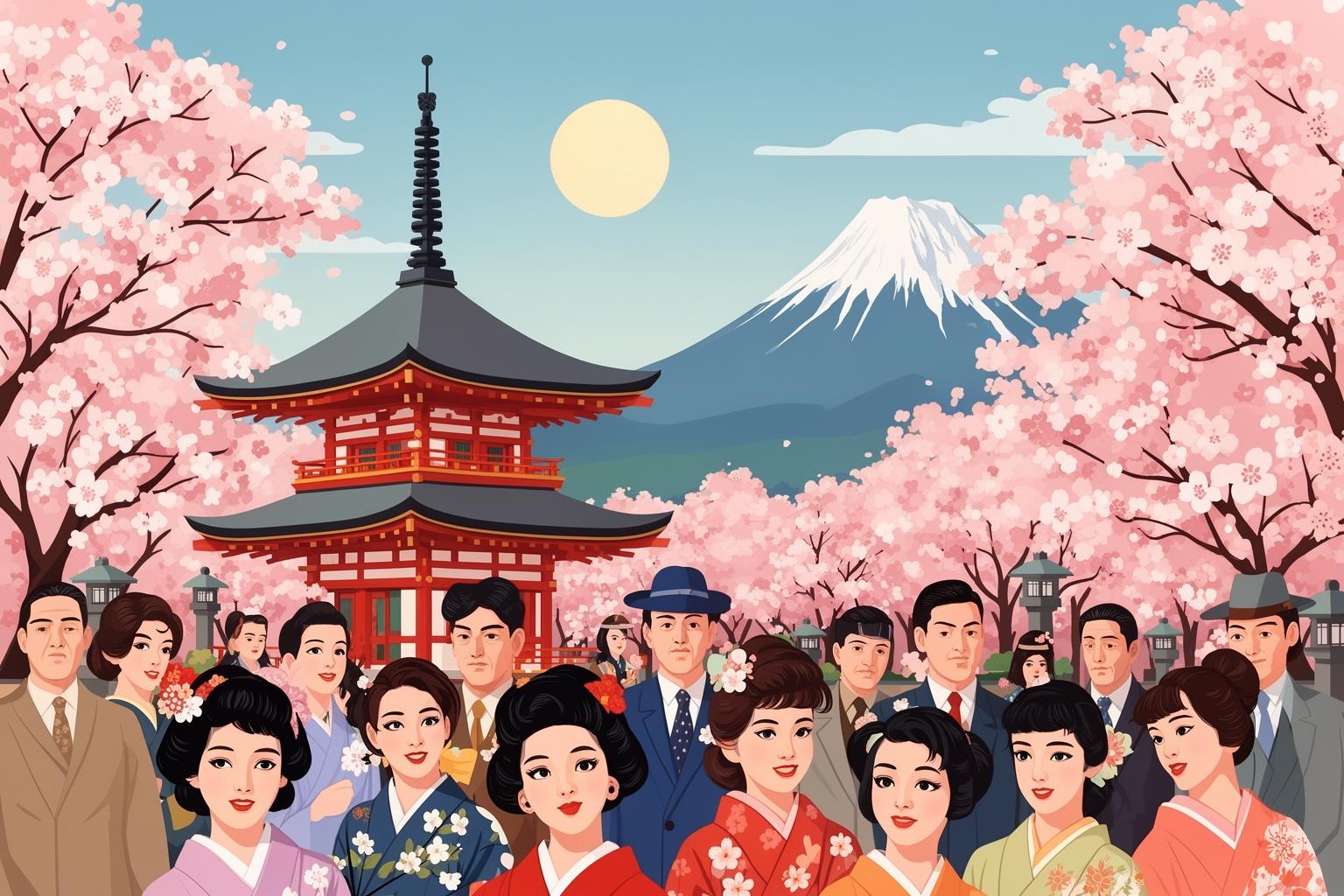
So, after diving into the rabbit hole, what’s the ultimate takeaway? The 80s Shōwa idol phenomenon is far more than just kitschy retro nostalgia. It stands as a vital cultural artifact, a sparkling mirror reflecting the peak of Japan’s postwar confidence. To truly grasp why these idols mattered—and why they’re experiencing such a huge revival—is to understand the spirit of a nation during its most extravagant, optimistic, and arguably defining modern decade. They weren’t merely singers; they were the smiling faces of “Japan Inc.,” symbols of a country that believed it had finally arrived on the global stage. They were carefully crafted products designed for mass appeal, embodying a fantasy of perfection in an ever-improving world.
The entire ecosystem—the agencies, the TV shows, the magazines, the devoted fans—was a distinctly Japanese creation, a cultural feedback loop generating a level of fame and public obsession that’s hard to imagine today. It was a monoculture, where the whole nation could unite in the joy of a number one hit or the drama of a manufactured rivalry. The idols were the protagonists in Japan’s national narrative.
The lasting appeal, the reason we’re still vibing to these tunes 40 years later, isn’t just about the funky basslines or the big hair. It’s because the Shōwa idol aesthetic delivers a pure, unfiltered dose of optimism. It’s a time capsule from a world that genuinely believed in a brighter future—an era before the internet, before economic stagnation, before the tangled complexities of modern life. Listening to a Seiko Matsuda track or watching an old clip of Akina Nakamori on “The Best Ten” feels like connecting with that energy. It’s a reminder of a different reality, one that was shinier, simpler, and unapologetically joyful. It’s a vibe, a feeling, a fantasy of a past that seems more like the future we were meant to have. And in a world that often feels bleak, that burst of retro sunshine—no matter how manufactured—still truly and completely slaps.