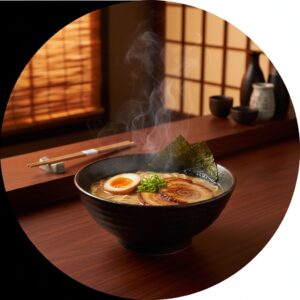
There’s a specific kind of magic that hums in the air of Japan after midnight. The last trains have shuddered to a halt, the neon signs of the city blur into a watercolour painting against the rain-slicked streets, and a quiet descends. It’s in this stillness that a certain craving begins to stir, a yearning not just for food, but for comfort. For me, a mum wrangling two little adventurers through the glorious chaos of Tokyo, this craving often leads back to one place: a steaming, deeply personal bowl of instant ramen. But not just any instant ramen. We’re talking about a bowl that’s a time machine, a direct portal to the Heisei era—that period from 1989 to 2019 that feels both impossibly recent and charmingly retro. It was the age of chunky video game consoles, dial-up internet screeches, and a cultural mood that swung between vibrant optimism and quiet introspection. Capturing that vibe in a bowl is about more than just adding hot water; it’s a ritual, a craft, a tiny act of culinary rebellion against the day’s demands. It’s about transforming a simple block of dried noodles into a vessel of pure, unadulterated nostalgia. This isn’t just a late-night snack; it’s a cultural deep-dive into the heart of everyday Japanese life, a taste of the cozy, analogue warmth that defined a generation. So, let’s dim the lights, put on some city pop, and unlock the secrets to crafting the ultimate Heisei-inspired instant ramen, a masterpiece you can create in the smallest of kitchens, anywhere in the world.
For more on the cultural significance of this instant ramen culture, check out our related article.
The Philosophy of a Single Packet

Before we even consider boiling water, it’s important to recognize that instant ramen in Japan is much more than just ‘student food.’ It stands as a cultural icon. Created by the legendary Momofuku Ando in the post-war period to address food shortages, it became a symbol of Japanese ingenuity, resilience, and accessible deliciousness. By the time the Heisei era arrived, instant ramen had transformed. It was no longer merely a survival staple; it turned into a form of expression. The economy experienced booms and busts, and throughout these turbulent decades, the humble ramen packet remained an enduring, affordable comfort. It fueled late-night study marathons, quick meals before second jobs, and offered a warm embrace to lonely souls after long days. The Heisei era brought the emergence of ‘gourmet’ instant ramen, featuring intricate liquid soup bases, non-fried noodles that resembled fresh ones, and refined flavor profiles inspired by renowned ramen shops in Sapporo and Hakata. Still, there was a strong affection for the simple, classic tastes—the straightforward shoyu, the soothing miso. To embrace the Heisei retro spirit is to acknowledge this dual nature. It’s about appreciating the possibility of artistry in an inexpensive meal, and understanding that the ritual of preparing it, adding personal touches, lifts it from mere convenience to a personal ceremony. It becomes a quiet act of self-care, a moment devoted to crafting something fulfilling and complete, just for yourself, in the peaceful solitude of your kitchen. It serves as an analogue counterpoint to our hyper-digital age, a nostalgic reminder of when small, tangible pleasures were the highest luxury.
The Sacred Hunt: Navigating the Aisles of Flavour
Your journey to Heisei nirvana begins beneath the fluorescent lights of a Japanese supermarket or within the dazzling, chaotic aisles of a 24-hour emporium like Don Quijote. The towering wall of instant ramen can be breathtaking—a vibrant mosaic of colorful packaging promising untold delights. Forget the limited choices of your home country’s supermarket aisle. Here, it’s a library of flavors, and you are the scholar. To choose wisely, you must grasp the fundamentals.
Packet vs. Cup: The Eternal Debate
At first, you’ll notice two main formats: the plastic-wrapped rectangular packet and the styrofoam or paper cup. The cup epitomizes convenience—perfect for a salaryman’s quick lunch at his desk. It stands on its own merits, but for our Heisei retro project, we focus on the packet. The packet is an invitation to engage. It requires a pot, a stove, and a bowl. It asks for a few minutes of your time and, in return, delivers superior noodle texture and a deeper connection to the cooking process. It’s the difference between listening to a song on your phone and placing a vinyl record on a turntable. Both provide the music, but one offers a richer, more intentional experience.
The Anatomy of a Noodle
Not all noodles are made equal. The most common type is fried, giving them a longer shelf life and a distinctive, satisfying flavor. They cook quickly and absorb the broth beautifully. These are the classic, no-fuss noodles we all remember. However, the Heisei era also brought the age of non-fried noodles. These air-dried varieties often have a texture and chew remarkably close to fresh ramen. Brands like Nissin’s ‘Raoh’ or Maruchan’s ‘Seimen’ are renowned for this style, delivering a restaurant-quality experience at home. For a true retro feel, classic fried noodles like Sapporo Ichiban are ideal, but for a taste of late-Heisei gourmet innovation, non-fried noodles make a fantastic choice. The shape of the noodle matters too—some are thin and straight like Hakata-style ramen, others thick, wavy, and yellow like Sapporo-style. The shape influences how much broth clings to each strand, fundamentally altering the eating experience.
Decoding the Broth
The soul of ramen is its broth. Flavor packets have evolved from simple powders to complex sachets containing liquid concentrate, aromatic oils, and dehydrated toppings. Here are the foundational flavors you’ll encounter:
- Shoyu (Soy Sauce): The classic Tokyo-style flavor, a clear brown broth that is savory, tangy, and deeply comforting—like a reliable old friend.
- Shio (Salt): Don’t be misled by the simple name. Shio broth is light and delicate yet incredibly complex, often made with chicken or seafood stock and infused with umami from ingredients like kombu (kelp). It offers a clean, refined taste.
- Miso: Originating from the cold northern island of Hokkaido, miso ramen is rich, robust, and nutty. The fermented soybean paste lends incredible depth and a slightly thicker consistency that coats noodles perfectly—it’s a true winter warmer.
- Tonkotsu (Pork Bone): The king of rich broths. From Fukuoka in Kyushu, tonkotsu is created by boiling pork bones for hours until they break down, producing a creamy, opaque, and intensely savory soup. Instant versions are food science marvels, capturing that luxurious mouthfeel in a packet.
Choosing your broth base is a mood. Do you want the familiar comfort of shoyu or the hearty embrace of miso? The choice sets the stage for the masterpiece ahead.
The Art of Elevation: Toppings Make the Masterpiece

This is where we move beyond the packet instructions and step into the artist’s domain. A simple bowl of instant ramen is fine, but a Heisei-style bowl offers a rich variety of textures and flavors. The aim is to introduce elements that bring freshness, richness, crunch, and visual interest. This isn’t about being overly elaborate; it’s about being intentional. Let’s craft our perfect bowl from the ground up.
The Essential Trinity
In my view, three toppings form the foundation of a truly exceptional homemade ramen bowl. They transform a mere snack into a satisfying meal.
The Ideal Jammy Egg (Ajitsuke Tamago)
A ramen bowl isn’t complete without an egg boasting a firm, seasoned white and a soft, custard-like yolk. It looks impressive but is surprisingly easy to make with some foresight. Prepare them a day or at least a few hours in advance. Bring a small pot of water to a rolling boil. Gently lower eggs (straight from the fridge) into the water—the cold-to-hot shock helps the shell peel off later. Boil for exactly six and a half to seven minutes—no less, no more. This precise timing yields the perfect jammy yolk. While boiling, prepare an ice bath— a bowl filled with ice water. As soon as the timer ends, transfer the eggs immediately with a slotted spoon to the ice bath to halt cooking and preserve the liquid yolk. Let them cool completely, then peel carefully under running water. For the marinade, combine equal parts soy sauce and mirin (sweet rice wine) with a little water to dilute (roughly 2:2:1 ratio) in a small jar or ziplock bag. Submerge the peeled eggs fully in the marinade and refrigerate for at least four hours, ideally overnight. When serving, slice one lengthwise to reveal the vibrant yolk. The salty-sweet marinade infuses the white perfectly, complementing the rich broth.
The Fresh Bite of Green Onion (Negi)
Never underestimate the impact of a simple green onion. It brings essential freshness and a gentle sharpness that cuts through the broth’s richness. Proper preparation is key. Slice as thinly as possible using a sharp knife. Wash thoroughly, then cut on a sharp diagonal for elegant, fine slivers, or slice straight across into tiny rings. Consistency and fineness matter. Some prefer soaking the cut onions in cold water for a few minutes to mellow the flavor and add crispness. Sprinkle generously over the finished bowl right before serving. The bright green color is visually striking, and the fresh, aromatic crunch is indispensable.
The Savory Shortcut: Store-Bought Chashu
While traditional slow-braised chashu pork belly takes hours, the Heisei home cook embraced smart shortcuts. Most Japanese supermarkets sell pre-cooked, pre-sliced chashu in the refrigerated section—a true game-changer. These slices are tender, flavorful, and ready to use. Warm them gently in a pan for a minute to enhance flavor and caramelization, or simply lay them in the empty bowl and pour the hot broth over them. The soup’s heat warms them through, adding extra pork richness to the broth. Two or three slices arranged neatly atop the noodles bring a satisfying, savory depth that makes the meal feel truly hearty.
Taking It Further: Expanding Your Topping Range
With the holy trinity secured, feel free to experiment by adding varied textures and flavors that complement your broth.
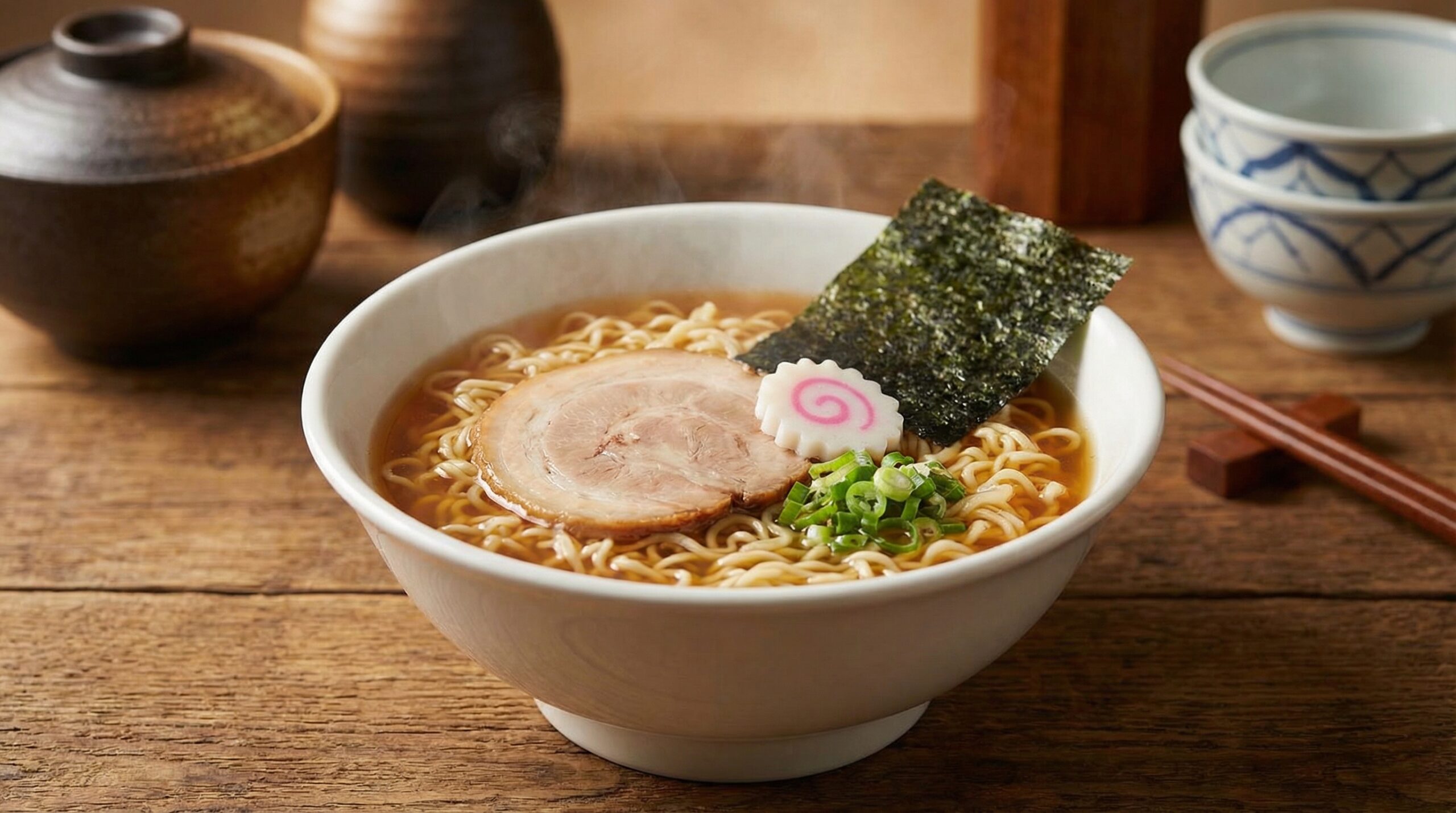
- Crispy Nori (Seaweed): Small rectangular sheets of toasted nori perched on the bowl’s edge offer a delightful, brittle crunch and oceanic umami. As they soften in hot broth, they add flavor. It’s a classic topping for good reason.
- Crunchy Menma (Fermented Bamboo Shoots): A ramen staple, these seasoned bamboo shoots come in jars or vacuum packs with a unique, crunchy texture and mildly sweet, savory taste. They provide great contrast to soft noodles.
- Iconic Narutomaki (Fish Cake): That white slice with the pink swirl adds pure retro charm. It’s mildly fishy and slightly chewy but makes a strong visual statement, instantly saying “ramen” and adding playful whimsy.
- Hokkaido-Style Corn and Butter: Especially wonderful with miso or shio ramen, a spoonful of sweet canned corn (drained) and a generous pat of unsalted butter melted into the hot soup create a creamy, luxurious richness complemented by sweet bursts of corn flavor. Decadent, comforting, and deeply satisfying.
- A Touch of Bean Sprouts (Moyashi): For freshness and volume, blanch a handful of bean sprouts briefly—about 30 seconds—then drain. You want them warm but still crisp, adding bright freshness and making the bowl feel more abundant.
- A Slice of Melty Cheese: It may sound odd, but trust me—a single slice of processed cheese from a burger pack melted on hot noodles is a beloved guilty pleasure in Japanese home cooking and student fare. It enriches the broth with creamy, salty depth, especially great with spicy or miso ramen.
- A Kick of Kimchi: Reflecting Korean culinary influence during the Heisei era, a spoonful of spicy, tangy kimchi adds an exciting acidic and spicy contrast to rich broth. The crunchy cabbage and heat from gochugaru transform a simple bowl into something vibrant and thrilling.
The Ritual of Creation: Assembly and Presentation
The final step is assembly, which should be done with intention and speed—ramen waits for no one. If you linger, the noodles will become soggy.
Start by selecting your vessel. A proper ramen bowl, or donburi, makes a significant difference. Choose one that is deep and wide enough to hold the broth and noodles comfortably while showcasing your toppings like the art they truly are.
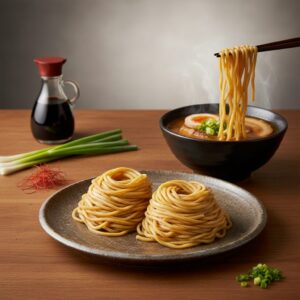
Follow the packet instructions precisely for the amount of water, using a measuring cup. Too much water weakens the broth; too little makes it overly salty. Bring the water to a strong boil in your pot, then add the block of noodles. Gently separate them with chopsticks as they cook. Here, you can take control—if the packet says three minutes, consider pulling them out at two and a half. This is known as katame, or firm. The noodles will keep cooking in the hot broth once in the bowl, so removing them slightly early guarantees a perfect al dente texture until the last bite.
A pro tip: if your ramen includes a liquid soup base and a separate aromatic oil packet, do not add them to the pot while cooking the noodles. Instead, squeeze the contents into the empty ramen bowl. After the noodles are cooked, pour a bit of the hot noodle water into the bowl and whisk with chopsticks to fully dissolve the soup base. Then add the remaining water and noodles. This method ensures the broth emulsifies perfectly and preserves the delicate aroma of the oil, which boiling could damage. If you have a powder packet, add it at the end of cooking in the pot—but be sure to turn off the heat before stirring it in.
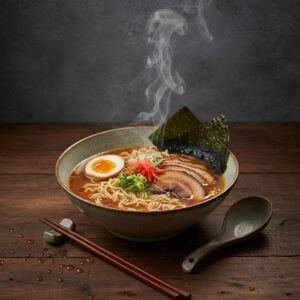
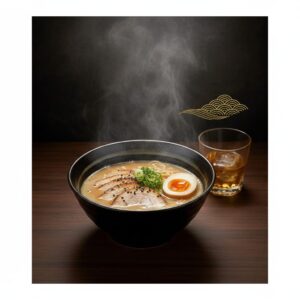
Finally, plating. Use your chopsticks to lift and arrange the noodles neatly in the broth. Then, place your toppings thoughtfully, like a painter composing a scene. Position the halved egg with yolk facing up, fan out the slices of chashu, create a small pile of bean sprouts, and a tidy mound of green onions. Lean the nori sheets against the bowl’s side. Aim for balance and beauty. The finishing touch? A swirl of chili oil (rayu) or a sprinkle of shichimi togarashi (Japanese seven-spice blend) for added warmth and complexity.
Capturing the Vibe: More Than Just a Meal

Your perfect bowl of Heisei retro ramen is now ready. But to truly complete the experience, you need to set the mood. This isn’t a meal to be hurriedly eaten standing at the sink. It’s a moment of quiet indulgence. Put your phone away. Find a comfortable spot. Perhaps you play a classic Heisei-era anime on a small screen—something like Neon Genesis Evangelion or the enchanting scenes of a Studio Ghibli film. Or maybe you simply listen to the gentle hum of the fridge and the sound of rain outside. Your drink of choice might be a cold, crisp Japanese beer, a sweet and fizzy canned chuhai, or just a soothing mug of roasted barley tea (mugicha). What matters most is the feeling—a sensation of the world slowing down, of creating a small pocket of time that belongs solely to you. It’s the steam rising to fog your glasses, the comforting weight of the warm bowl in your hands, the first perfect slurp of chewy noodles and savory broth. It’s a multi-sensory experience of comfort and nostalgia, a taste of a particular time and place, lovingly recreated in your own home.
That simple packet of instant ramen is far more than just its humble beginnings. It’s proof that with care and creativity, the most basic ingredients can be transformed into something truly special. It’s a connection to the quiet, everyday moments of life in Japan, and a reminder that sometimes, the most meaningful culinary experiences aren’t found in expensive restaurants, but in a lovingly prepared bowl savored in the peaceful solitude of a late night.