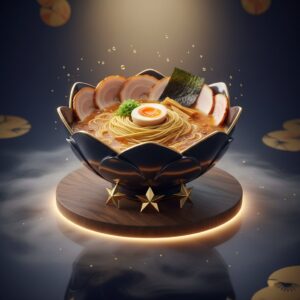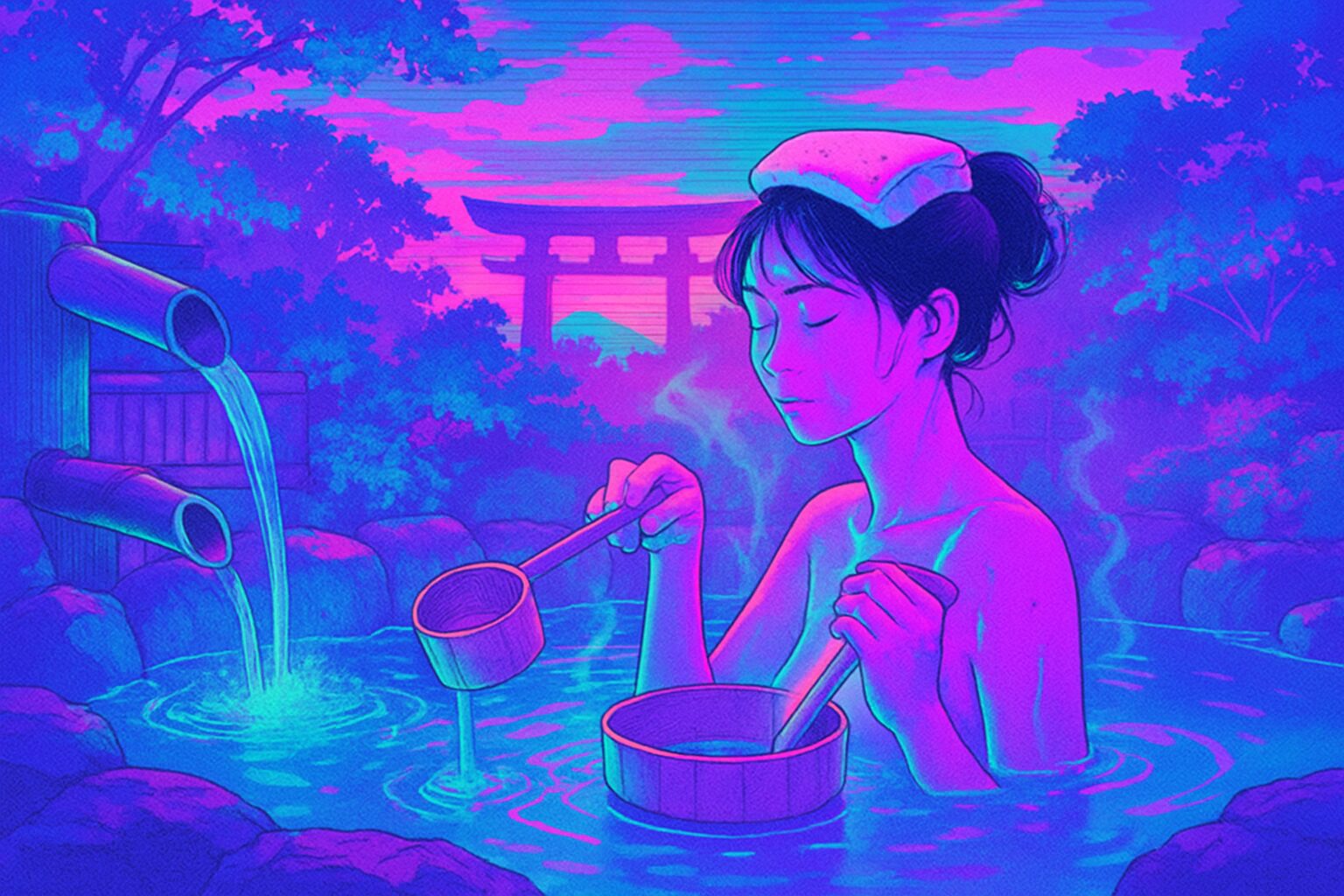
There exists in Japan a ritual so deeply satisfying, so perfectly attuned to the rhythms of the body and soul, that it borders on the sublime. It’s a secret handshake shared by salarymen after a long day, by students after exams, and by families on a lazy weekend. It’s a two-part symphony of rejuvenation and reward, a cultural combo that isn’t advertised in glossy travel brochures but is practiced devotedly in the quiet backstreets of every city. This is the sacred journey from the steamy sanctuary of the sentō, the neighborhood public bath, to the humble counter of a ramen shop for a soul-affirming bowl of noodles. This is the art of the soak and the slurp.
To the uninitiated, it might seem like a simple sequence of events: you take a bath, then you eat dinner. But to understand this pairing is to understand a fundamental aspect of Japanese daily life—the pursuit of small, perfect moments of bliss. It’s about washing away the fatigues of the world in mineral-rich, piping-hot water, achieving a state of blissful, clean-slate exhaustion, and then filling that purified vessel with something utterly, unashamedly delicious. It’s a cycle of release and replenishment that resets the spirit. It’s the feeling of being profoundly cared for, first by the therapeutic waters of the bath, and then by the hearty embrace of a perfectly crafted bowl of ramen. Before we dive into the steam and the broth, let’s get our bearings. This ritual isn’t confined to one place, but thrives in neighborhoods rich with local life, places where community is still woven into the fabric of the streets.
For those who find their bliss in the great outdoors, this same spirit of replenishment can be found in the perfect pairing of solo camping and a hot bowl of ramen under the night sky.
The Art of the Soak: Demystifying the Japanese Sentō
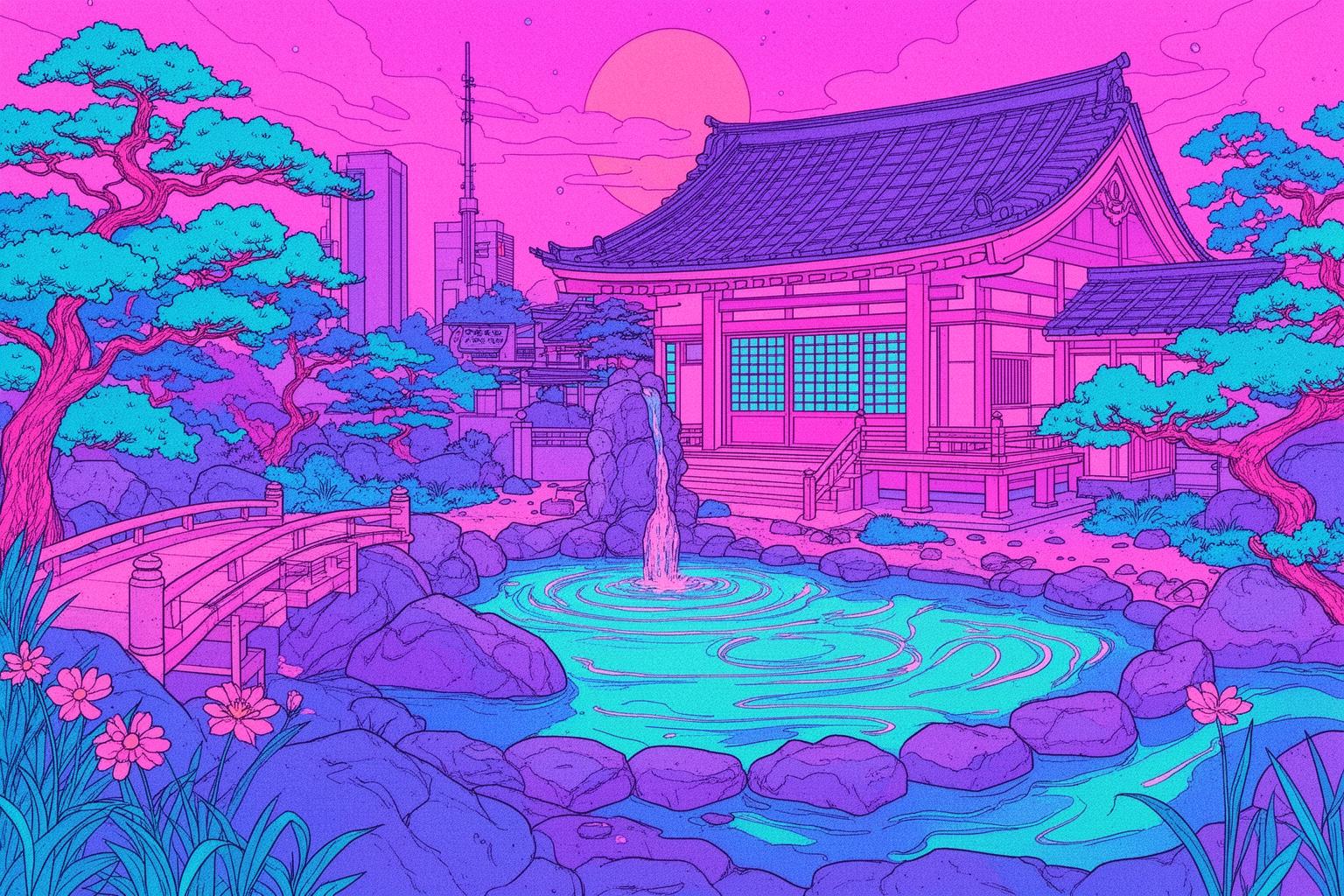
Before one can slurp, one must first soak. The Japanese public bath, or sentō, is far more significant than its simple English translation implies. It’s not just a place to get clean; it serves as a communal living room, a secular temple for the body, and a foundational pillar of neighborhood life that has persisted for centuries. Having studied the rich traditions of bathing culture throughout East Asia, I view the Japanese sentō as a distinctive evolution—a ritual that is both profoundly communal and deeply personal.
Its roots date back to the Buddhist temples of the Nara period (710-794), where steam baths known as yuyas were created for monks as part of purification ceremonies. Over time, this practice extended to the general public, and by the Edo period (1603-1868), the sentō had become an essential feature of urban living. Since most homes lacked private baths, the local sentō was where people of all ages and social classes gathered—not only to wash, but to chat, unwind, and build community ties. This history is tangible the moment you step into a traditional bathhouse. You aren’t simply entering a facility; you are joining a living tradition.
The sensory journey begins before you even see the water. First, you’ll notice the noren—fabric curtains hanging over the entrance, often dyed a rich indigo blue and marked with the character for hot water, ゆ (yu). Parting these feels like stepping into another realm. Inside, the initial sounds are the gentle clatter of wooden shoe lockers (getabako) and the warm, if occasionally gruff, greeting from the attendant seated on a raised platform called a bandai. From there, the paths split: red or pink curtains for women (女), blue or purple for men (男).
Within the changing room, or datsuijo, the mood is serene and purposeful. Wicker baskets or lockers await your clothes. Regulars move with a calm, practiced grace, folding their garments meticulously—a silent testament to years of this ritual. The air is warm and humid, carrying a subtle, clean scent of soap and cedar. This space embodies vulnerability and equality; once clothes and status are shed, everyone becomes simply a bather.
Now arrives the most crucial aspect of sentō etiquette, a rule grounded in the principle of shared space: you must wash yourself thoroughly before entering the communal baths. This is non-negotiable. Find an empty washing station—typically a low stool in front of a faucet and shower head—and scrub away the day’s dirt. The small towel you bring serves this purpose. Washing itself is a ritual, preparing the body for the main event. Observing the locals, you’ll notice it is done with careful, methodical attention.
Once perfectly clean, you are ready for the tubs, the ofuro. This is where the magic unfolds. The heart of most sentō is a large, deep tub filled with water heated to a precise, often intense, temperature. The initial plunge can be a shock to the system, a burst of intense heat that soon gives way to a profound sensation of release as your muscles relax. Many traditional sentō feature a grand mural on the wall above the bath, most famously depicting Mount Fuji. Soaking beneath the watchful image of this iconic peak, even if painted, adds cultural depth and a touch of the sublime to the experience.
Beyond the main bath, you may encounter various other aquatic options. A nuruyu bath holds lukewarm water, ideal for longer, meditative soaks. Jet baths, or denki-buro, employ water jets to massage your back and shoulders. For the adventurous, there’s the denki-buro, a bath infused with a low-level electric current that creates a tingling, buzzing sensation believed to relieve muscle aches. And nearly always, there is the mizuburo, the cold plunge pool. The true artistry of Japanese bathing often involves alternating between the searing heat of the main bath or sauna and the shocking cold of the mizuburo. This practice, known to invigorate circulation and awaken the senses, leaves you feeling extraordinarily alive, skin tingling, mind sharp and clear. This is the state of yu-agari, the post-bath glow. Your body feels heavy with relaxation, yet your spirit remains light and completely refreshed. It is in this purified, blissful state—wrapped in a towel in the datsuijo and perhaps sipping a cold bottle of fruit milk, a classic post-sentō treat—that a new, primal sensation emerges: a deep, genuine hunger.
Primed for Perfection: Why Ramen Follows the Bath
The shift from the tranquil, steamy world of the sentō to the pursuit of ramen is more than just a change of setting; it is both a physiological and psychological necessity. After being warmed, cleansed, and invigorated, the body is ideally prepared for a particular kind of nourishment. This is where an analytical view uncovers the brilliance of this pairing. A hot bath—especially one involving a sauna or alternating between hot and cold tubs—is akin to a workout. You sweat, losing not only water but also vital salts. Your blood vessels expand, your metabolism ramps up, and your muscles, now relaxed, signal a need for sustenance. The body doesn’t merely desire food; it craves it—specifically salt, carbohydrates, and rich, savory flavors.
And what better answer to this craving than ramen? A bowl of ramen serves as a masterclass in replenishment. The broth, a complex, slowly simmered creation, is packed with umami and salt, replenishing what was lost through sweat. The noodles supply a quick and satisfying dose of carbohydrates to refuel fatigued muscles. The toppings—fatty slices of chashu pork, a protein-rich soft-boiled egg, and various vegetables—come together to form a complete, nourishing meal. It is a culinary solution to a biological demand, a combination so natural it seems as if crafted by a wise nutritionist.
Yet the connection goes beyond mere physiology. It is a cultural ritual of reward. In a society that values hard work and perseverance, the sentō-ramen duo is a deeply personal and accessible luxury. It is a way of saying otsukaresama—a versatile Japanese phrase meaning roughly “thank you for your hard work” or “you’ve earned a rest.” After a grueling day at the office, a physically demanding job, or even the mental strain of a stressful week, this ritual provides a full sensory reset. The bath cleanses both external grime and internal fatigue, and the ramen fills the resulting void with warmth and comfort.
There is also a beautiful balance of contrasts at work. The sentō experience centers on purification and subtraction—shedding dirt, stress, and clothing, leaving you feeling light and clean. The ramen shop, by contrast, is about addition and indulgence—adding rich broth, savory toppings, and hearty noodles to your body. It is a slightly “sinful” pleasure that feels well deserved after the virtuous purity of the bath. This exquisite balance—between clean and rich, calm and lively, release and reward—elevates the combination beyond a simple meal to a truly holistic experience. You leave the ramen shop not just satisfied, but whole.
A Symphony in a Bowl: Navigating the World of Post-Sentō Ramen
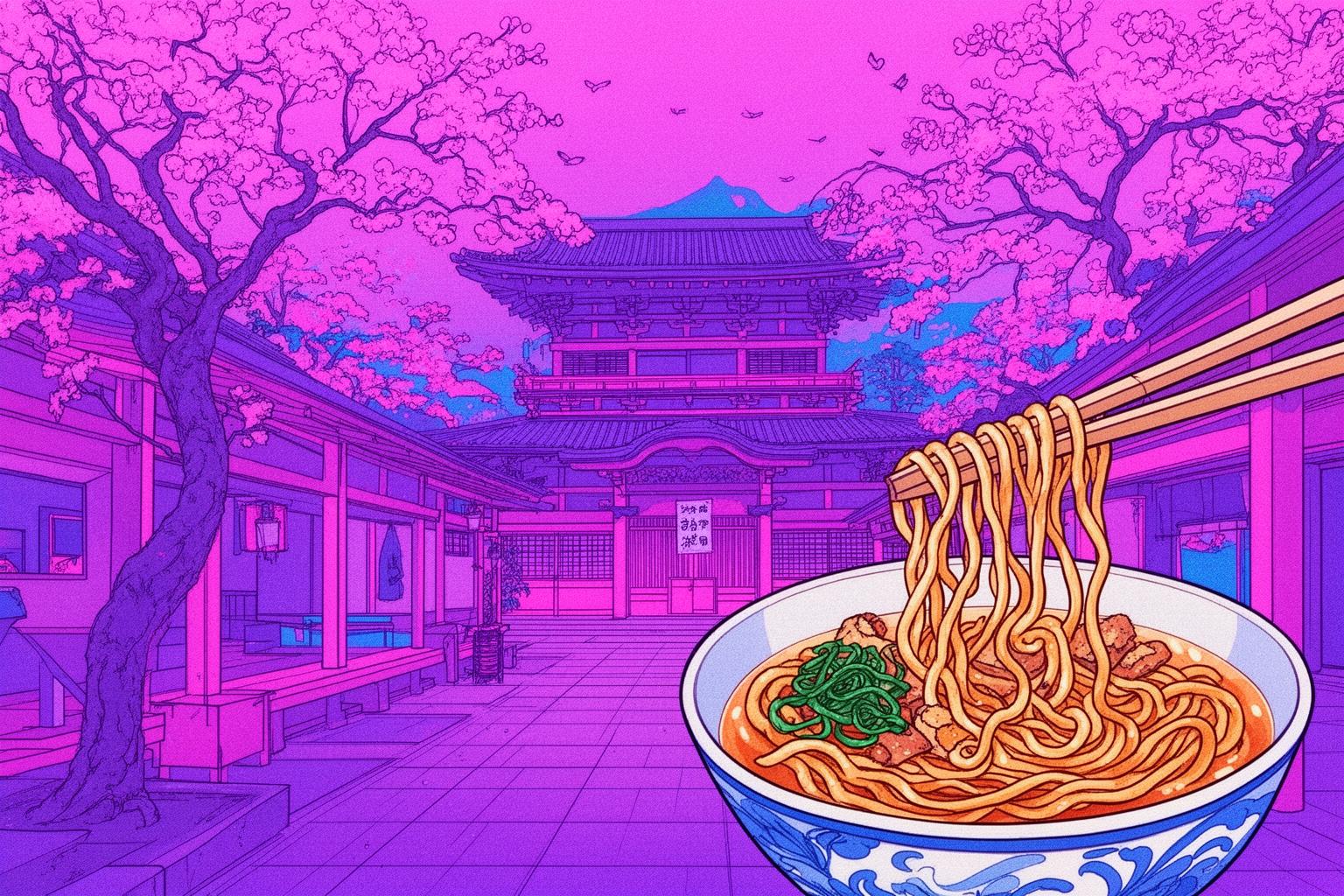
Stepping out of the sentō, your skin still warm and tingling, the cool night air feels electric. You find yourself in a heightened state of awareness, your senses primed for the next act. The destination is the local ramen-ya, a place that, in its own way, serves as a sanctuary just like the sentō. However, the atmosphere is markedly different. Whereas the sentō offered a space of quiet reflection, the ramen shop is a vibrant theater buzzing with focused energy.
Opening the door, you’re greeted by a wave of warm, savory air, thick with steam infused with the aromas of pork, soy sauce, and simmering kombu. These shops are often small and narrow, centered around a counter that provides a front-row seat to the chef’s craft. The sounds form a lively rhythm: the clank of bowls, the vigorous shaking of noodles being drained, the sizzle of toppings, and the communal, appreciative slurping of patrons. The space serves a singular purpose: to create and enjoy the perfect bowl of ramen.
For first-timers, ordering can feel like a charming puzzle. Many traditional ramen shops use a kenbaiki, or ticket machine. Covered in buttons and pictures of various dishes, you insert your cash, make your choice, and receive a ticket to hand to the chef. This efficient system reduces interaction and allows the staff to focus on the meal. Don’t be intimidated; take your time, and if uncertain, the largest button usually represents the house specialty.
The menu—whether on a machine or on paper—presents a delightful dilemma: which ramen best complements your post-bath glow? The choice is personal, though certain pairings seem almost destined.
Shio (Salt-based) Ramen: Perhaps the purest form of ramen, this clear, light-colored broth seasoned with salt shines through its subtlety. The flavor is clean and delicate, highlighting the quality of the base stock—be it chicken, pork, or seafood. After a sentō soak, a bowl of shio ramen feels like a continuation of that purification. It’s nourishing and satisfying without heaviness, ideal for those who want to extend the sense of lightness and clarity.
Shoyu (Soy Sauce-based) Ramen: The quintessential Tokyo-style ramen, this classic is the comforting choice many Japanese consider the default. The savory, clear brown broth gets its deep flavor from the soy sauce tare. It strikes a perfect balance between complexity and drinkability. Enjoying shoyu ramen after a bath is like coming home: nostalgic, familiar, and deeply comforting—a warm, savory hug in a bowl that meets the body’s craving for umami and salt.
Miso Ramen: Originating from the cold northern island of Hokkaido, miso ramen is a substantially different experience. The broth is opaque, rich, and robust, driven by fermented soybean paste. Typically topped with stir-fried vegetables, corn, and a pat of butter, this ramen is the go-to on a chilly winter night when your damp hair still feels cold from the sentō walk. It’s hearty, warming, and intensely flavorful—a comforting feast and the ultimate reward after a long day and hot bath.
Tonkotsu (Pork Bone) Ramen: For the ultimate indulgence, there’s tonkotsu. Hailing from Kyushu in southern Japan, this ramen features a rich, creamy, opaque broth made by boiling pork bones for hours until they dissolve into a milky, collagen-rich liquid. It’s intensely savory with a luxurious mouthfeel. Ordering tonkotsu ramen after a sentō—especially following a good sweat in the sauna—is a declaration of victory. It’s a profoundly satisfying, almost primal experience of replenishment, uniquely filling in a way no other ramen can match.
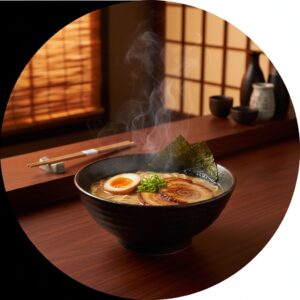
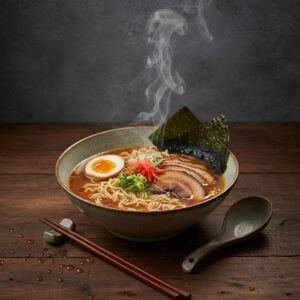
When your bowl arrives, the final ritual begins. Take in the toppings: the tender, melt-in-your-mouth slice of chashu (braised pork), the seasoned bamboo shoots (menma), the crisp sheet of nori seaweed, the bright green scallions, and perhaps the crown jewel, an ajitama (marinated soft-boiled egg) with its jammy, golden yolk. Before eating, take a moment to inhale the steam and appreciate the craft. Then, it’s time to dig in. In Japan, that means slurping. Far from rude, slurping signifies enjoyment. Practically, it serves two functions: cooling the hot noodles as they reach your mouth and aerating the broth to mingle with the noodles, enhancing the overall flavor. So lean in and slurp with confidence—it’s the final, joyful note in this perfect symphony.
Curated Pairings: Legendary Sentō and Ramen Trails in Tokyo
While the beauty of the sentō-ramen ritual lies in its universality, certain Tokyo neighborhoods have perfected this pairing, offering legendary spots that provide an unforgettable experience. Exploring these combinations is an excellent way to immerse yourself in the local culture of a specific area.
Koenji: The Retro Haven
Koenji, located just west of Shinjuku, is a bohemian enclave known for its vintage clothing stores, live music venues, and a fiercely independent, retro spirit. This atmosphere extends to its sentō and ramen shops, which are classic, beloved, and full of character.
The Sentō: Kosugi-yu
Established in 1933, Kosugi-yu is the quintessential neighborhood sentō with a modern, artistic flair. Although beautifully renovated, it maintains a Showa-era charm. Cherished by locals and sentō enthusiasts alike, it’s famous for its signature milk bath that leaves your skin incredibly soft, along with daily rotating specialty baths. The iconic Mount Fuji mural—a staple in any classic sentō—was painted by Mizuki Tanaka, one of Japan’s last two remaining sentō artists. The changing rooms are clean and spacious, complemented by a cozy lounge area for post-bath relaxation. The atmosphere is warm and inviting, serving as a true community hub where you’ll find everyone from tattooed youths to elderly grandmothers.
The Ramen: Tabuchi
A short, pleasant walk from Kosugi-yu through Koenji’s charming narrow streets leads to Ramen Tabuchi. This spot serves old-school ramen at its finest. The shop is small, slightly gritty, and has been serving the same delicious, straightforward shoyu ramen for decades. There’s no fancy ticket machine—just a simple menu on the wall. The broth is a clear, dark shoyu base, rich in chicken and pork flavors but never overpowering. The noodles are thin and wavy, and the chashu is a classic, firm style. It’s a humble bowl of ramen that tastes of nostalgia and tradition. Walking from the clean, modern-retro Kosugi-yu to the delightfully divey Tabuchi perfectly captures the eclectic spirit of Koenji itself.
Asakusa: Tradition and Taste
Asakusa, the heart of old Tokyo and home to the famous Senso-ji Temple, carries a palpable sense of the city’s Edo-period past. Naturally, its sentō-ramen pairing is steeped in history and tradition.
The Sentō: Jakotsuyu
Don’t be misled by its location amid tourist crowds; Jakotsuyu is a true local gem with over a century of history. Its name, meaning “snake bone bath,” hints at its most distinctive feature: sourcing natural, cold kuroyu onsen water. This “black water” is rare in central Tokyo, rich in humic acid from ancient plant matter, which gives it a dark, tea-like color and makes it exceptionally gentle on the skin. The baths are simple and unpretentious, with a traditional design that feels worlds away from the bustling city outside. Soaking in these mineral-rich, historic waters offers a profoundly therapeutic experience.
The Ramen: Yoroiya
Following your historic soak, a stroll toward Senso-ji Temple will bring you to Yoroiya, one of Asakusa’s most renowned ramen shops. They specialize in classic Tokyo-style shoyu ramen that is both traditional and refined. What distinguishes their ramen is the subtle yet distinct addition of yuzu, a Japanese citrus fruit. A touch of yuzu peel is added to the broth, lending a bright, aromatic fragrance that cuts through the richness and refreshes the palate. This lighter, more elegant nuance wonderfully complements the deep, earthy minerals of the Jakotsuyu bath. Enjoying a bowl of Yoroiya ramen amid the temple’s ambient sounds connects you to the deep culinary and spiritual heritage of Asakusa.
Sugamo: The Grandparent’s Harajuku
Sugamo is affectionately dubbed “Harajuku for grandmothers,” a charming district with a relaxed tempo, famous for its Jizo-dori shopping street catering to an older crowd. The area offers a more serene and surprisingly luxurious take on the sentō-ramen ritual.
The Sentō: Tokyo Somei Onsen Sakura
This is no ordinary neighborhood sentō. Sakura is a modern, upscale day spa that draws natural onsen water from 1,800 meters underground. The water is mineral-rich, particularly in iodine, giving it a faint amber tint. The facility is stunning, featuring beautiful indoor and outdoor baths (rotenburo) set within a tranquil Japanese garden. Soaking in the open-air bath surrounded by seasonal foliage is pure bliss. It delivers a more luxurious, resort-like experience than a traditional sentō — perfect for when you want to truly pamper yourself.
The Ramen: Ramen Imamura
After an indulgent soak at Sakura, you deserve a bowl of ramen that’s equally refined. Nearby is Ramen Imamura, a shop celebrated for its sophisticated bowls. Their specialty is a rich, multi-layered broth that harmoniously combines chicken, pork, and seafood elements into a deeply satisfying soup. The noodles are custom-made, and the toppings, including their slow-cooked chashu, are prepared with meticulous care. This is a gourmet bowl of ramen that feels both indulgent and perfectly balanced. The combination of the tranquil onsen at Sakura and the complex, masterfully crafted ramen at Imamura offers a truly elevated, restorative day out in Sugamo.
Beyond Tokyo: The Sentō-Ramen Culture Across Japan

This beloved ritual is by no means unique to Tokyo. It weaves through the cultural fabric of Japan, with regional variations that highlight the local character and climate. Discovering these differences offers a journey into the heart of Japan’s diverse culinary and bathing traditions.
In Kyoto, the former imperial capital, the experience adopts a more subtle and ancient atmosphere. Here, you’ll find machi-no-yu (town baths) set within beautifully preserved wooden machiya townhouses. Funaoka Onsen, despite its name, is a renowned sentō designated as a tangible cultural asset, featuring intricate wooden carvings and decorative tiles that transport visitors to another era. After soaking in such a historic setting, the ideal complement is a bowl of classic Kyoto ramen. Unlike the bold styles found in Tokyo or Sapporo, Kyoto ramen typically has a broth rich in pork and soy sauce, yet surprisingly clear and refined, often garnished with a generous mound of Kujo green onions. This pairing reflects Kyoto’s commitment to elegance and tradition.
Travel west to the lively, boisterous city of Osaka, where the sentō-ramen experience takes on a more flamboyant and hearty character. Osaka is famous for its decorative and occasionally eccentric sentō designs. After a soak, the city’s food-centric culture calls for ramen that is bold and satisfying. You might find yourself in a bustling Dotonbori shop, enjoying a bowl of rich, garlic-infused broth with thick, chewy noodles—perfect fuel for a night out in Japan’s kitchen.
Head north to the snow-covered island of Hokkaido, where the ritual becomes essential for combating the cold. Here, the line between sentō and onsen (natural hot springs) often blurs, as many public baths draw from volcanic springs. Soaking in an outdoor rotenburo while snow falls softly around you is one of Japan’s most enchanting experiences. The physical demand for warmth and calories afterward is huge. The answer, without fail, is a bowl of Sapporo’s iconic miso ramen. This hearty, robust style, usually topped with sweet corn, a pat of butter, and stir-fried bean sprouts, serves as a culinary equivalent of a warm winter coat. It’s a rich, comforting, and deeply nourishing meal perfectly suited to its environment—the ultimate comfort food after a soak in the island’s healing waters.
Practical Guide for the Perfect Combo
Setting out on your own sentō-ramen journey is one of the most rewarding local experiences you can enjoy in Japan. Here are some tips to ensure your first time is smooth, respectful, and deeply satisfying.
Timing is Key: Weekday evenings, typically from 7 PM to 9 PM, offer a great opportunity to observe this tradition alongside locals unwinding after work. For a calmer, less crowded visit, weekend afternoons are ideal. Keep in mind that many ramen shops close between lunch and dinner (usually from 3 PM to 5 PM), so plan accordingly.
What to Bring (and What Not To): The charm of the sentō lies in its accessibility. You don’t need much. Most sentō provide soap, shampoo, and conditioner for free in the washing area. If not, small single-use packets are usually sold at a low price. Towels, both small and large, can almost always be rented at the front desk, so you only need to bring the entrance fee (generally about 520 yen in Tokyo) and an appetite for ramen. Bringing your own small towel is a common local custom. Most importantly, bring a change of clothes for after your bath.
A Gentle Etiquette Refresher: Sentō etiquette isn’t about memorizing strict rules; it’s about being considerate of others sharing the space. The key principles are simple and rooted in respect.
- Wash thoroughly first. Use the washing station to cleanse yourself completely before entering any of the baths.
- Keep your towel out of the bath water. You can rest your small towel on your head (a classic style) or place it beside the tub.
- Tie up long hair. This helps maintain clean water for everyone.
- Be mindful of your space. Avoid splashing or making excessive noise.
- Dry off before returning to the changing room. Use your small towel to pat yourself dry before walking back to your locker to avoid puddles on the floor.
Discovering Your Own Pairing: The most magical sentō-ramen experience may come from the one you find on your own. Open Google Maps in any Japanese residential neighborhood. Search for `銭湯` (sentō) and then `ラーメン` (ramen). You’ll likely find several options clustered within walking distance. Choosing a random pair near your hotel or a station you’re visiting is a fantastic way to craft your own authentic adventure. Often, the humble, family-run spots leave the strongest impressions.
A Ritual of Renewal
The journey from sentō to ramen shop is far more than just a bath followed by a meal. It embodies a philosophy that uncovers profound beauty and comfort in the simple, everyday rituals of life. This process cleanses the body, soothes the mind, and nourishes the soul in the most direct and fulfilling way imaginable.
In today’s fast-paced, hyper-connected world, this ritual provides a rare moment of disconnection—a chance to be fully present in your own body, to feel the warmth of the water and steam on your skin, and to focus solely on the glorious, savory bowl before you. It creates a bond with a community and tradition that has nurtured and sustained generations.
So when you visit Japan, I encourage you to look beyond the grand temples and neon-lit landmarks. Step into a quiet neighborhood, push aside the noren of a local sentō, and let yourself be embraced by the steam. Then, glowing from your bath, follow your senses to the nearest lantern-lit ramen-ya. As you take that first sip of rich broth and perfectly cooked noodles, you won’t merely be having dinner—you’ll be engaging in one of Japan’s most blissful and genuine rituals—a simple, perfect moment of happiness truly earned.