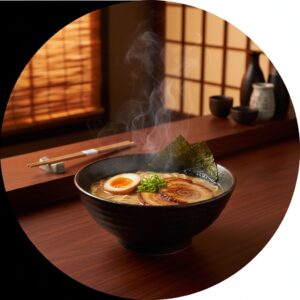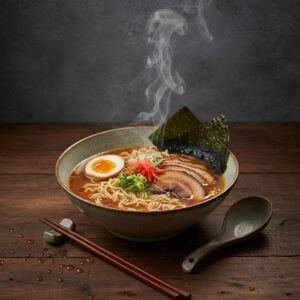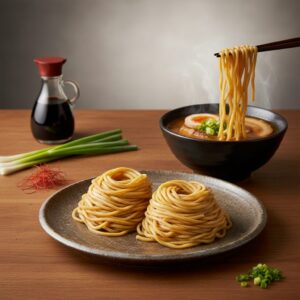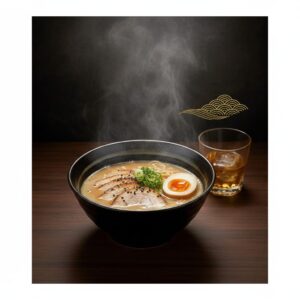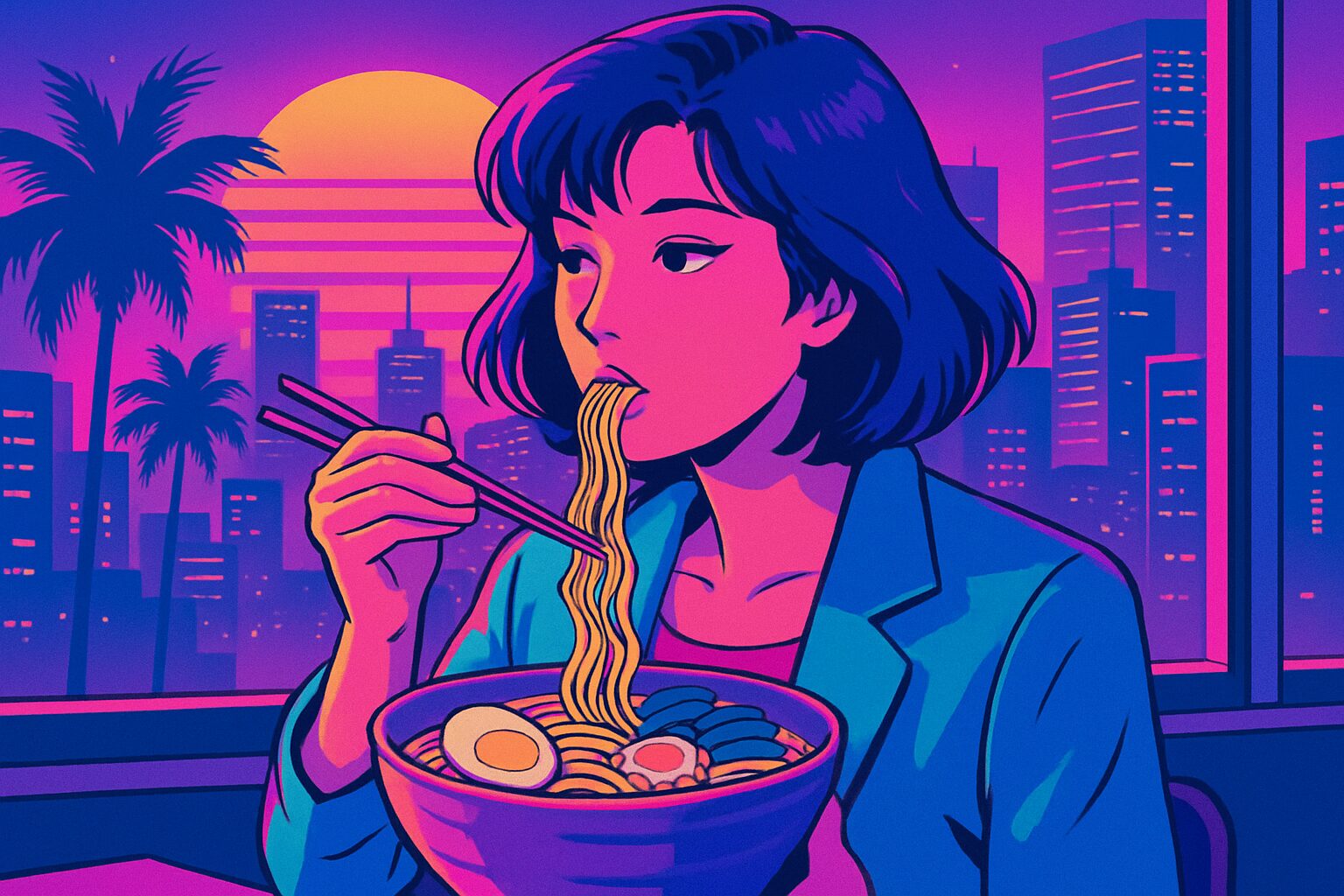
Yo, let’s get real for a second. You think you know Japan? Maybe you’ve seen the temples, snapped a pic of Shibuya Crossing, and even tackled a 7-Eleven egg sando. Bet. But have you truly lived a Tokyo night? I’m not talking about the packed clubs or the boujee rooftop bars, though they have their place. I’m talking about something way more elemental, a vibe so specific and so fire it’ll rewire your brain. Picture this: the clock’s ticking past midnight. The main drags are quieting down, but the city’s heartbeat thumps on in its hidden alleys. Neon signs bleed onto wet pavement, painting the world in electric pinks and blues. You’re wandering, not lost, but searching. And then you find it—a tiny ramen-ya, a warm, steamy beacon against the cool night, with a single red lantern glowing outside. Inside, you’re not just getting a bowl of noodles. You’re plugging into the soul of the city. But there’s a cheat code, a secret handshake to unlock the next level of this experience: the soundtrack. You gotta have the right tunes. And the one and only undisputed heavyweight champion of the late-night ramen vibe is City Pop. That slick, sophisticated, and soul-drenched sound of 80s Japan is the ultimate pairing for a bowl of liquid gold. It’s a combo that transcends taste and sound; it’s a full-blown aesthetic, a time machine to a bubble-era dreamscape. This isn’t just dinner; it’s a main character moment waiting to happen. It’s the real iykyk Tokyo experience, and trust me, once you try it, a simple bowl of ramen will never be the same again. It’s the ultimate low-key flex for any traveler looking to connect with the city’s true rhythm.
For a truly complete Japanese comfort ritual that pairs perfectly with this late-night ramen and City Pop vibe, consider the ultimate pairing of a sacred soak and slurp.
What’s the Vibe? The Unskippable Synergy of Sound and Slurp

So, why this particular pairing? Why does a music genre that peaked decades ago blend so seamlessly with a humble bowl of noodle soup? It’s no coincidence, my friends. It reflects a profound cultural connection that reveals much about Japan’s urban identity. It’s about capturing a fleeting emotion—a blend of nostalgia, melancholy, and sleek, big-city optimism. To truly understand it, you need to unpack the two main players in this sensory duet. Both are icons, born from different times but sharing a surprisingly similar spirit. This combination feels both retro and futuristic, comforting yet cool. It’s the kind of magic that emerges when two cultural forces intersect at just the right moment, creating something far greater than their parts. Let’s dive into the essence of what makes this synergy so powerful.
City Pop: Beyond Just a Retro Playlist
First, let’s delve into the music. If you’ve wandered through the algorithm-driven corners of the internet, you’ve probably encountered City Pop—maybe through that famous image of Mariya Takeuchi or a catchy track in a playlist. But what exactly is it? City Pop is the soundtrack of Japan’s economic boom, the so-called “Bubble Era” of the late 70s and 80s. The nation was prosperous, money was abundant, and a new urban generation had a fresh lifestyle to shape. They cruised in new cars, wore designer fashions, and thrived in a hyper-modern cityscape. The music captured this vibe perfectly. It’s an incredible blend of American styles—think smooth AOR (Album-Oriented Rock), funky grooves, breezy soft rock, and refined jazz—all filtered through a distinctly Japanese approach marked by meticulous production and melodic finesse. The sound is polished, clean, and richly layered. We’re talking crisp horn sections, funky slap bass, shimmering Fender Rhodes keyboards, and vocals smoother than silk kimonos. Themes revolve around this new urban dream: driving along the coast with the roof down, late-night meetings in glittering skyscrapers, bittersweet summer love, and the dazzling yet lonely energy of a city that never sleeps. It’s aspirational music—hopeful but often tinged with a subtle melancholy, a wistfulness known in Japanese as mono no aware, a gentle sadness for the impermanence of things. That’s the secret ingredient. It’s not mere carefree pop; it has depth. Its recent global resurgence, fueled by the internet, shows this feeling resonates universally. It’s nostalgia for a place and time you’ve never experienced, a dream of a future that’s now past. It’s the perfect soundtrack for quiet introspection amid the city’s bustle.
Ramen: The Heartbeat of the Metropolis
Now, for the other half of this dynamic duo: ramen. Make no mistake, ramen is far more than soup. It’s a universe in a bowl—a form of art, science, and cultural treasure all at once. Though its roots trace back to Chinese noodles, Japan embraced and transformed it into something deeply and uniquely Japanese. Every bowl is a complex ensemble of elements. The broth (dashi and tare), often simmered for days to capture every ounce of flavor from pork bones, chicken, seafood, or vegetables. The noodles, varying in thickness, texture, and curl, are engineered to perfectly hold that broth. The toppings provide a curated mix of textures and tastes—the tender slice of chashu pork, the velvety marinated egg (ajitama), the crunchy bamboo shoots (menma), and the savory seaweed sheet (nori). In Japan, ramen is the ultimate equalizer. It’s the quick, energizing lunch for salarymen, the comforting, post-exam meal for students, and especially for our story, the essential late-night treat after drinking or working. The ramen shop itself is a revered space—often small, centered around a counter where you witness the master chef’s artful, focused dance of ladles and strainers amid steamy air. There’s a revered seriousness here, a commitment to craft that demands respect. Eating ramen is a ritual, often a solitary moment to tune out the world and focus entirely on the bowl before you. It’s a personal, almost meditative experience. It warms from within, a culinary embrace satisfying a primal craving for comfort and flavor. It’s the lifeblood of the city, a dish that powers its people through long days and even longer nights.
The Perfect Pairing: Why They Just Click
Put these two together, and something special happens. The vibe is almost cinematic. The smooth, bittersweet optimism of City Pop provides the ideal emotional backdrop for the ramen experience. The music paints a picture of the city you’re in, but with a slightly dreamier, more romantic sheen. You become the star of an 80s Tokyo film. As a funky bassline from Tatsuro Yamashita hums in your ear, you take your first mind-blowing sip of rich, savory tonkotsu broth. The flavors burst—complex and profound—mirroring the lush layers of the song’s production. The faint sadness in a Miki Matsubara tune echoes the solitary feeling of sitting at the counter, surrounded by strangers yet enveloped in your own world. It’s a beautiful kind of loneliness, one only found in a sprawling metropolis. The hopeful, soaring chorus of a Mariya Takeuchi anthem matches the sensation of being rejuvenated by a warm, nourishing meal, ready to step back into the electric night. It’s a sensory experience firing on all cylinders. The heat of the broth, the noodles’ texture, the umami-rich toppings, all accompanied by the sounds from a golden era now gone. It elevates a simple meal into an immersive cultural moment. This pairing nourishes not only body but soul and imagination too. It’s the ultimate way to connect with the rhythm and history of urban Japan. Honestly, it just hits differently.
The Ultimate Playlist: Tracks That Hit Different with Tonkotsu
Alright, you understand the theory now. Next up is practice. You can’t just toss on any playlist and expect magic to happen. You need the right tracks for the right bowl—ramen and rhythm must be perfectly synchronized. This is your curated guide, your sonic menu to accompany your noodle journey. We’ll explore the legends, the anthems, and the deep cuts that will transform your late-night slurp session from a simple meal into a transcendent experience. Grab your headphones, because we’re about to drop some certified bangers guaranteed to make that chashu taste even better.
The Queen of City Pop: Mariya Takeuchi
Start with the queen. For many outside Japan, Mariya Takeuchi is the gateway to the entire genre. Her music embodies City Pop: impeccably produced, emotionally resonant, and timelessly cool. Her voice carries warmth and sincerity that breaks through the polished production, making every word feel personal even if you don’t understand the language. She’s the undisputed GOAT, and her tracks are a must-have for any ramen-slurping playlist.
“Plastic Love” – The Anthem
Let’s get this out of the way first. This is the song—the one resurrected from obscurity by the YouTube algorithm and turned into a global sensation. And rightly so—”Plastic Love” is a masterpiece. From its iconic, danceable intro to its funky bassline and bittersweet lyrics about love in a superficial world, it perfectly captures the City Pop aesthetic. The vibe is pure, late-night Tokyo: sophisticated, a little lonely, and the kind of soundtrack for staring out a rain-speckled window while reflecting on your life choices. It’s got a groove that makes you nod your head, even as the melancholic story unfolds.
The Pairing: This track calls for a classic, impeccable bowl of Shoyu Ramen. Shoyu, with its clear, dark soy sauce-based broth, is one of ramen’s original styles—elegant, savory, and deceptively deep in flavor, much like the song itself. The broth’s complex layers—a touch sweet, a bit salty, deeply umami—mirror the intricate production and emotional depth of “Plastic Love.” Every slurp of the springy noodles uncovers a new layer in the song, whether a hidden synth or subtle vocal harmony. This pairing fits a rainy Tuesday night in a quiet Shinjuku spot when you’re feeling philosophical. Timeless, iconic, and unfailingly satisfying.
“Yume no Tsuzuki (Dream’s Continuation)”
If “Plastic Love” is for quiet reflection, “Yume no Tsuzuki” kicks up the energy. It’s a more upbeat, driving track with a relentless beat, bright synths, and Mariya’s hopeful vocals. This is the soundtrack for that second wind hit at 1 a.m., the feeling you get leaving the ramen shop revitalized and ready for whatever the night brings. It’s made for wandering illuminated streets, feeling like the city is yours.
The Pairing: This track’s energetic momentum demands a ramen to match—big, bold Kotteri Tonkotsu. This super-rich, opaque, creamy pork bone broth coats your lips and warms your core, a flavor bomb just like the song’s energy. It fully refuels you with a savory punch. Pair it with firm (katame) noodles for extra bite. This combo is ideal after a night out with friends, when you’re buzzing and need one last epic stop before calling it a night. Pure, unfiltered satisfaction.
The Groovy Maestro: Tatsuro Yamashita
If Mariya Takeuchi reigns as queen, her husband Tatsuro Yamashita is the undisputed king. A musical genius, brilliant songwriter, virtuoso guitarist, and producer with the Midas touch, his sound is sunnier and funkier than Takeuchi’s, overflowing with breezy, infectious optimism. Tatsuro is the groove master—the architect of the summer vibe. Listening to him is like stepping into an endless golden hour by the coast.
“Ride on Time”
This track is an anthem of pure, unbridled joy. From the soaring vocal harmonies onward, you’re lifted off your feet. The horns blast triumphant, the bass pops, and Tatsuro’s vocals are powerfully clear. It’s a musical adrenaline shot that makes you feel invincible. A song about seizing the moment, impossible to hear without smiling.
The Pairing: Such bright, uplifting energy asks for a clean, refreshing ramen—a premium Shio Ramen. Shio, or salt-based broth, is the lightest and clearest of the main types. But light doesn’t mean simple; a great shio broth is nuanced and complex, often blending chicken, seafood, and vegetable stocks. It’s clean, zesty, and lets quality ingredients shine, awakening the palate just like the song awakens the spirit. Perfect for a clear, cool night when you feel on top of the world—a reset button in a bowl, pure bliss.
“Sparkle”
That opening guitar riff—if you know, you know. One of music’s most iconic and instantly recognizable sounds. “Sparkle” is the essence of cool—effortlessly groovy, stylish, with laid-back confidence off the charts. It’s the sound of the city at dusk, when lights glitter and night possibilities stretch on endlessly. This track doesn’t try; it just is cool, the perfect soundtrack to lean back and soak in the vibe.
The Pairing: A song this full of character needs a ramen that matches. Enter Miso Ramen. Originating from Hokkaido, miso ramen boasts a complex, deeply savory, slightly funky broth made from fermented soybean paste. It’s rich, nutty, and incredibly comforting. Like “Sparkle,” it reveals itself in layers. For the ultimate experience, try Sapporo-style miso ramen, usually served with a pat of melting butter and sweet corn. The broth’s warmth and layered complexity match that legendary riff’s sophistication. This combo suits the moment when you find a hidden gem of a ramen spot and want to savor every bite.
The Silky-Voiced Icon: Anri
Anri was another powerhouse of City Pop, delivering hit after hit of sun-drenched, feel-good tunes. Her smooth, commanding voice handles everything from breezy pop to soulful ballads. Her music evokes perfect summers: romance, dancing, and scenic drives. She adds vibrant energy to the late-night ramen vibe.
“Last Summer Whisper”
Pure nostalgia in sound. A mellow, wistful groove about recalling a summer romance. Smooth bassline, soulful sax, and Anri’s gentle, longing vocals. It’s a song for reflection—those quiet moments alone amid a bustling city. Bittersweet and captivating.
The Pairing: A theme of memory and separation deserves Tsukemen, or dipping ramen. The noodles and broth come separate—you dip cold, chewy noodles into a hot, concentrated broth bite by bite. This mindful separation mirrors the song’s theme of revisiting a past you can never fully return to. The intense, savory broth bursts like a vivid memory. It’s an interactive, contemplative meal perfectly suited to this mellow classic.
“Shyness Boy”
In total contrast, “Shyness Boy” is a playful, upbeat, insanely catchy dance tune. Pure pop energy, bouncy synths, an irresistible beat, and a chorus stuck in your head for days. It embodies flirtatious fun and will shake you out of any late-night slump.
The Pairing: This lively track calls for a ramen that packs a punch: spicy Tantanmen. A Japanese take on Sichuan dan dan noodles, featuring a spicy, nutty broth made with sesame paste and chili oil, topped with seasoned ground pork. The tingling Sichuan pepper heat and chili’s kick awaken the senses—just as the song’s energy does. Ask for extra spice (karame) if daring to match the song’s vibe perfectly. This pairing blasts away fatigue and powers you through the night.
The Underrated Kings and Queens
Beyond the titans, a universe of City Pop artists offers pure gold for late-night noodle sessions. Delving into these deep cuts moves you from tourist to true connoisseur—earning street cred with the real heads.
Tomoko Aran – “Midnight Pretenders”
The quintessence of late-night loneliness in the city. Moody, atmospheric, thick with cool, smoky melancholy. Lush, mysterious synth pads, a steady hypnotic beat, and a heartbreaking sax solo. Feels exactly like roaming Shinjuku at 2 a.m. with neon reflections shimmering on wet streets. A masterpiece of mood.
The Pairing: This dark, complex song demands an equally bold ramen: Kuro Ramen, or black ramen, named for its black garlic oil (mayu) swirled into the broth. The oil delivers smoky, pungent, slightly bitter depth, adding mass layers of flavor. The bowl’s dark look and earthy profile perfectly embody “Midnight Pretenders”—a sophisticated, challenging, unforgettable experience, just like the track.
Miki Matsubara – “Stay With Me”
Another internet-fueled sensation, “Mayonaka no Door / Stay With Me” is an emotional powerhouse. The instantly recognizable intro and pleading “Stay with me…” hook blend catchy pop with heartfelt soul. Miki’s powerful, emotive voice conveys desperation and longing in every note. A certified classic that hits you deep every time.
The Pairing: For such emotional resonance and comfort, you need pure comfort ramen: classic Chashu-men loaded with toppings. A bowl heaped with extra tender, melt-in-your-mouth braised pork belly. Hearty, soulful, and deeply gratifying—a ramen hug. The richness and comforting broth soothe your soul as Miki’s vocals wash over you. Simple, honest, and profoundly satisfying.
Junko Ohashi – “Telephone Number”
Let’s close the playlist on a high note. “Telephone Number” is pure funk, groovy and upbeat, with a bassline that makes your head nod instantly. Junko’s powerful, soulful voice rides the groove perfectly. The song captures the romantic tension and anticipation of waiting for a call, but vibes with infectious feel-good energy. It’s a guaranteed party starter—even if the party’s just you and your noodles.
The Pairing: A track built on punchy groove calls for a ramen that gets straight to the point: Abura Soba, or “oil noodles.” This brothless ramen dishes noodles with a savory oil-based sauce (tare) and toppings, all mixed together by you. No broth to mask flavors—it’s pure, intense noodle and sauce taste. The assertive, bold flavors of abura soba perfectly match the funky directness of “Telephone Number.” Fun, interactive, and delicious—the perfect end to your sonic and culinary journey.
Finding Your Noodle Nirvana: The Late-Night Ramen Scene
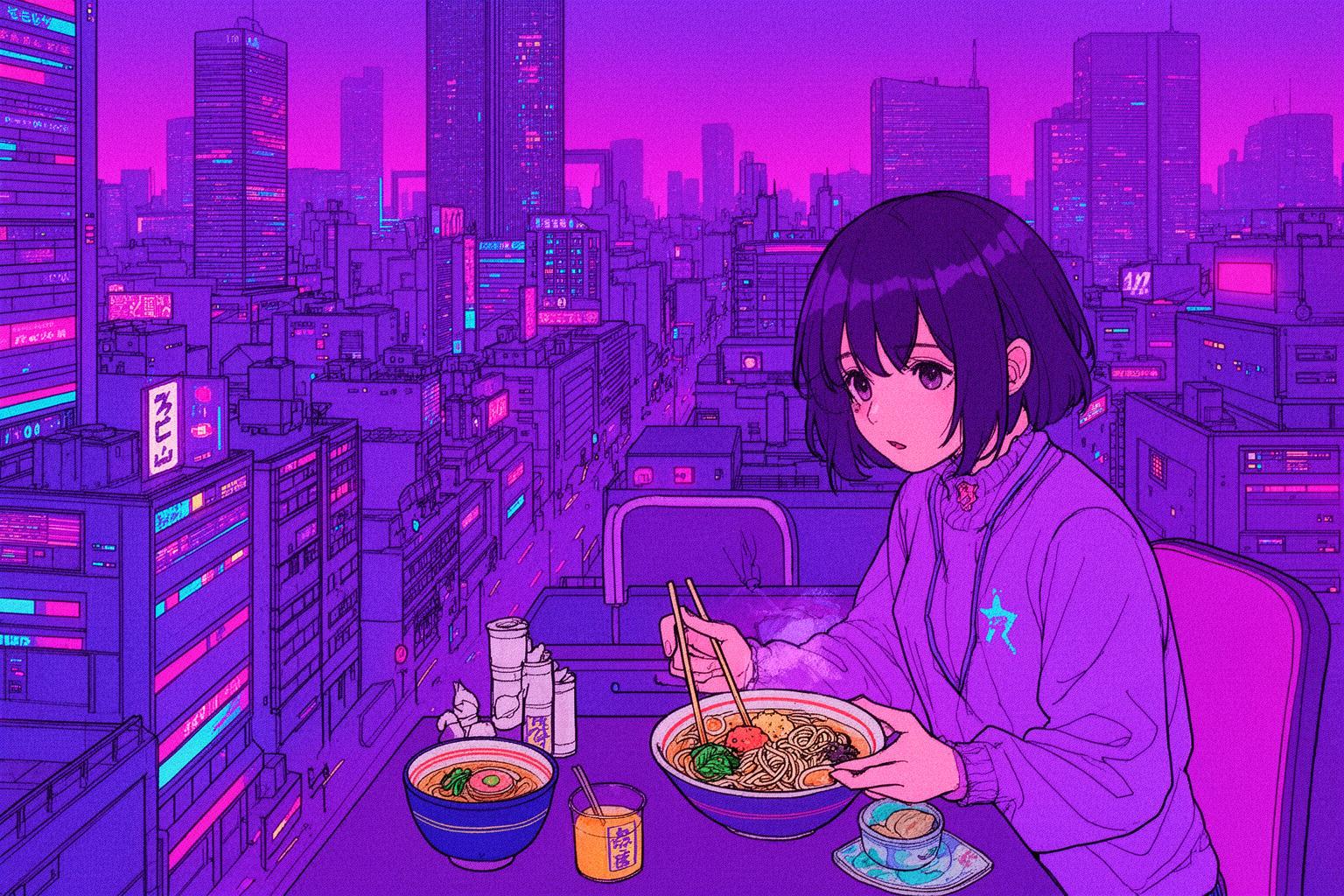
Alright, so you’ve got your playlist set and ready. But how do you pick the perfect stage for your culinary concert? The late-night ramen-ya is its own unique world, complete with its own culture, etiquette, and cast of characters. It might feel a bit daunting the first time you step in, but once you grasp the basics, it’s actually quite straightforward. Getting this right is essential for a fully immersive experience. It’s not just about the food; it’s about the whole atmosphere.
The Anatomy of a Ramen-ya
Most authentic ramen shops, especially the ones with history, aren’t fancy. They’re practical, efficient, and designed with one goal: to serve incredible ramen as quickly as possible. Expect a cozy space, often equipped with seating at a long wooden counter facing the open kitchen. This seating is prime territory, giving you a front-row view of the action: the master, or taisho, moving with practiced precision, pulling noodles from boiling water, skillfully arranging toppings, and ladling broth as steam rises. The air is filled with the unforgettable aroma of simmering pork broth, a scent that will linger in your memory in the best way. The sounds matter just as much: the clinking of ceramic bowls, the hiss of the noodle boiler, the rhythmic slurping of fellow diners, and the brisk yet efficient commands of the staff. It’s a full sensory experience. Don’t expect plush seats or leisurely service. This is a place of purposeful, delicious simplicity.
How to Order Like a Pro (Even if You’re a Total Newbie)
One of the first challenges for newcomers is the ticket machine, or kenbaiki (券売機). It’s essentially a meal vending machine—a brilliant system that speeds up ordering. Here’s how it works: find the machine, usually near the entrance. Insert your money (most accept bills up to 1,000 yen and coins, so have small change ready). Then, you’ll see a grid of buttons, often with pictures of the ramen. Typically, the top row features the shop’s signature dishes. Choose your ramen and press the corresponding button. Next, look for smaller buttons for extra toppings—a marinated egg (ajitama or ni-tamago), extra pork (chashu-mashi), bamboo shoots (menma), or seaweed (nori). You might also find options for side dishes like gyoza or a beer. Each time you press a button, a ticket prints out. Once finished, gather your tickets and take a seat at the counter. Hand the tickets to the chef, and your order is set! If there’s no machine, it’s even easier: wait for the staff to approach and point at the menu. A handy phrase is “Osusume wa nan desu ka?” (“What do you recommend?”). They’ll always guide you well. Some more specialized shops might ask about your noodle firmness preference: katame (hard), futsuu (medium), or yawarakame (soft). Katame is often the pro choice since the noodles will continue cooking in the broth. They might also ask about broth richness (kotteri for rich, assari for light). Don’t worry—just pick what feels right.
The Unspoken Rules: Ramen Etiquette 101
Japanese culture holds many unspoken customs, and the ramen-ya is no exception. But they’re all sensible and easy to follow. First and foremost: slurp your noodles! Seriously. It’s not rude; it’s the exact opposite. Slurping serves two purposes: it cools the hot noodles so you won’t burn your mouth, and it aerates the noodles and broth, which chefs believe enhances the flavor. So slurp freely, loudly, and proudly. Secondly, don’t linger. Ramen is considered fast food. Once your bowl is empty, it’s polite to leave, especially if there’s a line outside. The idea is to eat and free up space. Third, while a quick photo for social media is fine, avoid scrolling through your phone or taking calls. A ramen shop is a place for focused eating. Respect the craft and other diners. Keep your bag off the counter; there’s usually a hook underneath or a small shelf behind you. Finally, when leaving, it’s customary to say “Gochisousama deshita” to the chef. This simple phrase means “Thank you for the meal,” and it’s a sign of respect that’s always appreciated.
Crafting the Perfect Experience: A Step-by-Step Guide
Now you have all the elements: the music, the knowledge of ramen, and the cultural insight. It’s time to combine them and create your ultimate City Pop ramen night. This is your personal mission, a quest for a moment of pure urban zen. Follow these steps to craft an unforgettable experience.
Setting the Mood
The experience doesn’t begin when you sit down at the counter. It starts with the journey there. Don’t just hop into a taxi and head straight to a famous spot. The prelude is part of the ambiance. Give yourself time to wander. Stroll through the glowing canyons of Shinjuku or the chaotic, vibrant streets of Shibuya. Let the city’s energy engulf you. Maybe drop into a noisy arcade for a few minutes and get lost in the lights and sounds. That contrast will make the eventual calm of the ramen shop even more satisfying. As you walk, cue up your soundtrack. Pop in one earbud—it’s important to stay aware of your surroundings, but you need the music to start setting the scene in your mind. Let the smooth grooves of City Pop serve as the soundtrack to your urban exploration. By the time you find your spot, you’ll already be in the perfect headspace.
Choosing Your Stage: Where to Find the Best Late-Night Spots
You have choices. There are the well-known, reliable chains like Ichiran or Ippudo. Ichiran, with its famous “flavor concentration booths” for solo dining, is practically made for this introspective, music-fueled experience. They’re a great, approachable starting point. But for the authentic experience, you’ll want to venture further. The areas around major train stations are treasure troves for late-night ramen. Shinjuku, Shibuya, Ikebukuro, and Shimbashi (a salaryman favorite) are packed with legendary shops and hidden gems. Don’t hesitate to explore narrow side streets and yokocho (alleyways). Often, the best sign of a great ramen shop is the most obvious: a line of people waiting patiently outside. That’s a good indicator. Also, watch for the iconic red lantern (akachochin) hanging outside; it’s often a mark of a classic, old-school joint that’s been serving soul in a bowl for decades. Trust your instincts and the crowd.
The Main Event: The Slurp
This is it—the moment of truth. You’ve handed over your ticket and are sitting at the counter. The chef places the bowl before you. Take a moment to appreciate it. It’s a work of art. The shimmering broth, the perfectly coiled noodles just visible beneath the surface, the carefully arranged toppings. It’s a beautiful sight. The ritual begins. First, as many ramen masters recommend, sip the broth alone. Let that deep, complex flavor coat your palate. This is the soul of the dish. Then, pick up your chopsticks and grab a generous mouthful of noodles. Bring them to your lips and slurp them up. Don’t be shy. Feel the texture, the chewiness, the way they carry that incredible broth. This is when the music truly aligns. That funky bassline from “Sparkle” drops just as the rich umami of the miso broth hits you. The melancholic saxophone from “Midnight Pretenders” begins as you savor the smoky black garlic oil. It’s a perfect harmony. You, the ramen, the music, the city outside—they all blend into one perfect, unforgettable moment. This is what you came for. It’s a taste of Tokyo’s true heart.
Beyond the Bowl: Expanding Your City Pop Universe

Once this combination hooks you, you’ll find yourself wanting more. The world of ramen and City Pop is vast and deeply rewarding. This meal can serve as the gateway to a broader cultural journey, offering a fresh perspective on Japan’s sights and sounds. If you’re eager to deepen your passion, here are some ways to broaden your horizons and fully embrace the City Pop lifestyle.
Where to Hunt for More Grooves
While streaming platforms are convenient, truly experiencing City Pop often means some crate digging. Tokyo is a haven for vinyl enthusiasts. Visit record stores like Disk Union—which has several locations, each focused on different genres—HMV Record Shop in Shibuya, or the expansive Tower Records. Spend a leisurely afternoon browsing the Japanese pop sections. There’s a unique thrill in uncovering an album with striking cover art and taking a chance on it. You’ll encounter all the iconic artists we’ve mentioned, along with hundreds of other amazing musicians waiting to be discovered. It’s a tangible link to the era and a fantastic way to find new favorites untouched by algorithms. Plus, you come away with an awesome souvenir. If physical media isn’t your preference, the internet is your best ally. Explore YouTube channels featuring rare tracks, dive into user-curated Spotify playlists, and join online communities on Reddit or Discord where fans share fresh discoveries.
Living the Aesthetic
City Pop is more than music—it’s a mood and lifestyle. The genre drew inspiration from a specific way of living, and traces of it still resonate throughout Tokyo. After enjoying your ramen, instead of heading straight back to your hotel, seek out a classic cocktail bar for a nightcap. Visit one of the sky-high bars in the Shinjuku Park Hyatt or the Tokyo Metropolitan Government Building, where you can gaze over the endless city lights, just like the characters in the songs. If possible, take a train trip to coastal spots like Kamakura or Enoshima, which inspired the breezy, seaside vibes of the music. Even a nighttime drive along the elevated Shuto Expressway, watching taillights streak by, can make you feel like you’re inside a Tatsuro Yamashita album cover. The key is to experience the modern city through that retro, optimistic, and slightly wistful lens. It transforms how you see and feel everything.
A Final, Savory Thought
Ultimately, this entire ritual—the late-night stroll, the city’s hum, the perfect playlist, the life-affirming bowl of ramen—is about much more than just food and music. It’s a form of urban meditation, a way to discover a moment of deep, personal connection in one of the largest, busiest cities on earth. It’s about tuning into a specific frequency, a cultural wave that is both nostalgically rooted in a past you never experienced and effortlessly, timelessly cool. It shows that sometimes the most memorable travel experiences aren’t found in guidebooks or famous landmarks but in the small, quiet moments: sitting at a counter, headphones on, with a warm, delicious bowl in front of you, feeling completely in sync with the world around you. So, on your next trip to Japan, do yourself a favor. When the night grows late and hunger strikes, don’t just grab something from a convenience store. Embark on a small adventure. Find a glowing red lantern in a quiet alley. Put on “Plastic Love.” Order a big bowl of ramen, and create your own main character moment. Slurp loudly, listen intently, and let the magic of the Tokyo night take over. You won’t regret it.